Home Audio
Focal Kanta Lineup Guide: No.1, No.2, No.3, Center, and Sub 1000 F
A practical walkthrough of the Focal Kanta speaker family, from the compact No.1 bookshelf model to the No.3 floorstander, the Center channel, and the Sub 1000 F.
Introduction
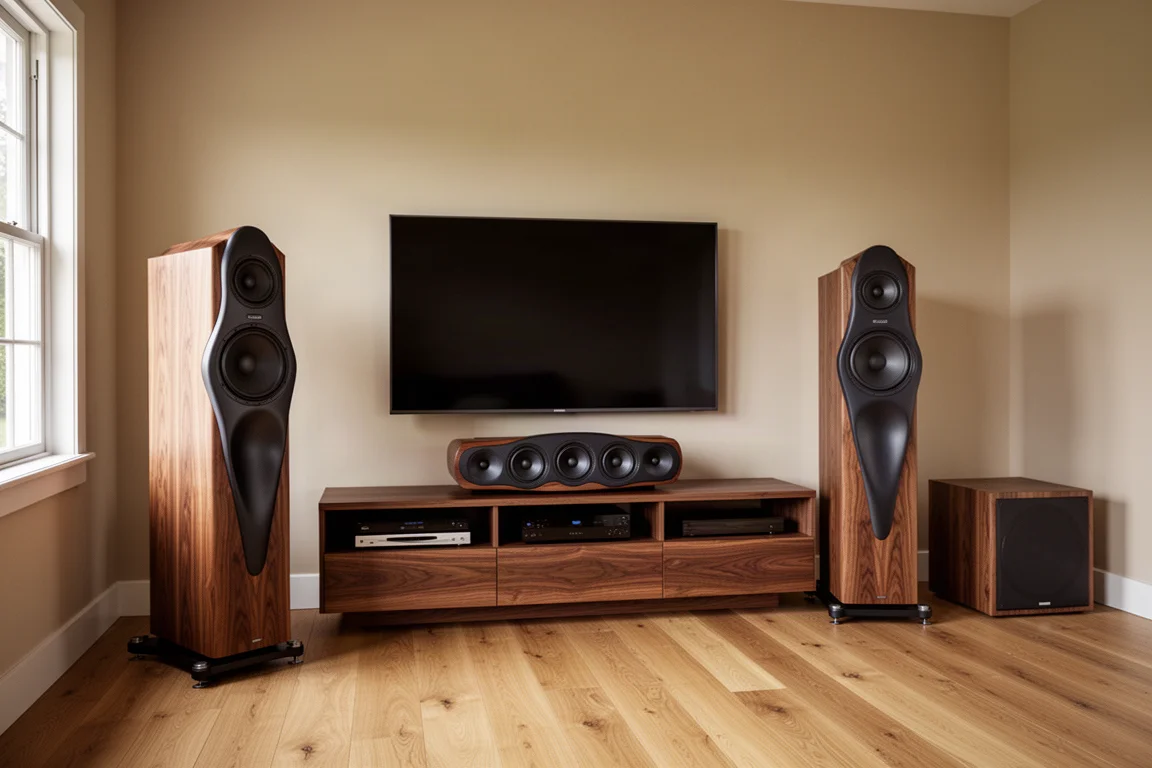
Focal’s Kanta line sits near the top of the company’s loudspeaker range, with only the Sopra and Utopia series above it. The idea behind Kanta is straightforward: take driver and cabinet engineering developed for the reference Grand Utopia and Sopra models, then deliver a large share of that performance in smaller cabinets at a more attainable price.
The line covers five models. The Kanta No.1 is a compact bookshelf speaker, the No.2 and No.3 are floorstanders of increasing size and output, the Kanta Center handles dialogue in a multichannel system, and the Sub 1000 F adds the low-frequency foundation. This guide covers the shared technology first, then each model in turn, and finishes with practical advice on matching the line to a room.
Shared Technology Across the Kanta Line
Every Kanta speaker combines two driver technologies that Focal had not previously used together in a single design: a beryllium dome tweeter and flax cone drivers. The tweeter is specified out to 40 kHz. That range sits far above anything a listener can hear, but a driver that stays clean that high is unlikely to break up in the frequencies that matter most, which is where the audible benefit comes from.
The tweeter also uses an infinite horn loading system. Its rear is loaded by a small cavity connected to the outside of the cabinet through a horn filled with damping material, so energy radiating from the back of the dome is absorbed gradually instead of bouncing back into the diaphragm. That keeps back pressure and compression low and lets the dome move as freely as possible.
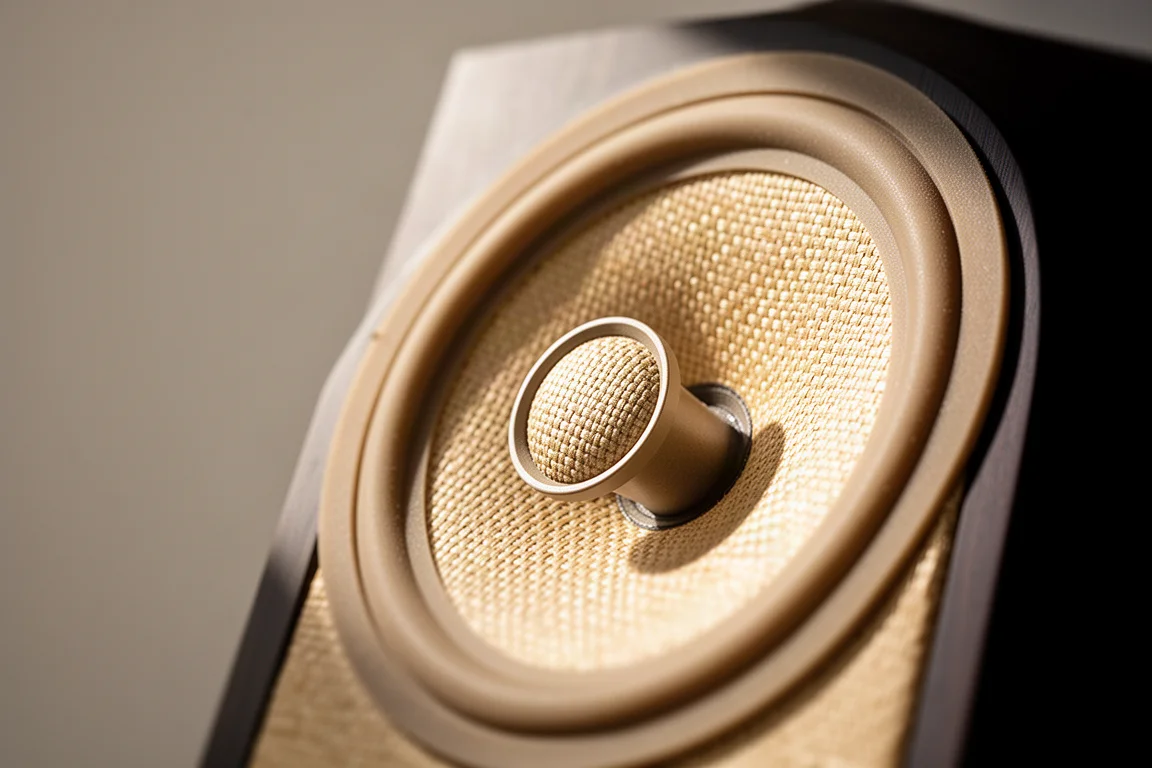
Flax cones arrived in 2013. Flax is a natural material with excellent damping properties and low weight, but on its own it is not rigid enough, so Focal builds it into a sandwich with glass fibre. The result is a cone that is light, stiff and well damped internally, and considerably cheaper to produce than the handmade W and K2 cones used further up the range. The midrange driver adds a tuned mass damping suspension, and the motor uses a neutral inductance circuit to stabilise the magnetic field for better controlled bass.
The enclosure matters just as much. The front baffle is moulded from a high-density polymer that is 70 percent denser than MDF, 15 percent stiffer and offers 25 percent more damping. Because the baffle material differs from the cabinet material, the two resonate differently, which reduces the transfer of vibration between them. Its soft contoured edges limit diffraction, and the profile is shaped so that each driver’s output reaches the listener at the same time, an approach Focal calls Focus Time. The baffle mounts to a well-braced moulded multi-ply cabinet. Finishes include high gloss black and high gloss white, plus matte and high gloss walnut, each with a choice of front baffle colour.
Focal Kanta No.1: The Compact Bookshelf Model
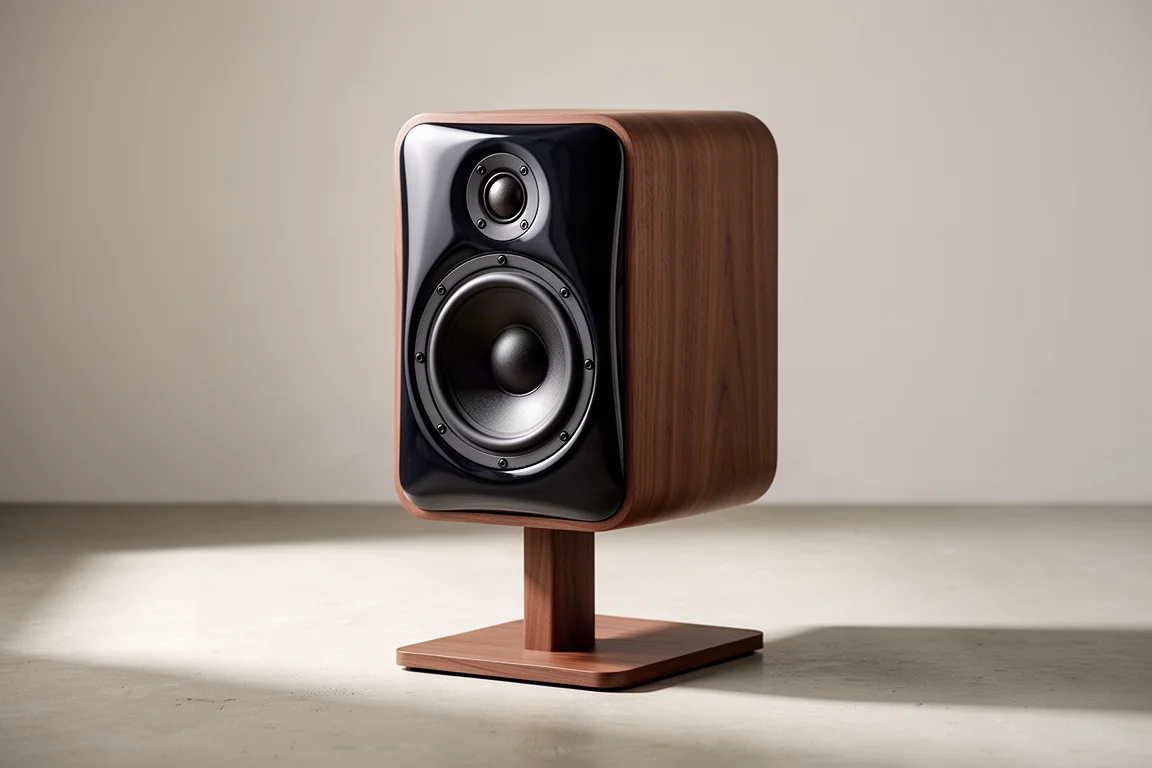
The Kanta No.1 is the bookshelf model. It pairs a 6.5 inch mid-bass driver with the beryllium tweeter, and its rated response is 46 Hz to 40 kHz. Sensitivity is 88 dB with an 8 ohm rating, and power handling is specified between 25 and 150 watts, which keeps it usable with a wide range of amplifiers.
The enclosure is rear-ported, so it generally performs best with some distance from the front wall, and port plugs are included for the situations where close-to-wall placement is unavoidable. As a main speaker it suits rooms up to roughly 270 square feet. It is also an obvious candidate for surround duty alongside the No.2 or No.3, and the dedicated Stand No.1 adjusts between 24 and 25 inches in height with the same footing arrangement as the larger models, so a multichannel system keeps a consistent look from front to back.
Focal Kanta No.2: The Balanced Floorstander
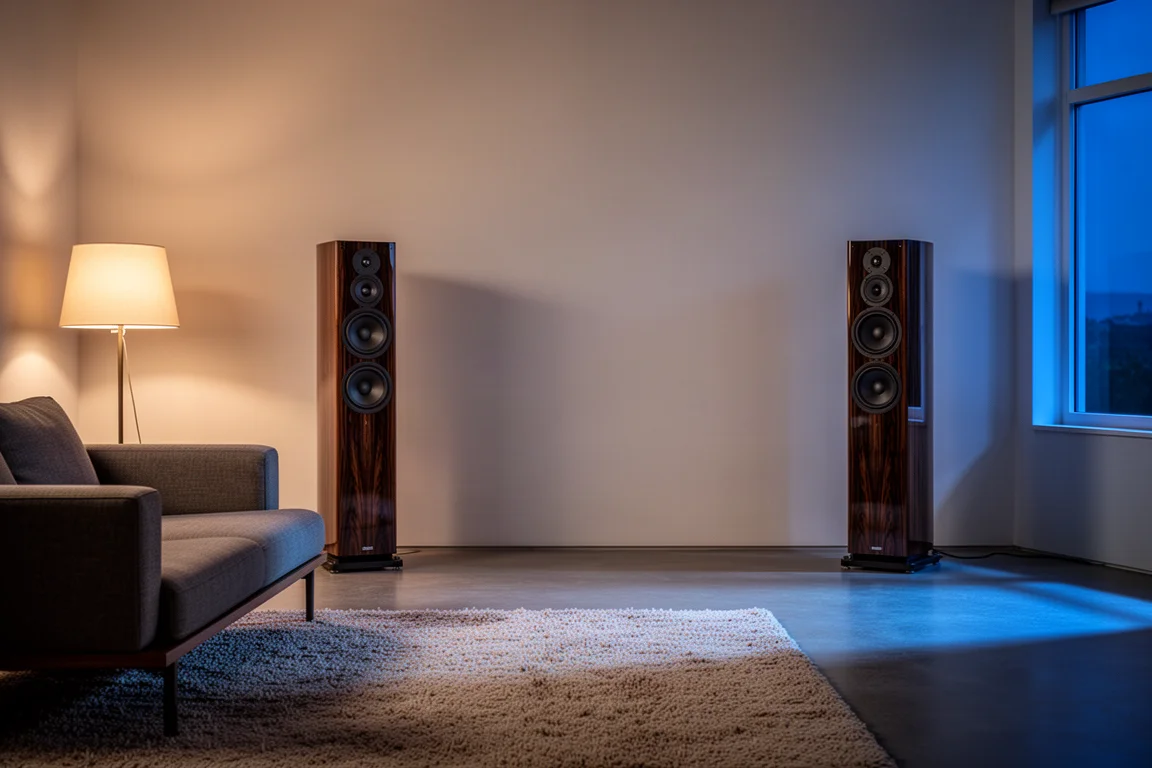
The Kanta No.2 takes the same flax midrange and beryllium tweeter and adds two 6.5 inch flax woofers in a floorstanding cabinet. Rated response is 35 Hz to 40 kHz with 91 dB sensitivity. Nominal impedance is 8 ohms, but it dips to 3.1 ohms, so an amplifier that is comfortable driving 4 ohm loads is the sensible pairing.
The larger cabinet brings genuine bass weight and depth compared with the No.1 while keeping the midrange character intact. Bass-led material gains body without the midrange turning thick, and dense, cymbal-heavy rock recordings stay composed as the volume rises, which is exactly where smaller speakers tend to harden.
The No.2 and No.3 both use front and rear mounted ports. That dual port arrangement keeps dynamic compression in check, and the supplied foam plugs let you tune the bass and open up placement options in rooms where the speakers cannot sit far from a wall. Both models also sit on a Zamac base, an alloy of zinc and aluminium that is lighter than steel and helps stop resonance from reaching the floor. Outriggers balance the load of the cabinet for tighter bass and clearer midrange detail, spikes and cups are supplied for different floor surfaces, and height adjustment is accessible from the top.
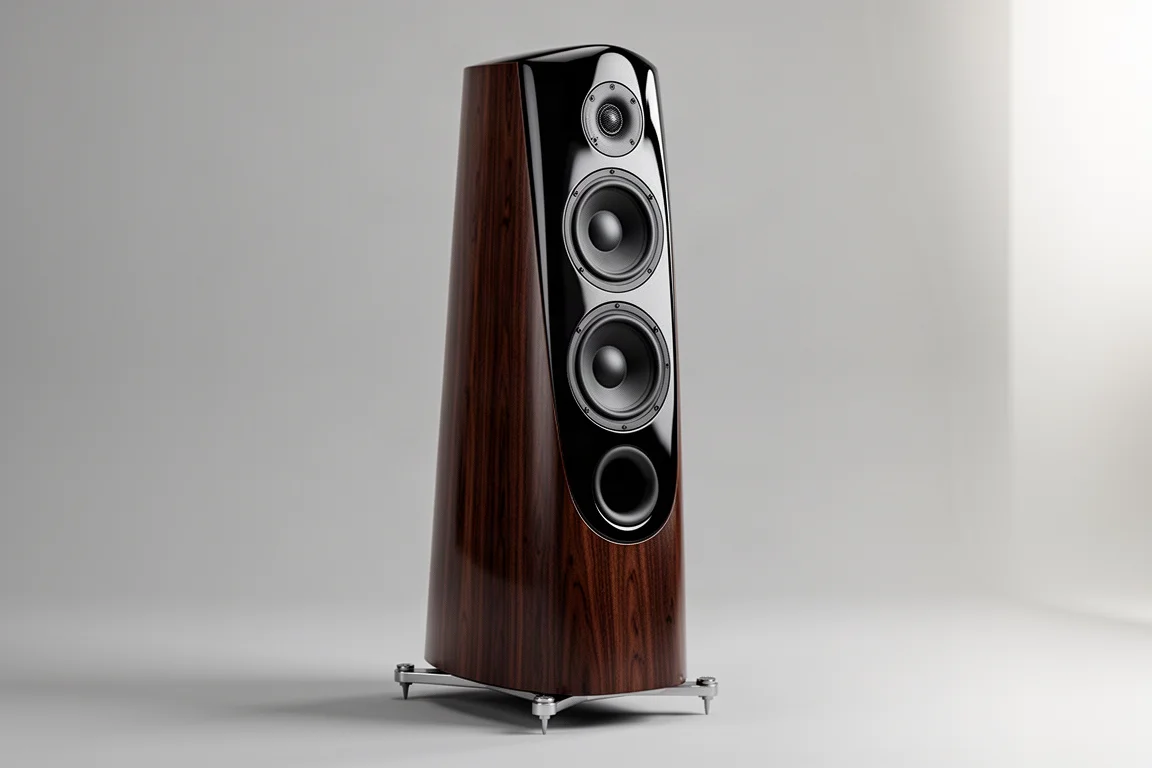
Focal Kanta No.3: More Bass Depth for Larger Rooms
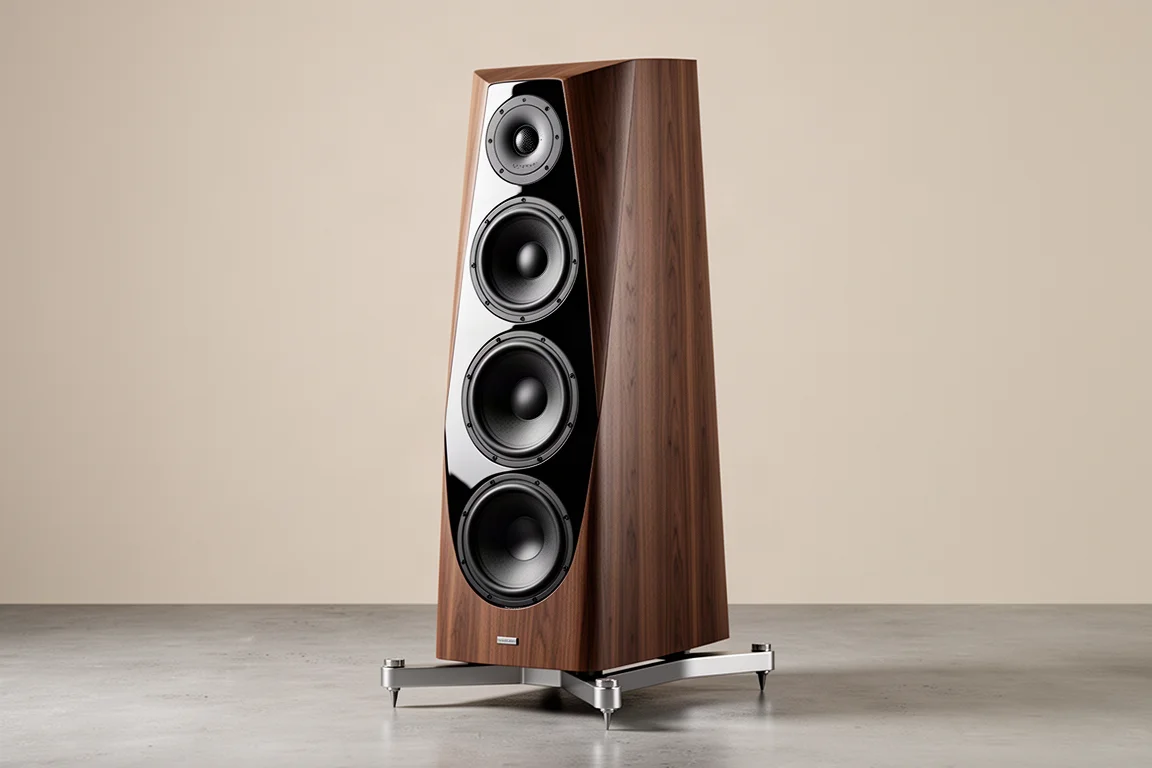
The Kanta No.3 is the larger floorstander, using two 8 inch flax woofers instead of the 6.5 inch units on the No.2. Rated response extends down to 33 Hz, sensitivity is 91 dB, and the 8 ohm nominal impedance dips to around 3 ohms, so a 4 ohm stable amplifier is recommended.
The extra cone area is the point of this model. In a larger room, that added displacement translates into more bass power and depth, which is what lets the No.3 fill a space without straining. It carries over the dual port arrangement with foam plugs, the Zamac base and the adjustable outrigger footing of the No.2, so placement flexibility and stability are the same.
One detail worth checking in a bright room or a projector setup: the reflective glass top panel can catch light and draw the eye. It is a cosmetic consideration rather than a performance one, but it is worth knowing before you commit to a position.
Focal Kanta Center: Matched Dialogue for Home Theater
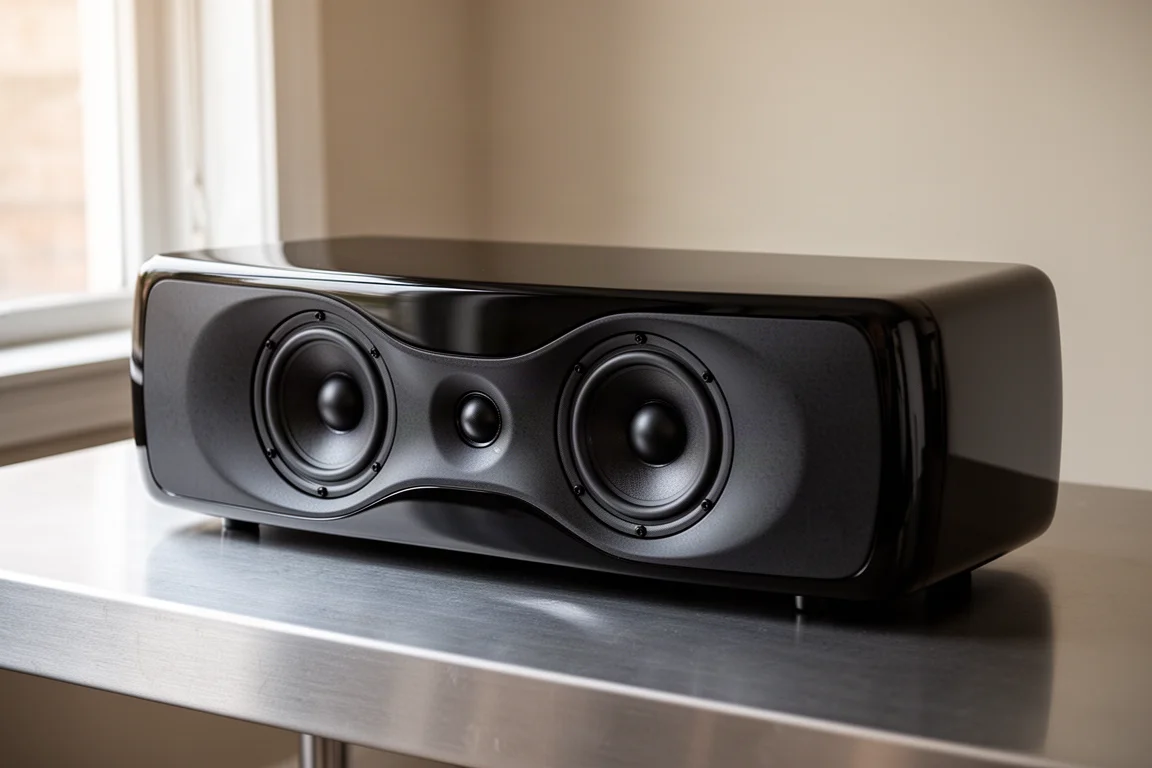
The Kanta Center uses the same 6.5 inch flax mid-bass drivers and beryllium tweeter as the stereo models, which matters more than it might sound. A centre channel with the same tonal balance as the left and right speakers keeps dialogue and on-screen action anchored to the picture instead of pulling attention toward the speaker itself. Rated response is 55 Hz to 40 kHz.
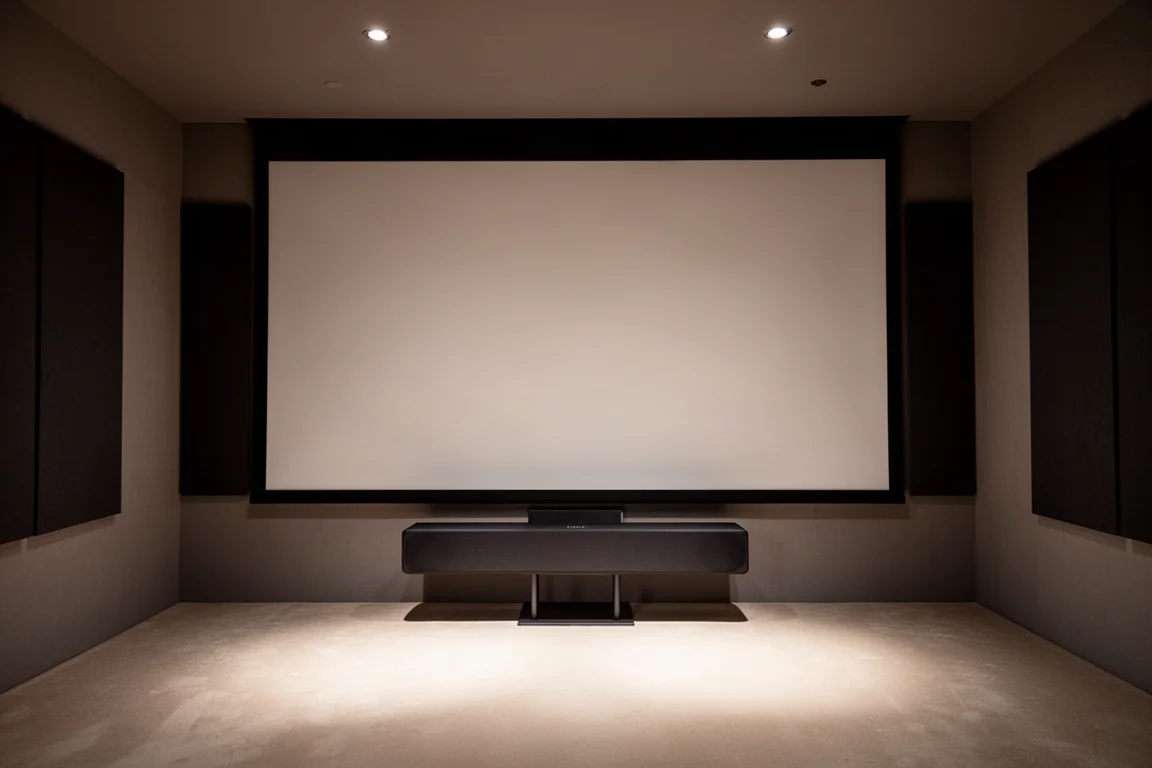
It is rear-ported like the No.1, so the same advice applies about leaving some breathing room behind it. Focal also offers a dedicated stand that positions the speaker at the correct height beneath a screen.
Focal Sub 1000 F: Completing the Low End
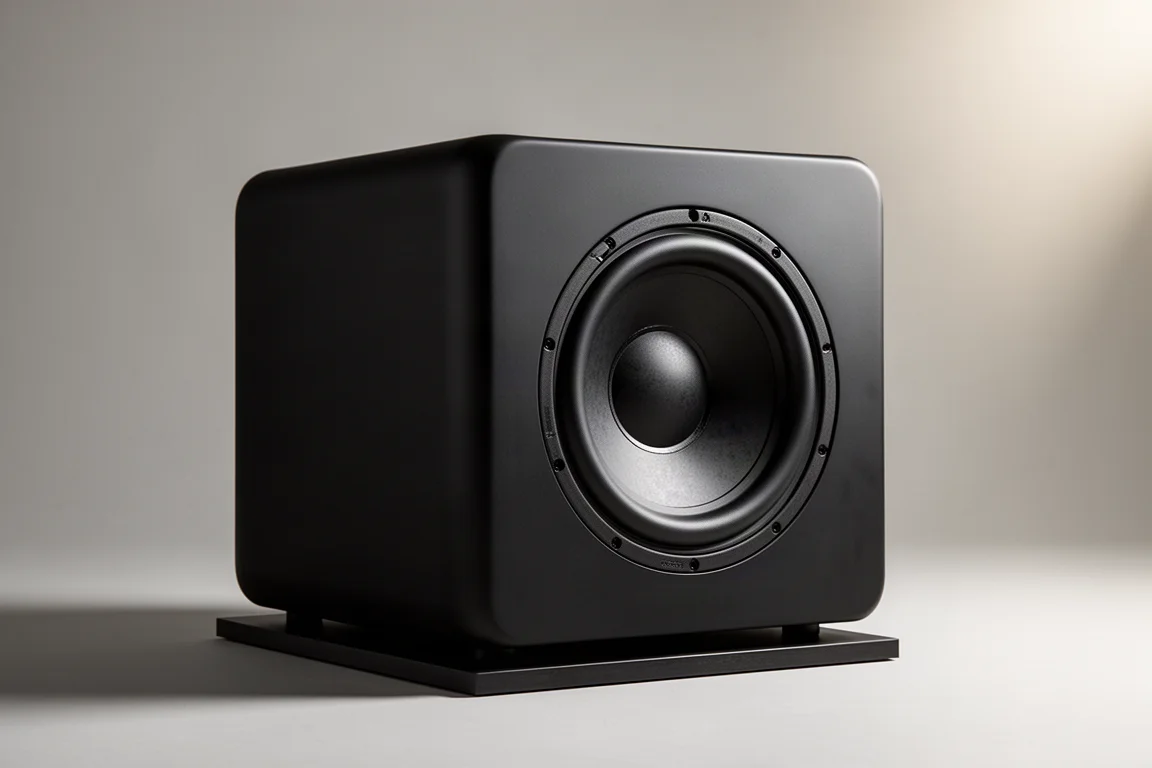
The Sub 1000 F uses a flax cone driver and a built-in amplifier, which makes it the natural partner when the goal is a system with consistent driver material and voicing from top to bottom.
A subwoofer is also the component where room behaviour matters most. Depending on the size and shape of the space, other subwoofer options can be a better fit, so it is worth treating the Sub 1000 F as the matched option rather than the automatic one.
Buying Advice: Matching the Line to Your Room
Room size should drive the choice between the three stereo models. The Kanta No.1 makes sense in smaller spaces, up to roughly 270 square feet, where a floorstander would overwhelm the room. The No.2 is the middle ground, adding real bass weight without the footprint of the larger tower, and the No.3 is the pick when a big room needs more low-frequency output and depth than a pair of 6.5 inch woofers can provide.
Amplification deserves attention with the floorstanders. Both the No.2 and No.3 dip close to 3 ohms, so an amplifier rated for 4 ohm loads will get more out of them. The No.1 is an easier load at 8 ohms and 88 dB sensitivity.
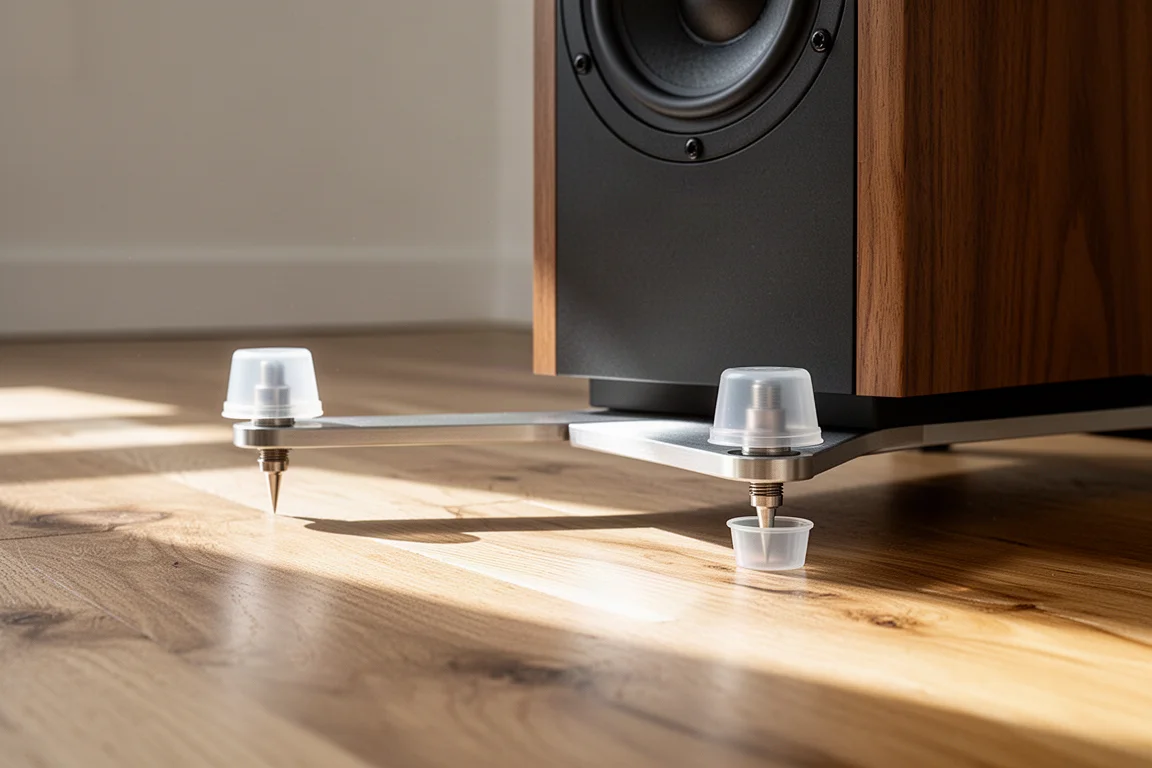
Placement flexibility is better than the cabinet sizes suggest. The floorstanders run front and rear ports with foam plugs included, so they can be tuned for close-to-wall positions, while the rear-ported No.1 and Center benefit from a little space behind them. The Zamac bases and adjustable outriggers on the towers make it easier to level the speakers on uneven floors, which pays off in midrange clarity and bass tightness.
For a multichannel build the logic is simple: choose the No.2 or No.3 for the front pair, add the Kanta Center for matched dialogue, and use the No.1 on surround duty. The Stand No.1 shares the footing design of the towers, so the system looks coherent from every seat. Finish options span high gloss black and white plus matte and high gloss walnut, with a choice of front baffle colour to suit the room.
Conclusion
The Kanta line exists to bring reference-derived engineering into smaller, more affordable cabinets, and the shared technology is what holds it together as a family: beryllium tweeters, flax sandwich cones, high-density baffles and time-aligned driver geometry across every model. Settle on room size and amplifier capability first, then match the model to the space, and the rest of the system falls into place.
Further reading
Related Reviews
Home Audio
Aperion Novus Tower and Center Review: Punchy Home Theater Sound With Real Refinement
A close look at the Aperion Novus tower and center speakers, from their layered paint finish and punchy bass to the 4-ohm load and what the price actually buys.
Home Audio
Arendal 1610 Tower Review: Flagship Dynamics in a Room-Friendly Tower
A compact floorstanding tower with three 8-inch aluminium woofers, a 5-inch carbon midrange, and the kind of bass heft usually reserved for much larger speakers.
Home Audio
Arendal 1723 S THX Review: A Reference Speaker Built Like a Tank
A practical look at the Arendal 1723 S THX, a sealed, THX-certified speaker with exceptional build quality, a very flat top end, and a midrange that responds beautifully to EQ.