Turntables
Why Fluance Turntables Are the Best Value in Vinyl: A Full Lineup Guide
A model-by-model look at the Fluance turntable range, the features that repeat across it, and where the money actually goes.
Introduction
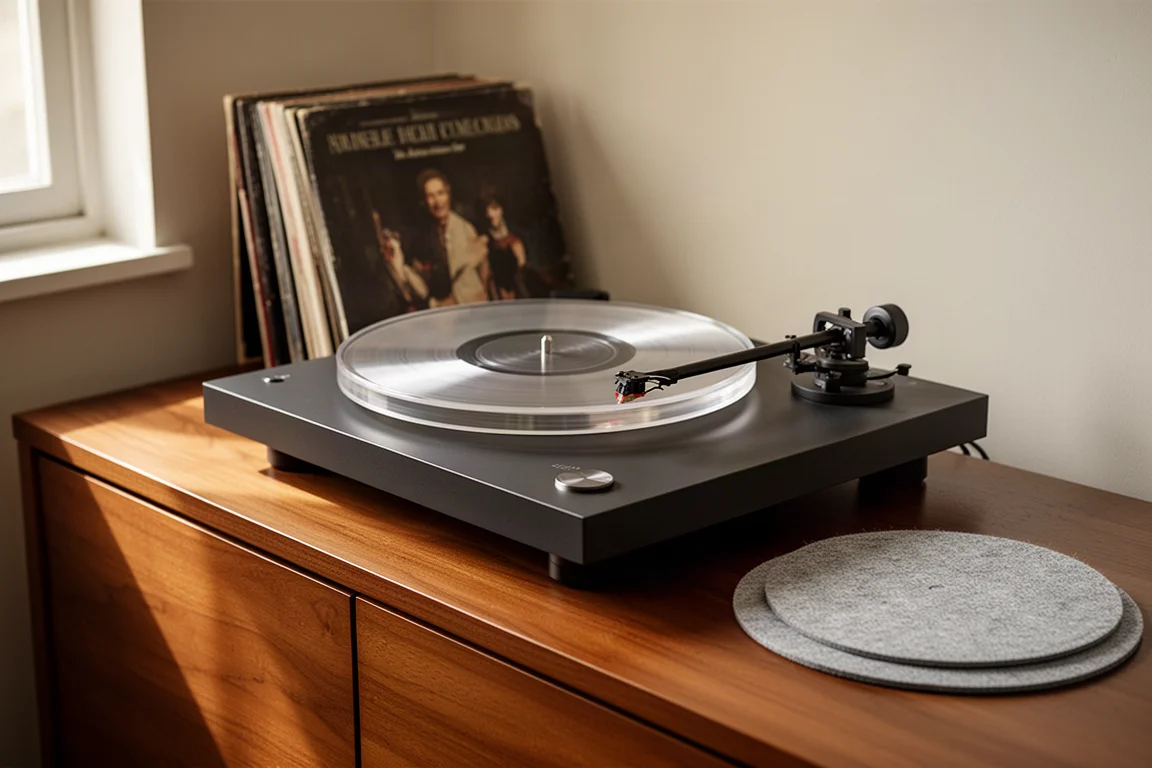
Fluance has built its reputation on a short, tightly related family of belt-drive turntables: the RT80, RT81, RT82, RT83, RT84, and RT85. Six base models, plus colour and cartridge variations, and no attempt to cover every price bracket in the market. That focus is exactly why the range is so easy to recommend to someone buying a first serious record player.
The value case rests on a few concrete things: cartridges that would cost a large share of the turntable price if bought separately, a removable headshell that makes cartridge swaps practical, and features such as adjustable feet and electronic speed control that are often reserved for more expensive decks.
This guide covers what each model in the lineup actually is, where the money goes, and what to check before choosing one.
How the Fluance Lineup Is Organized
The range is smaller than six model numbers suggest. The RT80 and RT81 sit on one fundamental design: the same motor, the same tonearm, and an integrated phono preamp in both, with fixed feet and a different cartridge separating the two. The RT82, RT83, RT84, and RT85 share a second platform built from the same core materials. Within that group, the platter and the cartridge are the real points of difference. The RT82, RT83, and RT84 use a metal platter, while the RT85 steps up to an acrylic platter.
That structure produces a predictable upgrade path. An RT82 can later be brought close to RT85 specification rather than replaced outright, which is unusual at this end of the market and makes the lower models a safer first purchase.
Keeping the lineup this short also means less second-guessing. Each step up the range corresponds to something specific rather than a vague sense of being better.
Features Shared Across the Range
Several features appear across the Fluance line, including on the most affordable models.
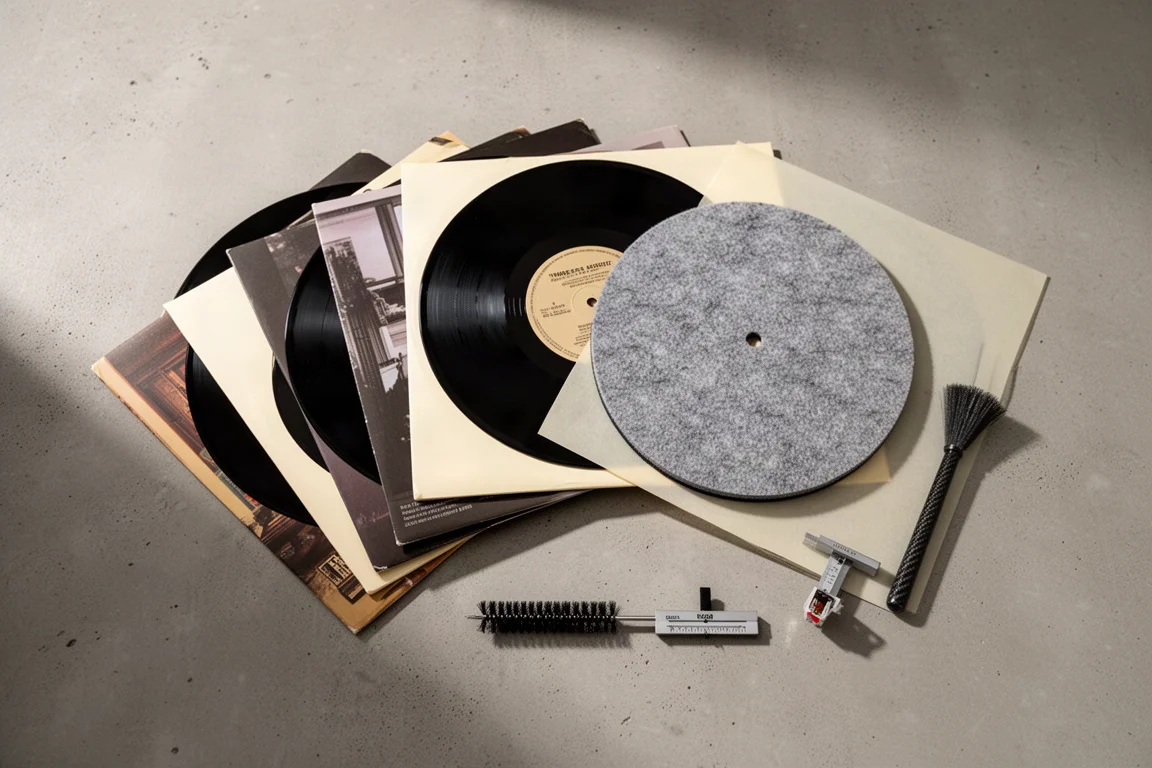
The removable headshell is the most consequential. A cartridge can be taken off and refitted in a matter of seconds, which turns cartridge swapping into a normal experiment rather than a risky project. Alignment is also easier on a removable headshell than on a fixed one. For anyone still working out what they like, being able to run two cartridges and compare them directly is a genuine advantage, and it lowers the chance of damaging the turntable while working inside it.
Adjustable feet are the second. Levelling a turntable is good practice, and rotating a foot until the deck sits flat is far simpler than shimming the corners with whatever is in the drawer. Some considerably more expensive turntables do not offer this at all.
Electronic speed control comes next. A switch on the deck selects 33 or 45 instead of moving the belt from one pulley to another. That matters because handling the belt repeatedly can leave it slipping or contaminated. If your collection is almost entirely 33s, this is a minor point. If you own a stack of 45s, it is not.
Auto stop rounds out the list. At the end of a side, the platter stops. There is no automatic return of the tonearm to its rest, but stopping is the part that protects the stylus when you are distracted and the record keeps spinning.
Fluance RT80
The RT80 is the entry point of the family and shares its motor and tonearm with the RT81. An integrated phono preamp is built in, so the deck can feed a line-level input on an amplifier or powered speakers without a separate phono stage. The feet are fixed rather than adjustable, and the supplied cartridge is what separates it from the RT81.
Fluance RT81
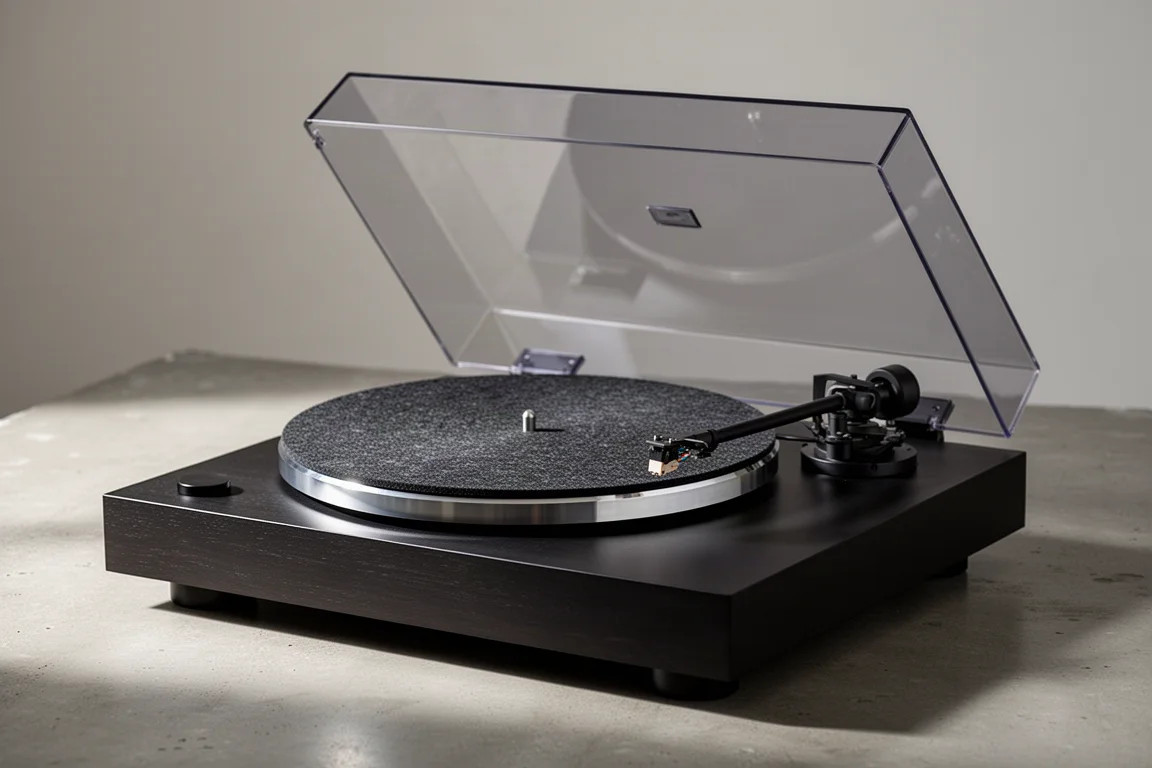
The RT81 is the same fundamental turntable as the RT80, again with an integrated phono preamp and fixed feet, and it differs primarily in the cartridge that ships with it. Anyone choosing between the two is effectively choosing a cartridge and a finish.
Fluance RT82
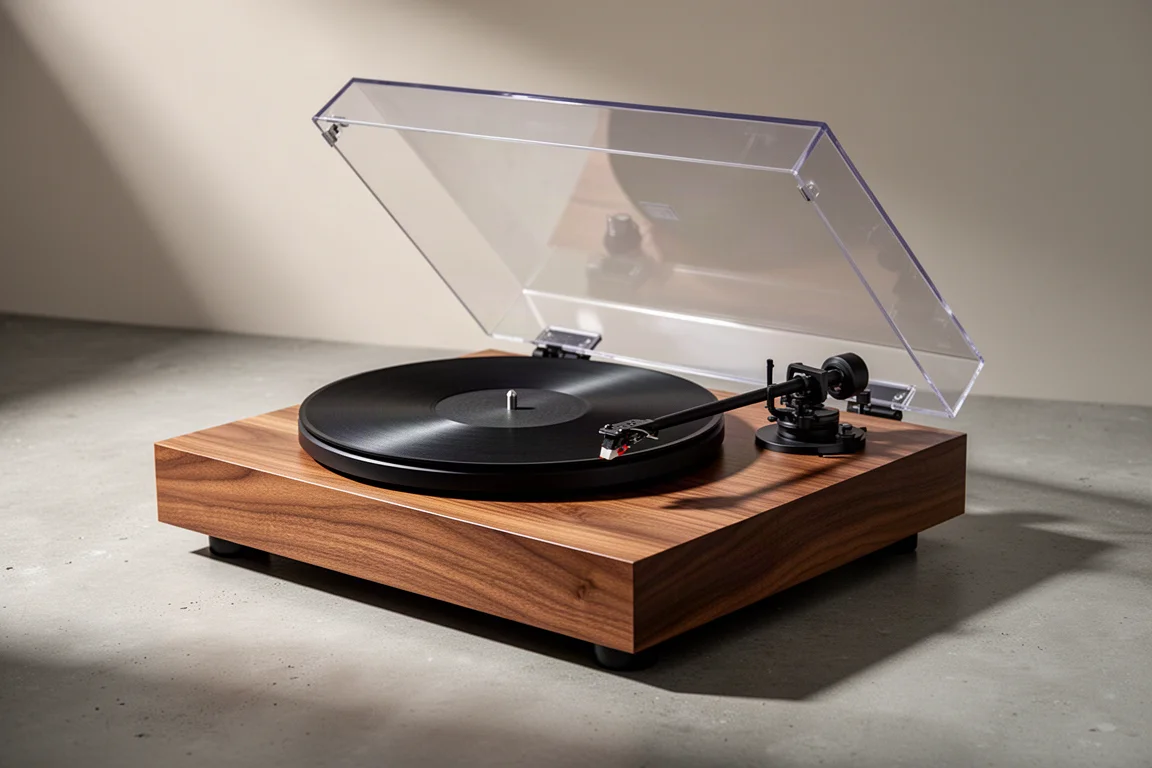
The RT82 is the model to look at if you want the higher platform without paying for the top of the range. It shares its design with the RT83, RT84, and RT85, and it typically sells somewhere around $250 to $300. It uses a metal platter rather than the acrylic platter of the RT85, and it can be upgraded later toward RT85 specification.
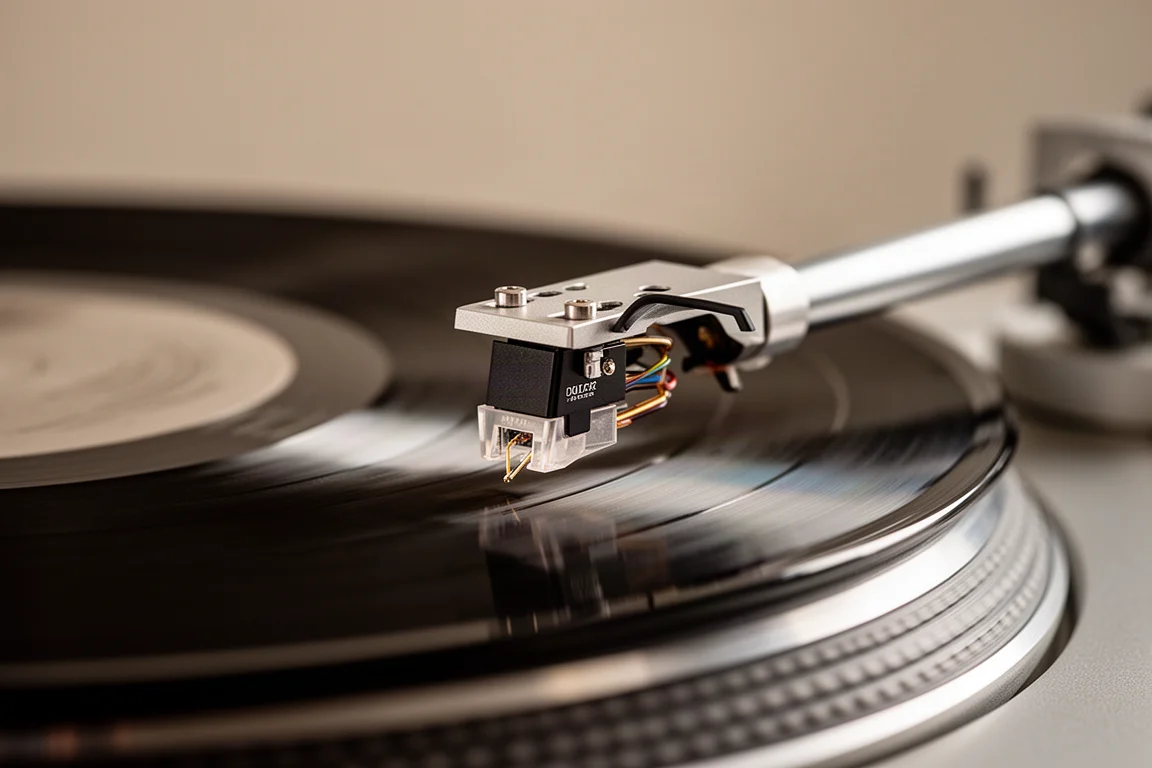
For a first turntable with a long-term plan attached, this is the sensible middle ground. The chassis, tonearm, and motor are already the ones used further up the line, so money spent later goes into the parts that change the sound most.
Fluance RT83
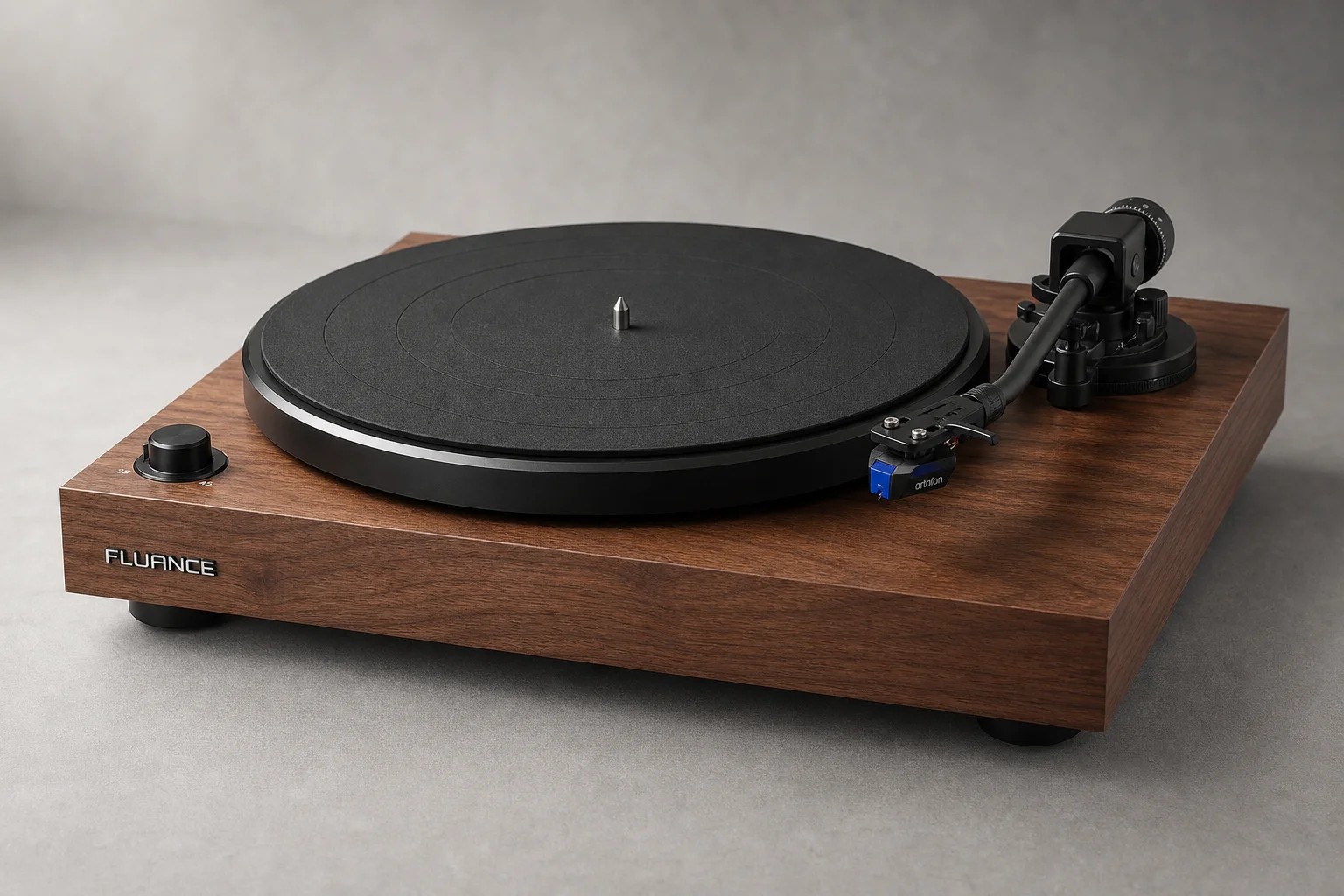
The RT83 ships with an Ortofon 2M Red, a cartridge that sells on its own for roughly $100. That is the heart of the value argument, because competing turntables at similar prices generally do not include a cartridge of comparable value. The RT83 has also proven to be a durable long-term choice, staying in service as a reference deck well after purchase.
Fluance RT84
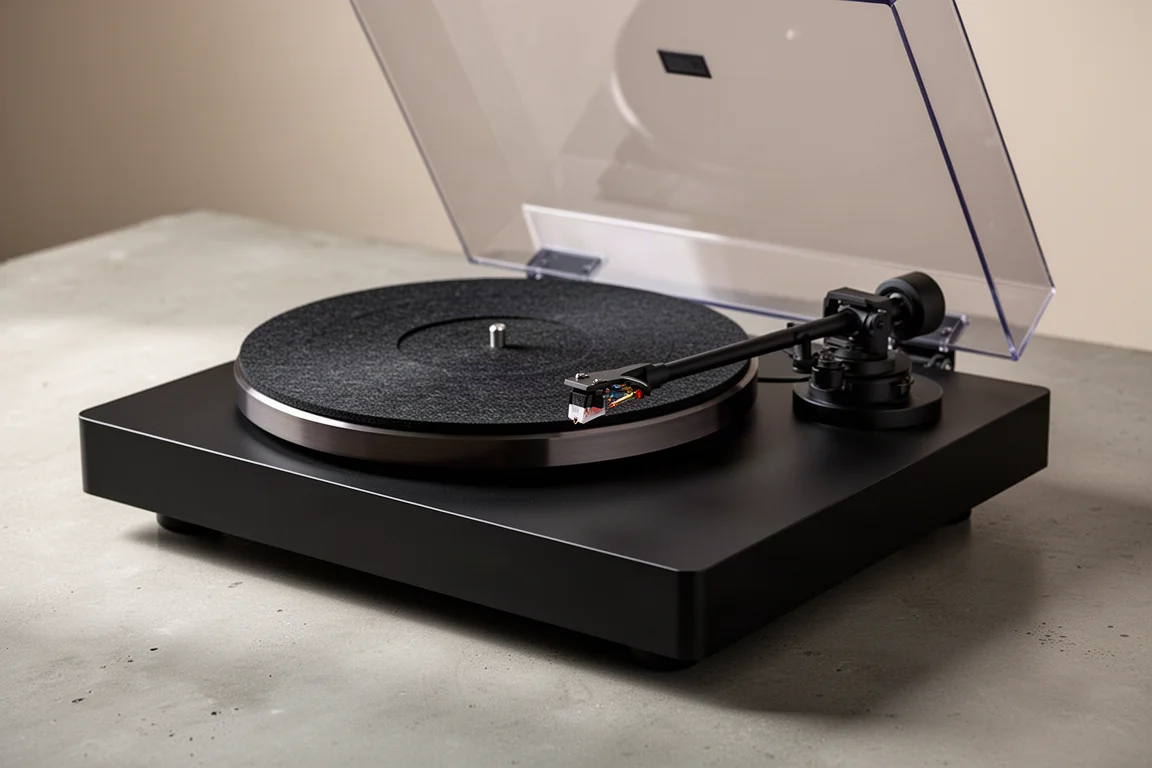
The RT84 sits between the RT83 and the RT85 on the shared platform, with the metal platter and the supplied cartridge separating it from its neighbours. Within this family the platter and the cartridge are the differences that matter, since the underlying design is common to all four models.
Fluance RT85
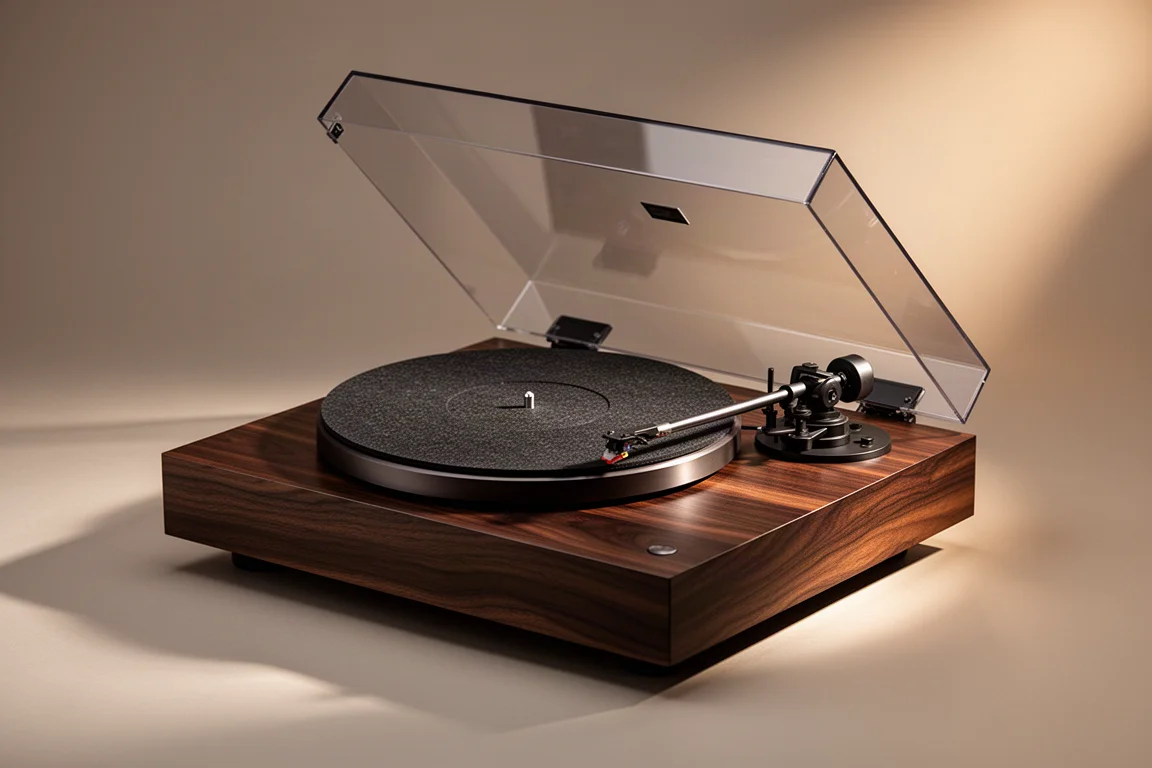
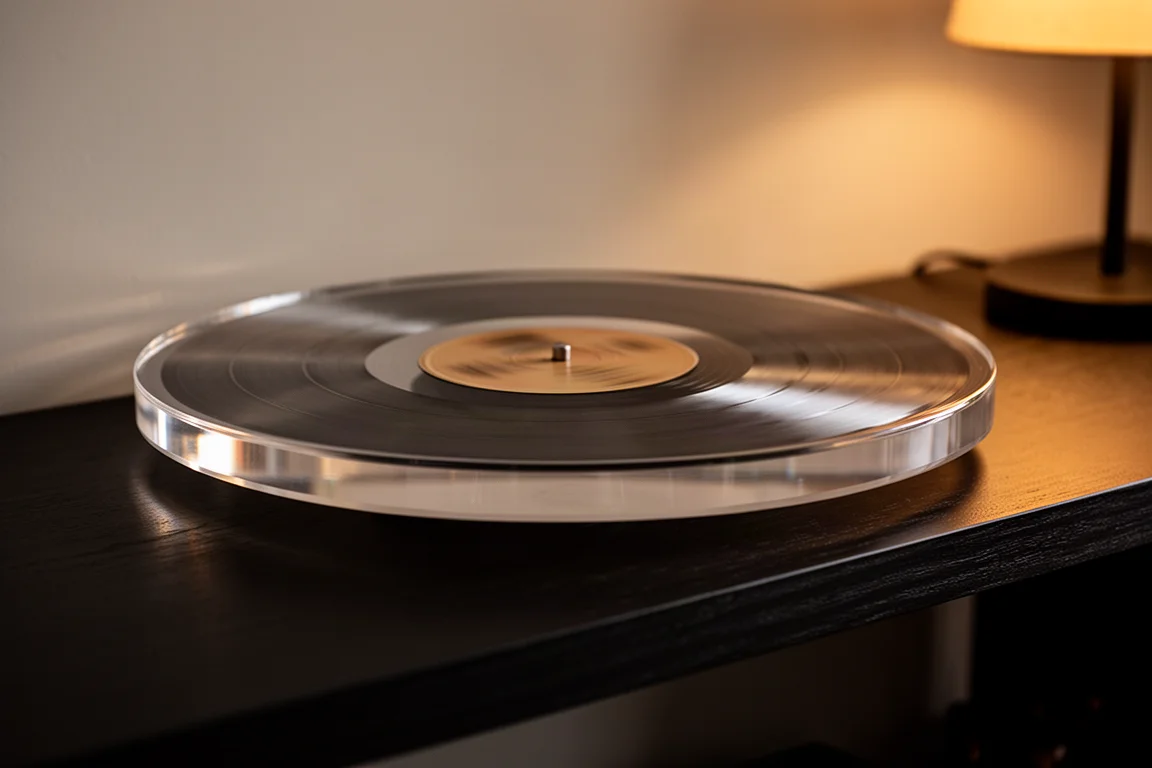
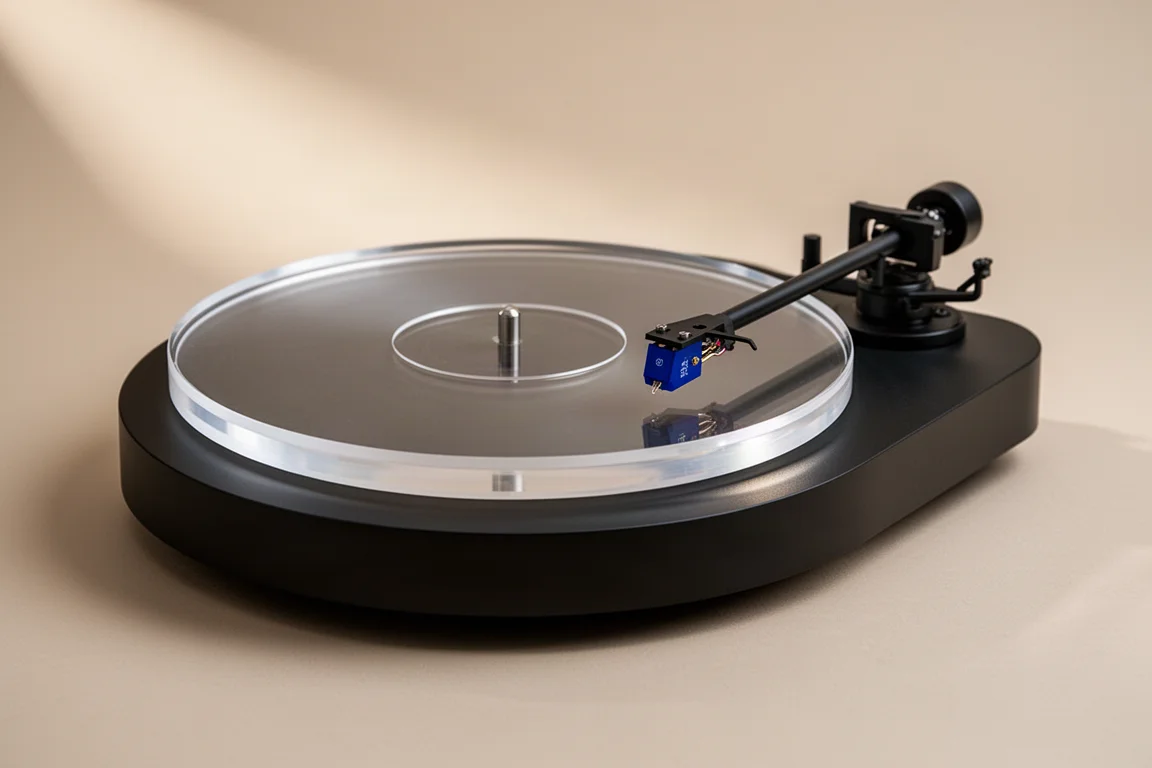
The RT85 is the top of the line at around $500, and it adds two things: an acrylic platter and an Ortofon 2M Blue cartridge. That cartridge costs roughly $220 on its own, close to half the price of the complete turntable, which is the clearest illustration of how Fluance structures the range.
The 2M Blue also gives the RT85 a more energetic character than the cartridge fitted lower down the line. If you prefer a livelier presentation to a laid-back one, that difference is worth knowing about before you choose.
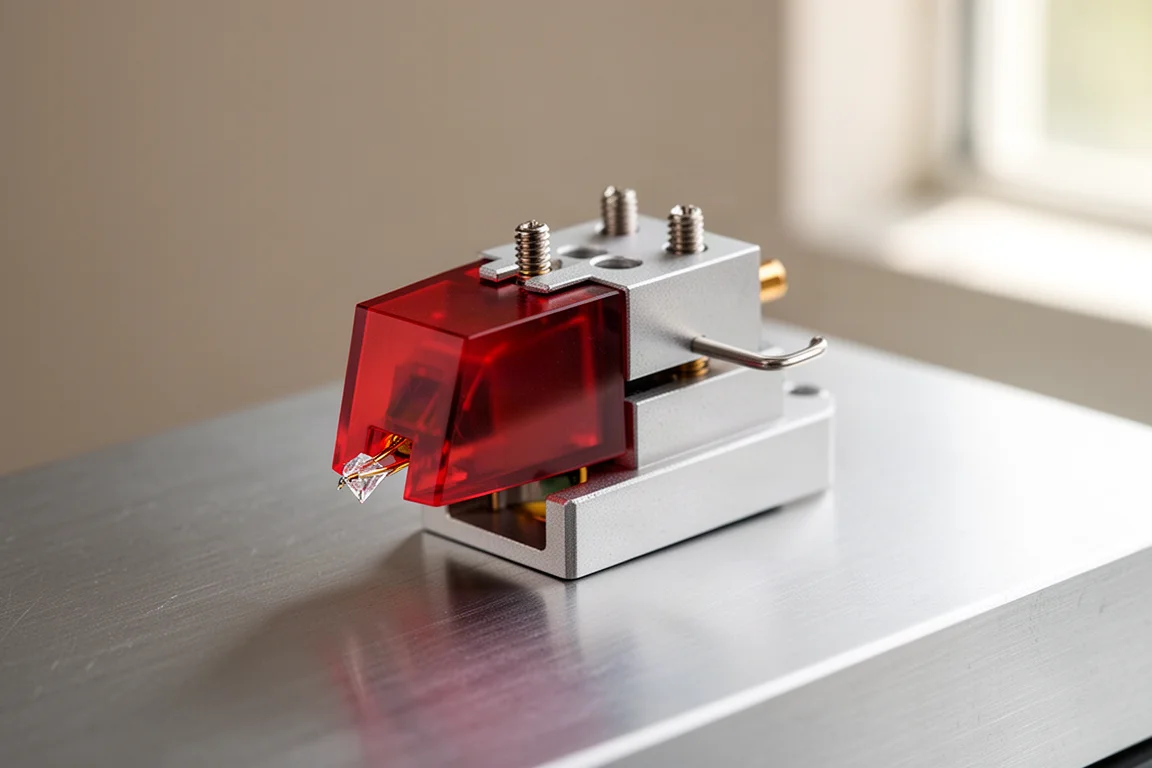
Ortofon 2M Red
The 2M Red is the cartridge fitted to the RT83, and it sells separately for around $100. Its real significance is comparative. Because most of the sonic difference between turntables comes from the cartridge, a deck that arrives with a $100 cartridge is delivering a meaningful share of its asking price in the component that shapes the sound most.
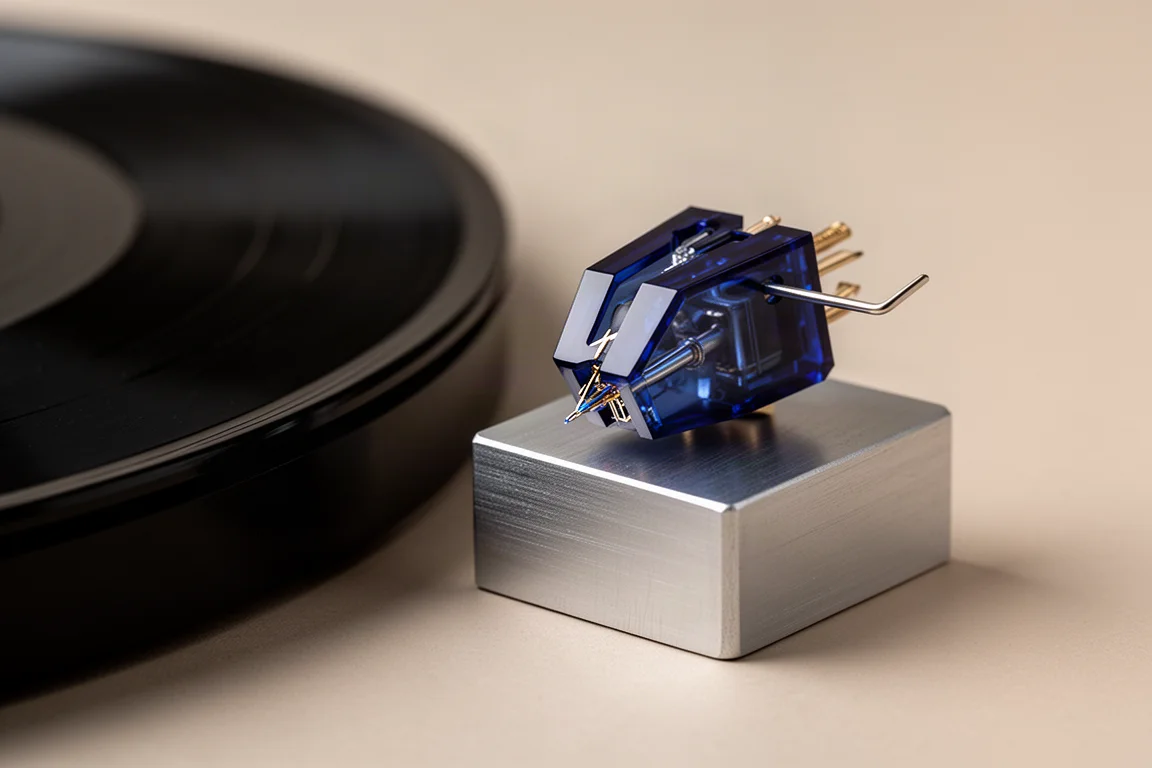
Ortofon 2M Blue
The 2M Blue is the cartridge fitted to the RT85, and it sells for around $220 depending on the retailer, which is close to half the price of the turntable itself. It has a more energetic character than the 2M Red, and it accounts for a large part of why the RT85 sounds different from the models below it, since the cartridge drives most of the sonic variation between turntables.
What to Check Before You Buy
When comparing any turntable against the Fluance line, start with the cartridge. Look up what the included cartridge costs on its own, then work out what percentage of the total turntable price it represents. A deck with a strong cartridge is delivering more of its price in the part that matters most to the sound.
Then check the practical features: a removable headshell, adjustable feet, a speed switch for 33 and 45, and auto stop. These are the details that decide how pleasant a turntable is to live with, and they are exactly where budget decks usually cut corners. It is also fair to note that the Fluance range is not the most striking design on the shelf. The case rests on function rather than looks.
Finally, think about the upgrade path. If you expect to keep improving your setup over time, starting with the RT82 and moving up later is a reasonable strategy, because the platform is shared with the models above it. If you want the acrylic platter and the 2M Blue from the start, the RT85 delivers both in one purchase.
Conclusion
The Fluance lineup makes its case with a short and coherent range, cartridges that carry real value, and a feature set that includes removable headshells, adjustable feet, electronic speed control, and auto stop across the line. Buyers who want the lowest entry point can look at the RT80 or RT81. Buyers who want room to grow should start at the RT82. Buyers who want the full specification can go straight to the RT85. At these prices, the value argument is difficult to beat.
Further reading
Related Reviews
Turntables
Best Turntables 2026: Seven Standout Picks From Entry Level to Premium
A practical roundup of seven turntables worth considering, from a US-made budget deck to small-batch premium models with a clear upgrade path.
Turntables
Best Turntables Under $1,000: Five Fully Manual Picks Worth Considering
Five fully manual turntables under $1,000, compared on build quality, cartridges, upgrade potential, and the character of sound each one brings to a system.
Turntables
Best Turntables Under $2,000: Six Vinyl Decks Worth Building a System Around
Six turntables under $2,000, from a value-focused belt-drive deck to a fully balanced design, with the strengths and trade-offs that matter before you buy.