Backpacking Gear
Florida Trail Thru-Hike Gear List: 20 Backpacking Items That Earned Their Place
A field-tested look at the shelter, sleep system, kitchen, clothing, footwear, and electronics that held up on a Florida Trail thru-hike, plus the trade-offs worth knowing before you buy.
Introduction
A Florida Trail thru-hike is not a mountain route, and the gear that works on it looks different as a result. The trail crosses cypress swamp and long, exposed stretches of levee and road, often in heat and humidity, and overnight temperatures can still fall back into the upper 30s when a cold snap rolls through. Feet stay wet for days at a time, sun exposure is relentless, and a camera load keeps the pack heavier than a pure ultralight setup would suggest.
The twenty items below are the ones that made that combination manageable, from the shelter down to the neck knife.
How This Gear List Was Built
Three questions decided what made the cut: how much it weighed, how it held up over hundreds of miles, and how it behaved when conditions turned against it.
Two personal factors shaped the list more than any spreadsheet did. A cold-natured sleeper needed more insulation than the Florida climate implies, and a heavy camera kit meant the pack had to carry weight well rather than simply carry less.
Several picks are deliberately heavier or warmer than average. A three-person shelter used by two people, a 30-degree quilt in a warm state, and a large power bank all look excessive on paper. Each one is explained in its section below.
Shelter and Sleep
Shelter and sleep decisions came down to wet ground, humidity, and a sleeper who runs cold.
Zpacks Triplex
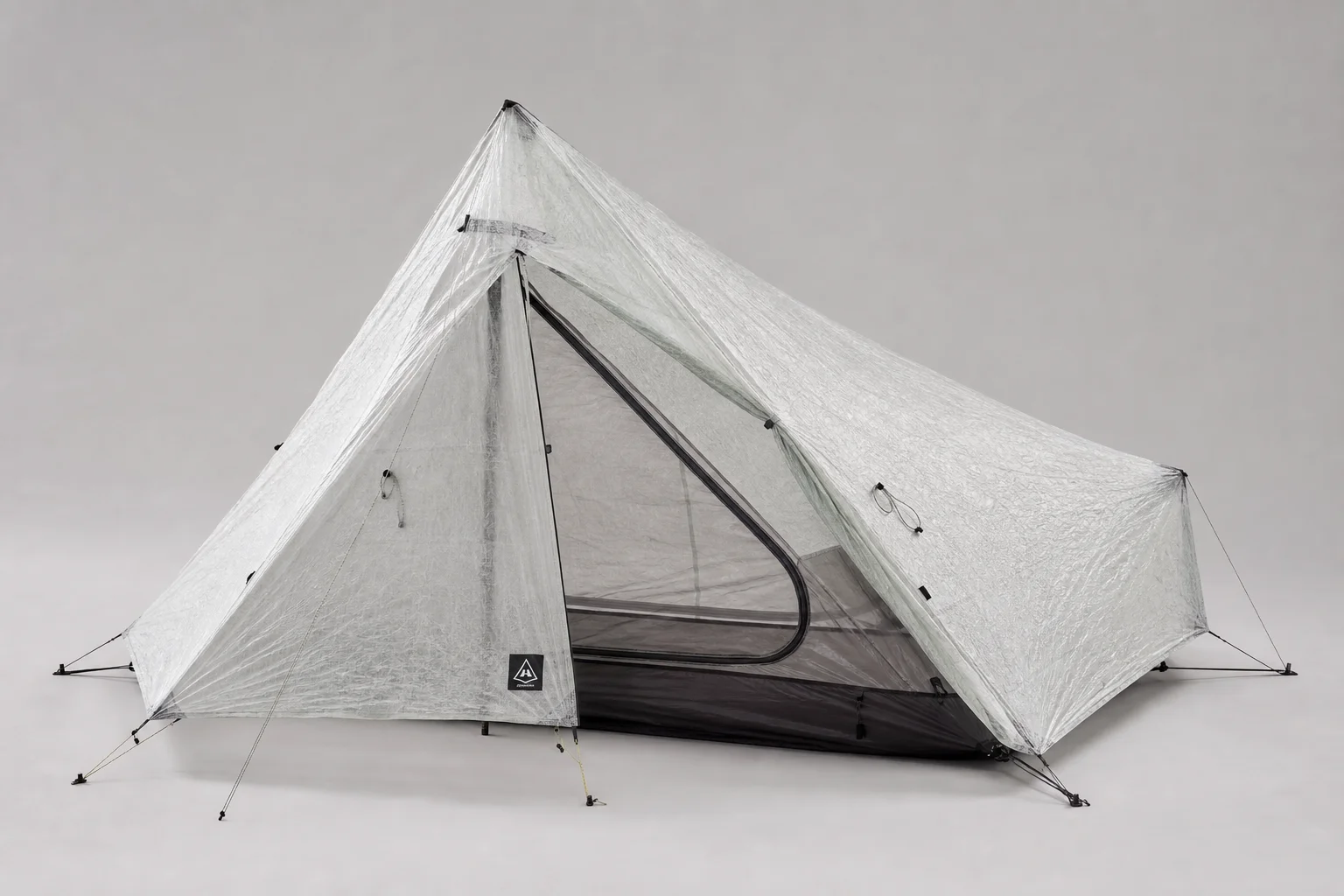
The Triplex is a three-person shelter, and it went on a two-person trip. That sounds like overkill until you picture two people and two packs inside a tent: both packs fit, and there is still space to spread gear out. It weighs 22.5 ounces, which is light for a shelter of that size. That combination of interior space and low weight is why it is the default choice when there is company on the trip.
Enlightened Equipment 30 Degree Quilt
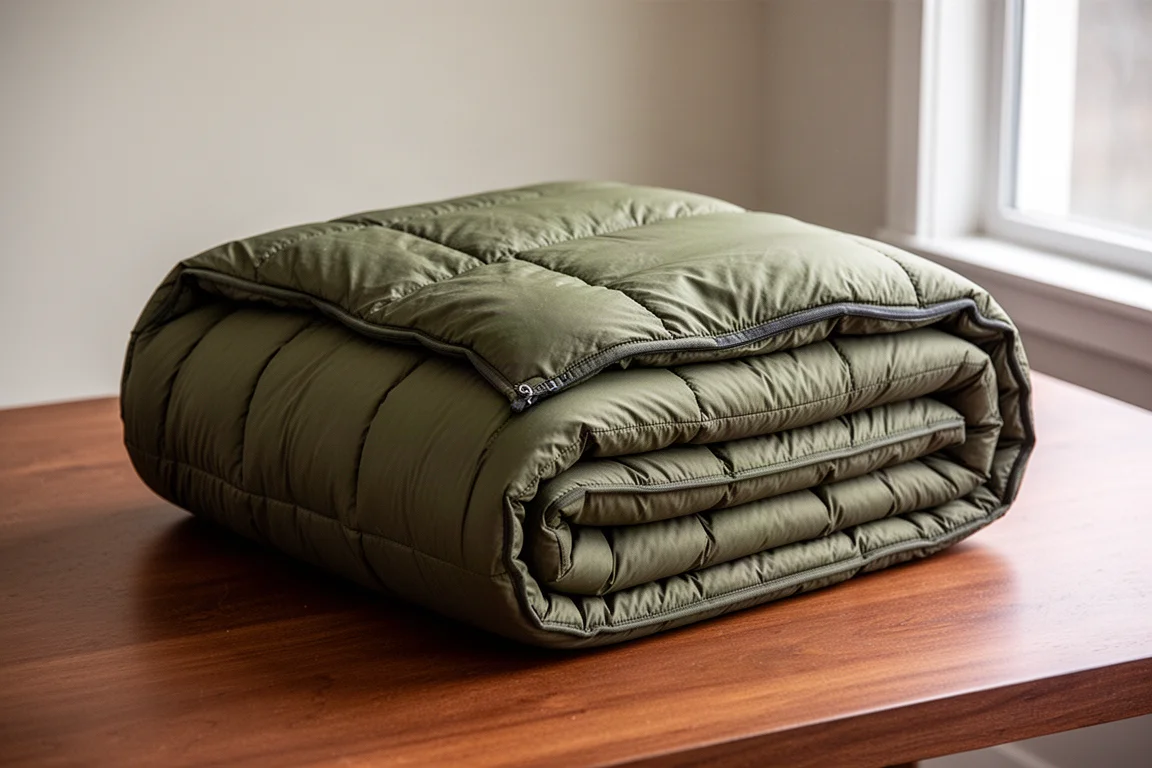
A 30-degree quilt in Florida looks like a mistake, and for plenty of hikers it would be one. Nighttime temperatures sat at 38 or 39 degrees at the start of the trip, and a later cold snap pushed them back to the same range. For a cold-natured sleeper, that rating was the right call, and the quilt’s open design meant a leg could be thrown out, or the whole quilt used as a blanket, on a warmer night. Anyone who sleeps warm will likely want something lighter.
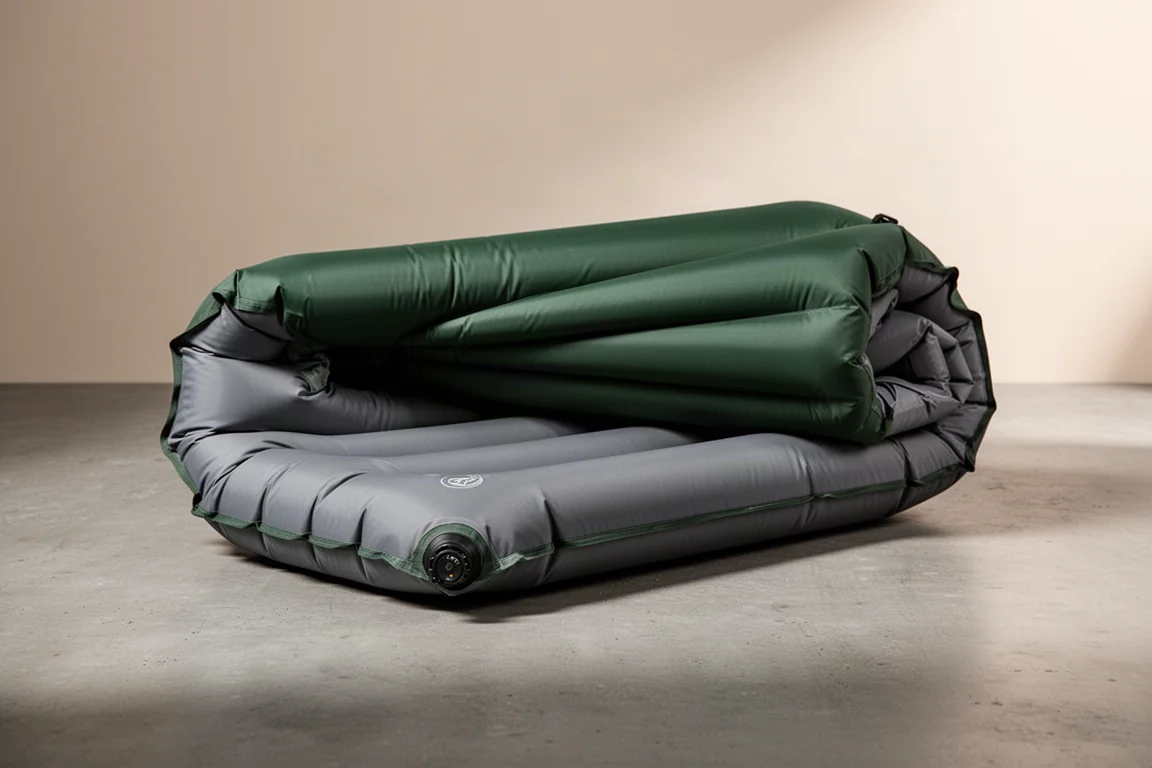
Therm-a-Rest NeoAir X-Lite
The X-Lite weighs 8 ounces and runs only from head to knees. The space below the knees gets filled with the pack and whatever soft gear is on hand. Having used full-length pads on previous long hikes, the shorter pad turned out not to be a sacrifice, and it remains the pad of choice. Learning what comfort is worth trading for weight is part of the process.
Packs and Poles
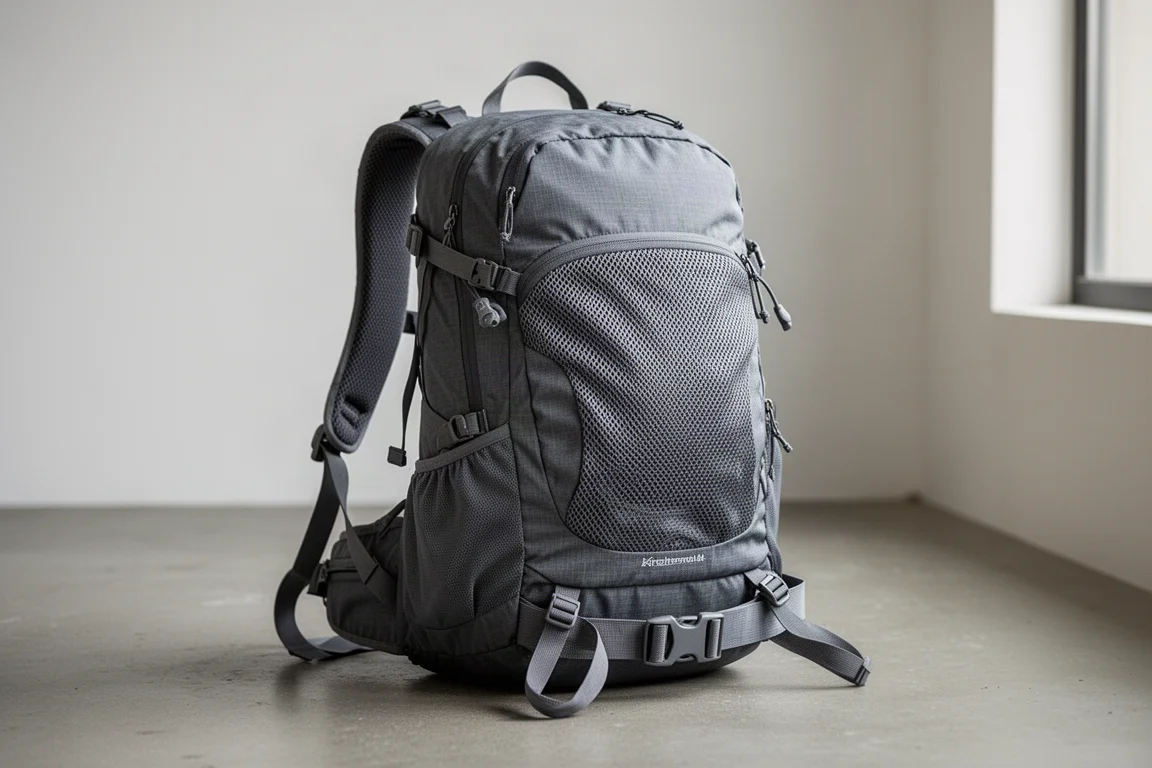
ULA Ohm 2.0
The Ohm 2.0 was picked because it carries a heavy load well, which matters when camera equipment is part of the kit. Partway through the trip it stopped carrying as comfortably as it had, and it developed a persistent squeak. The cause turned out to be an adjustment where the hip belt connects to the body of the pack. Tightening it restored comfort and silenced the noise. That adjustment is not present on every pack, and it is the detail that sets the Ohm 2.0 apart: it lets the wearer tune exactly how the load sits around the waist.
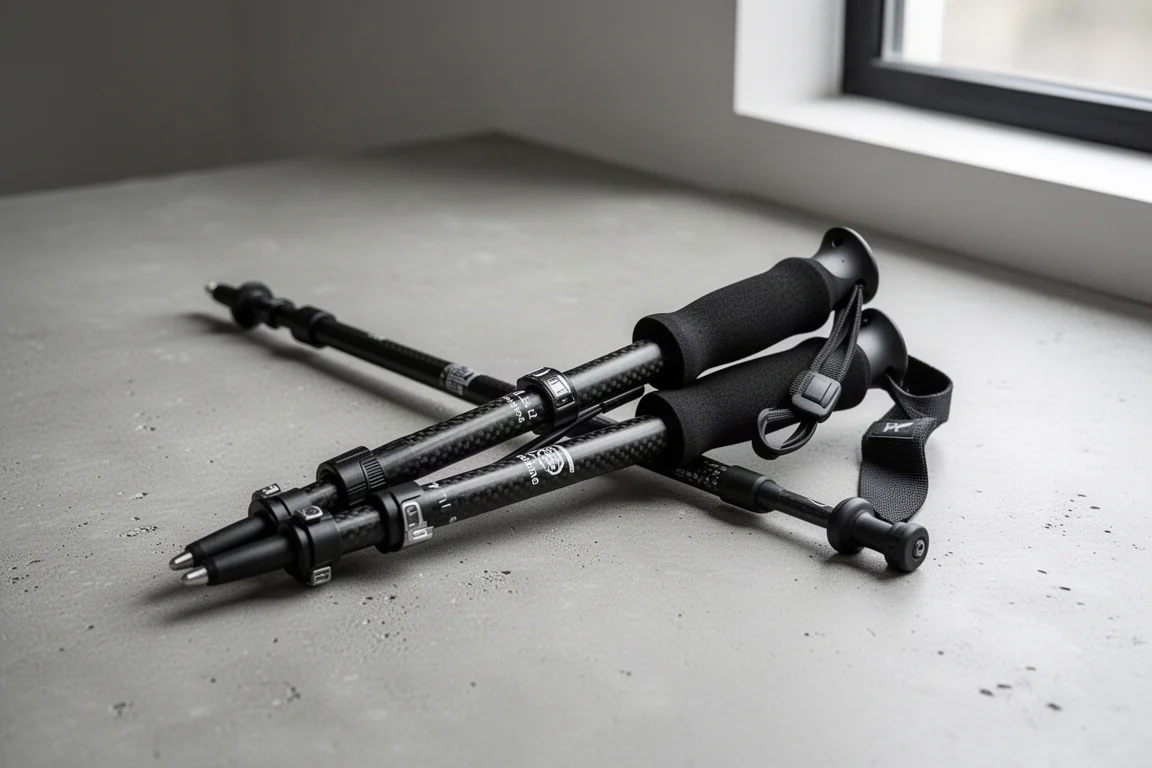
Leki Micro Vario Carbon Women’s Trekking Poles
Trekking poles are close to essential on the Florida Trail, because so much of the route crosses swampy ground where footing is unreliable. The Micro Vario Carbon poles have a noticeably comfortable grip, better than the Black Diamond poles used previously. The catch is reliability. The locking mechanisms loosened once or twice during the trip, and the poles started collapsing under pressure. They can be tightened again, but they have not proven as dependable as the alternatives.
Kitchen and Water Treatment
The kitchen setup is almost entirely unchanged from earlier long hikes, and the whole thing packs down small.
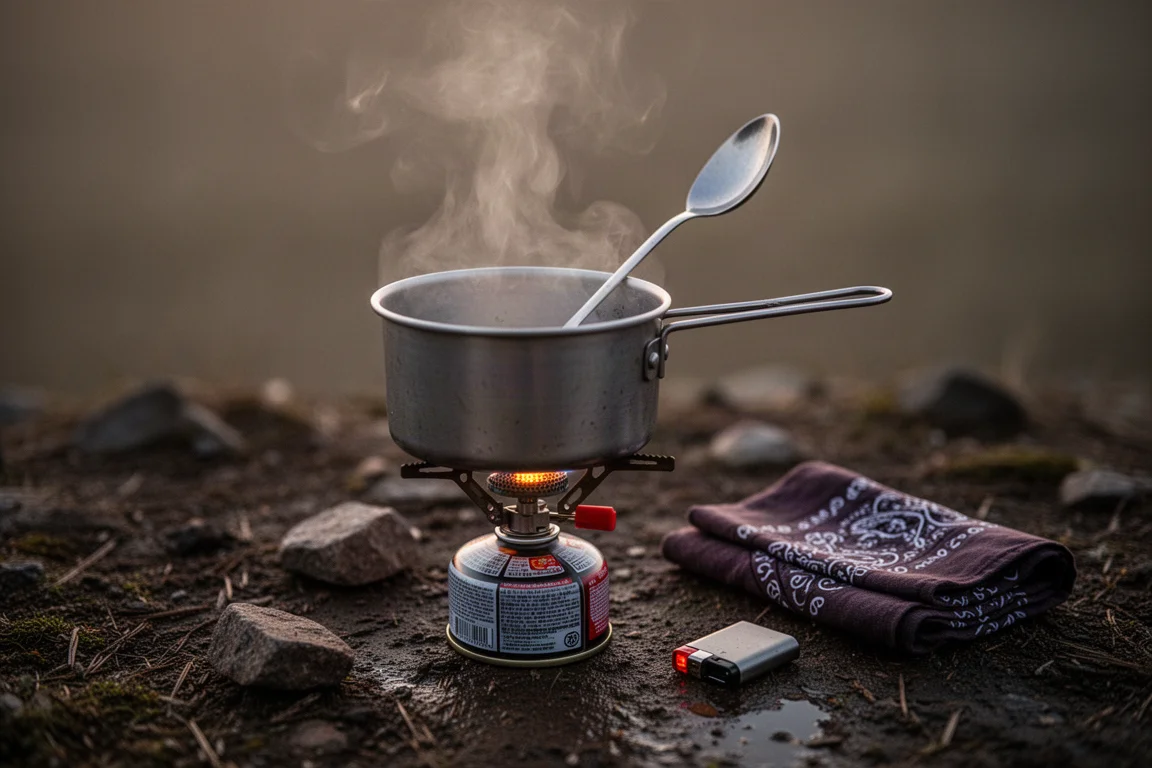
Fuel is the one real logistical wrinkle on this trail. Canister fuel can be hard to find in stores along the route, so mailing canisters ahead is the dependable option, and they must ship ground only. Because there are so many gas stations and stops for real food along the way, less fuel gets burned than on a typical thru-hike.
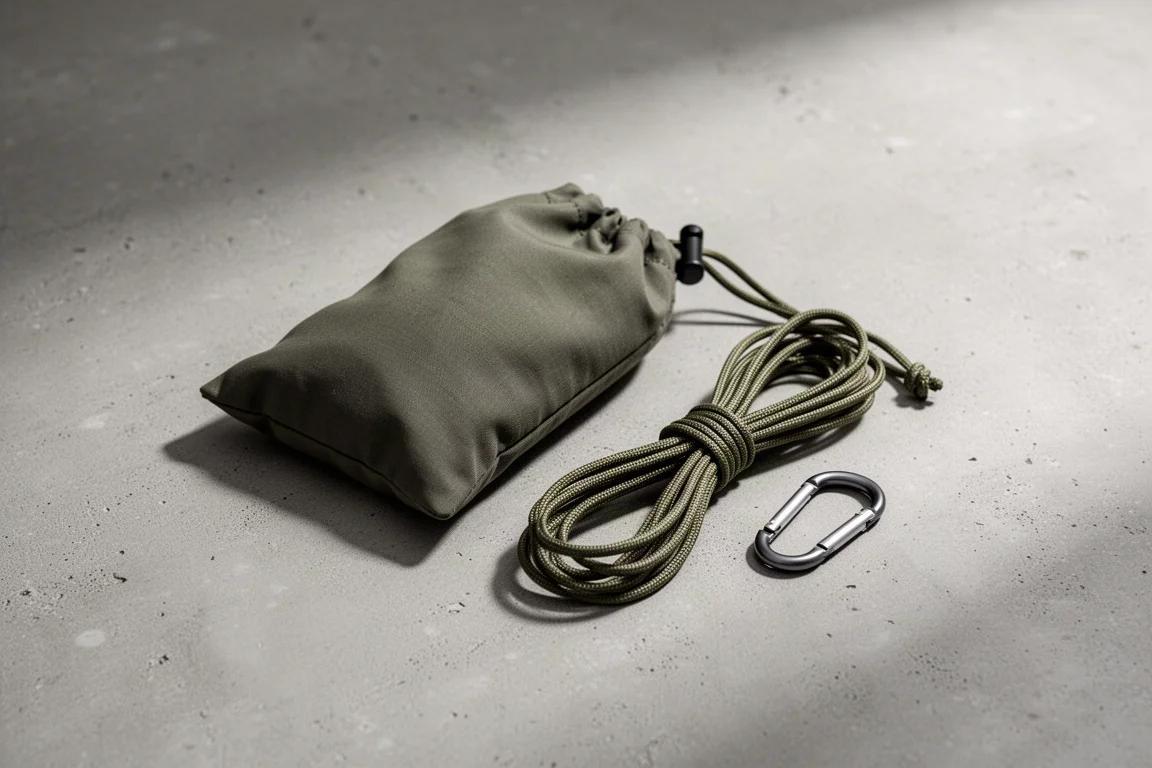
Zpacks Bear Bagging Kit
The bear bagging kit served as the food bag for the entire trip, keeping food organised and hung away from camp.
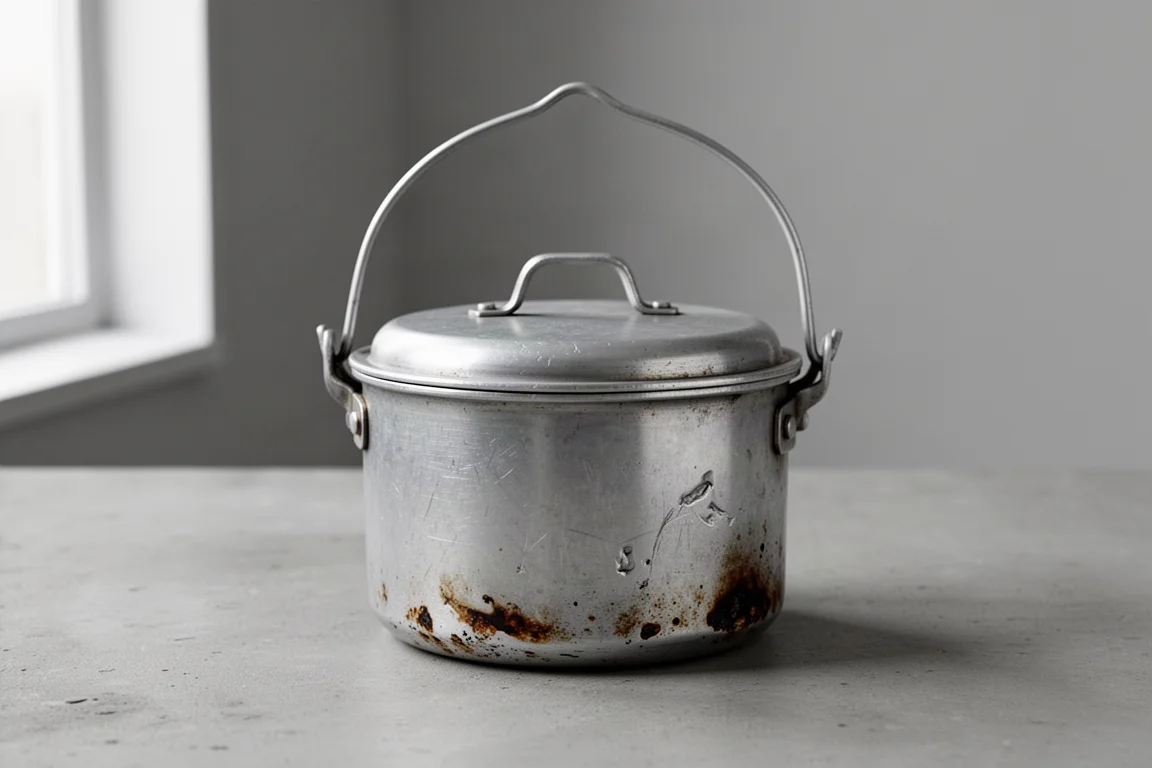
Stanco Aluminum Grease Pot
A long-serving aluminium pot, paired with a homemade pot cozy to keep meals warm while they rehydrate.
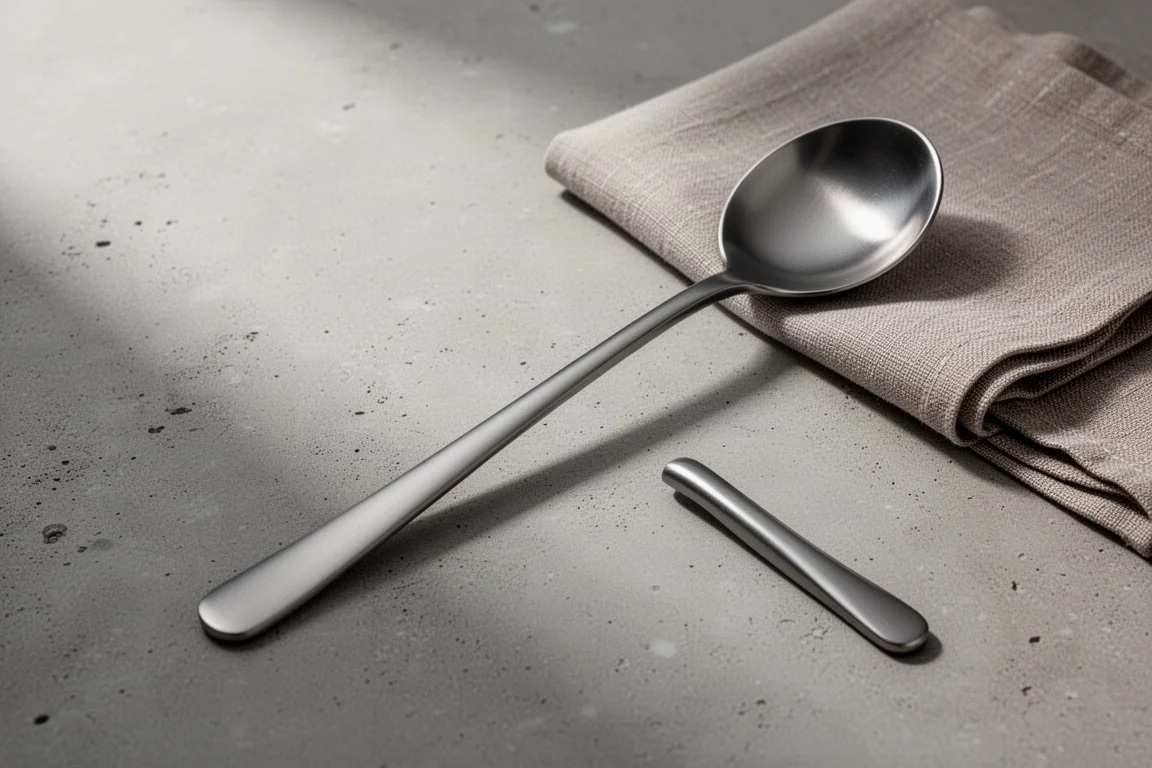
Toaks Long-Handled Spoon
The long handle is the whole point. Eating a freeze-dried meal straight from the pouch means the hand never has to reach into the food, and the food never ends up on the hand.
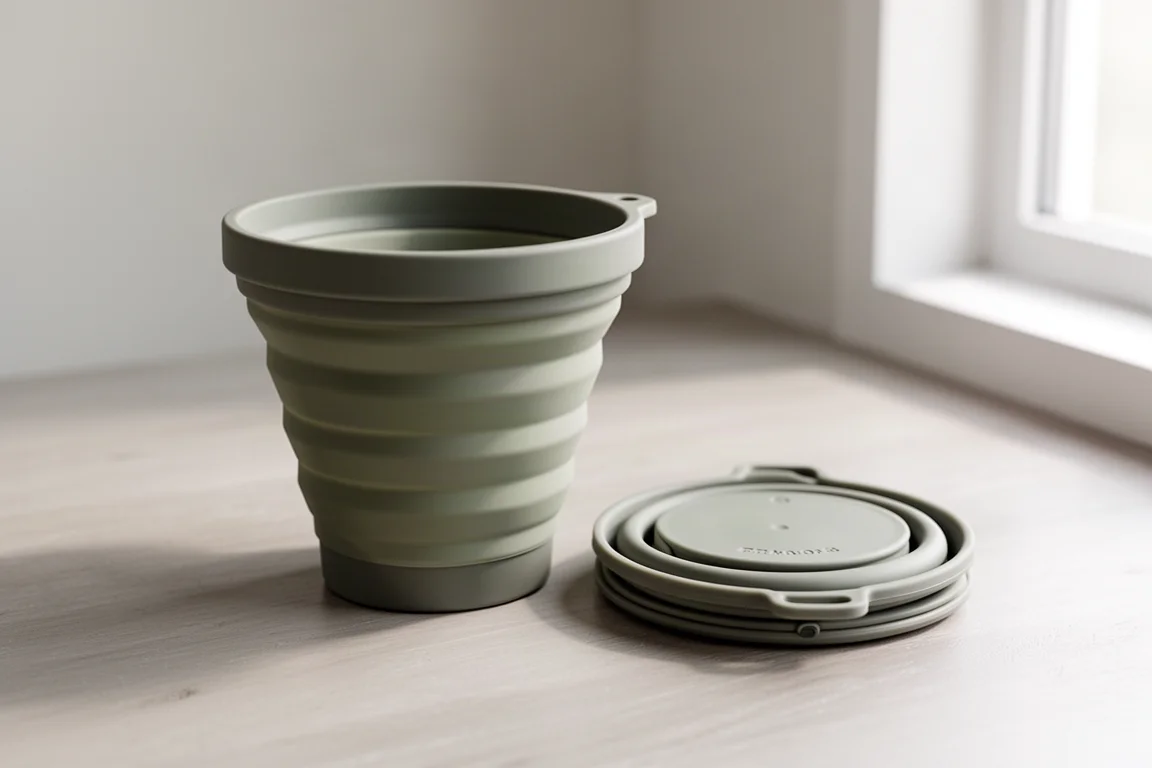
Sea to Summit X-Cup
A collapsible cup that earns its place as a luxury item rather than a necessity. It allows breakfast and coffee to be had at the same time instead of one after the other, and the measured increments make it easy to know exactly how much water goes into a meal. Both problems have workarounds, which is why this one is optional.
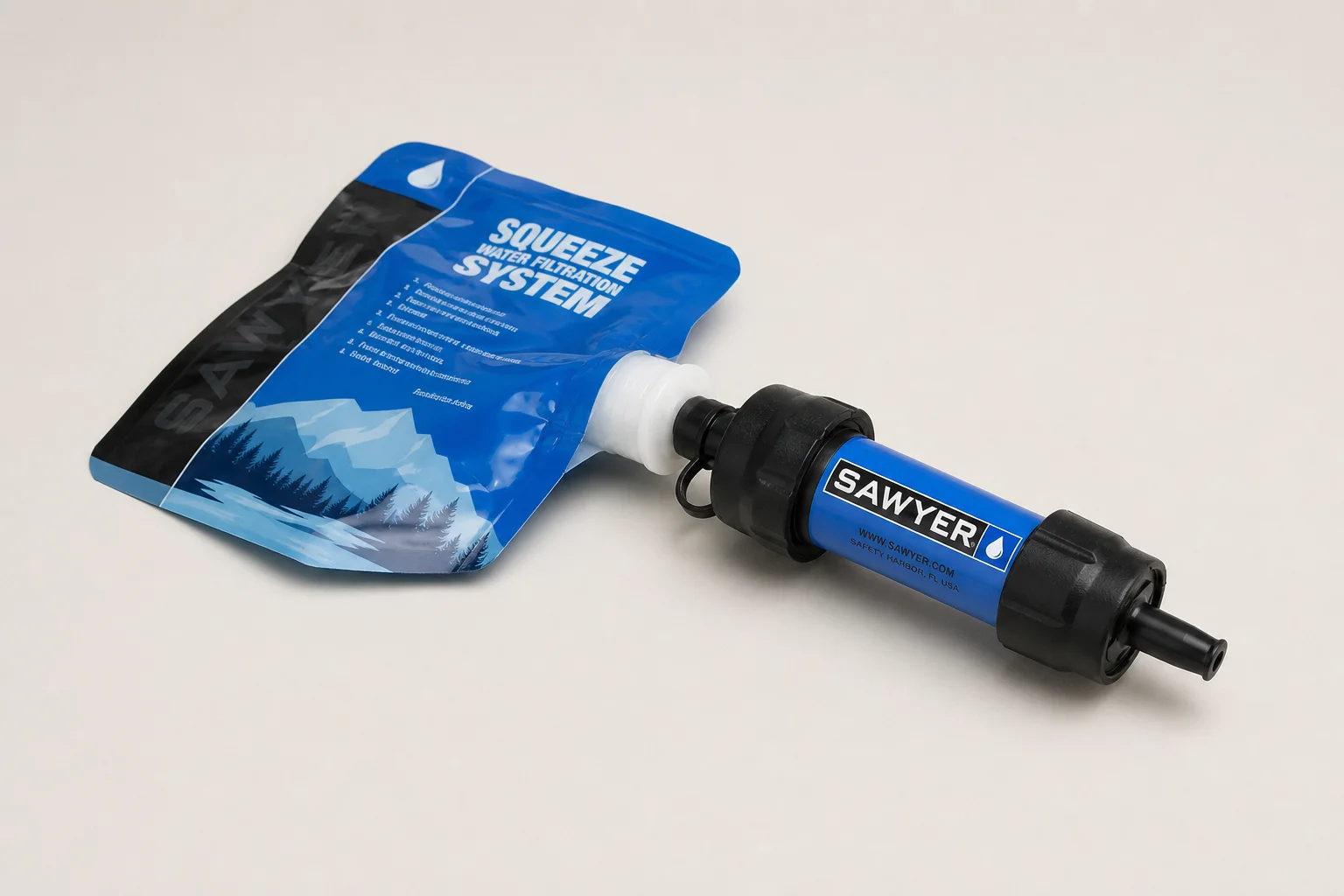
Sawyer Squeeze
The Squeeze threads directly onto a Smartwater or Life Water bottle, so water is filtered while drinking rather than squeezed through in a separate step. For drink mixes, a second smaller bottle lets clean water be pushed through the filter and mixed separately.
Clothing and Rain Gear
Clothing split into a hiking outfit, a sleeping outfit, and layers for rain and sun. Warmth mattered more than the climate suggests.
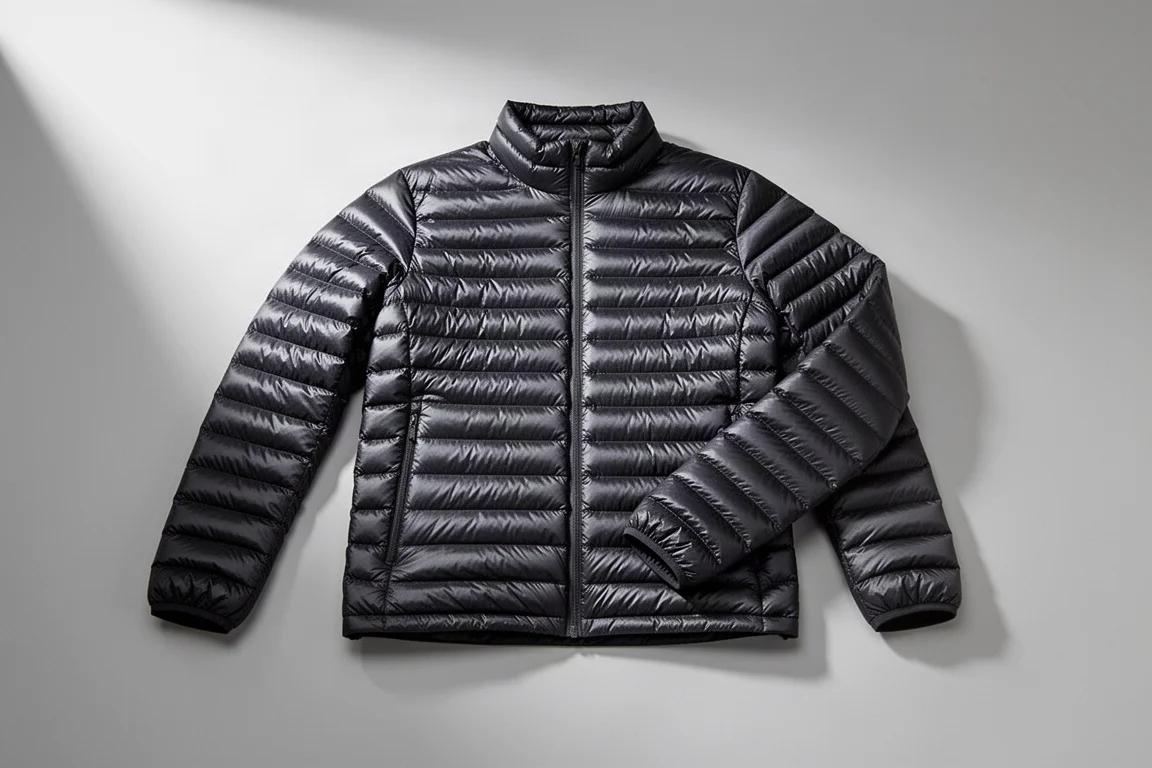
Montbell Plasma 1000
The Plasma 1000 was slept in on several nights, including a cold snap in late April and early May. It also doubles as a pillow, and it acts as backup insulation if the quilt ever gets soaked. Packing for the worst case is a habit worth keeping, and hypothermia is possible even in a warm state.
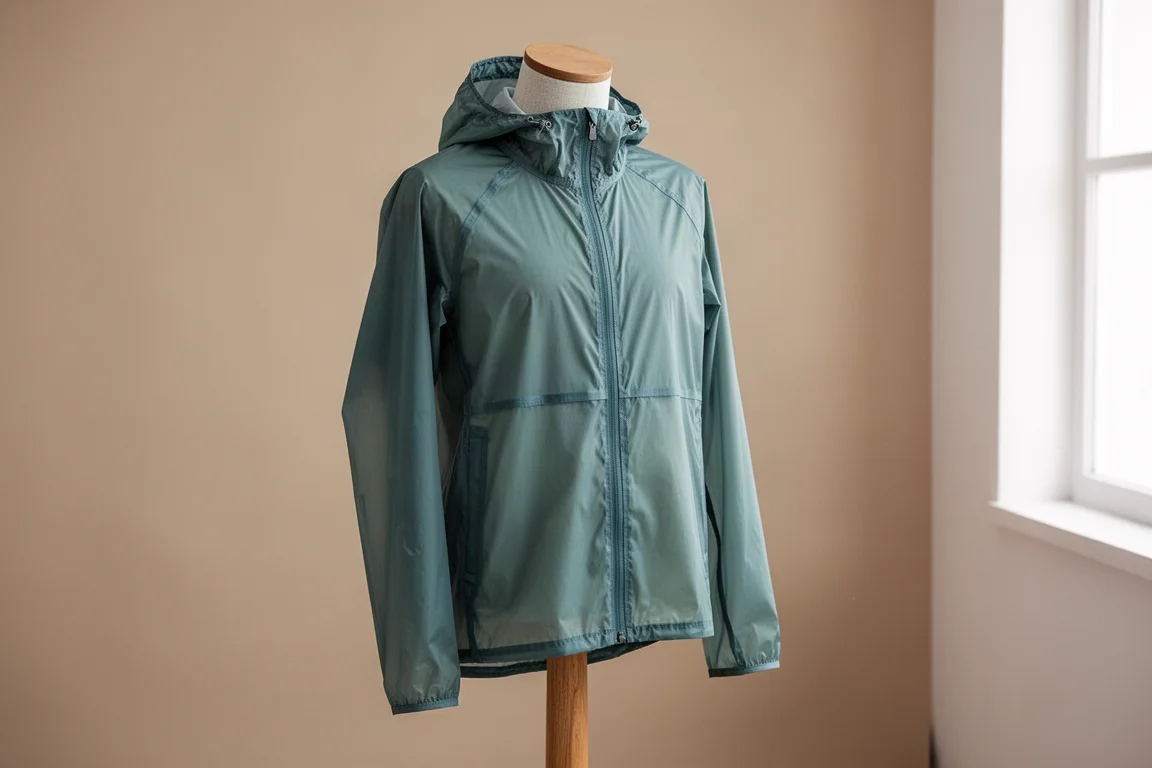
Enlightened Equipment Women’s Visp
A lightweight rain jacket that feels breathable on the move and looks more considered than many alternatives in the same category.
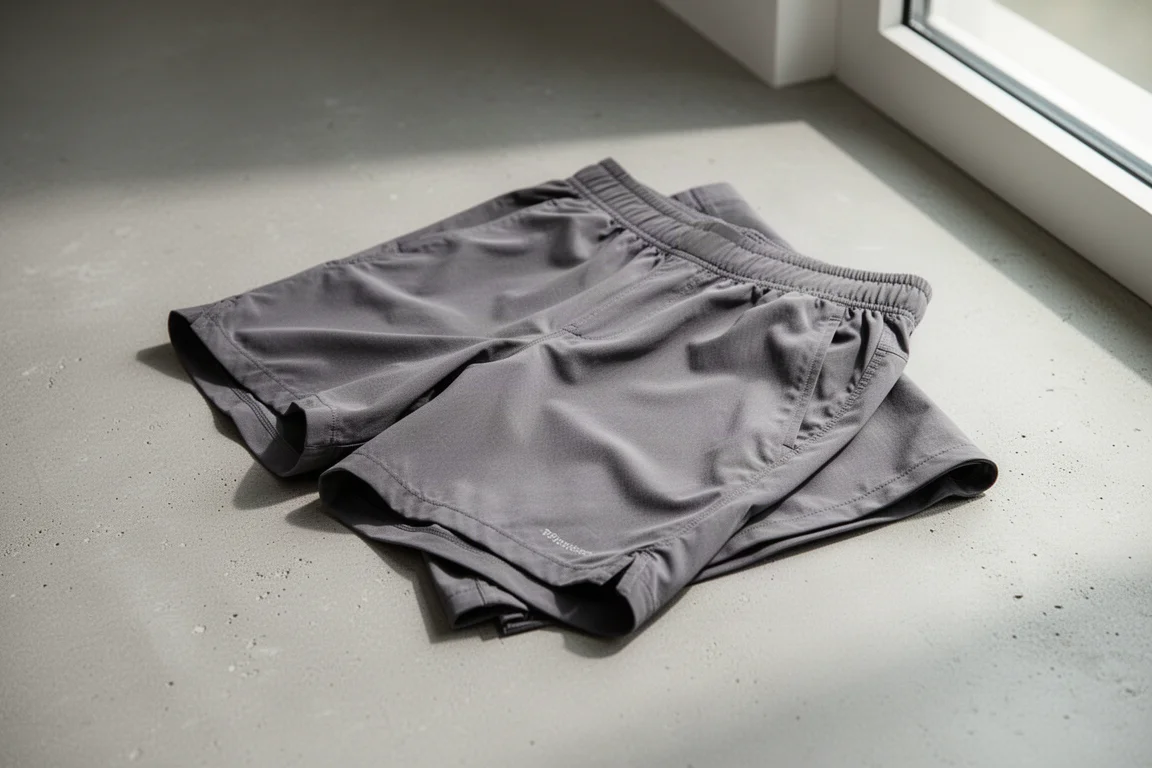
Patagonia Barely Baggies Shorts
Durable, lightweight, and quick to dry, which is exactly what a humid, wet trail demands. They have been the go-to hiking short for years of thru-hiking for those reasons.
Zpacks Umbrella
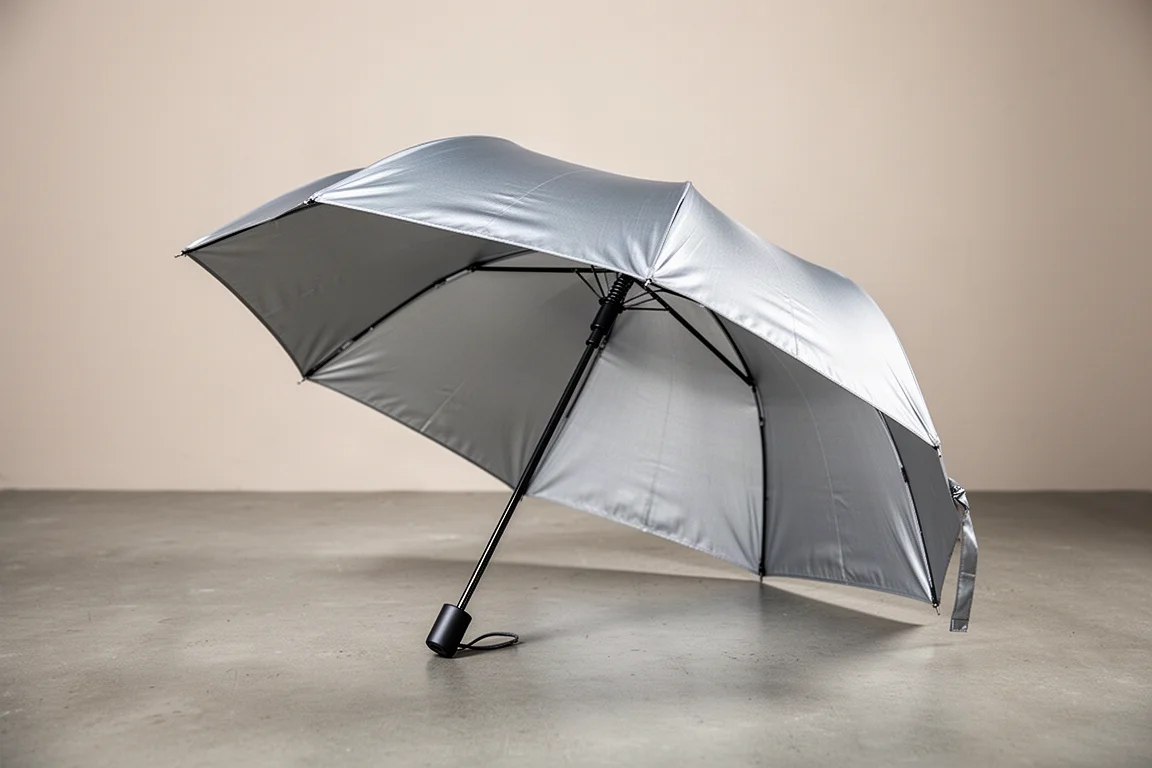
An umbrella covers rain and sun with the same piece of gear, and on exposed levee walking the instant shade matters as much as the rain protection. The reflective material on top helps keep the air underneath cooler, and coverage is noticeably better than a basic telescoping umbrella. The trade-off is packing: it does not telescope, so stowing it is less flexible. It weighs the same as the inexpensive version and costs about 45 dollars more.
Footwear
Socks and shoes take the hardest wear on this trail, because feet stay wet for days at a time.
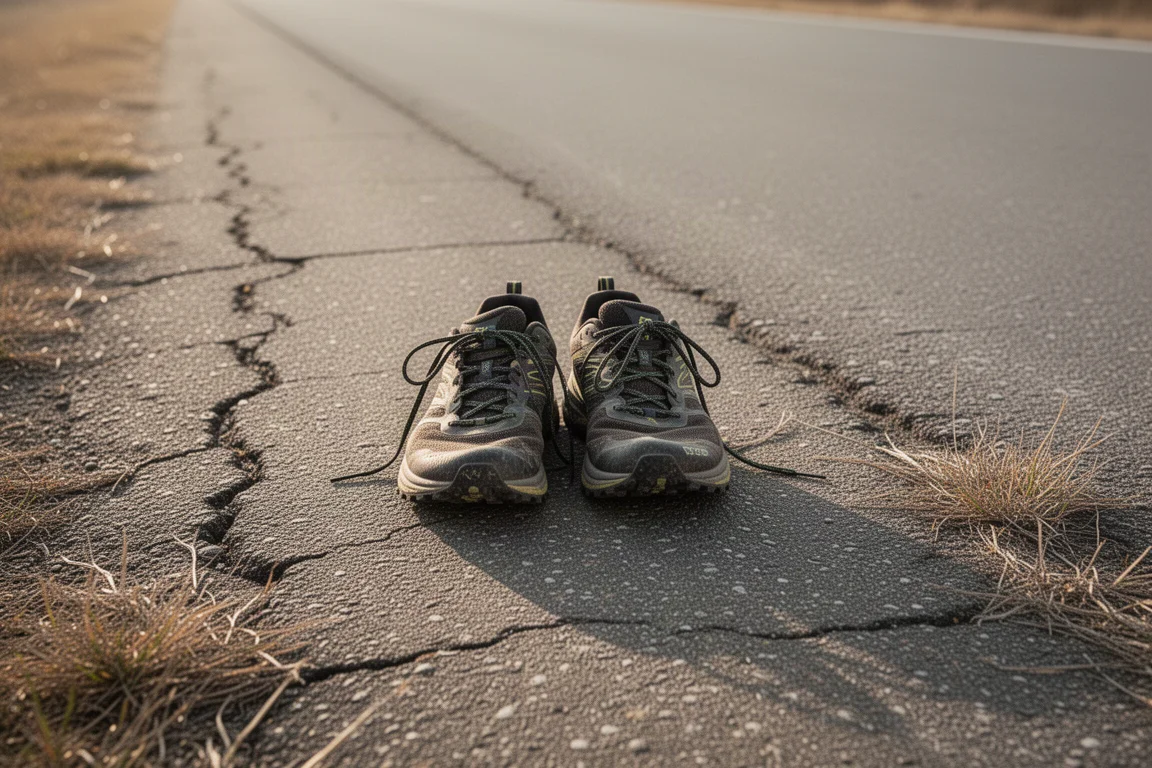
Rotating socks is as much a mental strategy as a physical one. Four pairs went out at the start, one pair was sent home after the wettest section, and the trip finished on two pairs once the weather warmed and sleeping in socks was no longer necessary. Camp shoes were only carried after a procedure on an infected ingrown toenail around mile 30, and they would not be packed again.
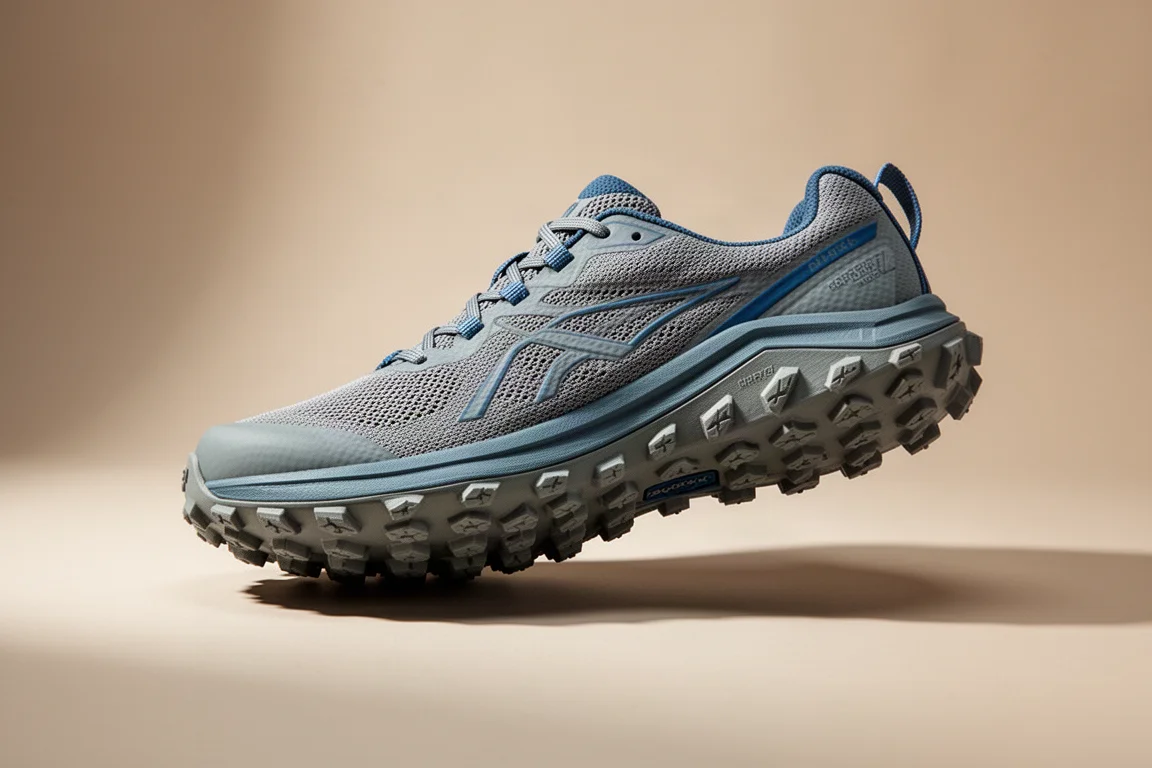
Topo Athletic Terraventure 2
The Terraventure 2 lasted roughly 600 to 700 miles before retirement, which is well beyond the point where most trail runners give out. The sturdier sole handled long road walks well, and the 3mm drop, shallower than the zero drop normally preferred, did not cause the plantar fasciitis pain that usually appears once a shoe passes 500 miles. The only complaint is the colourways, which are not the most attractive on the shelf.
Altra Lone Peak 5
The Lone Peak 5 performed well over its share of the trail. The frustration is sizing: a redesign shifted the fit drastically, and the usual men’s 11 became a men’s 10. It is worth trying a pair on before committing.
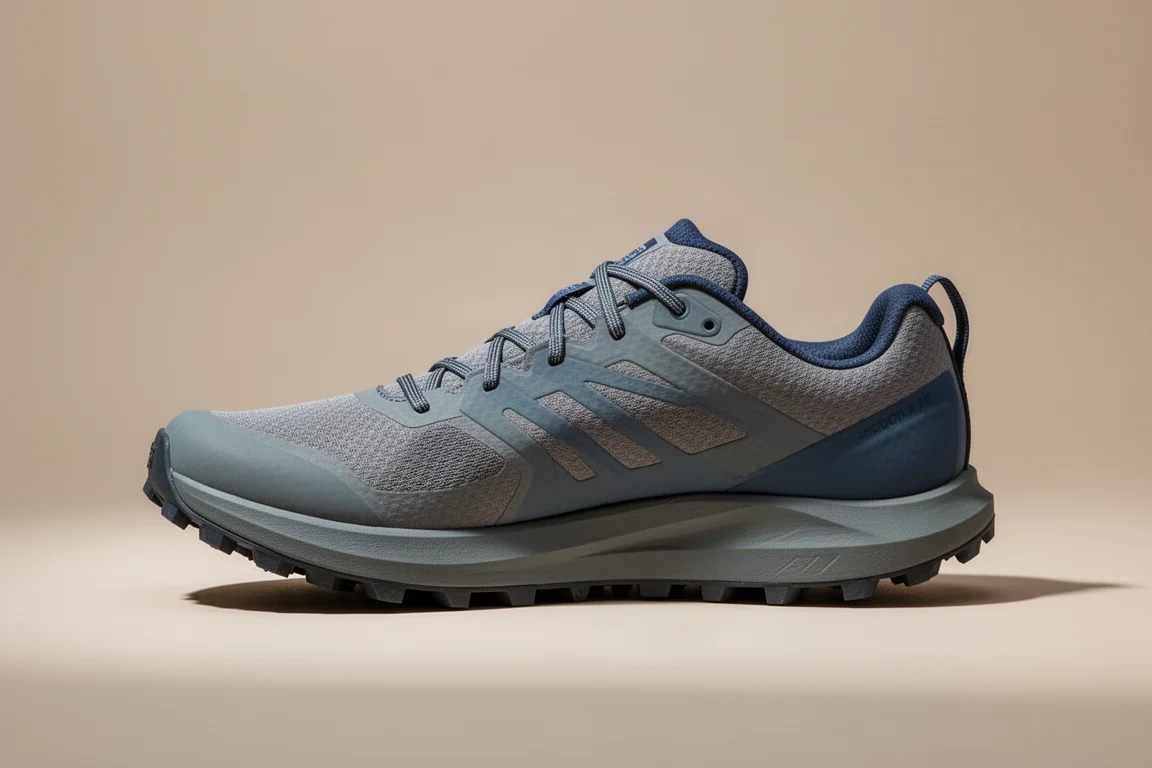
If only one shoe could be taken for the whole route, the Terraventure 2 would get the nod, purely because it handles hard surfaces so well.
Electronics
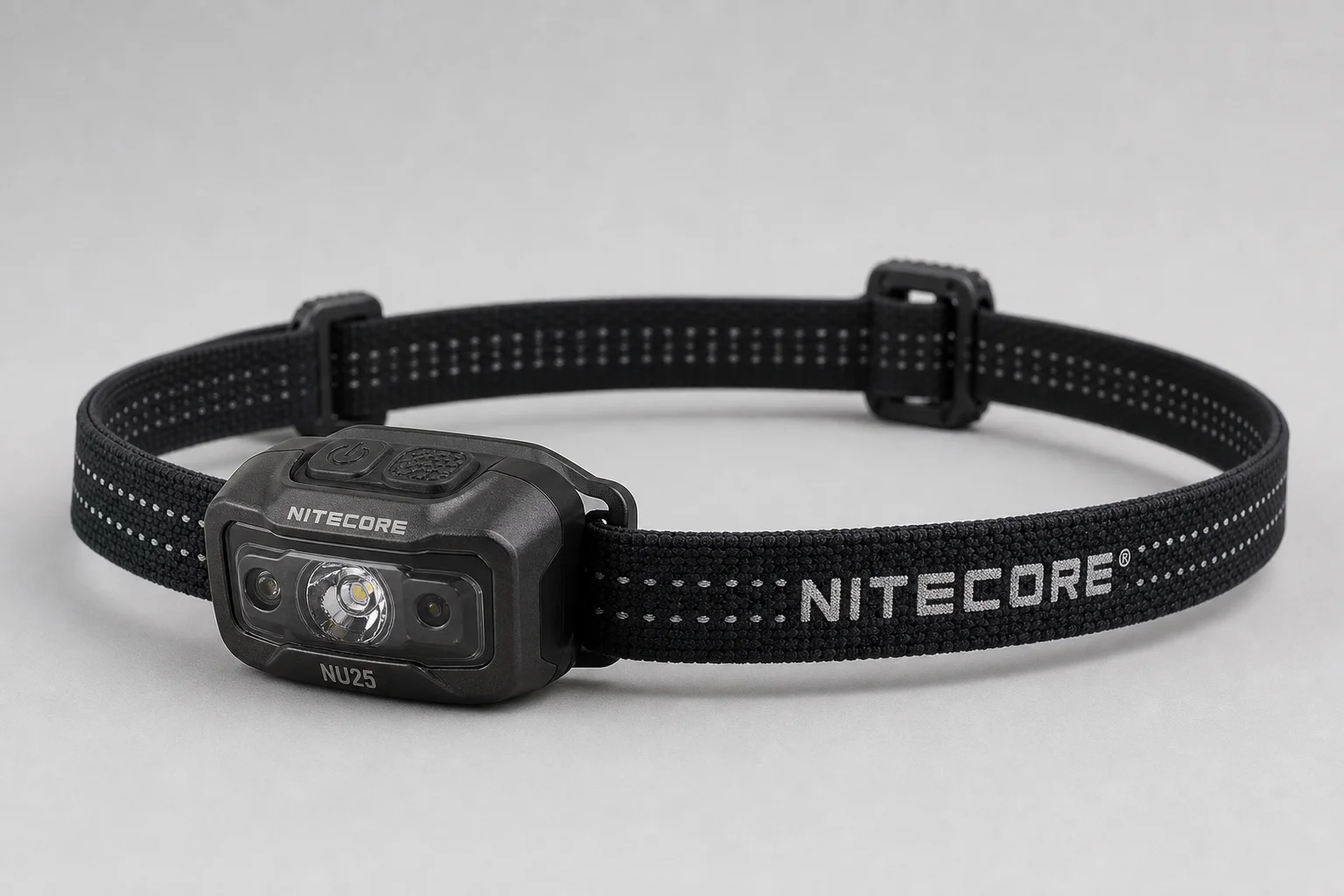
Nitecore NU25
A rechargeable headlamp with a red beam, three white beam settings, and a blinking red mode. It tilts down and adjusts around the head, and the rechargeable battery matters for anyone who does a lot of night hiking.
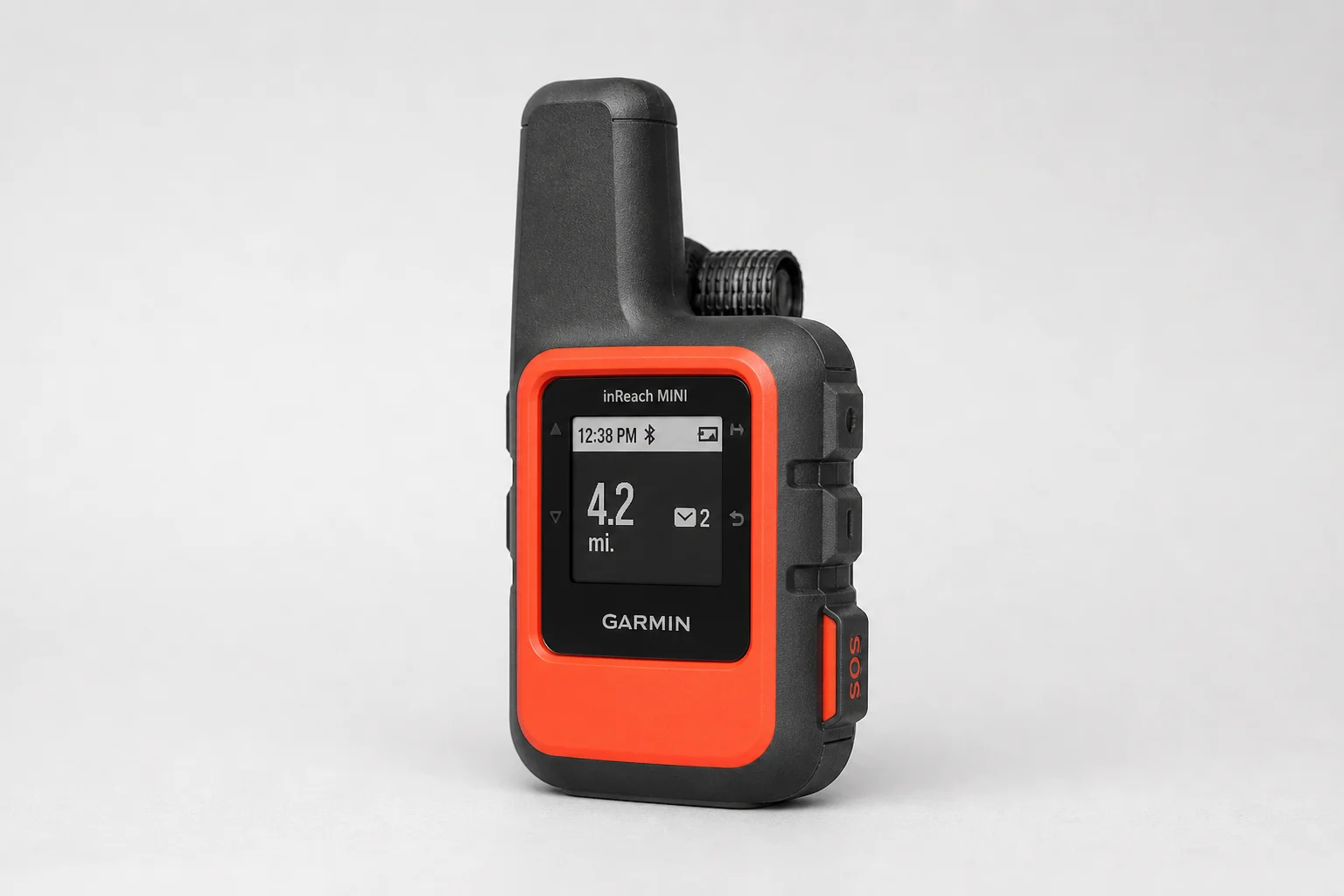
Garmin inReach Mini
A satellite communicator that can call for help when there is no other option. Cell service covered roughly 90 percent of the trail, so it functioned mostly as insurance rather than a daily tool.
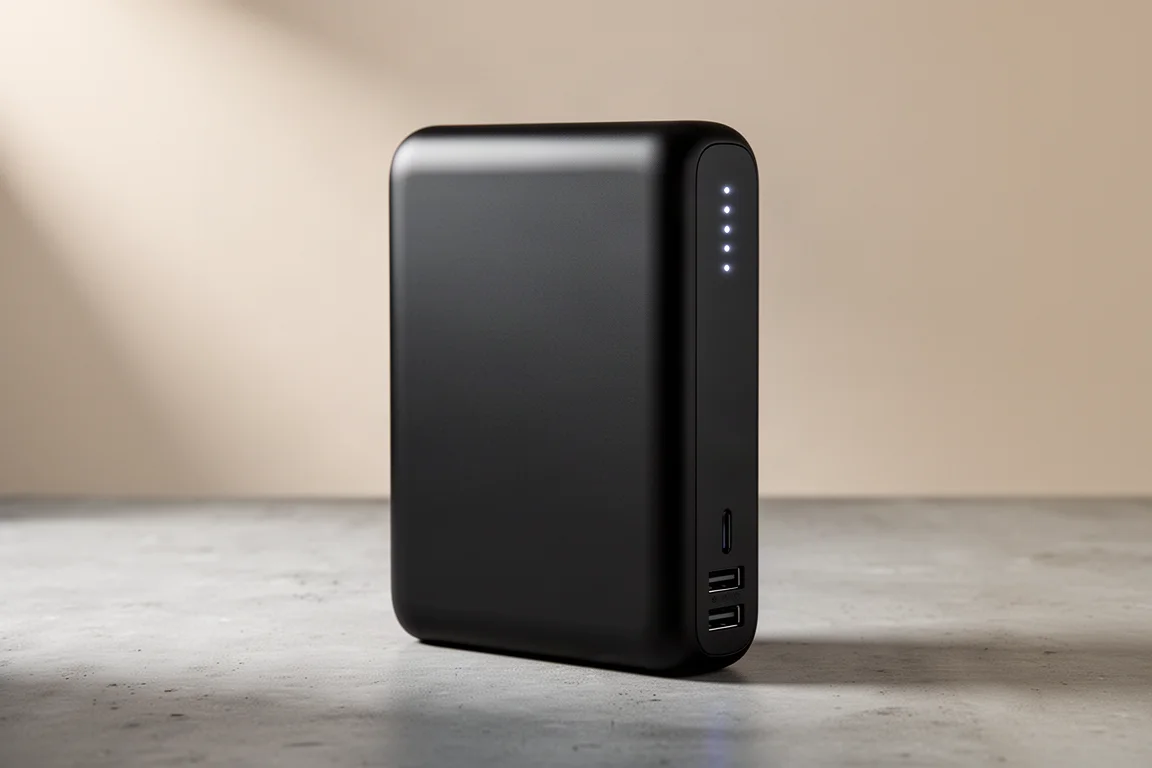
Anker 30000mAh Power Bank
Charging a heavy camera load plus a headlamp and a phone takes real capacity, and this bank lasts four to five days between top-ups. For most backpackers it is overkill, and a smaller battery would be the better call.
Small Essentials
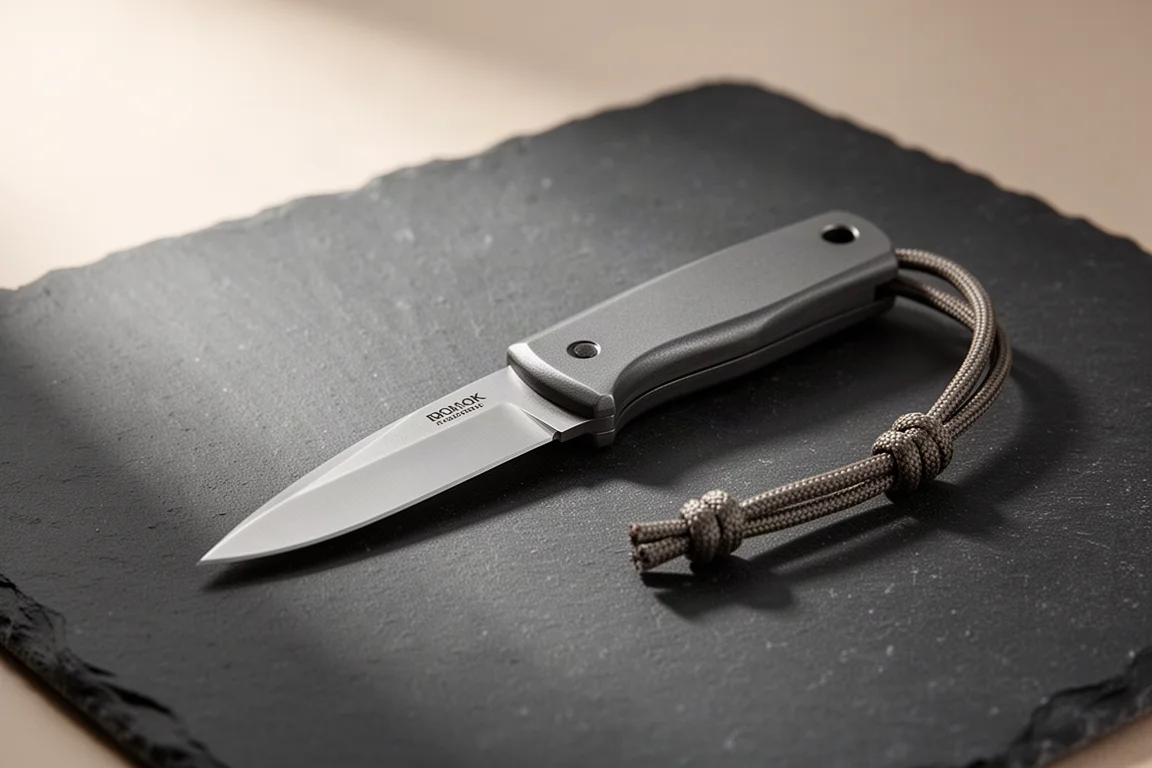
MT Knives Genesis Neck Knife
Carried among the small miscellaneous items that round out a kit, alongside a journal, a wallet, bug spray, and sunscreen. A neck knife is one of those items that takes up almost no space and is worth having when it is needed.
Overall Buying Advice
Match the gear to the trail and to the person carrying it, not to a generic ultralight checklist. The three-person shelter, the 30-degree quilt, and the large power bank are all heavier than the average Florida Trail hiker needs, and each one solved a specific problem: two people travelling with packs, a sleeper who runs cold, and a camera load that has to be charged.
Spend where failure is most disruptive. Trekking pole locks and pack adjustments are the two places where a small problem has an outsized effect on a long day, and both are worth checking on a new piece of gear before a trip starts.
Conclusion
A Florida Trail thru-hike rewards gear that handles water, sun, and heat without falling apart. The list above leans on a few deliberate choices: more insulation than the climate suggests, a shelter with room to spare, and footwear built for hard surfaces. Get those right and the rest of the kit falls into place.
Further reading
Related Reviews

Backpacking Gear
Building a 10 lb Base Weight: An Ultralight Backpacking Gear List
A practical walkthrough of the ultralight pieces behind a 10 lb base weight, from a 765 g pack and a roomy one-person tent to a full camp chair and a dependable water filter.
Backpacking Gear
A 15-Pound Lightweight Backpacking Gear List for Solo Trips
A beginner-friendly 15-pound backpacking setup built from easy-to-find gear, with notes on what each piece does, how it packs, and where to spend your attention.
Backpacking Gear
8 Ultralight Backpacking Gear Upgrades Worth Carrying
Eight small, affordable backpacking upgrades that solve real trail annoyances, from a pillow that stays put to a fuel valve that rescues leftover canister gas.