Outdoor Gear
Fjallraven Windsack Review: A Lightweight Three-Person Emergency Shelter
A close look at the Fjallraven Windsack, a packable three-person storm shelter built for sudden wind, rain, and snow, plus the condensation question worth asking before buying.
Introduction
Backcountry weather does not wait for a convenient moment. A snow squall or a sudden band of rain can arrive within minutes, and the difference between an uncomfortable hour and a genuinely risky one often comes down to whether you packed a simple layer of protection. The Fjallraven Windsack is designed for exactly that situation: a lightweight shelter that stuffs into its own pocket, opens up quickly, and lets you wait out the worst of the weather instead of pushing through it.
The concept is straightforward. It is a waterproof sack you climb into, cinch around yourself, and use to block wind, rain, and snow. It also has enough tie-off points to work as a basic tarp when you need more space or a longer stop. This review covers what the three-person version offers, where it fits in a pack, and the questions worth answering before you commit to one.
Who This Product Is For
The Windsack is aimed at anyone who spends time far enough from shelter that a change in conditions matters. Backpackers, day hikers, and winter travellers all fit the profile. The logic is simple: forecasts are frequently wrong, you cannot control the weather once you are out there, and a compact shelter gives you options when the trail turns exposed.
Fjallraven offers the Windsack in a one-person version and a three-person version. A two-person version existed a few years ago but has since been discontinued, so the practical choice now comes down to how much interior space you want. The three-person version measures roughly 80 inches by 67 inches when opened, which is enough room for several people to sit inside together rather than crouch in a single-file line.
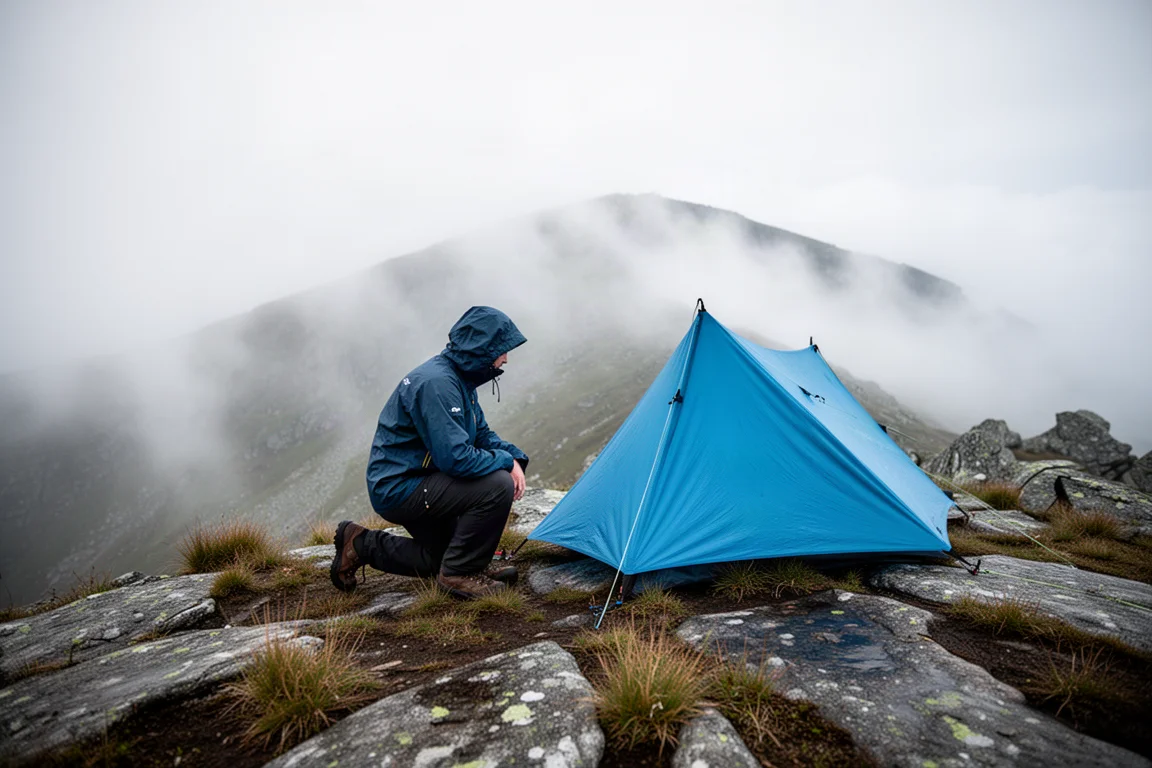
Sitting inside the three-person version, the space is genuinely usable rather than purely technical. Body heat builds quickly once the walls are closed, which is part of the appeal: the shelter cuts off the mechanisms that pull warmth away from you and gives a group somewhere to regroup, eat something, and decide what to do next.
Main Strengths
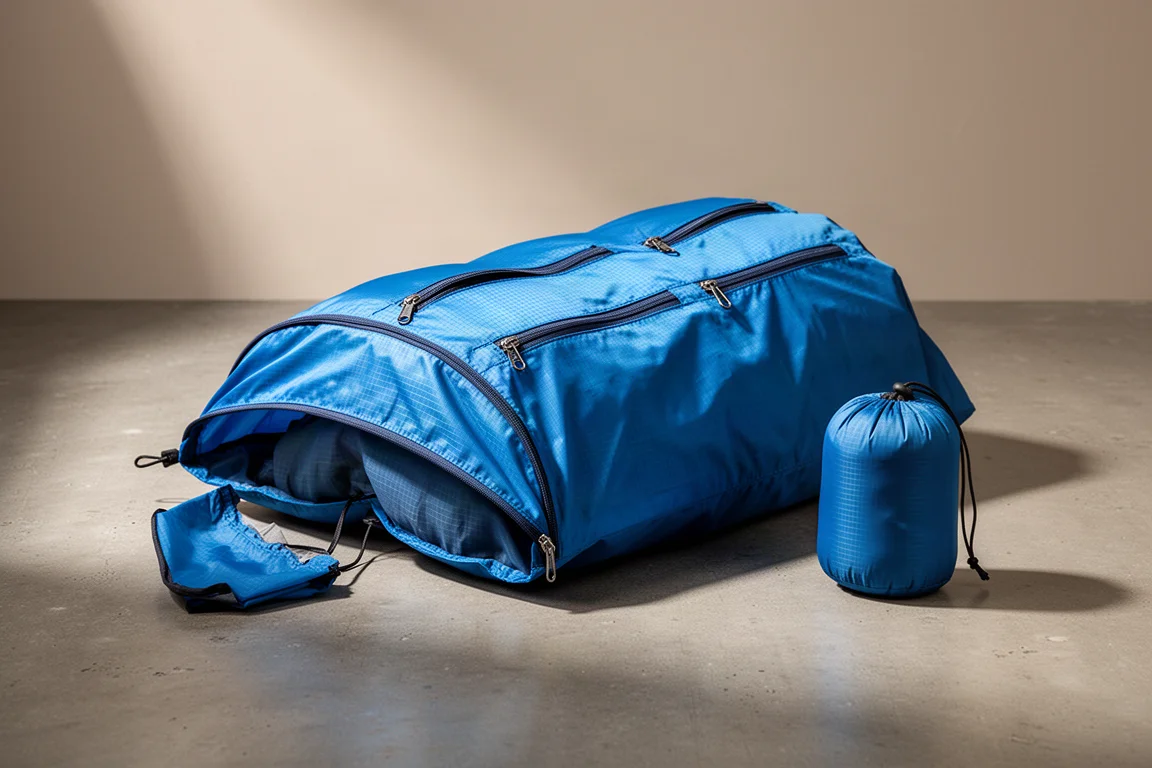
The materials set the tone here. The Windsack is made from a 100 percent polyamide 40D triple rip fabric, a sil nylon with a 3,000 millimetre hydrostatic head rating. In practice that points to a fabric that feels substantial in the hand while still packing down small. It weighs 1 pound 6 ounces and compresses to roughly 7.5 inches by 7.5 inches by 4 inches, which is a reasonable footprint for something you may carry for months without using it once.
Weather Protection and Packed Size
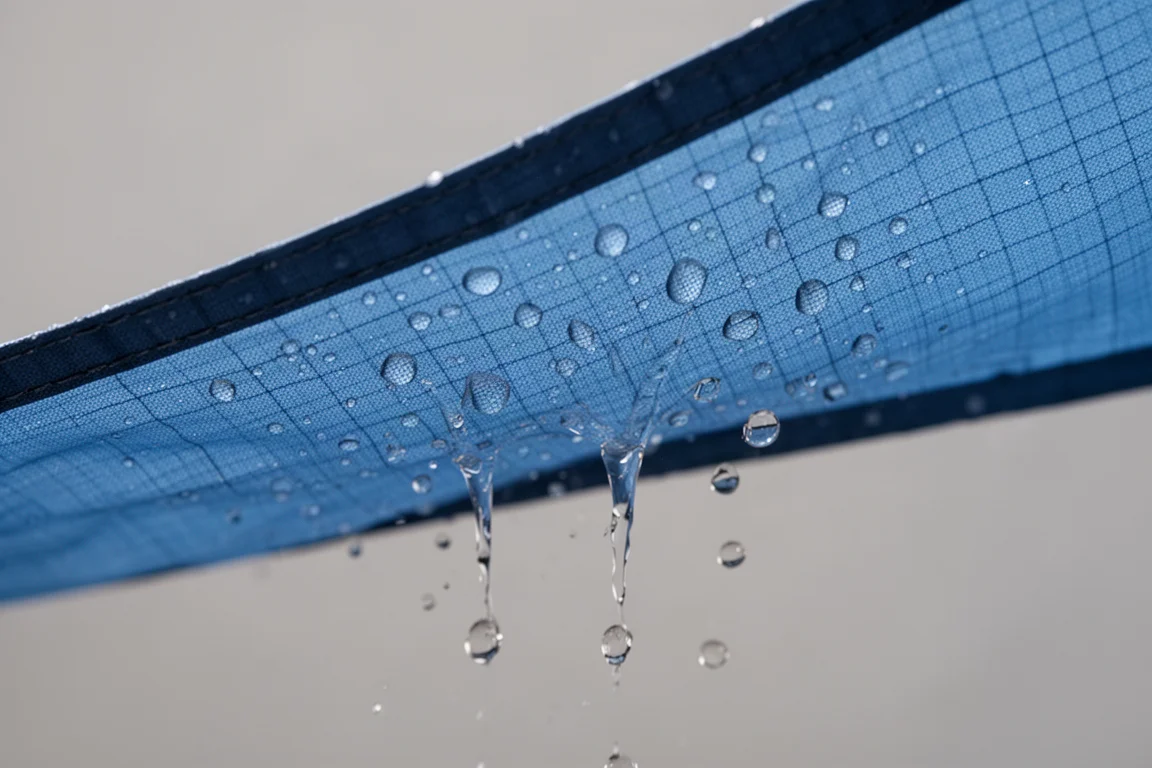
Waterproofing and wind blocking are the core promises, and the construction supports both. The fabric is coated, the openings cinch down, and the whole sack is designed to be thrown over yourself in seconds when a squall appears on the horizon. Because it packs into its own pocket, it stays contained in a pack rather than unravelling into a loose bundle of fabric at the bottom of your bag.
Packed size matters as much as protection for gear like this. An emergency shelter that is awkward to stow tends to get left at home, and a shelter that stays behind is worth nothing. At just over a pound and roughly the size of a small stuff sack, this one is easy to justify carrying on trips where a tent would be overkill.
Anchoring, Vents, and Visibility
The Windsack is more versatile than a simple bag. Every corner has a tie-off point, and there is an additional mid-body tie-off plus one at the top. That means a single person can rig it to a tree or between two trees and treat it as an emergency shelter with a roof, rather than holding it up themselves.
Ventilation is handled by three zipper vents near the top, each protected by a cover that keeps water out of the zip. The zippers have drawcords on both the inside and the outside, so you can adjust them from within the shelter without opening it up to the weather. There are also reflectors on the body of the sack, which add a bit of visibility if you are sheltering near a route or in low light.
Colour is deliberately limited. The Windsack comes in blue only, and that is a high-visibility choice rather than a styling one. Against snow, forest, or rock, the contrast makes the shelter easy to spot, which matters if you are waiting out weather and want to be found.
Things to Consider Before Buying
The honest answer to the biggest question is that real-world waterproofing performance and internal condensation are not settled by looking at the product. The fabric and the 3,000 millimetre rating point to solid rain protection, and the design clearly blocks wind, but how a shelter like this behaves over an hour of heavy snow is something you learn in the field. Anyone considering a purchase should treat condensation as the main unknown.
The other consideration is what the Windsack is not. It is a storm refuge and an emergency shelter, not a replacement for a tent on a planned overnight. It has no floor, no poles, and no structure of its own, so it depends on you, your group, or a couple of trees to hold its shape.
Condensation and Ventilation
Ventilation is the detail to watch. With the three vents open at the top, warm, moist air has somewhere to escape, and the zipper drawcords make those vents adjustable from inside. In calm conditions that should help keep the interior manageable.
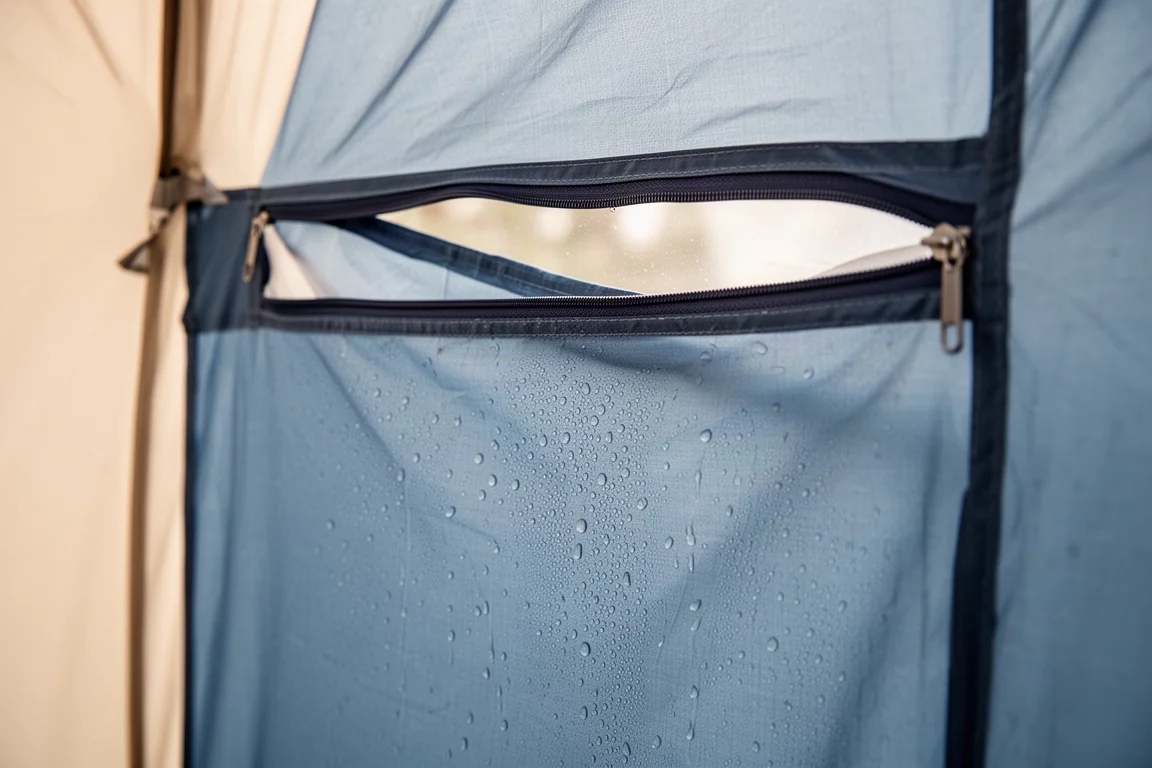
The harder scenario is driving rain or heavy snow, when you cannot realistically leave vents open. In that case the walls are closed, body heat and moisture have nowhere to go, and the interior can become damp. That is a trade-off common to lightweight shelters rather than a flaw unique to this one, but it is worth knowing before you rely on the Windsack for a long, cold wait rather than a short one.
Buying Advice
The case for the Windsack rests on preparedness rather than features. If you already carry a lightweight tarp, this is a different tool: bigger, faster to deploy over yourself, and better at sealing out wind and driven precipitation while you sit inside it. If you carry nothing at all for emergencies, it fills a real gap in a pack for a modest weight penalty.
Sizing is the main decision. The one-person version suits solo travellers who want the smallest possible package, while the three-person version is the better choice for couples, small groups, or anyone who wants room to sit upright, move around, and keep a pack inside with them.
Who Should Choose the Three-Person Version
The three-person version makes the most sense for anyone who rarely travels alone. It is large enough that two people can sit comfortably with gear, and it gives a group a shared space to warm up, eat, and reassess instead of everyone huddling separately. The extra fabric costs some packed volume and weight compared with the solo version, but the usability gain is significant.
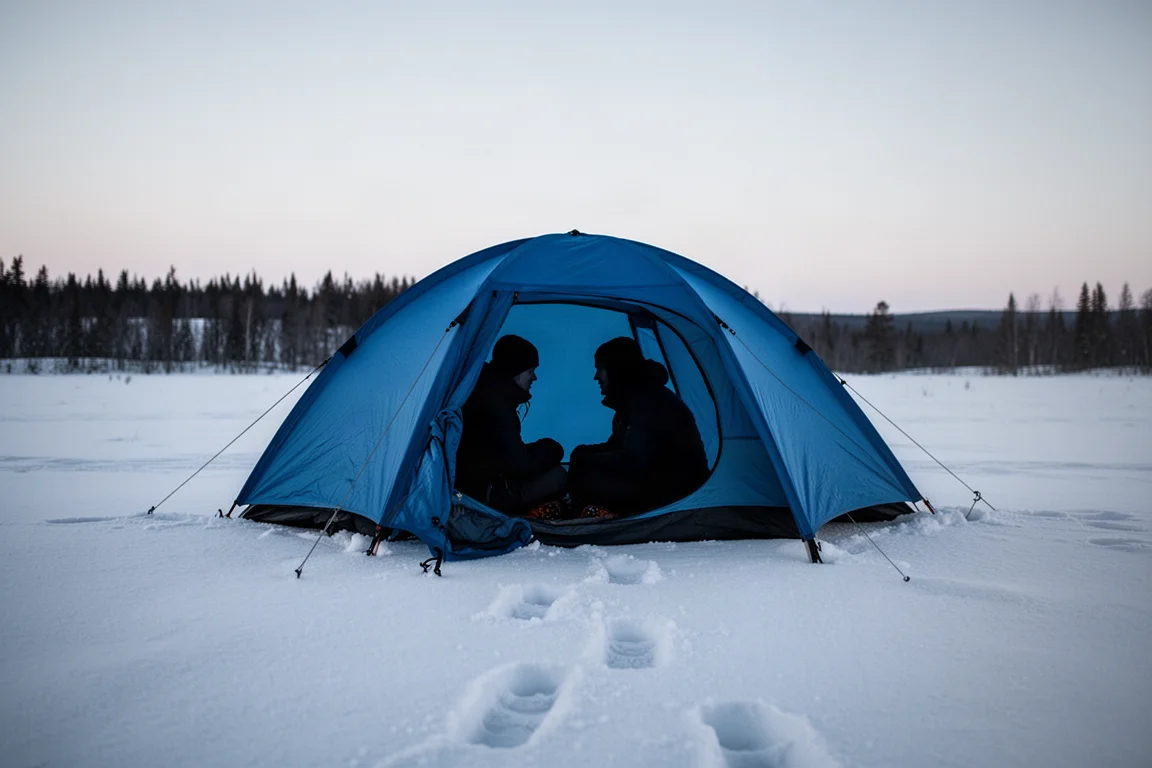
For solo trips, the calculation flips. A single person inside the three-person version has plenty of room and can even rig it as a tarp using the corner tie-offs, but the one-person version will be lighter and easier to manage. Match the size to how you actually travel, not to the worst case you can imagine.
Conclusion
The Fjallraven Windsack is a well-considered piece of emergency gear. The materials are premium, the fabric carries a credible waterproof rating, the tie-off points make it far more flexible than a plain survival bag, and the venting system shows that someone thought carefully about how the shelter would be used. For backpackers, day hikers, and winter travellers who want protection they can deploy in seconds, it addresses a real problem.
The open questions are the ones only field time will answer: how well the fabric manages sustained rain, and how much condensation builds when the vents have to stay closed. Those caveats are worth weighing, but they do not undermine the core value of carrying a lightweight, high-visibility shelter that can turn a dangerous squall into a manageable pause.
Product link
View more details for Fjallraven Windsack
This product is mentioned in the review. Check the specifications, options, and compatibility before buying.
View more details for Fjallraven WindsackFurther reading
Related Reviews
Outdoor Gear
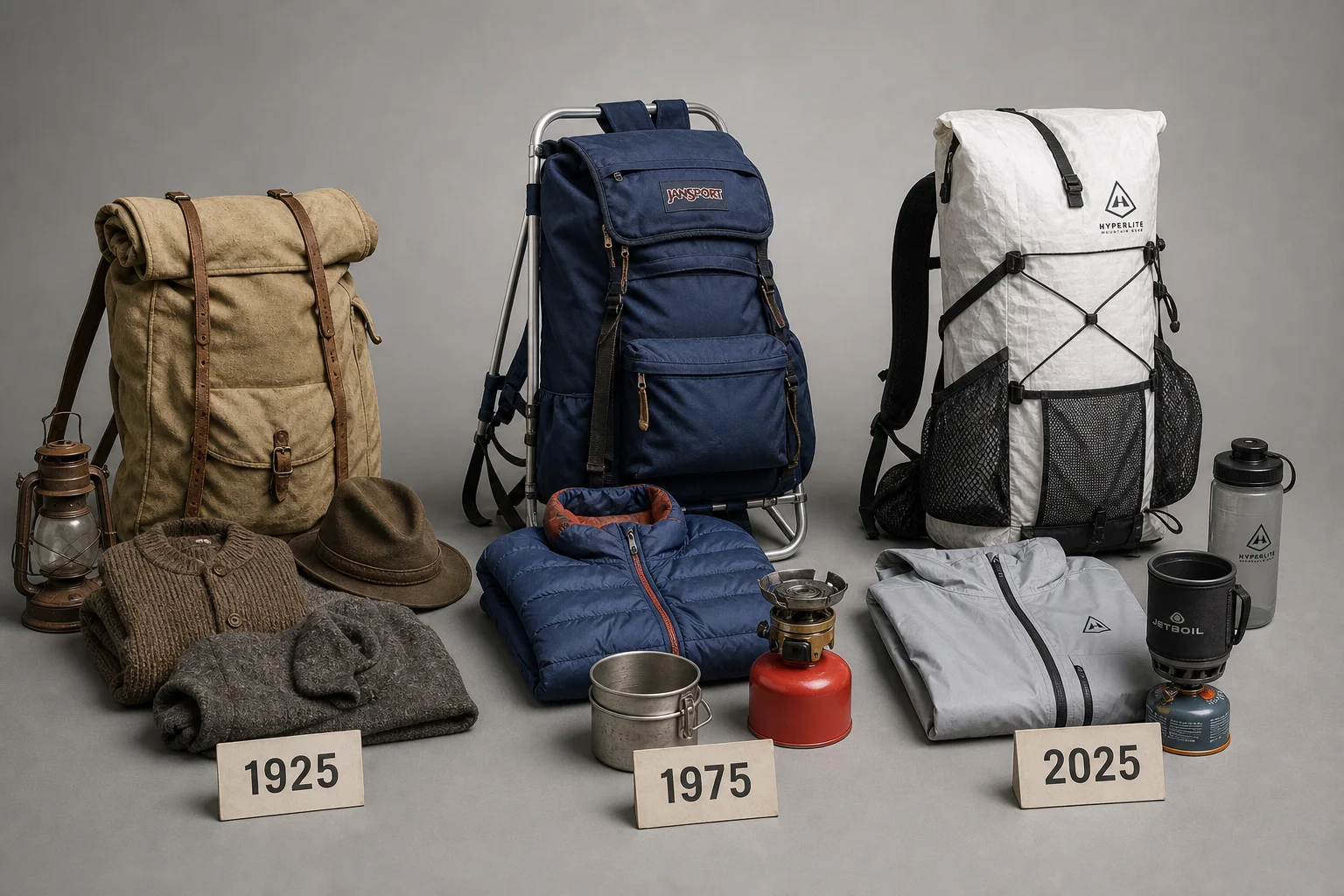
Backpacking Gear Evolution: 100 Years of Technology Compared
We tested backpacking gear from 1925, 1975, and 2025 across a three-day hike in Yosemite. Here's how technology has transformed comfort, weight, and the outdoor experience.
Outdoor Gear
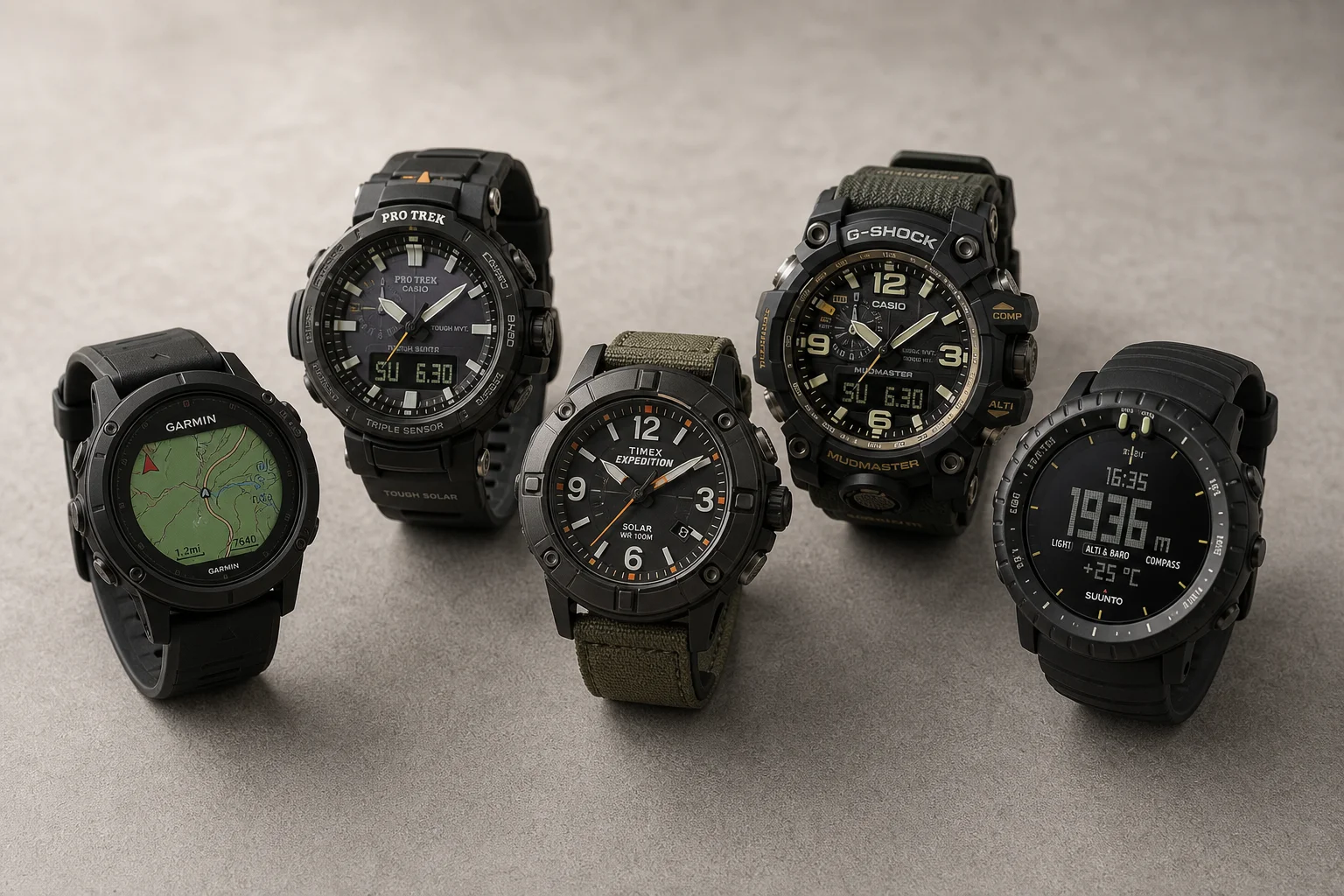
Best Affordable Hiking Watches: Five Rugged Options for Outdoor Adventures
Five durable hiking watches that balance ruggedness, functionality, and value for outdoor enthusiasts who need reliable GPS tracking and weather resistance.
Outdoor Gear
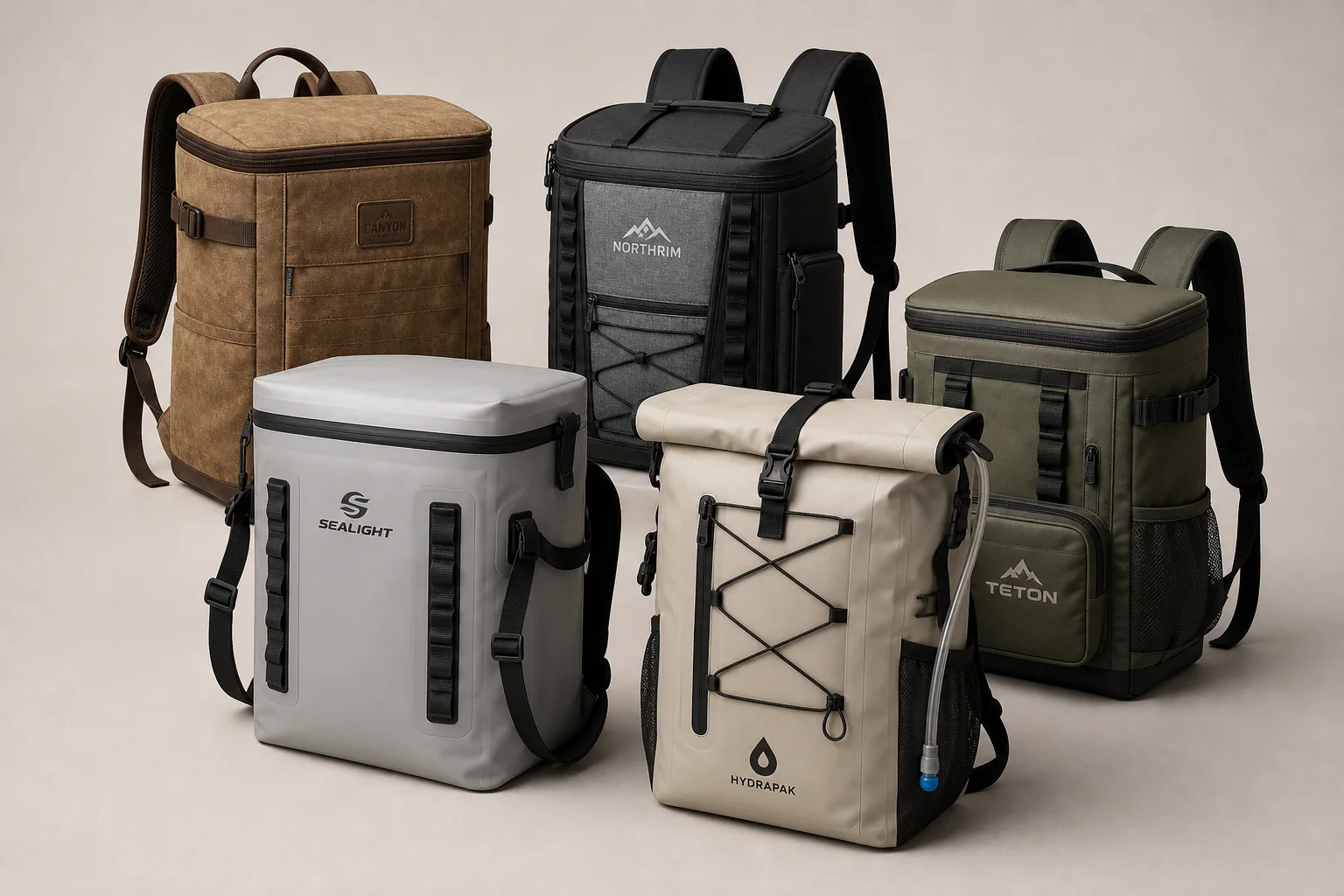
Best Backpack Coolers 2026: Five Practical Options for Outdoor Adventures
Five backpack coolers with distinct cooling capabilities, storage features, and design trade-offs to help you choose the right one for your outdoor needs.