Survival Shelters
Fjällräven Windsack 3 Review: A Windproof Emergency Shelter With Two Real Weaknesses
The Fjällräven Windsack 3 blocks wind, sheds snow, and adds real warmth, but it leaks in rain and soaks up condensation. Here is what to weigh before buying.
Introduction
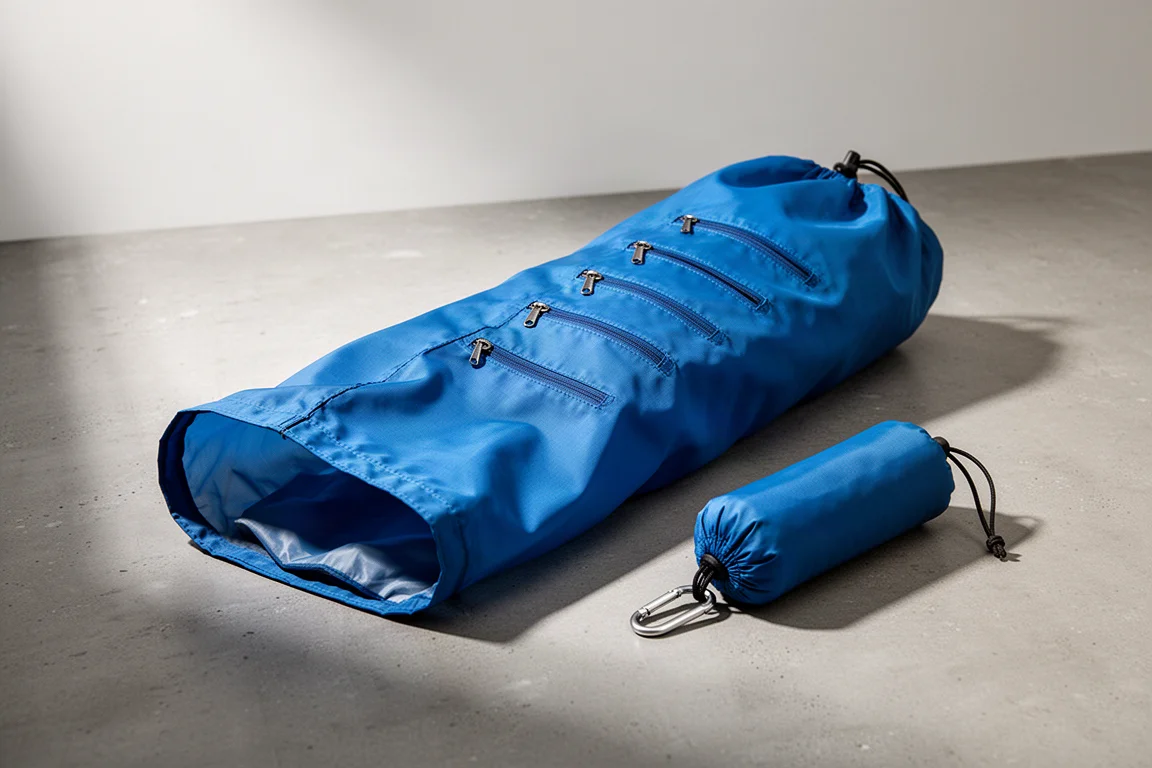
The Fjällräven Windsack 3 is a lightweight emergency shelter built for the moment a day hike stops going to plan. It is designed to keep you out of the snow, block wind, and keep you dry, and it can be used three different ways: pitched as a small shelter, strung up as a tarp, or pulled over the body like a sack.
At around $150, it sits at the upper end of the emergency shelter category. It targets hikers who want a compact backup without carrying a tent or a sleeping bag. During an overnight test in mountainous terrain, outside temperatures fell to roughly 19°F while wind gusts pushed toward 50 mph, which is exactly the window this product is meant to cover.
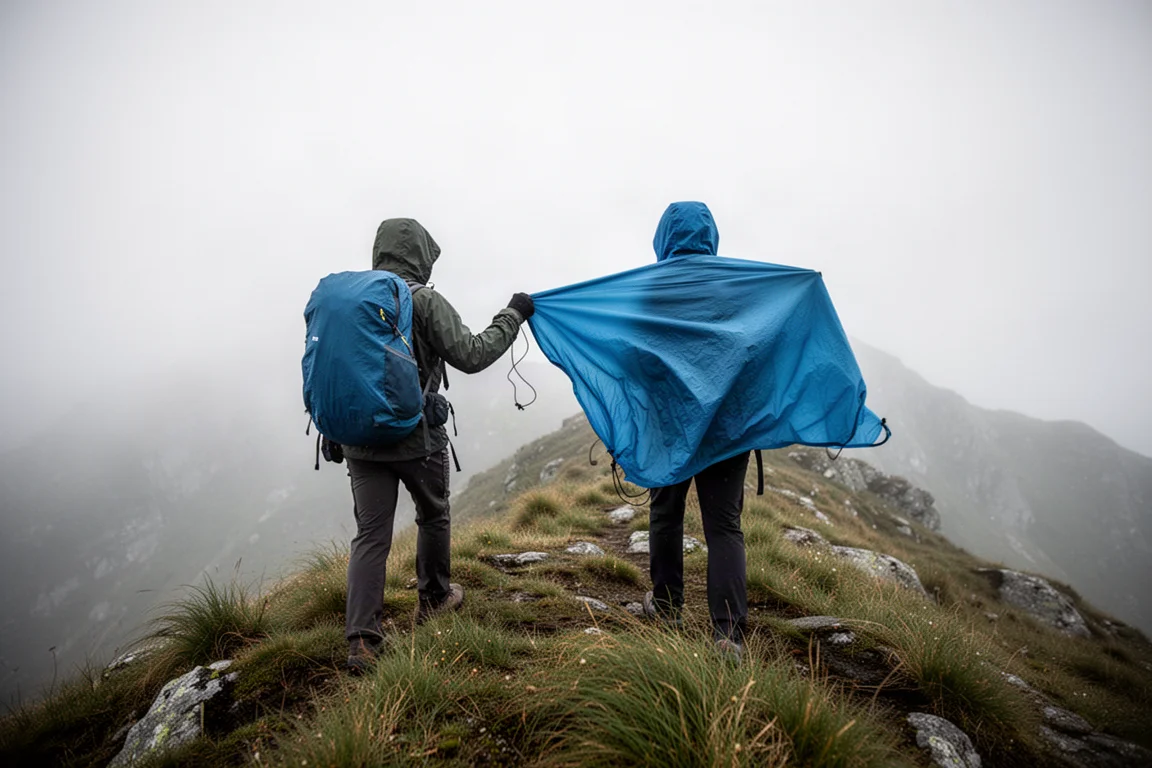
The outcome was mixed. The Windsack 3 blocked wind and snow and added a measurable margin of warmth, but it also revealed two weaknesses that matter in a genuine emergency: it is not waterproof, and it collects heavy condensation on the inside.
Who This Product Is For
This shelter makes sense for hikers and backpackers who spend long days on trails where a wrong turn, a turned ankle, or a late start could mean an unplanned night outside. It is designed for that scenario, a day hike loadout with no sleeping bag and no blanket.
It is not a replacement for a tent, a sleeping bag, or a waterproof bivy. During the overnight test it worked only as one part of a system that also included insulating layers, a shell jacket and rain pants, hand warmers, a heated water bottle, food, and regular movement. Anyone expecting the Windsack 3 to handle the night on its own will be disappointed.
It also suits people who are comfortable improvising. Setting it up depends on trees, rocks, or another anchor for the tie-outs, and it rewards quick, simple knot work over tidy campcraft.
Main Strengths
Blocking Wind and Snow
The core promise of the Windsack 3 is protection from wind and snow, and that part holds up. Pitched low against a hillside with the bottom edge sealed and one side left slightly higher than the other for airflow, it cuts the wind almost completely and keeps falling snow off your body.
That difference is obvious the moment you get inside. The gap between the outside air and the air within the shelter is the entire reason to carry something like this in the first place.
Holding Up in Strong Winds
The fabric is the strongest part of the design. Through the night the wind hammered the shelter without any sign of stretching, tearing, or seam failure, and there was no worry that it would come apart. That toughness is notable in a shelter designed to be carried on a day hike.
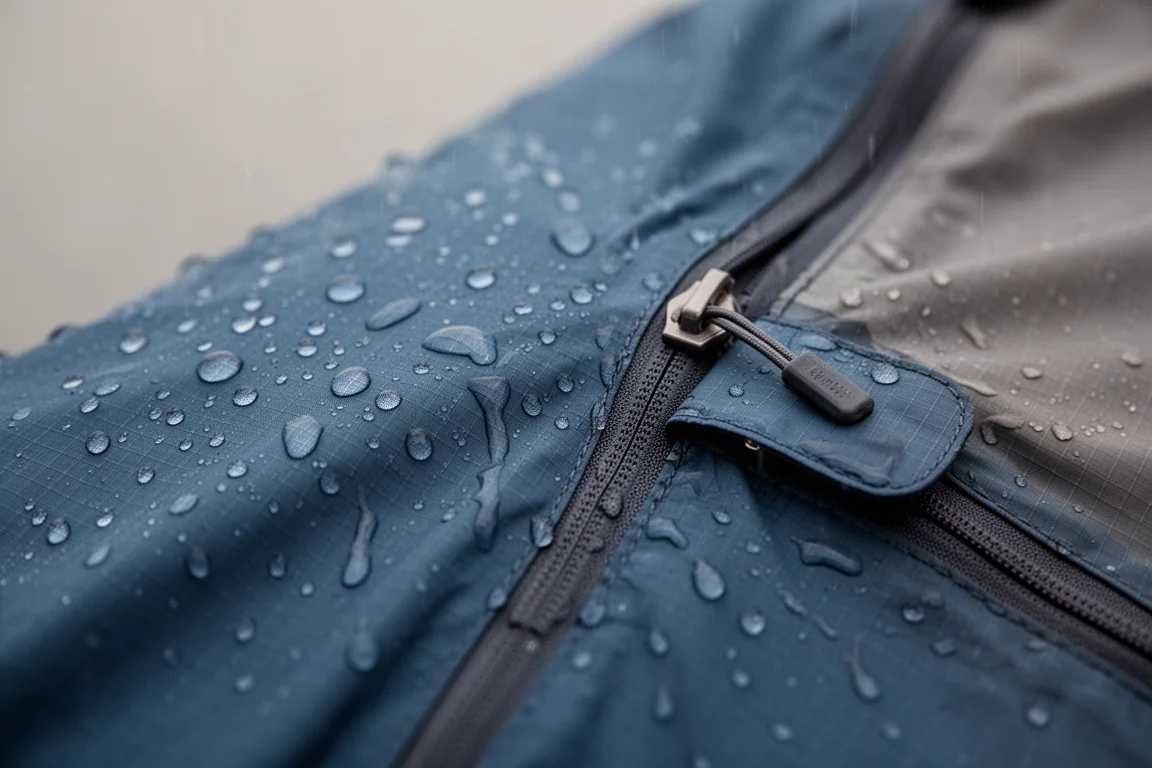
A shelter that fails in high wind is worthless, so this durability deserves real weight when comparing lightweight options. Even as gusts built toward 50 mph, the materials stayed intact and the pitch held its shape.
Warmth Compared With Outside
A thermometer left outside read 19.2°F in the morning, while the same thermometer inside the shelter settled at around 31°F after half an hour. That is a difference of more than 10 degrees, and it matches the broader impression of the shelter running roughly 10 to 15 degrees warmer than the outside air.
Ten degrees is not comfort. It is the difference between shivering through the night and staying functional through it, which is the realistic goal of an emergency shelter.
Things to Consider Before Buying
Not Waterproof
The manufacturer describes the Windsack 3 as protection from wind, snow, and rain. Wind and snow, yes. Rain, no. In wet conditions water came straight through the fabric and ran down the inside walls, which is a serious limitation for a product sold as weather protection.
Anyone who expects rain in their region should treat that claim with caution and plan accordingly.
Condensation and Moisture
Because the shelter closes in around you, moisture from your body has nowhere to go. By morning the interior was wet, with ice and water on the walls and on the gear inside. Used as a sack pulled over the body, the buildup would be even worse.
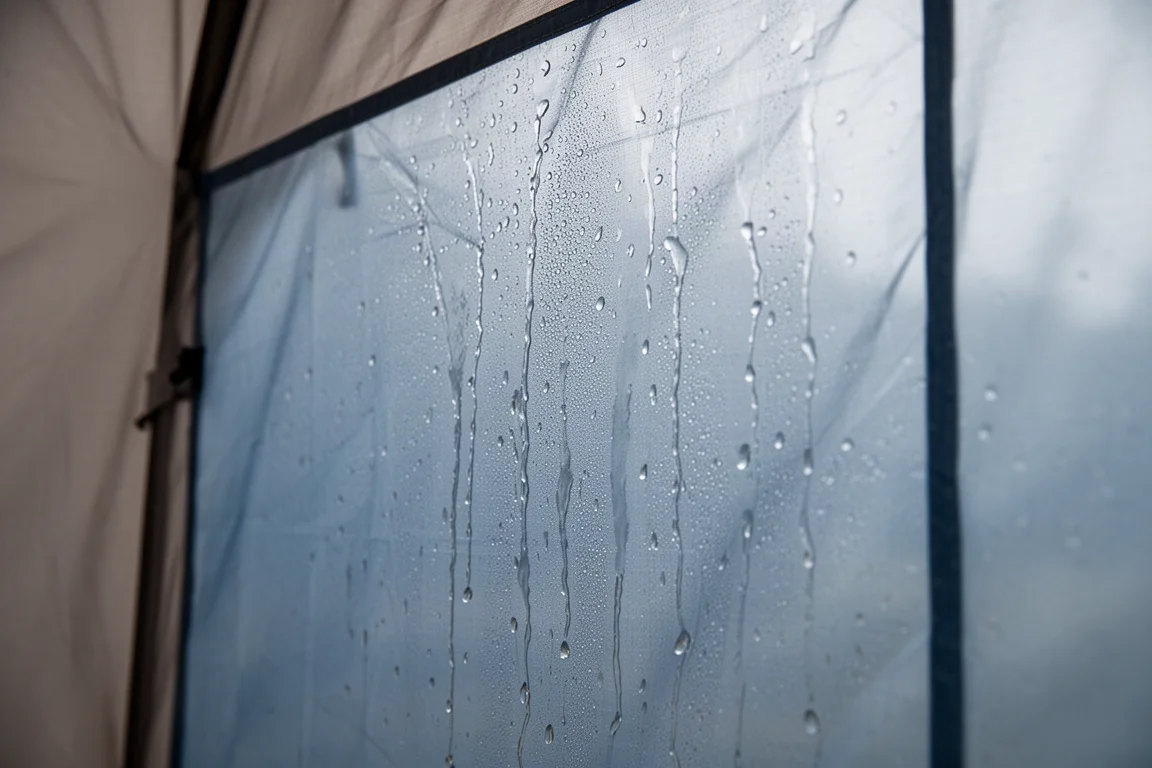
Damp clothing in cold conditions is dangerous rather than merely uncomfortable, so this is the weakness that weighs most heavily against the design. It limits the Windsack 3 to short duration use and makes ventilation a constant concern.
Setup and Tie-Off Points
Setup took around 10 minutes using simple one-pull knots and the tie-off points already on the shelter. That speed is a genuine advantage when daylight is running out.
The shelter does not include a centre tie-off point, so a ridge line had to be improvised with a length of cordage and a slip knot over a knotted loop. It works, but it is a modification rather than a built-in feature.
Buying Advice
At around $150, the Windsack 3 is difficult to justify. A simple tarp achieves much the same wind and snow protection, avoids the waterproofing problem, and handles moisture far better, for a fraction of the cost.
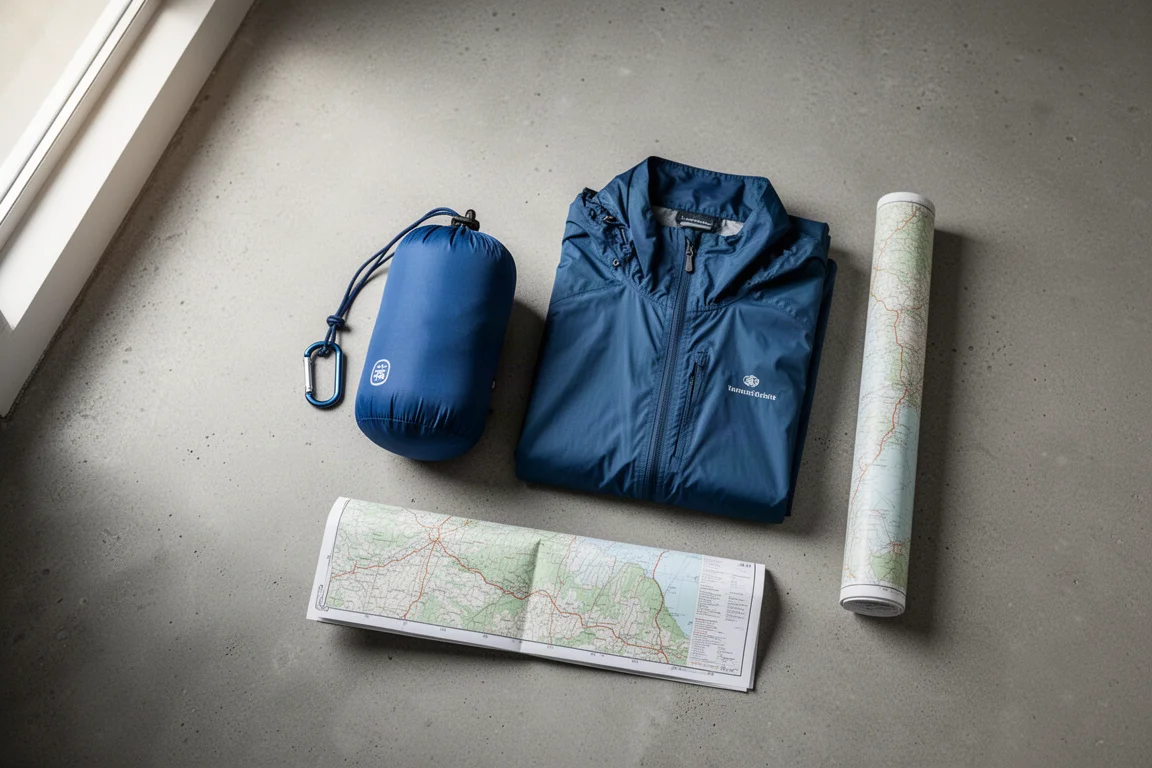
If you already carry a tarp or an emergency bivy, this product adds little. If you specifically want a shelter that can be worn as a sack as well as pitched, the Windsack 3 offers that flexibility, and its fabric is genuinely tough. Plan around its limits: keep it out of rain, expect to manage moisture carefully, and treat it as one component of a layered system rather than a solution on its own.
Conclusion
The Fjällräven Windsack 3 blocks wind, sheds snow, adds roughly 10 to 15 degrees of warmth over the outside air, and survived a night of near 50 mph gusts without any sign of tearing. Those are real strengths, and they are the reason this shelter got through the night at all.
They come with real costs. It leaks in rain, it collects heavy condensation, and it needs a cordage modification to pitch well, all at a price where a tarp does more for less. For most hikers the smarter purchase is a tarp plus the insulation, hand warmers, and food you were going to carry anyway. The Windsack 3 is best seen as a niche option for someone who specifically wants a wearable sack shelter and is willing to work around its weaknesses. ormance that is limited to blocking wind. A basic poncho or a simple tarp accomplishes the same job, and generally performs better overall, for far less money. The one scenario where this shelter adds something is a short stop in dry, cold, windy conditions where heat retention matters and the occupants are already wearing full rain gear. Outside that narrow case, the money is better spent elsewhere.
Anyone considering it should weigh the deployment speed and build quality against the two hard limits: it leaks in rain, and it soaks its occupants from the inside. Emergency gear is judged by how it behaves when conditions are at their worst, not when they are convenient, and this shelter is at its best only when the weather is already manageable.
Conclusion
The Windsack 3 is named for what it does well. It blocks wind, it deploys quickly over the head, it is compact and light, and its construction is genuinely excellent. Everything beyond wind protection, however, falls short of what the product is sold to do. It is not waterproof, condensation is severe even with one person inside, the anchor points are insufficient for a proper pitch, and it is difficult to enter and exit.
There is the outline of a good survival shelter in this design, but as it stands the usable range is far too narrow for gear meant to be relied on in an emergency. Readers who want dependable protection from wind, rain, and snow should look at a tarp or a poncho instead, and treat this one as a windbreak at best.
Product link
View more details for Fjällräven Windsack 3
This product is mentioned in the review. Check the specifications, options, and compatibility before buying.
View more details for Fjällräven Windsack 3Further reading
Related Reviews
Insulated Jackets
Aerogel vs Down Insulation: Two Aerogel Jackets Compared
Aerogel is the lightest solid on record, but two aerogel jackets measured against a comparable down jacket tell a more complicated story about warmth.
Power Banks
Anker 737 PowerCore 24K Review: Fast Charging in a Simple Package
A 140W portable power bank with a 52-minute recharge time, a health-tracking display, and a three-port layout that skips the app entirely.
Emergency Shelters
Aqua Quest Survivor Emergency Tarp Review: A High-Visibility Shelter Built for Hard Weather
A 10 x 10 ripstop nylon emergency tarp with taped seams, a 5,000 mm hydrostatic head rating, 19 tie-out points, and reflective trim, tested through winter storms and driving rain.