Emergency Shelters
Fjällräven Wind Sack 3 Review: A 1.03 lb Emergency Shelter and Its Limits
The Fjällräven Wind Sack 3 blocks wind and packs down to almost nothing, but it is not waterproof and condensation inside is significant. Here is what to weigh before spending $150.
Introduction
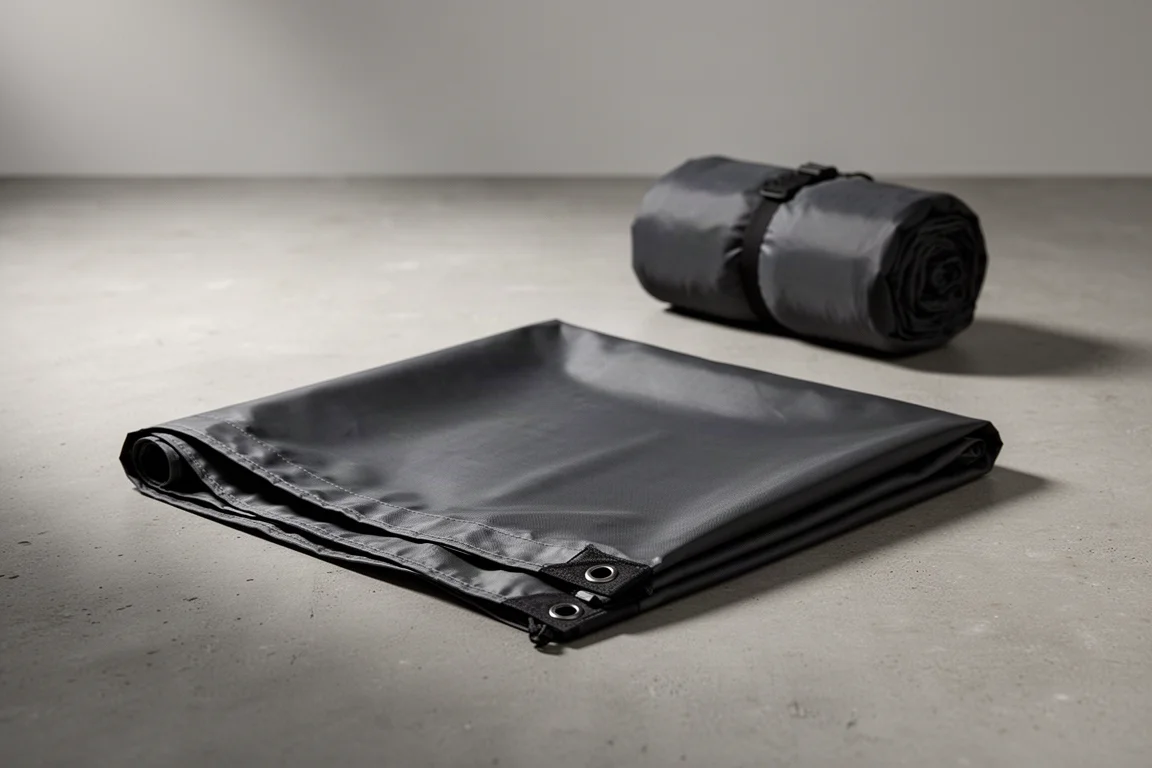
Emergency shelters live or die on four things: how much they weigh, how small they pack, how fast they go up, and whether they actually keep the weather off you. The Fjällräven Wind Sack 3 makes a clear promise on the first three. It carries a claimed weight of 1.03 lb, it rolls down small enough to disappear into a pack, and it is built to be deployed fast when conditions turn.
The fourth promise is where things get complicated. Fjällräven markets the Wind Sack 3 as protection from wind, rain, and snow. Across a cold, breezy overnight with rain and snow in the forecast, that claim did not hold up the way the marketing suggests. Here is a closer look at what this shelter is, who it genuinely suits, and what to weigh before spending $150 on it.
What the Wind Sack 3 Actually Is
The Wind Sack 3 is a lightweight emergency shelter intended to be carried as insurance rather than used as a primary tent. At a claimed 1.03 lb it is easy to justify in a pack, and it is designed to be pulled over a person rather than slept in as a roomy shelter. It is not a tarp and it is not a bivvy bag; it is a windproof shell you climb into when the weather turns.
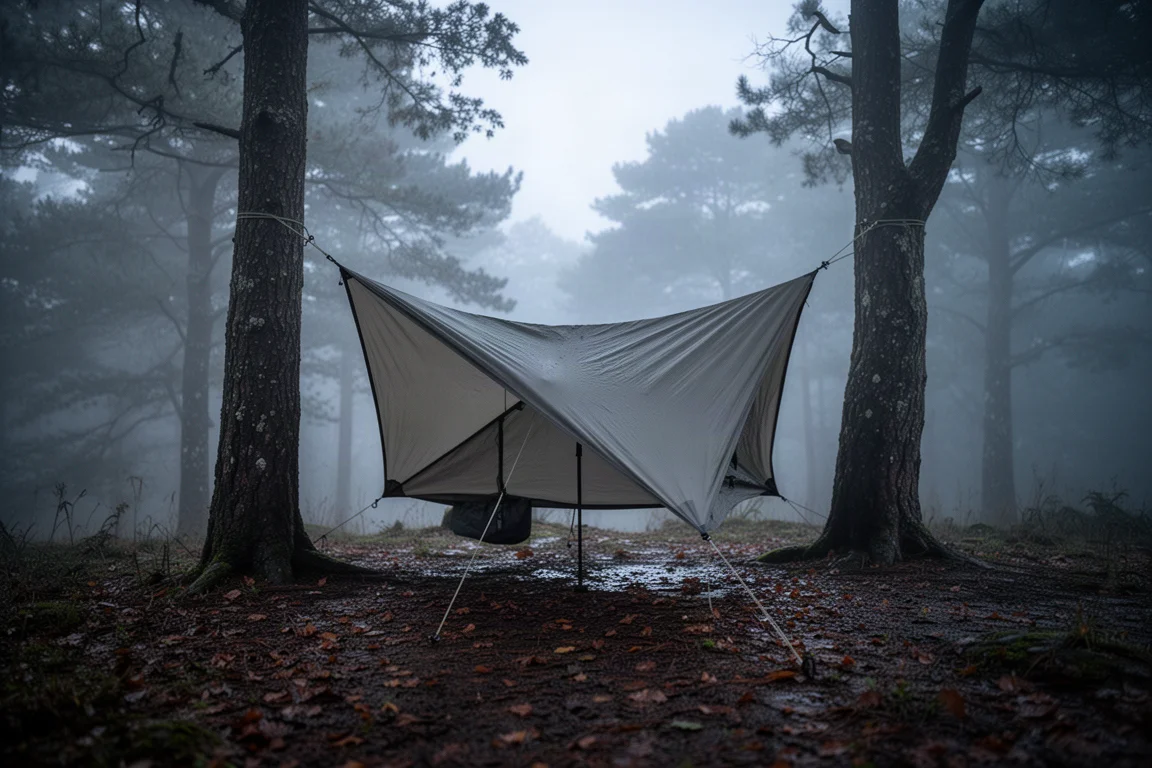
The form factor is the selling point. There is no frame, no poles, and no complex assembly. That simplicity is what makes it fast to deploy, and it is also what shapes everything else about how the shelter performs in the field.
Who This Product Is For
The Wind Sack 3 suits a fairly specific kind of user: someone who wants a compact, very light layer of wind protection for short stops, unexpected weather, or an emergency backup that lives at the bottom of a pack and rarely comes out.
It is less suited to anyone who expects a shelter to work as a waterproof overnight refuge. If your plan is to sit out a wet, windy night and stay dry, the Wind Sack 3 is the wrong tool for that job, and the sections below explain why.
Main Strengths
Weight and packability are the strongest arguments in its favor. A claimed 1.03 lb is a small penalty for a dedicated emergency layer, and the shelter takes up very little room. For fast-moving trips where every gram and every litre of pack space is contested, that matters.
Setup is also straightforward in principle. The design has no moving parts to fail, so there is nothing to assemble in bad weather and nothing to break in storage. The shelter is meant to go up quickly, which is exactly what you want when conditions change faster than your plan did.
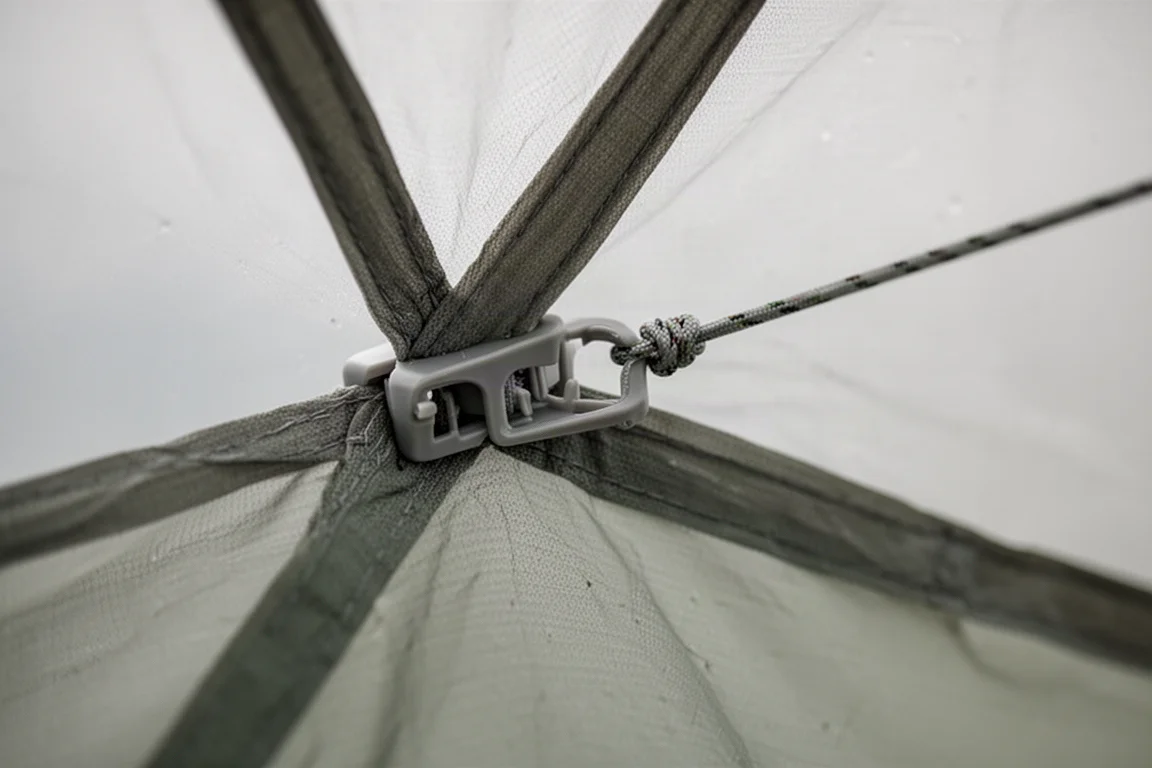
Wind blocking is the third strength, and it is a real one. Inside the shelter, moving air is reduced noticeably compared with standing outside, and the difference is obvious the moment you step back out. As a windbreak, the concept works.
Things to Consider Before Buying
The tie-off points are the first practical limitation. The Wind Sack 3 offers only a handful of attachment points, which means you have to work with whatever the terrain gives you rather than adapting the shelter to the spot. On uneven or wooded ground, getting a usable pitch can take real time and effort.
Water resistance is the second and more serious consideration. Fjällräven markets the Wind Sack 3 as protection from rain and snow, but the material is not waterproof. In wet conditions it leaks, and moisture builds up inside. That combination is difficult to work around when bad weather is the reason you deployed the shelter in the first place.
The third point is cost relative to function. At $150, the Wind Sack 3 sits well above the simplest emergency shelter options available, and that price gap is worth thinking through before you buy.
Setup, Airflow, and Condensation
Because the material does not breathe, airflow is not optional. Any non-breathable shelter needs a deliberate gap between the fabric and the ground, and the Wind Sack 3 is no exception. Leaving a clear opening along the bottom edge keeps fresh air moving through and prevents the interior from turning into a sealed, humid box.
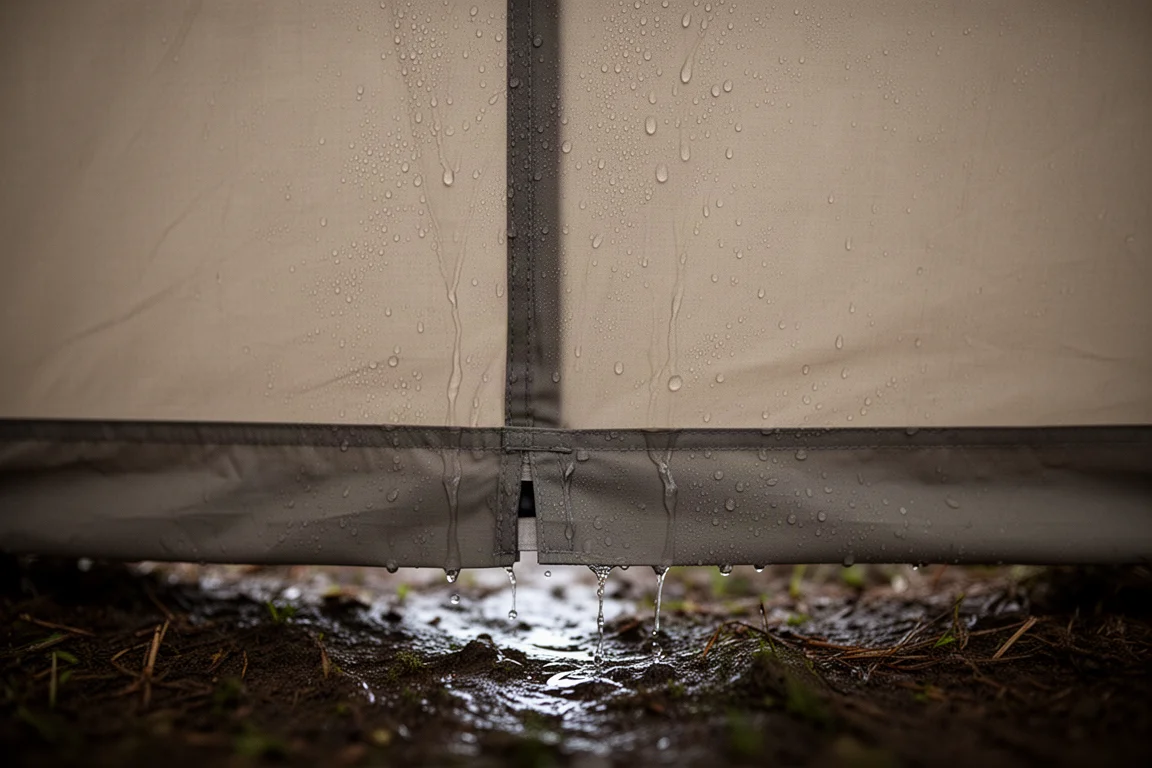
Condensation is the trade-off that comes with that design. Even with airflow managed properly, moisture collects on the inside of the walls and runs down, and the effect is more pronounced in humid conditions or when the temperature drops overnight. The shelter keeps wind out, but it does not manage moisture well, and that is the core limitation of the design.
How It Held Up in Cold, Wet Conditions
Across an overnight in breezy, damp weather with rain and snow forecast, the Wind Sack 3 did block wind and did hold some warmth, but it did not keep moisture out. Damp conditions turned out to be harder on it than dry cold, because wet fabric and internal condensation compound each other.
For context, a simple 9 ft by 12 ft sheet of 2 mil plastic, secured with reusable clips and a ridgeline, went up in roughly ten minutes and delivered comparable wind protection and warmth for around $10. It also condensed heavily, and 2 mil plastic is not durable enough for repeat use. Even so, the comparison is a fair illustration of what the Wind Sack 3 is actually competing against at its price.
Buying Advice
Buy the Wind Sack 3 if you want the lightest possible windproof layer for short, dry, cold exposure and you value packability above all else. It is a genuine 1.03 lb of insurance, and for fast alpine starts, exposed ridgelines, or an emergency layer that mostly stays in the pack, that trade-off can be worth it.

Skip it if you need a shelter that keeps rain out. The Wind Sack 3 is not waterproof, it leaks in wet weather, and condensation inside is significant. If your trips involve sustained rain or full overnight exposure, a properly waterproof shelter is the better use of $150, and no amount of careful pitching will change that.
Conclusion
The Fjällräven Wind Sack 3 is a well-executed windbreak and a poor waterproof shelter. It is light, simple, and genuinely effective against moving air, but it does not deliver the full rain and snow protection its marketing implies, and its limited tie-off points make it fussier to pitch than the design suggests. Buy it for what it is: a compact wind shell for short exposure, not an all-weather overnight refuge.
Product link
View more details for Fjällräven Wind Sack 3
This product is mentioned in the review. Check the specifications, options, and compatibility before buying.
View more details for Fjällräven Wind Sack 3Further reading
Related Reviews
Emergency Shelters
Aqua Quest Survivor Emergency Tarp Review: A High-Visibility Shelter Built for Hard Weather
A 10 x 10 ripstop nylon emergency tarp with taped seams, a 5,000 mm hydrostatic head rating, 19 tie-out points, and reflective trim, tested through winter storms and driving rain.
Emergency Shelters
F Raven Wind Sack 3 Review: A $150 Emergency Shelter That Struggles in Real Weather
A field-focused look at the F Raven Wind Sack 3, covering wind and rain performance, condensation, setup limits, and whether it earns its price.
Emergency Shelters
Terra Nova Bothy Bag and Fjallraven Windsack 3: Two Emergency Shelters Tested in Wind and Rain
A wet, windy field test of the Terra Nova Bothy Bag alongside notes on the Fjallraven Windsack 3, covering condensation, ventilation, comfort, and when an emergency shelter is worth carrying.