Outdoor Clothing
Fjällräven Vidda Pro Ventilated Trousers Review: A Trekking Trouser for Almost Every Condition
A hard-wearing trekking trouser with long side vents, six pockets, and reinforced knees, plus the heat and sizing trade-offs worth knowing before you buy.
Introduction
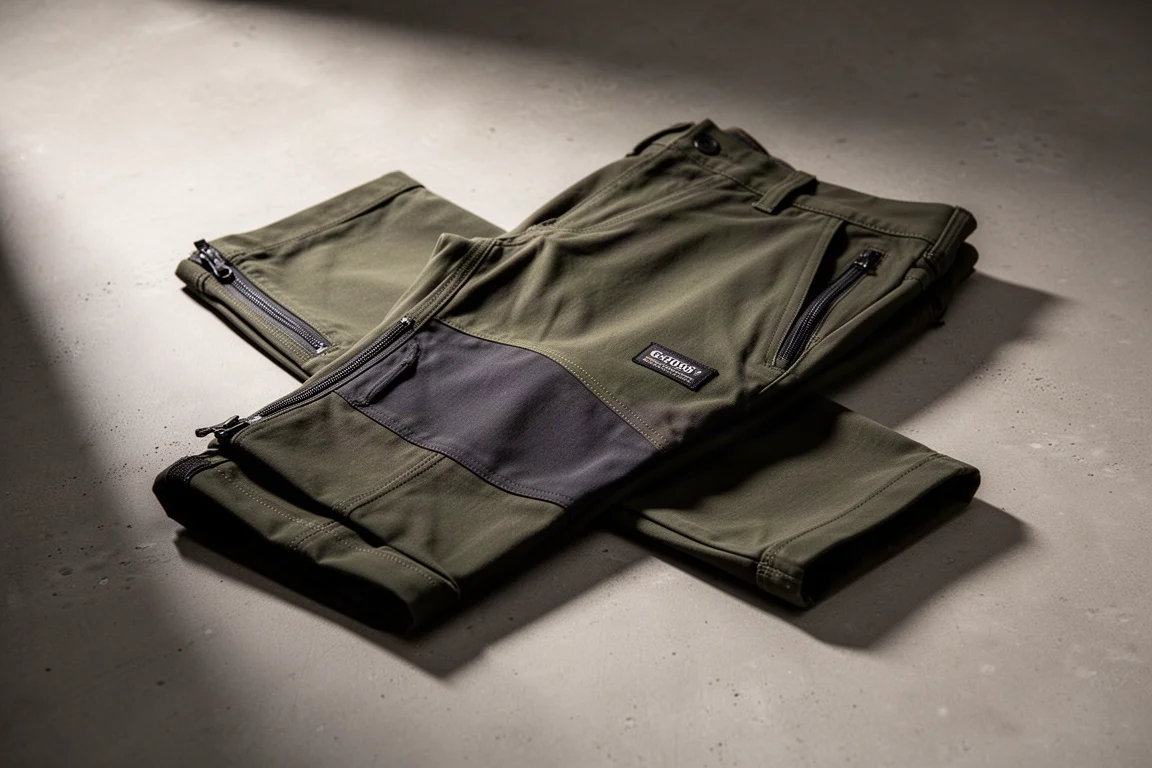
The Fjällräven Vidda Pro Ventilated Trousers are a trekking trouser built on the same pattern as the standard Vidda Pro, with one significant addition: a long two-way zip running down each side of the leg. The primary fabric is G-1000, a blend of 65 percent polyester and 35 percent cotton, with an elastane panel at the crotch that helps the legs articulate on uneven ground. The concept is straightforward. Take a proven, abrasion-resistant outdoor trouser and give it a way to dump heat when the pace picks up or the climb gets steep.
That combination is what makes this version stand out in the range. It behaves like a tough cold-weather and shoulder-season trouser for most of the year, then opens up when you start working hard in windproof fabric. It is not a summer trouser, and anyone who runs warm will feel that limit quickly, but for the vast majority of trail conditions it is a genuinely capable piece of kit.
Who These Trousers Are For
These are trekking trousers first and foremost. They suit hikers, backpackers, and bushcraft users who spend long days on trails in cool to cold weather and want a pair that survives contact with rock, tree roots, and rough ground. The reinforced knees and seat, the tool pocket, and the wind-blocking fabric all point to that audience. They are equally at home on a multi-day trip, a winter climb, or a wet-weather walk where a shell goes over the top.
Sizing is broad but worth understanding before you order. The trousers come in men’s and women’s versions. Men’s sizes run in three lengths, short, regular, and long, while the women’s version is offered in a single regular length. Men’s European sizing spans 42 up to 60, where 42 translates to roughly a 28.5 inch waist and 60 to about 42.5 inches. A European 48 corresponds to a 32 inch waist. A conversion table is easy to find online and the mapping is not complicated once you have seen it.
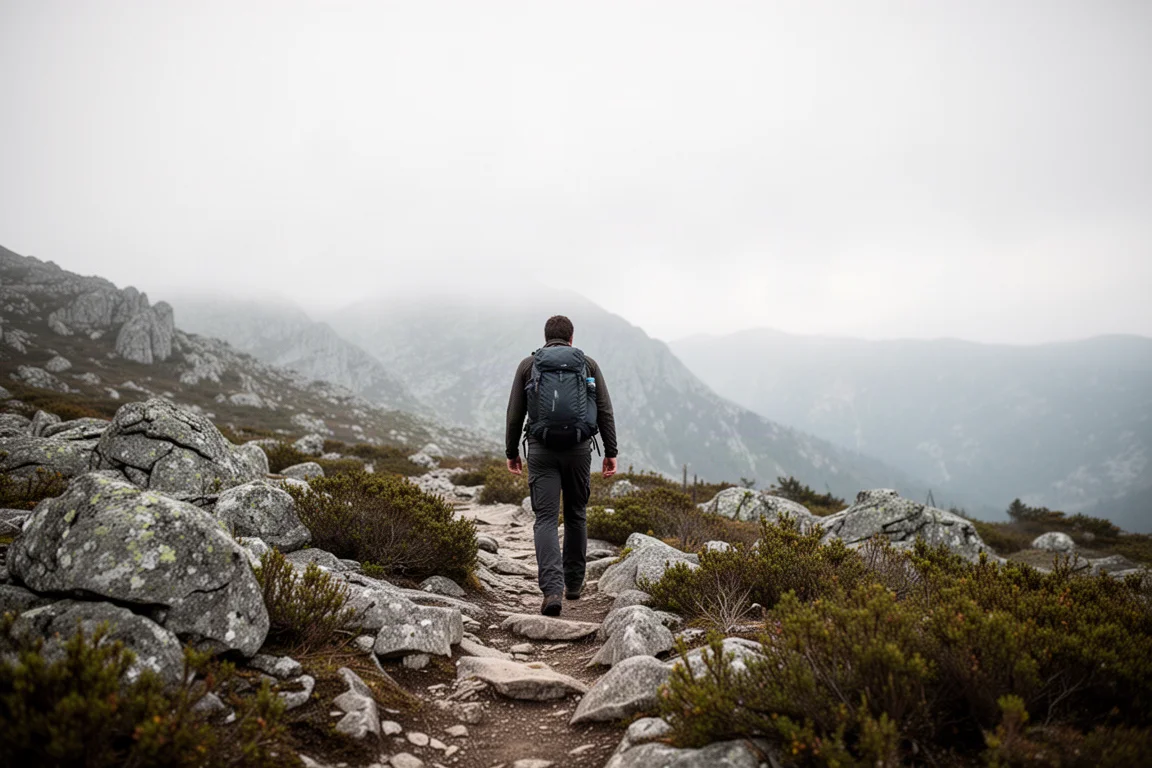
The important caveat is temperature. The fabric is thick, holds heat, and blocks wind, which is exactly what you want in cold conditions and exactly what you do not want above roughly 70 degrees Fahrenheit if you tend to run hot. The side vents help, but they do not turn these into warm-weather trousers. Riders and hikers who run cold may find that warmth a benefit rather than a drawback.
Main Strengths
The strengths here are not marketing claims so much as things you notice after a few seasons of use: comfort, ventilation that genuinely works, and fabric that refuses to give up.
Comfort and the Low-Rise Cut
These are exceptionally comfortable trousers. They ride low on the hips rather than sitting at the natural waist, and the overall cut is relaxed rather than slim. If you have never worn a low-rise outdoor trouser, it can take a little getting used to, but it is the kind of fit that tends to win people over. The elastane at the crotch adds enough give for stepping over logs, scrambling short sections, and moving normally on a trail. It is not climbing-level stretch, so anyone expecting a highly articulated performance fit should look elsewhere. These are trekking trousers through and through.
Side Vents and Temperature Control
The vents are the defining feature and they work well. Each zip runs a long way down the leg and opens from either the top or the bottom, which means you can fine-tune airflow without fully exposing the leg. In spring, when the day starts cold and warms up by midday, they let you regulate on the move. In winter, on a steep climb through deep snow, opening them releases enough heat to stop you sweating through your layers. The zips themselves run smoothly.
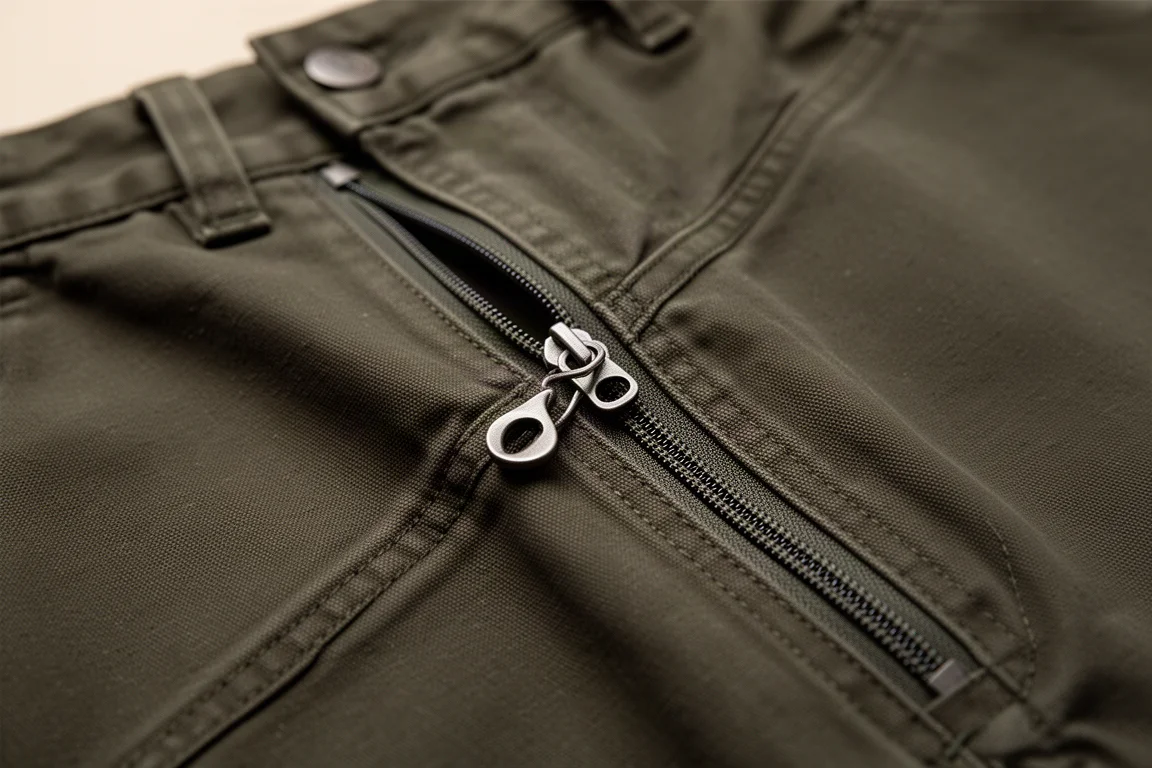
One detail to note is that there is no mesh behind the zip. That keeps the vent unobstructed and maximises airflow, but it also means an open vent shows a good deal of leg, and whatever you are wearing underneath. It is a trade-off worth understanding rather than a flaw in how the vents perform.
Durability, Weather Behaviour, and Drying
The G-1000 fabric is remarkably tough. It resists abrasion from rock, trees, and roots, and it holds up over years rather than seasons. Colour fades gradually with heavy use, but stitching and structure stay intact, and the trousers keep going long after most outdoor trousers would have been retired. That durability is the core of the value proposition here.
The material also dries quickly. A polyester and cotton blend sometimes raises eyebrows among outdoor users who assume cotton is a poor choice, but in this combination it delivers a fabric that wicks moisture, dries fast, and stays tough. Soaked through in a full rainstorm, these can be dry again within about an hour of hiking with the sun out. The dense weave also blocks wind effectively. For extra water resistance the fabric can be waxed, although waxing is laborious and noticeably reduces breathability, so a DWR treatment is a lighter alternative for most people. In sustained rain, a shell over the top is still the sensible answer.
Fjällräven backs these trousers with a lifetime warranty when they are purchased from an authorized seller, which adds confidence to a long-term purchase.
Pockets and Reinforcements
Storage is generous. There are six pockets in total: two good-sized hand pockets, a tool pocket on the right leg with a snap and a loop that can hold a knife or a small saw, and a leg pocket with a slim internal sleeve sized for a thin wallet. The matching pocket on the other side lacks that sleeve, and there is an additional stacked pocket, so one side ends up with two large pockets and the other with a third. Belt loops run around the waist, with loops at the front that work well for clipping a carabiner, plus a small loop at the back left.
Reinforcements are practical rather than decorative. The knees are reinforced and include a sleeve so knee pads can be inserted when needed. The seat is reinforced as well. There are no rear pockets at all, which is a deliberate omission but one that many users will miss. At the foot, the trousers include a gaiter that can be removed if you prefer a looser fit around the ankle.
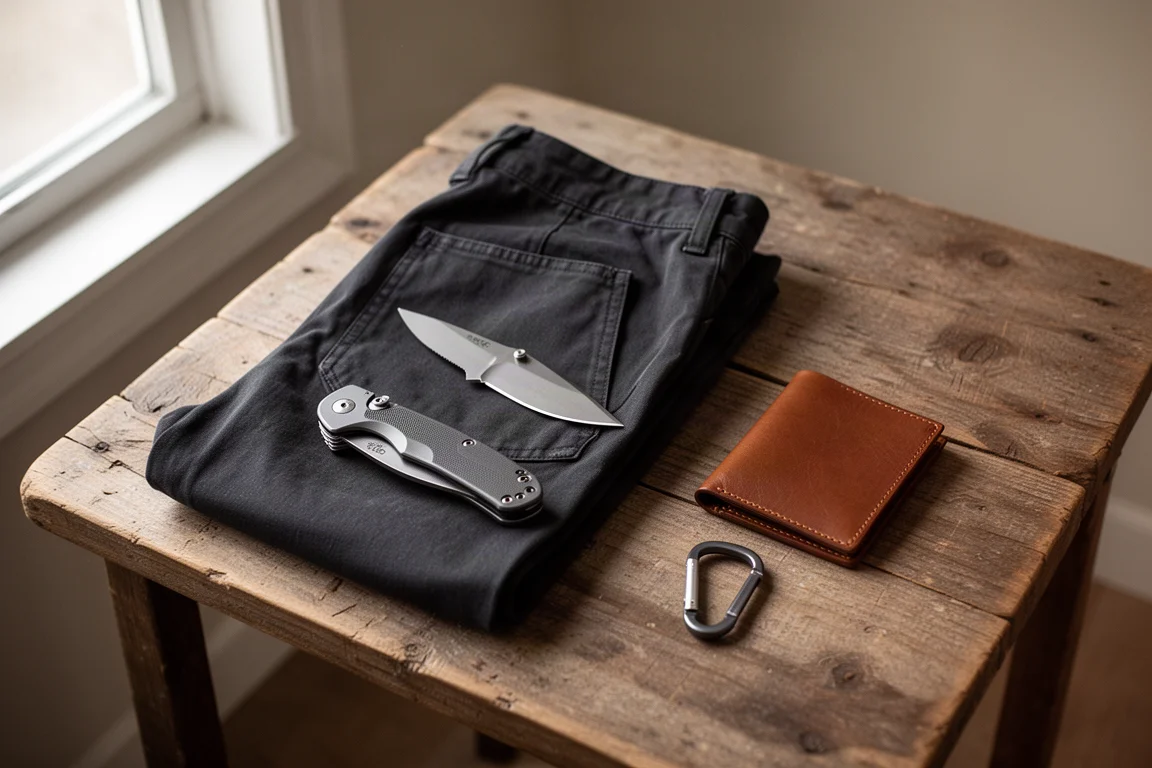
Taken together, the layout is aimed at people who carry tools and small essentials on the trail rather than at everyday wear. Everything has a purpose, and nothing rattles or swings while you walk.
Things to Consider Before Buying
The first consideration is heat. This is a thick, wind-blocking fabric, and above roughly 70 degrees Fahrenheit it becomes too warm for anyone who runs hot, vents or no vents. The side zips release heat, but they do not change the character of the trouser. If your trips are mostly summer hikes in warm climates, this is probably not the right pair.
The second is the vents themselves. With no mesh behind them, an open vent exposes a substantial amount of leg and underwear. On a winter trip with thermal layers underneath, that is a non-issue. On a warm day in a public place, it is something you will want to be aware of.
Weight is the third point. At 1.2 pounds for a European size 48, these are heavy for a pair of trousers. The brand does offer lighter options in its range if pack weight is a priority, though those trade away some of the toughness that defines this model.
Stretch is limited. The elastane panel at the crotch helps with movement, but the G-1000 fabric itself does not flex much. If you need a highly stretchy trouser for technical terrain, this is not it.
Finally, sizing takes a moment of attention. The European sizing system is not difficult, but it is unfamiliar to many buyers ordering online, and getting it wrong means a return. Checking the conversion table before you order solves the problem in a couple of minutes.
Buying Advice
At around $135 at the time of writing, these sit on the expensive side for a pair of outdoor trousers, though they are not the most expensive option available and comparable trousers from other outdoor brands are priced similarly or higher. The case for them rests on longevity. If your weight stays reasonably stable, a single pair can cover many years and a great many miles of trail, which changes the maths considerably. The reinforced knees and seat, the tough fabric, and the lifetime warranty for purchases from authorized sellers all support that long view.
Sizing is the one thing to get right before ordering. Confirm your European size against a conversion table, and if you are between lengths, think about whether you prefer a shorter or longer inseam with hiking boots. The trousers come in a wide range of colours including black, a dark sand tone, a coyote shade, and several greens, though specific colours come and go over time, so availability will vary.
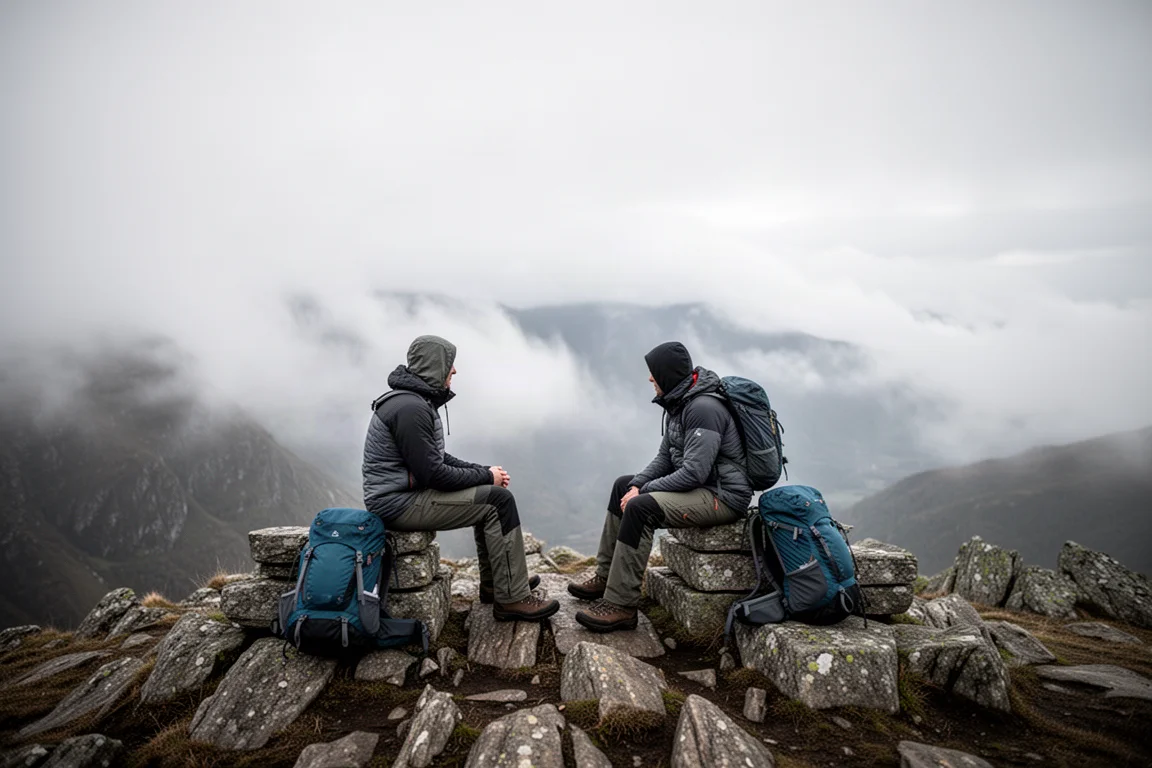
If your trips are mostly in cool, wet, and cold conditions, and you want one pair that will handle almost all of them, this is a straightforward recommendation. Buy once, and expect to keep wearing them for years.
Conclusion
The Vidda Pro Ventilated Trousers are the most capable version of this pattern for general outdoor use, and the side vents are what make them so. They are tough, comfortable, quick to dry, and generous with pockets and reinforcement, and they handle cold, wind, and rain without complaint. The trade-offs are equally clear: they are heavy, they run hot in warm weather, the fabric does not stretch much, and the vents offer no mesh cover. Buyers who understand those limits and spend most of their time in cooler conditions will find very little to fault here.
Product link
View more details for Fjällräven Vidda Pro Ventilated Trousers
This product is mentioned in the review. Check the specifications, options, and compatibility before buying.
View more details for Fjällräven Vidda Pro Ventilated TrousersFurther reading
Related Reviews
Outdoor Clothing
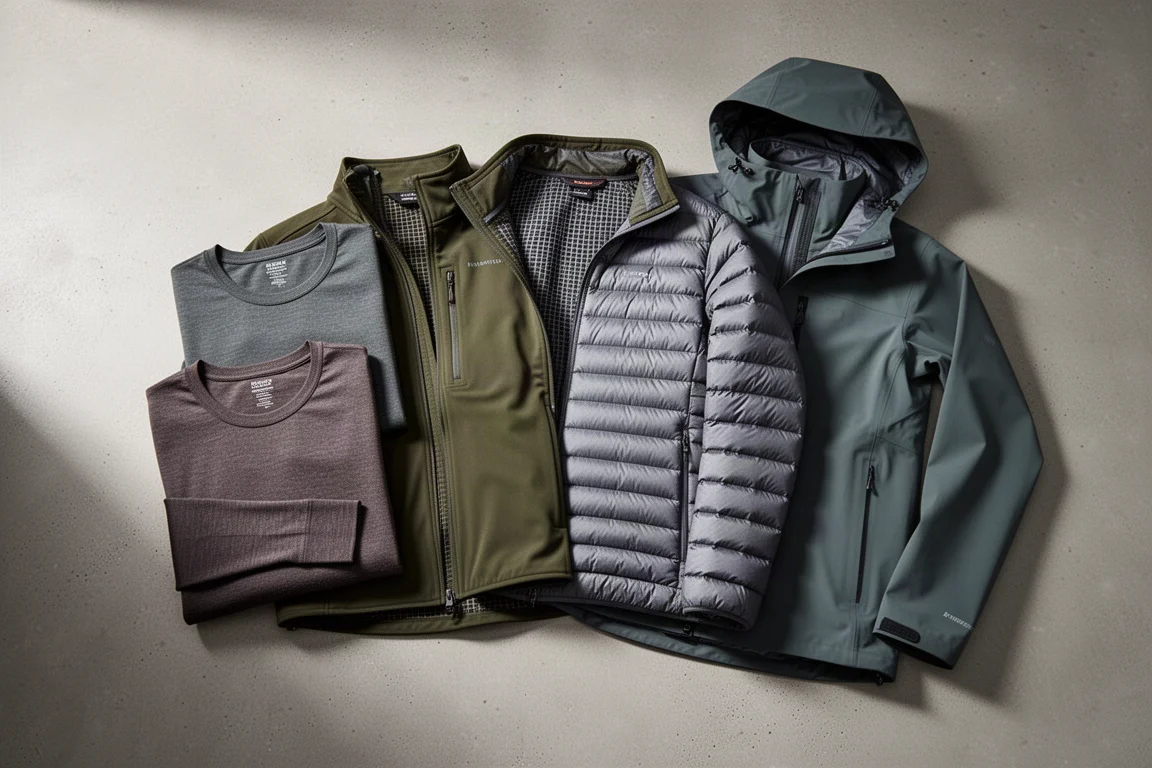
Artelect Layering System Review: Four Outdoor Layers Built to Last
A closer look at four pieces from the Artelect layering system, from a full merino base layer to a 30,000 mm waterproof shell, and where each one fits.
Outdoor Clothing
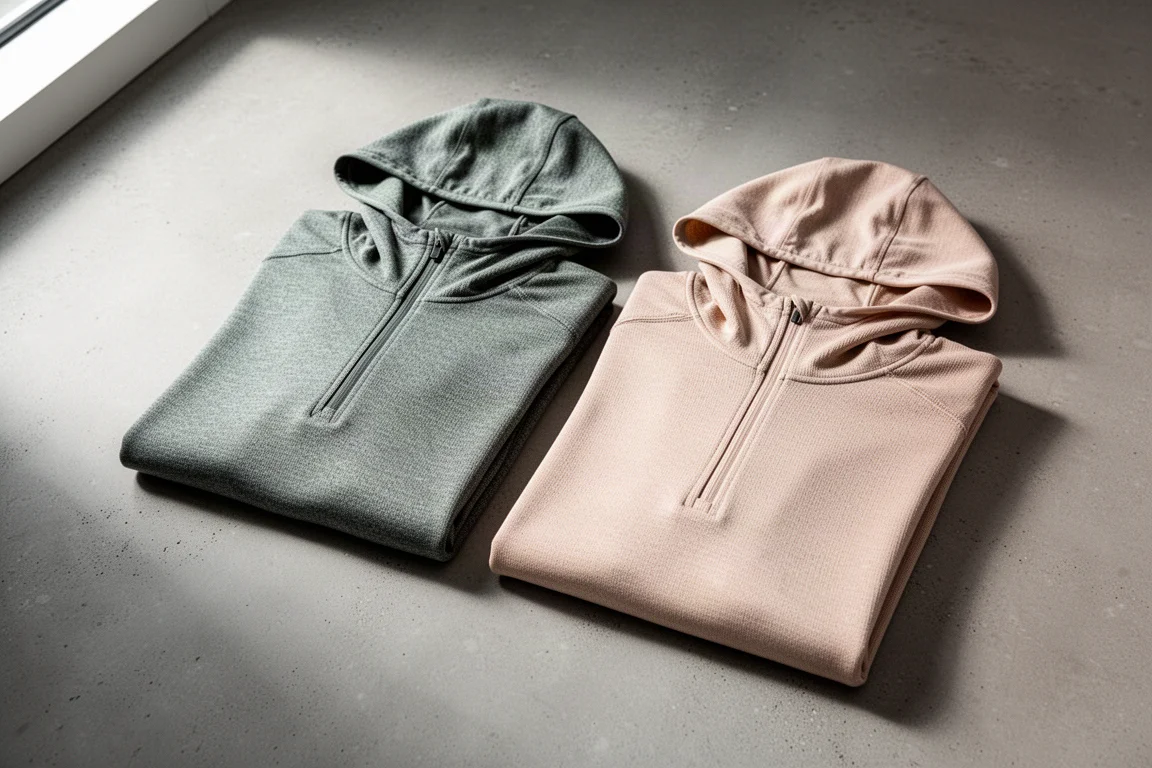
Best Sun Hoodies for Hiking: Rab Force and Black Diamond Alpenglow Compared
Two lightweight sun hoodies for hiking, climbing, and mountaineering, compared on fabric feel, breathability, hood design, odor control, and value.
Outdoor Clothing
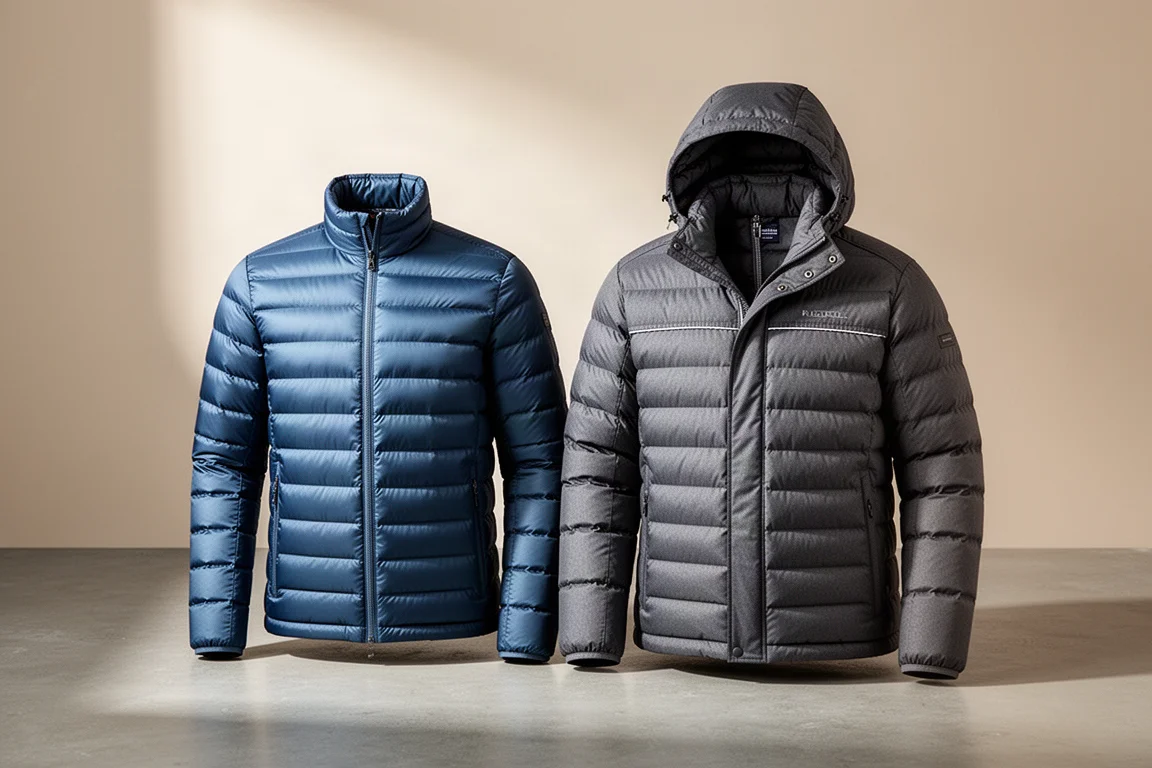
Decathlon Down Jackets Compared: Trek 100 and Forclaz 900
A practical look at two Decathlon down jackets: the low-cost Trek 100 and the warmer Forclaz 900, plus the trade-offs that matter before you buy.