Outdoor Clothing
Fjällräven Barents Pro vs Vidda Pro Trousers: A Practical Comparison
A close look at two rugged Swedish outdoor trousers, covering G-1000 fabric, pocket layout, sizing, seasonal use, and the raw-length versus ready-to-wear difference.
Introduction
Fjällräven builds serious outdoor gear in Sweden, from clothing and backpacks to tents and sleeping bags. Quality is consistently high and so are the prices, with jackets commonly running into the hundreds while tents and sleeping bags can reach four figures. Backpacks tend to be the most reasonable part of the range.
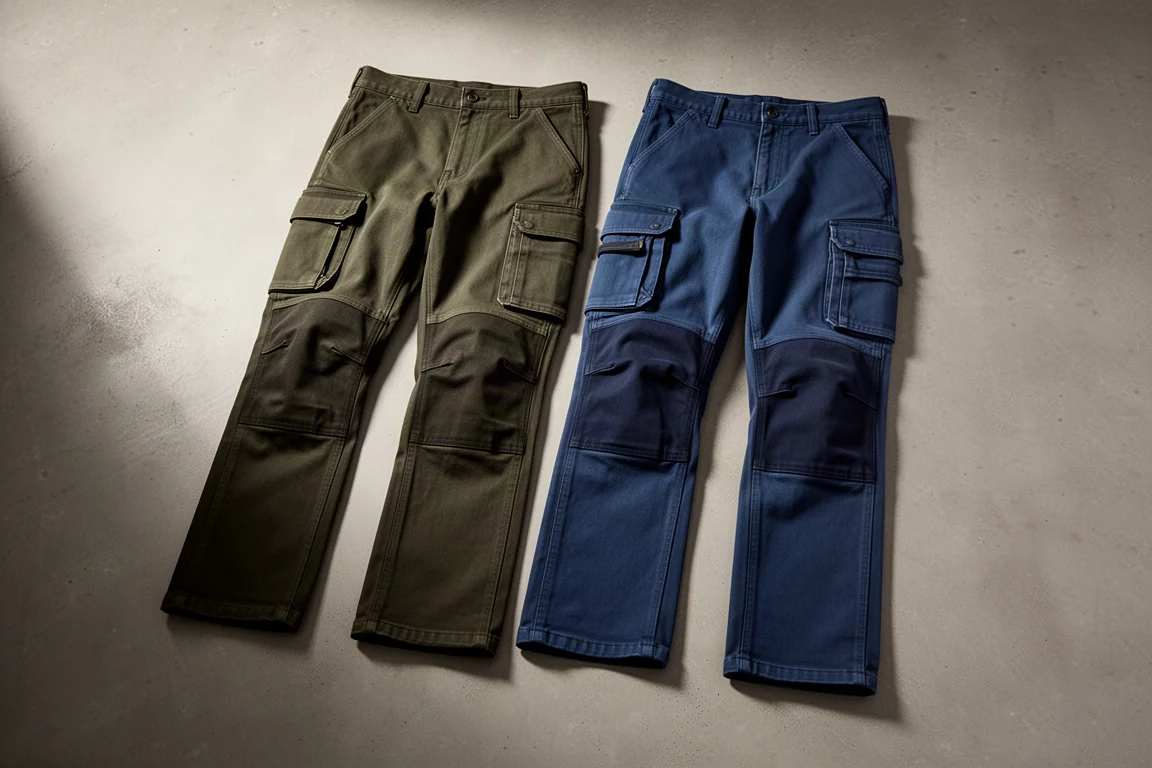
The two trousers compared here, the Barents Pro and the Vidda Pro, sit at the more accessible end of that spectrum at roughly $145 and $155 respectively. They share the same core design and the same fabric, and the practical difference between them comes down to one pocket and the way each pair is finished at the hem.
What Both Pairs Share: G-1000 Fabric and Pocket Layout
Both trousers use G-1000, a 65 percent polyester and 35 percent cotton blend. The combination is strong, durable, wind resistant, moisture resistant, and quick to dry. It can also be impregnated with wax to become fully waterproof and windproof, although waxing is laborious, makes the fabric noticeably heavy, cuts breathability, and reduces comfort. Removing the wax later means washing it out, which is another chore. A cotton water repellent treatment is far easier and delivers close to the same protection for most conditions.
Up front, both pairs use a standard jean style fastener and zip, flanked by two generously sized side pockets that swallow even a large phone. Belt loops are present, but there are no rear pockets at all, which takes some adjustment if you are used to carrying a wallet behind you.
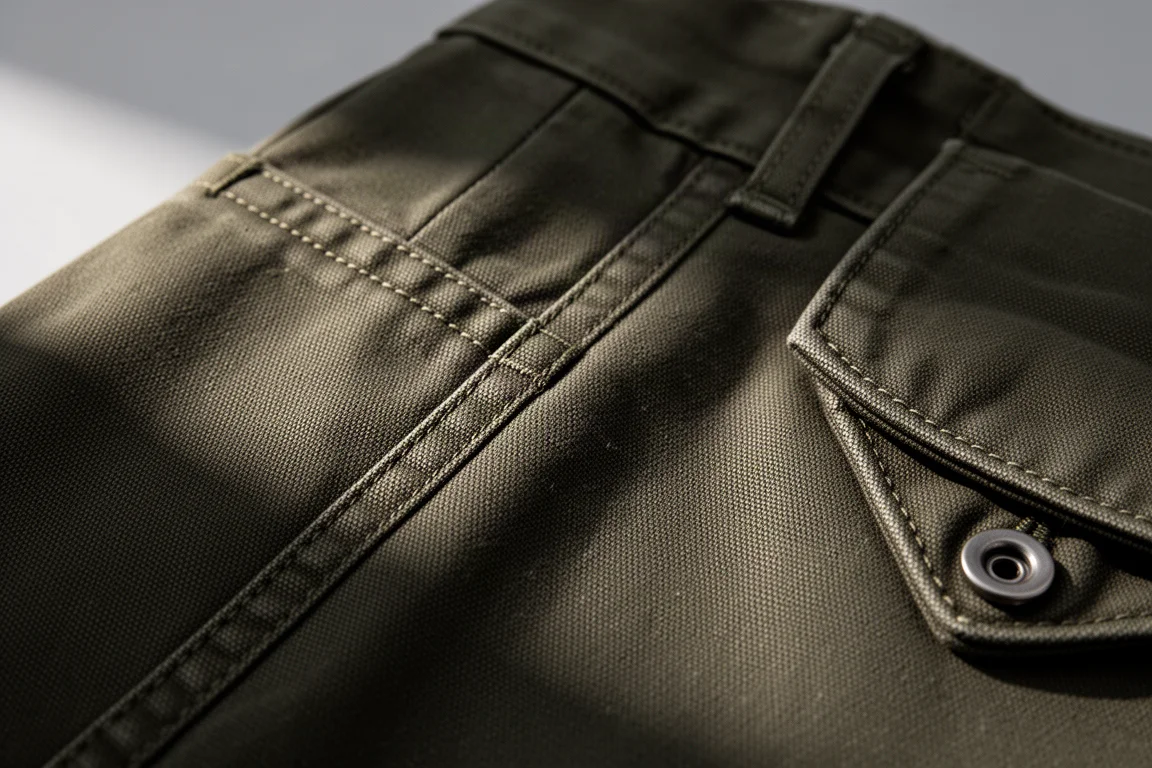
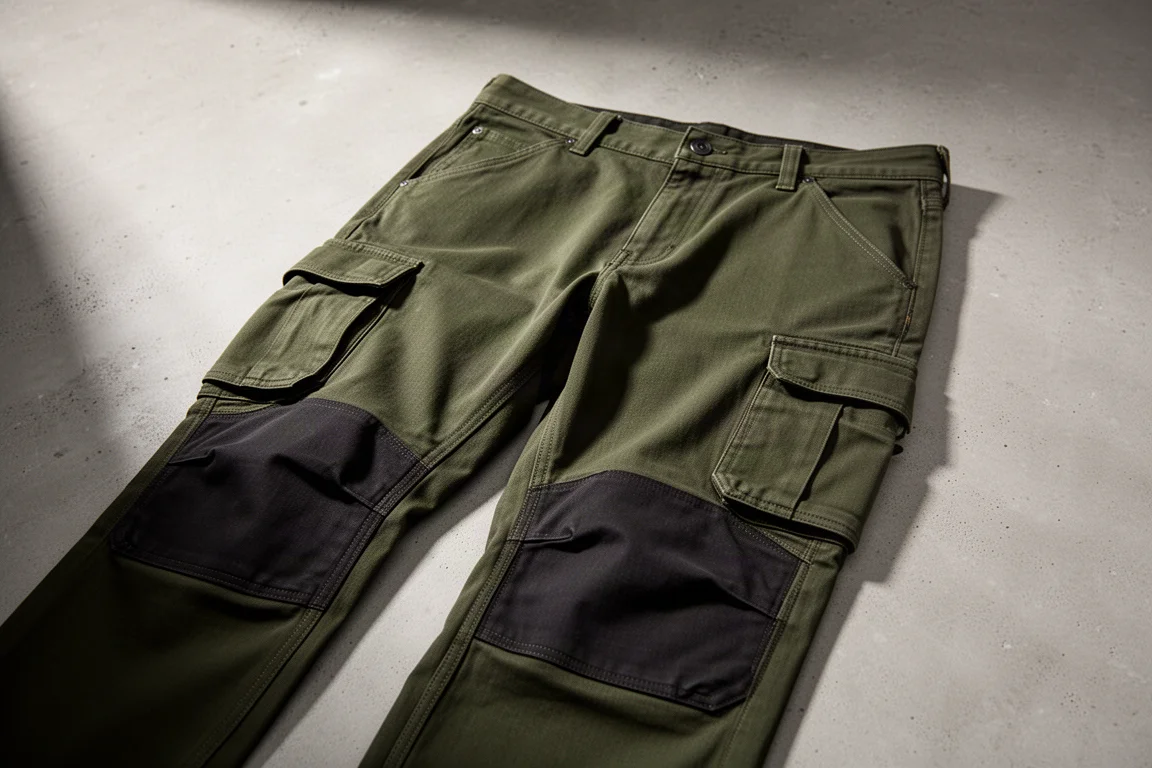
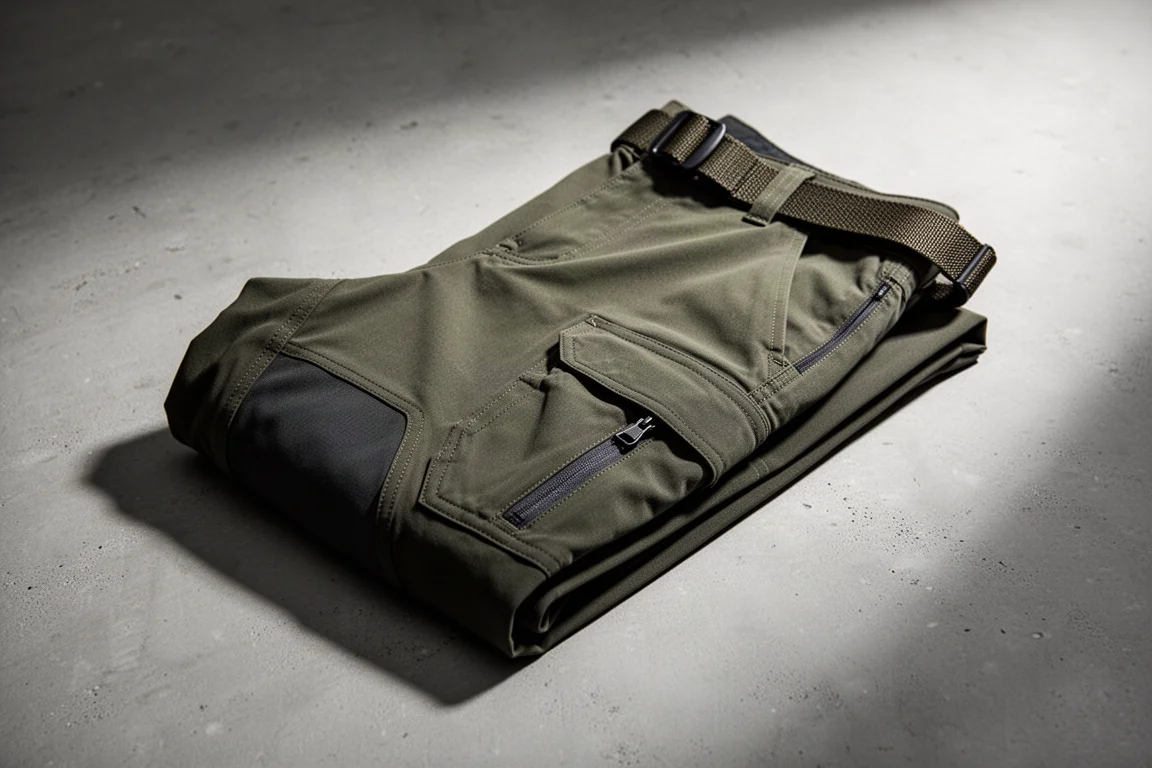
The back panel and the knees are reinforced, and the knee section has openings at the bottom so knee pads can be slid inside. On the right side, a large pocket holds a square internal sleeve that fits a slim wallet perfectly. The opposite side carries an upper and a lower pocket for a map, tools, or other gear, along with two snaps and a sleeve that runs down and through the bottom hem, which allows an axe to be carried through it.
Fjällräven Barents Pro Trousers: Raw Length, Tailored Fit
The Barents Pro arrives in a raw, unhemmed length, so the trousers come long and need to be taken to a tailor to be cut to your measurements. Retail sits at around $145. Colours lean toward subdued earth tones, and the 32 inch waist version weighs about 1.25 pounds. A representative colourway is dark olive.
That raw hem is the whole appeal for anyone who wants a precise fit rather than an approximation. It also means an extra step and an extra cost before the trousers are ready to wear. Compared with the Vidda Pro, the Barents Pro has one pocket fewer.
Fjällräven Vidda Pro Trousers: Ready to Wear Out of the Box
The Vidda Pro comes in a predetermined length and is ready to wear straight from the shop. Retail is around $155. It is offered in a wide range of colours that shifts from year to year, which makes it the easier pair to match to a personal preference or to replace in the same shade later on.
Beyond the hem and the colour range, the Vidda Pro is essentially the same trouser as the Barents Pro, with one additional pocket.
Choose the Vidda Pro if you would rather not deal with a tailor, want more colour options, or value the extra pocket. The fabric, the pocket layout, and the general behaviour of the trousers in use are otherwise the same as the Barents Pro.
Durability, Repairs, and the Lifetime Warranty
Durability is the reason these trousers justify their price. A pair kept in constant rotation lasted roughly six years before being sold secondhand, still looking close to new. A brown pair has been in heavy use for around four years, and a blue pair for about two and a half years. Over that time the only damage has been a small tear in the crotch from catching on a barbed wire fence and a worn phone pocket with a torn seam on the left side, both repaired with basic hand sewing. Even a rough repair on the crotch tear has held without spreading for around two years.
Fjällräven covers these trousers with a lifetime warranty, and the receipt is essential. Keep it filed somewhere safe, because warranty support depends on being able to show proof of purchase.
The fabric is not indestructible, but it takes a beating in a way that few other trousers manage. Wear points tend to appear where objects are repeatedly pushed in and out of a pocket rather than across the whole garment, which means small repairs usually keep a pair going for years.
Comfort, Fit, and Seasonal Use
The fit is relaxed rather than tight, with room through the legs for larger, more muscular builds. The waist rides low on the hips, which lets a backpack hip belt sit above the trouser belt for a comfortable layering of the two.
Seasonally, these are three-season trousers in a mountain climate: spring, fall, and winter. They work on cool summer days with limited sun, and they stay comfortable at roughly 60 degrees Fahrenheit and below. The fabric is thick and limits airflow, so it is heavy and warmer than a typical hiking pant, and it is a poor choice for hot, humid environments where lighter, more breathable options make more sense. G-1000 does not stretch, so rock climbing is out. Fjällräven also makes summer versions with vents and a lighter G-1000 fabric for warmer conditions.

Drying speed is another practical strength. Soaked through on a wet hike, the polyester content means the trousers are dry within a couple of hours once the rain stops, which matters on multi-day trips where nothing else has a chance to dry out.
Sizing and Ordering: Getting the Right Pair
Sizing uses the European metric, which can be confusing. A size 48 corresponds to a 32 inch waist. Fjällräven publishes size charts, and it is worth checking them carefully, emailing the brand, or contacting a retailer such as REI, Backcountry, or Moosejaw before ordering. These trousers are expensive enough that guessing is a bad idea.
Availability is worth noting as well. Fjällräven was not sold in the United States for a long stretch, and the US site has historically been thin on information. Secondhand pairs turn up regularly online, which is one way to buy in at a lower cost.
Buying Advice: Who Should Choose Which
Both pairs are built on the same platform, so the decision comes down to finishing and details. The Barents Pro suits anyone who wants the hem cut to their exact measurements and prefers subdued earth tones. The Vidda Pro suits anyone who wants to wear the trousers immediately, wants a broader colour selection, or wants the extra pocket.
Either way, treat these as a long-term purchase rather than a seasonal one. A single pair can serve for years of regular use, which changes the maths on a price that looks high at first glance. Buy the right size, keep the receipt, and expect to repair rather than replace.
Conclusion
The Barents Pro and the Vidda Pro are close enough that the choice is mostly about hem and pocket preference rather than performance. Both deliver a durable, comfortable, weather-resistant trouser that handles cold and shoulder-season conditions well and rewards careful sizing.
Further reading
Related Reviews
Outdoor Clothing
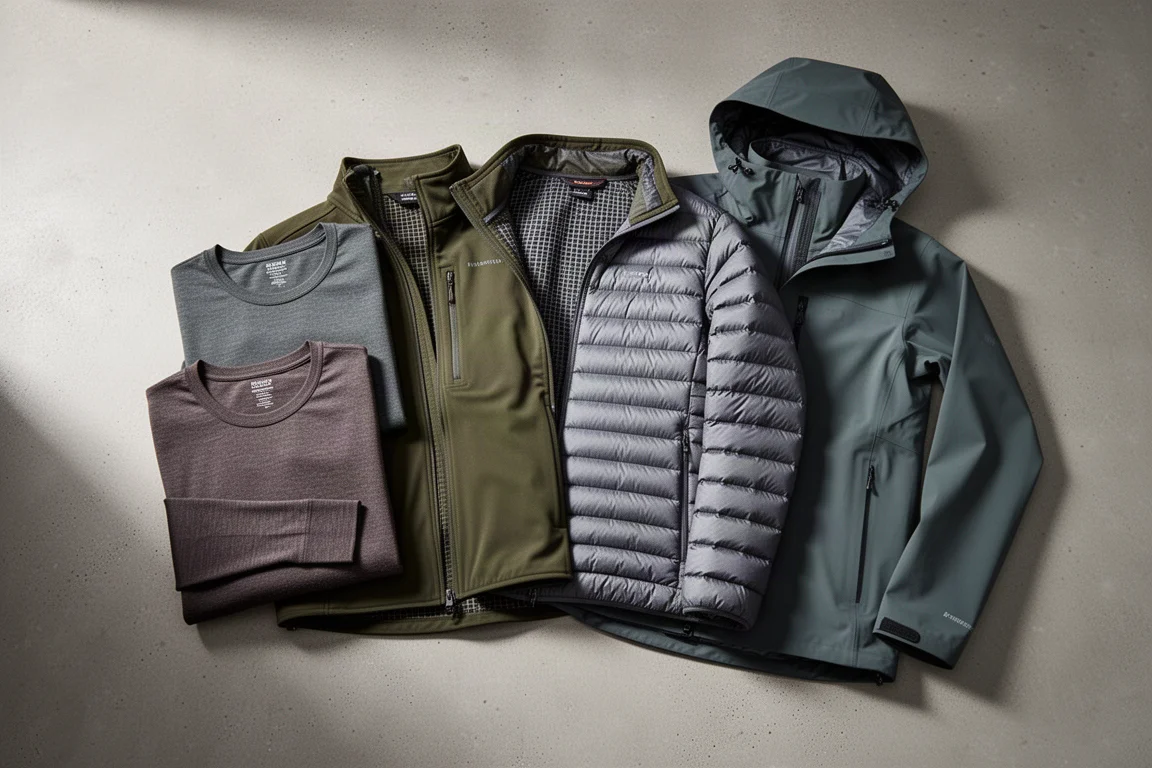
Artelect Layering System Review: Four Outdoor Layers Built to Last
A closer look at four pieces from the Artelect layering system, from a full merino base layer to a 30,000 mm waterproof shell, and where each one fits.
Outdoor Clothing
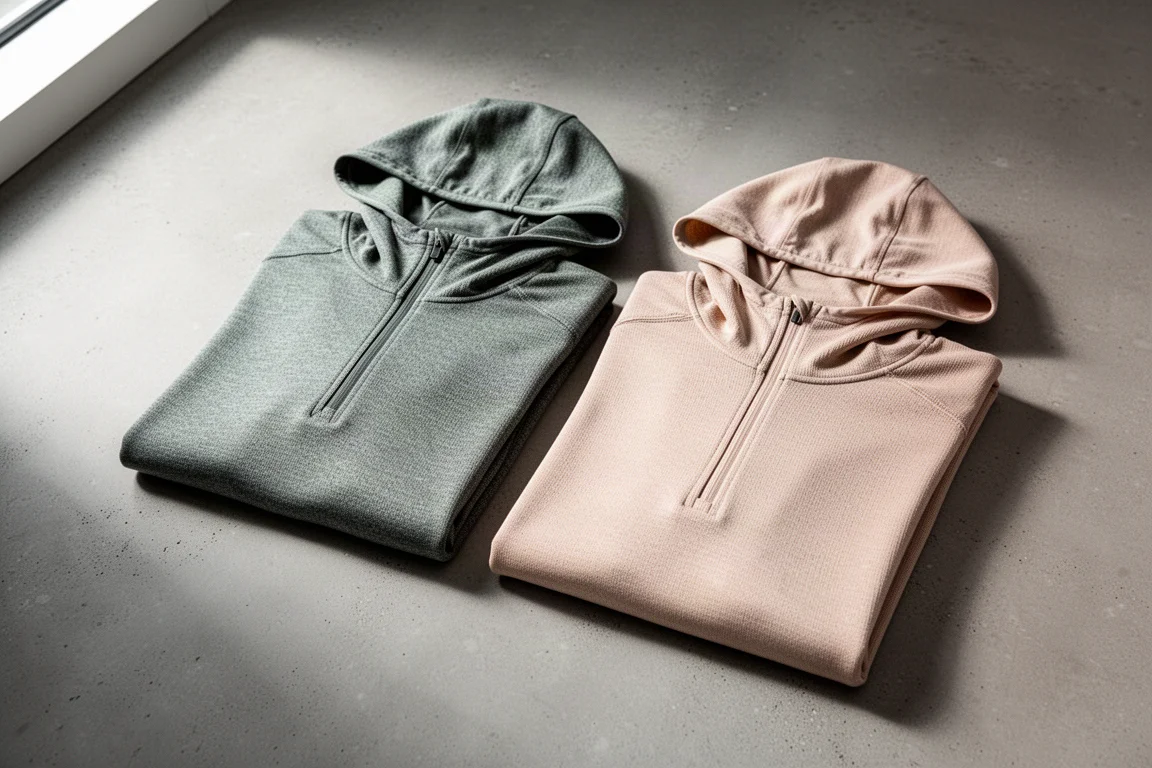
Best Sun Hoodies for Hiking: Rab Force and Black Diamond Alpenglow Compared
Two lightweight sun hoodies for hiking, climbing, and mountaineering, compared on fabric feel, breathability, hood design, odor control, and value.
Outdoor Clothing
Decathlon Down Jackets Compared: Trek 100 and Forclaz 900
A practical look at two Decathlon down jackets: the low-cost Trek 100 and the warmer Forclaz 900, plus the trade-offs that matter before you buy.