Camping Tents
Fjällräven Abisko View Review: A Two-Person Tent Built for Heat and Storms
A two-person, three-season tent with a fly-first pitch, full side openings and a silnylon-type fabric, at a price that puts it at the top of the market.
Introduction
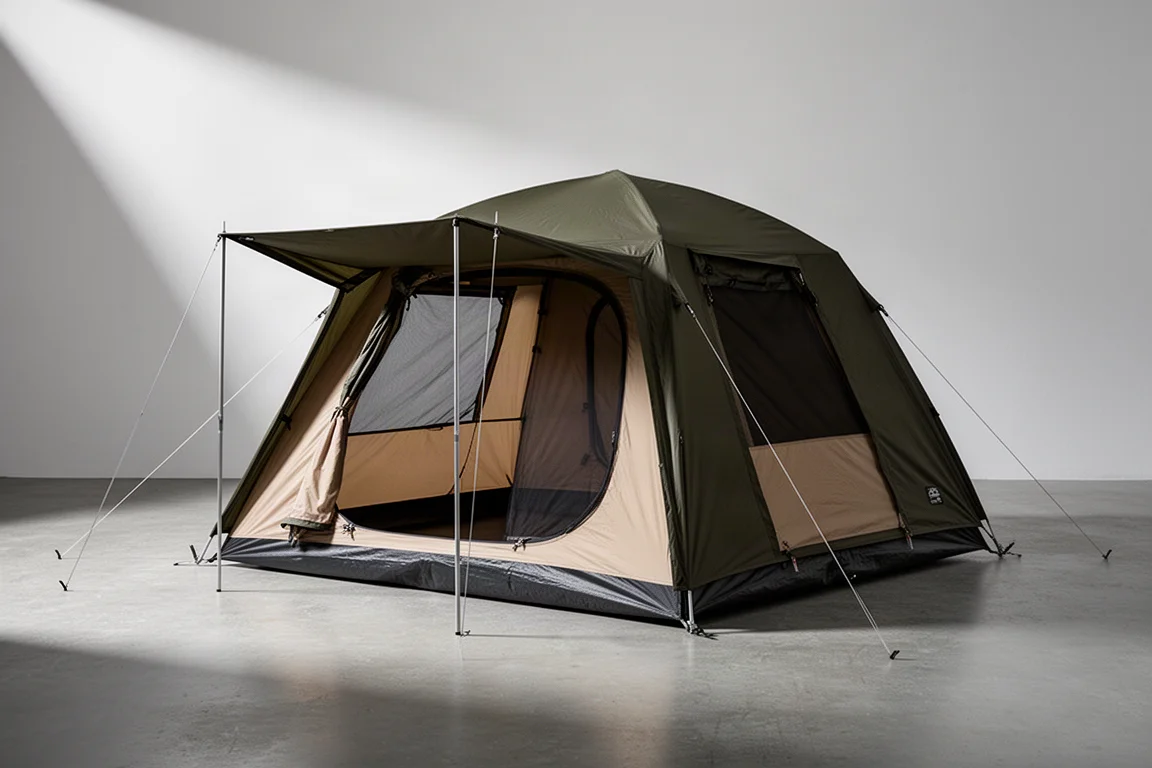
The Fjällräven Abisko View is a two-person, three-season tent built around two ideas: you should be able to pitch it in the rain without soaking the inner, and it should move as much air as possible once it is standing. It also sits at the very top of the price ladder at around $800, which makes it one of the most expensive two-person tents you can buy and far more expensive than a typical three-season shelter.
That combination is the whole story. The Abisko View is not an ultralight tent, and it is not a winter tent. It is a warm-weather shelter with a specific design philosophy, and the fair question is whether that philosophy justifies the premium.
This article covers who the tent genuinely suits, what it does well in the field, and the trade-offs that come with the fabric and the price.
Who the Abisko View Is For
The Abisko View makes the most sense for two-person trips in hot, humid, storm-prone summer conditions. The design assumes that heat and moisture are bigger problems than cold, and that rain can arrive at any point in the day, including while you are still setting up camp.
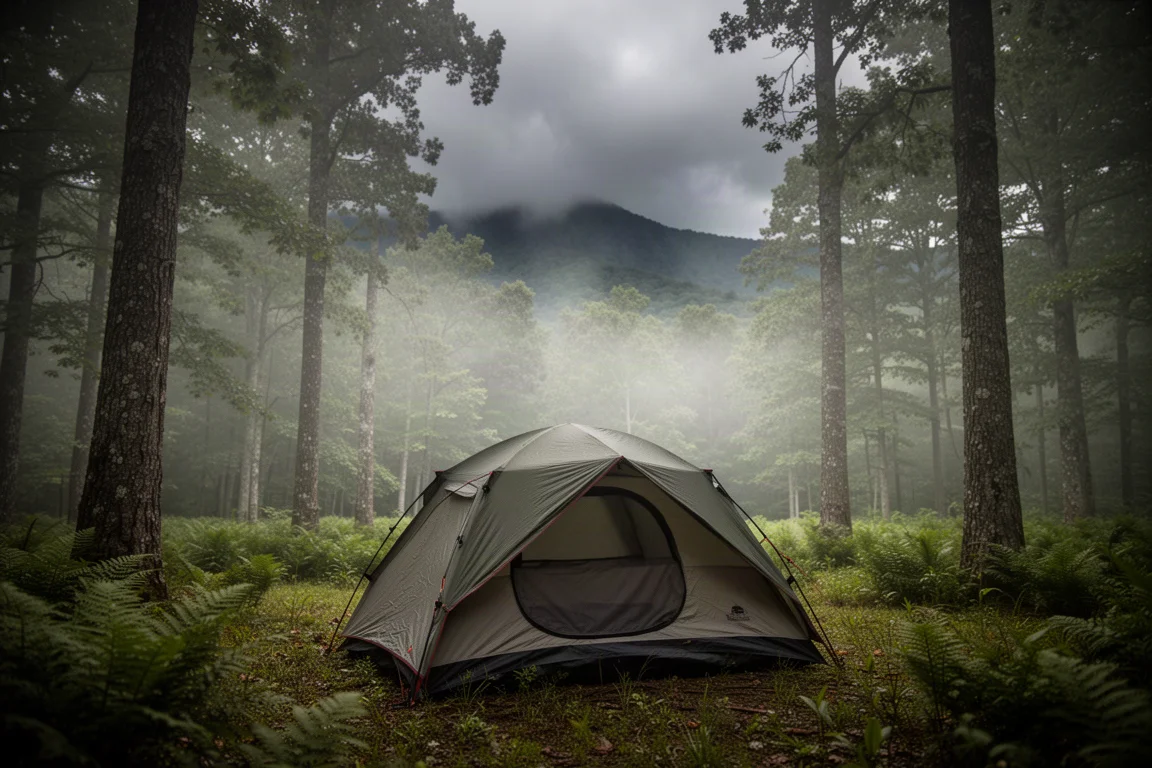
That profile fits a lot of camping in humid mountain regions, where afternoons build into thunderstorms and the air stays heavy well into the night. It also suits campers who value a quick, weather-ready setup over saving every possible gram. Anyone shopping primarily on price, or looking for the lightest possible two-person shelter, will find better matches elsewhere.
Main Strengths
Three things stand out in use: the pitching sequence, the ventilation, and how the tent handled a wet night.
Fly-First Pitching When the Weather Turns
The Abisko View is a fly-first design, which means the outer shelter goes up before or around the inner tent. In practice, you can pitch it while rain is falling and keep the sleeping area dry, rather than wrestling an inner tent into position first and adding the fly afterwards. Shelters built this way are relatively uncommon in the US market, where most tents are pitched inner first.
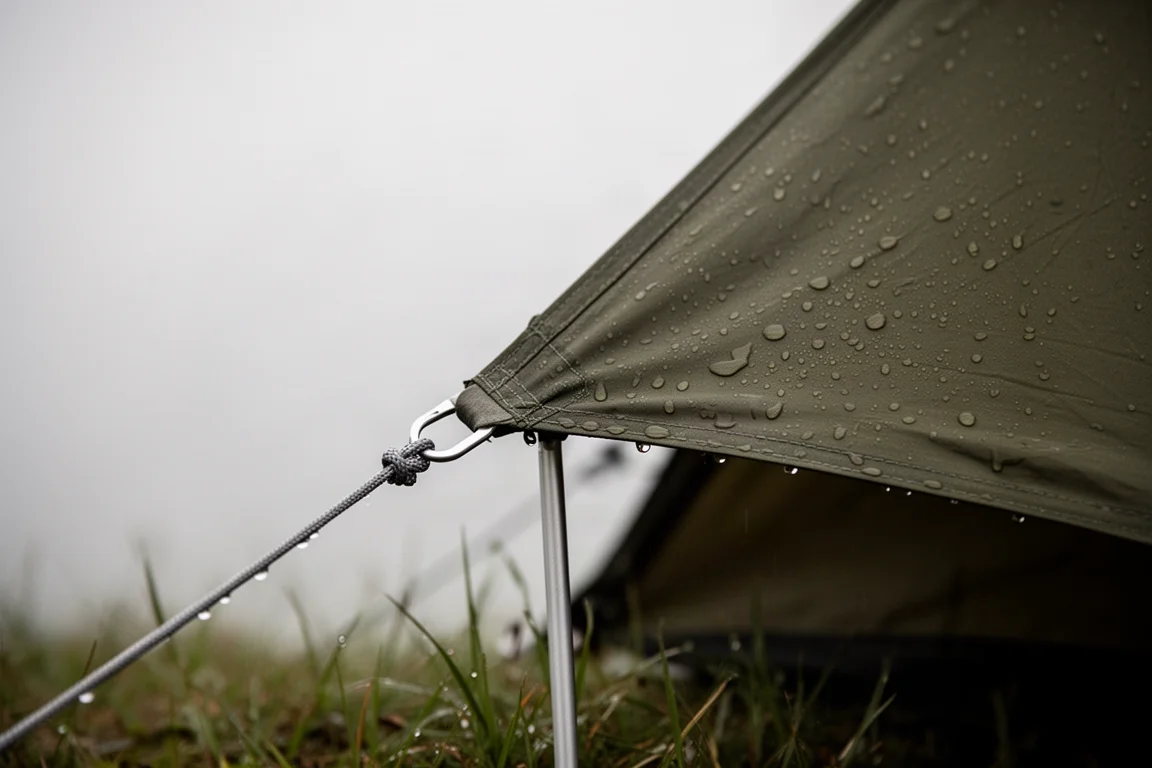
For anyone who has set up a tent in a downpour, that difference is easy to appreciate. It removes the most stressful part of arriving at camp in bad weather and turns setup into one uninterrupted sequence instead of two.
Airflow and Full Side Openings
Ventilation is where the Abisko View is most convincing. Both sides of the tent open up completely, which lets a substantial volume of air move through the sleeping space instead of trapping heat under the fly.
That matters in humid conditions, where still air inside a tent is what makes a night genuinely uncomfortable. With the sides open, the shelter behaves far more like a shaded, breezy canopy than a sealed box. The flip side is that once you close everything up against rain, airflow drops sharply and the interior can turn stuffy, which is worth planning for on warm, wet nights.
Waterproofing Through an Overnight Storm
The tent was pitched through a night of on-and-off showers and thunderstorms, with heavy rain arriving in bursts and continuing for hours. It stayed completely dry inside, and the fabric and seams handled sustained water without any obvious weaknesses.
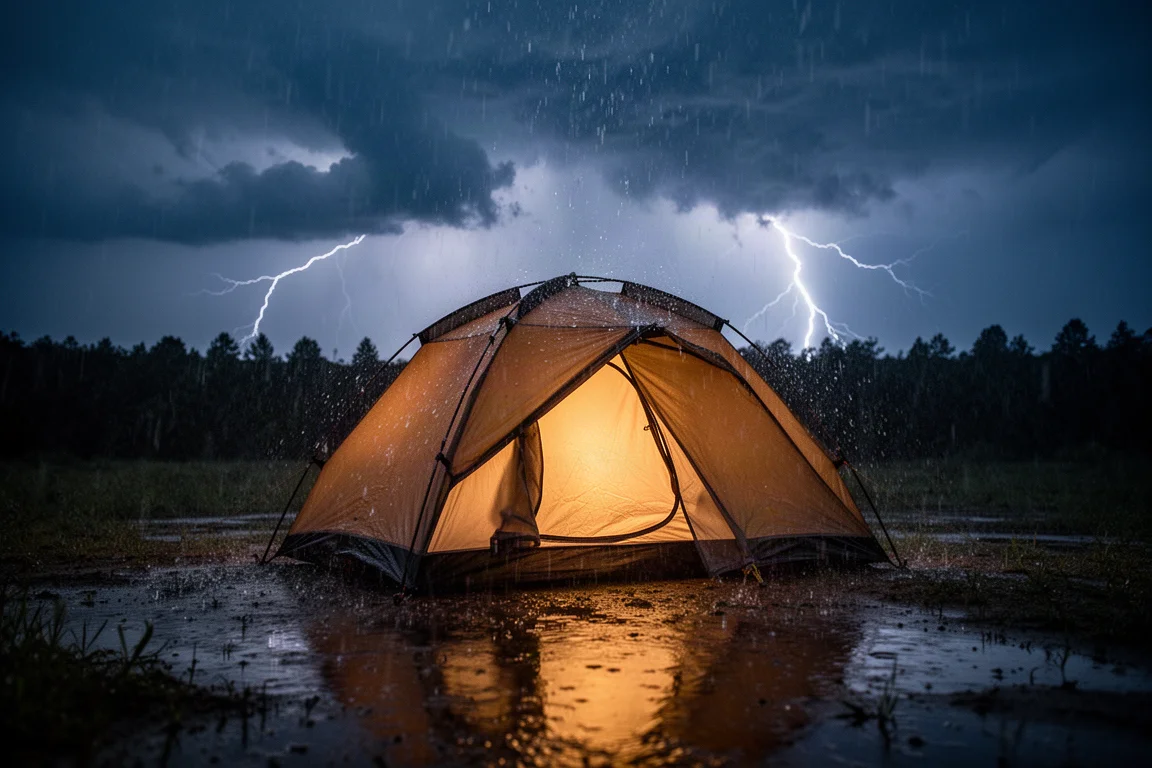
Just as importantly, the shelter stayed stable and quiet in the wind that came with those storms. A tent that keeps water out but flexes and flaps all night is not much use, and that was not the case here.
Things to Consider Before Buying
The first consideration is the price. At around $800, the Abisko View costs several times what a capable two-person, three-season tent costs, and it does not do dramatically more than shelters in the $200 to $300 range. A meaningful part of what you are paying for is the brand and its luxury positioning, which is a legitimate choice, but it is a separate one from pure function. Value in tents is ultimately personal, and this one asks you to decide what the badge is worth.
The second is the fabric. The main material is a silnylon-type fabric, similar in family to what other high-end Scandinavian tent makers use. It is strong and light, but it stretches, and it stretches more as it gets wet. In a tent with a well-tensioned design like this one, that is manageable. On a simple flat shelter, the same material can be genuinely frustrating because it needs constant re-tensioning.
Weight and season are the other two. This is not an ultralight tent, and it is not intended for winter use. If either of those is a priority, look elsewhere.
Buying Advice
If your camping happens in humid summer heat, where ventilation and a rain-ready pitch matter more than pack weight, the Abisko View is a genuinely strong performer and one of the more thoughtfully ventilated two-person tents you can buy. The fly-first design and the full side openings are not marketing details; they change how a trip feels when the weather is working against you.
If your trips are cooler, drier, or weight-sensitive, the same budget buys lighter and more versatile options, and you would be paying for a set of strengths you rarely use.
A reasonable way to decide is to look at your last few trips. If you remember heat, humidity and sudden afternoon storms more than you remember the weight of your pack, this tent is aimed squarely at you. If you remember long carries and cold mornings, it is not.
Conclusion
The Fjällräven Abisko View is a well-executed warm-weather shelter. It pitches outer-first in the rain, it breathes exceptionally well with the sides open, and it came through a stormy overnight test completely dry and stable. The silnylon-type fabric is strong and light, though it stretches, especially when wet.
The sticking point is the price. At around $800 it costs far more than tents that cover most of the same ground, and the premium is tied as much to brand positioning as to performance. For campers who spend their summers in hot, humid, storm-prone country and want maximum airflow with a rain-ready setup, it is a compelling tent. For everyone else, the money is likely better spent on something lighter or more versatile.
Product link
View more details for Fjällräven Abisko View
This product is mentioned in the review. Check the specifications, options, and compatibility before buying.
View more details for Fjällräven Abisko ViewFurther reading
Related Reviews
Camping Tents
3F UL Gear Taiji Two-Person Tent Review: Field Waterproofing Results and Buying Advice
The Taiji pairs an attached fly with a removable inner, but sustained rain exposed untaped vent seams that need sealing before this shelter can be trusted.
Camping Tents
3FUL Gear Lanshan 2 Pro 4-Season Review: A Sub-$200 Single-Wall Trekking Pole Tent
An early look at the 3FUL Gear Lanshan 2 Pro 4-Season, covering its straightforward pitch, generous interior space, and the condensation and seam-sealing questions that come with any single-wall shelter.
Camping Tents
Alps Mountaineering Lynx 1-Person Tent Review: Big Value in a Small Budget Tent
A close look at the Alps Mountaineering Lynx 1-Person Tent, covering real interior dimensions, materials, setup time, ventilation limits, and who should buy it.