Camping Tents
Fjällräven Abisko View 2 Review: A Premium Two-Person Tent Built for Airflow
An $800 two-person, three-season tent with a fly-first pitch, fully opening sides, and a silnylon fabric that asks for a few compromises.

Introduction
Two-person, three-season tents tend to cluster in a fairly predictable price band. The Fjällräven Abisko View 2 sits well above that band at $800, which places it among the most expensive non-ultralight three-season tents built for two people. That number is the first thing any buyer has to reckon with, and the honest reading is that a meaningful part of it reflects how the brand positions itself rather than a dramatic jump in shelter performance.
What the tent does offer is a specific set of design decisions: a fly-first pitch, unusually generous ventilation, and a lightweight silnylon fabric. Those decisions matter most in warm, humid, storm-prone summer weather, which is exactly what this shelter is built for.
This review looks at where the Abisko View 2 earns its keep, where it asks for compromises, and who should seriously consider spending this much on a summer tent.
Who the Abisko View 2 Is For
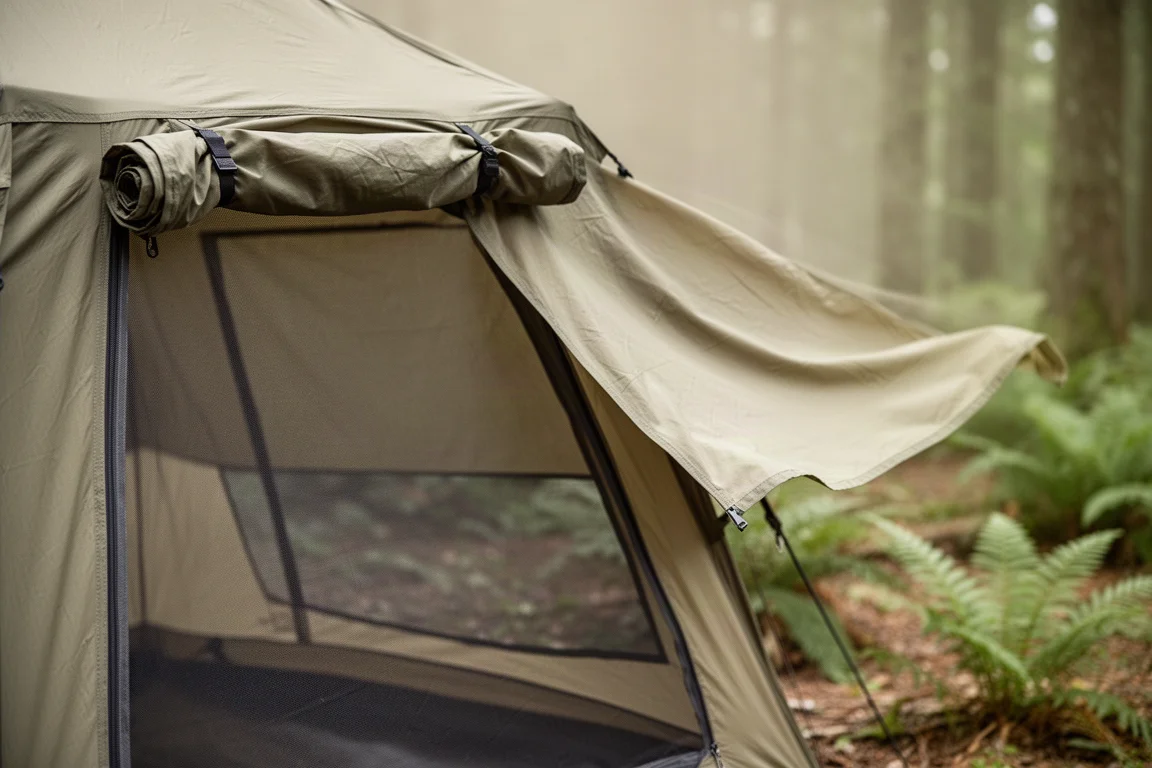
This is a summer-oriented two-person shelter for campers who put airflow first. In hot, humid conditions, still air inside a tent is often what makes a night miserable, and the Abisko View 2 is designed around solving that. Both sides can open up completely, which turns the shelter into something closer to a ventilated roof than a sealed box.
It also suits campers who expect rain and want to keep the sleeping area dry from the moment they start pitching. Because the fly goes up first, the inner never has to sit exposed while the outer layer is being fitted.
It is a less natural fit for buyers who want maximum interior volume, or who judge a tent purely by years of service per dollar. This is a focused shelter with a narrow, deliberate brief, and it rewards buyers who share that brief.
Main Strengths: Fly-First Pitching and Full Side Ventilation
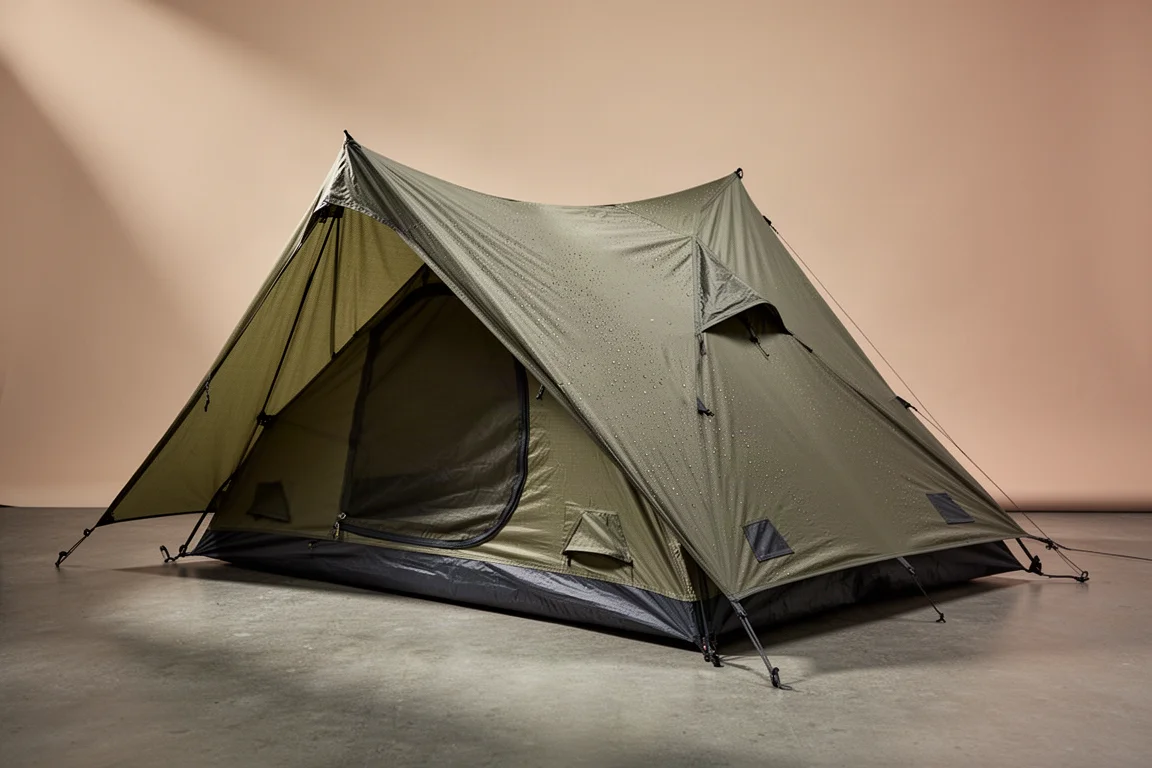
The defining feature is the fly-first pitch. Shelter systems that let you erect the fly before the inner are relatively uncommon in the US market, where the usual sequence is inner first and fly second. In practice, this changes what arriving at a campsite in the rain feels like. You build the shelter from the outside in, and the sleeping area stays protected throughout.
Set-up is also straightforward, which matters when the weather is already turning. A tent that pitches easily and quickly is more likely to be pitched properly when conditions are poor.
Ventilation is the second strength, and it shapes daily use more than any other detail. With both sides opened, the tent moves a serious amount of air. In heat and humidity that is not a minor comfort feature, it is the reason the shelter works.
Storm Performance and Silnylon Fabric
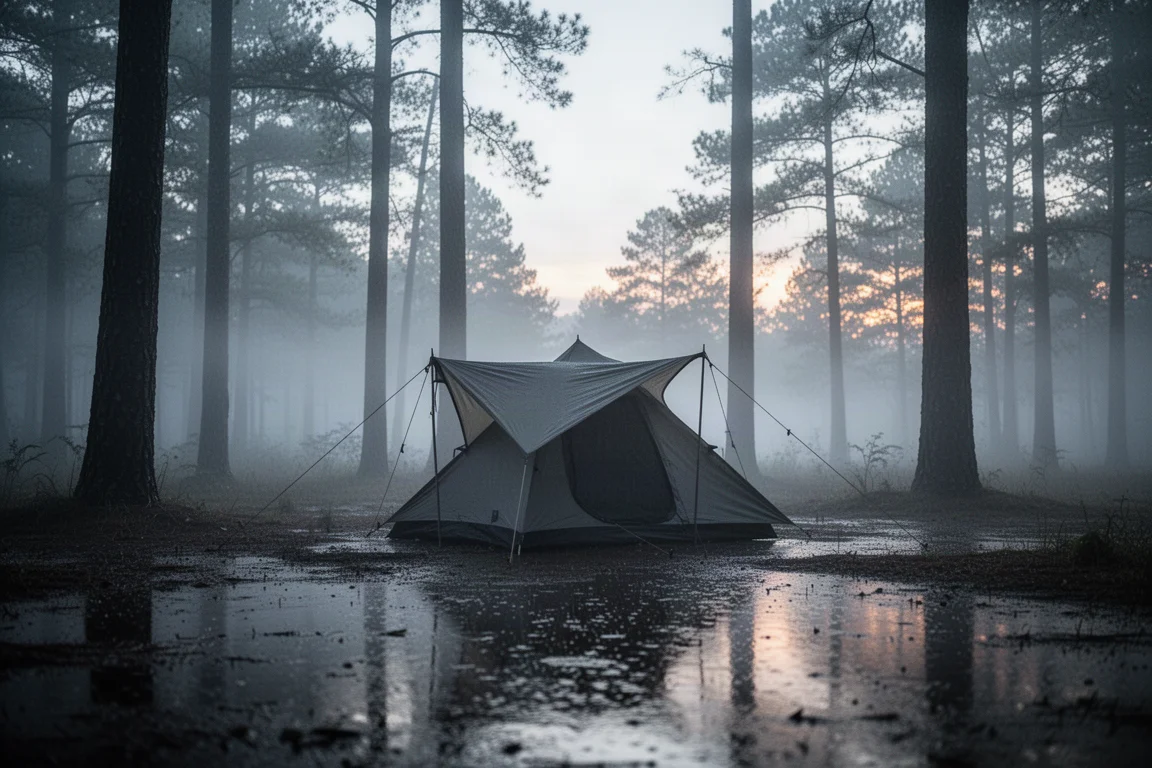
Waterproofing is where the design justifies itself in bad weather. Through an overnight stretch of rain and nearby thunder, the tent stayed dry inside, with no water finding its way through the fly or the floor. The shelter also seals up completely when the weather demands it, which is exactly what you want when a storm settles overhead.
The main fabric is a form of silnylon, the same broad family of material used on several Scandinavian tent lines. It is strong and light, and it is a large part of why the tent can combine durability with a manageable weight.

That fabric comes with a known trade-off: silnylon stretches. It stretches further as it takes on water, which means a taut pitch can gradually loosen over a wet night and may need re-tensioning. On a well-designed shelter the effect stays manageable, but it is a real characteristic of the material rather than a one-off flaw.
Things to Consider Before Buying
Sealed-up ventilation is the first thing to think about. When the tent is closed against sustained rain, interior airflow drops sharply and the space can feel stuffy. In warm, wet weather a small camp fan makes a noticeable difference, and some campers will treat it as part of the kit rather than an optional extra.
The fabric’s stretch behaviour is the second consideration. Silnylon is strong and light, but it moves, particularly when wet, so expect to check guy lines and re-tension the shelter after a damp night.
Price is the third. At $800, the Abisko View 2 costs several times what a well-chosen two-person summer tent costs, and the performance gap is smaller than the price gap suggests. For many campers, a tent costing a fraction of this will cover the same trips comfortably.
Finally, this is a summer and three-season shelter. It is not presented as a winter tent, and it should not be bought as one.
Hot-Weather Comfort and Airflow
Hot, humid camping is really a ventilation problem, and this is where the Abisko View 2 separates itself from a conventional tent. Opening both sides converts the shelter into a breezy, shaded space rather than a sealed bubble. Camped in the upper 80s with heavy humidity, that difference becomes the whole experience.
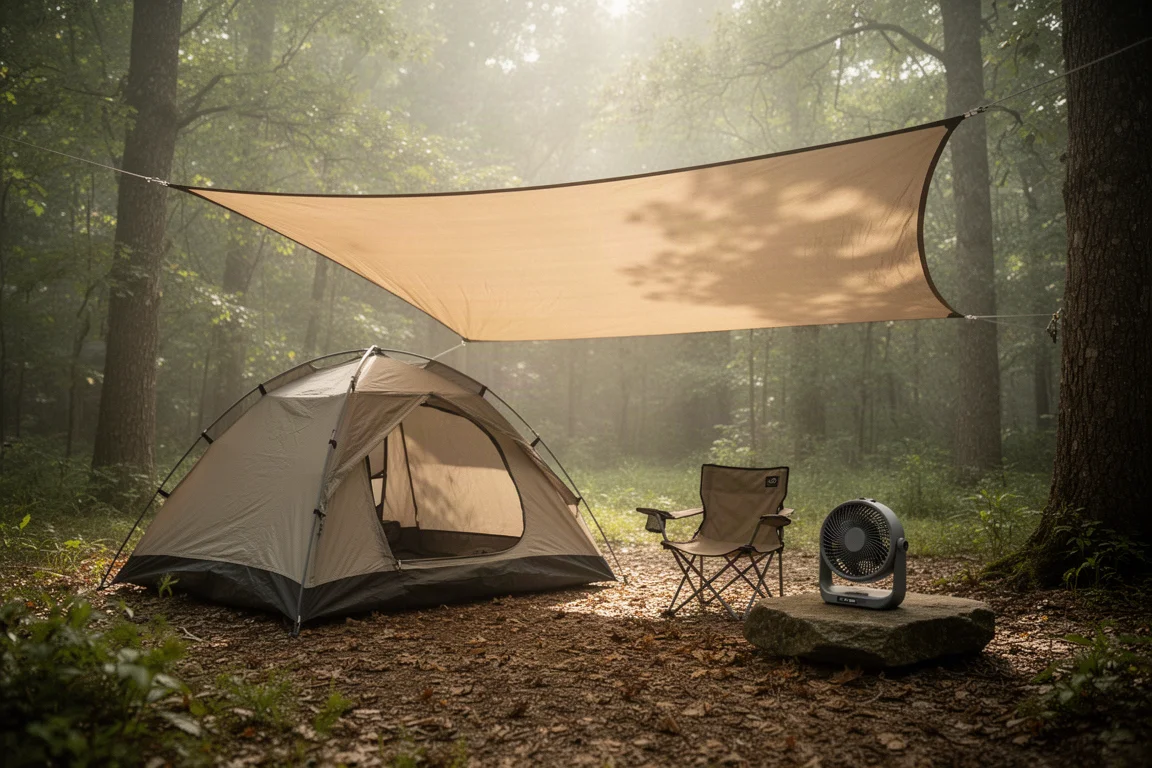
The practical routine around the tent is simple: pitch it with the panels open, keep the sun off with a tarp if you have one, and stay still through the hottest part of the day. The shelter supports that approach instead of fighting it, which is precisely the point of the design.
Value and Brand Positioning
Fjällräven occupies a luxury position in the outdoor market, and the Abisko View 2 is priced accordingly. The materials and construction are genuinely good, and the fly-first design is a real functional advantage. But the premium is not purely a materials story. Buyers are also paying for a brand that has deliberately placed itself at the fashionable, high-end end of the market.
That does not make the tent a bad purchase. It does mean the decision should be made on the specific features you want, rather than on an assumption that a higher price automatically buys a proportionally better shelter.
Buying Advice
Buy the Abisko View 2 if the fly-first pitch and the fully opening sides solve problems you actually have. Campers who regularly pitch in rain, and who camp through hot, humid summers, will get the most out of it, because those two features address the two hardest parts of summer camping.
If your camping is mostly dry, mild, and car-based, a less expensive two-person tent will very likely serve you just as well. The Abisko View 2 is a specialist shelter, and it makes the most sense when its specialism matches your trips.
One practical note for anyone who does buy it: budget for a small fan and a tarp. Both extend the tent’s strengths into the muggy, stormy conditions it was designed for.
Conclusion
The Fjällräven Abisko View 2 is a well-made, genuinely capable two-person summer tent with a fly-first pitch and ventilation that most tents cannot match. It stayed dry through a wet overnight and it handles heat and humidity far better than a conventional sealed shelter. At $800 it is also priced well beyond what the performance alone justifies, and that is the trade-off every buyer has to weigh. If airflow and rain-friendly pitching are your priorities, it delivers. If they are not, spend far less and camp just as happily.
Product link
View more details for Fjällräven Abisko View 2
This product is mentioned in the review. Check the specifications, options, and compatibility before buying.
View more details for Fjällräven Abisko View 2Further reading
Related Reviews
Camping Tents
3F UL Gear Taiji Two-Person Tent Review: Field Waterproofing Results and Buying Advice
The Taiji pairs an attached fly with a removable inner, but sustained rain exposed untaped vent seams that need sealing before this shelter can be trusted.
Camping Tents
3FUL Gear Lanshan 2 Pro 4-Season Review: A Sub-$200 Single-Wall Trekking Pole Tent
An early look at the 3FUL Gear Lanshan 2 Pro 4-Season, covering its straightforward pitch, generous interior space, and the condensation and seam-sealing questions that come with any single-wall shelter.
Camping Tents
Alps Mountaineering Lynx 1-Person Tent Review: Big Value in a Small Budget Tent
A close look at the Alps Mountaineering Lynx 1-Person Tent, covering real interior dimensions, materials, setup time, ventilation limits, and who should buy it.