Camping Tents
Fjallraven Abisko Lightweight 1 Review: A Discontinued European Shelter Worth Tracking Down
A hands-on look at the discontinued Fjallraven Abisko Lightweight 1, from its swelling-thread seam construction to what secondhand buyers should check before paying.
Introduction
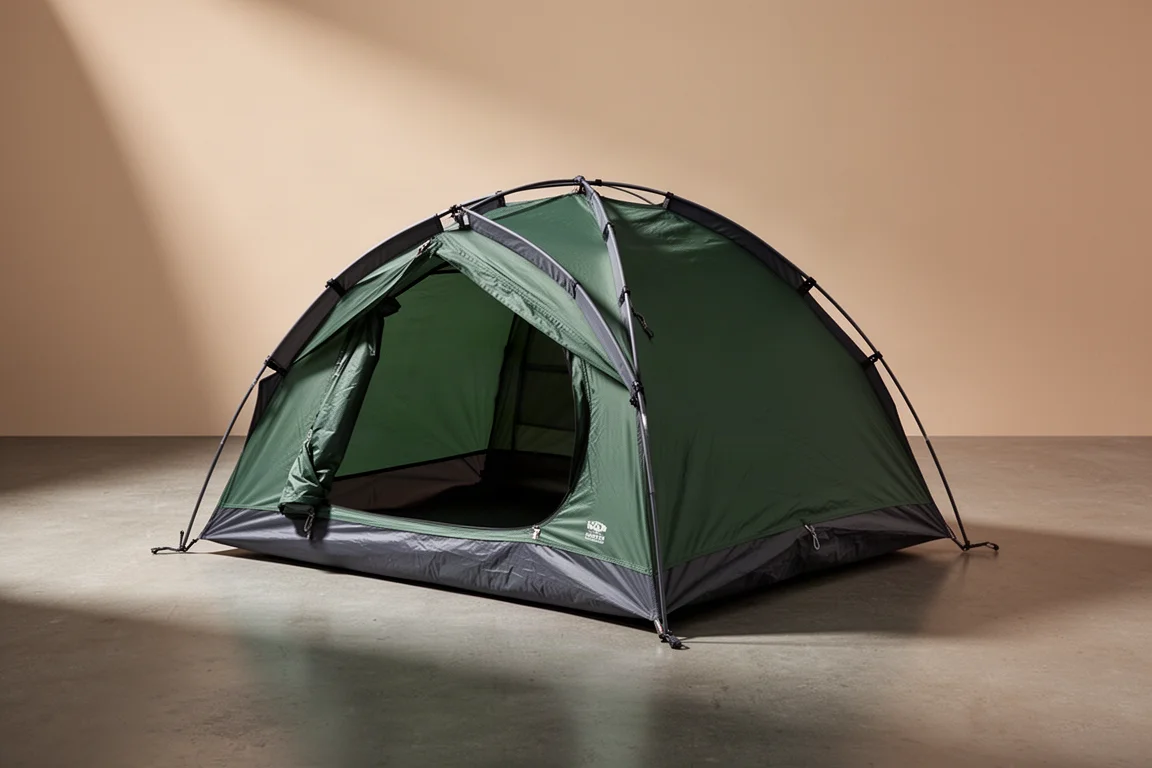
The Fjallraven Abisko Lightweight 1 is a one-person backpacking tent that was produced for the European market and has been out of production for several years. It never had a broad retail presence in the United States, which means most buyers today encounter it the way this one turned up: secondhand, often with sparse documentation, and occasionally through an estate sale where the seller has no idea what is inside the stuff sack.
That is roughly how this particular shelter surfaced. It was listed without a confirmed model name, the stuff sack had been turned inside out, and it sold for $75. Once it was unpacked at camp, the poles, stakes, floor, and fly showed no dirt, no scratches, and no signs of previous use. The guy lines had never been untied.
This assessment is based on a single overnight test in cool, dry, late-summer conditions, with evening temperatures around 50 degrees Fahrenheit and a low in the 40s.

The useful question is not whether a discontinued tent can still perform. It is whether this one is worth the effort of tracking down, what a buyer should inspect before paying, and where its limits genuinely sit.
Who This Tent Is For
This is a solo shelter, and it makes the most sense for backpackers who want a simple, low-maintenance one-person tent and are comfortable shopping outside the mainstream retail channel. Because it was a European-market model, buyers in the United States will almost always be looking at secondhand listings, estate sales, or overseas sellers rather than a dealer shelf.
It also suits campers who value longevity in the details. Fjallraven built this tent without seam tape, and that single design choice is the strongest argument for seeking one out years after production ended.
It is a poor fit for anyone who wants a current model with ongoing parts support, predictable availability, or the ability to buy new with a warranty behind it. It is equally unsuitable for someone who needs certainty before spending. A discontinued tent found through an unclear listing is a calculated risk, and the outcome depends heavily on the individual unit.
Main Strengths
The overnight test answered the most important question quickly. The tent slept well, stayed dry, and handled a cool night with a light breeze without drama. Morning humidity was low enough that nothing was wet, so there was no need to unpack and dry the shelter at home afterward. That is a small convenience, but it is one that experienced campers notice.
The standout feature is the seam construction. Fjallraven does not apply seam sealing or seam tape to these tents. Instead, the seams are sewn with very small needles, and the thread used swells when it absorbs water, closing the stitch holes and keeping the tent from leaking. The practical benefit is durability: there is no tape to age, lift, or peel away, which is one of the most common failure points on older tents.
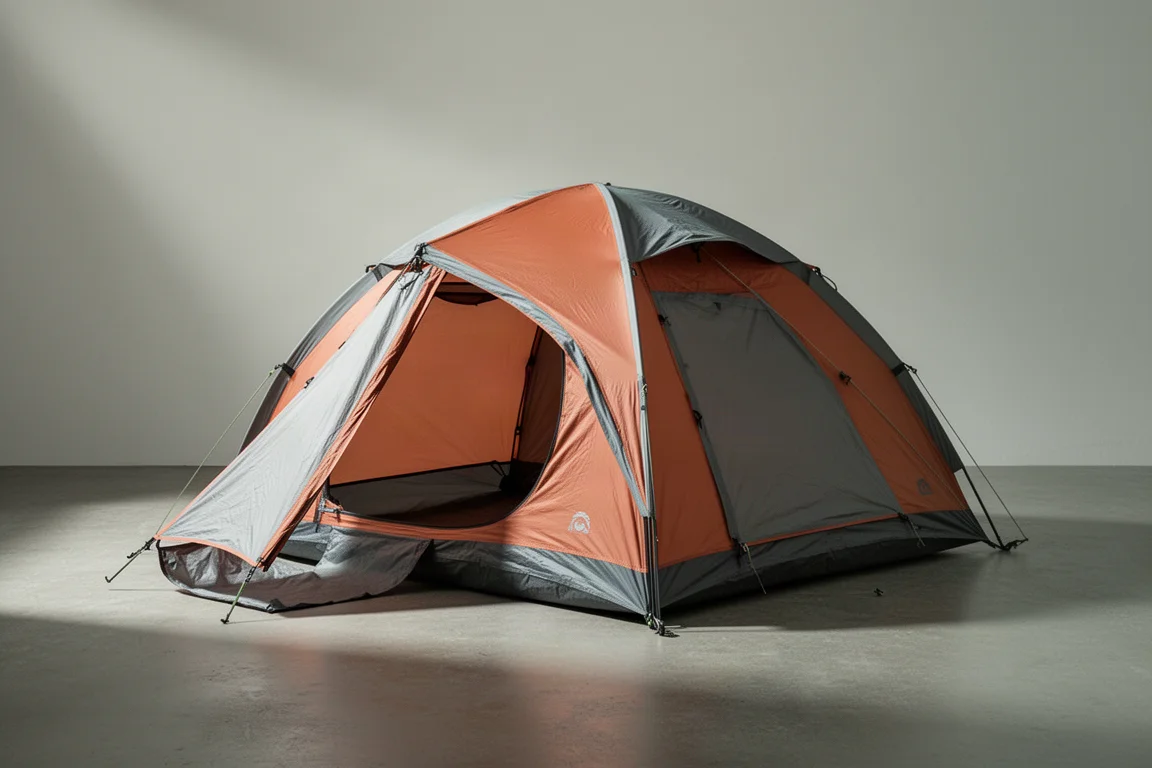
Build quality also left a strong impression. Despite arriving as a secondhand purchase, the tent showed no wear at all, and the three-pole structure held a clean, taut pitch. This model is regarded as an excellent shelter, and it is often spoken of more favorably than the Abisko 1 that replaced it in the lineup.

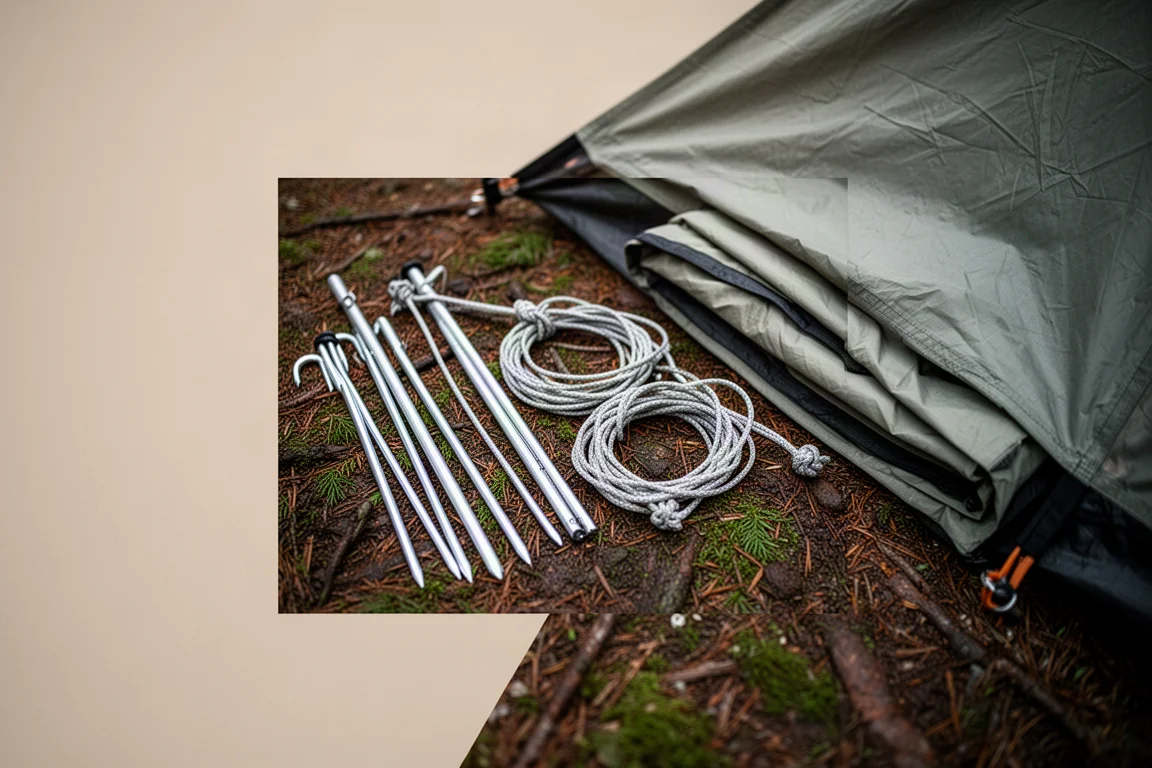
Setup was straightforward once the components were laid out. The pole set, stakes, and guy lines were all present and intact, and nothing about the pitch required improvisation.
Construction and Weatherproofing
The absence of seam tape is the defining technical detail here. On many tents, the taped seams are the first thing to degrade, and once that tape starts to lift, water finds its way through. Fjallraven sidesteps the problem entirely by relying on fine needles and a thread that expands when wet. The result is a shelter with fewer wear items and a longer practical service life.
The fly, floor, and pole sleeves all appeared well finished on this unit, with no loose stitching or abrasion. The three-pole design produced a stable shape rather than a flimsy one, and the guy lines were still factory tied.
One honest caveat belongs in this section. The test night was dry, with no rain in the forecast, so the tent’s performance in sustained or driving rain was not verified. The seam design is the reason to expect good water resistance, but that expectation comes from how the tent is built rather than from a wet-weather field test.
Things to Consider Before Buying
Availability is the first obstacle. This tent is discontinued, and it was made for the European market rather than the United States, so there is no straightforward way to buy one new. Buyers should expect to search secondhand marketplaces, estate sales, and overseas listings, and to wait for the right unit to appear.
Condition is the second variable, and it matters more than usual because listings for discontinued gear are often vague. The tent covered here arrived with the stuff sack inside out and no confirmed model name in the listing, which meant the model was not known until the purchase arrived. That gamble worked out well. Secondhand gear purchases do not always end that way, and torn fabric, hidden damage, or lingering odors are real possibilities when buying sight unseen.
Pricing should be read with care. The $75 paid here was an estate-sale price on an unused tent, not a market rate, and the original retail price of this model was never confirmed. Anyone shopping for one should treat each listing on its own merits rather than anchoring to that number.
Finally, expect no manufacturer support. There is no warranty coverage to fall back on and no current parts channel, so a buyer is effectively taking on the maintenance of the tent themselves.
None of these points are reasons to avoid the tent. They are simply the practical terms of buying a discontinued European shelter from the secondhand market.
Buying Advice
The strongest case for the Abisko Lightweight 1 is durability rather than novelty. If you want a solo tent that avoids seam tape, pitches with three poles, and has a reputation as an excellent shelter, this is a model worth setting up a saved search for. The reward is a tent that should hold up over many seasons precisely because it has fewer parts that wear out.
Before paying, ask for photographs of the pole set, the stakes, the floor, and the seams, and confirm that the guy lines and stuff sack are included. Where a listing is vague about the model, treat that uncertainty as part of the price calculation. A unit in unused condition at a low price is an excellent outcome, but the same listing could just as easily arrive with damage that was never photographed.
If condition is unclear or the seller cannot confirm the model, it is reasonable to wait for a better listing. This tent is not rare enough to justify paying a premium for an unknown quantity.

For buyers who do find a clean example, the practical experience should be reassuring. This one delivered a comfortable, dry night with no morning drying required, and it packed up ready to go straight home.
Conclusion
The Fjallraven Abisko Lightweight 1 earns its reputation on the details. The fine-needle seam construction removes the most common long-term failure point on a tent, the three-pole design pitches taut, and the shelter handled a cool, dry overnight with no complaints. For a solo backpacker willing to shop secondhand, it remains a genuinely appealing option years after production ended.
The trade-offs are equally clear. It is discontinued, it was never widely sold in the United States, and it must be sourced with patience and a willingness to accept some uncertainty. Buyers who weigh those terms honestly and inspect each listing carefully will find a well-built tent that rewards the effort.
Product link
View more details for Fjallraven Abisko Lightweight 1
This product is mentioned in the review. Check the specifications, options, and compatibility before buying.
View more details for Fjallraven Abisko Lightweight 1Further reading
Related Reviews
Camping Tents
3F UL Gear Taiji Two-Person Tent Review: Field Waterproofing Results and Buying Advice
The Taiji pairs an attached fly with a removable inner, but sustained rain exposed untaped vent seams that need sealing before this shelter can be trusted.
Camping Tents
3FUL Gear Lanshan 2 Pro 4-Season Review: A Sub-$200 Single-Wall Trekking Pole Tent
An early look at the 3FUL Gear Lanshan 2 Pro 4-Season, covering its straightforward pitch, generous interior space, and the condensation and seam-sealing questions that come with any single-wall shelter.
Camping Tents
Alps Mountaineering Lynx 1-Person Tent Review: Big Value in a Small Budget Tent
A close look at the Alps Mountaineering Lynx 1-Person Tent, covering real interior dimensions, materials, setup time, ventilation limits, and who should buy it.