Cycling Saddles
Fizik Arione vs Selle Italia SLR Boost: Can Bike Fit Make a Saddle Comfortable?
A pressure-mapping comparison of the Fizik Arione and the Selle Italia SLR Boost, and why saddle height often matters more than the saddle itself.
Introduction
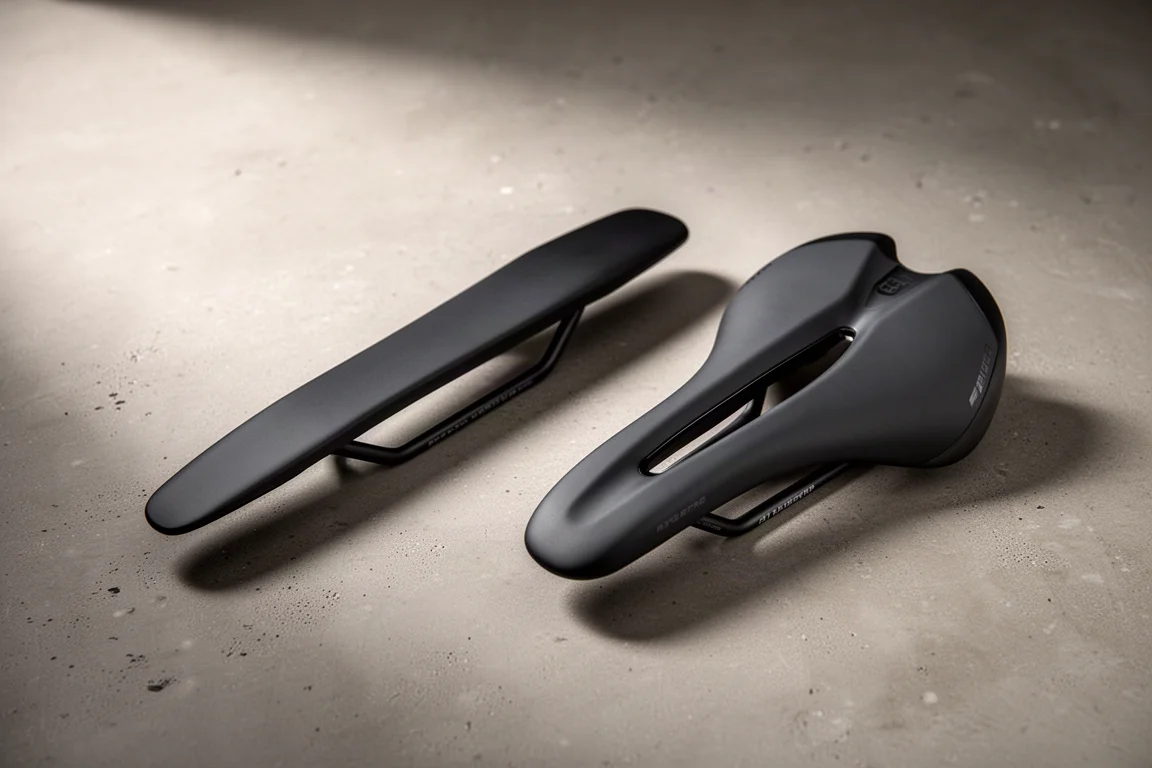
Saddle choice is often treated as the single biggest factor in riding comfort, and the Fizik Arione has a mixed reputation. It is long, it is flat, and it has no pressure relief channel, which is enough for plenty of riders to rule it out before trying it. The more useful question is whether a saddle like that can be made comfortable through position alone, and whether a saddle built around a central channel such as the Selle Italia SLR Boost is genuinely better or simply easier to set up correctly.
This comparison puts both saddles through pressure mapping, with deliberate changes to saddle height, to see what actually drives comfort and what only appears to.
How Saddle Comfort Was Evaluated
Saddle interaction was assessed against a small set of clear markers. The goal is two distinct skeletal contact points, the sit bones, or the pubic rami a little further forward depending on pelvic orientation, loaded relatively evenly from left to right. Soft tissue pressure is what to avoid, in men as much as in women, and pressure through the nose of the saddle is a further warning sign. A well set up saddle should be unobtrusive. It should be hard to name as the part of the bike you notice most.
Pressure was measured in microbars using a sensor mat placed over the saddle. The baseline position was the one used for a 1,500-mile ride across Thailand over three weeks, at a 69 cm saddle height with 5.5 cm of setback.
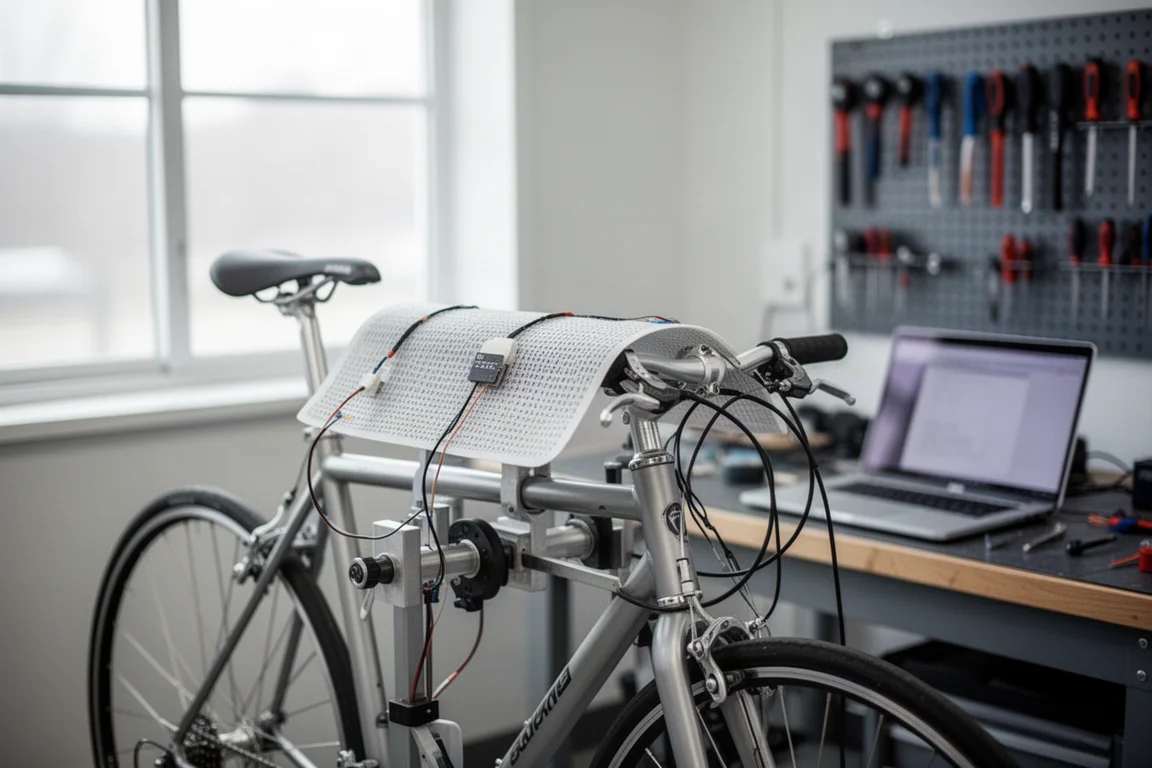
That baseline produced 839 microbars on the left and 894 on the right, a difference of roughly 5 percent. Imbalances of that size are considered acceptable. It is differences of 20, 30 or 40 percent that tend to create problems.
Fizik Arione: A Long, Flat Shape That Tolerates Position Changes
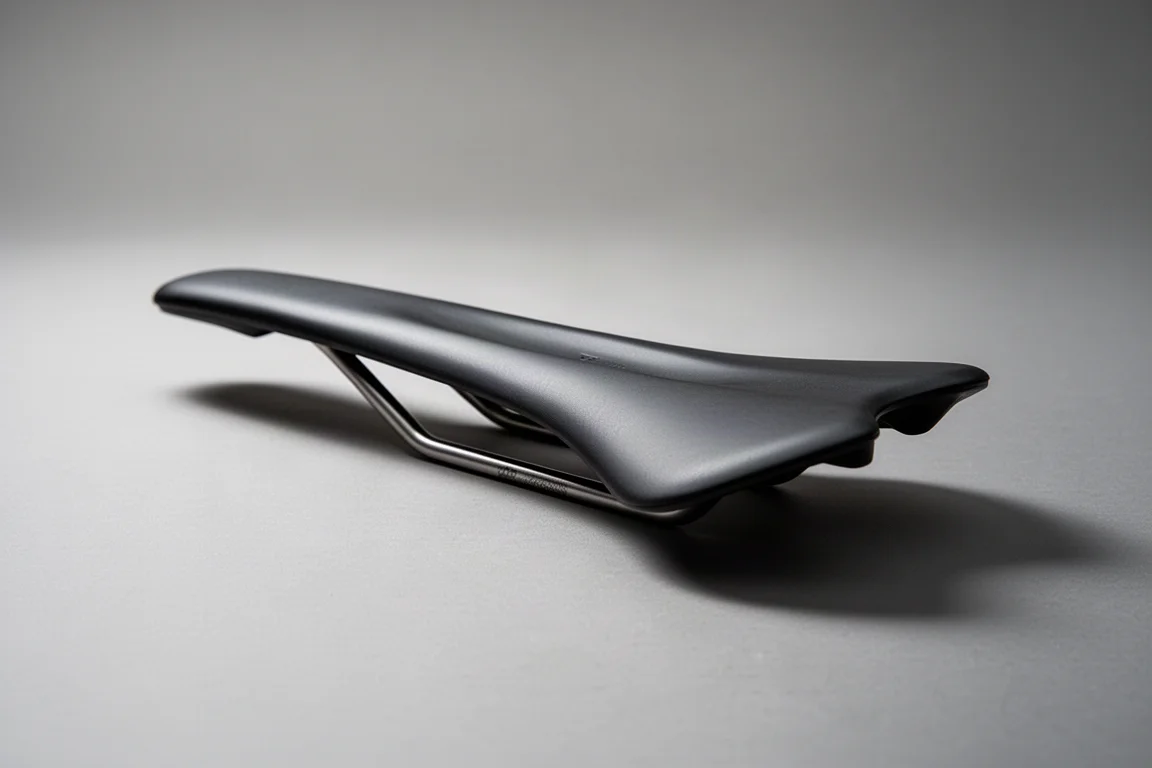
The Arione is defined by its length and its flat, slim nose. There is no pressure relief channel. In practice that makes it unusually forgiving of poor positions: it can be ridden across a wide spectrum of pelvic positions, and it is possible to sit right on the nose with seemingly no problem at all. That forgiveness is also its weakness, because it can mask a position that would misbehave on a different saddle.
With the saddle set higher, total pressure on the Arione dropped, but pressure does not disappear. It moves. The map showed a hot spot in the middle of the saddle, over the perineum, plus a bank of pressure concentrated on the left side and located more centrally. Central loading means more soft tissue pressure, and soft tissue is far less suited to carrying load than the skeleton is. Raising a saddle can also push load forward into the hands, neck and shoulders.
Lowering the saddle made the Arione noticeably more comfortable, but the map still showed more soft tissue interaction than desirable, and the contact pattern became a tripod rather than two clean skeletal landmarks. It was rideable at that point, but not something to commit to for a very long day in the saddle.
Selle Italia SLR Boost: The Saddle That Survived 1,500 Miles
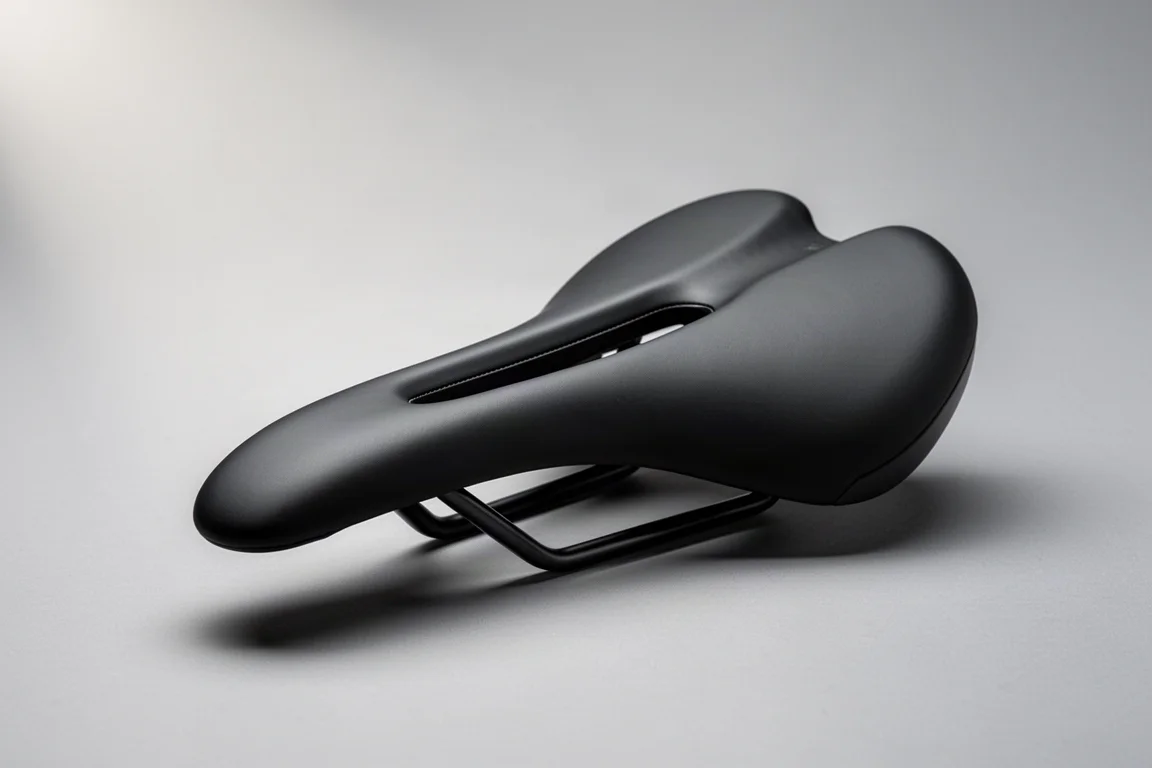
The SLR Boost is shorter and carries a defined central channel. In the baseline position it produced the cleanest result of the session: two rounded areas of pressure, no meaningful pressure through the nose, and a left to right difference of about 5 percent. That position had already been proven over 1,500 miles across Thailand in three weeks, with no saddle problems and no knee, neck, shoulder, hand or foot issues along the way.
That history matters. Riders who find this kind of saddle unbearably harsh are often running it too high, and a channel does not make a saddle immune to a bad position. Set 30 to 40 mm too high, it will cause problems just like any other shape. The same saddle can feel completely different depending on where it sits relative to the pedals.

What the channel buys is margin. When the position is right, it keeps load on the skeletal structures and away from soft tissue, which is exactly what the pressure map showed.
Why Saddle Height Matters More Than Saddle Choice
Raising the saddle by 30 mm while leaving everything else untouched produced the clearest result of the whole session. Pressure at the rear of the saddle, around 800 microbars, was replaced by more than 1,000 microbars at the front, alongside an over-interaction with the nose, a more erratic pelvic movement pattern, a drop in power and a sense that the whole thing had become much harder work.
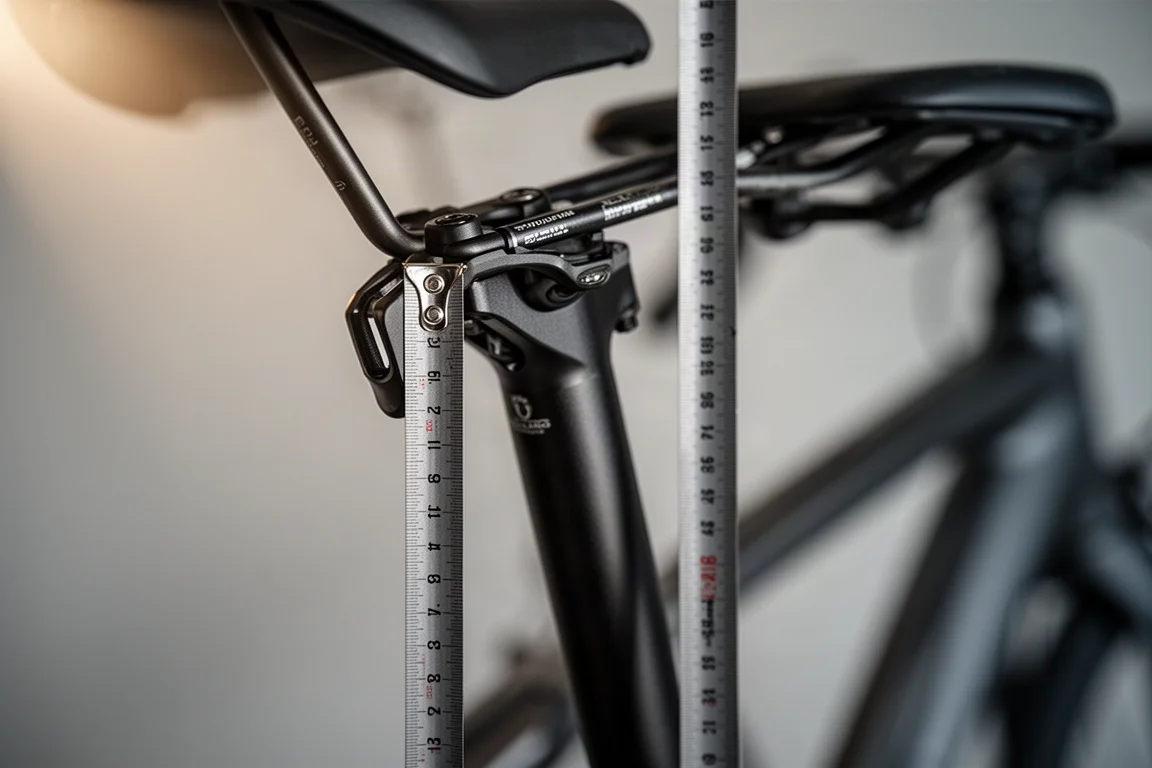
The mechanics are straightforward. The nose of the saddle sits closer to the bottom bracket, the cranks and the pedals than the tail does, so lifting the saddle loads the front of it first. A saddle height that looks low on paper for a rider of a given height can be entirely correct when it is chosen by feel at the saddle rather than by formula. Getting that height right is what allows a rider to cover long distances without saddle trouble.
Reading the Pressure Map: What the Numbers Showed
Pressure mapping is a useful instrument, but it does not produce the answer on its own. It is best understood as a way of seeing how positional changes affect saddle interaction, not as a saddle selection system. When pressure falls in one place it reappears somewhere else, and the map can look improved while the rider feels worse.
That is the red flag to watch for: a number that says better when the rider is not more comfortable. The result comes from knowledge, observation and rider feedback cross-referenced with the data, not from the data alone. It is also worth remembering that comfort has a time value. Pressure builds over time, so a short test can understate how a saddle will feel after several hours.
Experienced riders are generally less susceptible to discomfort in the first place, which makes honest subjective feedback even more important when judging a change.
Matching Each Saddle to the Right Rider
The Arione makes sense for riders who move around on the saddle, who want a long flat platform, and who already have a position that is dialled in. Its forgiveness across a range of positions is a genuine asset, but the absence of a channel means soft tissue loading remains a real risk, particularly with the saddle set high.
The SLR Boost suits riders who want a defined channel and a stable, repeatable contact point, and it has the long-distance record to support that. It rewards a correct saddle height and punishes a careless one.
Overall Buying Advice
Saddles in this class cost around £200, which is a lot of money to spend on a guess. The most valuable step before buying is a bike fit, because position has a larger effect on comfort than the saddle itself. Try before you buy wherever that is possible, and treat any fitting tool as one input among several rather than a verdict.
A saddle that measures well but feels wrong is not the right saddle. A saddle that measures imperfectly but disappears underneath you over a long ride very often is. Position first, saddle second.
Conclusion
A saddle with no pressure relief channel can be made reasonably comfortable with positional work, and a saddle with a channel can be made uncomfortable by setting it too high. Pressure mapping shows why: pressure is redistributed rather than removed, and saddle height determines where it ends up. Choose the shape that suits how you ride, set it up properly, and let your own feedback over long rides have the final word.
Further reading
Related Reviews
Cycling Saddles
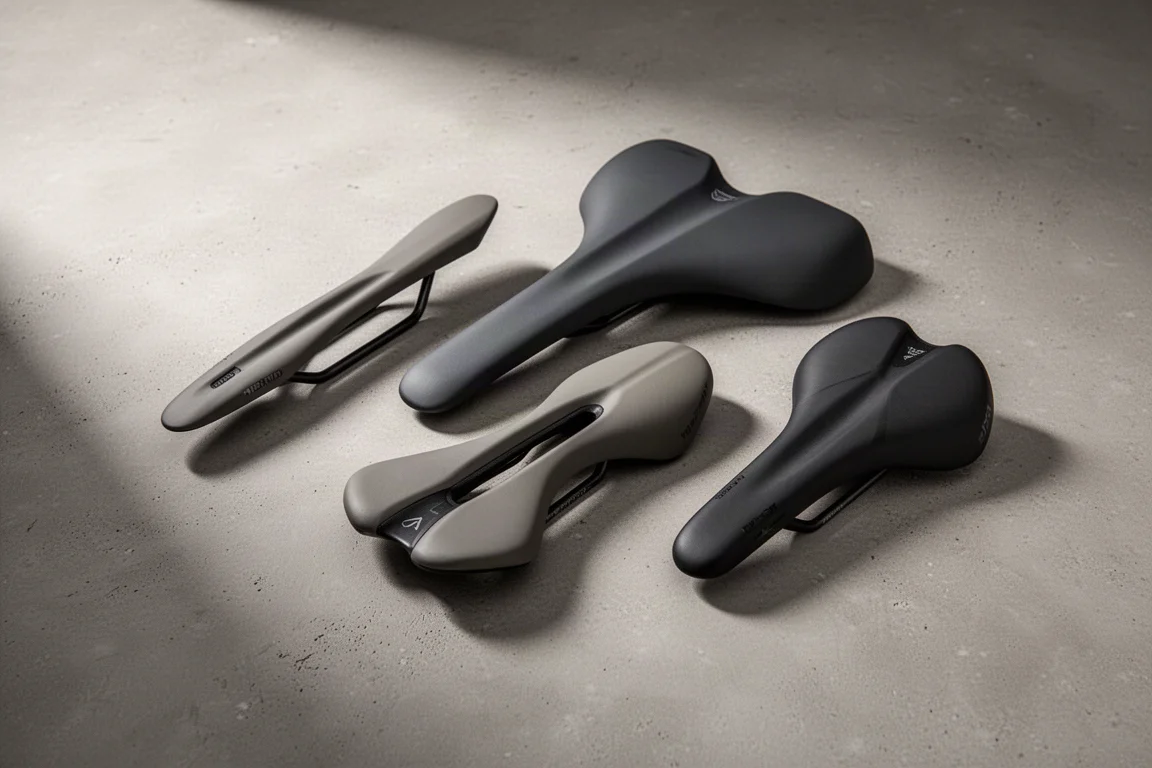
Best Bicycle Saddles Ranked: Ten Models Compared for Comfort and Fit
A practical ranking of ten road and triathlon saddles, from wide flared shapes that rub the thighs to narrow designs that support the rear of the saddle properly.
Cycling Saddles
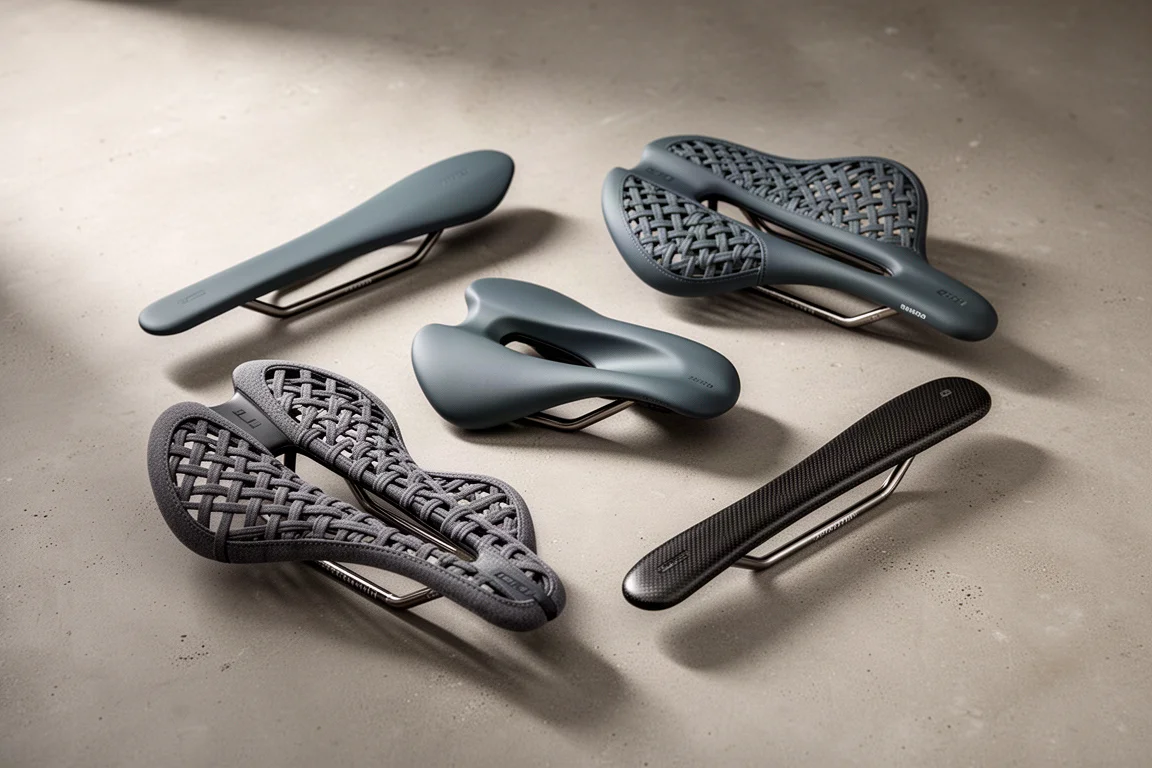
Best Road Bike Saddles 2026: Choosing the Right Width and Pressure Relief
A practical guide to road bike saddle selection, covering pressure relief, saddle width, and two widely known designs, the Selle Italia SLR Boost and the Specialized Power.
Cycling Saddles
Best Road Bike Saddles Ranked: Nine Options From Worst to Best
A fitter's ranking of nine road bike saddles, from wide flared designs that catch the thighs to the narrow shape most riders end up choosing.