Backpacking Gear
Five Ultralight Backpacking Gear Picks Worth a Second Look
Five ultralight backpacking items that looked risky at first, with field notes on what works, what does not, and who each one actually suits.
Introduction
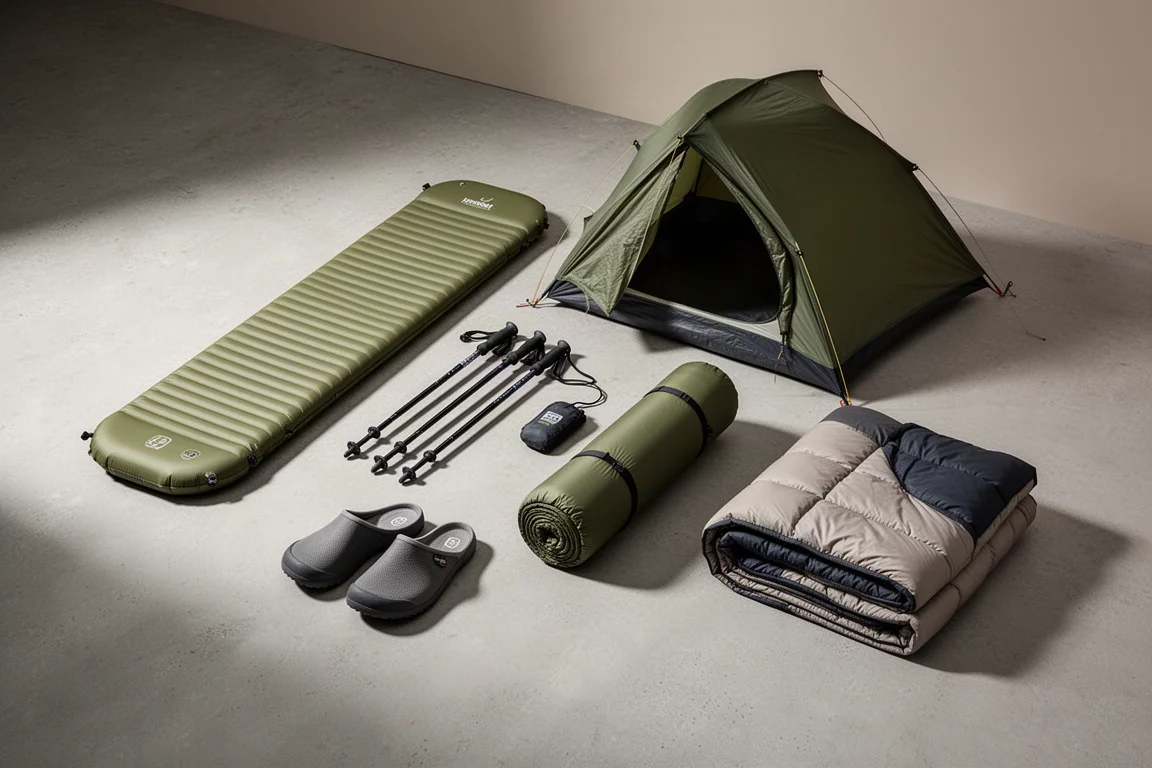
Some gear earns its place slowly. Each of these five pieces of backpacking equipment raised doubts at first, whether because of an unusual size, a fragile reputation, or a design detail that looked like an obvious weak point. On the trail, several of those doubts turned out to be wrong.
This guide works through each item in turn: the first impression, what actually holds up in the field, and the drawbacks that could still make a different product the better choice for a particular trip. Nothing here is a blanket recommendation. The useful goal is to match the gear to the way you actually camp.
How These Five Picks Were Chosen
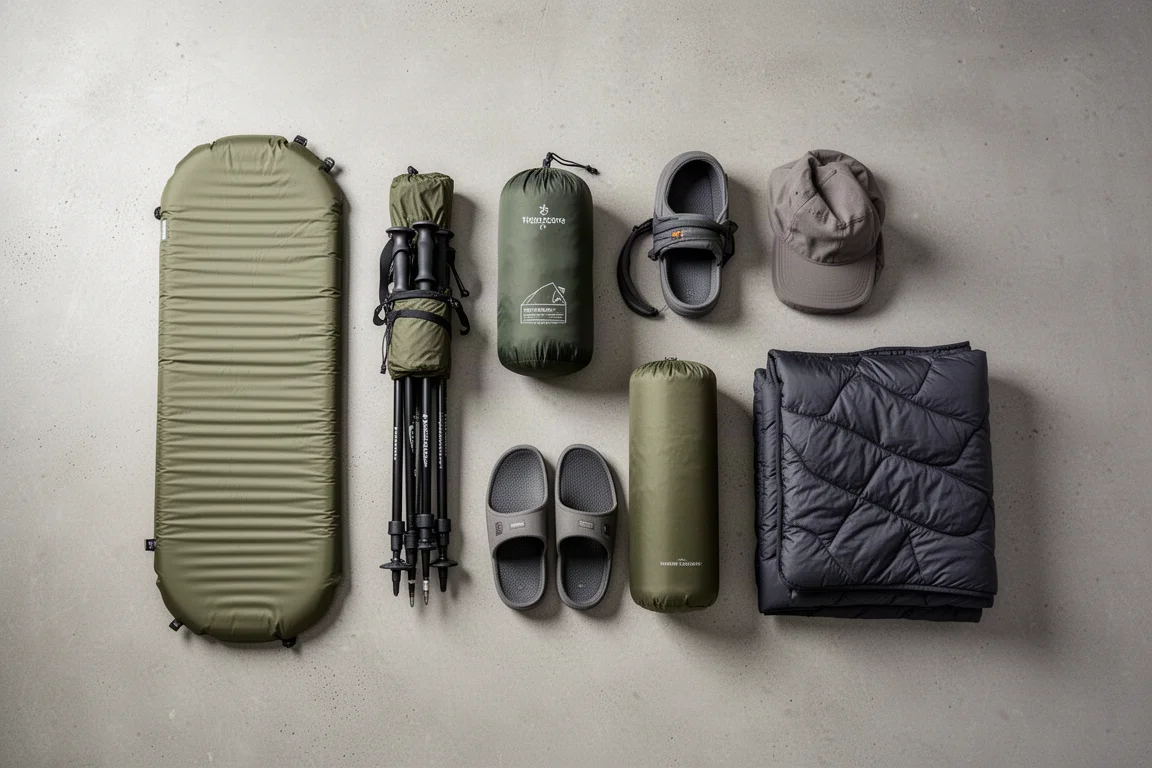
Every item below was used on real trips rather than judged on specifications alone. Sleeping pads were inflated and slept on in near-freezing and below-freezing conditions. The tent was pitched in rising wind and later re-tested with a fuller guy-out. The camp slippers were worn across roughly four months of trips, including walks over rough ground and down to a stream. The quilt system was pushed to the cold end of its rating.
Where a first impression was wrong, that is noted plainly. Where a concern still stands, it is left standing rather than argued away. Ultralight gear always trades something away, and the practical question is whether that trade matches your priorities.
Nemo Tensor Elite Sleeping Pad: More Comfortable Than Expected
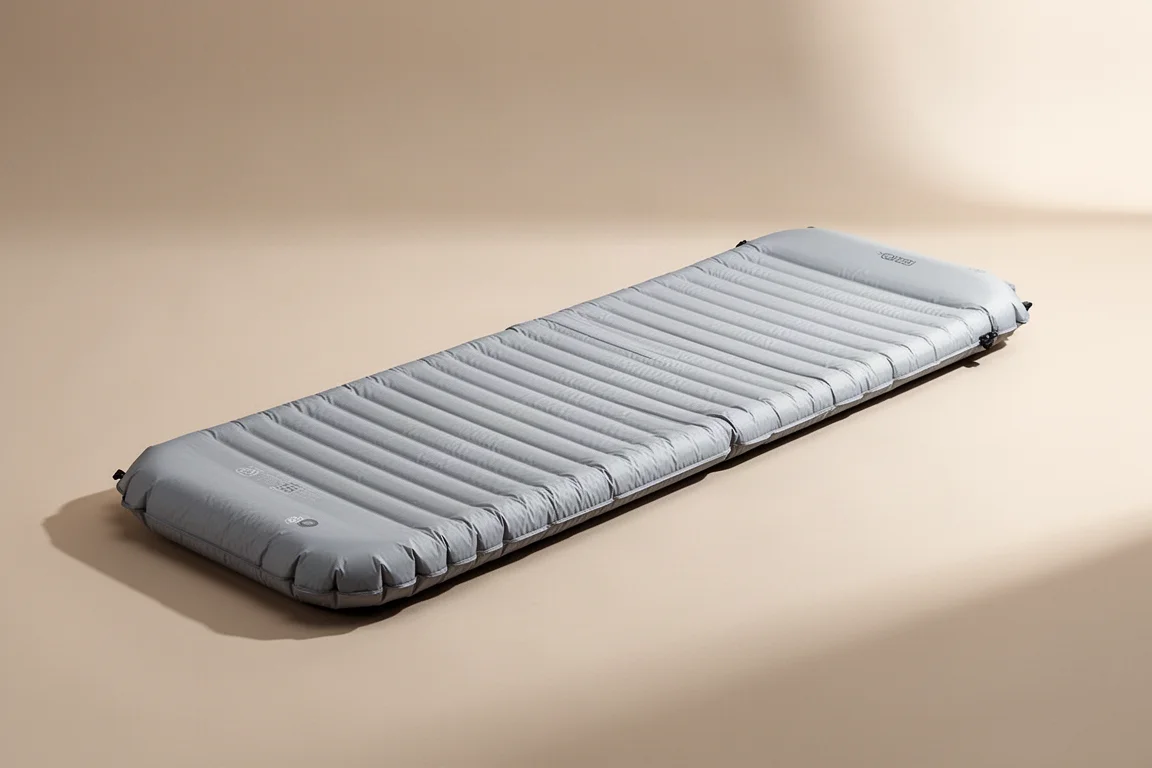
Two things made this pad look like a poor fit at first. It launched in a 20-inch width only, and 25-inch pads have generally felt more comfortable. It is also a super-ultralight pad, a category where at least one comparable model was discontinued after too many warranty claims, which makes thin materials and a very small packed size feel risky.
In use, the pad was more comfortable than expected, even at 20 inches wide. The ultralight materials have some give to them, which adds cushioning, and it kept the sleeper warm down to just above freezing. Durability has held up so far: about a dozen trips, including time placed directly on the ground outside a tent, with no punctures, rips or tears. It has been treated carefully, as super-ultralight gear should be.
The open question is long-term durability. Welds are the part most likely to fail over time, and a mid-trip puncture means sleeping on the ground. A simple pre-trip habit helps: inflate the pad, leave it overnight, and confirm it still holds air. It is also worth tracking how these pads hold up across a wider pool of owners before committing.
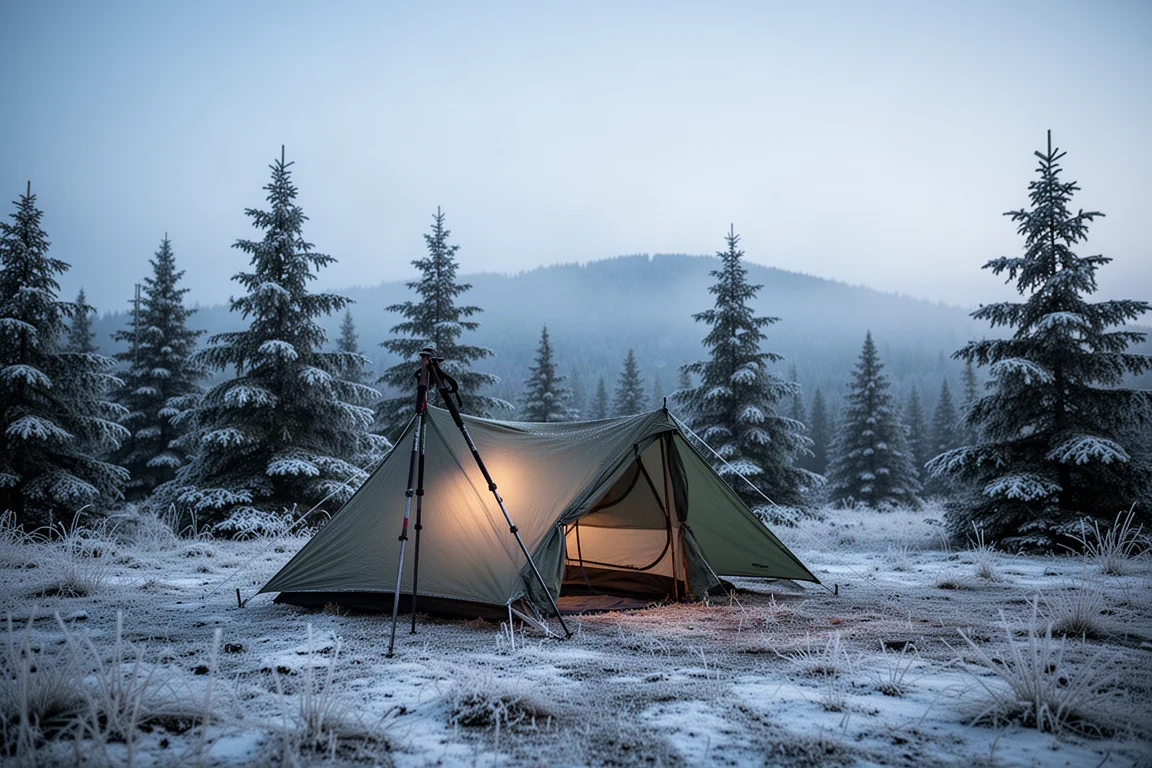
Durston X-Dome 2: A Roomy Two-Person Shelter
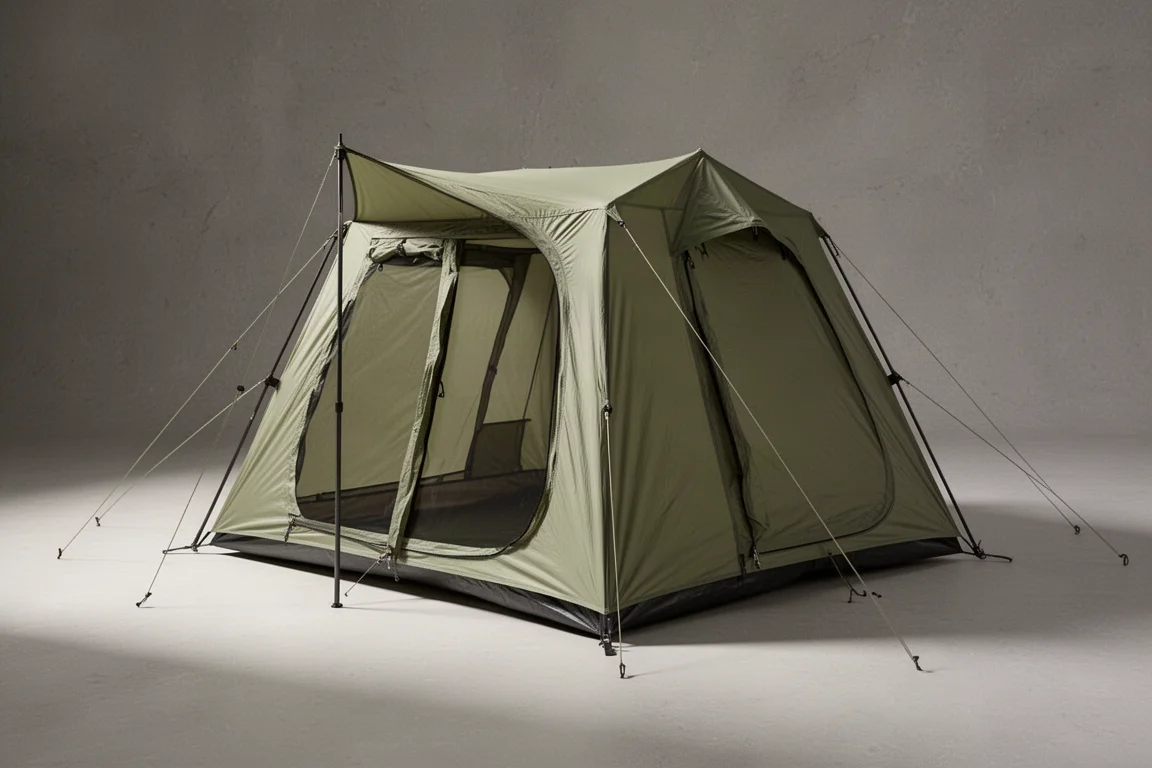
Three concerns stood out. The first was room: it can just fit two 25-inch wide pads, with almost no gap between the pad edges and the tent walls. The second was wind. On its very first trip, in rising wind, the shelter was taken down and the night was spent in a truck rather than risk damage on a first outing. Large vertical side panels catch wind, unlike a vestibule pulled out and staked at an angle to deflect it. The third was poles: aluminum connectors joining the carbon fiber pole sections have had glue problems across this tent series.
Two of those concerns eased. The roominess worry was misplaced. This is a true two-person tent, and any larger floor plan would push it into three-person territory. The geometry leaves usable corner space for gear, the near-vertical walls make the interior feel generous, and two people can sit up without bumping shoulders. Wind performance improved with a fuller guy-out and additional stakes. It should handle roughly 50 to 60 km/h winds, though it is not the most wind-worthy tent available, so sheltered pitches still matter.
On poles, no issues have appeared on this tent, and the brand has moved quickly: pole sets have been replaced for affected owners, the glue process is being improved, and a full carbon pole set is coming, with carbon connectors replacing the aluminum pieces. Until then, carrying a small tube of super glue is a practical fallback, or waiting for the carbon poles is a reasonable option.
The remaining drawbacks are clear. This is not an extreme storm-worthy shelter, so it is not a four-season tent and not a good match for very windy locations. And some buyers will simply want more space than a roomy two-person tent provides.
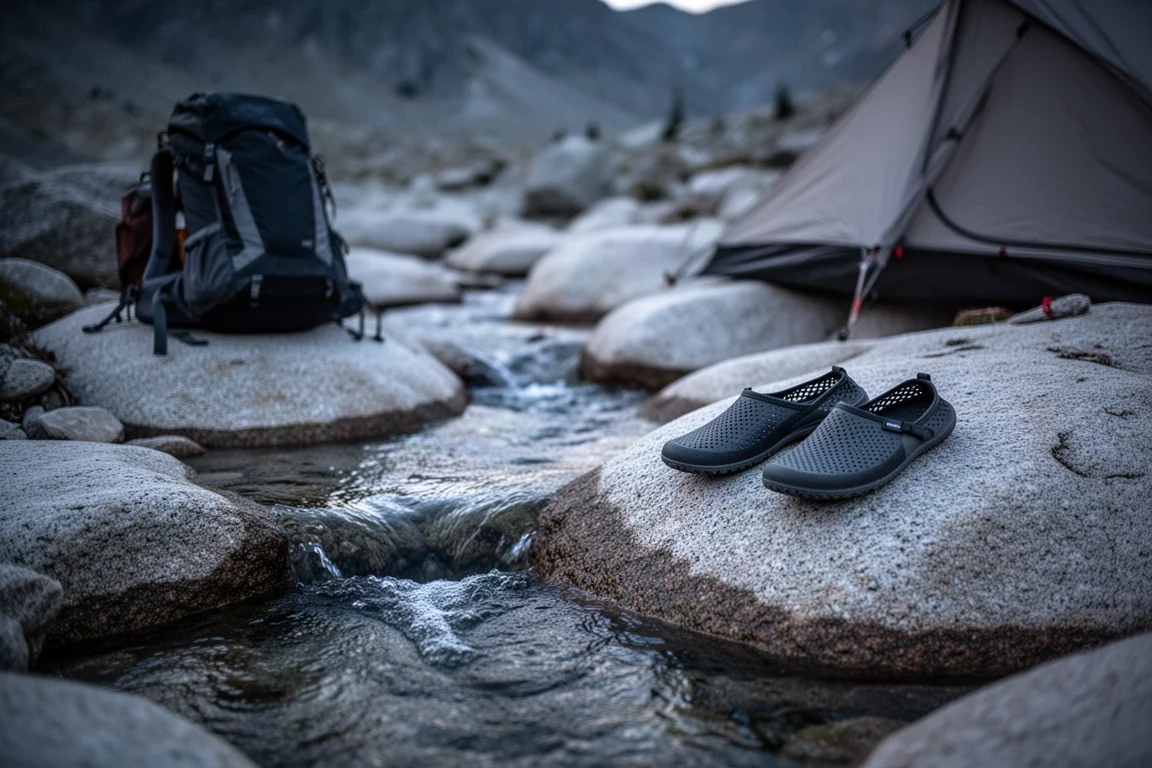
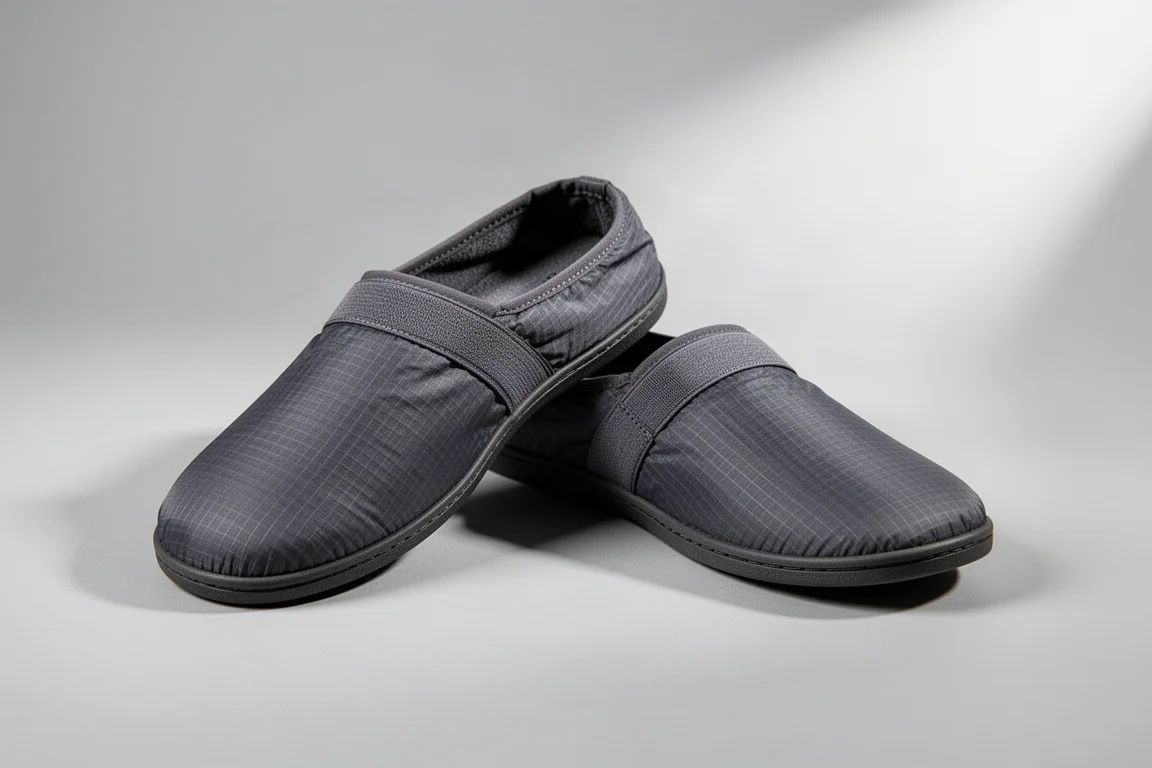
Zpacks Camp Slipper: Lightweight Camp Shoes That Hold Up
The doubts here were typical of ultralight footwear: too many compromises, not comfortable enough to walk in over uneven ground, stitching too light to survive, and no chance of wading a small stream.
Most of that turned out to be wrong. These slippers walk well enough that longer trips to stash a bear can or collect water from a stream happen without a second thought, where other ultralight camp shoes would come off first. After roughly four months of near-constant use, they have held together with no issues. The stitching where the upper meets the sole was the main worry, and after about 50 days it is holding up well, though it will not last for thousands of days. The sole shows almost no wear.
The design explains much of it. A fully enclosed toe lets you slide a foot in, and an elastic band locks it on, which is far less fiddly than strapped camp shoes during a middle-of-the-night trip outside the tent. The firm sole handles rocks and sticks without feeling like every one is pressing into your foot.
Two drawbacks remain. The sole is still thin, so sharper sticks and rocks come through as pressure, and it will wear out eventually. The heel lock also lets the heel slide a little, not much, but it does not always stay centred on the sole.
That combination makes these a strong choice for camp comfort and short walks, and a less obvious one for anyone who wants a camp shoe that doubles as a real hiking shoe.
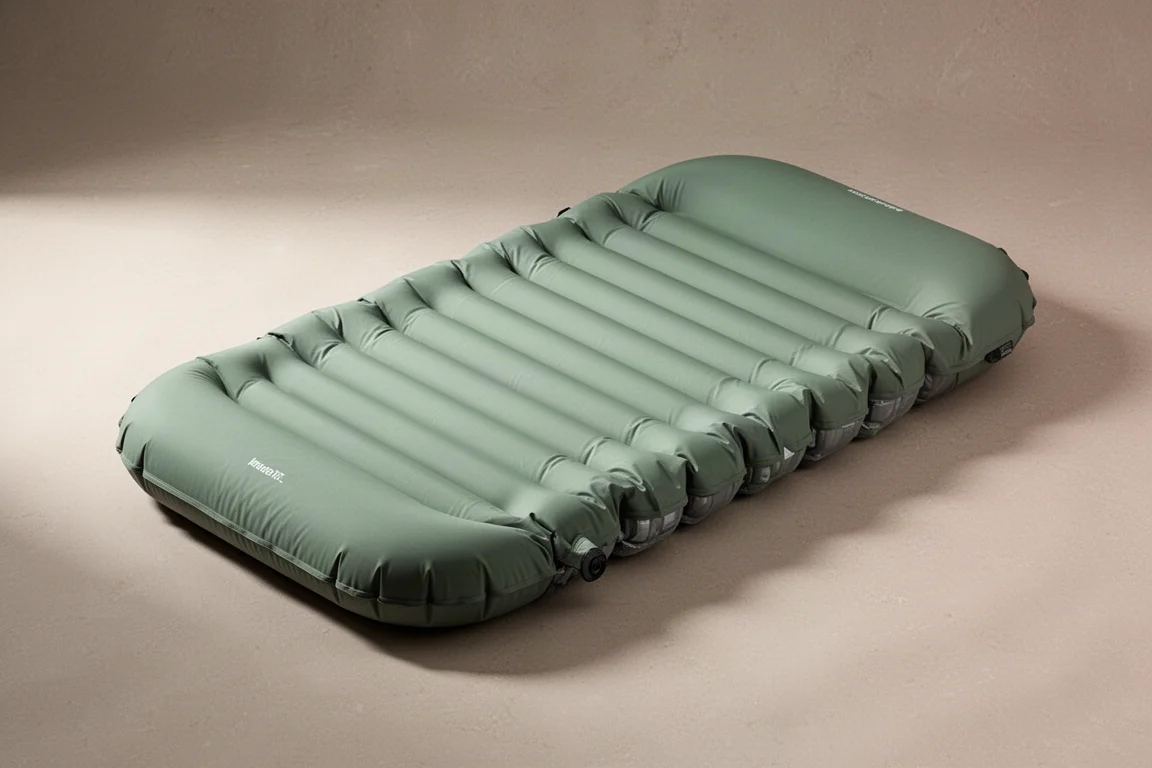
Sea to Summit Ether Light XR Sleeping Pad: Warmer and Lighter
Expectations were low here. The previous generation of this pad was comfortable but slept cold, noticeably colder than its R-value suggested, and it had durability problems, including a weld failure that leaked air, alongside many similar reports from other owners. A high failure rate after a year or two of use would not have been surprising.
The newer version has been a pleasant surprise. No durability issues have appeared so far, though the earlier pad took about a year and a half before its welds failed, so time is still the real test. Warmth is the bigger improvement: it has tracked close to its R-value in below-freezing conditions. It is also lighter than before and packs down smaller.
Two things to keep in mind. Durability remains unproven, so it is worth watching owner reports for weld failures over the next year or two. And while comfort is on par with the previous version, this series may fall behind in a generation of pads with stretchy top fabrics and very thick profiles. With the pad newly released, a refresh is likely a few years away.
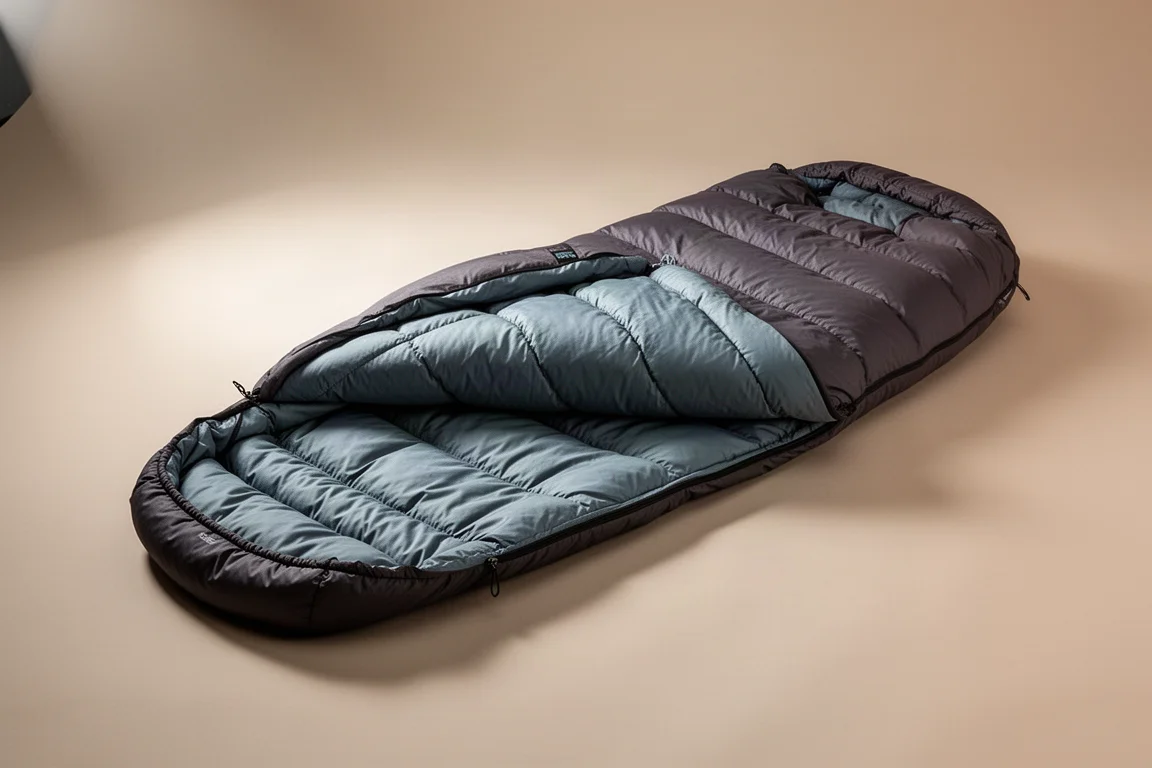
Zenbivy Winter Bed: A Cold-Weather Quilt System
This is a quilt system built for very cold weather, rated to minus 5 degrees Fahrenheit, and the neck area looked like the weak point. There is no snap on the collar, the draft tube is not especially large, and the cinch does not lock the whole neck assembly around the shoulders and head, which suggested significant heat loss once temperatures dropped.
Tested at the cold end of its range, the system stayed warm. Very little heat escaped around the neck and shoulders, and any loss was offset by how warm the rest of the quilt ran. The quilt’s main promise also held up: it is possible to toss and turn underneath it much as you would with a quilt, while side draft panels keep it locked to the sleeping pad and block drafts from creeping in. Changing position was easy, and warmth was never the cost.
The neck area is still the limiting factor. It is hard to see this system working far below its rating, because at minus 30 or minus 40 degrees the smallest gap lets cold air in and heat loss becomes significant. A future extreme winter version with snaps and a closable neck could change that, but for its rated range this is a genuinely comfortable option.
Long-Term Ownership: What to Monitor
Ultralight gear rewards a little attention. On super-ultralight sleeping pads, welds are the failure point to watch, which is why an overnight inflation check before each trip is worth the few minutes. On trekking pole tents, the connectors between pole sections are the part to inspect, and a small tube of glue in a repair kit covers the interim. On thin-soled camp footwear, watch the stitching where the upper meets the sole, and accept that a very thin sole has a finite life.
None of this is a reason to avoid the category. It is simply the trade that comes with low weight, and knowing where to look makes the gear far less of a gamble on a long trip.
Choosing the Right Pick for Your Trips
The right choice depends on which compromise you can live with. If pack volume and weight matter most and you sleep fine on a narrower pad, the ultralight sleeping pad is the standout. If interior space and headroom matter more than storm resistance, the two-person shelter delivers a genuinely roomy interior for its class. For camp comfort and short walks in the dark, the camp slippers are the easy win. If warmth in below-freezing conditions is the priority, the insulated pad and the winter quilt system are the two pieces that carried their weight on cold nights.
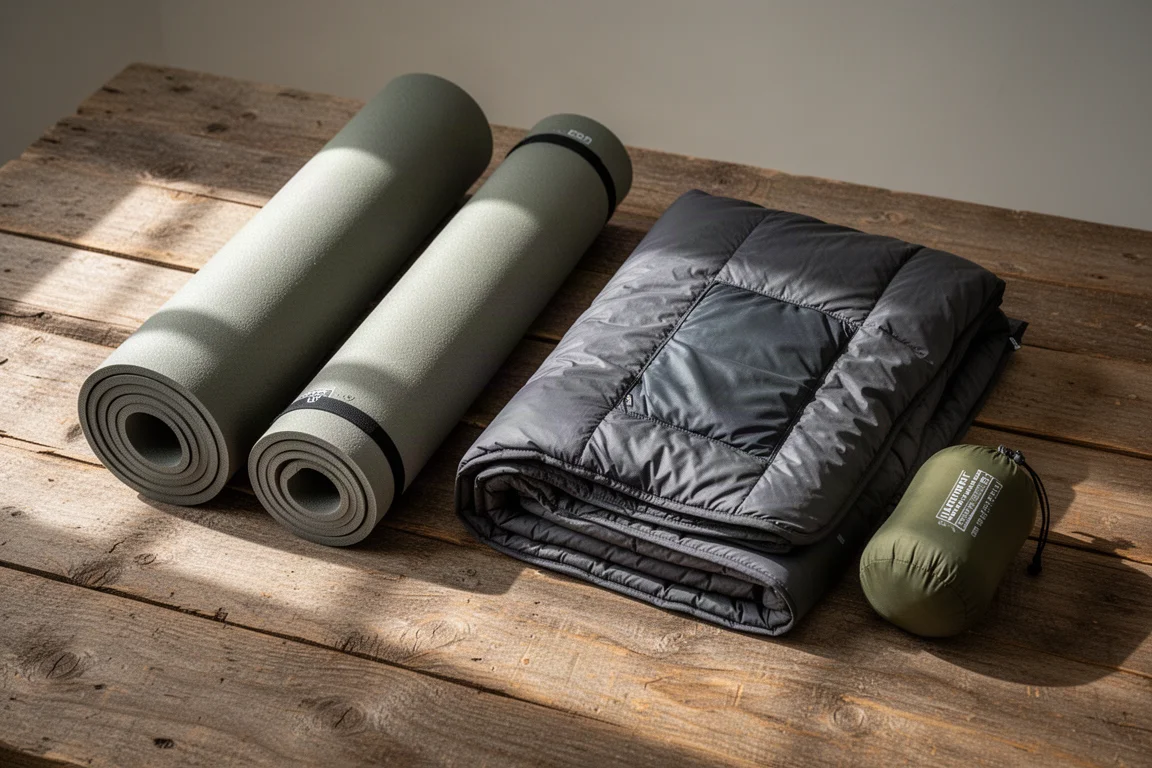
Buying all five is not the point. Each one solves a specific problem, and the value comes from picking the one or two that match the trips you actually take.
Conclusion
First impressions are useful but not final. Each of these five items had a real reason to look doubtful, and each one either answered that doubt in the field or left it standing honestly. The super-ultralight pad and the roomy two-person shelter turned out better than expected, the camp slippers proved far more capable than their weight suggests, and the insulated pad and winter quilt system delivered warmth where it mattered most. Read each entry against your own priorities, and the decision becomes much simpler.
Further reading
Related Reviews

Backpacking Gear
Building a 10 lb Base Weight: An Ultralight Backpacking Gear List
A practical walkthrough of the ultralight pieces behind a 10 lb base weight, from a 765 g pack and a roomy one-person tent to a full camp chair and a dependable water filter.

Backpacking Gear
A 15-Pound Lightweight Backpacking Gear List for Solo Trips
A beginner-friendly 15-pound backpacking setup built from easy-to-find gear, with notes on what each piece does, how it packs, and where to spend your attention.

Backpacking Gear
8 Ultralight Backpacking Gear Upgrades Worth Carrying
Eight small, affordable backpacking upgrades that solve real trail annoyances, from a pillow that stays put to a fuel valve that rescues leftover canister gas.