Backpacking Gear
Five Ultralight Backpacking Gear Picks Worth a Second Look
Five ultralight backpacking pieces, from a 20-inch sleeping pad to a minus 5 degree quilt system, with the strengths that held up and the trade-offs that still matter.
Introduction
Ultralight gear invites skepticism, and for good reason. Every gram saved tends to come out of something: durability, comfort, or the margin of error you get when the weather turns. The five pieces below all raised doubts on paper, whether because of an unusual size, a very thin fabric, or a family history of reliability problems.
Each section covers what looked like a problem at first, what actually held up in the field, and the trade-offs that are still worth weighing before you buy. None of these are unconditional recommendations, and that is the point. The goal here is to help you match a piece of gear to the trips you actually take.
Nemo Tensor Elite Sleeping Pad: Surprising Comfort in a 20-Inch Width
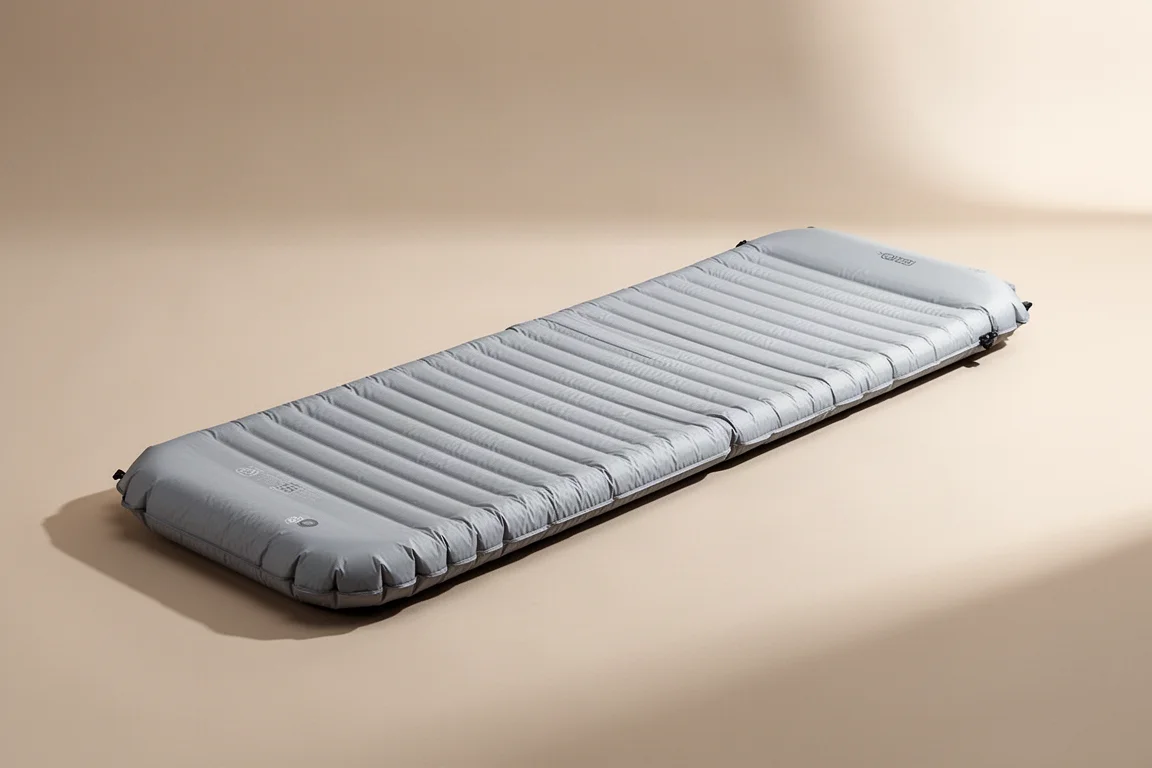
The Tensor Elite is a super ultralight sleeping pad, and it launched in a 20-inch width only. For anyone who has settled into a 25-inch pad, that is an immediate question mark. The second doubt was durability. This pad competes in the same class as a now discontinued super ultralight model that was pulled from the market after too many warranty claims, and the materials here are thin enough that the packed size alone does not inspire confidence.
Field use told a different story. Even at 20 inches wide, the pad is more comfortable than its dimensions suggest, and the ultralight fabric has a little give to it that adds cushioning. It also stayed warm down to just above freezing, with no trouble at that temperature. After roughly a dozen trips, including time spent directly on the ground rather than inside a tent, there have been no punctures, rips, or tears.
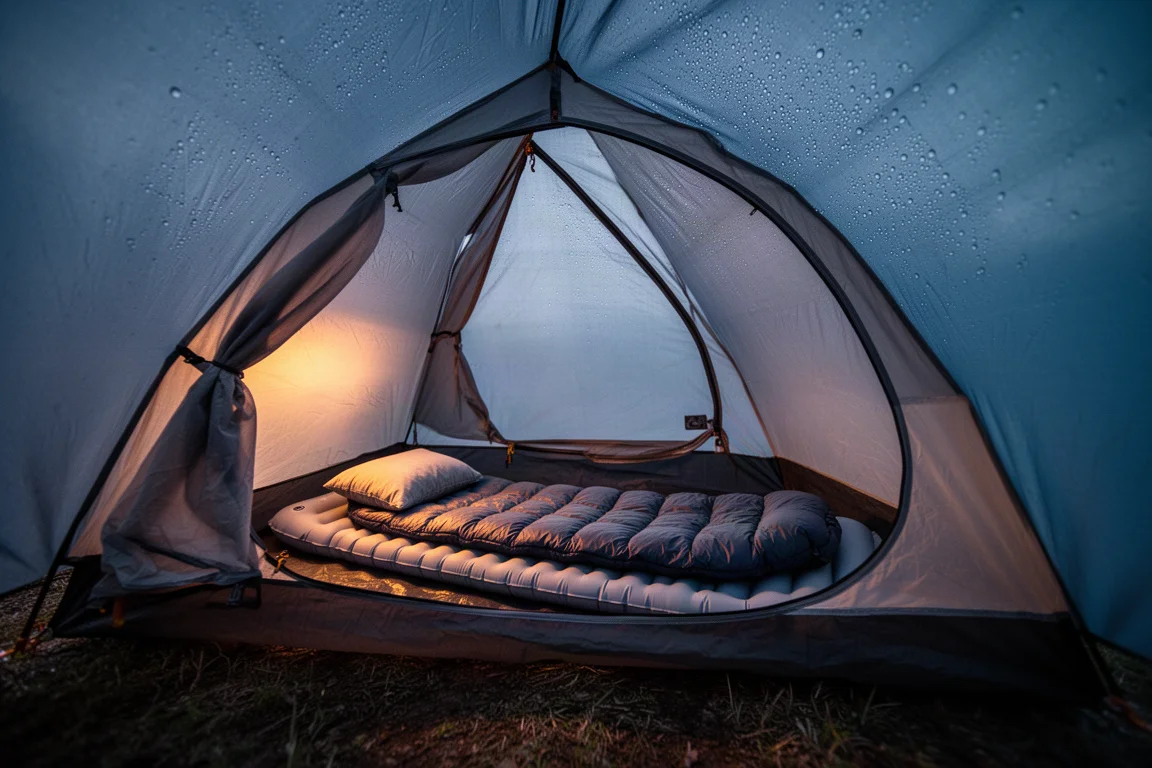
The open question is the welded construction. Seams are the usual failure point on pads this light, and a pad that loses air mid-trip means sleeping on the ground. Inflating it and leaving it overnight before a trip is a sensible habit. The Tensor Elite rewards careful owners who want the smallest possible pack size, and it suits anyone willing to accept that a super ultralight pad is a considered purchase rather than a rugged one.
Durston X-Dome 2: A Genuinely Roomy Two-Person Shelter
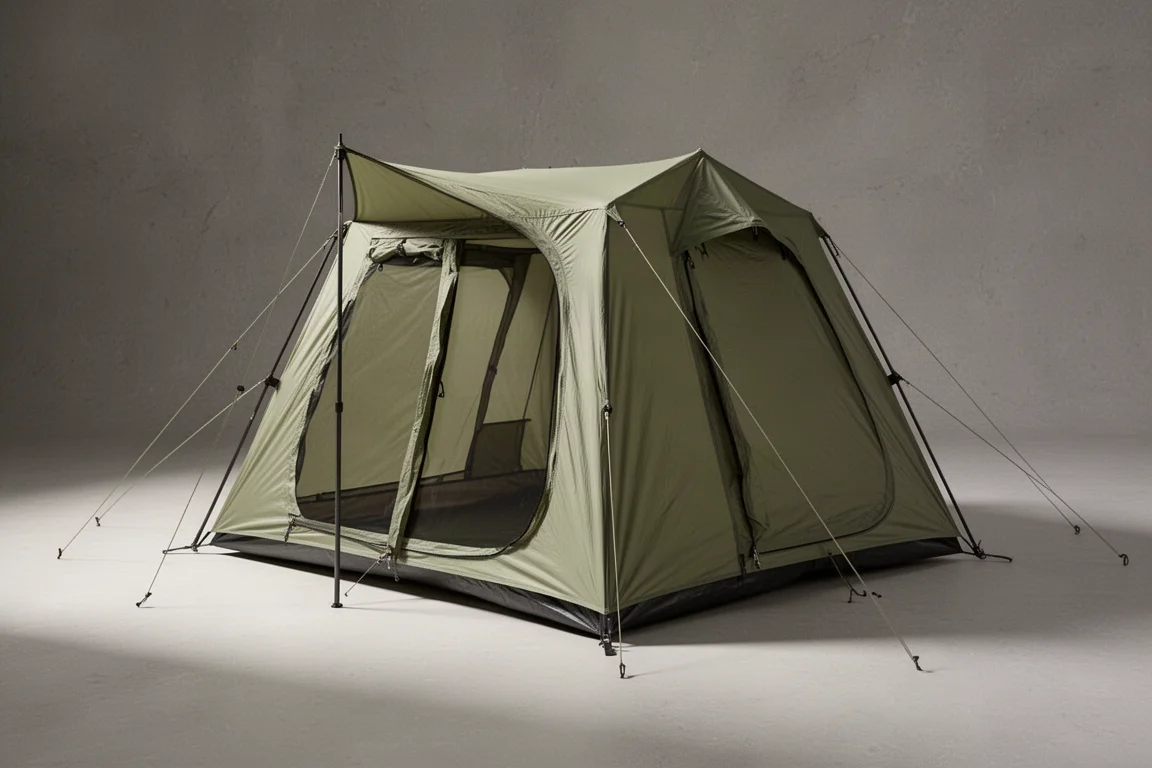
Three things raised doubts about the X-Dome 2. First, roominess: it fits two 25-inch wide pads with essentially no margin between the pads and the walls. Second, wind performance. The tent has four large, nearly vertical walls that catch the wind rather than deflecting it, and on a first outing in breezy conditions it felt exposed enough that it was taken down in favour of sleeping elsewhere. Third, poles. The connector pieces that join the carbon fibre pole segments across this tent family have had glue failures, with pieces coming loose on earlier models.
Two of those doubts turned out to be misplaced. The X-Dome 2 is a true two-person tent, and going any larger in floor dimensions would push it into three-person territory. The floor geometry leaves usable storage space in the corners, and the vertical walls create a lot of interior volume. Sitting up inside, even with a second person alongside, does not mean bumping shoulders. It feels considerably larger than the footprint suggests.
Wind performance improved with a fuller pitch. With the tent fully guyed out and additional stakes, it can handle a decent blow, roughly in the 50 to 60 km/h range, though it is not the most wind-worthy shelter available and choosing a protected pitch still matters.
The pole issue has been addressed at the brand level, with replacement poles issued to affected owners and a move to a fully carbon pole set that removes the aluminium connector pieces entirely. Carrying a small tube of super glue is a practical safeguard in the meantime.
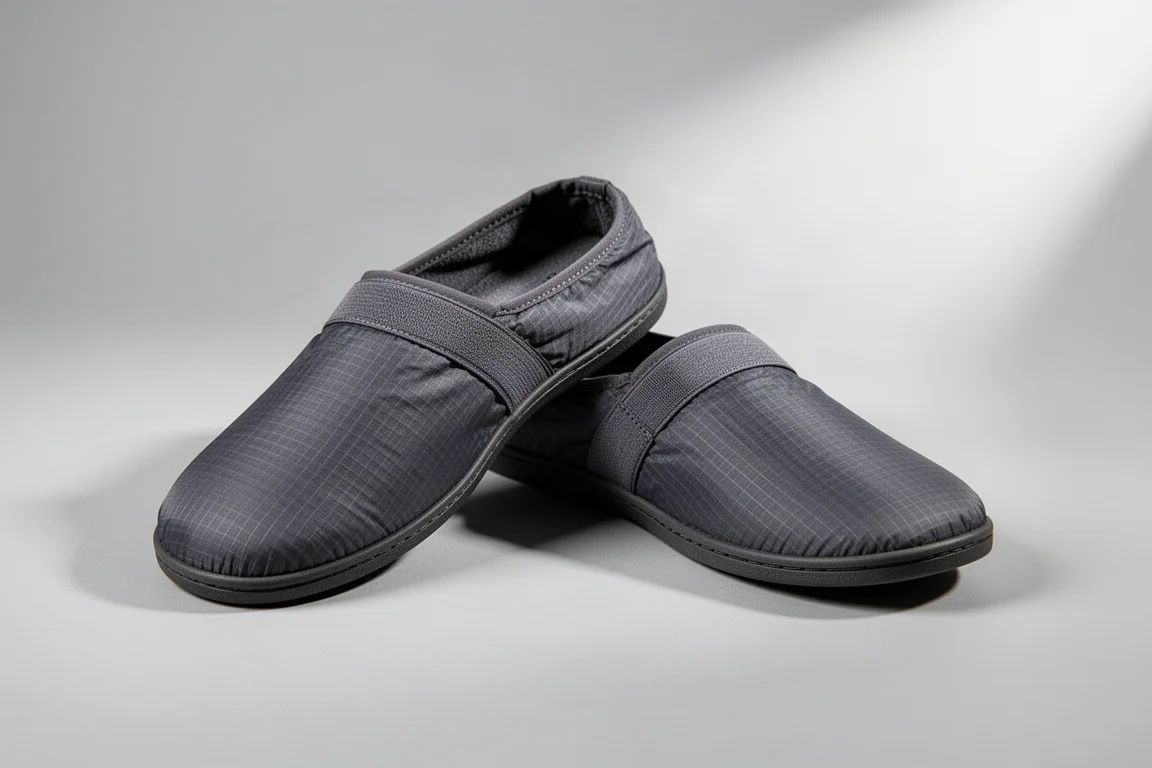
Zpacks Camp Slipper: Light, Simple, and Tougher Than Expected
An ultralight camp slipper invites a lot of skepticism: not comfortable, not stable over rough ground, and unlikely to be durable given how light the stitching looks. Walking through a small stream in them seemed out of the question.
In practice, they walk surprisingly well. Long trips to stash a bear canister or fetch water from a stream pass without much thought, which is not always true of ultralight camp shoes. They have held together through roughly four months of near-constant use, about 50 days, with no failures. The area around the sole edge, where the upper meets the base, was the main concern, and while it may not survive thousands of days, it is holding up well so far. The sole itself shows almost no wear.
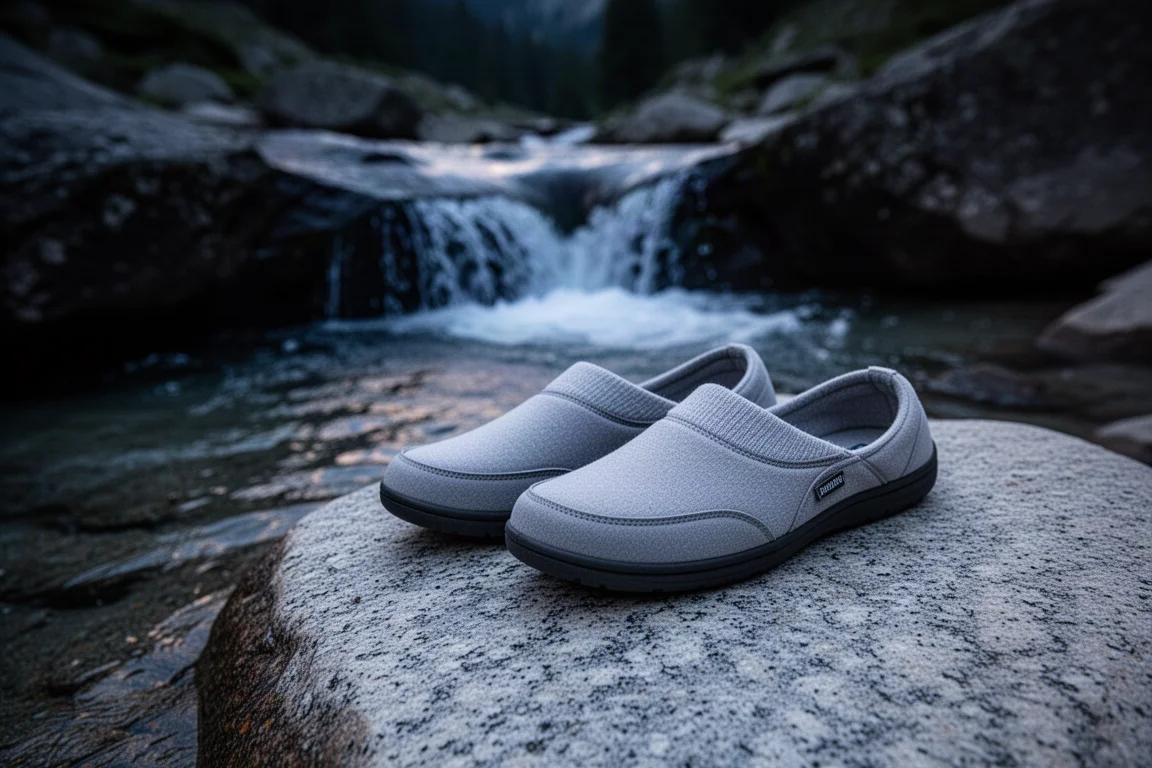
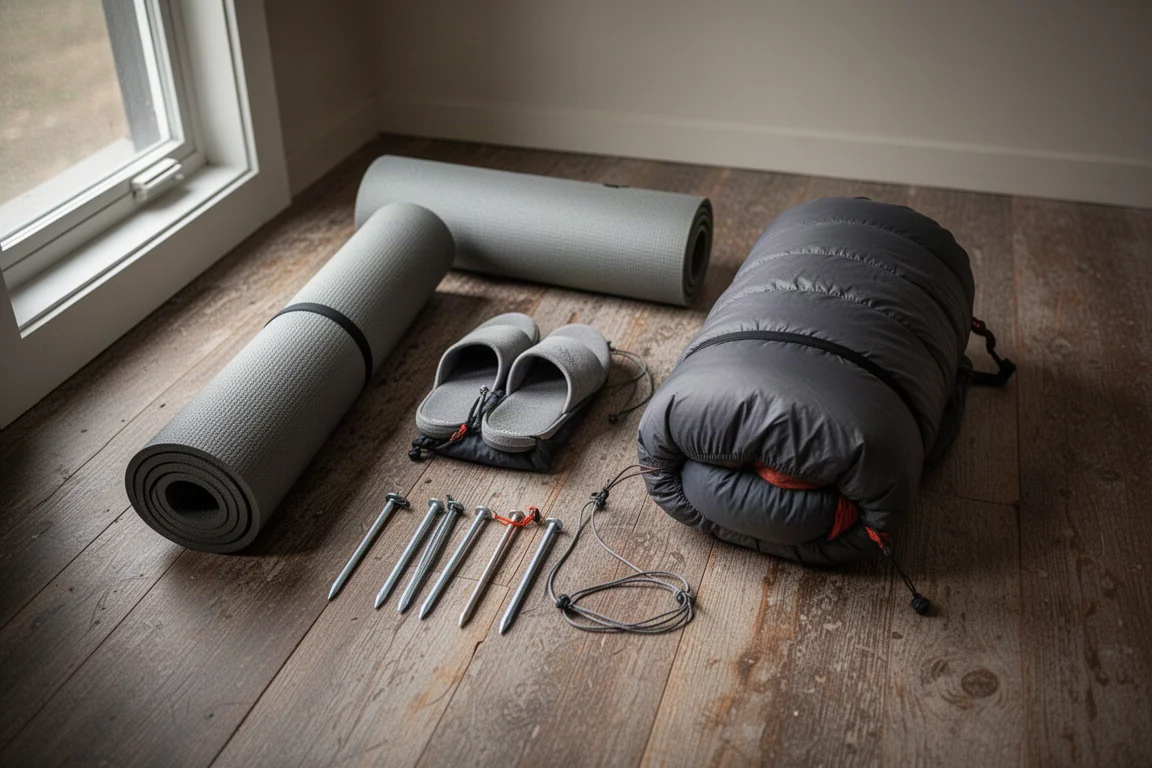
What makes them stand out is the design: a fully enclosed toe you slide your foot into, an elastic band to hold it in place, and a firm sole that protects against rocks and sticks rather than letting you feel every one of them. That combination makes them genuinely useful for middle-of-the-night trips outside the tent, when you want something you can slip on without fiddling.
The drawbacks are real but predictable. The sole is thin, so sharper sticks and rocks still register underfoot, and it will wear out eventually. The heel lock system also lets the heel slide a little, so the foot does not always stay centred on the sole.
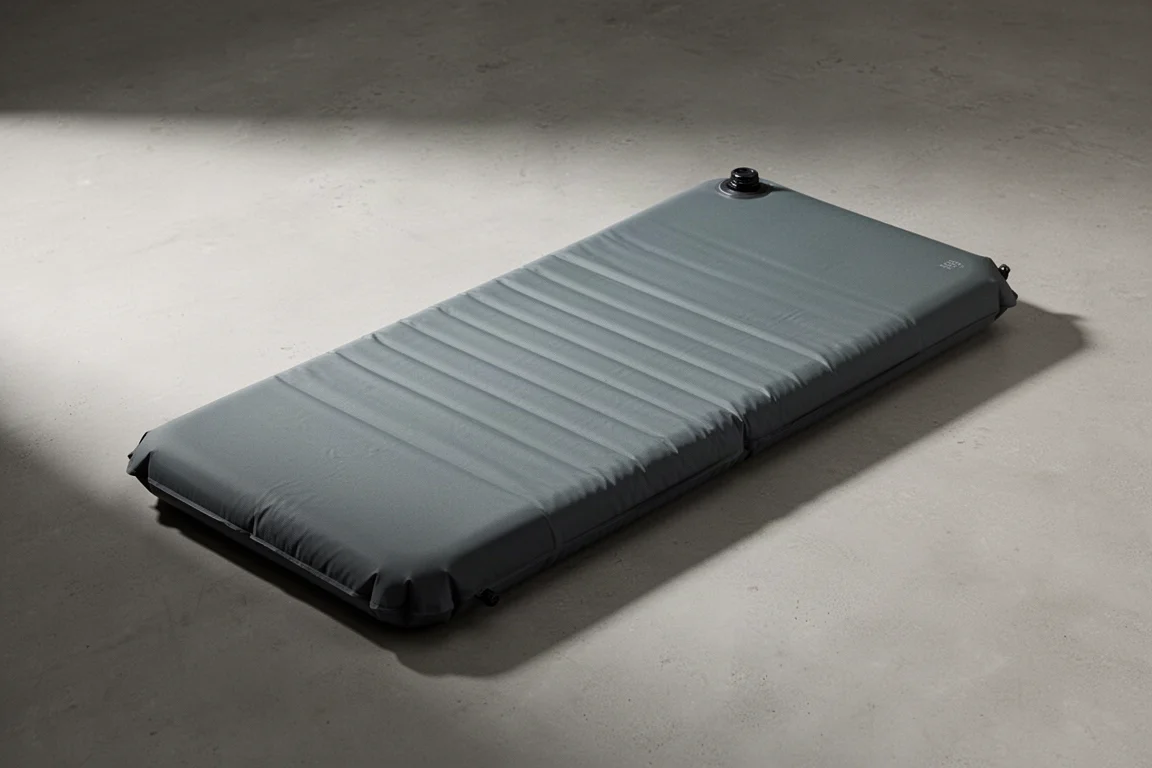
Sea to Summit Etherlite XR: Warmer and Lighter Than the Pad It Replaces
Expectations for this pad were low, and the previous generation explains why. That model was comfortable but slept cold, noticeably colder than its R-value suggested, and it had durability problems, including a weld failure that caused a leak after about a year and a half of use. Those failures were not isolated.
The Etherlite XR has been a pleasant surprise on both counts so far. It has been warm, essentially true to its R-value in below-freezing temperatures, and it is lighter and packs down smaller than the pad it replaces. Durability is still the open question, since the previous version took well over a year to fail, and welded seams remain the part to watch.
There is a broader consideration too. Sleeping pad design has moved toward stretchy top fabrics and greater thickness, and this series risks being left behind in that shift. With the XR newly released, a refresh is likely years away. It is a strong option for anyone prioritising warmth and packed size, provided they keep an eye on seam performance over the first few seasons.
Zenbivy Winter Bed: A Quilt System Built for Serious Cold
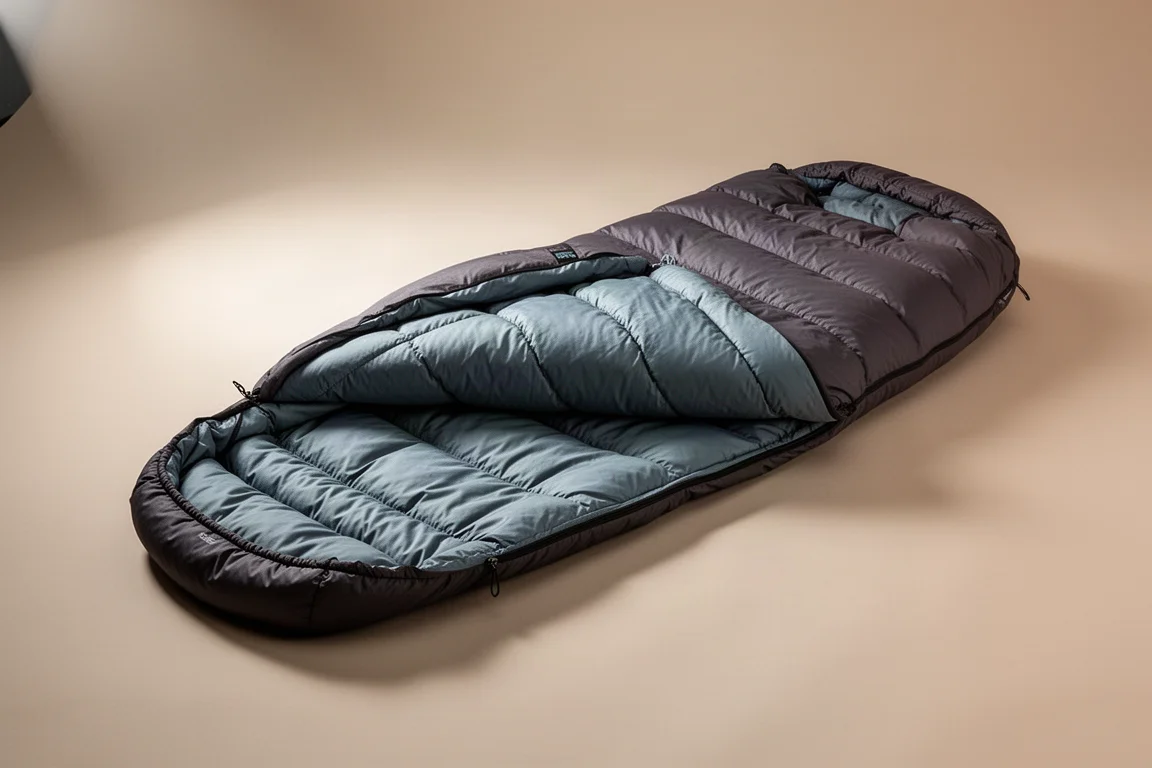
The Winter Bed takes a quilt system and pushes it toward genuinely cold conditions, with a rating of minus 5 degrees Fahrenheit. The neck area is where it looked weakest: there is no snap on the collar, the draft tube is modest, and the cinch does not fully lock the neck opening around the shoulders and head. That combination usually means heat escaping exactly where you notice it most.
In cold conditions, the system stayed warm, with little heat lost around the neck and shoulders, and the rest of the quilt compensated for what did escape. It also kept the quality that defines this style of bedding: you can toss and turn underneath it as you would under a quilt, while side draft panels keep the quilt attached to the sleeping pad and block air from creeping in. Shifting positions through the night worked without letting cold air in.
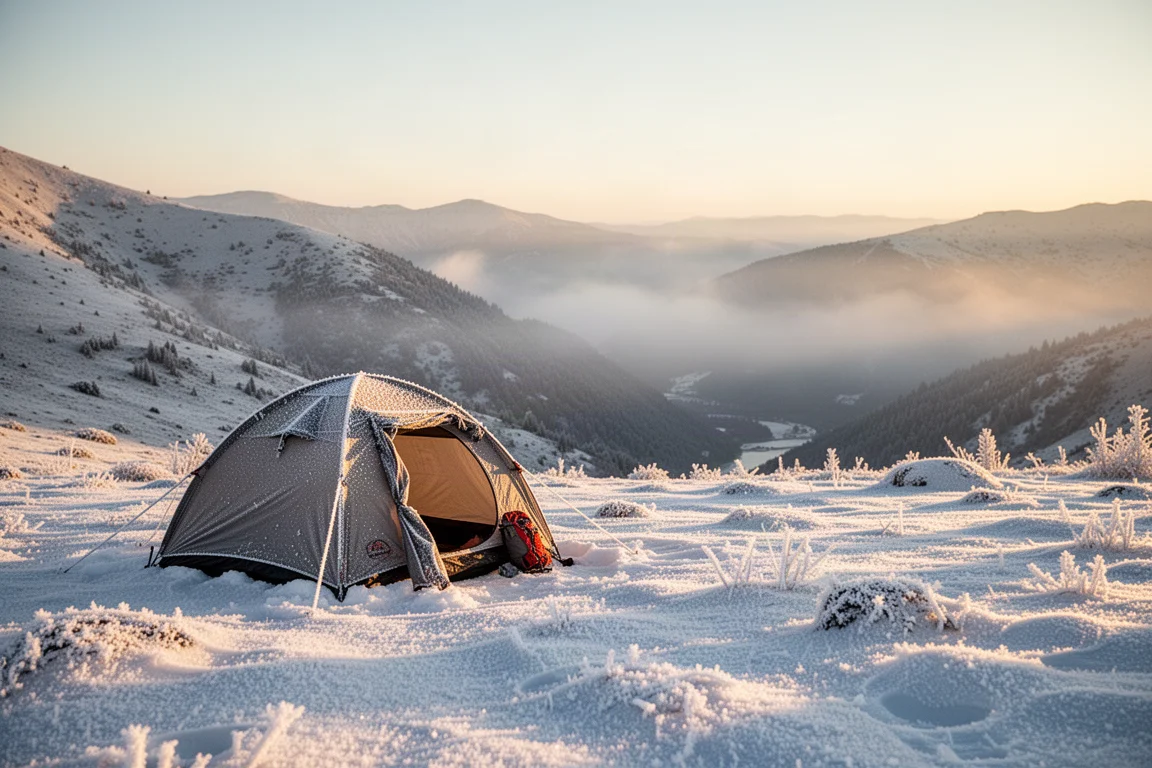
The neck area remains the limiting factor. Pushing much below minus 5 degrees Fahrenheit would be difficult with the current design, because at those temperatures even a small gap lets cold air in and heat loss climbs quickly. A future extreme winter version with snaps and a closable neck could change that, but for now this is a system for cold nights rather than polar ones.
Overall Buying Advice
The pattern across all five pieces is the same: each one trades something for weight or packed size, and the right choice depends on which trade-off you can live with.
For sleeping pads, the Tensor Elite suits anyone who wants the smallest possible pack and is comfortable on a 20-inch width, while accepting that a super ultralight pad needs care and an occasional overnight inflation check. The Etherlite XR suits anyone who wants warmth that matches its rating and a lighter, smaller package, with the understanding that long-term seam durability is still being established.
For shelter, the X-Dome 2 works well as a roomy two-person tent for three-season use in moderate conditions, provided you pitch it with a full guy-out and stay aware of the pole situation. It is not a four-season tent, and it is not the right pick for very windy locations or for anyone who needs three-person space.
The Zpacks Camp Slipper is a straightforward win for anyone who wants a light camp shoe for reasonable terrain and middle-of-the-night errands, as long as a thin sole and a slightly loose heel are acceptable. The Zenbivy Winter Bed is the strongest match for cold-weather sleepers who want quilt-style freedom with draft control down to its rated limit.
Across all five, durability is the recurring theme. Ultralight gear rewards owners who inspect it, store it carefully, and treat seam and pole integrity as part of the routine rather than an afterthought.
Conclusion
Each of these five pieces looked questionable at first, and each one earned its place for a specific kind of trip. The Tensor Elite delivers comfort and warmth in an unusually small package at 20 inches wide. The X-Dome 2 is a genuinely roomy two-person shelter once it is properly guyed out. The Camp Slipper is light, easy to slip on, and tougher than its stitching suggests. The Etherlite XR runs warm and true to its rating while packing smaller than before. The Winter Bed holds heat well at minus 5 degrees Fahrenheit.
The common thread is that none of them are buy-and-forget products. Choose the one that matches your conditions, and stay attentive to the seams and poles that matter most.
Further reading
Related Reviews

Backpacking Gear
Building a 10 lb Base Weight: An Ultralight Backpacking Gear List
A practical walkthrough of the ultralight pieces behind a 10 lb base weight, from a 765 g pack and a roomy one-person tent to a full camp chair and a dependable water filter.

Backpacking Gear
A 15-Pound Lightweight Backpacking Gear List for Solo Trips
A beginner-friendly 15-pound backpacking setup built from easy-to-find gear, with notes on what each piece does, how it packs, and where to spend your attention.
Backpacking Gear
8 Ultralight Backpacking Gear Upgrades Worth Carrying
Eight small, affordable backpacking upgrades that solve real trail annoyances, from a pillow that stays put to a fuel valve that rescues leftover canister gas.