Backpacking Gear
Five Ultralight Backpacking Gadgets Worth the Grams
Five ultralight backpacking gadgets compared on weight, durability, and real campsite usability, with honest notes on price and trade-offs.
Introduction
Ultralight backpacking is a discipline measured in grams, and the most interesting gear is rarely the biggest item in the pack. It is the small stuff, the accessories you carry without noticing, that quietly changes how a trip feels.
The five items below are all aimed at that idea. Each one earns its place by being lighter, more usable, or more practical than the obvious alternative, and each one has a trade-off worth understanding before you spend anything.
What We Looked For in Ultralight Gear
Weight is the headline number, but it is not the whole story. A 2 g item that fails in hard ground is heavier in practice than a 15 g item that holds. So the evaluation here weighs four things against each other.
The first is measured weight, since that is what you carry on every step. The second is real durability, including how an item behaves when it is pushed into rocky or sandy ground or loaded beyond its comfort zone. The third is usability at camp, because a tool that is awkward to use stops being worth its grams. The fourth is price relative to what it replaces, since a saving of a few grams rarely justifies a large premium on its own.
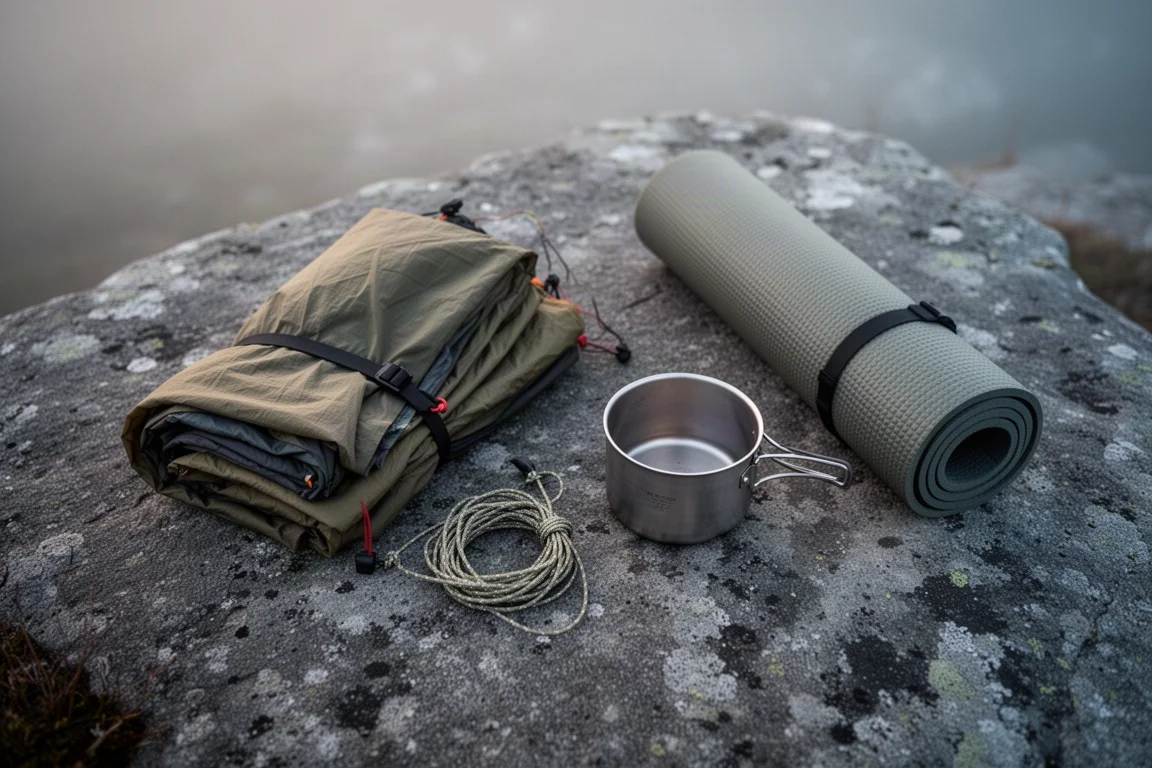
Two of the items here stand out because they solve small, specific annoyances rather than chasing a headline spec. The others are strong on paper and need a closer look at whether they actually replace something you already own.
Helinox Chair Zero LT
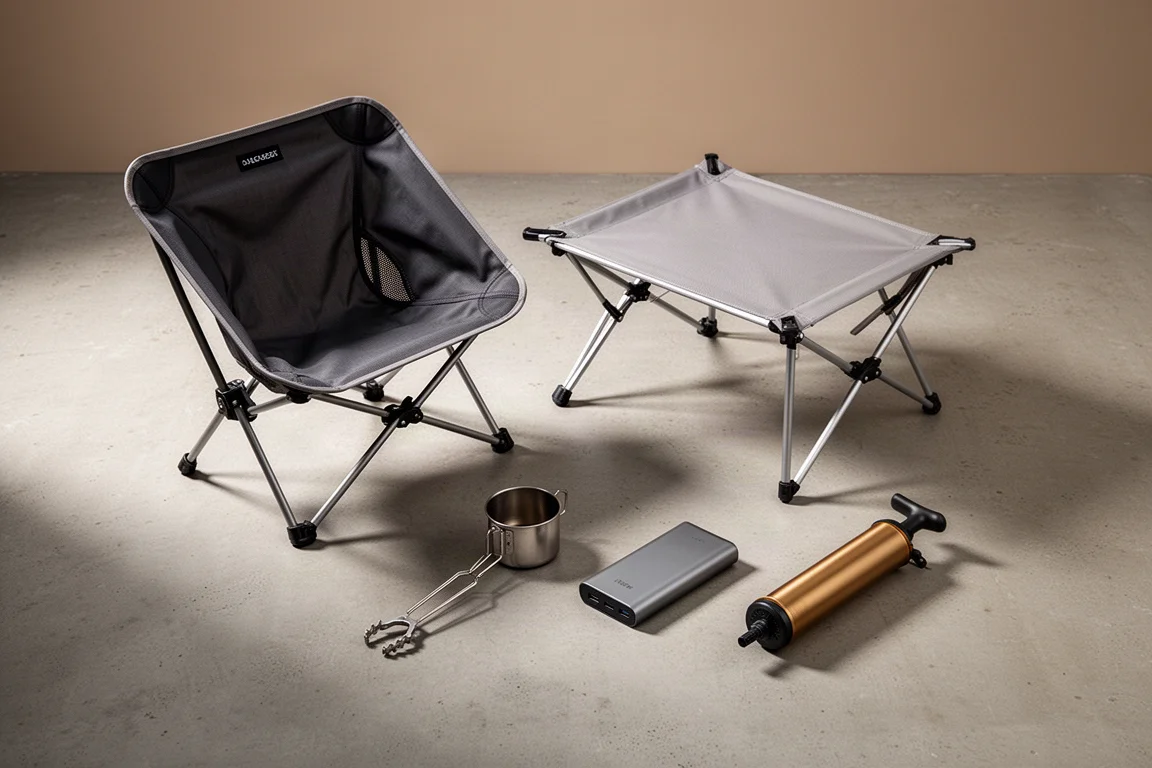
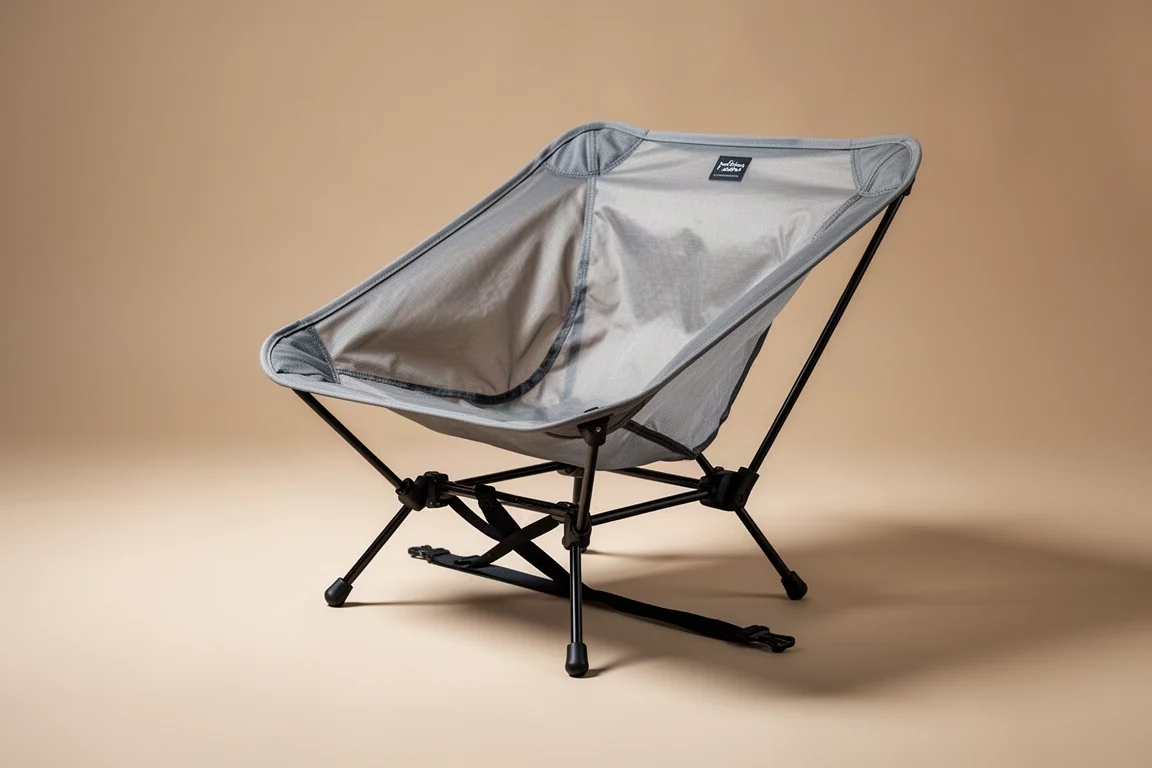
The Chair Zero LT is a modest revision rather than a reinvention. On the scale it comes in at 488 g, against 503 g for the older Chair Zero, so the weight saving is 15 g. The frame itself measures the same as before, which means the difference comes from a new fabric that is claimed to be more durable and more abrasion resistant.
The more meaningful change is the included X strap that connects the four feet. On soft ground such as mud or sand, it spreads the load and keeps the legs from sinking in as far, which matters because a chair that sinks unevenly is also a chair under stress. In sandy conditions it visibly limits how far the legs drop.
At $160, the Chair Zero LT undercuts the Moonlight Elite by $30, and the strap is available separately for around $30 for anyone who already owns an older Chair Zero. The trade-off is stability and posture. It is not as stable as it once felt, and it does not really support sitting upright. You lounge in it, and if you lean forward to do something, the back support disappears.
Helinox Table Zero LT
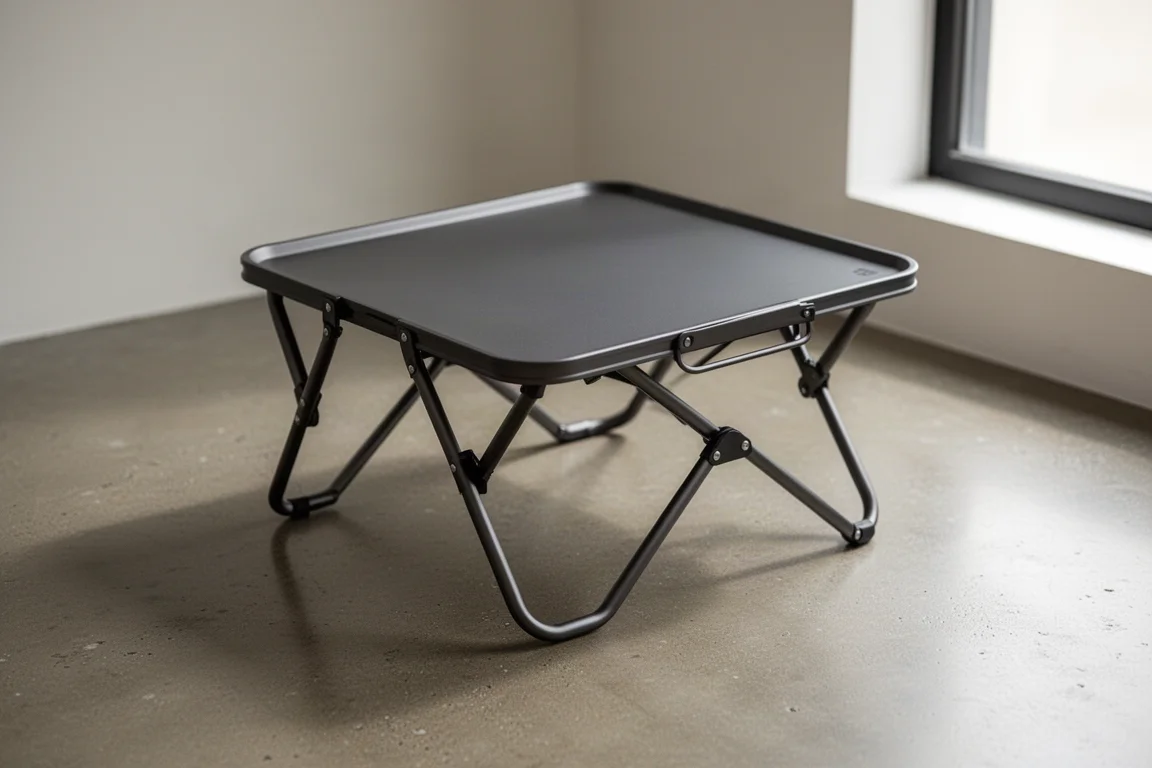
The Table Zero LT is the lightest table in this group by a wide margin. It weighs just over 200 g and is rated to hold 22 lb, while most comparable camp tables sit closer to a pound or more. It is also compact enough to slide into a pack horizontally, which is what makes it practical rather than a novelty.
The appeal is simple: it gets things off the ground. Cooking is easier from a seated position, a canister sits stably on the surface, and if you are travelling with someone else there is room for a card game. It feels adequate for those jobs, even if the full 22 lb rating is not something you would want to test.
Price is the sticking point. At $150 it is expensive for what it does, and it would be a much easier recommendation under $100. If a table is genuinely part of how you like to camp, this is the best version of the idea available. If not, it is a lot of money for a surface.
Ignis Gear Pot Grabber
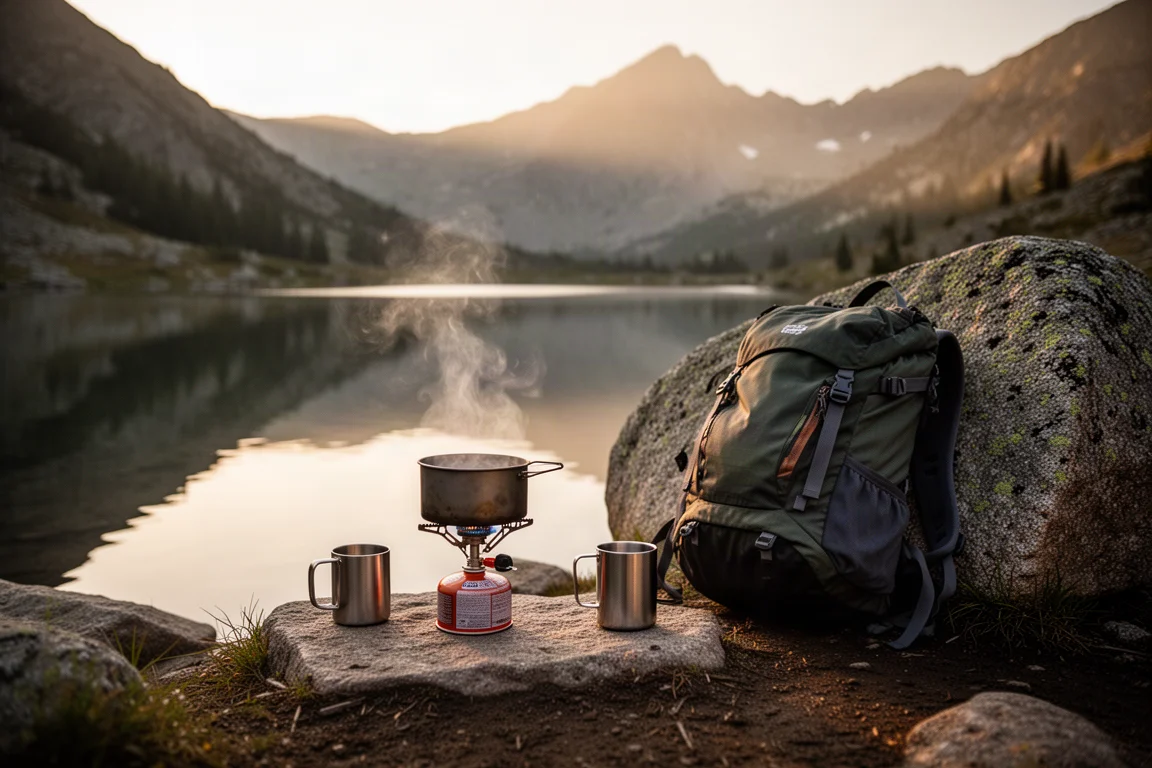
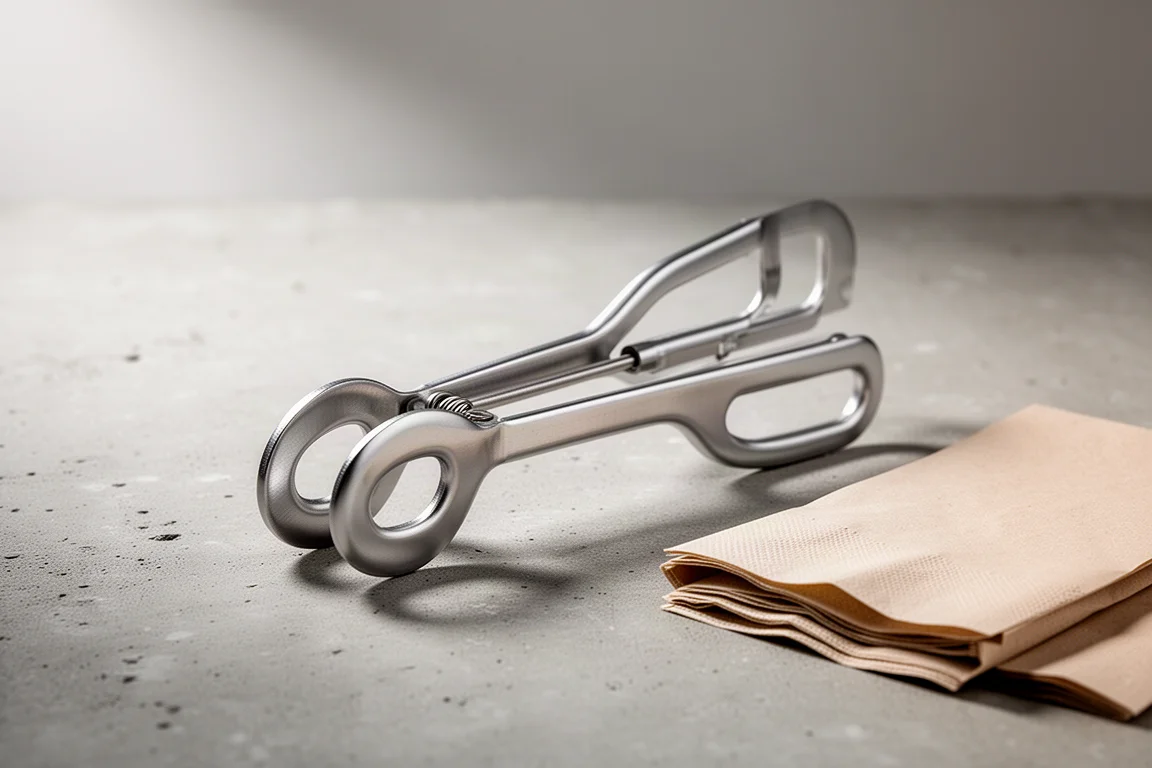
Handles on a cook pot typically add more than 20 g, and they get hot in use. A pot grabber sidesteps both problems: you keep it to one side, use it only when you need to lift the pot, and pour your water without touching anything warm.
The Ignis Gear version weighs 4.5 g and stands out for how stable it feels. Its grippers are noticeably wide, and it holds a full 750 ml pot confidently while pouring. A small Nitinol spring keeps the tool open at rest, and the arms have shaped finger spots so you can close it without fumbling for a pivot point.
That extra 1.5 g over a 3 g carbon fiber grabber buys real usability. The spring is rated for a very high number of cycles, which makes it durable enough to keep in a pack permanently, and the tool is small enough that you will not think twice about bringing it.
FlexTail Zero Power 5000
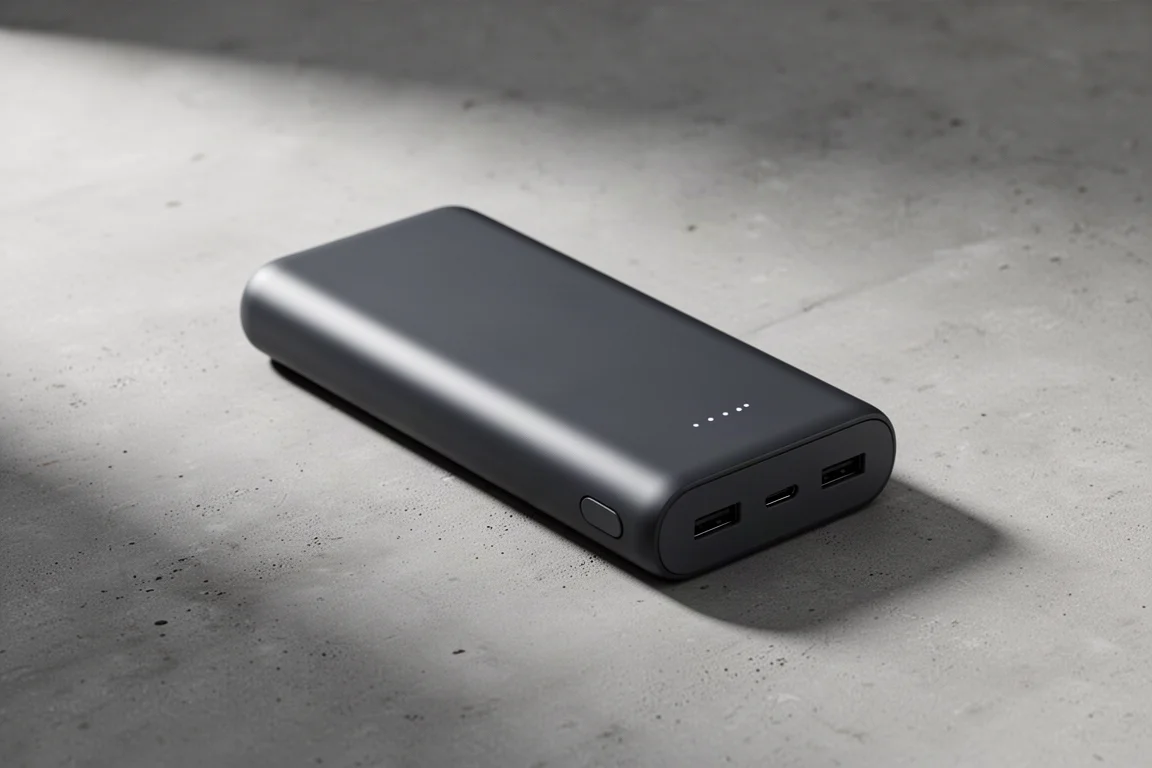
Most power banks under 100 g make you choose: one port, or a bigger battery. The Zero Power 5000 weighs 86 g and still offers two USB-C ports, which means a phone and a watch can charge at the same time instead of one after the other. It also supports 20 W input and output, so both directions are reasonably quick.
A small button and four indicator lights show how much charge is left. That sounds like a minor feature until you are running a small battery on a long trip and want to know exactly how much capacity remains.
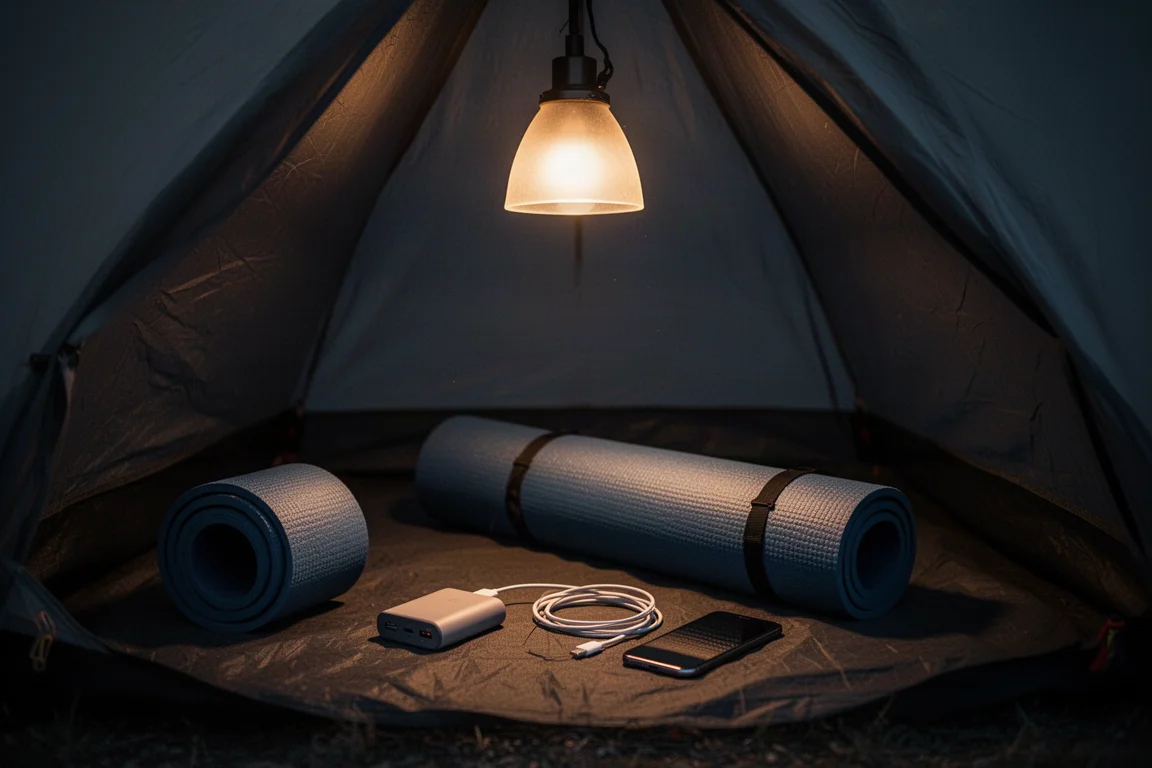
Capacity is where the comparison gets honest. A 6,000 mAh bank weighing 89 g offers more stored energy for essentially the same weight, so the two ports and the 20 W charging are what justify this model over that alternative. If you already carry a lightweight bank in the region of 100 g, this is an upgrade rather than a necessity.
FlexTail Tiny Pump 3X
The Tiny Pump 3X weighs 69 g, roughly half the weight of the larger Max Pump 3, while still inflating to 5 kPa. That pressure is enough to fill a packraft, and the adapters cover the most popular sleeping pads.
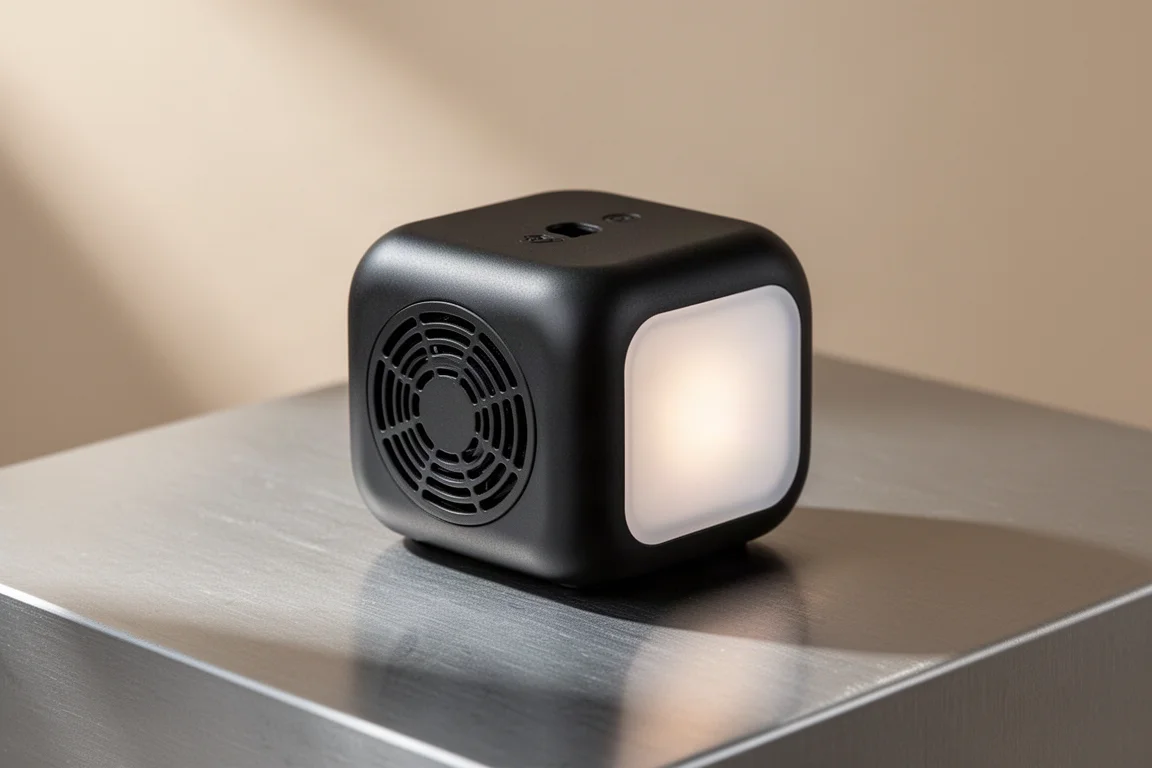
What makes it more than a pump is the built-in light. A loop on the base lets you hang it inside a tent at night or set it on a table around camp, which turns a single-purpose tool into two useful ones.
The internal battery means it is not the absolute lightest option available, and that is the trade-off to accept. What you get in return is usable pressure, a set of adapters, and a light that earns its place after dark.
How to Choose the Right Ultralight Upgrade
The most useful question is not which item is lightest, but which item you will actually carry on every trip. A 2 g saving you never bring is worth nothing, and an accessory you use once a season rarely justifies its cost.
Start by looking at what you already own. If a power bank near 100 g is already in your kit, a new one with two ports is a convenience rather than a need. If your current chair sinks into sand, the X strap on its own may solve the problem for far less than a new chair.
Then separate the gear you will use constantly from the gear you will use occasionally. A pot grabber or a set of featherweight stakes lives in the pack permanently and costs almost nothing in weight. A camp table is a comfort item, and comfort items are where price deserves the most scrutiny.
Finally, treat rated capacity with a little skepticism. Weight ratings and pressure figures describe a best case. What matters is whether the item feels stable in the conditions you actually camp in, which is usually a much narrower test.
Conclusion
These five items share a quality that is hard to fake: each one is genuinely better at a specific job than the thing it replaces. The pot grabber and the table are the clearest examples, one for saving grams and the other for making camp life easier, though the table’s price asks a lot in return.
The chair and the power bank are refinements rather than revelations. The X strap is the real story on the chair, and the second USB-C port is the real story on the bank. The pump sits comfortably in the middle: light enough to bring, powerful enough to matter, and useful after dark.
Buy for the problem you actually have, and the grams take care of themselves.
Further reading
Related Reviews

Backpacking Gear
Building a 10 lb Base Weight: An Ultralight Backpacking Gear List
A practical walkthrough of the ultralight pieces behind a 10 lb base weight, from a 765 g pack and a roomy one-person tent to a full camp chair and a dependable water filter.
Backpacking Gear
A 15-Pound Lightweight Backpacking Gear List for Solo Trips
A beginner-friendly 15-pound backpacking setup built from easy-to-find gear, with notes on what each piece does, how it packs, and where to spend your attention.
Backpacking Gear
8 Ultralight Backpacking Gear Upgrades Worth Carrying
Eight small, affordable backpacking upgrades that solve real trail annoyances, from a pillow that stays put to a fuel valve that rescues leftover canister gas.