High-End Audio
Five Ultra-High-End Speakers: Transmission Lines, Horns, and Planar Panels
A closer look at five extreme high-end loudspeaker designs, from the Bowers & Wilkins Nautilus to the Focal Grand Utopia, and what each approach means for buyers.
Introduction
High-end audio is not a cheap hobby, and at the very top of the market the numbers stop being about value and start being about engineering ambition. A competent pair of standmount speakers can start in the four-figure range. The five designs below sit in an entirely different bracket, with prices that reach into six figures and cabinets that weigh as much as a motorcycle.
Each one solves the same fundamental problem in a different way: how to move air accurately in a real room while keeping the enclosure from colouring the result. Some use transmission lines, one uses a planar magnetic panel, one uses horns, and one uses a modular cabinet system that has to be aligned in your room by a trained technician.
This guide covers what each design is, how it is built, and the practical details a serious buyer should weigh: frequency coverage, amplifier demands, setup requirements, and the finish options that can shift the final price.
What Sets These Speakers Apart
The differences between these speakers matter more than the price tags. Four of the five use moving-coil drivers, but the enclosures range from sealed and ported cabinets to tube-loaded transmission lines and large spherical horns. The fifth, the Wisdom Audio LS4, abandons the box entirely in favour of a tall planar magnetic panel.
Two practical specifications separate them more than anything else. The first is low-frequency extension, which determines whether a subwoofer is needed. The second is sensitivity, which determines how much amplifier power the speaker demands.
Frequency coverage is the easier number to interpret. A speaker that reaches down to 20 Hz or below generally does not need a subwoofer for music. Sensitivity is quoted in decibels at one metre, and a higher figure means the speaker needs less power for the same output. A 94 dB design can run comfortably on a very small amplifier, while a less sensitive design will want more power and more current.
Beyond the numbers, the enclosure approach shapes the character of the sound: how evenly the speaker energises the room, how wide the listening position can be, and how much setup work the design demands before it performs as intended.
Bowers & Wilkins Nautilus: The Transmission Line Icon
The Nautilus is the oldest design in this group and the most recognisable. First designed by Laurence Dickey in 1993, it has remained in production for decades, which is unusual in a category where models are typically replaced every few years. It is priced at around $70,000.
It is a four-way tube-loaded loudspeaker with an active crossover. The driver complement includes a 12-inch aluminium cone bass unit, a 4-inch aluminium polymer sandwich cone lower midrange, a 2-inch aluminium dome upper midrange, and a 1-inch aluminium dome high frequency unit. Combined, the system covers roughly 10 Hz to 25 kHz, which is low enough that a subwoofer is unnecessary.
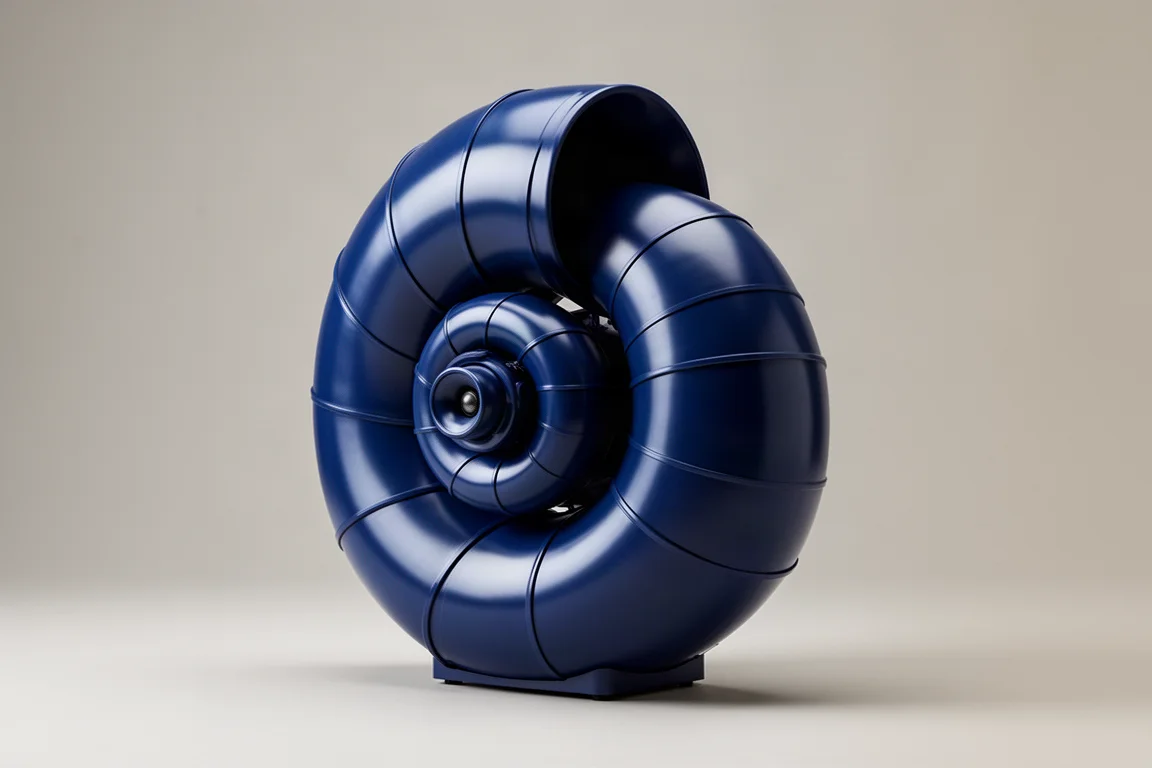
The enclosure is the point. Rather than a conventional box, each driver is mounted in a long, straight transmission line cylinder filled with absorbent fibrous wool. The tapered tubes absorb the rearward energy of each driver, working as an inverted version of a conventional horn. The spiralling shape also reduces the resonance and edge diffraction problems that a rectangular cabinet introduces. The inspiration was a snail shell, and the result is a speaker that looks like nothing else in audio.
Finish options are silver, black, and midnight blue as standard, and the company offers a special-order service for other colours. The speaker stands 97.6 inches tall and weighs 98 pounds, or 190 pounds including the all-aluminium plinth.
Wisdom Audio LS4: Planar Magnetic Scale
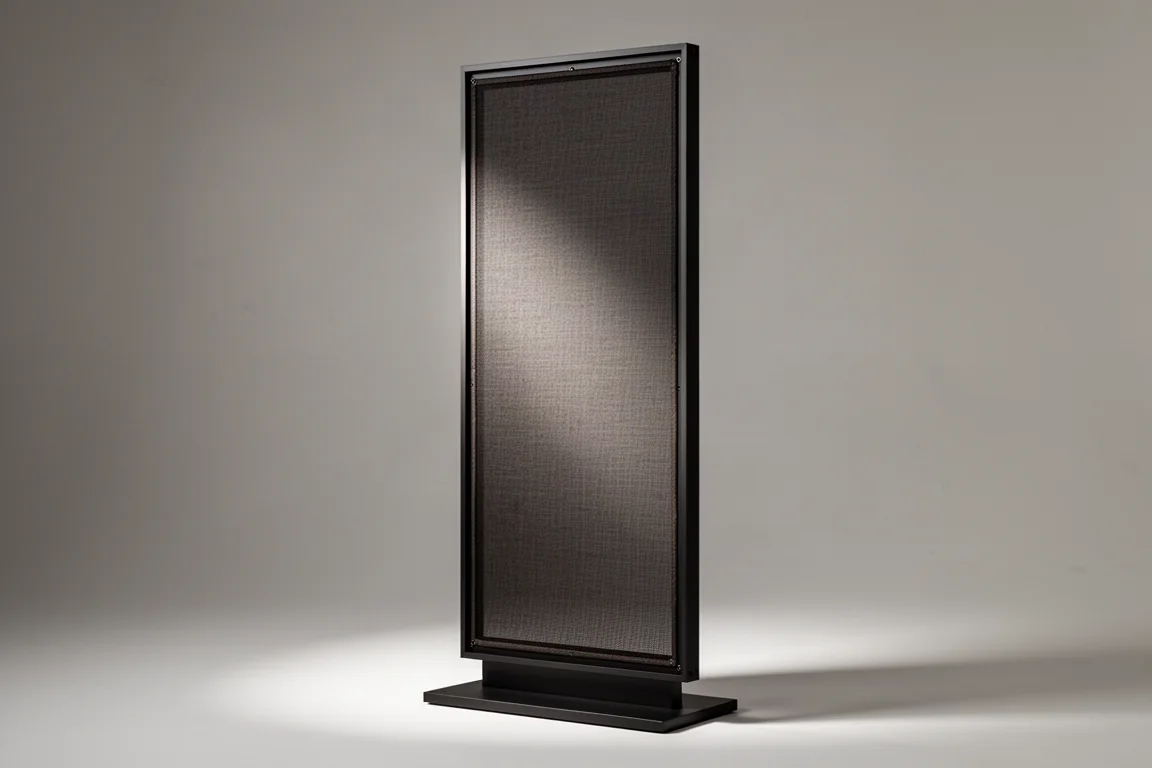
The LS4 takes the opposite approach to the Nautilus. Instead of a box with moving-coil drivers, it uses 80-inch planar magnetic driver units in a two-way line source configuration. The panel covers 80 Hz to 20 kHz and uses an outboard active crossover. The price is around $80,000, and it stands 88 inches tall.
Because the panel stops at 80 Hz, the low end is handled separately. Wisdom Audio builds transmission line subwoofers for this purpose at roughly $10,000 each, and two are recommended, which brings a complete system to around $100,000. Buyers who prefer not to have large freestanding speakers in the room can choose in-wall or on-wall versions instead.
The planar magnetic design is the reason this speaker is worth attention. It produces a different presentation from a conventional driver: more transparent, more lively, and with a broader spread of energy through the room. That characteristic is often described as a wider sweet spot, and it means the sound holds together reasonably well even when the listener is not sitting in one exact position. It is a strong match for listeners who prioritise transparency and speed over the physical weight of a large box speaker.
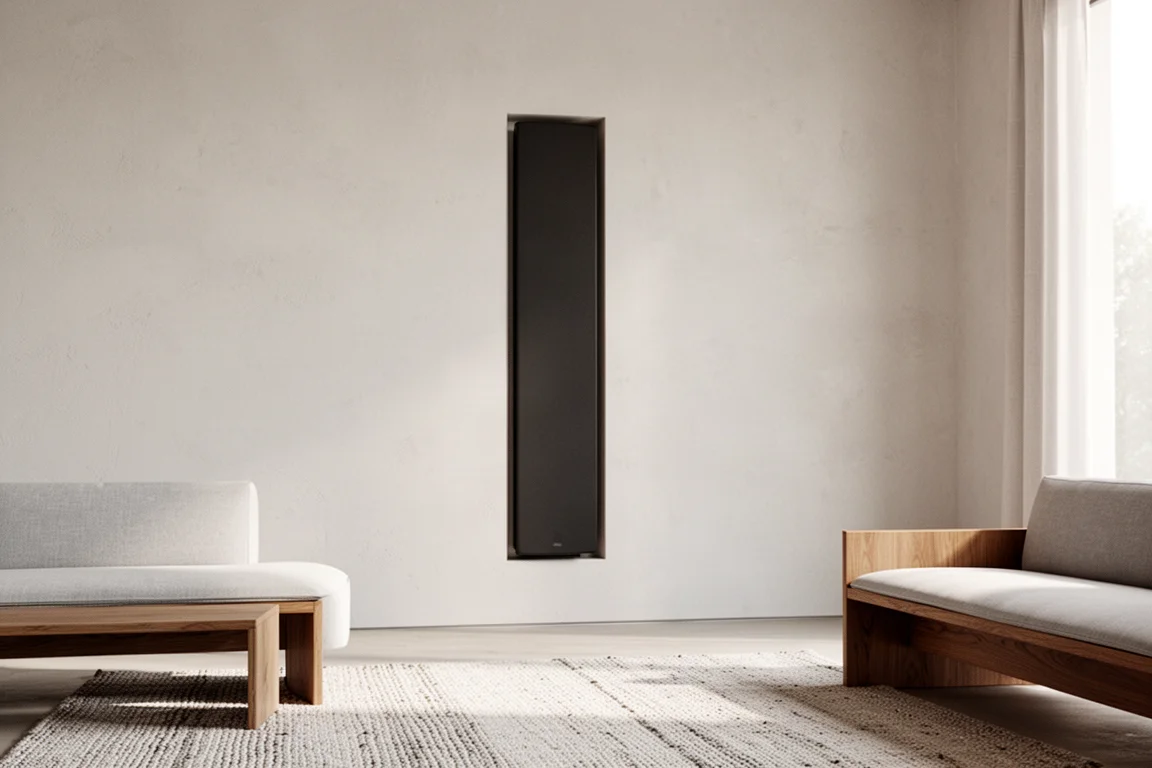
Room placement is simpler than with a box speaker of similar height, and the option to mount the panel in or on a wall removes the footprint problem entirely. The trade-off is the subwoofer requirement, which adds cost, cabling, and two more boxes to position and integrate.
Acapella Triolon Excalibur: Horn Loading at Full Size
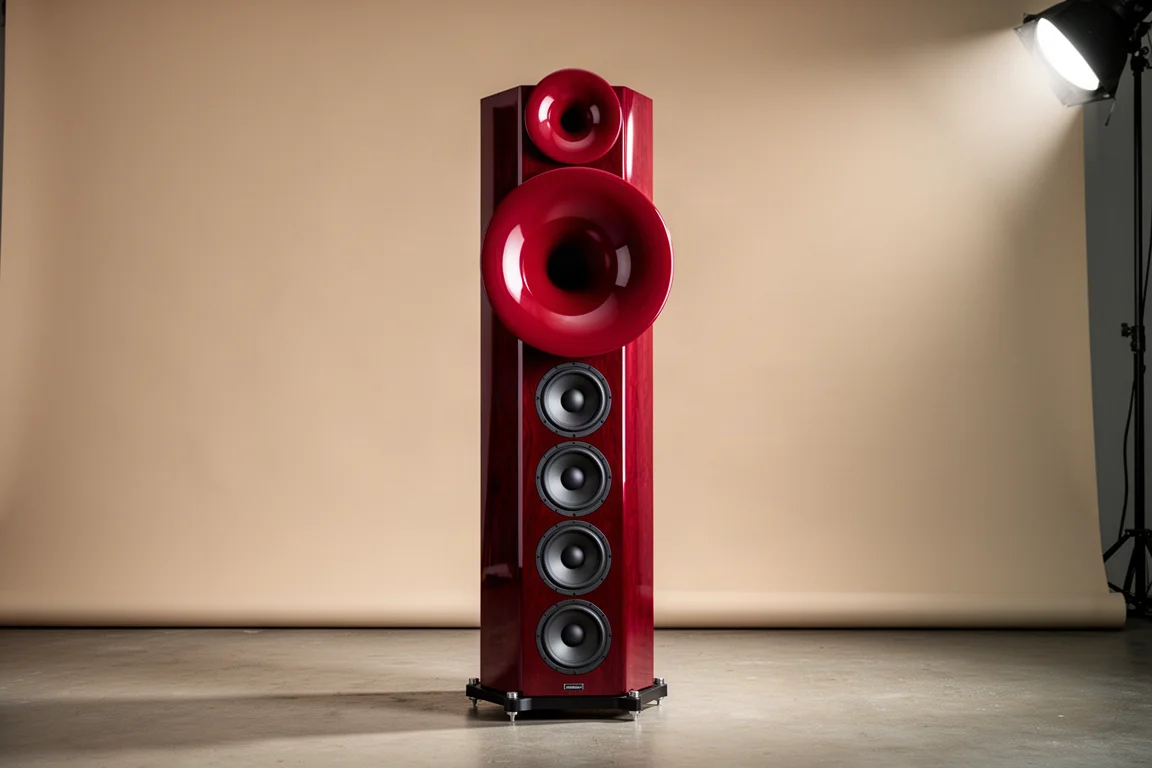
The Triolon Excalibur is the least documented speaker here, and its published specifications are thinner than the price would suggest. What is known is that it is a horn design covering 25 Hz to 40 kHz and priced around $170,000.
The driver layout is unusual. Bass is handled by six 10-inch drivers. The lower midrange uses a 12-inch driver loaded into a 780 mm spherical horn, the midrange uses a 2-inch driver in a 460 mm spherical horn, and the high frequency is handled by a plasma tweeter. The cabinet stands 85 inches tall and weighs 200 kilograms.
The advantage of horn loading is efficiency. This speaker is rated at 94 dB sensitivity, which means it can be driven by an amplifier producing as little as 15 watts. That opens the door to low-powered designs, including small tube amplifiers that run cool and produce a warmer, more musical character. The spherical horn geometry is less common than the rectangular horns used by many manufacturers, and it contributes to the sense of scale and projection these speakers are known for. Finishes beyond the standard red can be discussed with the manufacturer for a serious order.
Wilson Audio Alexx V: Modular Precision
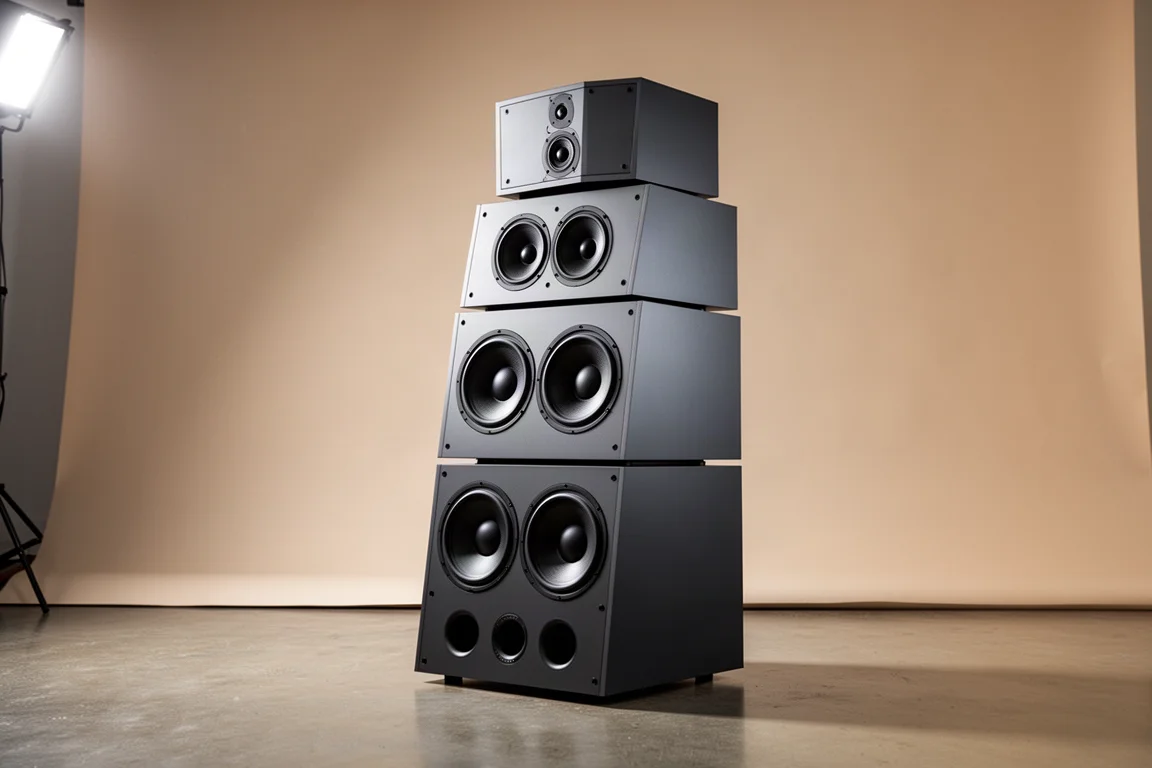
The Alexx V sits between $135,000 and roughly $150,000, with the final figure depending on the finish selected. It is a large floor-standing speaker standing almost 64 inches tall and weighing around 500 pounds per cabinet.
Bass comes from a 10.5-inch and a 12.5-inch driver. The midrange uses a 7-inch and a 5.25-inch Alnico driver pair, referring to the aluminium, nickel, and cobalt magnet material that has a long history in high-performance drivers. The high frequency is handled by the Convergent Synergy Carbon tweeter. Together the system covers 20 Hz to 32 kHz, and the bass presence is strong enough that a subwoofer is not necessary.
The construction is where the design gets interesting. Each section of the speaker, the woofer, the midrange, and the high frequency, uses a different enclosure type, including sealed and ported approaches with different firing directions. Wilson Audio also uses proprietary cabinet and damping materials, referred to as X material and V material, to isolate the drivers and control resonances. The cabinet is modular, so each section is moved and positioned separately during setup.
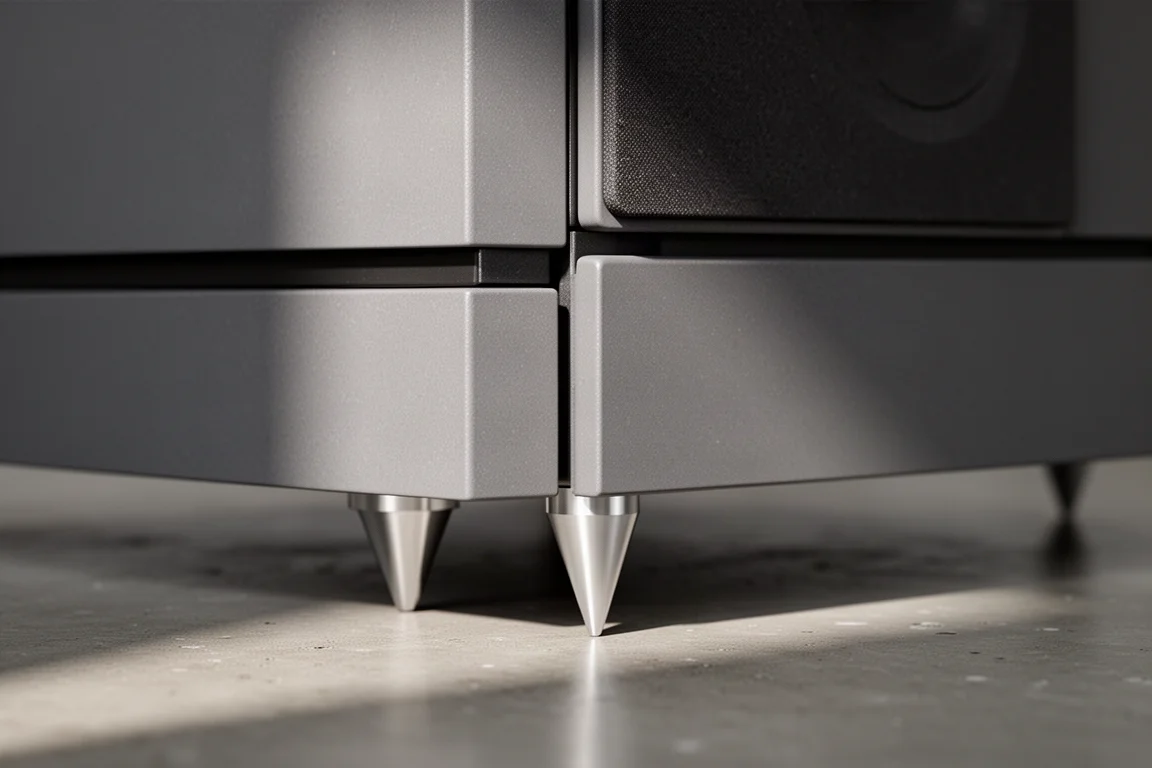
That setup is not optional. The speakers are time aligned to the listening position using measurements, and the work is normally carried out by the dealer or by a technician trained by the manufacturer. It is a genuinely demanding process, and the modular construction means the speaker can be adjusted to suit a specific room rather than the other way around.
Focal Grand Utopia: The Statement Flagship
At $260,000, the Grand Utopia is the most expensive speaker in this group and one of the best documented designs in high-end audio. It is a four-way floor-standing bass reflex loudspeaker, handmade in France.
The driver complement is substantial: an electromagnetic 16-inch woofer, a multi-ferrite 11-inch mid-bass driver, two 6.5-inch midrange drivers using TMD suspension and a NIC magnet, and the company’s 1-inch beryllium inverted dome tweeter. The quoted frequency response is 18 Hz to 40 kHz within plus or minus 3 dB, which is exceptional coverage and means a subwoofer is not required. Sensitivity is rated at 94 dB at one metre.
The cabinet stands just under 80 inches tall and weighs 584 pounds, so placement is a two-person job at minimum and often a professional one. The Grand Utopia is frequently demonstrated with amplification from the same manufacturer, and it performs well with other high-quality electronics as long as they sit in the same class.
Buying Advice for Ultra-High-End Speakers
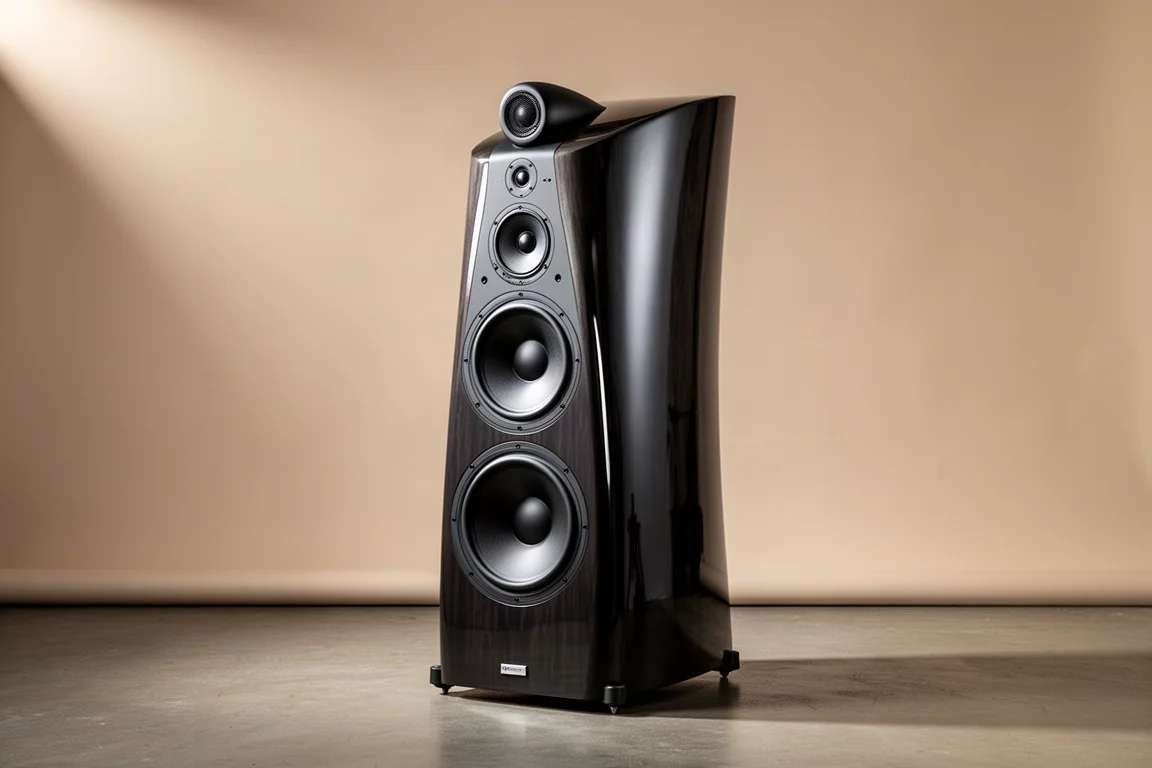
Start with the room. A speaker of this size needs space behind it and a listening distance that lets the drivers integrate properly. The Alexx V and the Grand Utopia both weigh hundreds of pounds per cabinet, so floor structure and access matter before anything else.
Then consider the amplifier question. Sensitivity is the number that matters most. The Triolon Excalibur and the Grand Utopia are both rated at 94 dB, which makes them friendly to low-powered amplification, including small tube designs. Less sensitive designs will ask for more power and more current.
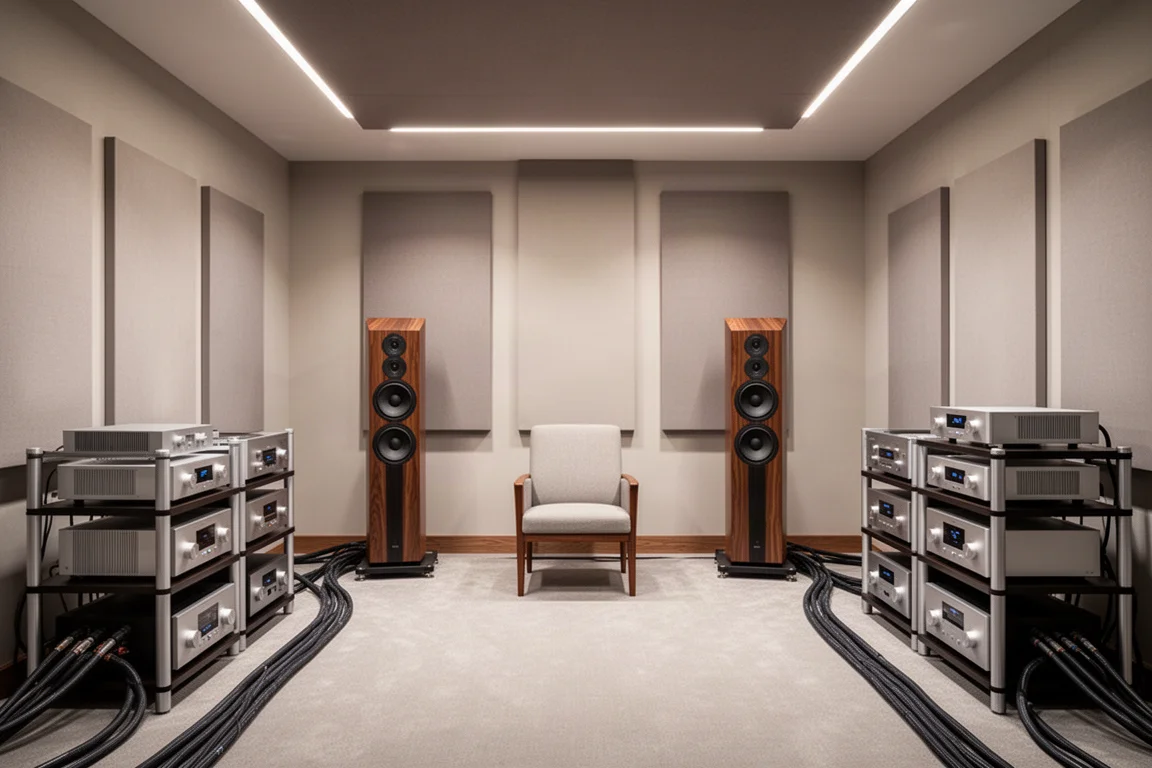
Subwoofer planning is the next decision. The Nautilus, the Alexx V, and the Grand Utopia all reach low enough that a subwoofer is unnecessary for music. The LS4 is different: it is designed as part of a system with dedicated transmission line subwoofers, and two are recommended, which changes both the total cost and the number of boxes in the room.
Finish and setup deserve equal attention. The Alexx V price moves with the finish selected, and the Nautilus offers a special-order service for colours beyond the three standard options. The Alexx V also requires professional time alignment, normally arranged through the dealer. If you are considering a speaker at this level, the relationship with a knowledgeable dealer is effectively part of the product.
Finally, be realistic about what you are buying. These are statement designs, and much of the cost sits in the driver materials, the cabinet construction, and the finish work. They are not a sensible first step into high-end audio, but for a buyer with the room, the budget, and the patience to set them up properly, each of these five represents a genuinely different answer to the same question.
Conclusion
Five speakers, five philosophies. The Nautilus proves that a 1993 design can still hold its place through engineering discipline alone. The LS4 shows what happens when you remove the box and rely on a large planar panel. The Triolon Excalibur trades documentation for horn efficiency and scale. The Alexx V brings modular construction and a level of setup precision that is unusually demanding. And the Grand Utopia remains the reference statement, with the frequency coverage and presence to justify its position.
If you are shopping in this category, the sensible approach is to hear as many of these designs as you can in a properly set up room, and to buy through a dealer who can install them correctly. At this level, the setup matters as much as the speaker.
Further reading
Related Reviews
High-End Audio
Accuphase E-3000 Review: A Class AB Integrated Amplifier Built to Last
The Accuphase E-3000 is the entry point into a legendary Japanese high-end line. Here is how it sounds, how it is built, and who should consider it.
High-End Audio
Arreté Floorstanding Speakers and Benchmark HPA2: A Premium Pairing Worth Hearing
A close look at how Arreté floorstanding speakers and Benchmark HPA2 power amplifiers pair up, what each component contributes, and what to weigh before buying.
High-End Audio
Aurelia Acoustics MRB1 Review: Marble Cabinets and a Big, Lively Sound
The Aurelia Acoustics MRB1 pairs a marble cabinet with Accuton ceramic drivers and a lively, spacious sound that stays easy to listen to. Here is what to know before buying.