Mountain Bikes
Five Trail Bikes to Watch: Versatile All-Rounders Compared
Five trail bikes with distinctly different approaches to the all-rounder brief, from a convertible 140/150mm platform to a 120mm bike with enduro geometry.
Introduction
Trail bikes are the versatile all-rounders of mountain biking: efficient enough to pedal for hours, composed enough to stay calm on steep descents, and adaptable enough to cover everything in between. That breadth is exactly what makes choosing one difficult, because two bikes with similar travel figures can ride like completely different machines.
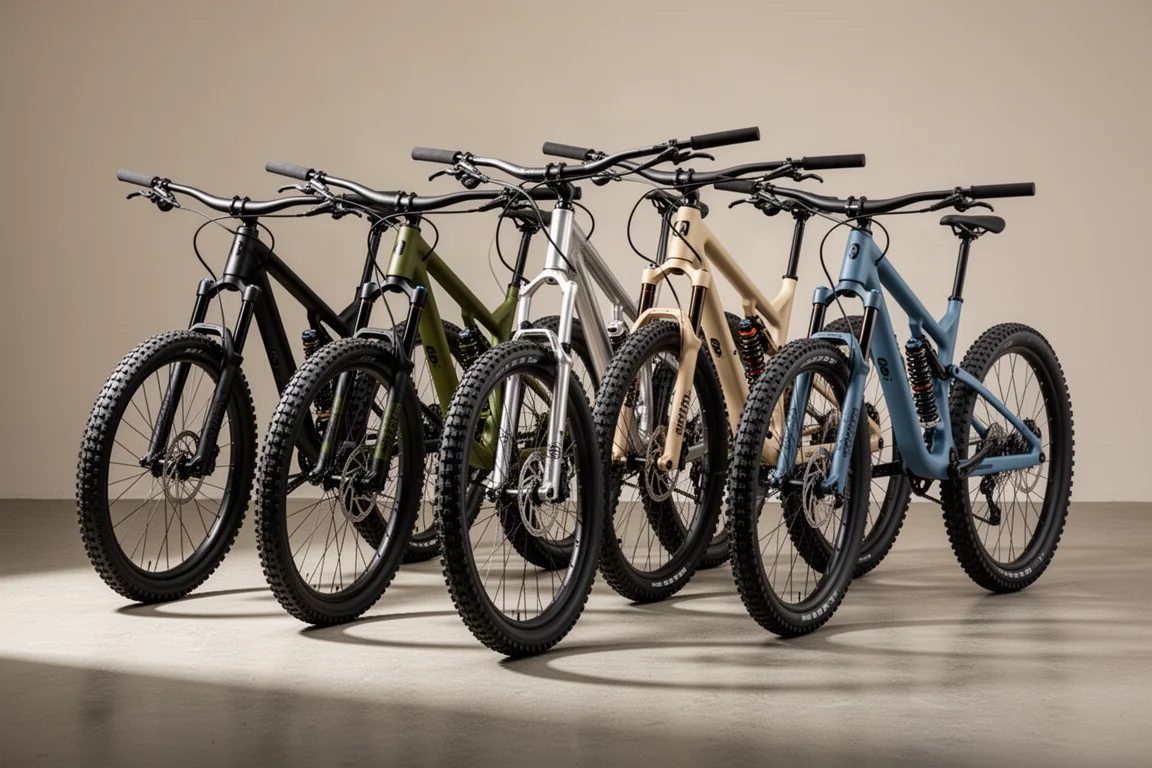
The five bikes below take five different routes to the same goal. Two use carbon frames with internal storage, one leans hard on aluminium value, one pairs enduro geometry with short travel, and one is a grip-focused trail bike that rides bigger than its numbers suggest. Rear travel spans 120mm to 150mm, so the spread of character is genuine rather than cosmetic.
What We Looked For in a Trail Bike
Travel is the first number most riders check, but it explains less than it once did. A 120mm bike with a slack head angle can feel calmer at speed than a 140mm bike with conservative geometry, and a well-damped 130mm platform can feel deeper than its figure suggests on rough ground.
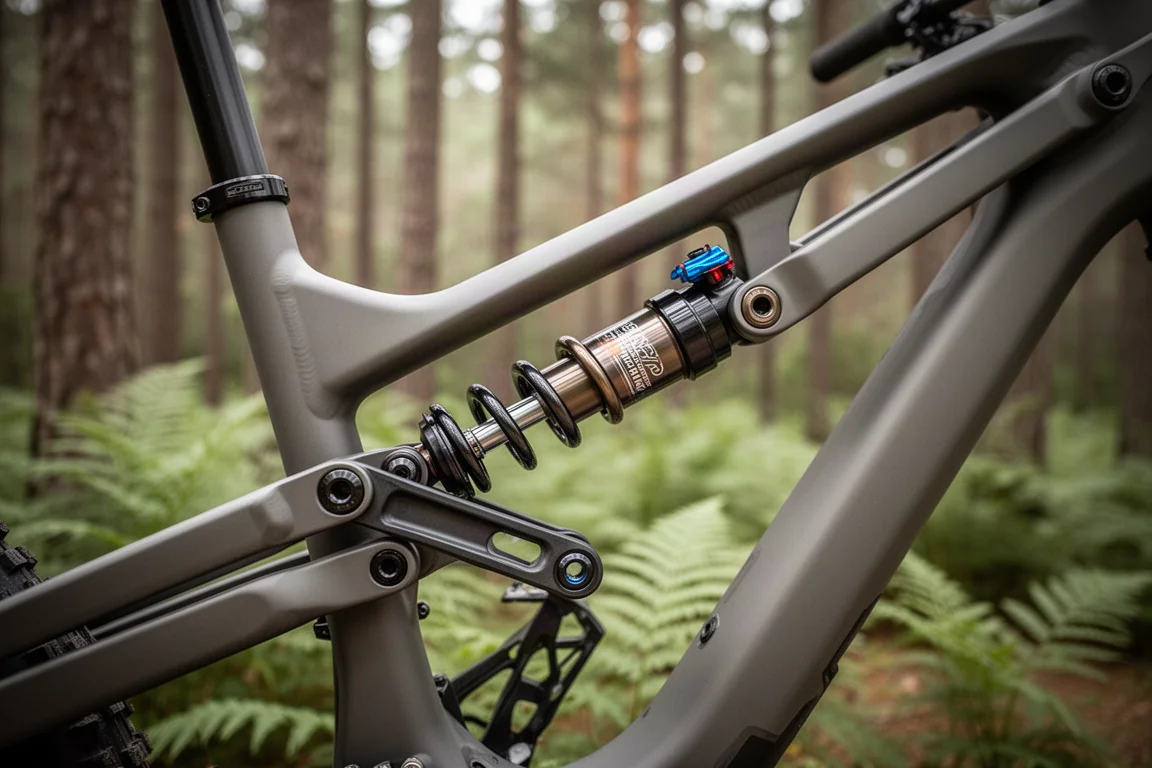
Frame material came next, because it shapes both weight and features. Carbon frequently brings a lower claimed weight and, on some models, internal frame storage, while aluminium keeps prices accessible without giving up stiffness. Geometry mattered just as much: head angle, reach and seat tube length decide how a bike behaves at speed and how much dropper post travel it can take. We also weighed serviceability, since cable routing and shock placement quietly shape ownership long after the first ride.
Orbea Occam: Two Bikes in One Frame
The Occam splits into two variants that share a single frame. The SL is the more pedalable option with 140mm of rear travel, while the LT steps up to 150mm for a rowdier feel. Because only the rear shock extender changes between them, the two can in theory be converted from one to the other.
The LT extender adds a flip chip for geometry adjustment, while the SL extender is fixed and made from carbon fibre to save weight. Coil shocks are compatible with the LT, and the range-topping M-Team ships with a coil as standard. SL builds include a remote lockout for the rear shock, a feature that is becoming less common on trail bikes.
All bikes carry a hidden multi-tool in the linkage, and carbon models add internal frame storage. The asymmetric four-bar rear triangle returns, along with shorter seat tubes that accommodate droppers with up to 230mm of drop. Headset-routed cables are the one detail likely to divide opinion. The range starts at £2,999 or $3,199 for the SL H30, with the cheapest LT H30 at £3,499 or $3,599.
SCOR 2030: Slack Angles, Short Travel
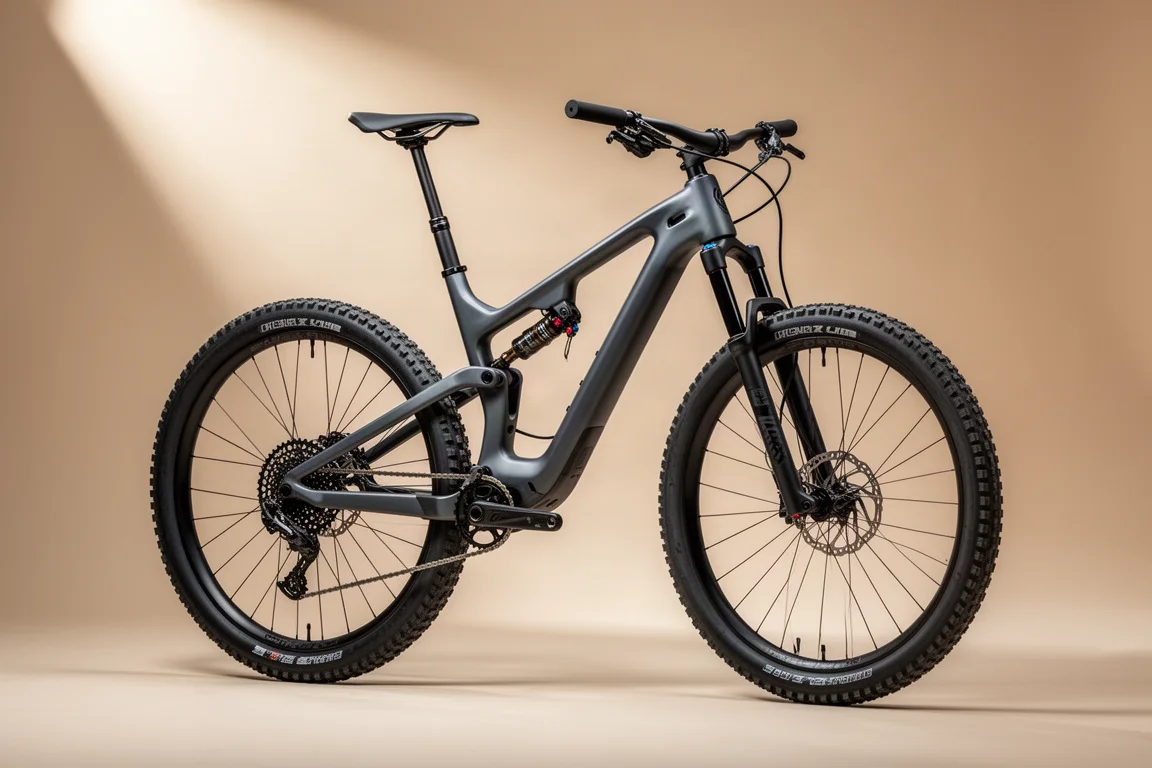
The 2030 applies enduro geometry to a shorter travel trail bike. Rear travel is just 120mm, but the head angle sits at 64.5 degrees, which makes it one of the slackest short-travel trail bikes around. A 140mm fork handles the front, and a size large gets a rangy 497mm reach with short 432mm chainstays and a low 332mm bottom bracket.
Riders who want quicker steering can steepen the head angle to 65.5 degrees using adjustable headset cups. Two co-rotating links produce the rear travel with the stock shock, and swapping to a longer-stroke unit lifts travel to 130mm. Gear and brake hoses route through the frame, and there is internal frame storage for tools, a spare tube or a mid-ride snack.
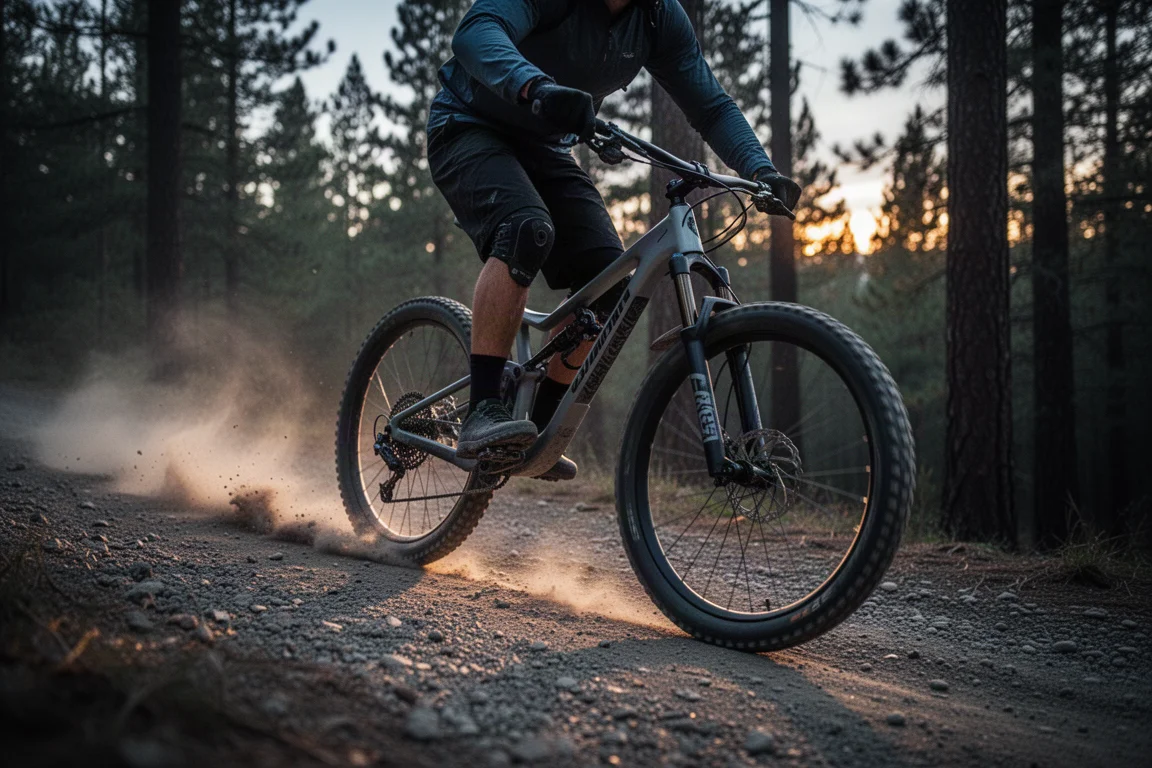
The range was recently repositioned with a lower price, starting with the NX build at €4,999 or $5,199 and topping out with the X01 model. A frameset is also offered, while the GX build is the sensible middle ground.
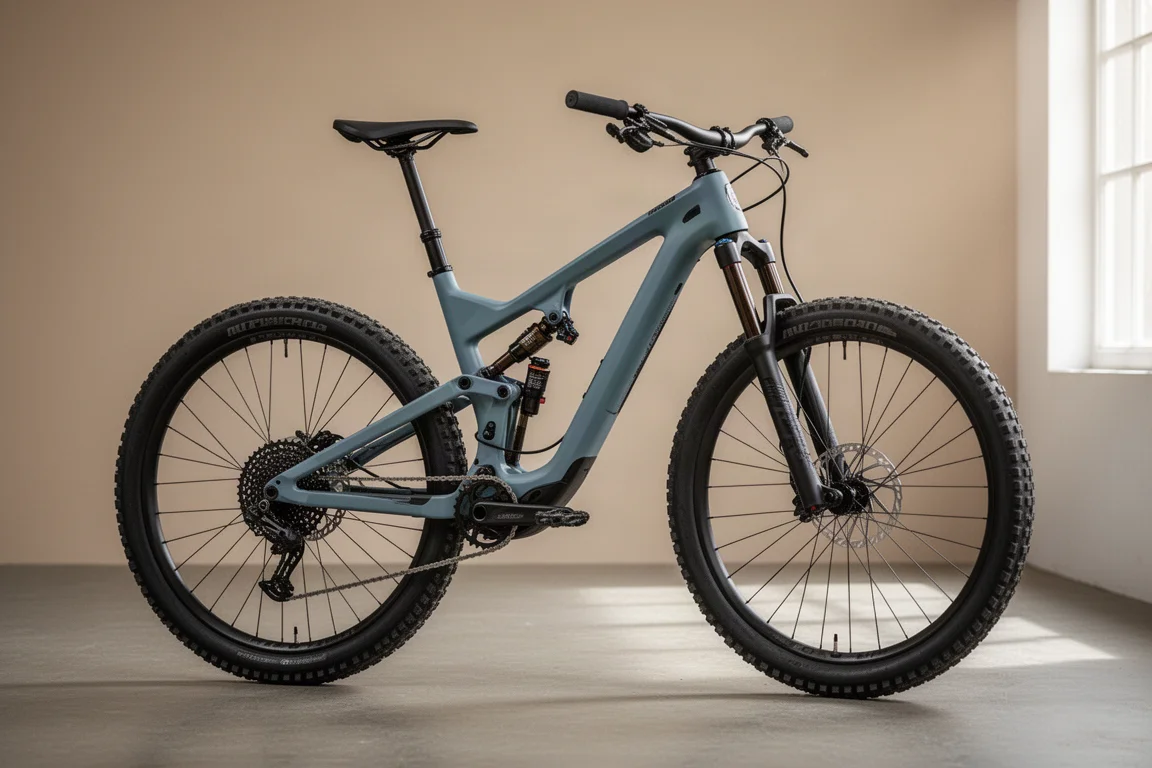
Commencal Tempo: Aluminium Trail Value
The Tempo is built for riders who would rather not pay a carbon premium. Its sturdy aluminium frame uses a twin-link virtual contact suspension system, paired with 125mm of rear travel and a 140mm fork. The low-slung silhouette comes from a shock mounted beneath the top tube, which keeps the pedal lever easy to reach and frees up room for a water bottle.
Cables route through the headset, which produces a clean look at the cost of more involved maintenance. An accessory mount sits under the top tube, and every model comes with Maxxis Minion DHR2 and Dissector tyres. Shimano and SRAM cover braking and drivetrain duties on most builds, with Fox and RockShox handling suspension. The Öhlins Edition stands out with its plush gold suspension, TRP Trail Evo brakes, Synthesis wheels with Industry Nine hubs and a full SRAM GX drivetrain.
Eight models are offered in some markets, with prices running from £3,150 or $3,200 up to roughly £5,400. The Öhlins Edition is the pick of the range for the combination of suspension quality and component spec.
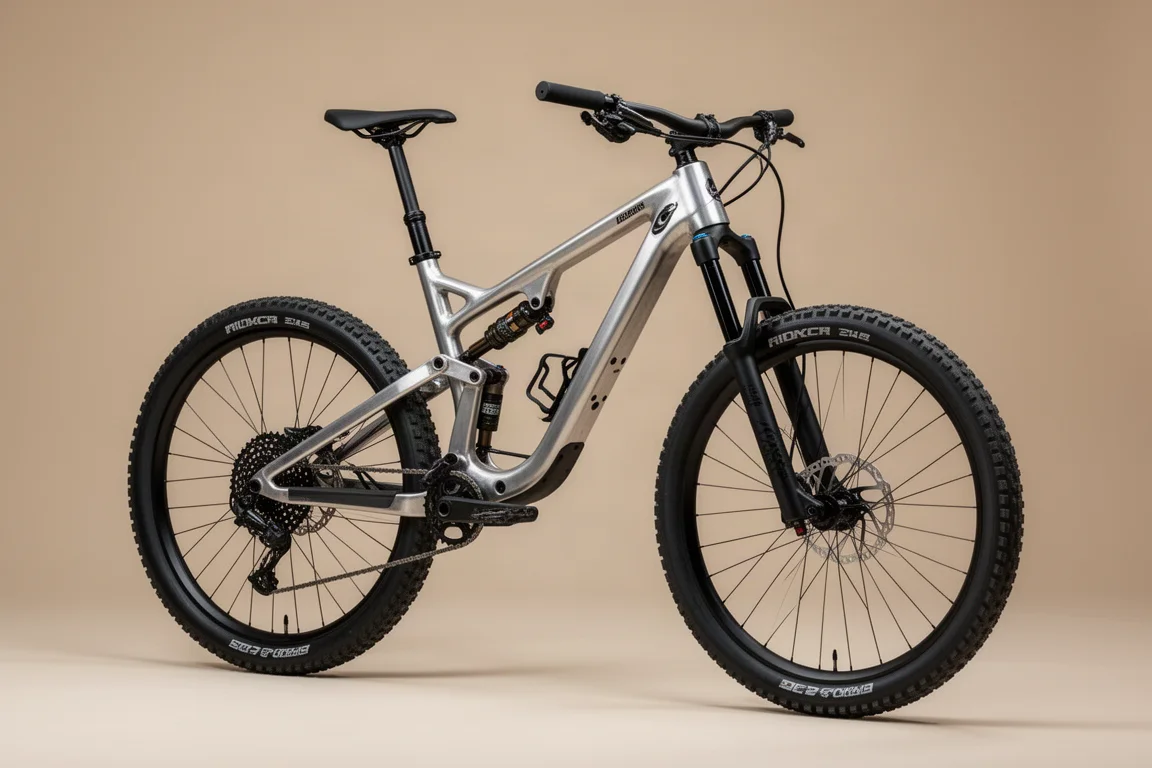
Rockrider Feel 900S: Carbon Performance at a Keen Price
The Feel 900S is a carbon-framed trail bike with a component list that would normally push the price well past its asking figure. Its Horst link suspension design is a deliberate alternative to a linkage-driven single pivot, and the geometry is thoroughly current: a 65 degree head angle, 475mm reach on a size large, and a short seat tube that allows a longer dropper post. Rear travel is 130mm, matched to a 140mm RockShox Pike up front.
The claimed weight of 13.5kg is competitive for the category, and the details appear carefully considered rather than assembled around a generic frame. A cheaper base model uses a SRAM NX drivetrain, lower-spec RockShox suspension and Mavic wheels, at €2,999.
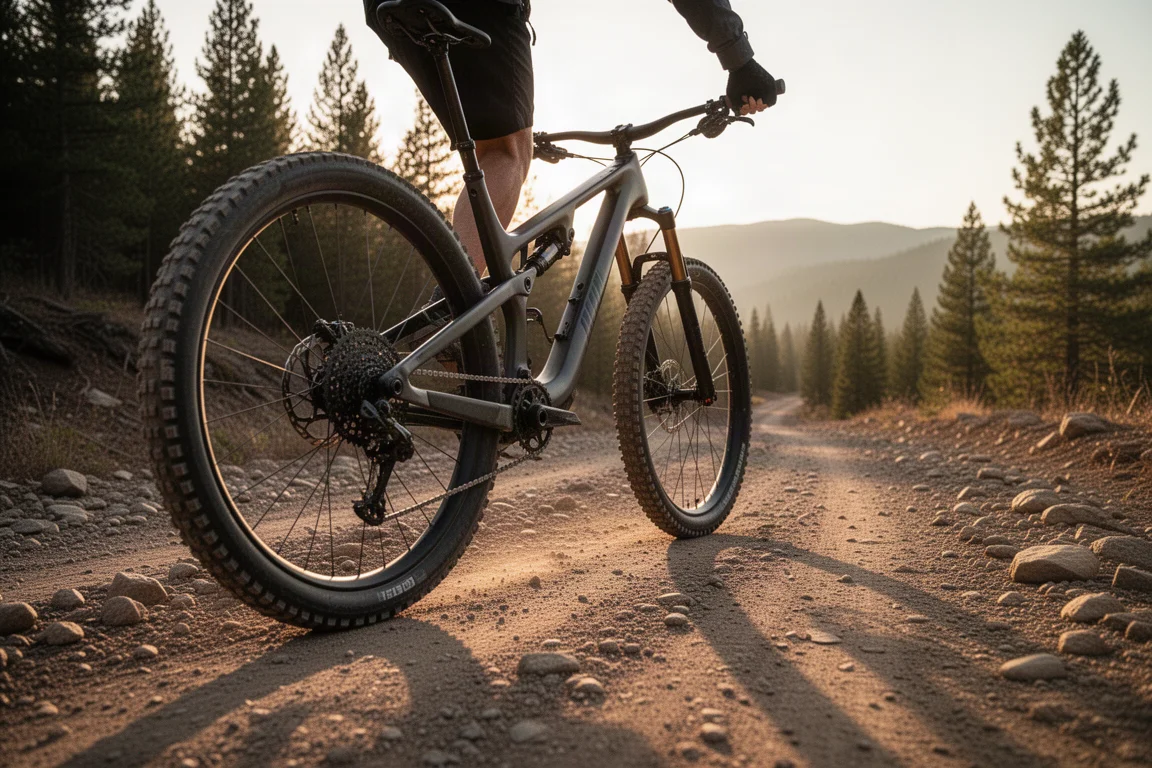
That base build is not currently available in the UK, so riders there will be looking at the range-topping Team model at £3,199 or €3,999. Even so, the value proposition is hard to ignore.
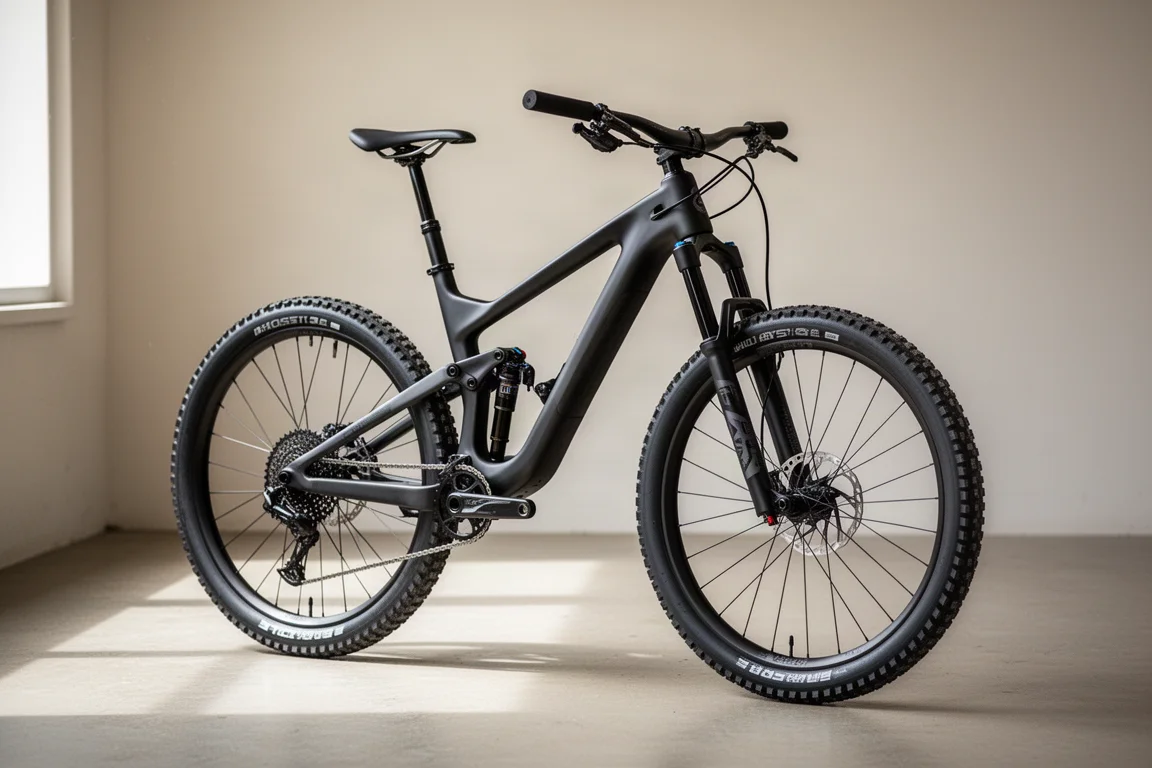
Norco Fluid FS: Grip and Playfulness
The Fluid FS pairs a 140mm fork with 130mm at the rear, and its plush Horst link suspension makes it ride as though it has more travel than the numbers suggest. It is not built to win uphill sprints, but it is a traction monster on technical terrain: the rear tyre claws into the ground on steep, loose pitches while still offering support on the way back down. It also loves to get airborne.
On paper the numbers look middle of the road: a 65 degree head angle, 480mm reach and a 76.7 degree seat angle. The mid-range C2 model follows the same pattern, with a SRAM GX drivetrain, a RockShox Select Plus Pike fork and Super Deluxe shock, and mid-range brakes and wheels. The result is anything but average on the trail. Riders in the UK should note that Norco’s presence there is winding down, so availability may be limited.
Buying Advice: Matching the Bike to Your Riding
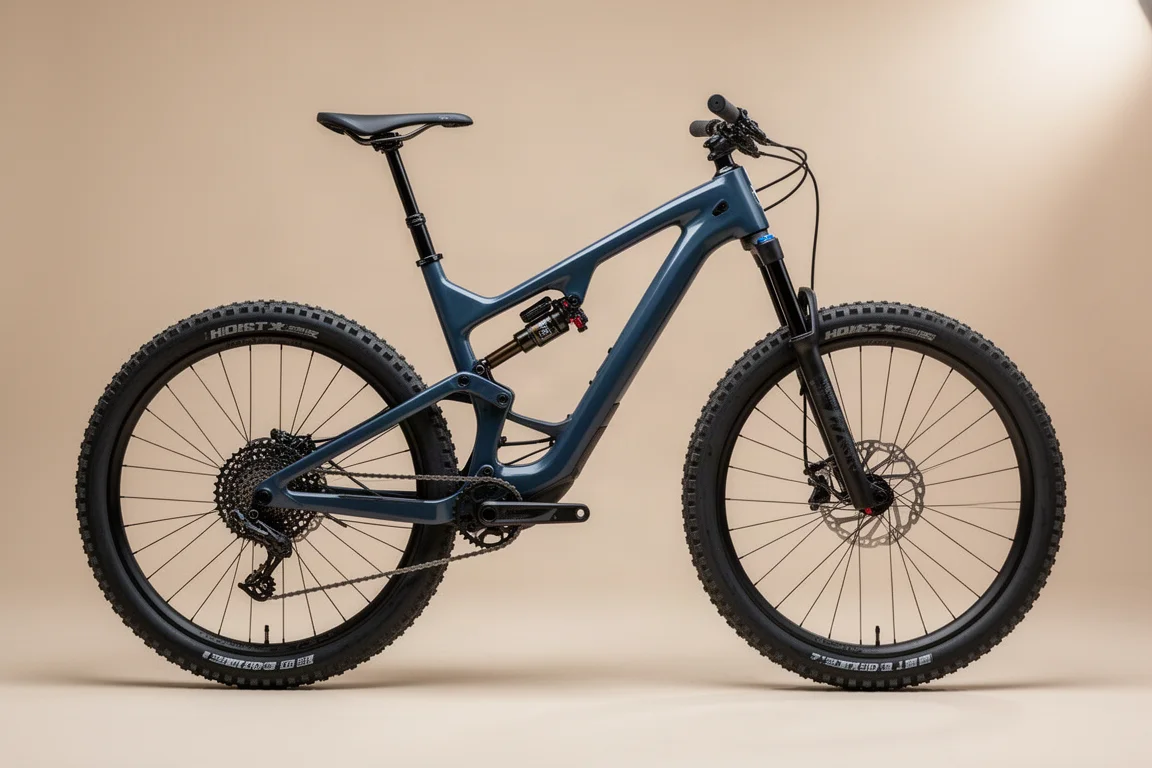
Start with the terrain you actually ride, not the terrain you aspire to. If most of your riding involves long climbs and flowing descents, the efficiency of a 120mm or 130mm platform with a remote lockout will matter more than extra travel. If you regularly point the bike down steep, loose trails, a slacker head angle and a plusher rear end will pay off sooner.
Frame material is a budget decision as much as a performance one. Carbon typically saves weight and can add internal storage, while aluminium keeps money available for better suspension and tyres. It is also worth checking the practical details: cable routing that is easy to service, a shock that is simple to reach, and enough seat tube length for the dropper post you want.
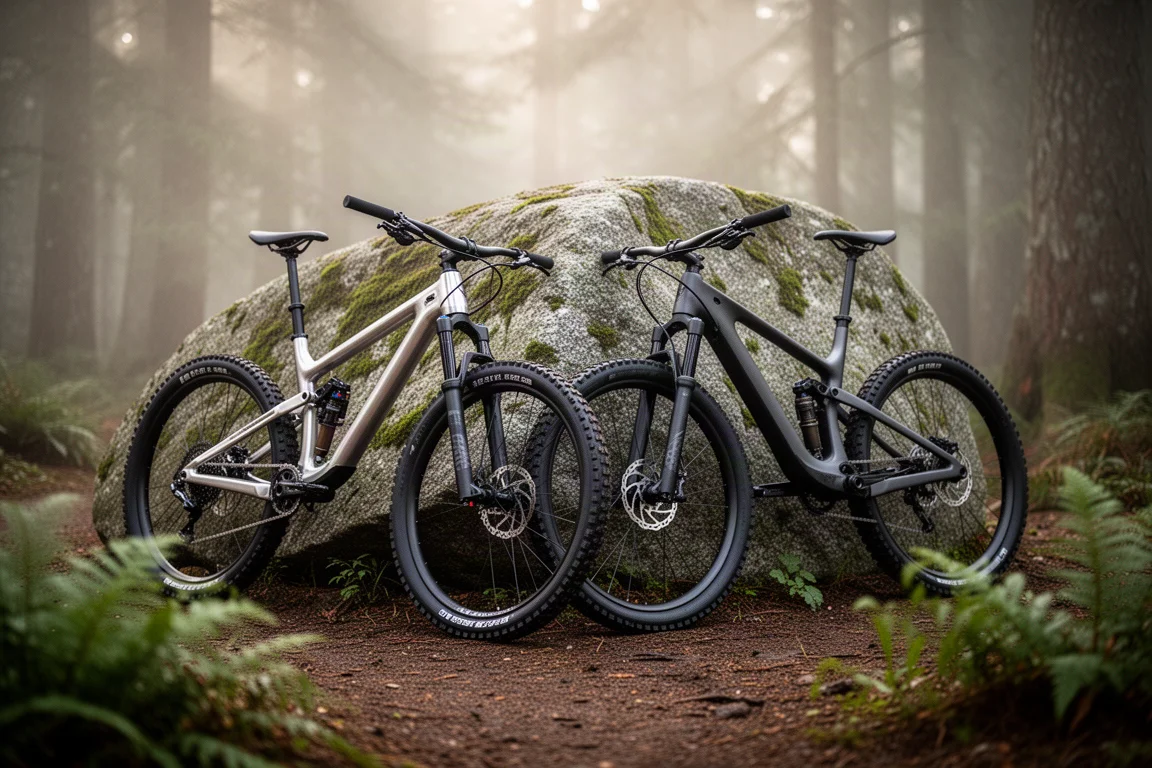
Coil shocks suit riders who want consistent performance on long descents, while air shocks are lighter and easier to tune across a wide range of conditions. Whichever you choose, budget for the parts that touch the trail, because tyres, brakes and suspension damping shape the ride more than frame finish ever will.
Conclusion
These five bikes cover the trail category from different directions. The Orbea Occam offers a convertible platform, the SCOR 2030 brings enduro angles to short travel, the Commencal Tempo makes aluminium genuinely appealing, the Rockrider Feel 900S undercuts carbon expectations, and the Norco Fluid FS prioritises grip and fun above climbing pace.
Match the bike to the trails you ride most often, and any of them will feel like money well spent.
Further reading
Related Reviews
Mountain Bikes
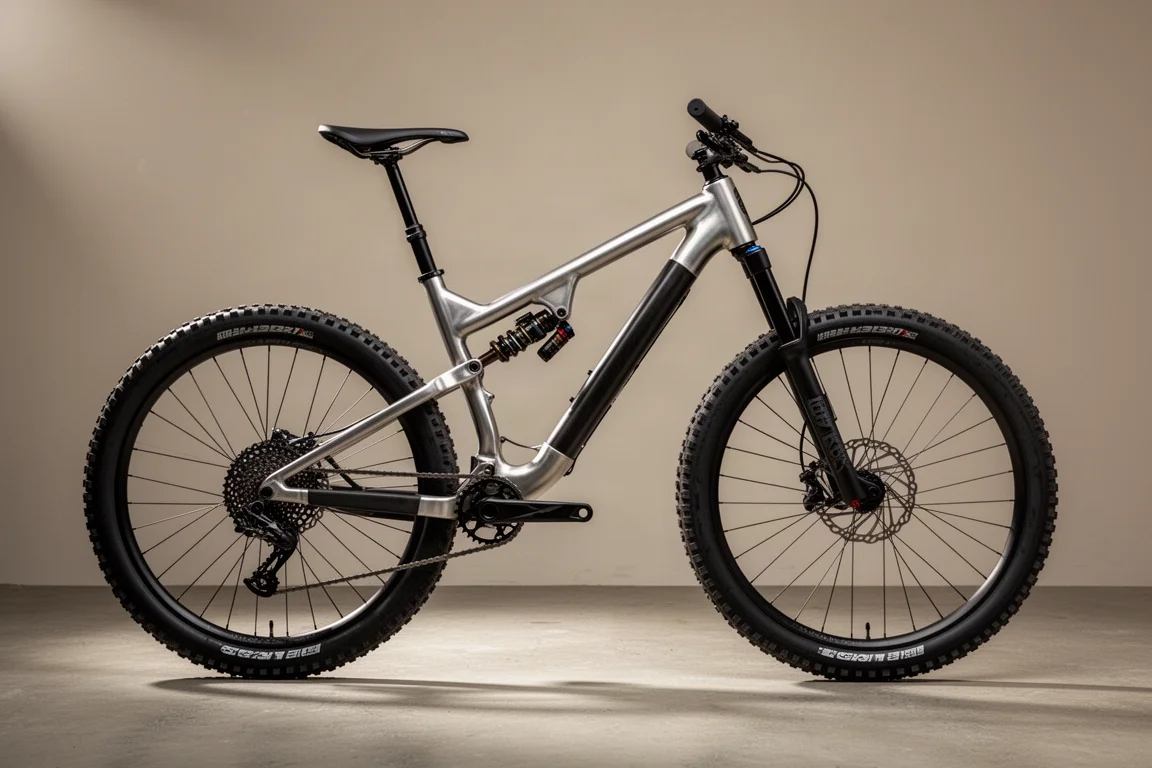
Atherton AM.130 Review: 3D-Printed Titanium Lugs and a 130mm Trail Bike That Descends Like a Bigger Machine
The Atherton AM.130 pairs 3D-printed titanium lugs with carbon tubes and a DW6 suspension platform. Here is how it rides, what the build delivers, and who it suits.
Mountain Bikes
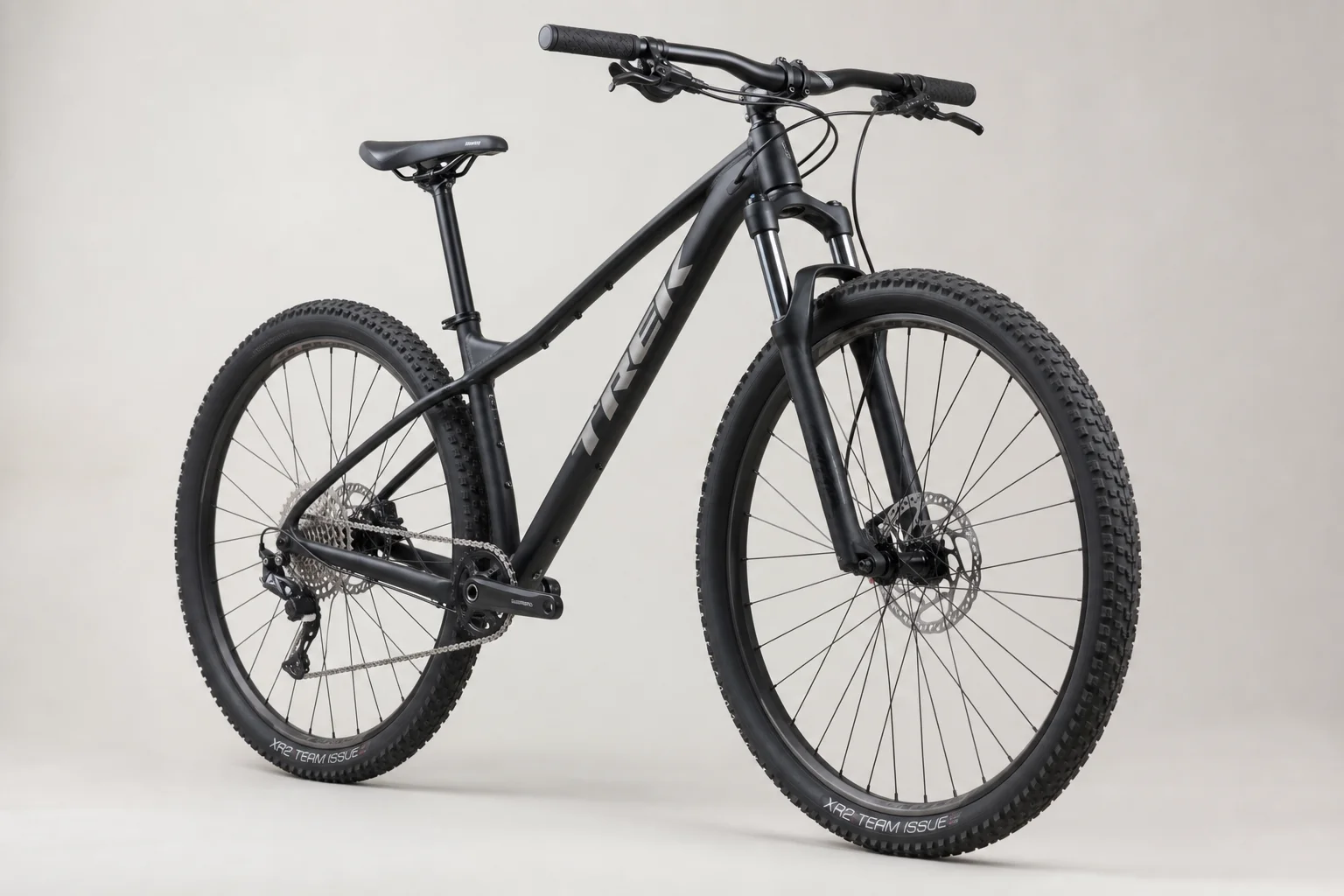
Beginner Mountain Bike Buying Guide: What to Look For in a Trailworthy Hardtail
A practical framework for evaluating beginner mountain bikes, whether new or used, by examining key components that indicate real trail capability.
Mountain Bikes
Best Aluminum Mountain Bikes 2026: Five Alloy Bikes Worth Your Attention
Five aluminum mountain bikes that show how far alloy has come, from a 120mm trail bike and a versatile machined frame to a 180mm freeride machine.