Backpacking Gear
Five Surprising Ultralight Backpacking Gear Picks Worth Packing
Five small ultralight backpacking items that look like gimmicks at first glance but earn their place through low weight, durability, and everyday trail convenience.
Introduction
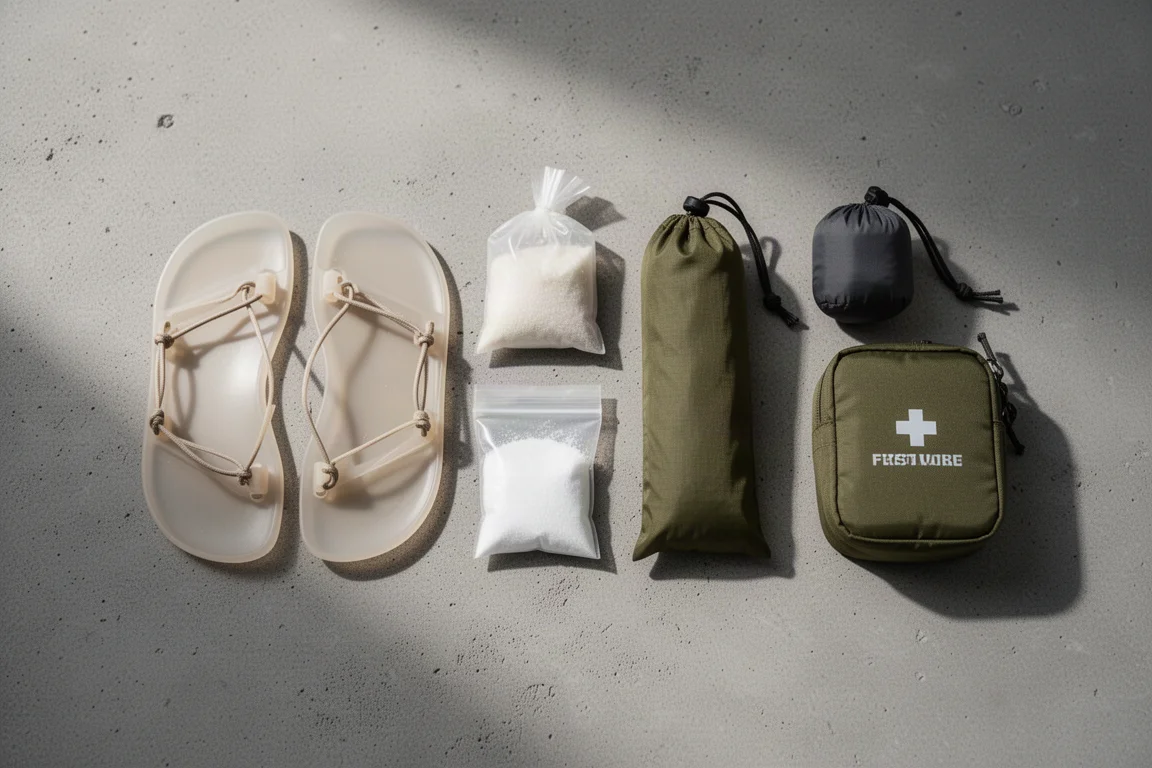
Ultralight gear has a habit of looking ridiculous before it looks smart. A pair of sandals that weighs less than a snack bar, soap that arrives as a powder, a stuff sack with a joke printed on it: on paper, none of it sounds like something you would build a kit around.
The five items in this guide are all small, and most of them cost very little in pack weight. What they share is that each one solves a specific, recurring problem on trail, whether that is having something to wear around camp, staying clean when temperatures drop below freezing, or simply being able to find your first aid kit when you need it. Every pick here earned its place through real trail use rather than a strong first impression.
What Makes These Picks Worth a Second Look
Three things separate a useful ultralight accessory from a novelty. The first is weight, because an item only justifies space in a pack if the penalty is small enough that you stop thinking about it. The second is durability, since gear that fails halfway through a long trip is worse than gear you left at home. The third is function under real conditions, which for backpacking usually means cold, wet, and tired.
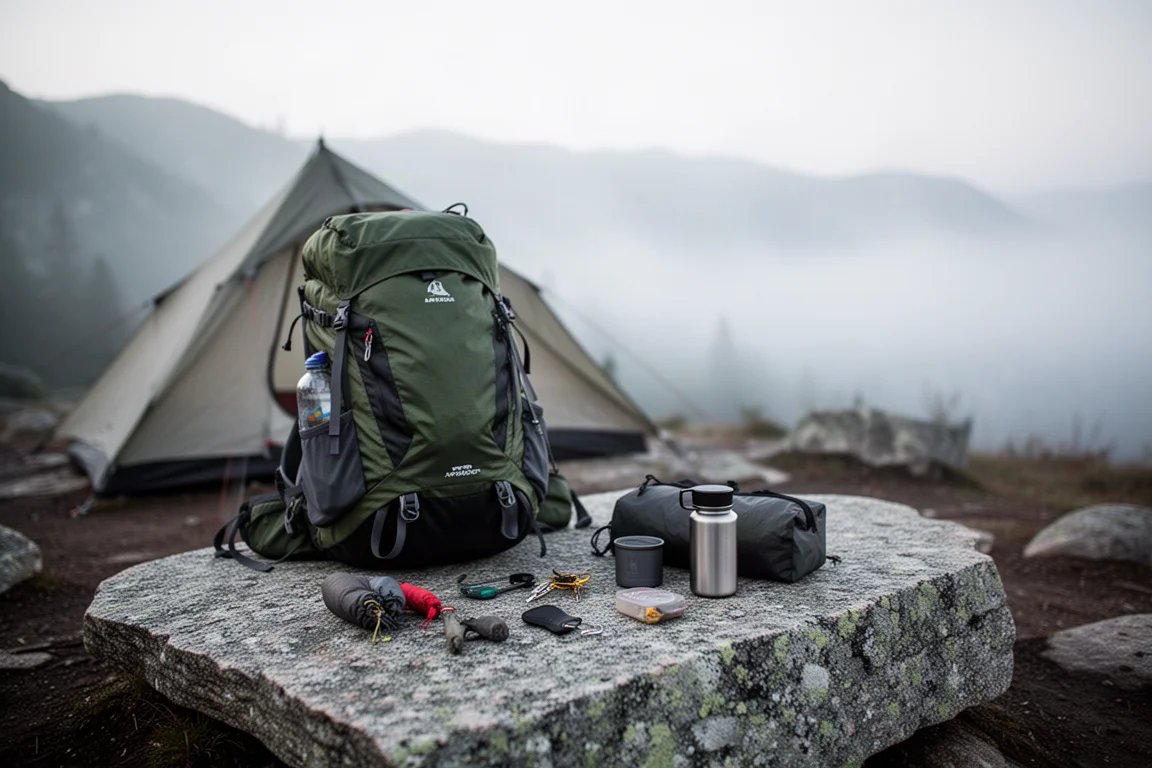
The picks below rarely score highly on all three at once. Each leans on one or two of them: the sandals on weight and durability, the powdered soap on cold-weather function, the stake sack on everyday convenience, and the two fabric accessories on being genuinely pleasant to use for very little added weight.
Mayfly Ultralight Sandals: A Camp Shoe That Weighs Almost Nothing
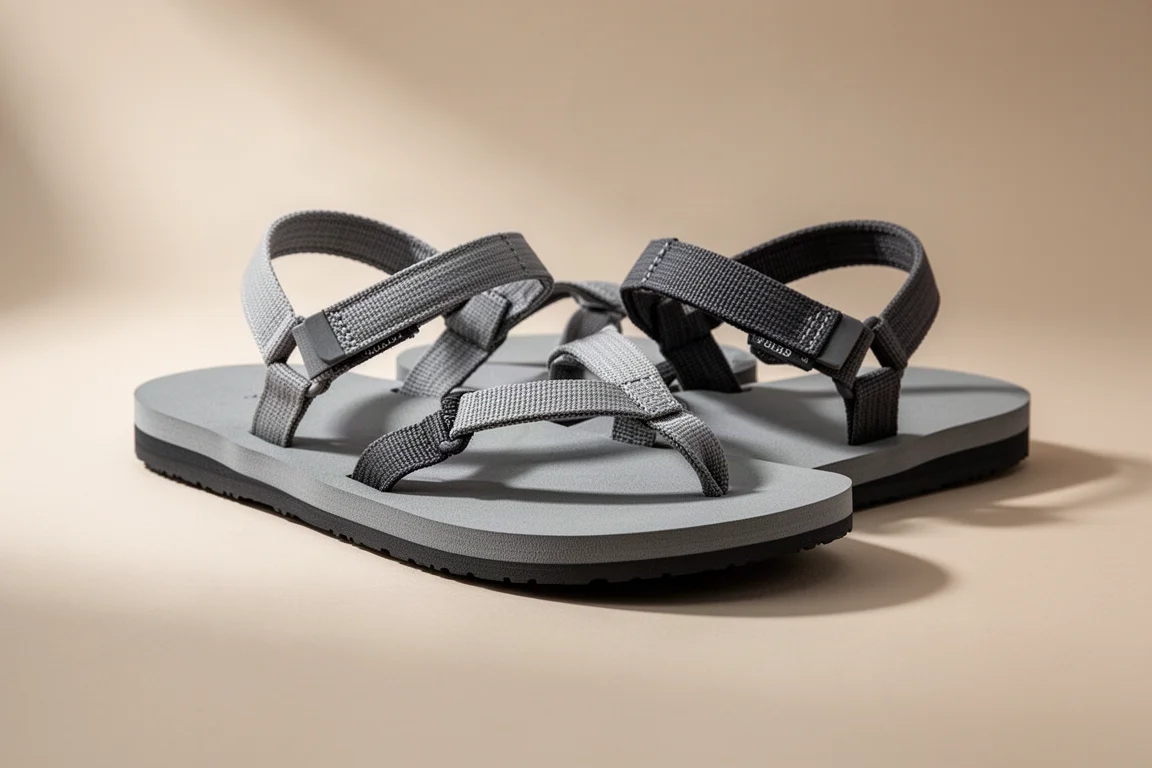
At a glance, the Mayfly Ultralight sandals look improvised, a sheet base with cord straps that could pass for a craft project. The construction is more considered than that. The base is polypropylene, the straps are high-durability nylon, and silicone pieces reinforce the high-stress points, with a grippy material on the underside to reduce slipping and sliding.
Mayfly offers two versions, a classic sandal and a thong style, built around the same idea: camp footwear you barely notice you are carrying. The weight penalty is around 1.7 oz, and that is the entire argument for the design. It is light enough to bring a second pair of shoes for camp and for walking around town on resupply days without giving up meaningful pack weight.
Durability is the hardest thing to judge from a photo, and it is where these surprised the most. Field use across a 36-day Great Divide Trail trip, with the sandals worn around camp and as the main footwear on zero days, left them in good enough shape for another season. The thong version is worth considering if you want a little more stability for your foot.
Pika Outdoors Powdered Soap: Clean Hands Without the Liquid
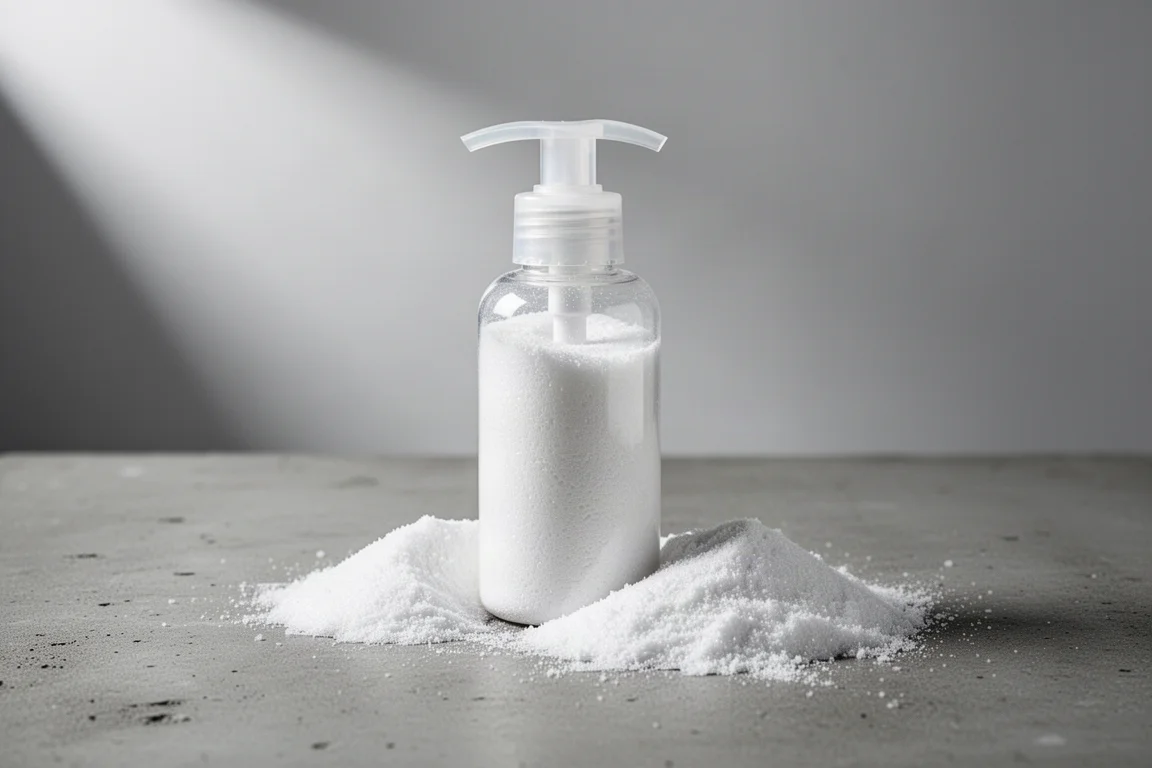
Powdered soap is a simple idea that raises an obvious question: does it actually clean anything? The Pika Outdoors formula contains the components that make soap effective at cleaning, so it behaves like soap rather than a scented powder. You carry the powder, add water in the field, and wash.
The advantages over liquid soap and hand sanitiser are practical rather than dramatic. Powdered soap does not freeze, which matters on fall and winter trips when temperatures drop below freezing and liquid soap thickens into something close to unusable. It is also less messy if a container leaks, and it removes the water weight that liquid soap adds to a pack.
Pika Outdoors makes a biodegradable formula, which is a real benefit on trail. The usual caveat still applies: to avoid impacting the environment, biodegradable soap should be used away from water bodies such as rivers and lakes, so wash hands and dishes well back from the water.
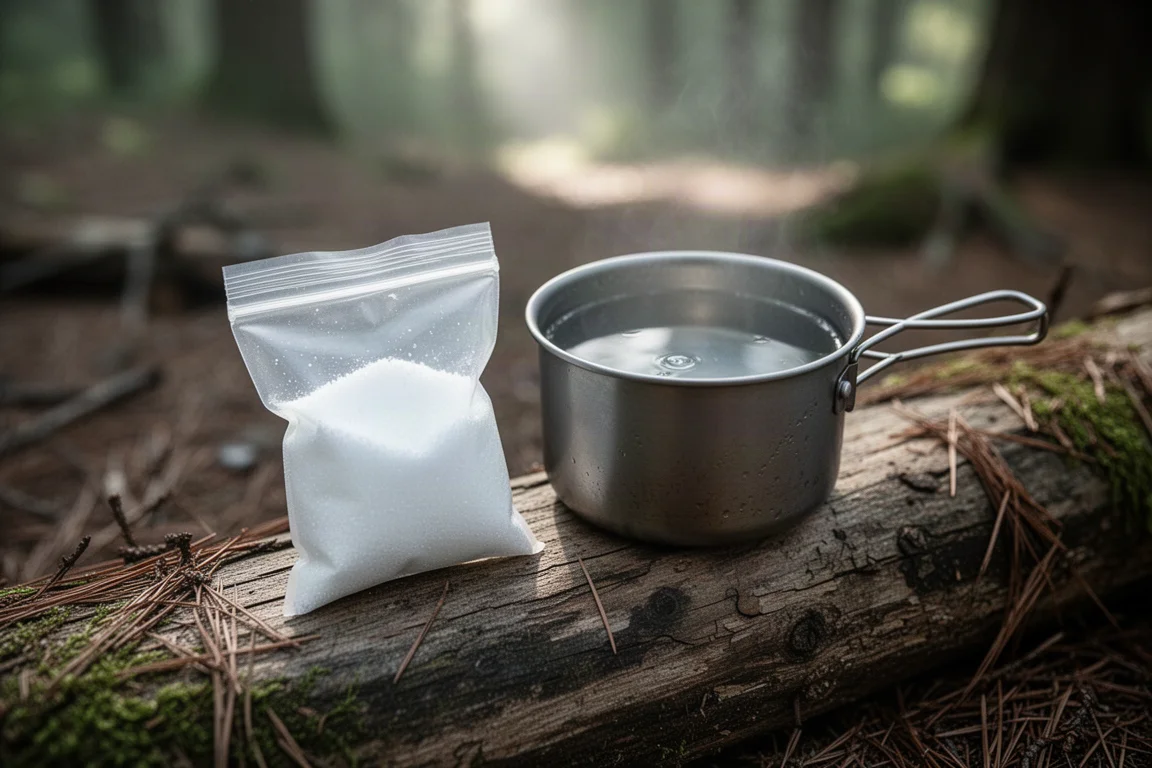
In the field the routine is straightforward. Tip out powder, add water, wash. Nothing about it asks for a different habit from liquid soap, which is why the switch is easy to make and easy to keep.
Omen’s Right Stake Sack: A Wider Opening Makes a Difference
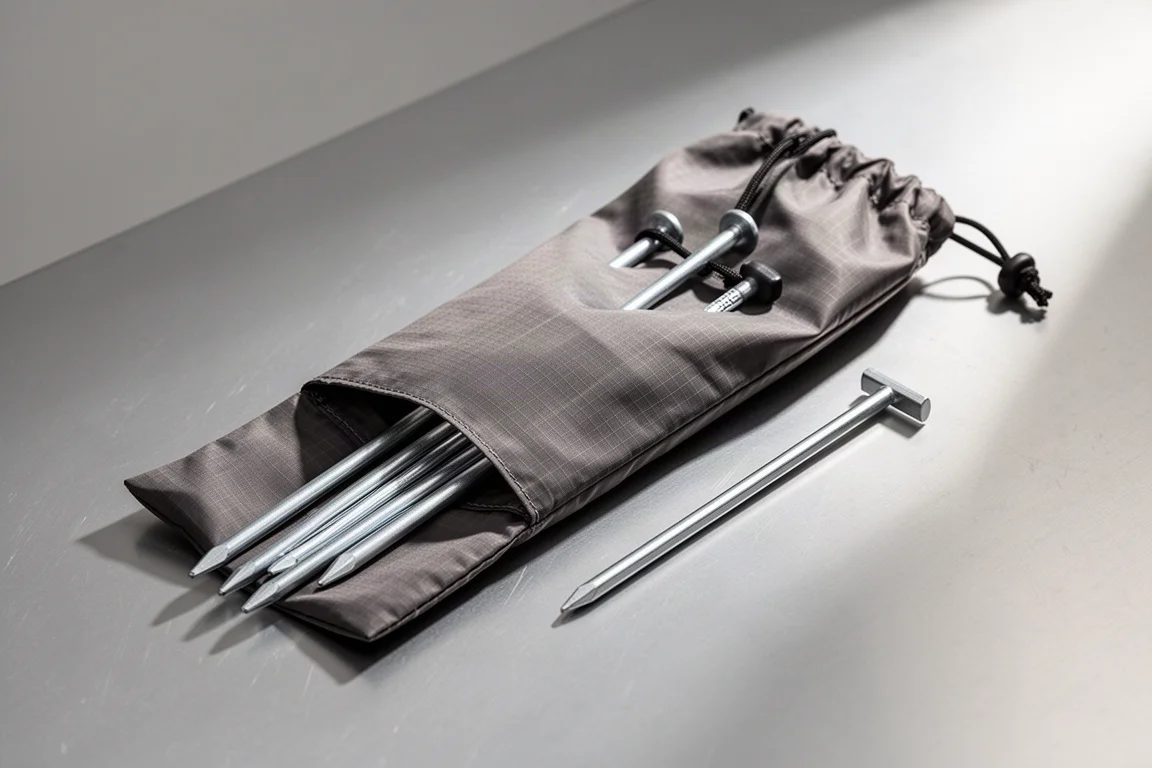
Tent stakes usually travel in whatever bag came with the tent, or in an elastic band. The Omen’s Right stake sack is barely heavier than that elastic band and solves the two recurring annoyances of stake storage.
The first is the opening. It is noticeably wider than a traditional stake sack, so pushing stakes back in at the end of a trip takes far less fiddling. The second is retrieval: with the mouth held open, you can dig down to the bottom for the small stakes, such as mini groundhogs, that tend to vanish underneath larger ones.
Packing up a tent while bleary-eyed on a cold morning is exactly when a wider opening stops being a detail and becomes the reason you keep the sack. The closure is designed to open and close smoothly, so the whole process stays quick from start to finish.
Space Bear Bags Poop Emoji Bag: Dyneema With a Little Humor
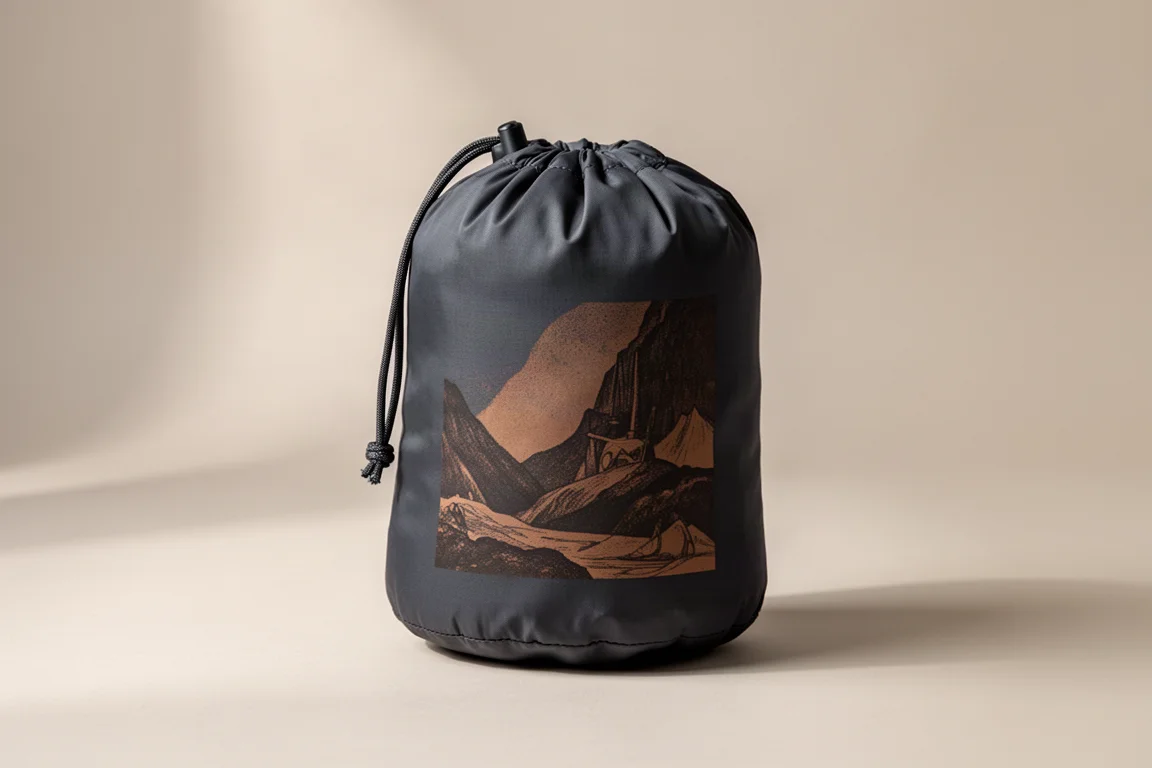
Not every gear purchase has to reduce pack weight. The Space Bear Bags poop emoji bag is a lightweight fabric stuff sack with a novelty print, and part of its value is the small lift it gives you every time you pull it out of your pack. Ultralight gear is usually judged on grams and specifications, and there is room in a kit for something that simply makes a long day slightly better.
Functionally it is a lightweight fabric sack, so it does the same job as any other bag of its size, with the print as the difference. That is worth being clear about before you buy: the appeal here is personality as much as performance.
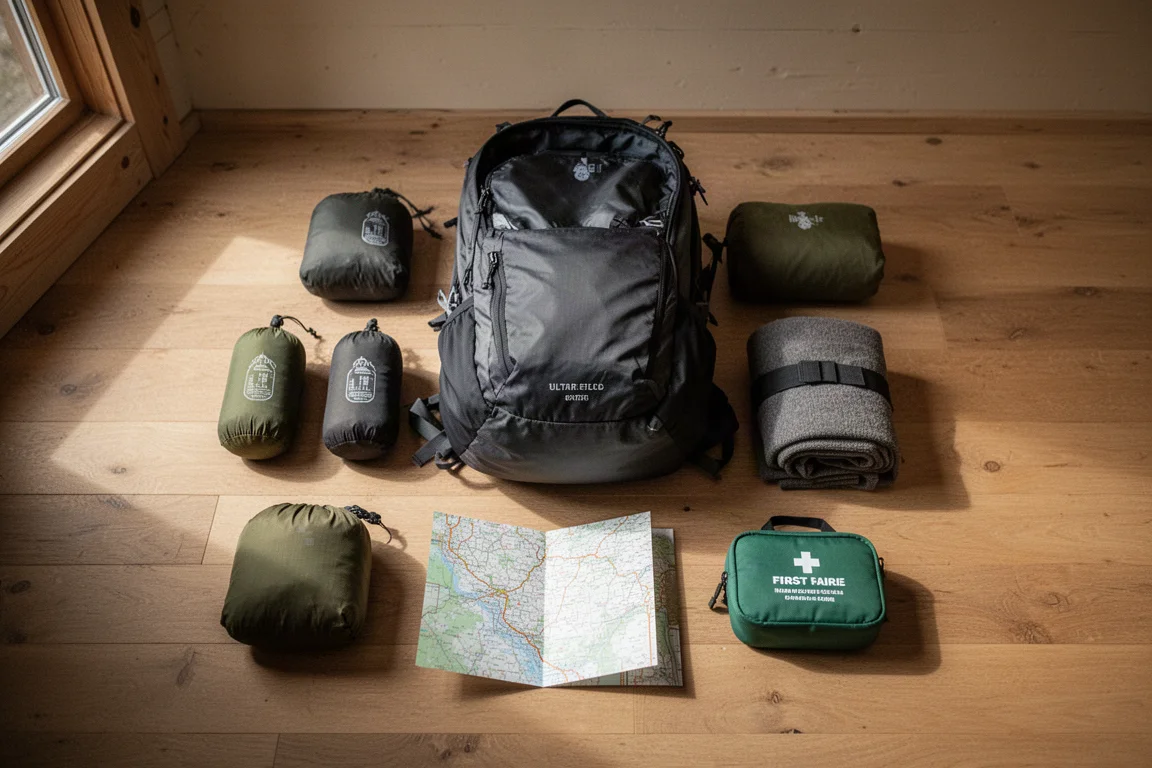
Both this bag and the matching first aid kit have proven popular, and they tend to sell out quickly. If either is unavailable when you look, a restock notification is worth setting so you catch the next batch.
Space Bear Bags First Aid Kit: Easy to Spot, Easy to Grab
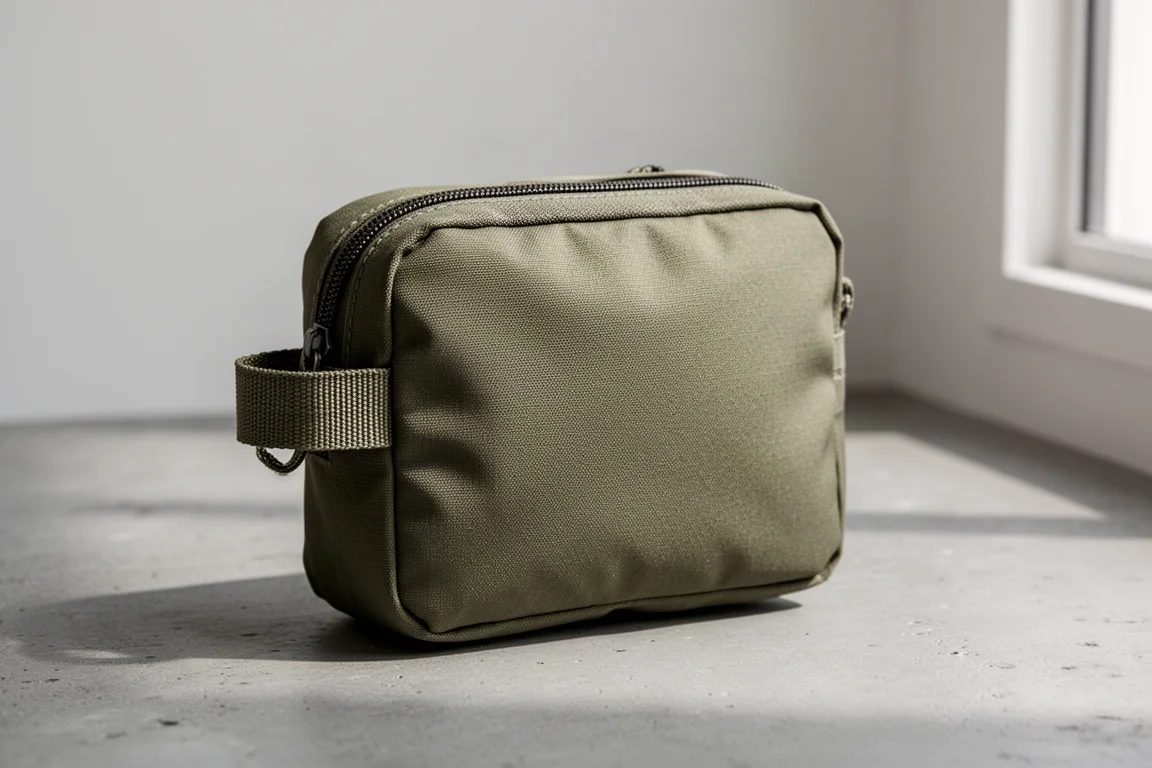
The first aid kit from Space Bear Bags takes the same lightweight fabric and turns it into something genuinely practical. The design makes the kit easier to find and easier to pull out of a pack, whether that is a day pack or a multi-day backpack, which matters when you need it in a hurry.
A first aid kit that is easy to identify and easy to grab is more likely to be carried, and more likely to be reached for at the right moment. That is the real case for this one, and the fact that it is pleasant to look at does not hurt either.
Buying Advice: Matching Gear to Your Trip
None of these items is essential on its own, and that is the honest way to approach them. The sandals make sense if you want camp and town footwear without a meaningful weight penalty. The powdered soap makes the most sense on cold-weather trips, where liquid soap and hand sanitiser become inconvenient or unusable, and on longer trips where you would rather carry powder than water. The stake sack is a small upgrade for anyone tired of fighting a narrow stuff sack. The two fabric accessories from Space Bear Bags are the least functional of the group and the most enjoyable to use, which is a legitimate reason to buy something when the weight and the cost are modest.
A useful way to decide is to think about the moments that annoy you most on a trip. If it is cold hands and frozen soap, start there. If it is packing up a tent in the dark, the stake sack is the cheaper fix. If it is never being able to find your first aid kit, the pouch addresses that directly. Buy for the problem, not for the novelty, and each of these will keep earning its place.
Conclusion
Small gear decisions add up. The five items here are not the headline purchases of a backpacking kit, but each one removes a recurring irritation: soap that freezes solid, stakes that will not go back in the bag, camp footwear that weighs too much to justify. The two Space Bear Bags accessories are the outliers of the group, included because they are light, practical, and simply fun to own. Choose them for the problems they solve, and they will stay in your pack long after the new-kit excitement wears off.
Further reading
Related Reviews

Backpacking Gear
Building a 10 lb Base Weight: An Ultralight Backpacking Gear List
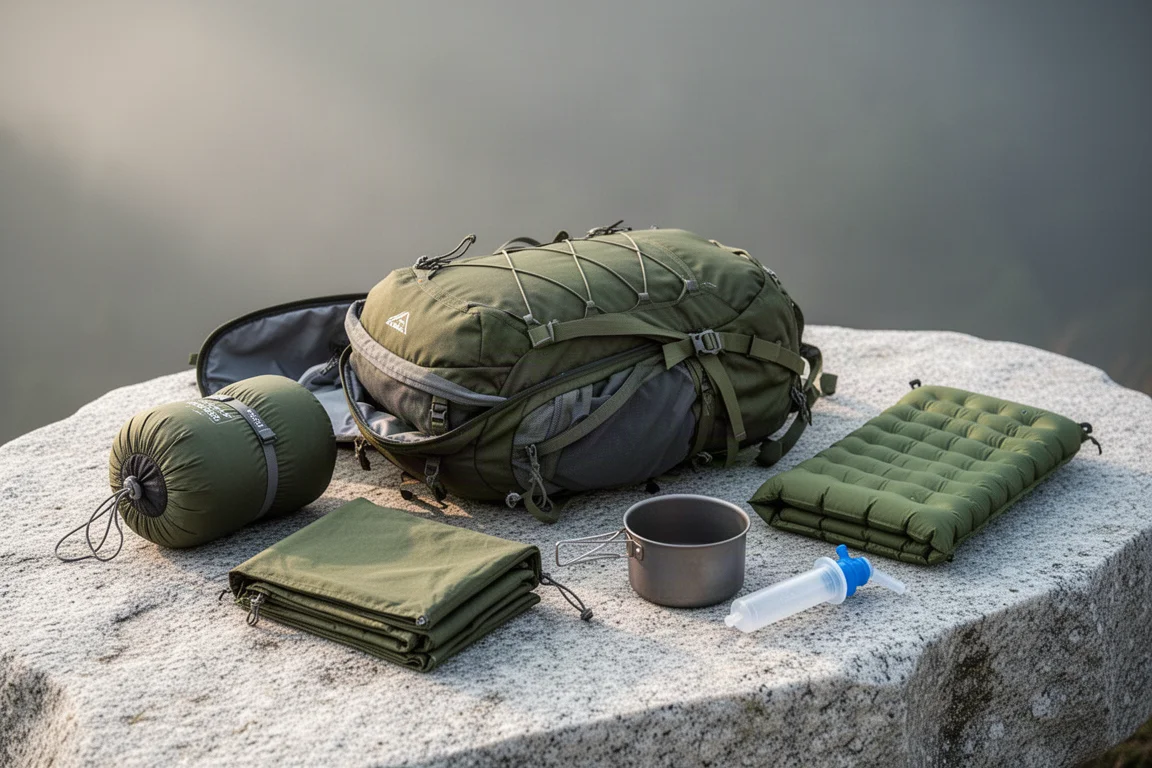
A practical walkthrough of the ultralight pieces behind a 10 lb base weight, from a 765 g pack and a roomy one-person tent to a full camp chair and a dependable water filter.
Backpacking Gear
A 15-Pound Lightweight Backpacking Gear List for Solo Trips
A beginner-friendly 15-pound backpacking setup built from easy-to-find gear, with notes on what each piece does, how it packs, and where to spend your attention.
Backpacking Gear
8 Ultralight Backpacking Gear Upgrades Worth Carrying
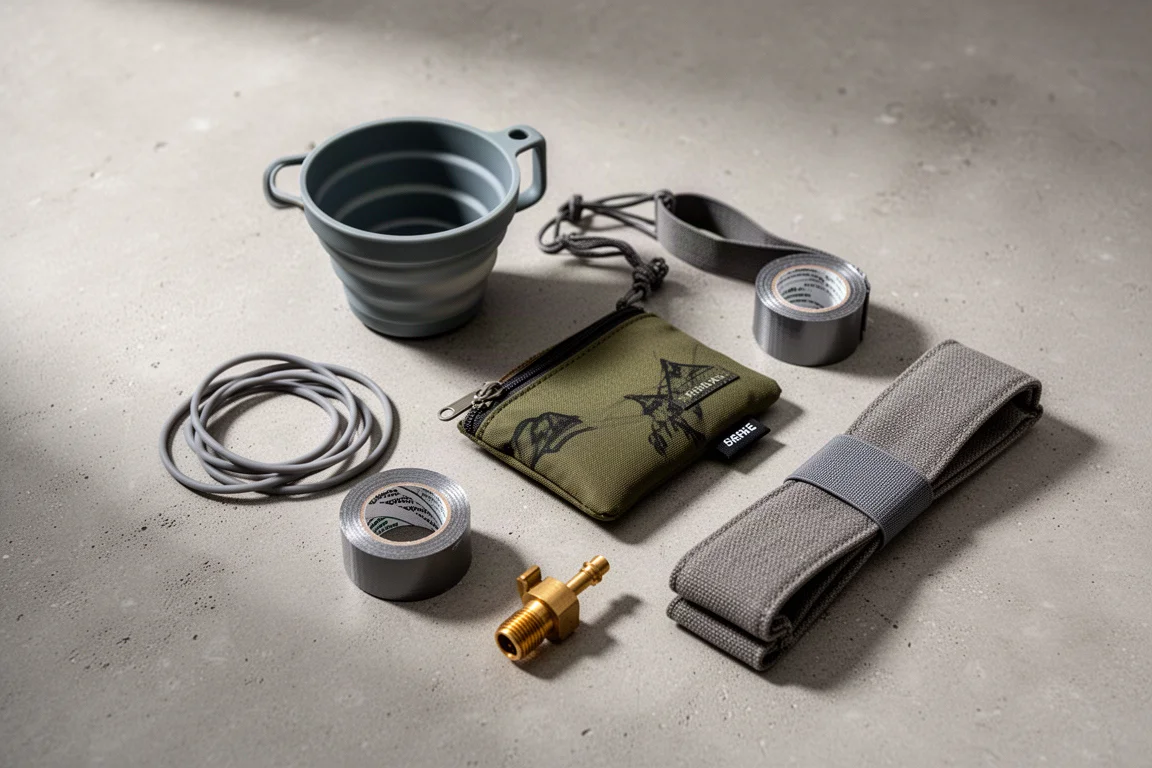
Eight small, affordable backpacking upgrades that solve real trail annoyances, from a pillow that stays put to a fuel valve that rescues leftover canister gas.