Backpacking Gear
Five Surprising Backpacking Gear Picks That Earn Their Place
Five ultralight backpacking items that look gimmicky at first glance, from camp sandals to powdered soap, and how they hold up in real use.
Introduction
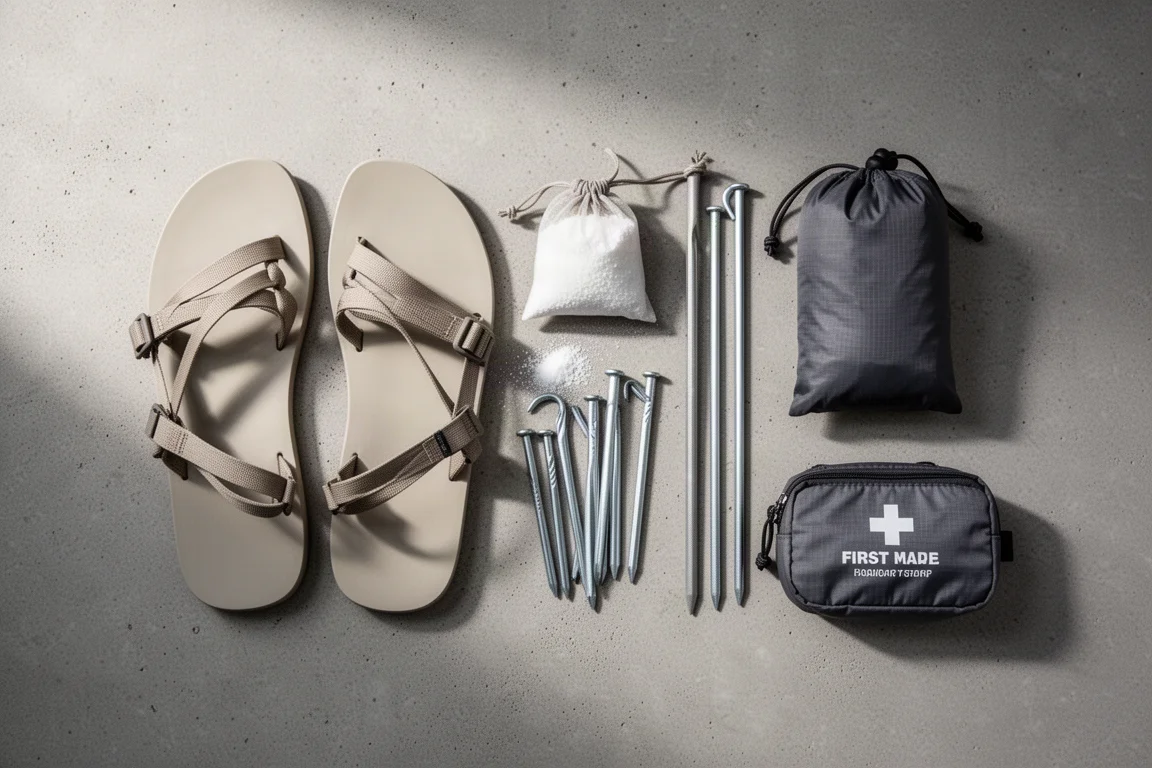
Some ultralight gear looks like a mistake at first glance. Sandals that could pass for cardboard and string. A small pouch of soap powder instead of a bottle. A dedicated sack for tent stakes. None of it looks like equipment that would survive a long trail, and it is easy to dismiss all five of the items below before giving them a fair chance.
They earned their place the slow way, through weeks of use rather than a first impression. Each one addresses a small, specific annoyance: footwear for camp and town days, hygiene that still works below freezing, stake storage that does not fight back, and two Dyneema bags that make packing a little more enjoyable.
What These Picks Have in Common
Every item here is light, but none of them are light at the expense of doing their job. They are also deliberately narrow in scope, which is a large part of why they work. A stake sack does not try to double as a general stuff sack, and a camp sandal does not pretend to be a hiking shoe.
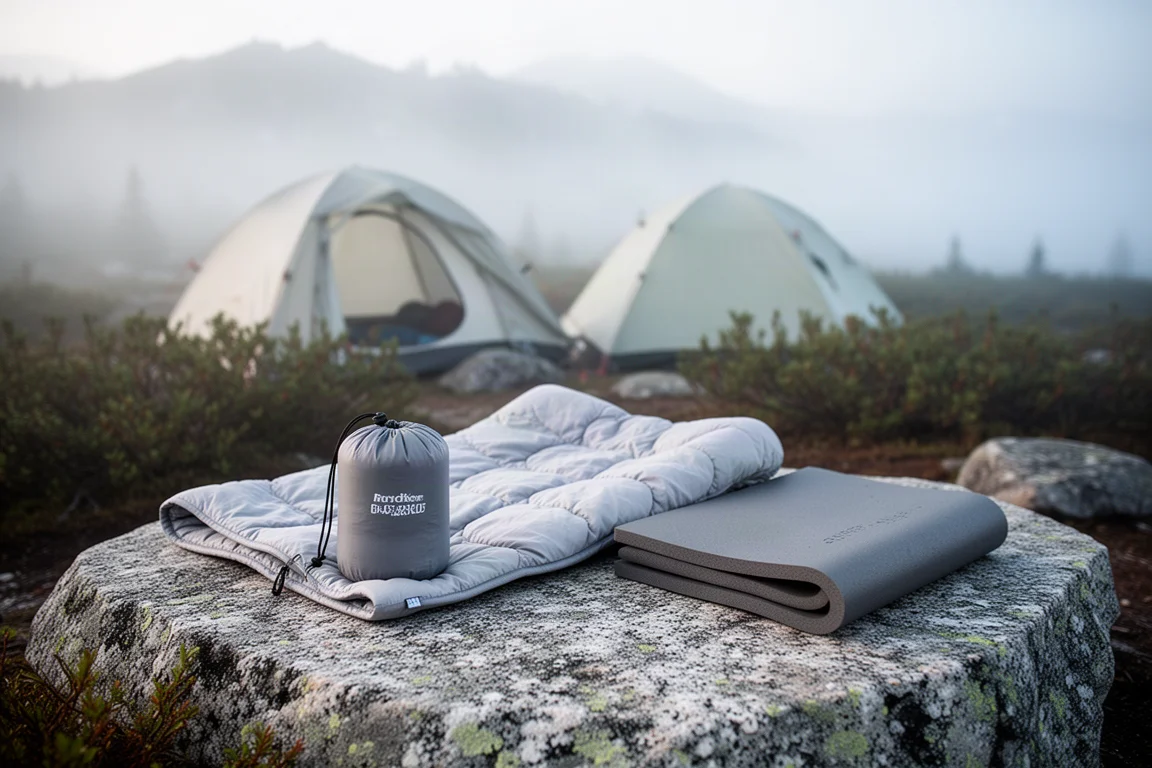
Durability is the other common thread. These are items that were used hard rather than photographed once: one pair of sandals covered 36 days on the Great Divide Trail and is still going strong.
Mayfly Ultralight Sandals: Camp Footwear That Earns Its Place
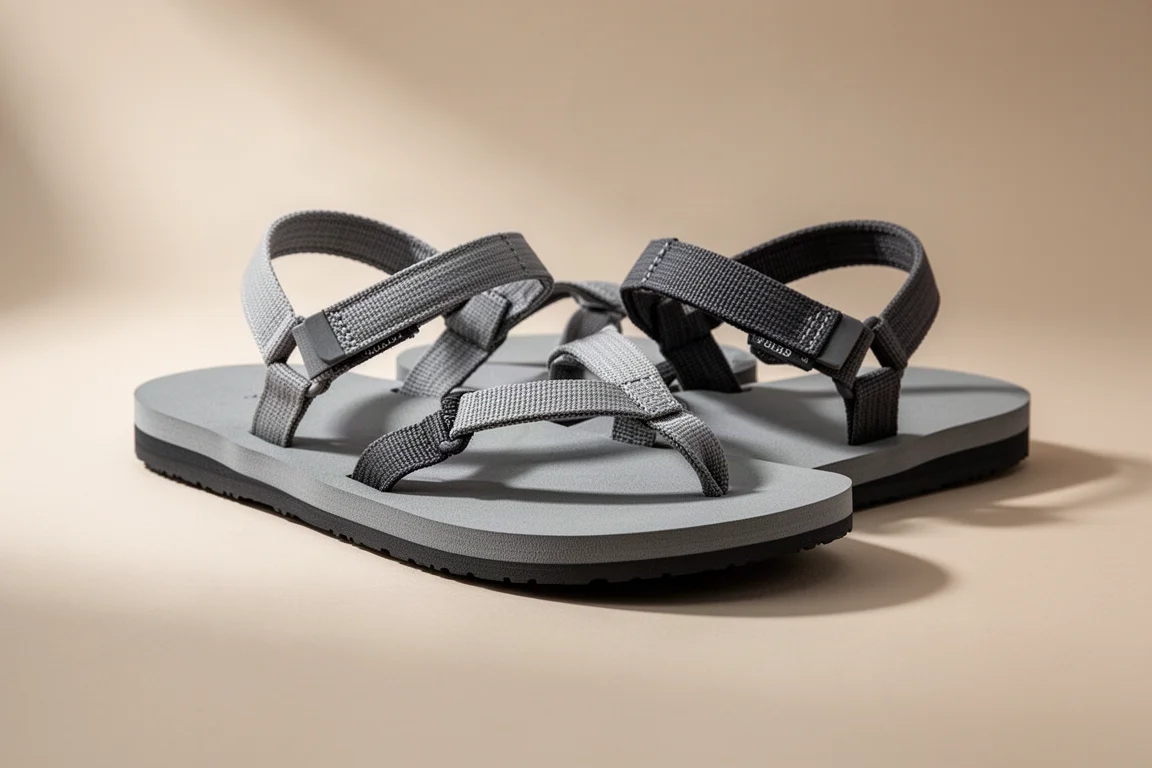
At a glance, the Mayfly Ultralight sandals look improvised. In practice they are built from a polypropylene plastic base, high-durability nylon, and silicone reinforcement throughout, with a grippy material on the underside to keep you from sliding around.
Mayfly offers two versions: a thong style and a classic sandal. The classic pair was used for 36 days on the Great Divide Trail, worn around camp and as the main footwear for walking around town on zero days. It is still going strong and looks good for another summer of use. The thong version adds a little more stability for the foot.
The real appeal is what the sandals replace. They let a thru-hiker carry camp and town footwear for a weight penalty of just 1.7 oz.
Pika Outdoors Powdered Soap: Clean Hands Without the Water Weight
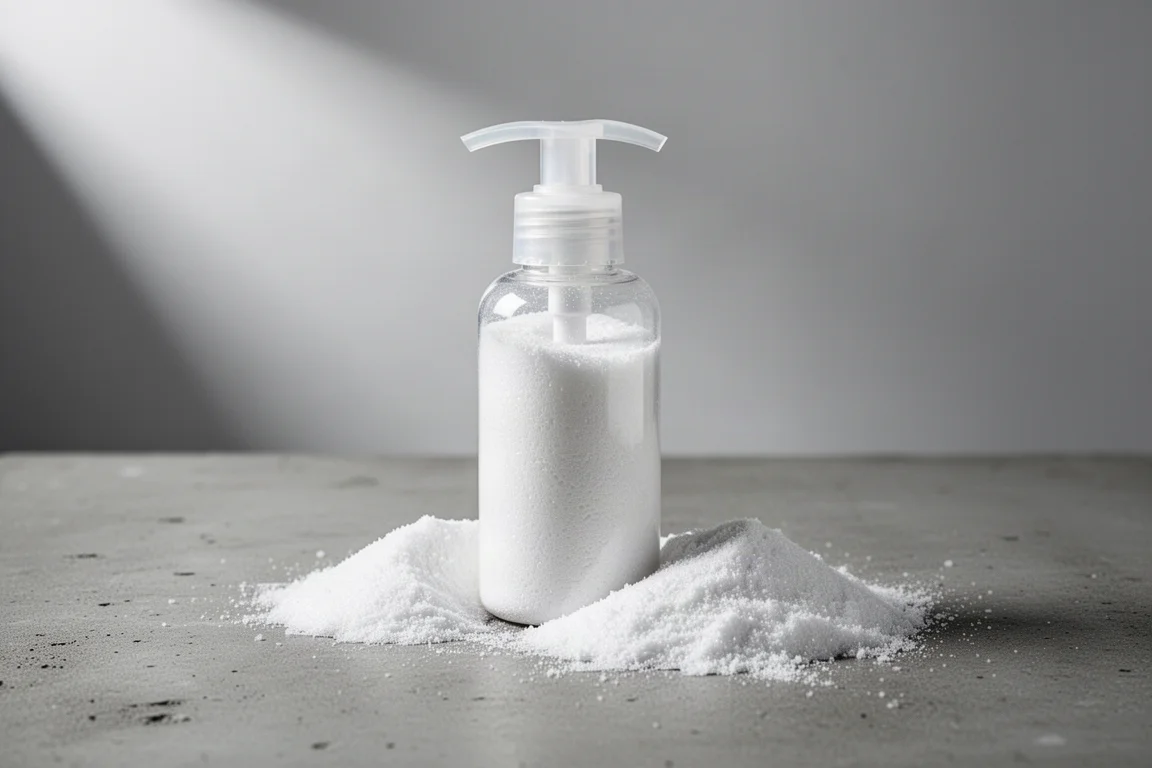
Powdered soap raises an obvious question first: does it actually clean? The Pika Outdoors formula contains the components that make soap effective, and it performs as a soap in practice.
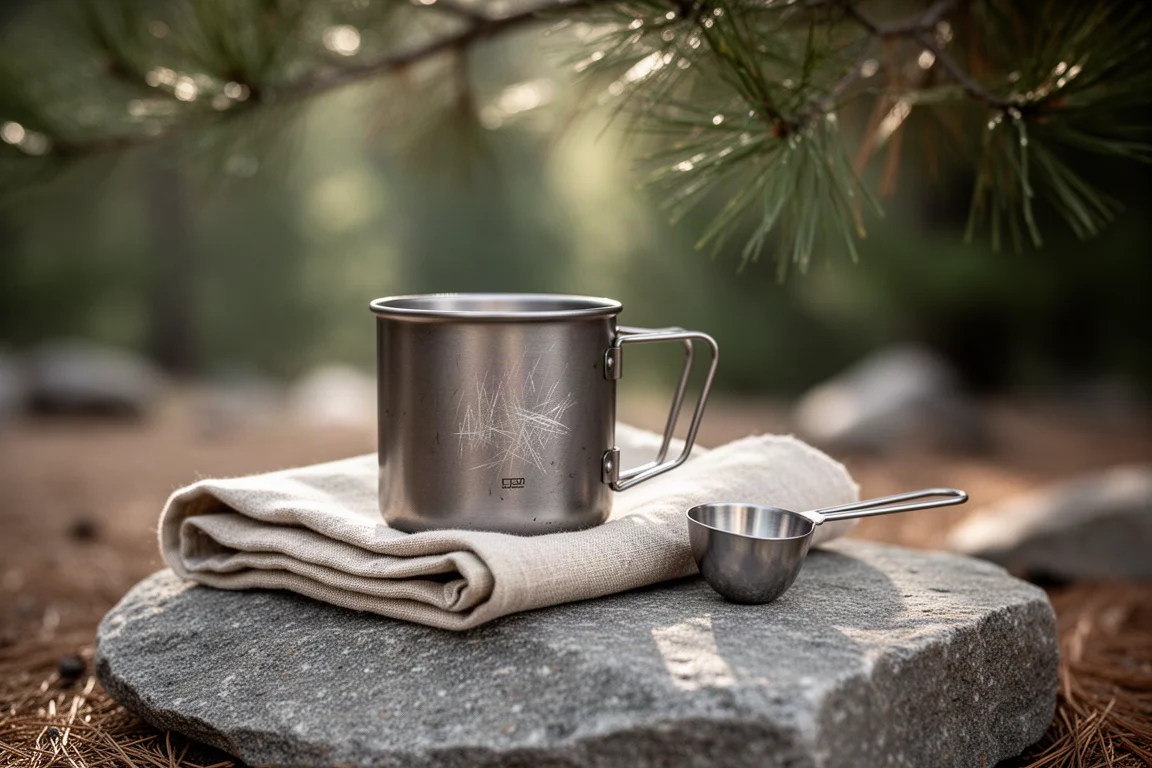
The case for carrying it instead of hand sanitizer or liquid soap comes down to three things. Powdered soap does not freeze, which matters on fall and winter trips when temperatures drop below freezing and liquid soap becomes difficult to use. It is far less messy, so a leak inside a pack is a much smaller problem. And it is lighter, because you are not carrying water weight and simply add water in the field.
Pika Outdoors soap is biodegradable. As with any biodegradable soap, the recommendation is still to wash hands and dishes away from rivers, lakes, and other water bodies to avoid impacting the environment.
Omen’s Right Stake Sack: A Wider Opening Makes a Real Difference
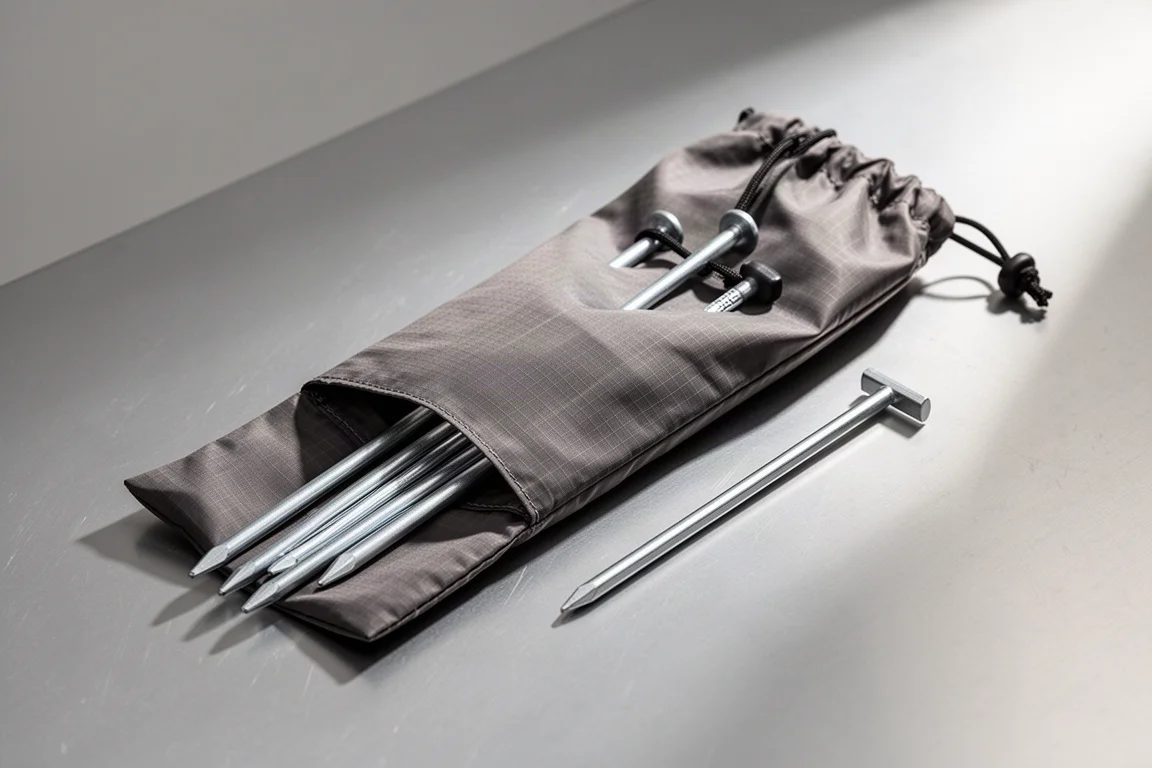
Most stake sacks are narrow tubes that turn packing up into a small daily annoyance. The Omen’s Right stake sack opens noticeably wider than a traditional design, which makes it easier to put stakes back in and easier to reach into the bottom when you are hunting for smaller stakes such as mini groundhogs mixed in with larger ones.
The opening is well designed in both directions. It closes easily and opens easily, so the whole process is smoother when you are bleary-eyed and taking a tent down in the morning.
The sack weighs barely more than the elastic band some hikers use to bundle stakes together, which keeps the upgrade essentially free in weight terms.
Space Bear Bags Poop Emoji Bag: Dyneema With a Sense of Humour
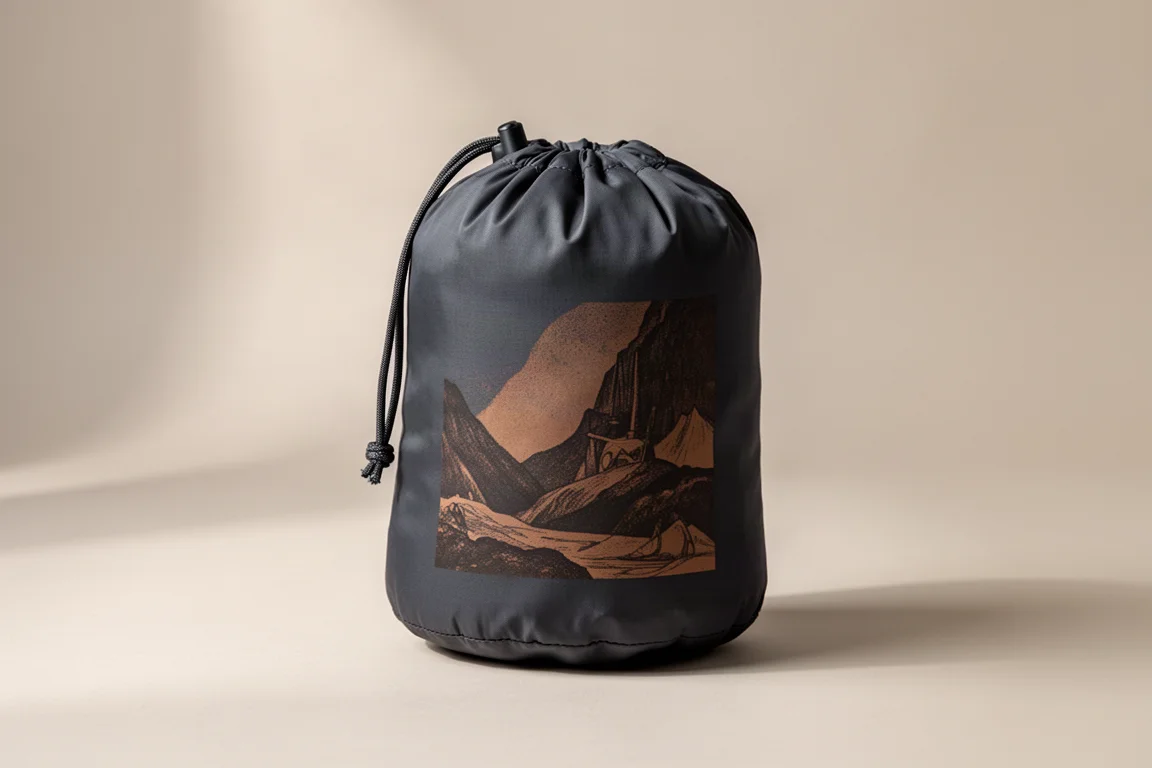
Not every piece of gear has to justify itself with specs alone. The Space Bear Bags poop emoji bag is a novelty Dyneema bag, and part of its value is the small lift it gives you every time it comes out of a pack.
It is a durable Dyneema stuff sack first and a joke second. Pulling it out is a reminder that a lighter pack is not the only source of enjoyment on a long trip.
Space Bear Bags First Aid Kit: Easy to Find When You Need It
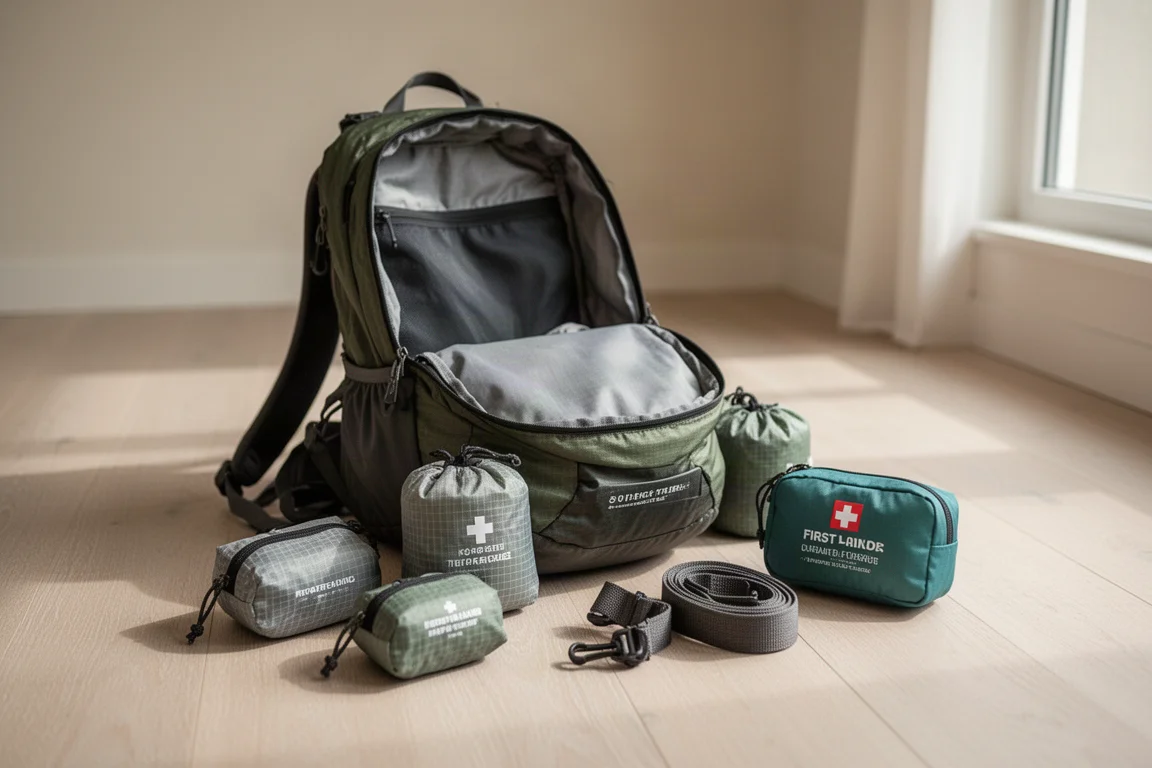
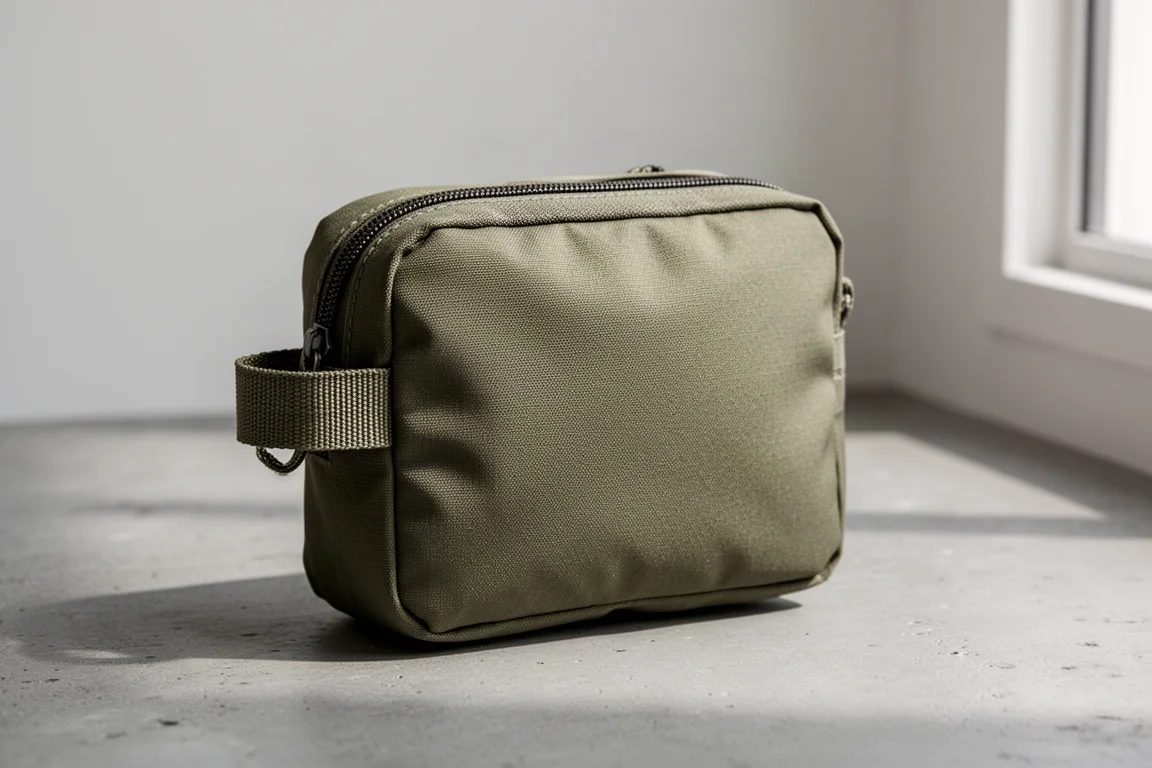
A first aid kit is only useful if you can find it quickly. The Space Bear Bags first aid kit is designed so it is easy to locate, grab, and drop into a pack, whether that is a day pack or a backpacking pack.
That grab-and-go quality matters more than it sounds. A kit that lives in a known pouch and comes out without a search is one you are far more likely to keep stocked and carry consistently.
Buying Advice
The pattern across all five items is the same. Each one replaces something heavier, messier, or more annoying with a simpler alternative, and each one is small enough that adding it to a pack costs very little.
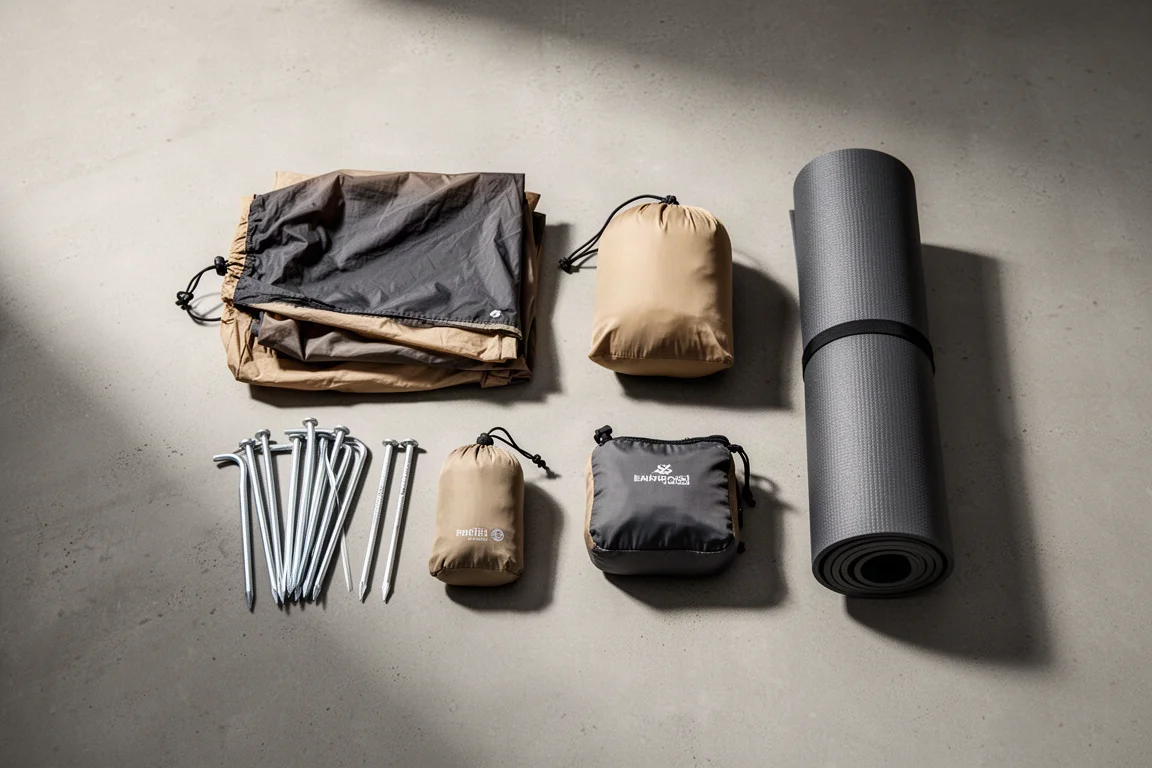
Start with the item that solves a problem you actually have. If you hike in cold weather, powdered soap matters far more than a novelty stuff sack. If you pitch a tent every night, a stake sack with a wider opening will earn its place faster than almost anything else here. If you are through-hiking and want footwear for camp and town days, the sandals are the item with the clearest job to do.
Two of these items, the poop emoji bag and the first aid kit, are popular and tend to sell out quickly. If you find them unavailable, signing up for a stock notification is the practical way to catch the next restock.
Conclusion
None of these five items looked convincing at first. What changed the assessment was use: 36 days of trail time for the sandals, sub-freezing mornings for the powdered soap, and daily tent setups for the stake sack. Each one is small, light, and does a narrow job well.
If you are rebuilding a kit around weight and simplicity, these are the kind of additions that quietly remove friction from a trip rather than adding another thing to think about.
Further reading
Related Reviews

Backpacking Gear
Building a 10 lb Base Weight: An Ultralight Backpacking Gear List
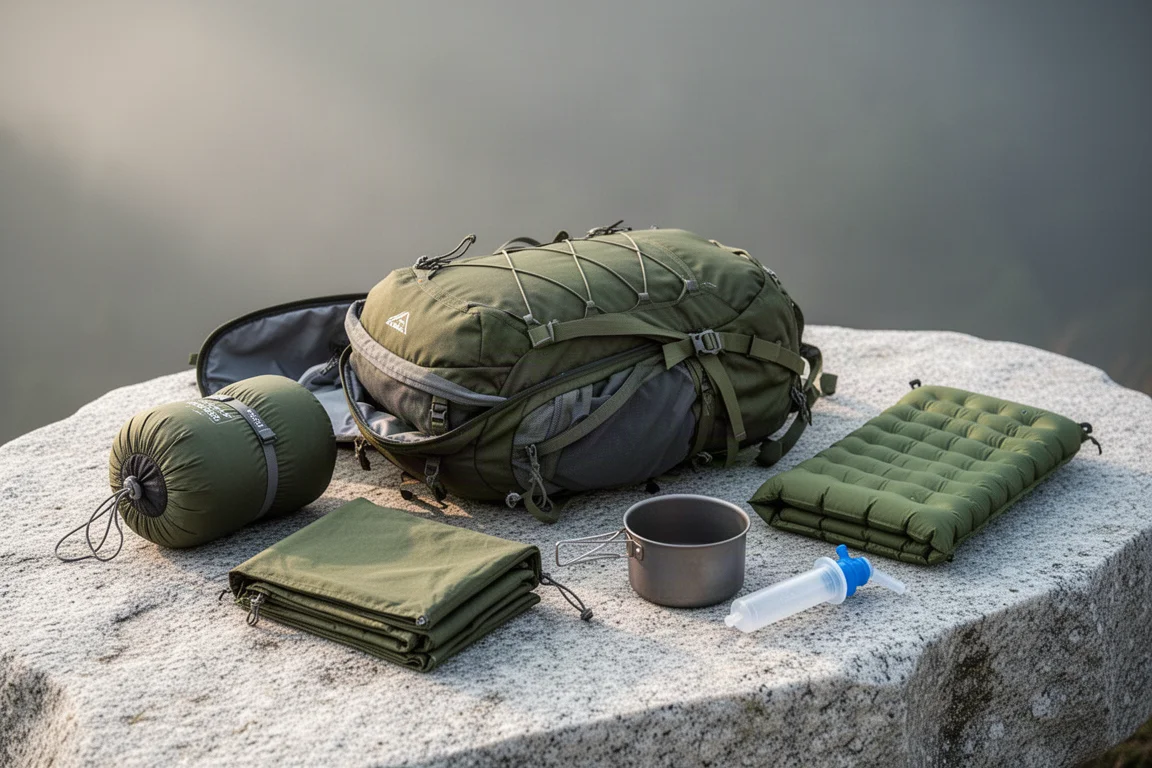
A practical walkthrough of the ultralight pieces behind a 10 lb base weight, from a 765 g pack and a roomy one-person tent to a full camp chair and a dependable water filter.
Backpacking Gear
A 15-Pound Lightweight Backpacking Gear List for Solo Trips
A beginner-friendly 15-pound backpacking setup built from easy-to-find gear, with notes on what each piece does, how it packs, and where to spend your attention.
Backpacking Gear
8 Ultralight Backpacking Gear Upgrades Worth Carrying
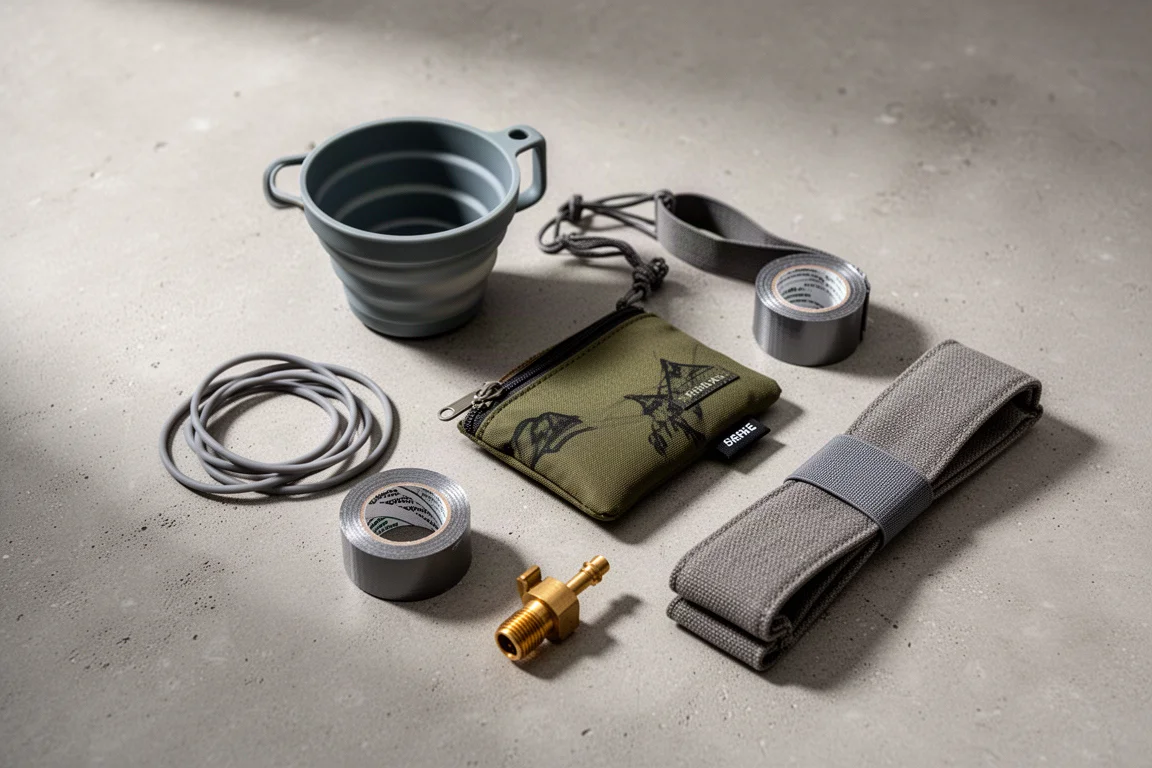
Eight small, affordable backpacking upgrades that solve real trail annoyances, from a pillow that stays put to a fuel valve that rescues leftover canister gas.