Mountain Bikes
Five Steel Mountain Bikes Worth a Serious Look in 2026
Five steel mountain bikes that prove the material still has plenty to offer, from a big travel enduro rig to short travel trail frames and aggressive hardtails.
Introduction
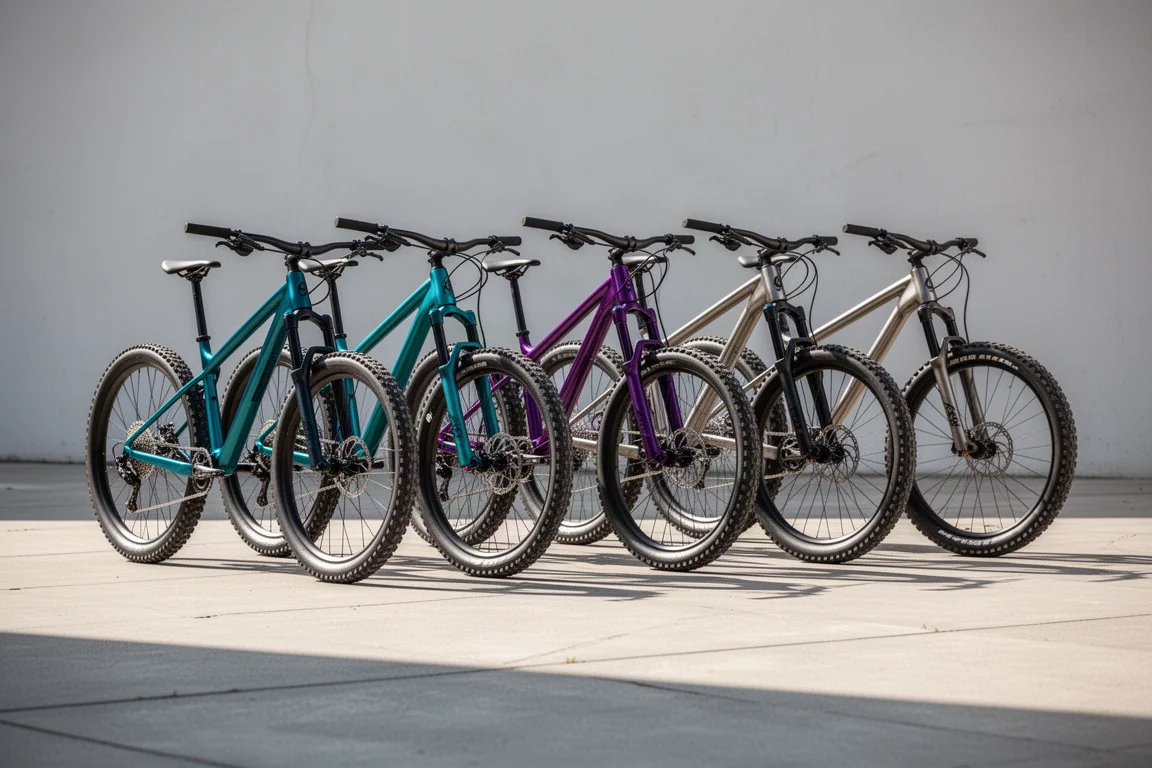
Steel has a long list of advantages over aluminium, titanium and carbon fibre. It is simple to work with, easy to repair, famously durable, and it should deliver the nicely damped feel that steel fans describe as the classic steel ride quality. Slimmer tube shapes also have their own visual appeal.
Steel is heavier than aluminium or carbon, though a steel bike does not have to be a heavyweight. The five bikes below each offer something a little bit special, from a big travel enduro machine to short travel trail frames and thoroughly modern hardtails.
What to Look For in a Steel Trail Bike
Tubing is the first thing to check. Reynolds 853 appears on several frames here, usually in the front triangle and sometimes paired with 631 or 4130 chromoly for the rear end. The exact mix matters less than the overall design, but a well thought out tubeset is what gives a steel frame its balance of stiffness and compliance.
Geometry and adjustability come next. Travel, wheel size and head angle decide how a bike behaves, while features such as sliding dropouts, adjustable shock stroke, swappable brake mounts and multiple bottle or rack mounts decide how long you will keep it. External cable routing and a threaded bottom bracket are worth prioritising if you like to work on your own bike.
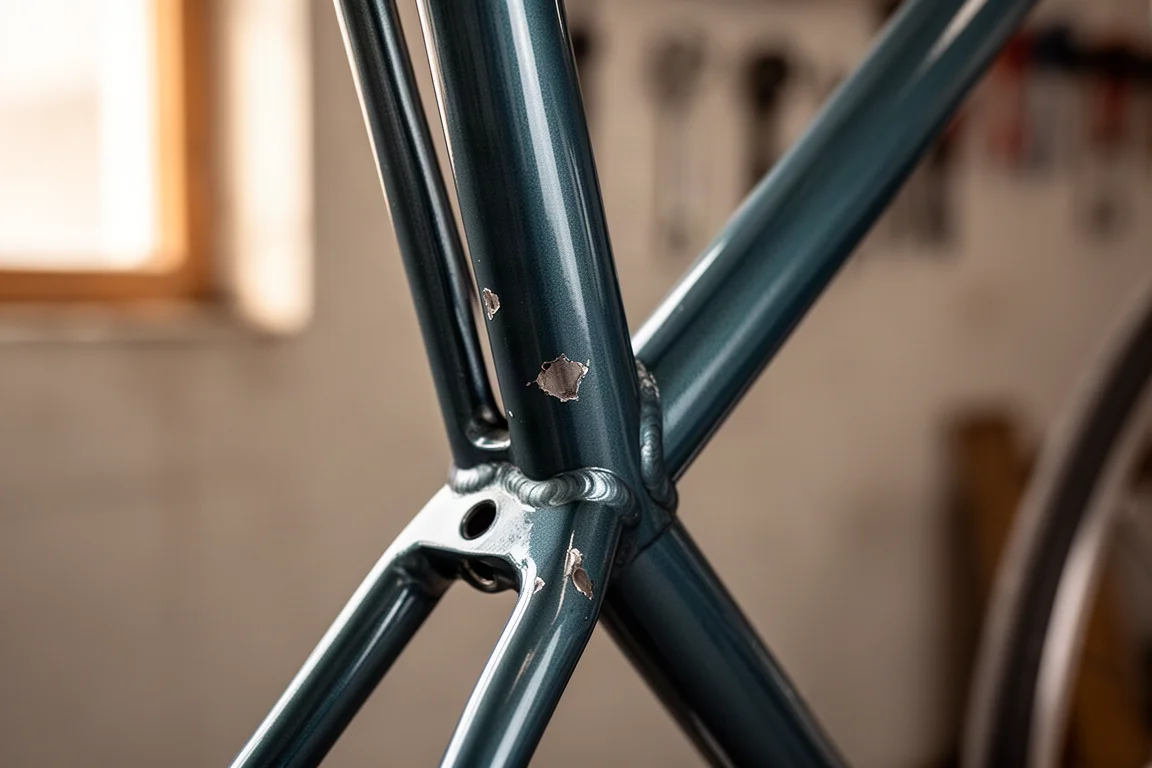
Budget is the final piece. Steel framesets can be surprisingly affordable, and most brands on this list offer a frame only option so you can build around parts you already own. That is often the smarter route for riders with a good fork and wheelset sitting in the garage.
Whatever you choose, buy for the terrain you actually ride. A long travel enduro frame and a fast cross-country frame share the same material but almost nothing else.
Cotic RocketMAX Gen 4
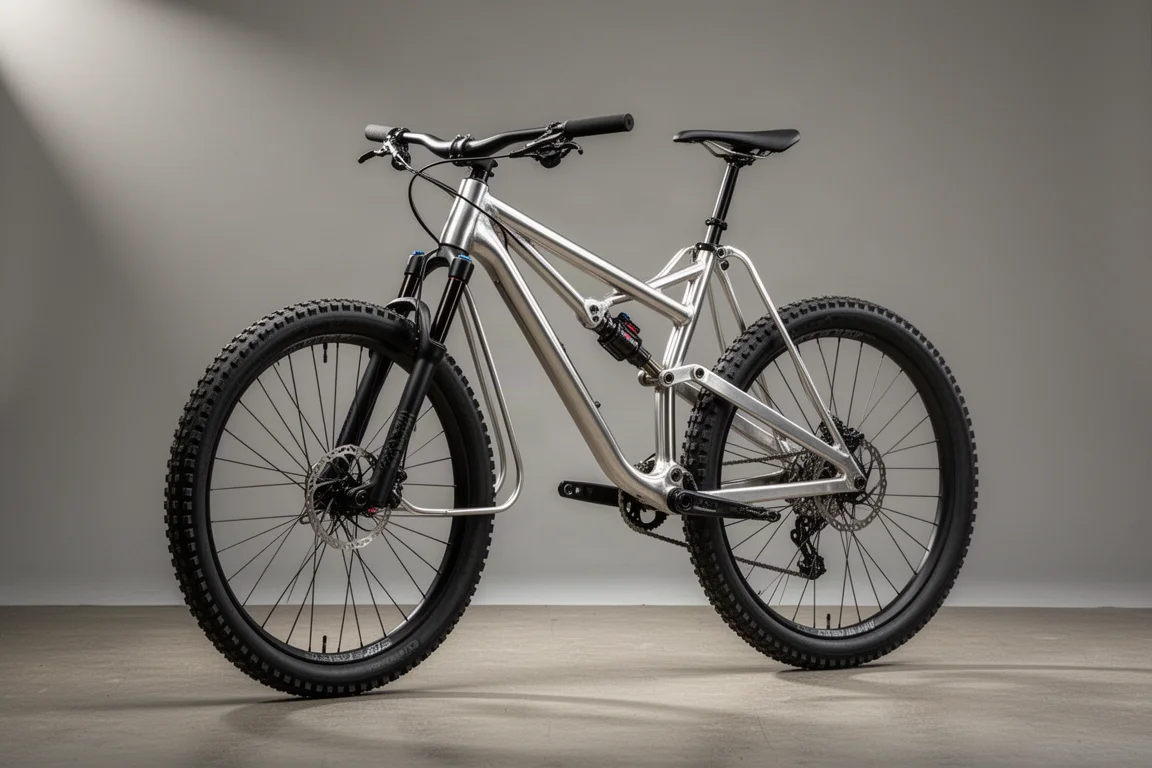
Cotic introduced its first steel full suspension bike back in 2012, and the RocketMAX has come a long way since. The Gen 4 is the brand’s big travel enduro platform, offering 160mm of rear wheel travel in its stock configuration paired with a 170mm fork up front.
Adjustability has always been central to the RocketMAX approach. The Gen 4 runs 29 inch wheels but can also be set up as a mullet bike, and rear travel can be reduced to 155mm or 150mm with a shorter stroke shock suited to a 160mm fork, all based around the same frame.
The frame uses Cotic’s longshot geometry with a C sizing range of five sizes, with smaller jumps between reach measurements of around 19mm and shorter seat tubes than before, which makes it easier to dial in a fit. Reynolds 853 tubing forms the front end, including the signature oval form top tube, while the swingarm pairs 6066 T6 aluminium with steel seat stays and a balance drop link suspension layout built for traction and ground hugging feedback.
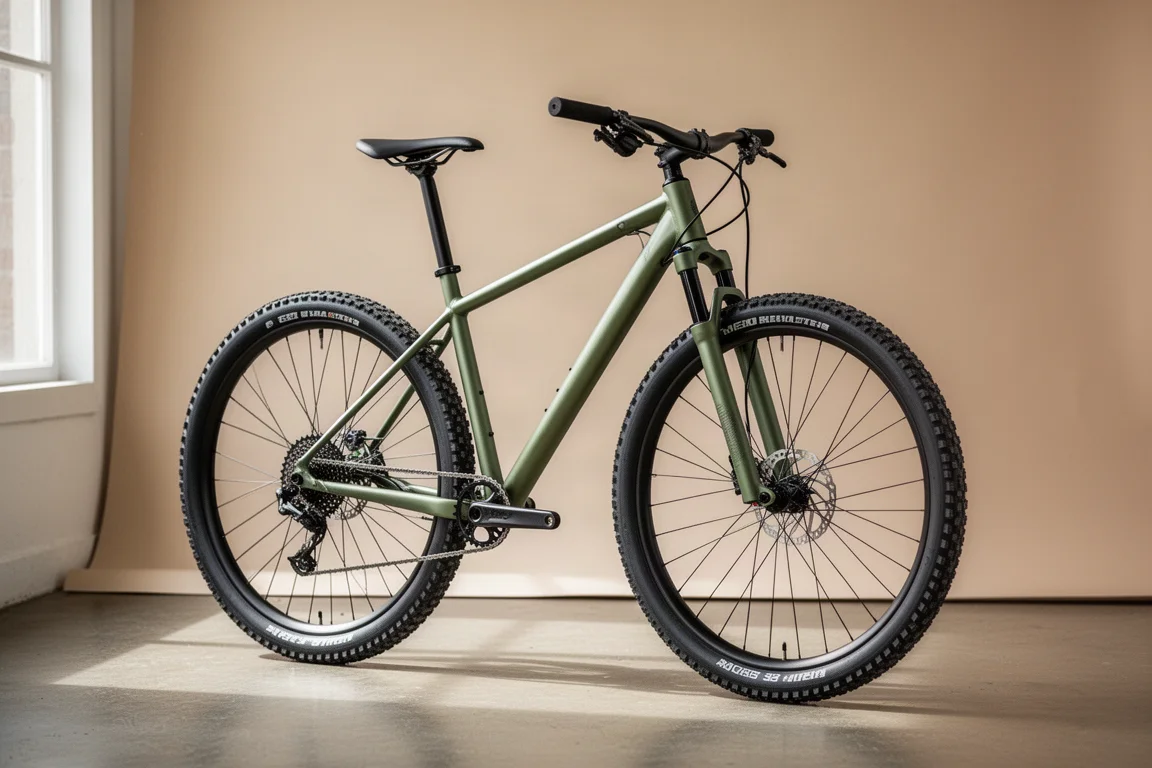
Fairlight Halt
Fairlight is best known for road, gravel and adventure bikes, but the Halt is a cross-country mountain bike through and through. The brand describes it as unashamedly XC, designed to be fast and efficient with class leading compliance and comfort.
The front triangle uses Reynolds 853 and 631 tubing, with 4130 chromoly chain and seat stays and Fairlight’s own utility dropouts. Those dropouts include a replaceable gear hanger and a swappable brake mount that can be post mount or flat mount, which widens brake compatibility considerably. There is routing for Di2 and dynamo lighting, three sets of bottle bosses and rear rack mounts, so the Halt can handle a multi-day adventure as easily as an afternoon on singletrack.
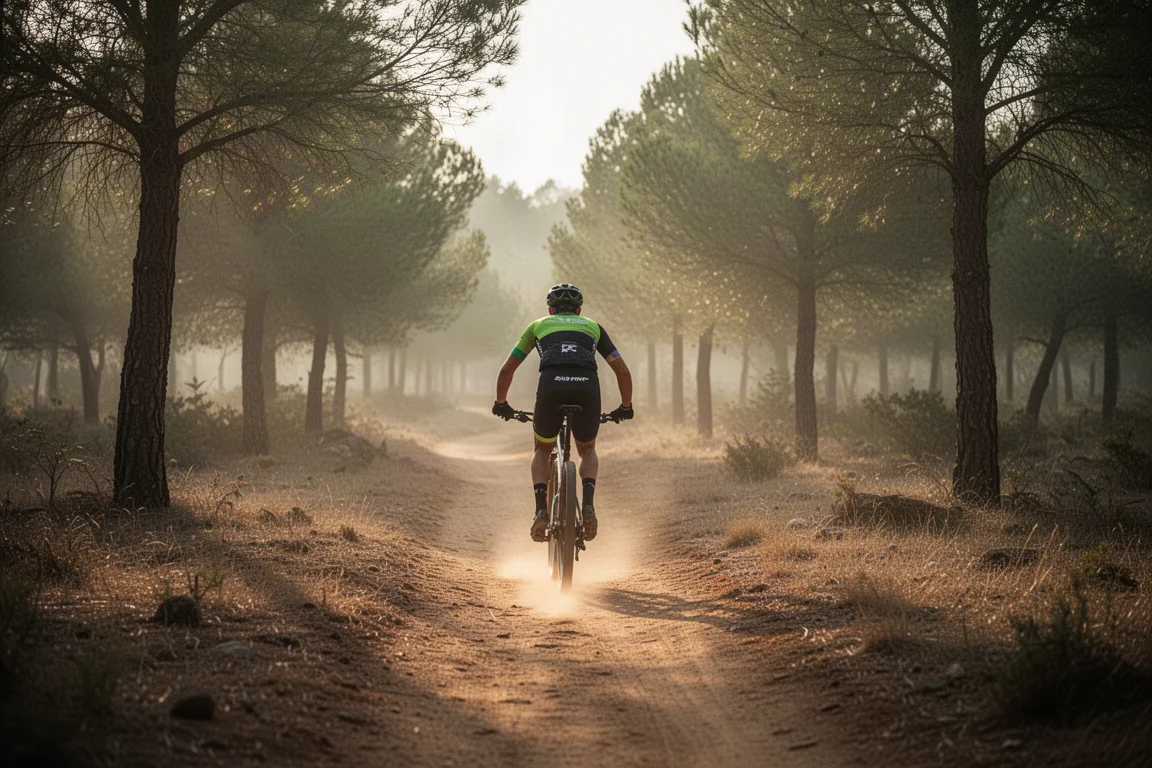
It is designed around rigid forks or 100mm to 120mm suspension forks, with a head angle of 67.1 degrees when a 120mm fork is fitted at 20 percent sag. That is not a super slack descender but a finely tuned singletrack scalpel. The skinny 27.2mm seat tube means big dropper posts are off the table, though tyres up to 29 x 2.6 inches can be fitted for extra comfort or for going fully rigid without punishing your wrists. Frames start at £999, and a complete off-the-shelf XT build is £3,299, with upgrades available from Hope, Hunt, Chris King and PNW.
Reeb SST
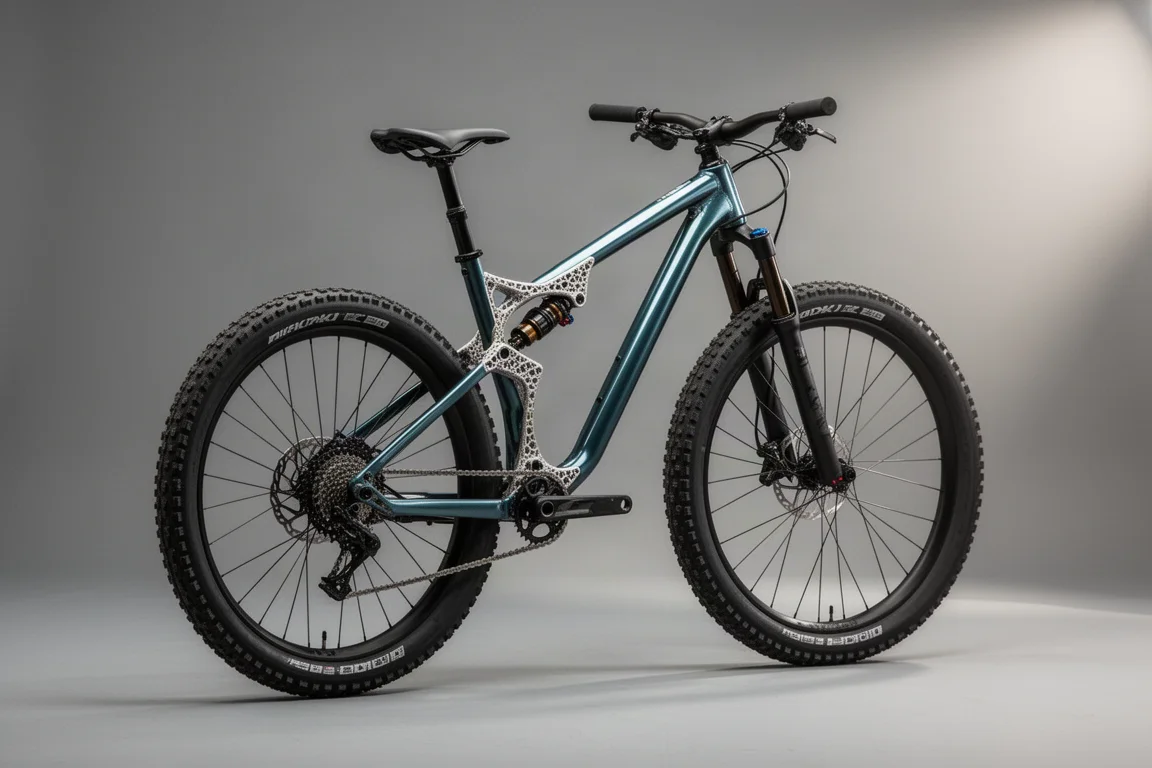
Reeb Cycles may not be a familiar name to everyone, and the SST is the bike meant to change that. The frame is built from 4130 chromoly tubes with aerospace grade 3D printed metal frame components, blending an old school material with modern construction methods.
The heart of the SST is a 120mm travel frame handmade in Colorado, designed to bridge the gap between Reeb’s hardtails and the longer travel Diesel. It is a short travel bike with the rowdy and playful character of a hardtail and enough support to hit the big lines. Rear travel is controlled by either a coil or air shock using tuned flex stay kinematics in place of a traditional linkage, which the brand says provides outstanding small bump compliance, traction and pedalling performance. A 130mm to 150mm fork is recommended, giving a moderately slack 65.5 degree head angle with a 140mm fork.
Versatility runs throughout. There is external hose routing, a 44mm head tube that accepts any steerer, a SRAM UDH derailleur hanger and a 73mm bottom bracket, so most drivetrains will fit. Framesets start at $3,795 with a Cane Creek inline air or coil shock and rise to $4,595 with an upgraded shock, frame and fork kits start at $4,695, and complete builds run from $6,395 up to $9,695.
Bird Forge
Bird Cycle Works has only been around for around a decade, but its bikes have caught the imagination of riders in the UK and further afield. The Forge is the brand’s steel hardtail and was designed from the outset to be its most aggressive hardtail. Work began in 2013 and the bike reached riders in 2021.
The result is a 29 inch trail hardtail that takes 140mm to 160mm travel forks and sits firmly on the long and slack side of things. With a 160mm fork fitted, the head angle is 63.2 degrees, reach on a size large is 496mm, the bottom bracket sits at 310mm and chainstays are 435mm. That combination explains why Bird claims it rails corners like no other hardtail on the market.
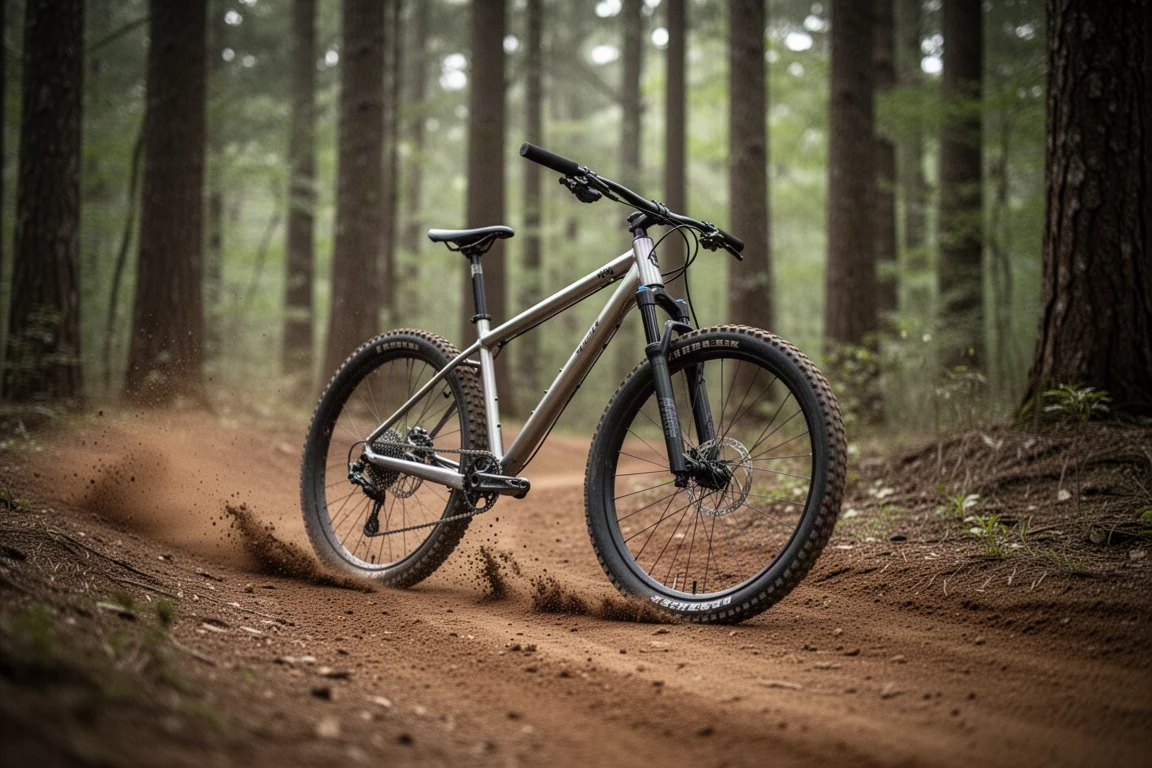
The frame pairs Reynolds 853 double butted top and down tubes with 4130 chromoly for the remaining tubes, finished in a Tuscan teal paint that flips between teal and purple depending on the angle. Practical details include external cable routing, two bottle cage mounts on the down tube, a SRAM UDH hanger interface and a threaded bottom bracket, so you can build it however you like. Framesets start at £840, and Bird offers near infinitely customisable complete builds with a choice of RockShox or Formula suspension and SRAM or Shimano drivetrains.
Pipedream Moxie MX3
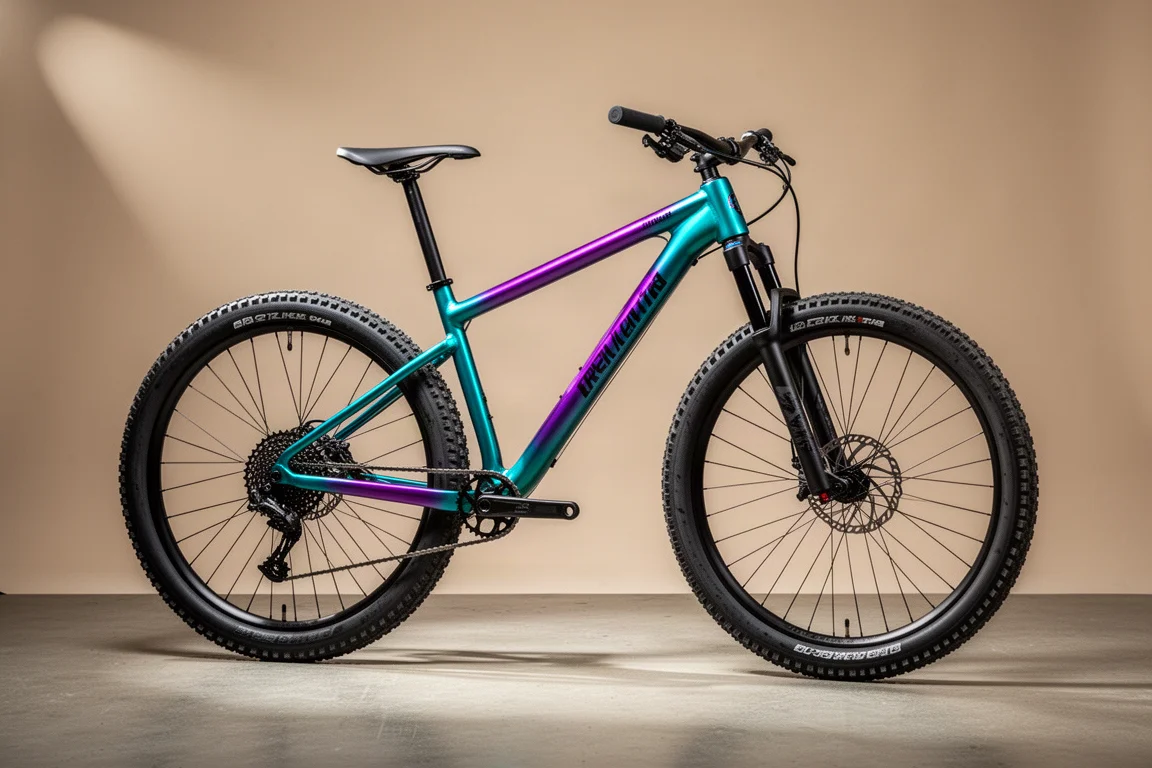
Pipedream is another British brand that can trace its roots back to the 1990s, but the Moxie MX3 is anything but a retro throwback. It is a thoroughly up-to-date hardtail whose capabilities go well beyond the old school name and skinny steel tubes.
Few hardtails are as adjustable. The Moxie accepts forks from 140mm to 170mm of travel and can be run with 29 inch, 27.5 inch plus or regular 27.5 inch wheel setups. Sliding dropouts give a massive 16mm of chainstay adjustment, so you can sharpen the handling or stretch the wheelbase to suit your riding.
Its drop optimised geometry pairs a very short seat tube with a steep 77.5 degree seat angle, which keeps the riding position efficient and frees up as much dropper post travel as possible. Even the largest frame, with its 510mm reach, uses an incredibly short 420mm seat tube, so long travel droppers of 200mm and beyond are well within reach. The Moxie is available as a frame only from £795 in a range of colours, making it a genuine option for individualists.
Buying Advice
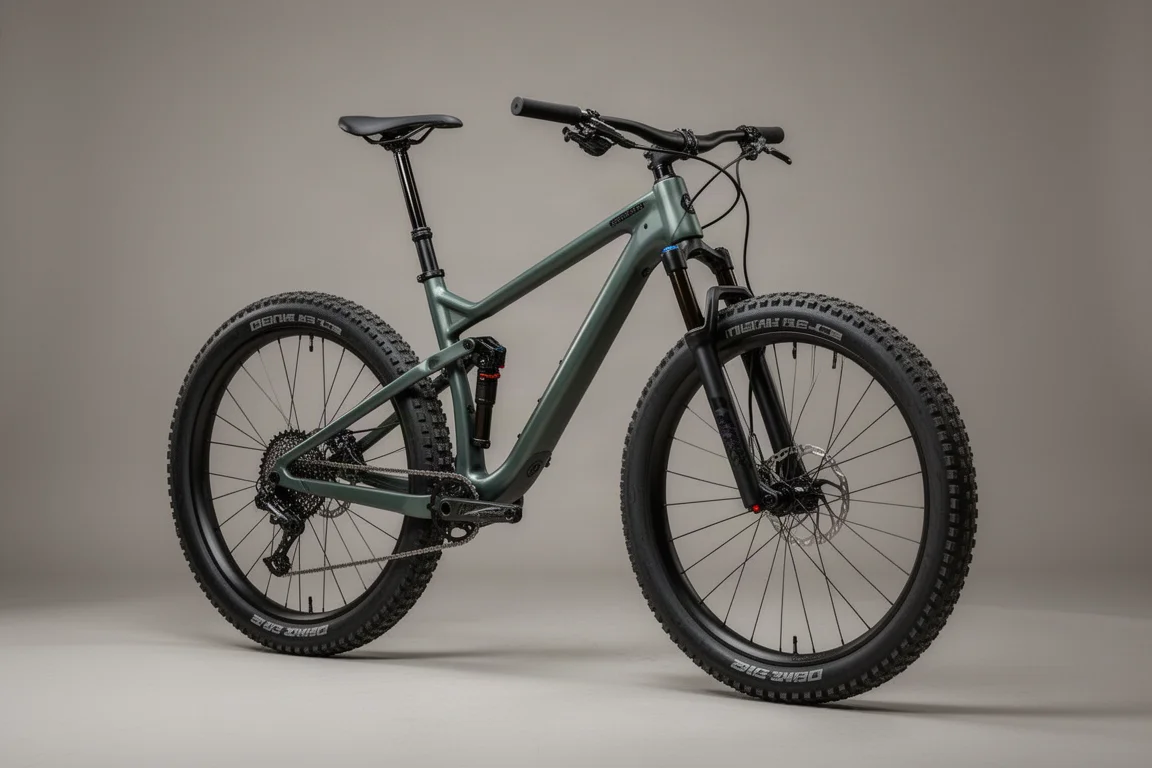
Choosing between these five comes down to the riding you do most. If you want a full suspension bike for big descents, steep terrain and bike park days, the Cotic RocketMAX Gen 4 offers the most travel and the widest range of setups from a single frame.
For long days and mixed surfaces, the Fairlight Halt leans towards efficiency and comfort, and its rack mounts, bottle bosses and dynamo routing make it the most touring friendly option here. The Reeb SST suits riders who want a short travel trail bike with an unusual construction story and enough support for ambitious lines. If aggressive hardtail riding is the goal, the Bird Forge and the Pipedream Moxie MX3 are the two to compare directly, with the Forge bringing a very slack, very long front end and the Moxie bringing wheel size flexibility and dropper friendly geometry.
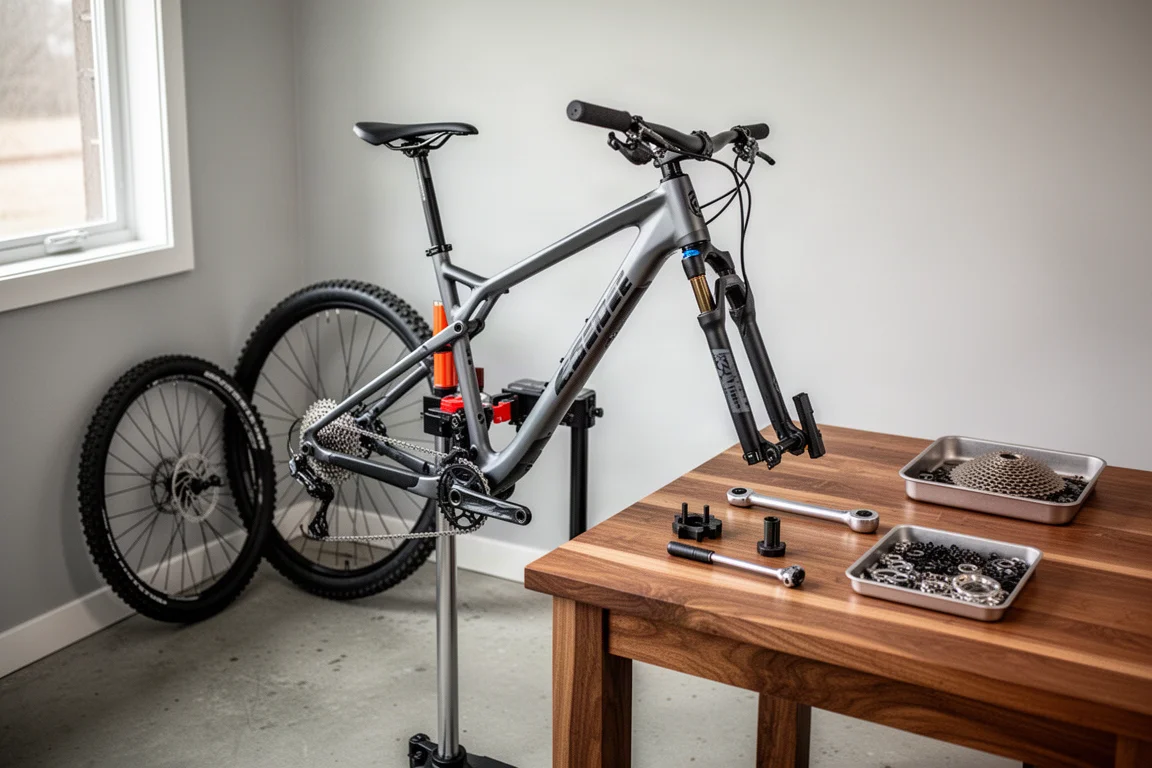
Frame only options are a real advantage across this list. If you already own a good fork, wheels and drivetrain, building up a frame from Cotic, Fairlight, Reeb, Bird or Pipedream often makes more sense than buying a complete bike, and it lets you choose every contact point yourself. Check the recommended fork travel and shock size for each frame before you commit, since those two choices shape the ride more than any other component.
Conclusion
Steel frames remain heavier than aluminium or carbon, but each of these five bikes shows how much a well designed steel chassis can offer. Reynolds 853 front triangles, 4130 chromoly tubing, 3D printed frame junctions and genuinely adjustable geometry all appear on this list, and every one of these bikes is repairable, durable and distinctive.
Pick the travel, wheel size and geometry that match your riding, decide whether a frameset or a complete build suits you better, and any of these five should serve you well for a long time.
Further reading
Related Reviews
Mountain Bikes
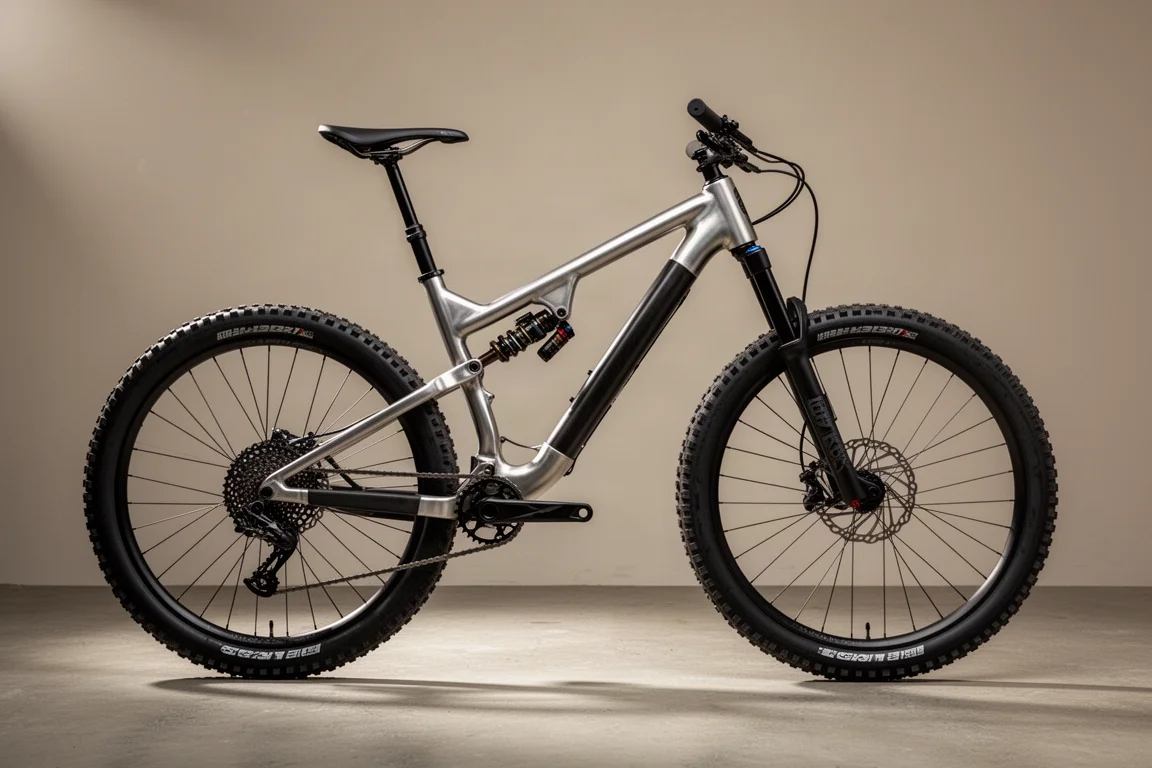
Atherton AM.130 Review: 3D-Printed Titanium Lugs and a 130mm Trail Bike That Descends Like a Bigger Machine
The Atherton AM.130 pairs 3D-printed titanium lugs with carbon tubes and a DW6 suspension platform. Here is how it rides, what the build delivers, and who it suits.
Mountain Bikes
Beginner Mountain Bike Buying Guide: What to Look For in a Trailworthy Hardtail
A practical framework for evaluating beginner mountain bikes, whether new or used, by examining key components that indicate real trail capability.
Mountain Bikes
Best Aluminum Mountain Bikes 2026: Five Alloy Bikes Worth Your Attention
Five aluminum mountain bikes that show how far alloy has come, from a 120mm trail bike and a versatile machined frame to a 180mm freeride machine.