Hi-Fi Speakers
Five Speakers Worth Buying Again in 2026, With Cheaper Alternatives
Five speakers with enough character to justify a second purchase, plus a lower-cost alternative for almost every one of them.
Introduction
Some speakers leave a system and are forgotten within a week. Others keep nagging at you months later, which is exactly why the five models below would be bought again without hesitation. Each one has a clear character, a specific strength, and a trade-off worth understanding before you commit.
Several of these models sit well above what most people want to spend, so almost every pick is paired with a lower-cost alternative that captures a similar idea. Prices quoted here are the figures available at the time of writing and can shift, particularly on discontinued and secondhand models.
How These Speakers Were Chosen
Every speaker here has spent extended time in a real listening room, matched with a range of amplifiers rather than a single reference system. The shortlist comes down to five qualities:
- Tonality: does it still sound natural after hours of listening
- Dynamics: how convincingly it handles punch and scale
- Imaging and soundstaging: how precisely instruments sit in the room
- Amplifier friendliness: how much power and quality it needs to perform
- Value: what the design, drivers, and cabinet actually deliver for the money
Price alone settles very little. A $5,000 speaker can justify every dollar, and a $500 model can embarrass far more expensive rivals. What matters is whether the character of a speaker matches your room, your amplifier, and the music you actually play.
Totem Tribe Tower: A Slim Tower With Addictive Tonality
The Tribe Tower is one of the slimmest floorstanding speakers you can put in a room, with a footprint closer to a standmount than a conventional tower. That narrow cabinet shapes everything about how it performs. Mid-bass has genuine punch and the low end is reasonably extended, though a subwoofer is the sensible next step if you want real sub-bass weight. Because the cabinet is so slim, imaging and soundstaging behave more like a standmount than a tower, which makes it an unusually good fit for apartments and smaller rooms where a full-size floorstander would overwhelm the space.
The real draw is the tonality. It sounds pure, close to the character of a single-driver design, and slightly on the clinical side of neutral with just a hint of technical spice rather than brightness. Strings and vocals come across as realistic, and the effect is cumulative: the longer you listen, the harder it is to go back to other speakers. A good part of that purity comes from the design itself. The woofers run without a crossover, with only a single capacitor feeding the tweeter, so the drivers are engineered to behave on their own rather than being corrected in the signal path.
A More Affordable Alternative: KEF Coda
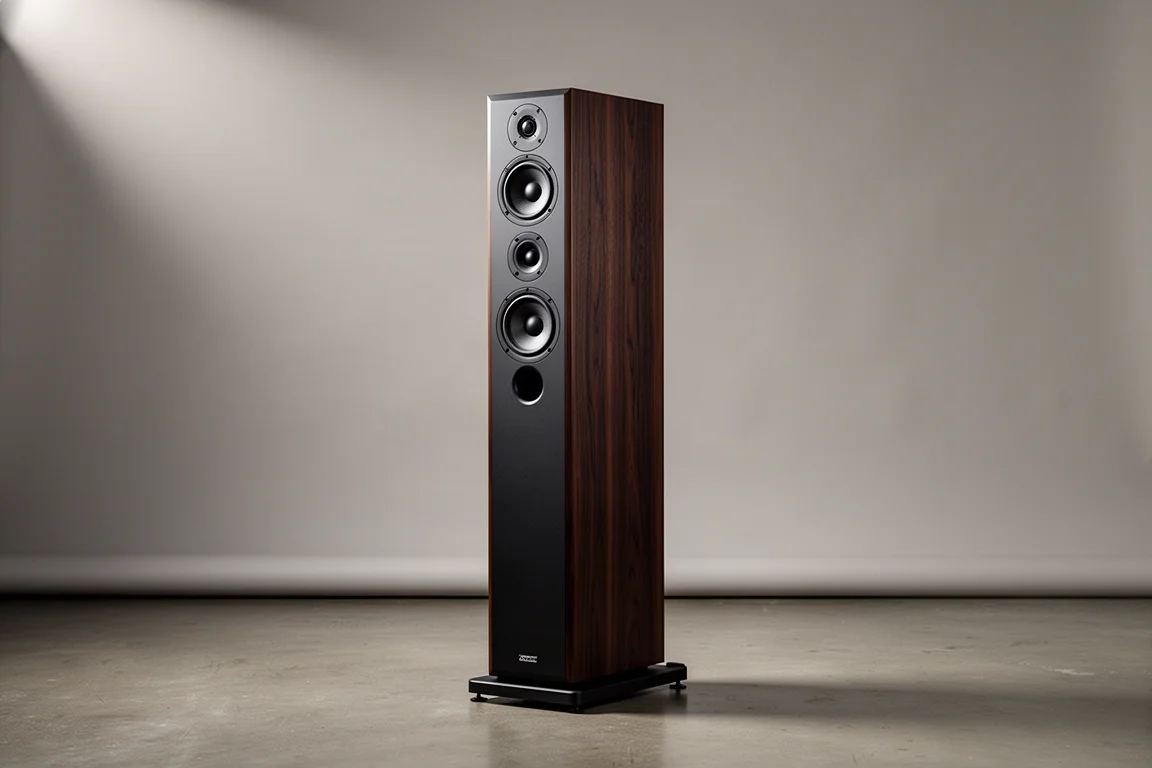
The Coda is another slim floorstanding tower, though not quite as extreme in its proportions as the Tribe Tower, and it costs far less at around $1,300. Its tonality is not identical, but it carries a similar sense of purity, with high-frequency sparkle and sweetness and a solid mid-bass punch. Curiously, it reaches a little deeper in the low end than the more expensive slim tower. Bass lovers will still want a subwoofer to go with it.
The savings show up in the details: a less expensive finish, simpler drivers, and a simpler crossover. Even so, it is a genuinely enjoyable speaker for the money. The original Coda has been discontinued and replaced by a newer version, which means the model discussed here is often available from dealers, as leftover stock, or on the used market at a meaningful discount.
Arendal 1723 THX: A Full-Size Tower That Punches Above Its Price
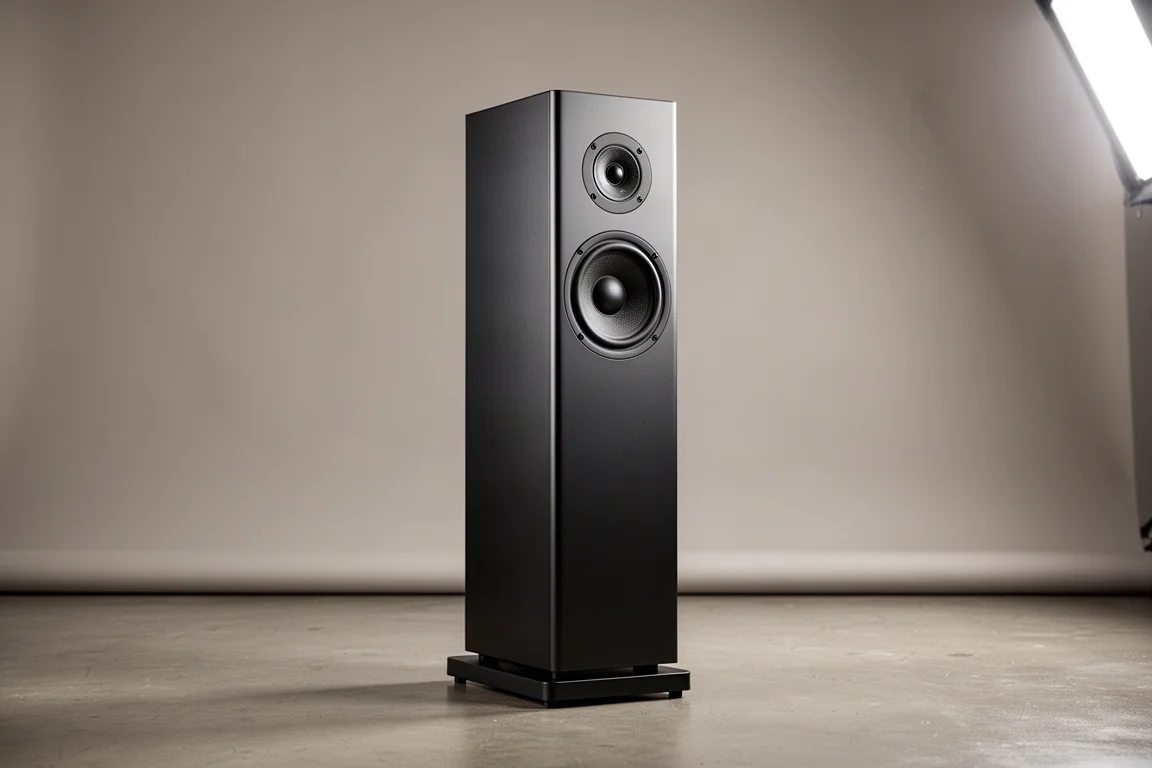
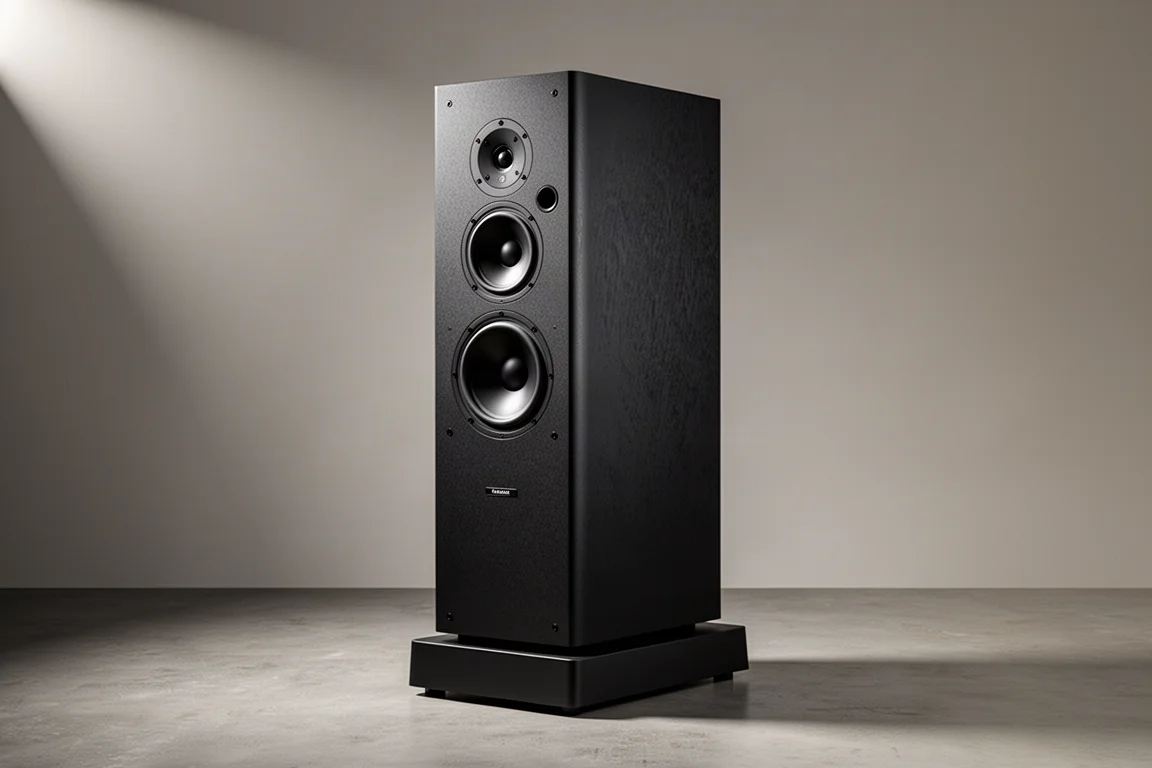
This is a lot of loudspeaker for roughly $3,890. The cabinet uses HDF rather than MDF, with proper internal bracing and quality components throughout, and the THX certification means each pair is measured extensively so that every example performs consistently. The result is a full-size tower that behaves like one: bass, dynamics, and extension are the headline, with plenty of low-frequency output and real texture down low.
The high frequencies are the other strength. They are sweet and detailed with genuine finesse, landing in a fine balance between bright and warm, with just enough sparkle to tingle rather than fatigue. The midrange is close to neutral, so strings and vocals sound natural with little coloration and only a slight warmth from the bass presence underneath. The trade-off is the size of the cabinet. A large tower cannot disappear the way a slim tower or a standmount does, so the soundstage is not as wide, deep, or holographic as the best small speakers. A tube integrated amplifier is the fix, and it does not need to be expensive: even a modest 300B design opens the stage up and adds sweetness on top. There is no cheaper alternative that does the same thing for less, which is why this one stands on its own.
KEF LS50 Meta: The Dual-Concentric Bookshelf Worth Rebuying
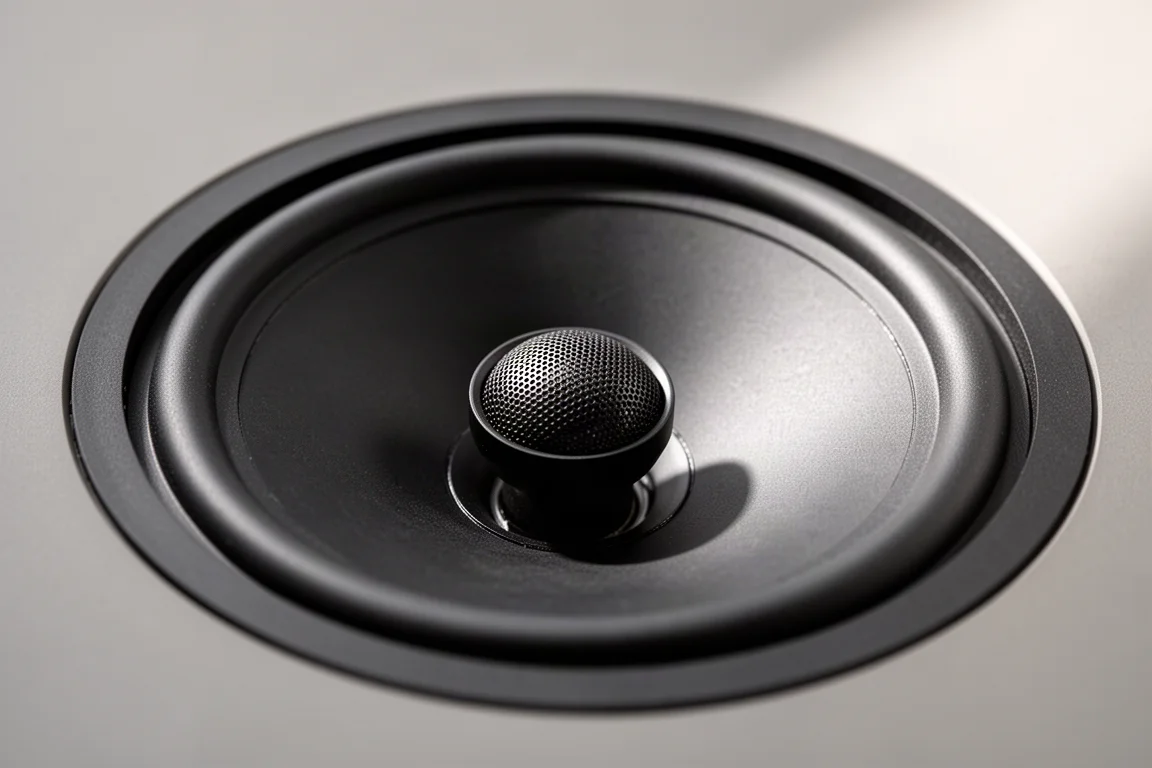
At around $1,600, and comfortably under $2,000, the LS50 Meta is one of the most versatile standmounts you can buy, and secondhand examples often cost less. Its defining feature is the dual-concentric driver, with the tweeter mounted at the centre of the midwoofer. That arrangement delivers phase coherency and a level of image focus that is immediately obvious. Instruments lock into place, and the centre image feels seamless rather than merely well defined.
The catch is sensitivity. At roughly 85 dB, this is not the hardest speaker to drive, but it is far from the easiest either, and it wants both quality and power behind it. Budget roughly double the speaker’s price for amplification if you want it to sing. The reward is scaling: the LS50 Meta keeps giving more as the electronics improve, from modest integrated amplifiers all the way up to high-end separates. With some pairings the upper midrange can tip toward clinical, so amplifier matching matters. Bass punch is strong for a standmount, and a subwoofer is the sensible addition if you want genuinely deep extension.
What keeps this speaker on the shortlist year after year is that it never feels finished. It responds to upgrades instead of hitting a ceiling, which makes it a long-term keeper rather than a stepping stone.
An Entry-Level Alternative: PSB Alpha P5
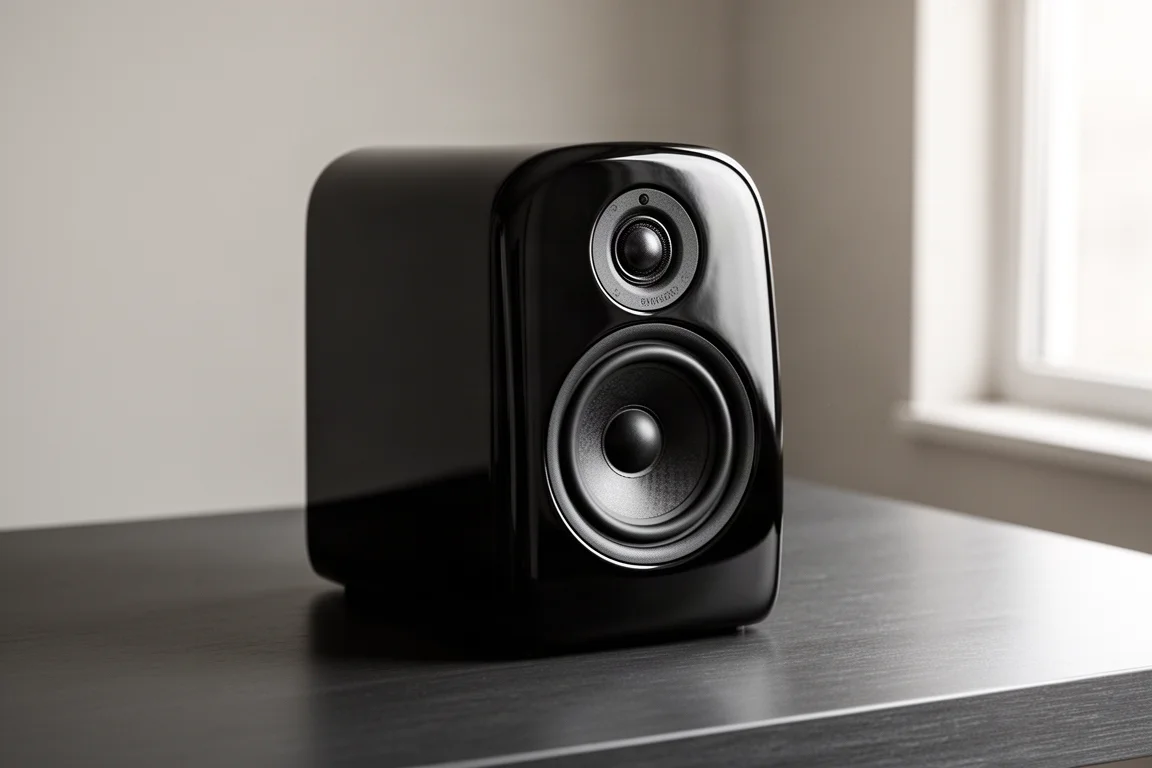
At around $400, and frequently discounted closer to $300, the Alpha P5 is the sensible first stop for anyone who wants the general character of a compact, neutral standmount without the amplification bill. It measures well, stays neutral with a little spice and sweetness, and uses a metal dome tweeter with a phase plug to keep dispersion controlled rather than harsh.
It is built to a lower budget than the LS50 Meta and does not quite match it in overall performance, but it is a well thought out design from a reputable brand. On a desktop it comes surprisingly close to the feel of the far more expensive KEF, which makes it an easy recommendation for a first serious setup.
Alta Audio Alyssa: Warm, Smooth, and Built Around Its Cabinet
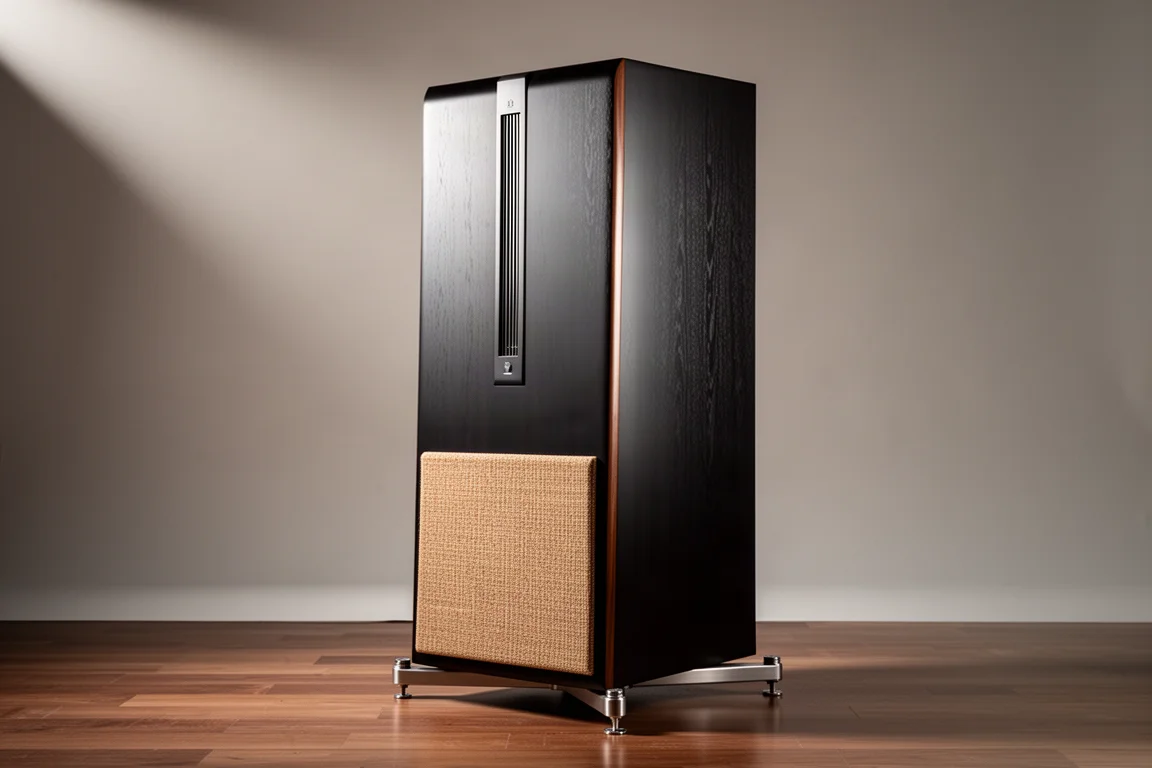
The Alyssa is a striking speaker, and its shape is not a styling exercise. It uses a transmission line design that is also ported, and the cabinet is hefty, closer in size to a large standmount than a small one. The first thing you notice is bass: there is a lot of it for a speaker of this type, and the warmth carries up through the midrange. The presentation is luscious and smooth, with a lucid midrange and strong soundstaging and imaging. If you listen to jazz or anything that benefits from an analog-leaning character, this is a speaker that makes a strong case for itself.
It is also responsive to what you feed it. Pair it with analytical solid-state gear and it tightens up, gaining sparkle at the top end and behaving in a more matter-of-fact way. Two things hold it back: the unusual cabinet shape makes finding a stand that suits it genuinely awkward, and the price is steep at around $5,000, rising to $6,000 for a premium finish.
A Refined Alternative: Buchardt S400 MkII
At approximately $2,500, the S400 MkII takes a different route to a similar destination. It is smooth on top and through the midrange, slightly warm in balance, with bass extension that is clearly present without tipping into exaggeration. Edges are softened just enough to feel refined rather than smeared, giving it the composure of a mature high-end design.
Placement is a large part of the result here, easily 60 to 70 percent of the performance, and it comes alive positioned closer to the wall than most speakers of its type. Amplifier choice shapes it too: solid-state designs on the brighter, more analytical side open it up, while a warm and authoritative amplifier produces a thicker, more forceful presentation. Either direction works, depending on taste.
Mission QX-2: The Most Affordable Speaker Here
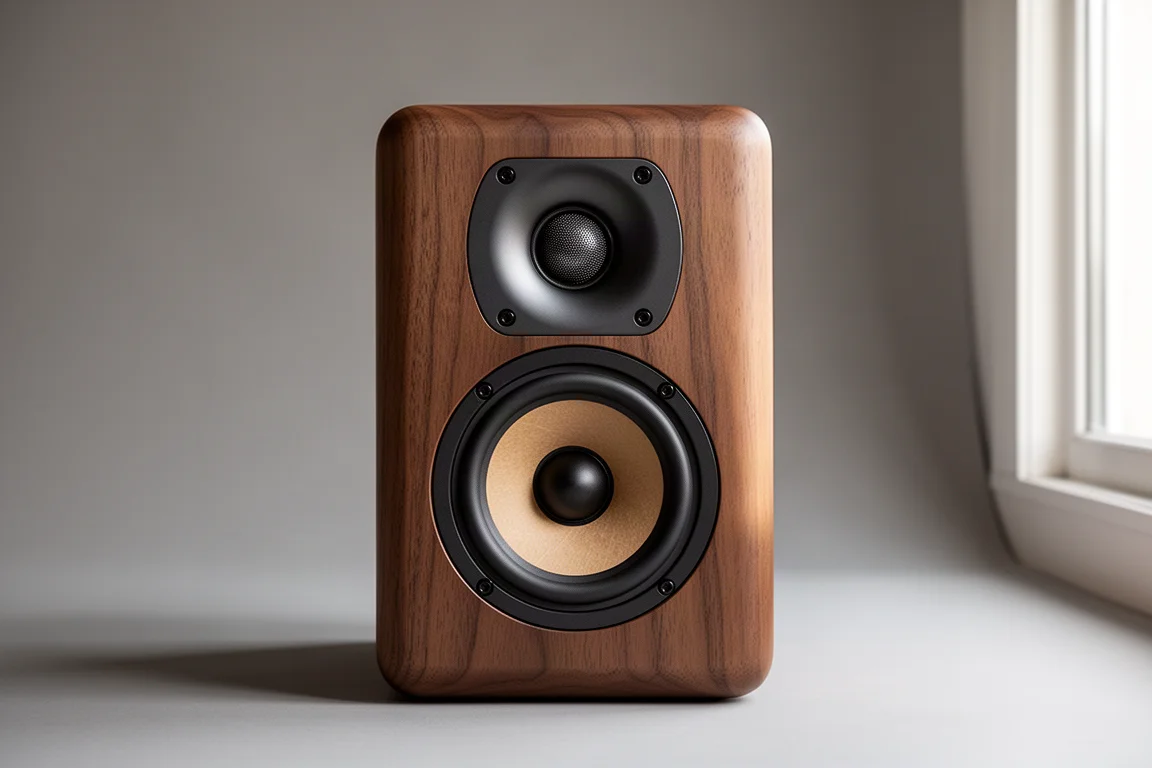
At roughly $500, the QX-2 is the least expensive speaker on this list and also the biggest surprise. Pick it up and the heft and finish suggest something costing several times more, better than plenty of speakers priced around $3,000. The sound keeps pace: bass authority, texture, and clarity, in the spirit of far more expensive standmounts such as the Buchardt S400 MkII or the Dynaudio Special 40, without matching their polish.
That is the honest trade-off. The edges are less refined and the overall presentation is less mature than a high-end design, but the gap is far smaller than the price difference suggests, and it comfortably outperforms most rivals at its price. A Mark II version now exists, so the original QX-2 is often available from dealers or on the used market for less than its original price.
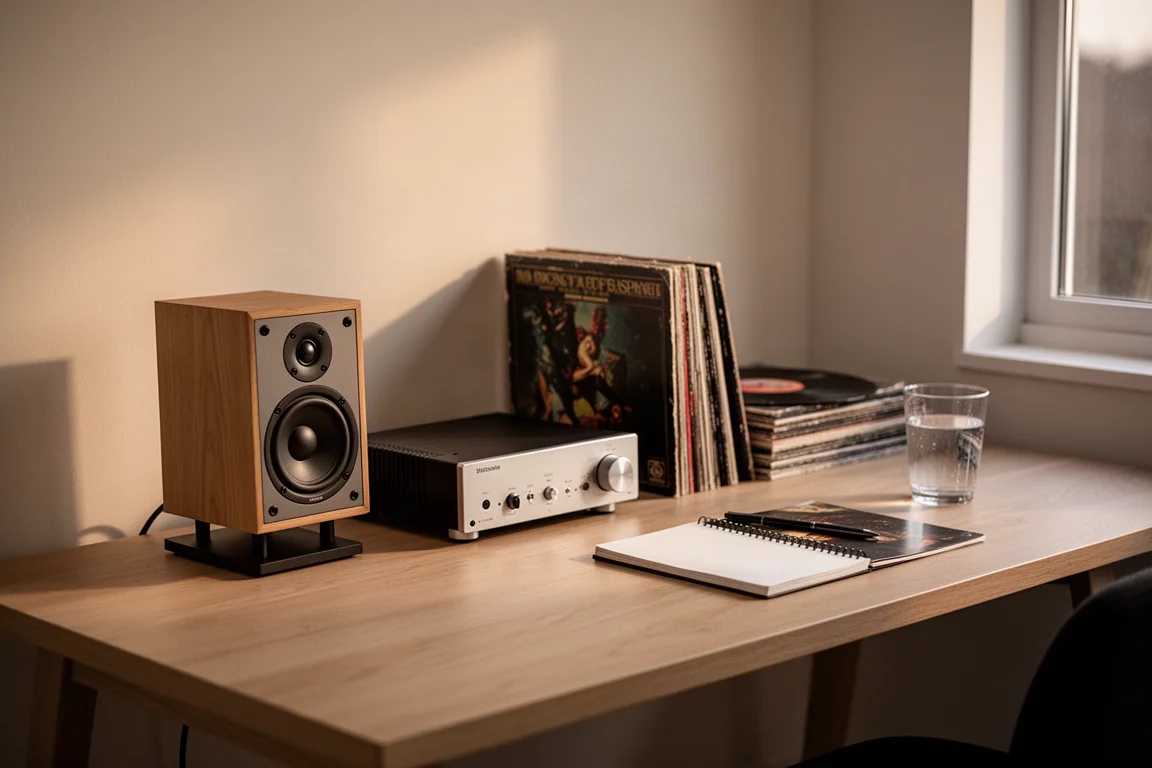
At that level it becomes one of the easiest recommendations in hi-fi: a genuinely serious pair of speakers for the cost of an entry-level pair, with build quality that makes the upgrade path feel optional rather than urgent.
KLH Model Five: Modern Acoustic Suspension Done Right
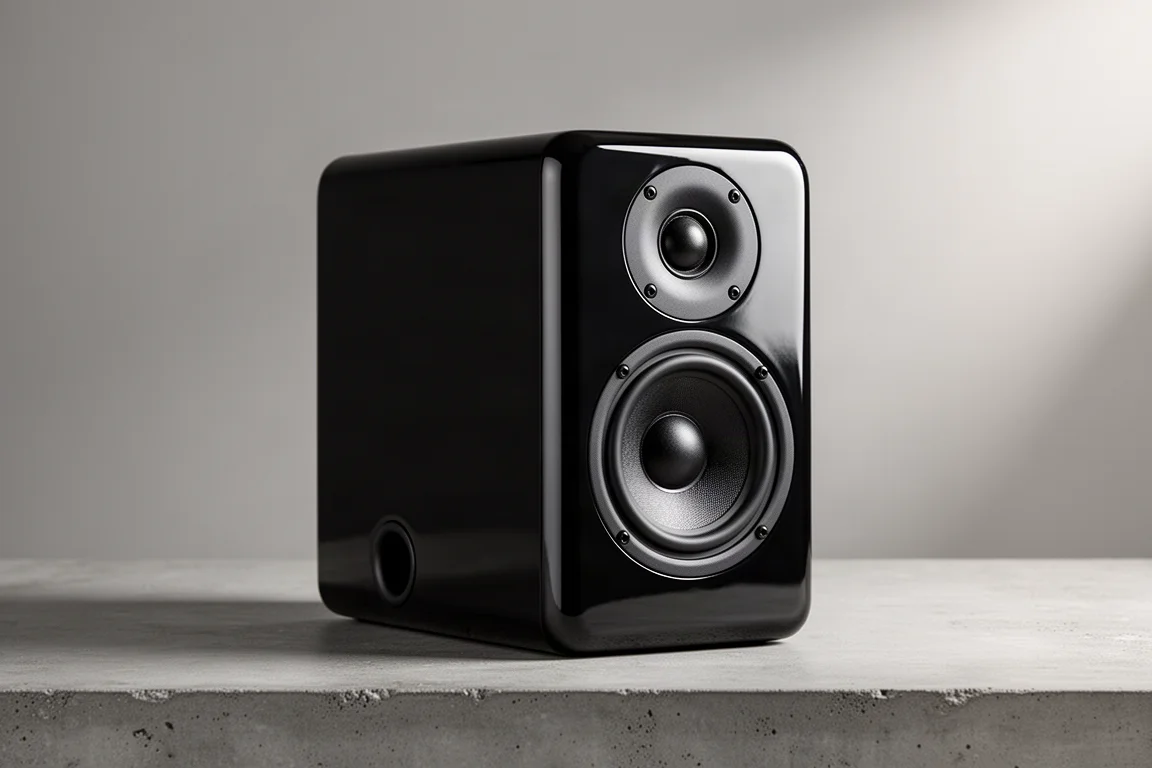
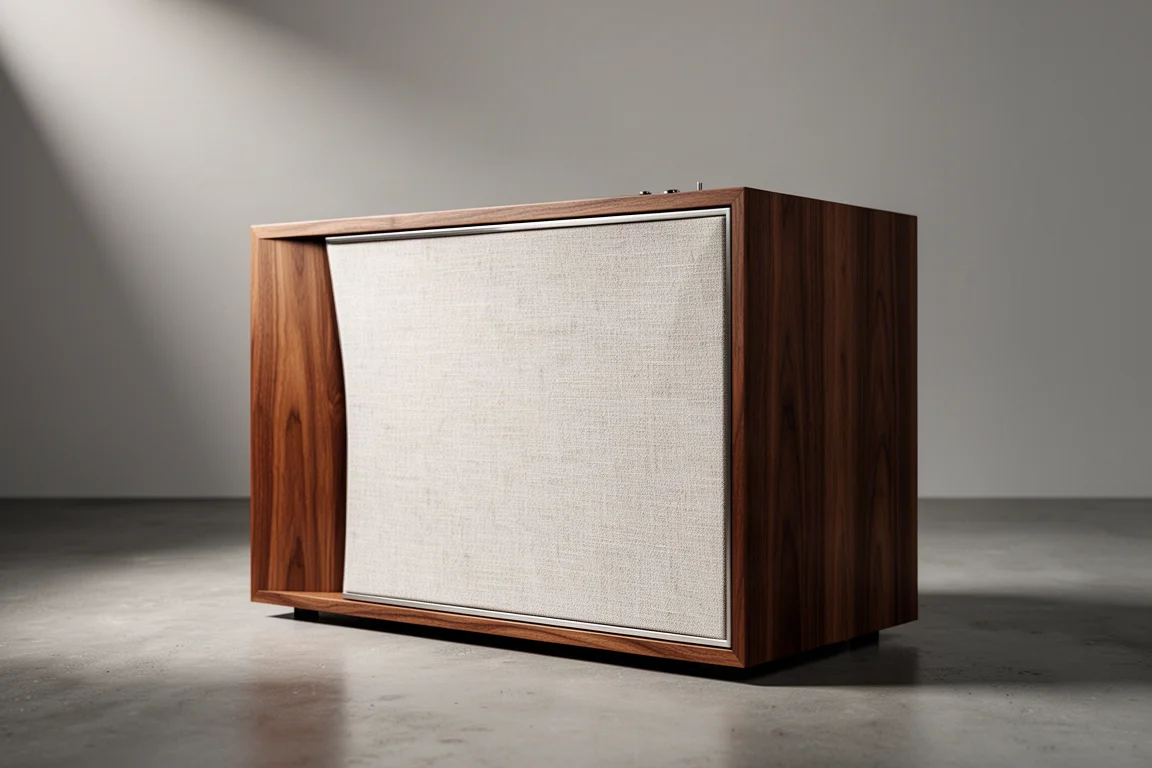
The Model Five wears retro styling, but it is a thoroughly modern design, and it sells for around $2,500. Its defining choice is the acoustic suspension cabinet, a sealed design with no ports, so the bass you hear is the work of the drivers and the cabinet rather than a tuned port. The result is extension paired with a fast, tactile punch and small nuances in the music that ported designs tend to smooth over. It also measures extremely well.
Bass does not hit with the force of a large ported tower or a 15-inch driver, but many listeners will prefer the Model Five without a subwoofer at all, because the dynamic punch is so satisfying on its own. With the right amplifier pairing, the soundstage extends behind and to the sides of the listening position in a way that is genuinely hard to rival. This is a different presentation rather than a better or worse one, and it is difficult to find a direct alternative because the design approach itself is uncommon.
A Vintage Alternative: Acoustic Research AR-3a
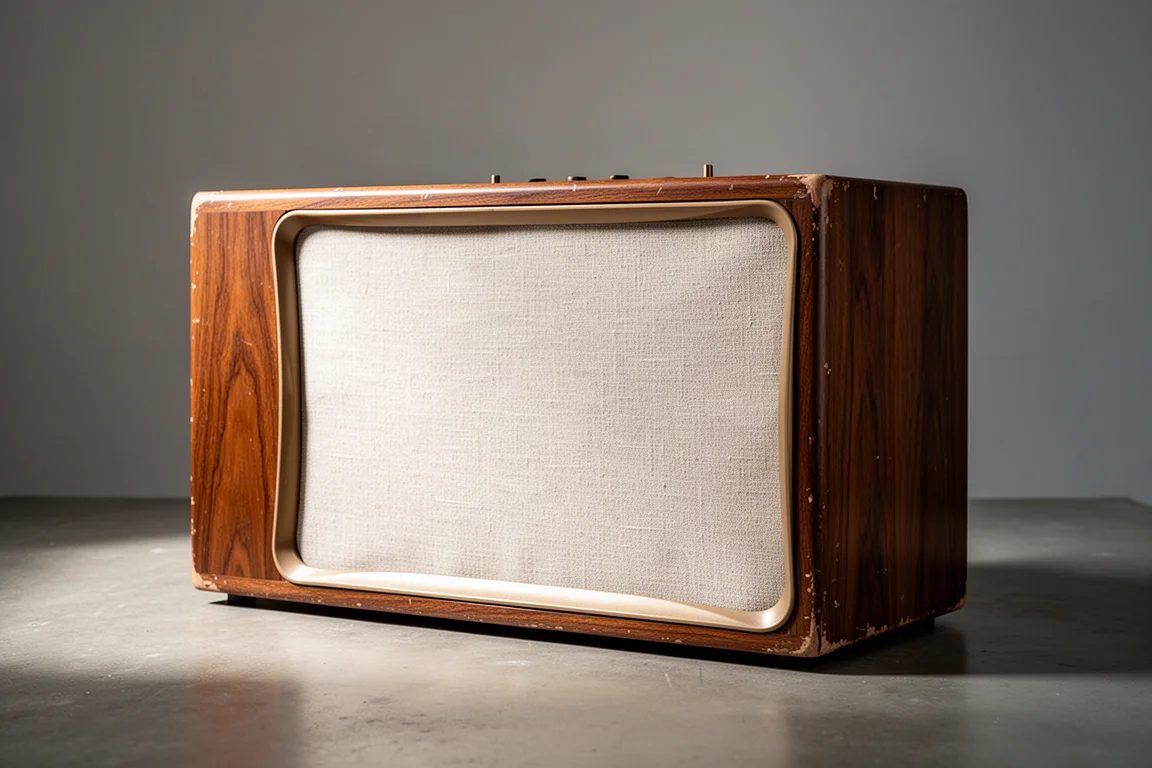
The modern Model Five draws its inspiration from the Acoustic Research AR-3a, a vintage acoustic suspension speaker that typically sells used for around $1,000 or less depending on condition. Several versions exist, including the AR-3, the AR-3a, and upgraded variants, so there is some choice on the secondhand market.
It does not sound like the Model Five. There is more bloom and a warmer, vintage midrange character, and anyone expecting a match should adjust their expectations. But for roughly half the price it is a genuine way to live with an acoustic suspension design and hear the character that inspired so many later speakers, including the Model Five itself.
Buying Advice
The right speaker is the one that fits the room and the amplifier as much as the budget. A few practical pairings to work from:
- In a small room or apartment, a slim tower such as the Totem Tribe Tower or the KEF Coda delivers floorstander dynamics with standmount-like imaging.
- If you have space and want scale, the Arendal 1723 THX provides full-size performance, ideally matched with a tube integrated amplifier to open up the soundstage.
- For a compact system, budget for electronics. The KEF LS50 Meta wants quality power, while the PSB Alpha P5 is far more forgiving of modest amplification.
- If warmth and smoothness matter most, the Alta Audio Alyssa and the Buchardt S400 MkII both reward careful placement and amplifier matching.
- If the budget is tight, the Mission QX-2 and a used Acoustic Research AR-3a offer two very different routes into serious sound.
Prices quoted throughout reflect the figures available at the time of writing and can change, especially on discontinued models. Buying used is a reasonable route for the KEF Coda, the Mission QX-2, and the Acoustic Research AR-3a, where condition matters more than the model year, and it is worth confirming that drivers, cabinets, and finishes are intact before committing.
Conclusion
Five speakers, five distinct characters. The Totem Tribe Tower and KEF Coda prove that a slim cabinet can still deliver dynamics. The Arendal 1723 THX shows what a large tower can do when the cabinet and components are taken seriously. The KEF LS50 Meta and PSB Alpha P5 cover both ends of the standmount market, the Alta Audio Alyssa and Buchardt S400 MkII prioritise warmth and refinement, and the Mission QX-2 and Acoustic Research AR-3a make two very different kinds of sense on a tighter budget.
Choose the speaker whose character matches your room, your amplifier, and the music you actually play, and it will stay in the system for years.
Further reading
Related Reviews
Hi-Fi Speakers
1723 THX Tower vs 1528 Bookshelf: Which Speaker Fits Your Room?
Two speakers at roughly the same price, built very differently. How the 1723 THX tower and the 1528 bookshelf compare on construction, bass, power needs, and sound.
Hi-Fi Speakers
Acoustic Energy AE 300 Review: Deep Bass From a Compact Standmount
A two-way standmount with real wood veneer, surprising low-end weight, and a warm, easygoing character. Here is what to know before buying.
Hi-Fi Speakers
Acoustic Energy AE1 40th Anniversary Review: A Modern Take on a British Classic
A compact standmount that revives a 1980s favorite with all-new parts, a warm mid-centric balance, and a price of £1,499 per pair.