Backpacking Gear
A Five Pound Base Weight Gear List: 13 Ultralight Backpacking Picks
A practical ultralight backpacking gear list built around a sub-5 lb base weight, covering shelter, sleep system, cook kit, water treatment and the safety items worth carrying anyway.
Introduction
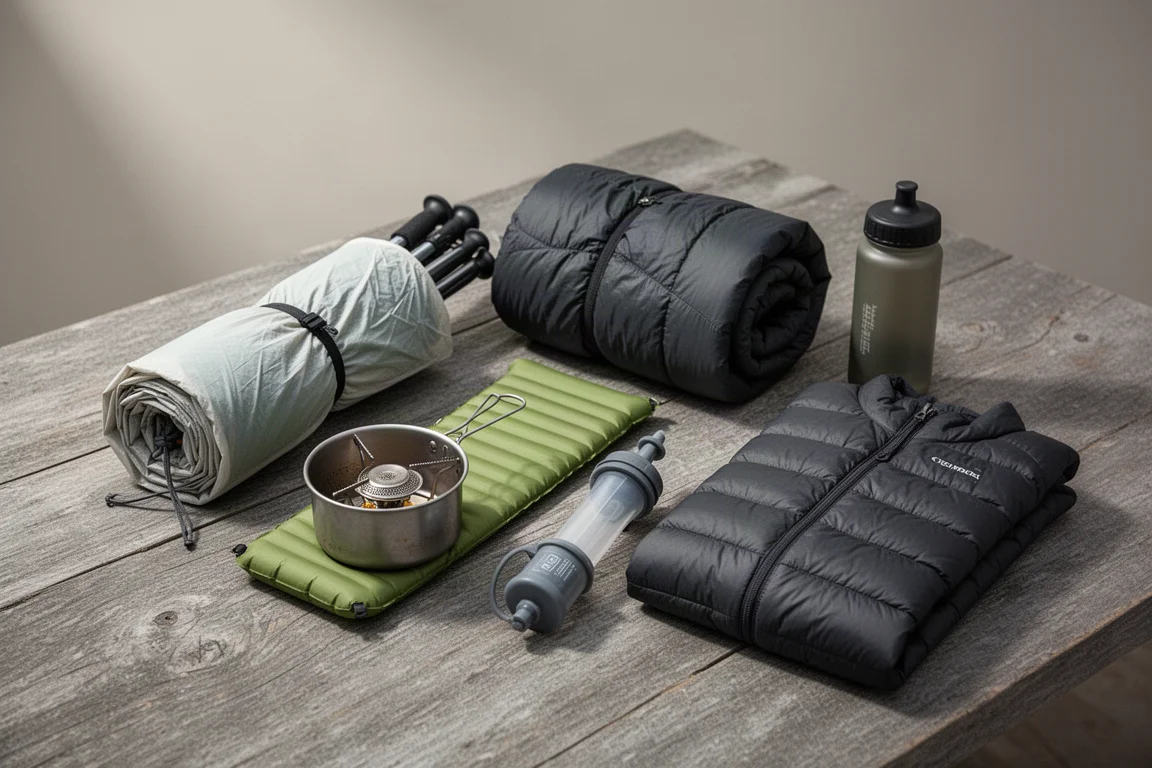
Building a backpacking kit that comes in under five pounds usually means giving something up. The aim of this list was to see whether that trade-off could be avoided entirely: a sub-5 lb base weight that still includes a fully enclosed shelter, a comfortable sleeping pad, a quilt, a pillow and a complete cook system.
A lighter pack changes a hike in three concrete ways. Uphills stop feeling like a competition against gravity that you are losing. Rocky ground and short scrambles become easier because the load is no longer pulling you off balance. And pace improves, partly because feet, knees and joints take less punishment, and partly because the very lightest packs often run without a hip belt, which lets the hips rotate freely and the stride open up.
What a Five Pound Base Weight Actually Means
Every item in a kit this light has to earn its place. That means a shelter that is genuinely enclosed rather than a tarp, a sleep system that holds up near freezing, a water setup that stays fast to use, and a cook kit that boils water without becoming a kitchen. The rest of the weight comes out of the small things: the bottles, the stakes, the stuff sacks and the clothing list.
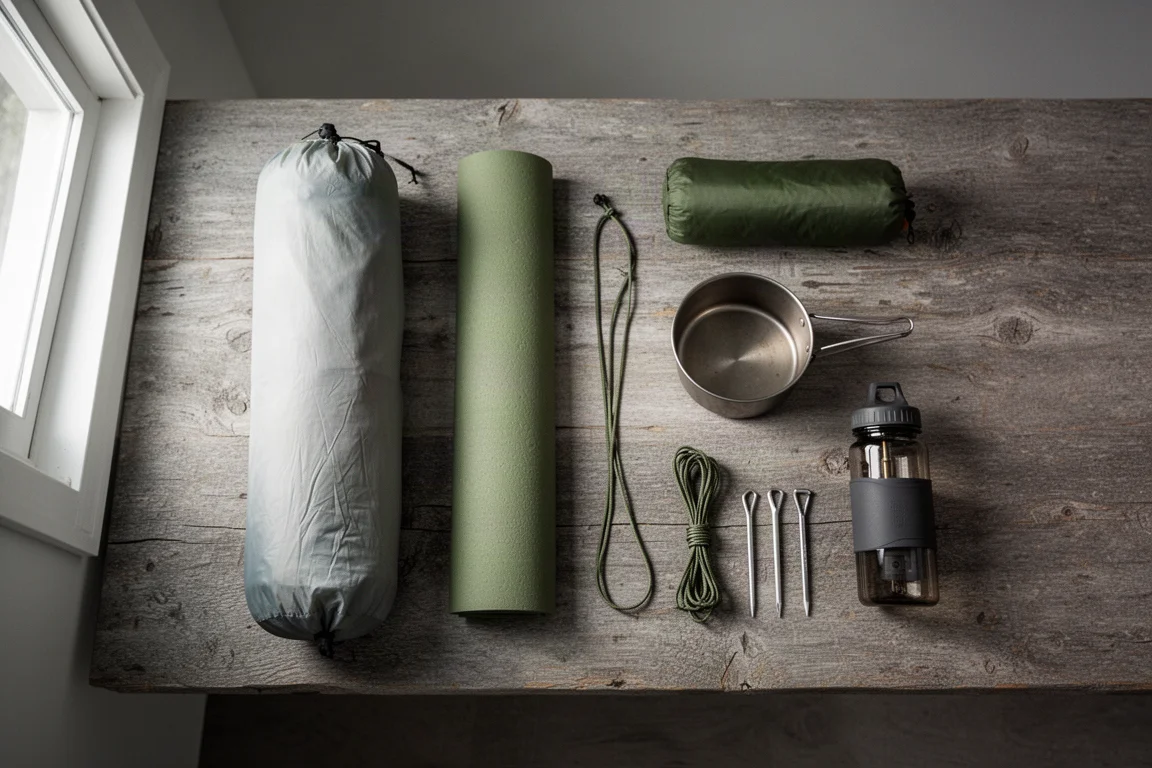
It is also worth being honest about what this kind of kit asks of the hiker. Nothing here is fragile by accident, but the lightest options in every category tend to be specialist items from small makers, and the cost of a full kit reflects that. The sections below go through each piece in turn, what it does well, and where it asks for a small compromise.
Durston Wapta 30: The Pack That Carries the Load
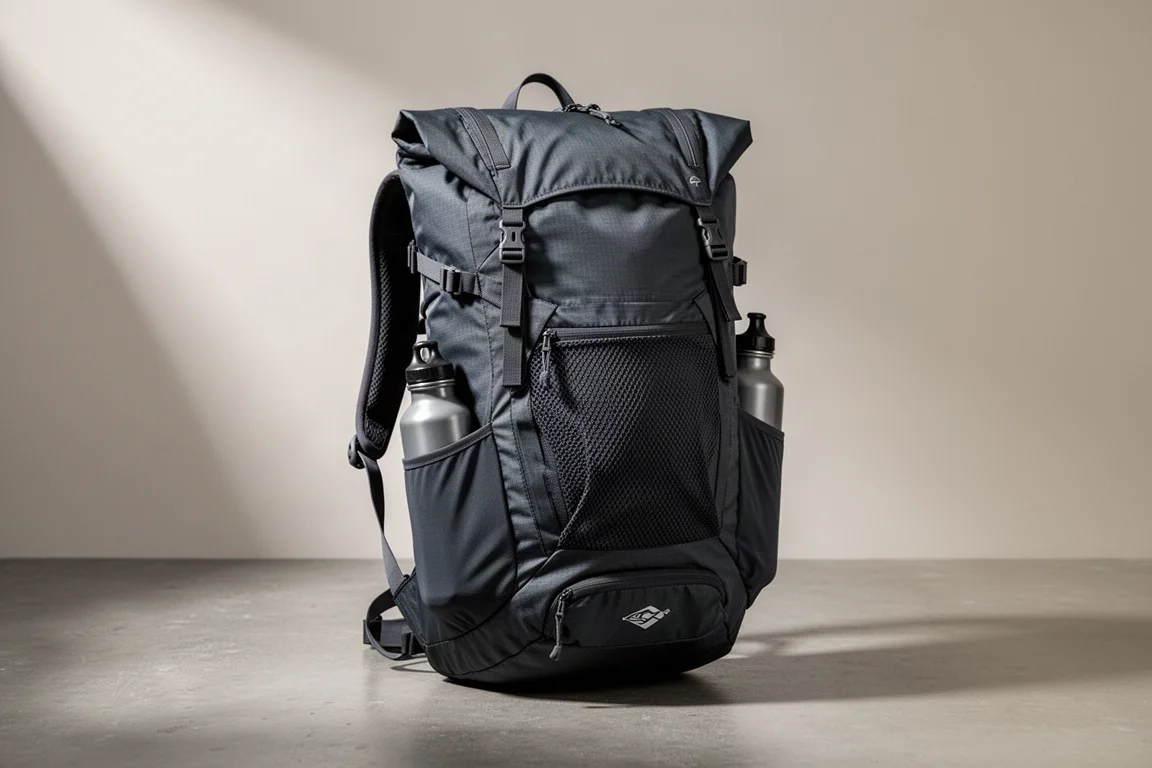
The Wapta 30 is a 30 litre ultralight pack that can be run with its hip belt or with the belt removed entirely. Taking the belt off is how it was carried on this trip, and it removes a meaningful chunk of weight for anyone chasing a very low base figure.
Even in that stripped configuration the pack stays highly capable. Two shoulder pockets take a filter, sunglasses, a phone or bear spray, and the side pockets sit low enough that bottles can be reached and replaced without stopping. The front pocket swallows extra layers when the internal capacity is full, and a bottom pocket with a right-hand opening keeps snacks within easy reach on the move.
The one small compromise is that the lowered side pockets mean a bottle sometimes needs to be pushed up before it can be pulled free. Because the hip belt can be added back on, the same pack covers stripped-down fast trips and heavier loads, which is a rare thing in this weight class.
Katadyn BeFree: Filtration Without Taking the Pack Off
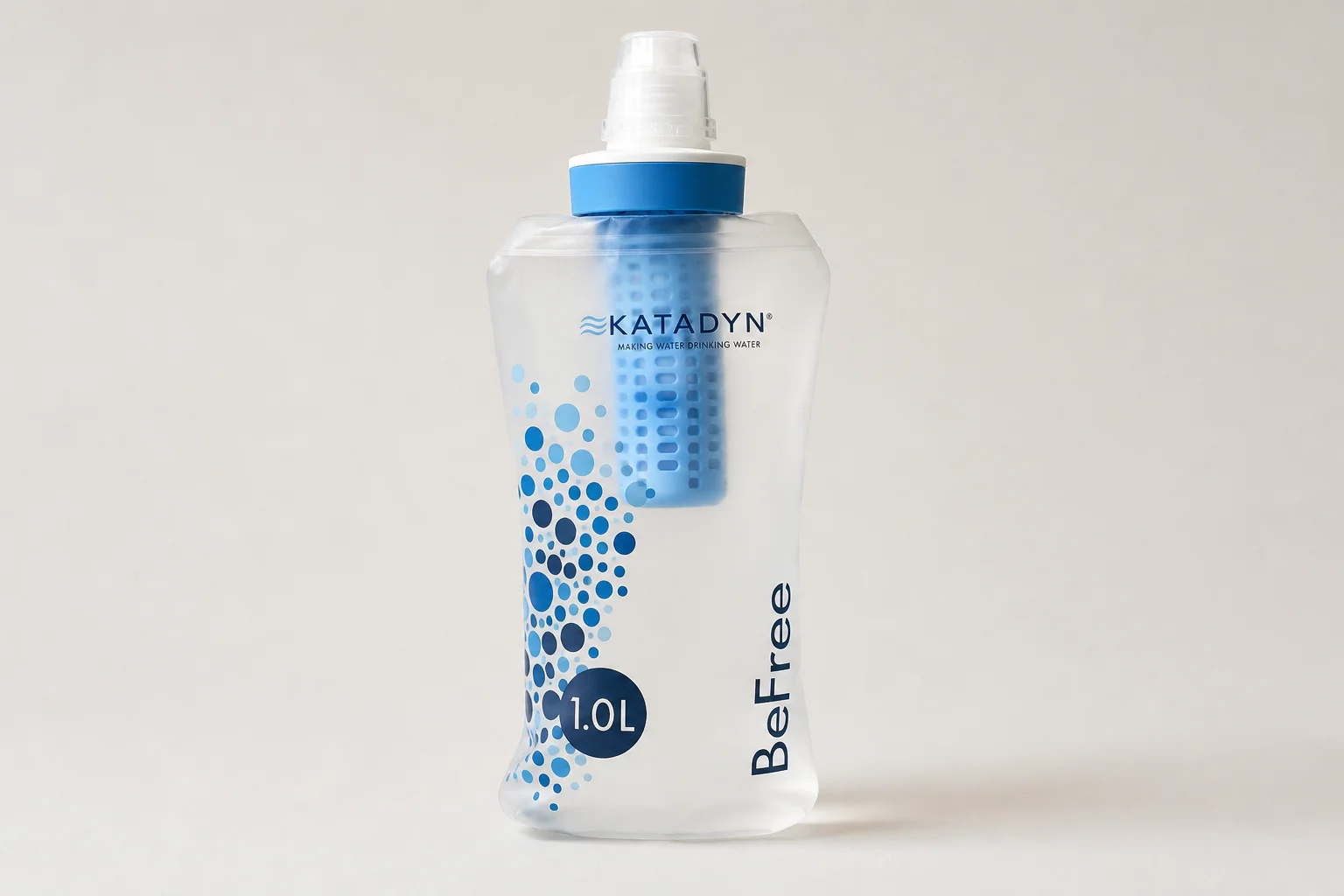
Water is the easiest place to lose weight and the easiest place to lose comfort. Two one litre bottles covered capacity on this trip, and a filter was chosen over purification tablets for two reasons: tablets need around 30 minutes to work, and they do not remove silt or grit from cloudy water.
The BeFree is about as light as a filter gets, and it doubles as a one litre storage vessel. It lives in a shoulder pocket, which means water can be filtered straight into bottles without taking the pack off and without breaking stride. There is one caveat worth knowing about: a BeFree that clogged on a long thru-hike stopped flowing altogether, which is a real risk on silty sources and a reason to keep an eye on flow rate.
Paired with the lightest bottles available at a filling station, the drinking setup comes in at roughly 20 grams per bottle, about half the weight of the sturdier bottles many hikers reuse. Those sturdier bottles will last several seasons; the thin ones will not.
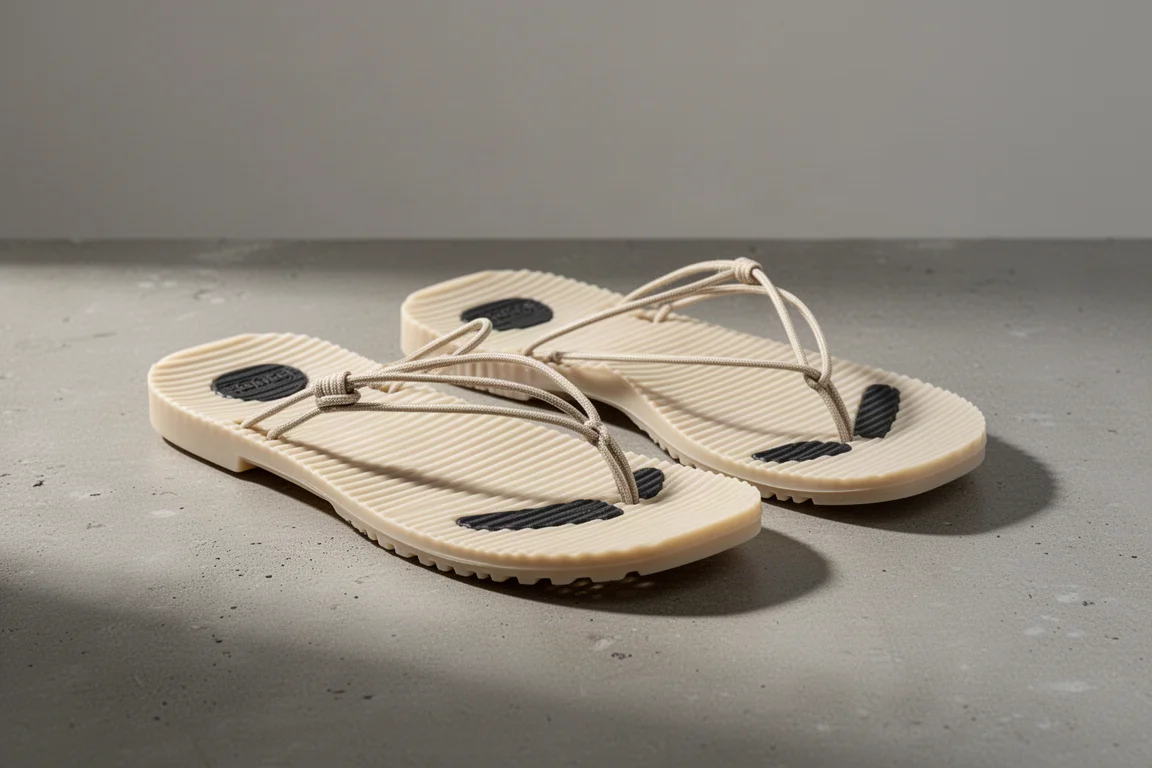
Mayfly Sandals: Camp Comfort in a Few Grams
Camp shoes are one of the first things to get cut when weight targets tighten, and one of the first things people miss. Pulling off wet, gritty trail shoes at the end of the day and stepping into something clean is a small luxury, and it also makes a middle-of-the-night trip out of the tent far more appealing.
The Mayfly sandals are built for exactly that job. They are extremely light and are designed to keep feet off the dirt rather than to support real walking, so they suit camp and short excursions only. Thirty-six days of continuous use on a long thru-hike is a reasonable durability signal, though they are not for everyone: hikers who want a sandal they can actually hike in should look elsewhere.
Garmin inReach: The Safety Item Worth Carrying
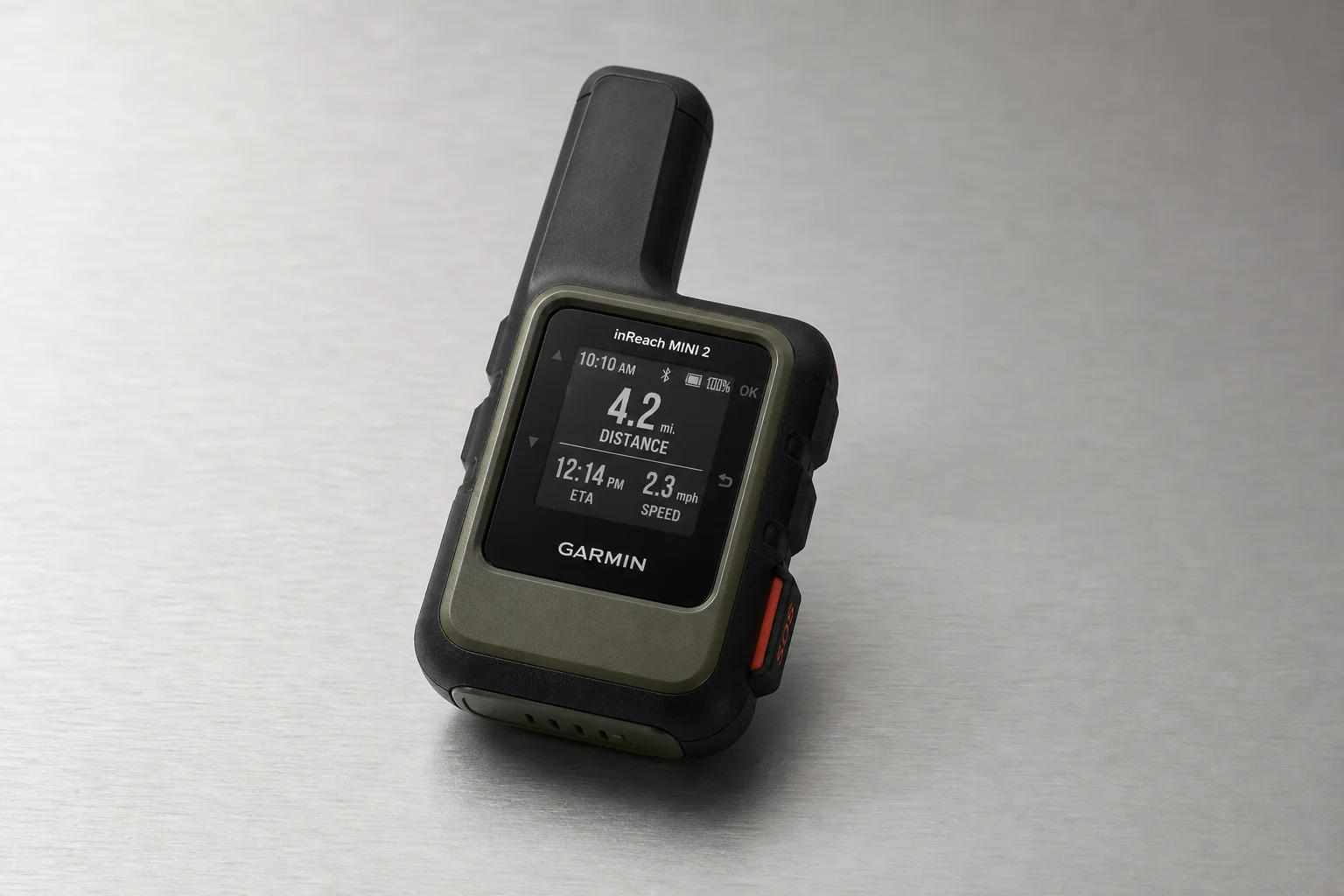
Satellite communicators are heavy by ultralight standards, and it is tempting to leave one at home when a route is expected to have phone reception. That was the decision on this trip, and in hindsight it was the wrong one. An inReach provides an SOS button for genuine emergencies and two-way messaging for staying in contact with family, and both capabilities matter far more than a couple of hundred grams.
The conclusion drawn here is straightforward: an inReach belongs in the pack on every trip, however light the rest of the kit is. The same logic applies to a small battery bank. Intermittent reception makes a phone hunt for signal constantly, which drains the battery quickly, and a dead phone means no camera, no messages and no backup navigation.
BRS 3000T Stove: A Hot Meal for Almost No Weight
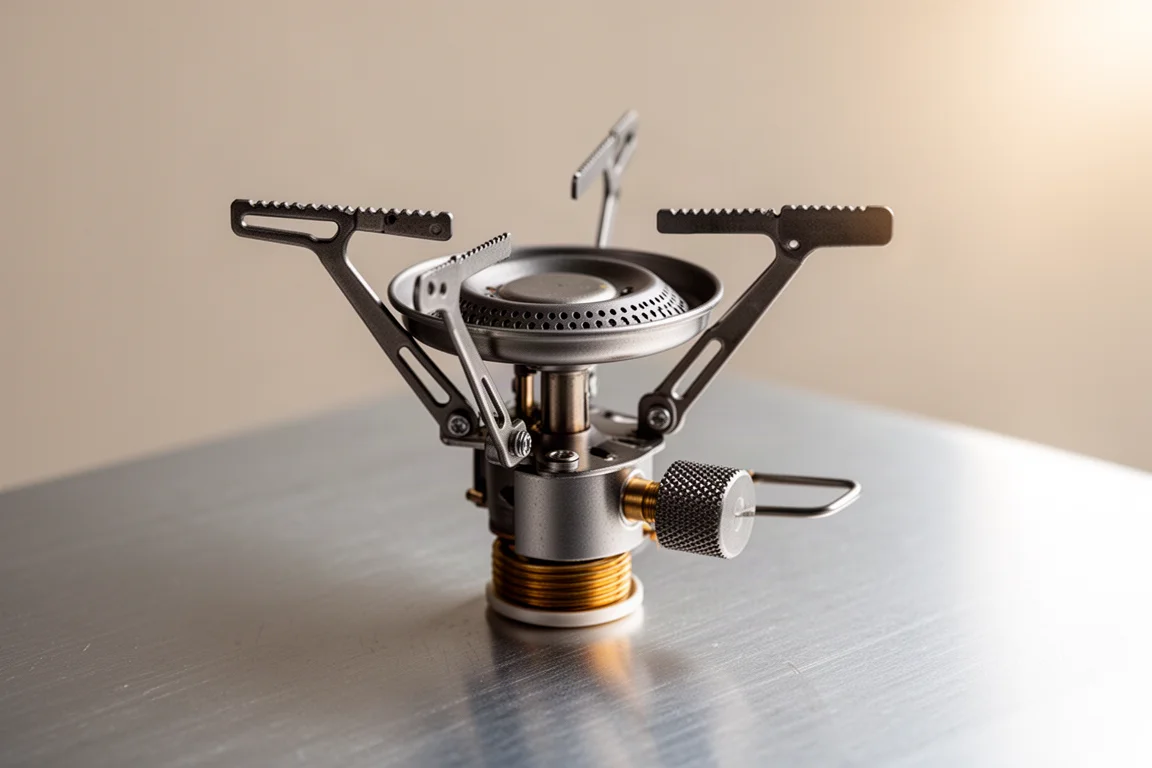
A hot meal at the end of a long day is one of the cheapest comfort upgrades available, and it does not require a heavy cook kit. The stove used here is the BRS 3000T, paired with a small fuel canister, a mini lighter and a titanium spoon.
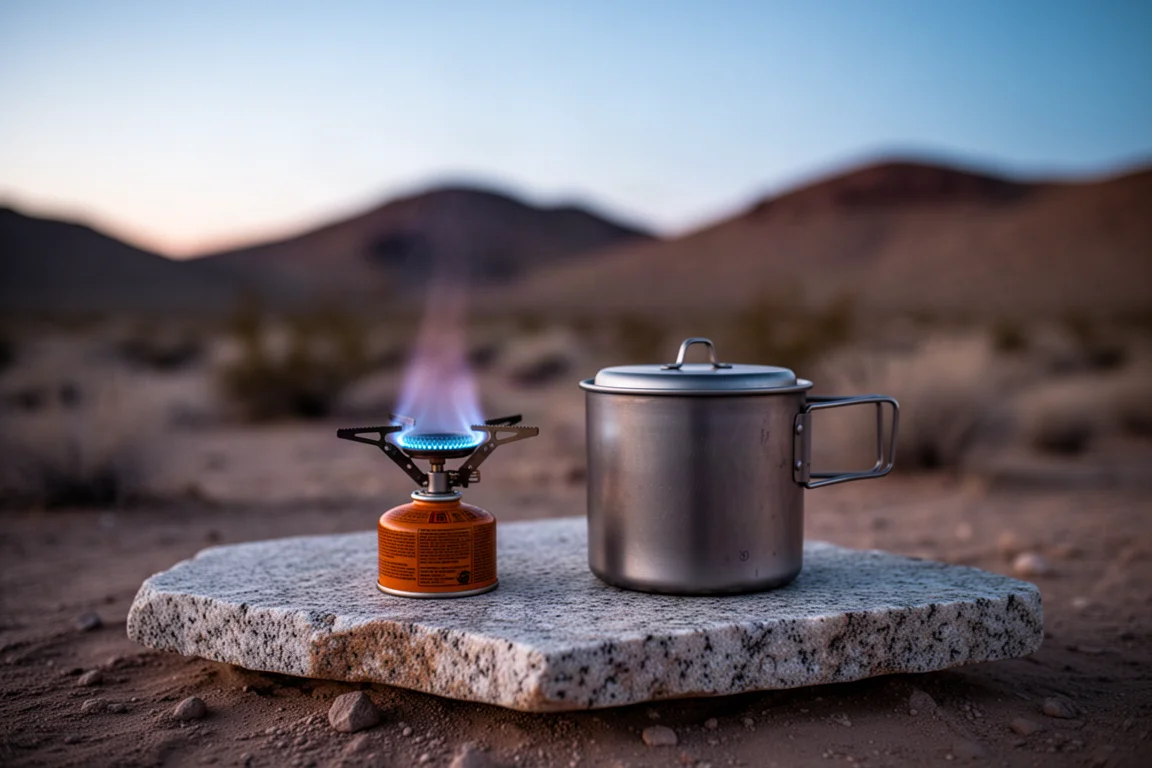
The whole system weighs very little and boils water for a freeze-dried dinner. On desert trips in particular, sitting down to something hot changes the mood of an evening, and it is the kind of item that makes a stripped-down kit feel normal rather than spartan.
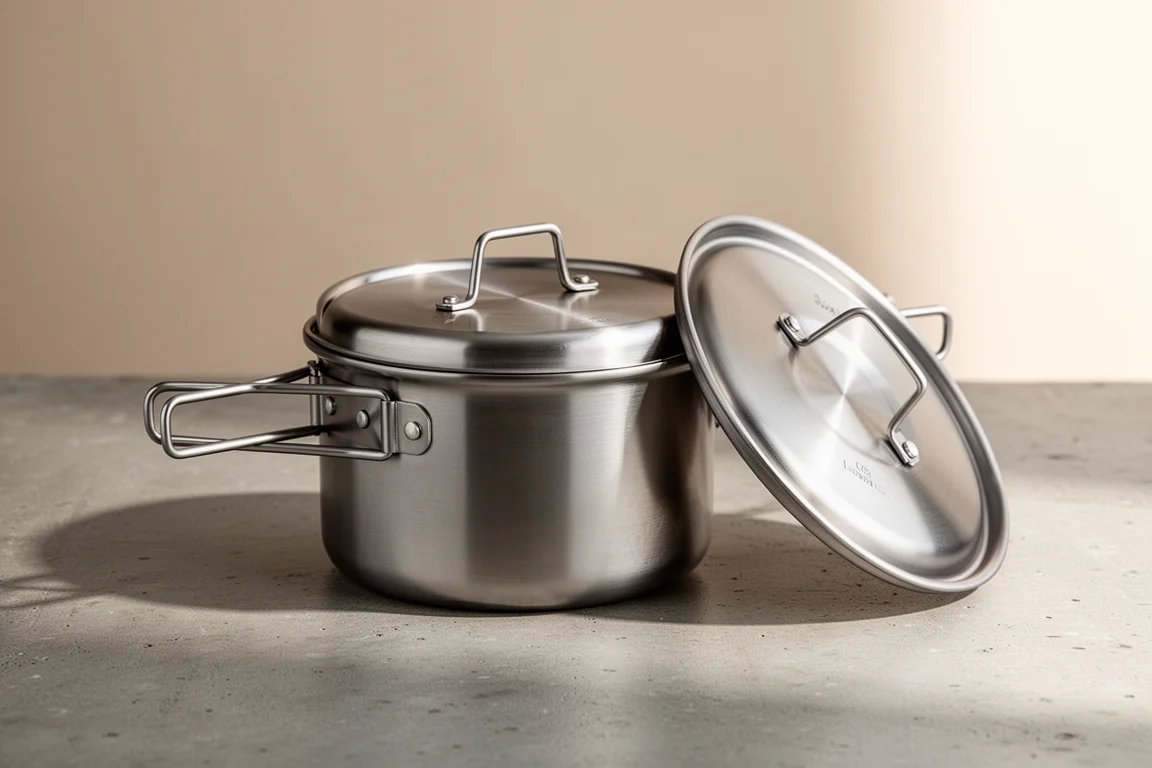
Toaks 550 Titanium Pot: The Rest of the Cook Kit
The pot in this kit is the Toaks 550 titanium in its lightest version. Titanium keeps the weight down, and the pot doubles as the container that the stove, lighter and spoon nest into, which is how a complete cook system stays under a few hundred grams.
Paired with a titanium spoon and a mini lighter, it covers boiling water for one meal and a hot drink. There is no room here for elaborate cooking, and that is the point: one pot, one stove and a single fuel canister handle everything a trip like this requires.
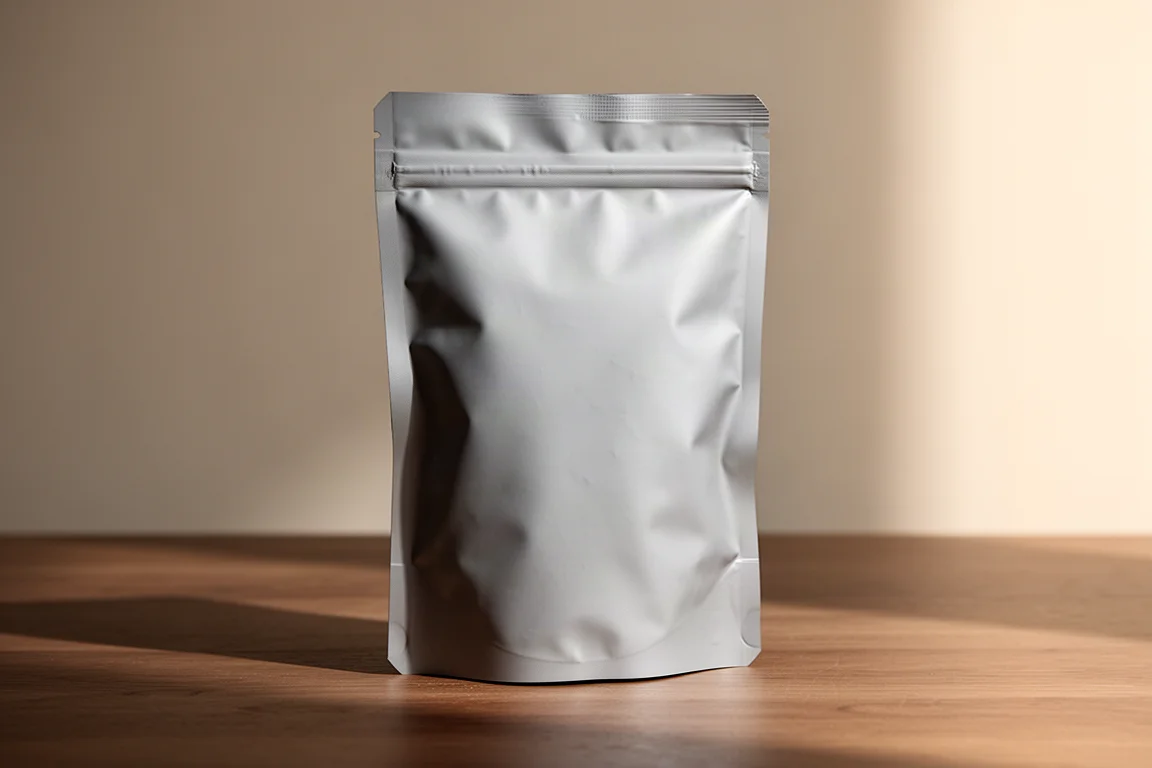
Peak Refuel Chicken Pesto Pasta: 920 Calories in 162 Grams
Calorie density matters as much as pack weight on a long day, and freeze-dried meals vary widely in how satisfying they turn out to be. Chicken pesto pasta from Peak Refuel delivers 920 calories in a 162 gram package, which is a strong ratio for a meal that rehydrates with water from the pot.
Flavour is personal, but this one sits at the top of the list of favourites, and that matters when a single hot meal is the reward at the end of a hard day. Bringing a dinner you actually look forward to is a small thing that makes a very light kit much easier to live with.
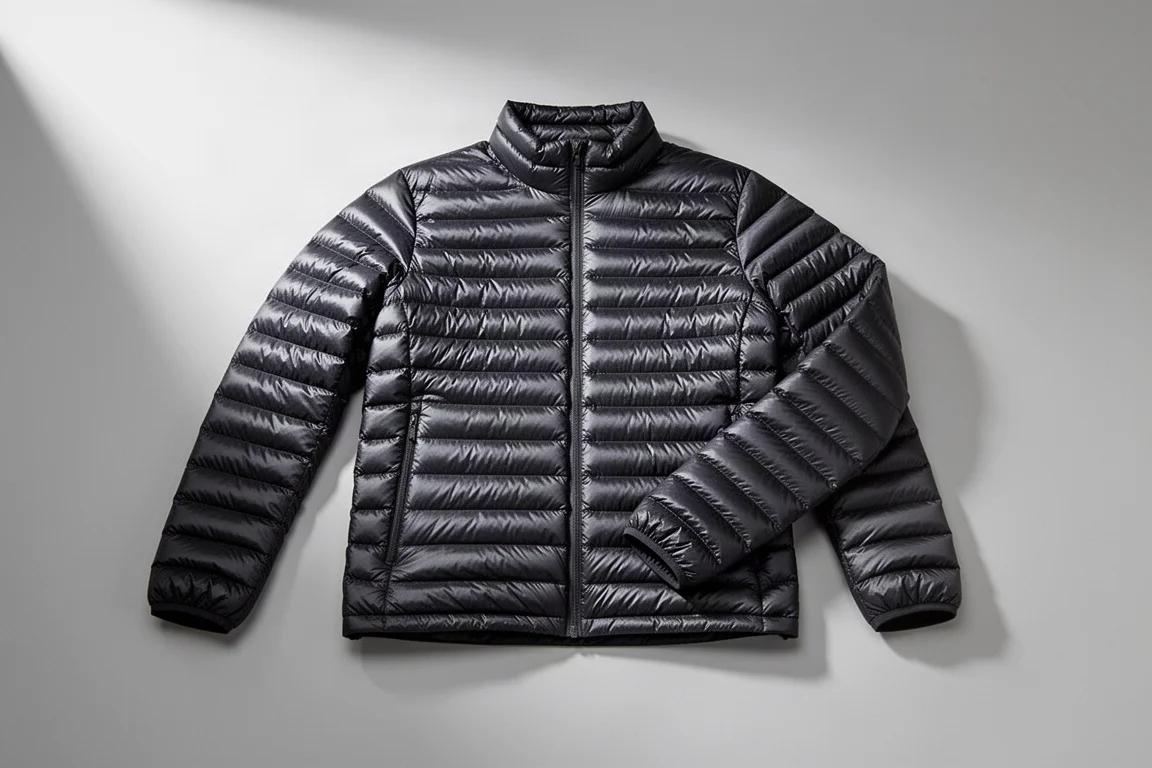
Montbell Plasma 1000: Warmth at 138 Grams
The clothing list on this trip was deliberately minimal: the clothes worn while hiking, a warm jacket for cold spells and emergencies, and very little else, with the quilt and pad doing the heavy lifting overnight.
The Plasma 1000 is a 138 gram down jacket built with a 7 denier shell fabric and 1000 fill power down. It has no hood, so a sun hoodie provides the hood when conditions call for it, and it is warm for its weight. Jackets this light are genuinely rare, and this one is what makes a 40 degree quilt workable in conditions that push towards freezing.
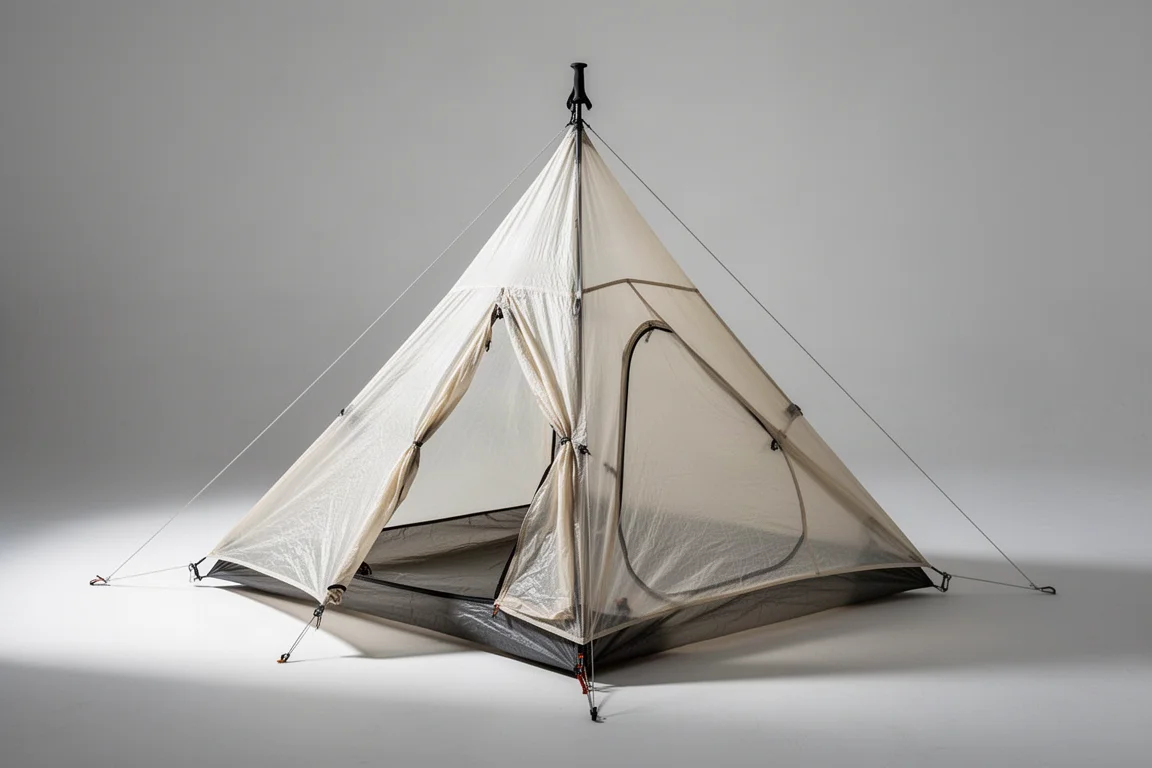
Zpacks Plex Solo Lite: A Fully Enclosed Shelter
Getting a fully enclosed shelter into a sub-5 lb kit is the hardest part of the puzzle, and it usually means accepting a tarp instead. The Plex Solo Lite avoids that compromise by trimming weight from the standard version, using a lighter floor material and tightening up the weight of the guy lines.
The result is a complete, enclosed tent at a weight that still leaves room for a proper sleeping pad and a quilt. It is the single item that makes the rest of this sleep system possible, and it is the clearest example of how incremental material work at the top end of the market eventually benefits everyone else.
MSR Carbon Core Stakes: Weight Where It Matters
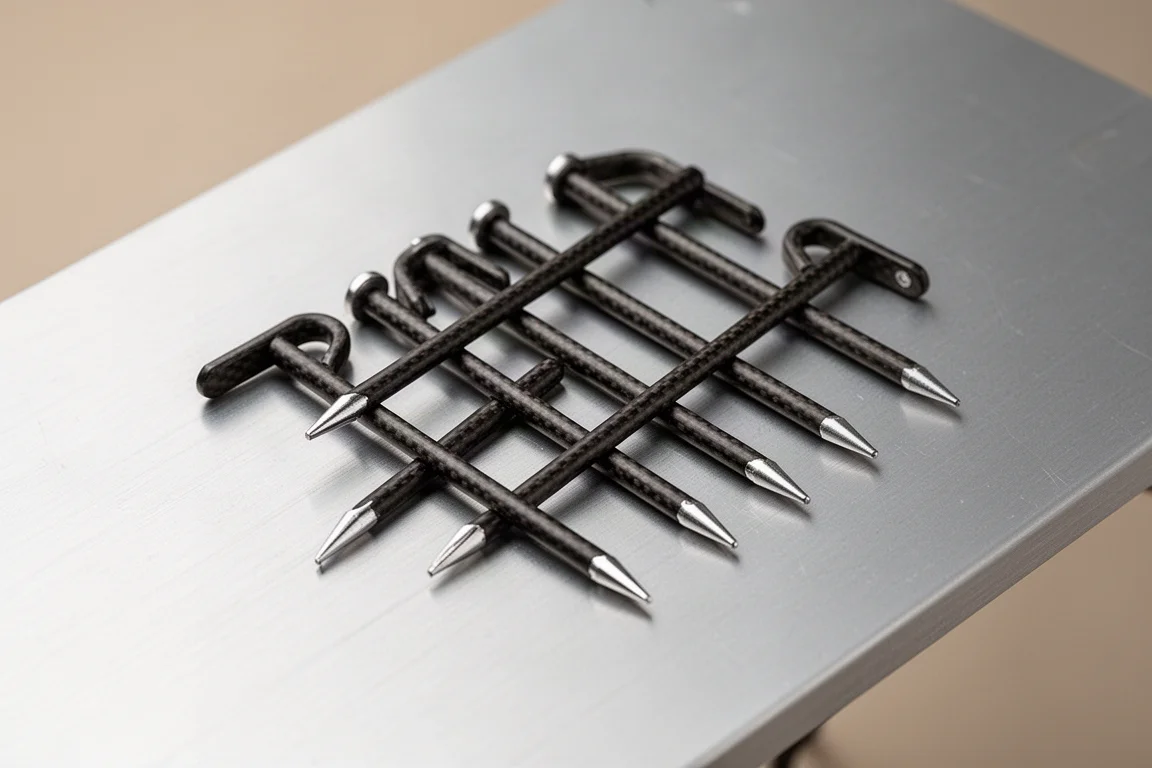
Stakes are a place where a few grams each add up quickly, so the selection here was deliberate rather than uniform. Carbon Core stakes handle the four corners and the rear point, where holding power needs are modest. They are not the most durable stakes available and they do not hold as well as heavier designs, but they are good enough in those positions.
The front stake, which takes the load coming off the peak, is a longer MSR Core stake chosen specifically for holding power. The remaining guy-out points were handled with sticks pushed into the ground and weighed down with rocks, which saves the weight of four more stakes and provides enough tension to keep the interior roomy.
Exped Ultra 3R: The Sleeping Pad Balance
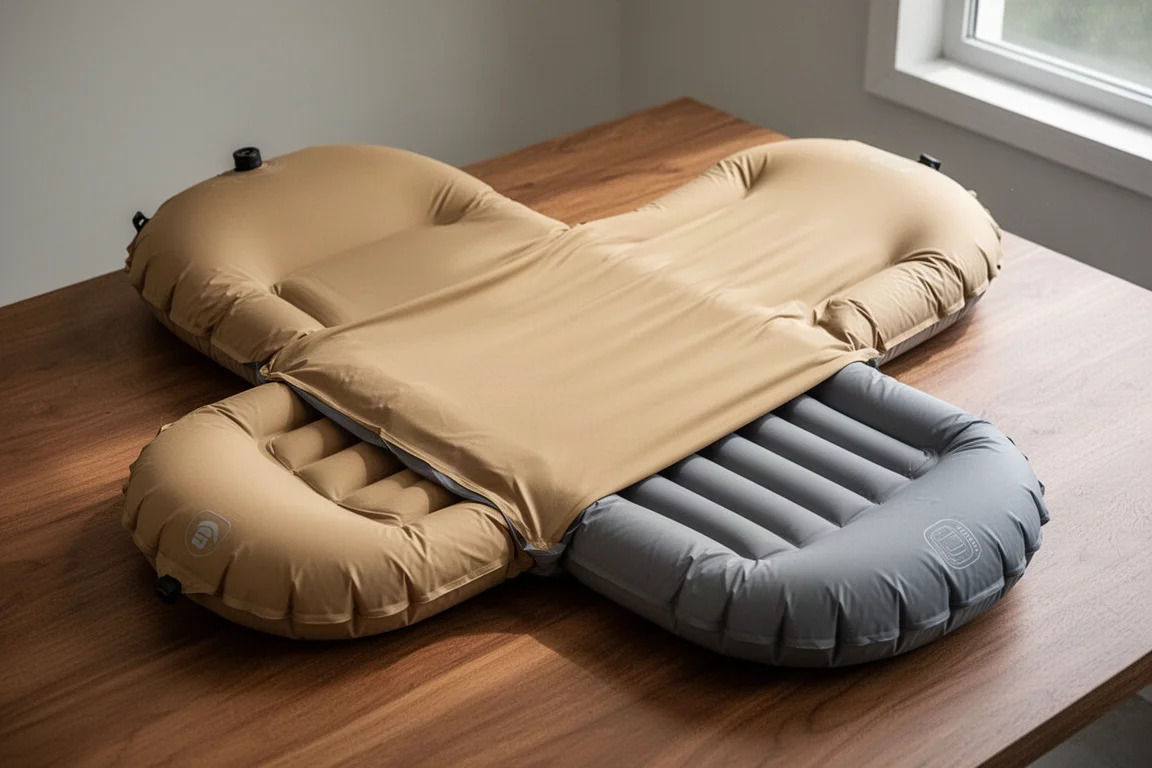
Sleep systems force a choice between warmth, comfort and weight, and most pads only do two of the three well. The Ultra 3R sits in the middle: its R-value is not the highest on the market, but it performs better in use than the number suggests, which is enough to sleep comfortably down to freezing.
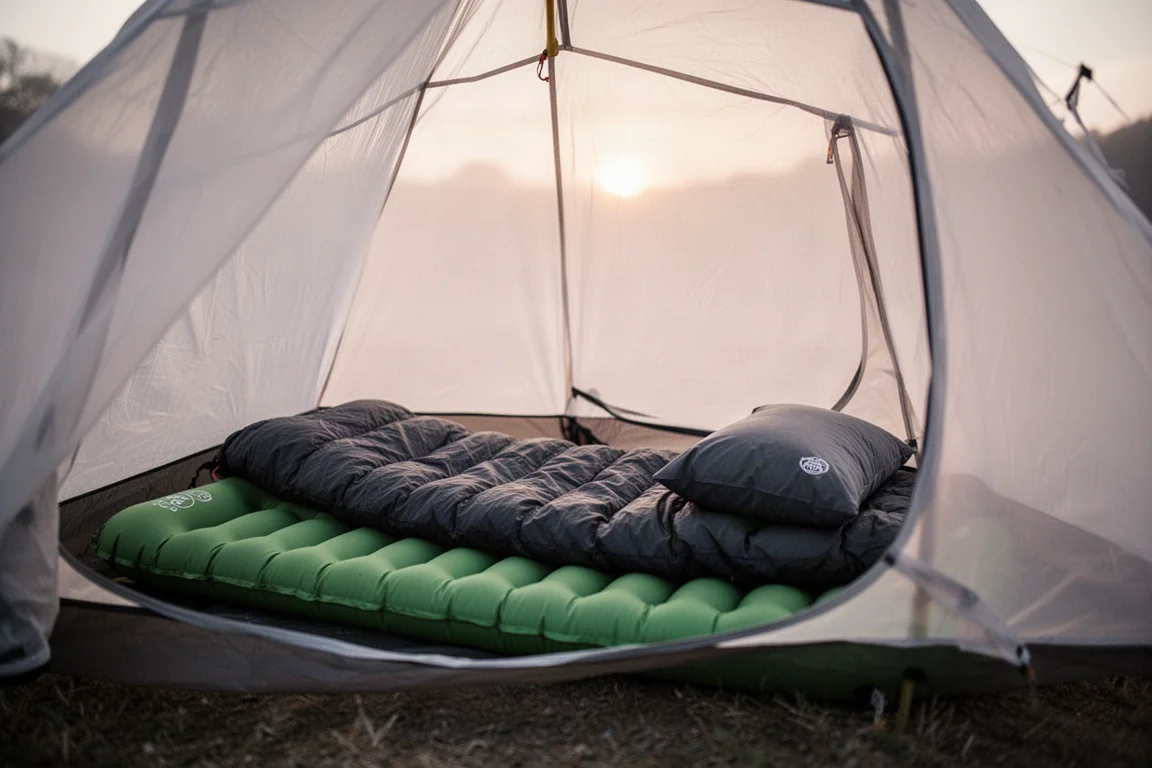
That balance is why it was chosen over two common alternatives. Warmer pads such as the NeoAir XLite are light and warm but less comfortable, while the Big Agnes Zoom UL is comfortable and light but not as warm. The wide square version of the Ultra 3R also means a 25 inch wide pad fits the setup without compromise, which matters a great deal for a good night’s sleep.
Big Sky DreamSleeper Pillow: Small Details, Better Sleep
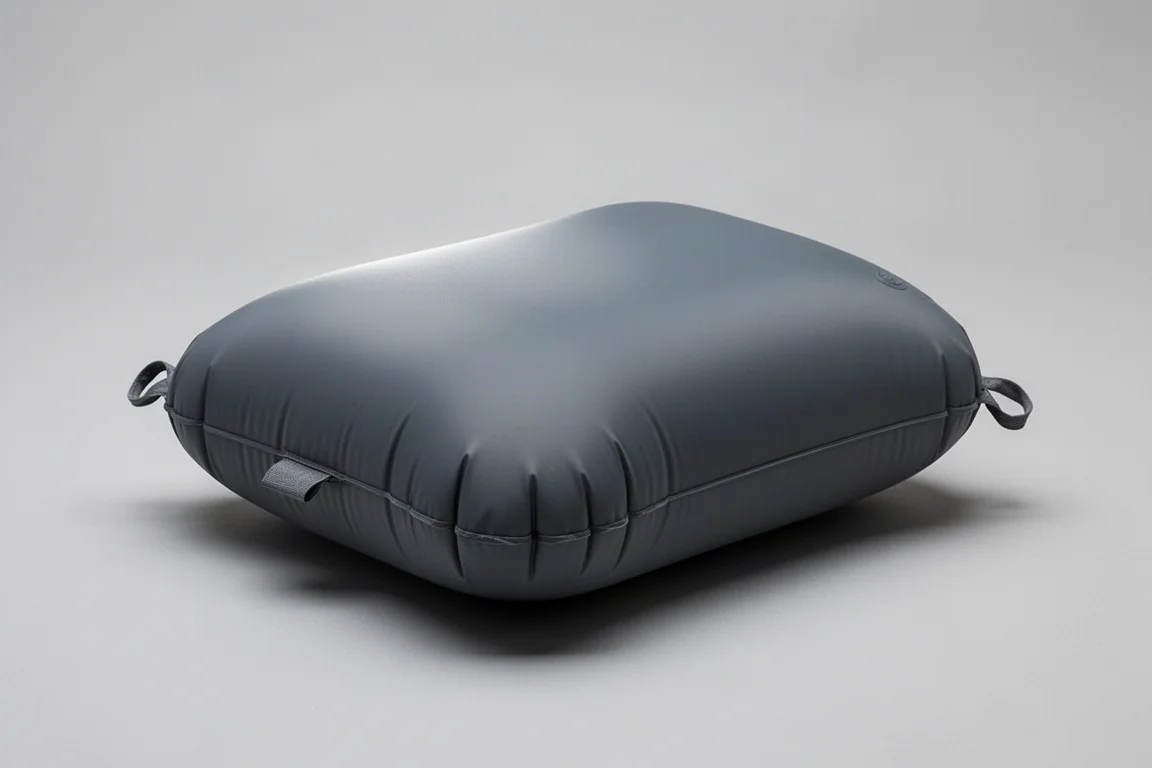
A pillow is often the first comfort item to go, and for many hikers it is the difference between sleeping well and sleeping badly. The DreamSleeper is tall, has a well-designed baffle system and is comfortable enough to sleep on night after night.
It also needed a small modification to stay in place: patches added to the sides allow a shock cord to be threaded through, locking the pillow to the sleeping pad so it does not slide during the night. That kind of tweak is common in ultralight setups, and it turns a light pillow into one that works as well as a much heavier alternative.
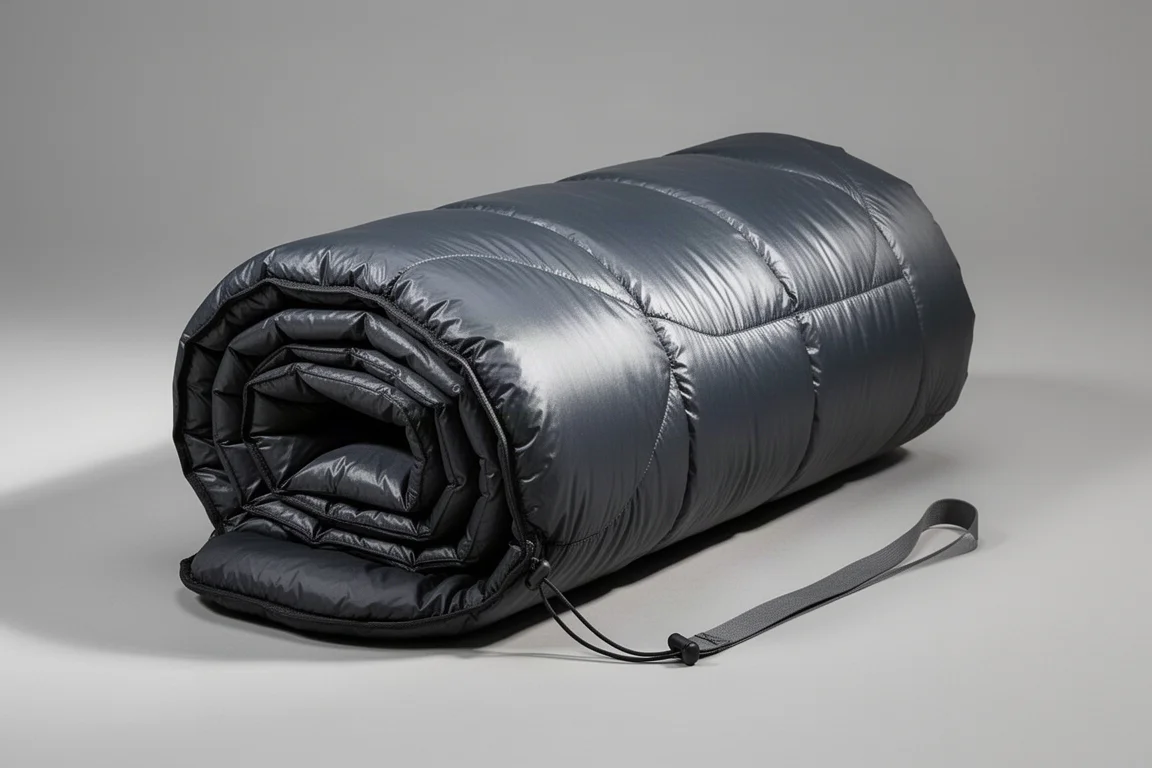
Enlightened Equipment Revelation 40: The Quilt
A 40 degree quilt is a deliberate choice. It is light, and it can be pushed into colder conditions when it is paired with a down jacket worn to sleep. The Revelation uses 950 fill power down and a 7 denier shell, which is about as light as quilt materials get.
Quilts are also simply more comfortable for anyone who moves around at night, since there is no hood or back panel to fight with when changing position. The trade-off is that a 40 degree rating leaves little margin on its own, so the jacket and the pad do part of the work. For a light summer or desert kit, that combination is very hard to beat.
What This Setup Gives Up
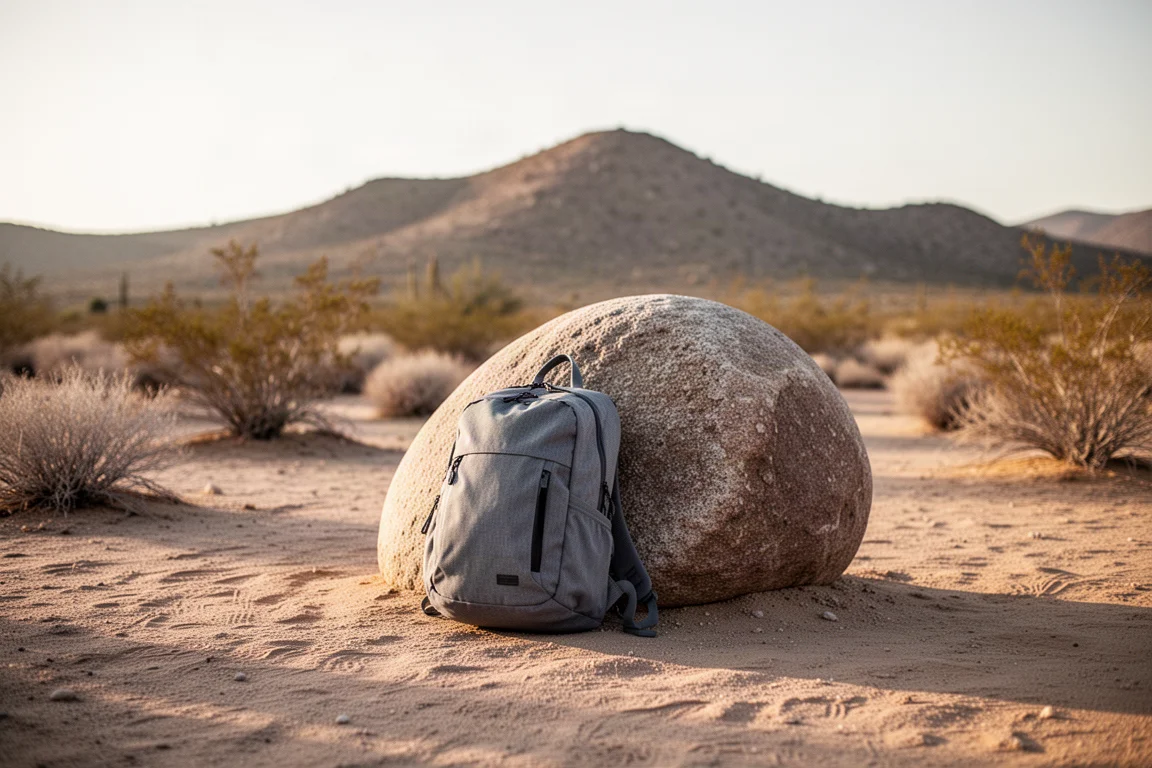
Everything here adds up to a base weight under five pounds, but it is not a setup that suits every trip or every hiker. The items left at home are the tell: a camp chair for back support in camp, a battery bank for a phone that keeps hunting for signal, and an inReach for emergencies and messages home. Camp shoes made the cut, and a bottle-mounted bidet cap with soap replaced toilet paper entirely.
Cost is the other consideration. Gear this light comes from specialist makers and small brands, and the price of a complete kit reflects that. A more realistic target for most hikers who want to go light without giving up comfort is somewhere around six and a half pounds of base weight, which still leaves room for a few of the items listed above.
That figure is worth putting in context. A few years ago, the same level of comfort would have meant carrying more than ten pounds before food and water. Ultralight innovation tends to move into mainstream gear over time, so the benefits of lighter, better-performing equipment reach hikers who never intend to count grams at all.
Conclusion
Thirteen items, a base weight under five pounds, and a fully enclosed shelter with a genuinely comfortable sleep system: this kit shows what is possible when every piece of gear is chosen for a specific job. The honest summary is that the lightest possible setup still involves trade-offs, and the right base weight is the one that keeps you comfortable on the trips you actually take. Start with the shelter, the sleep system and the pack, and the rest of the list follows.
Further reading
Related Reviews

Backpacking Gear
Building a 10 lb Base Weight: An Ultralight Backpacking Gear List
A practical walkthrough of the ultralight pieces behind a 10 lb base weight, from a 765 g pack and a roomy one-person tent to a full camp chair and a dependable water filter.

Backpacking Gear
A 15-Pound Lightweight Backpacking Gear List for Solo Trips
A beginner-friendly 15-pound backpacking setup built from easy-to-find gear, with notes on what each piece does, how it packs, and where to spend your attention.

Backpacking Gear
8 Ultralight Backpacking Gear Upgrades Worth Carrying
Eight small, affordable backpacking upgrades that solve real trail annoyances, from a pillow that stays put to a fuel valve that rescues leftover canister gas.