Mountain Bikes
Five Mountain Bikes Worth Watching in 2024
A closer look at five standout mountain bikes, from a trail bike with internal frame storage to a carbon e-MTB with automatic shifting and a returning downhill icon.
Introduction
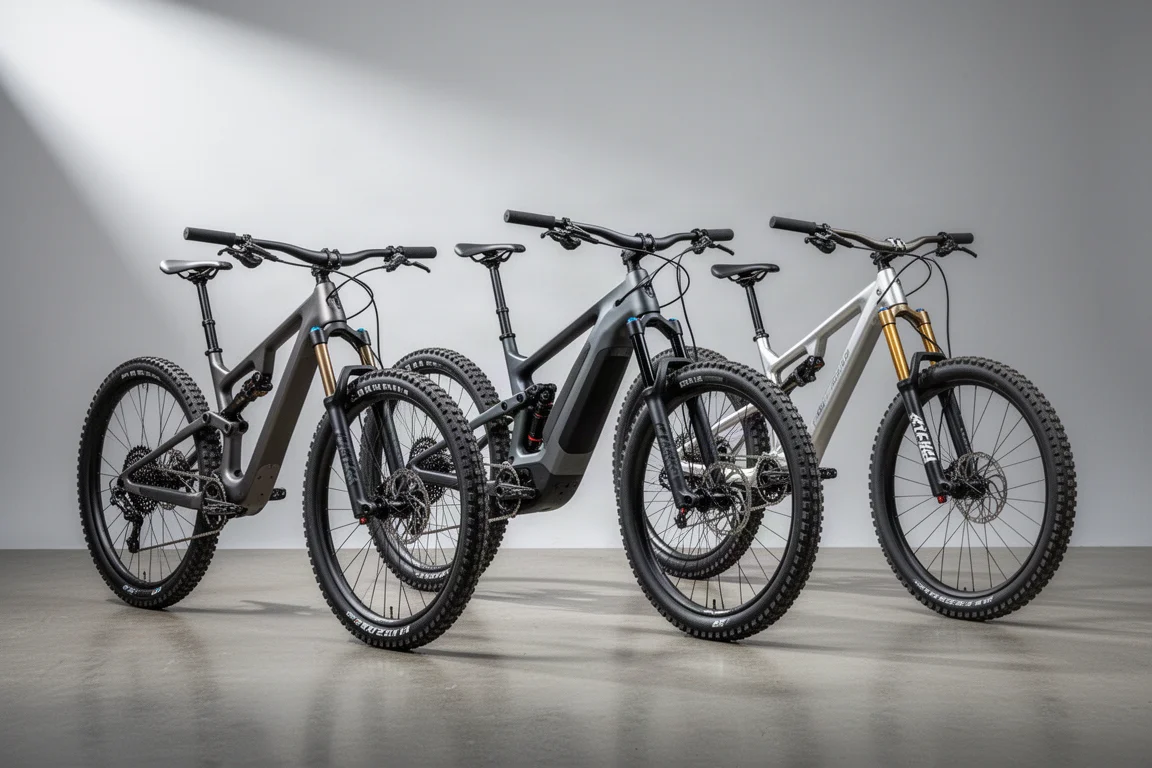
The mountain bike market has had a tough stretch, but the bikes arriving in 2024 make a strong case for optimism. This roundup covers five machines that stand out for very different reasons: a trail bike that finally adds internal storage, a race-bred trail platform with sharper geometry, a carbon e-MTB built around a wireless drive system, a downhill name making a comeback, and an enduro bike that embraces high-pivot suspension.
Each one targets a different rider, so the useful question is not which is best overall but which one fits the trails you actually ride.
What These Five Bikes Have in Common
Several themes run through this group. Internal frame storage appears on the carbon versions of two trail bikes here, threaded bottom brackets show up where home mechanics will appreciate them, and high-pivot suspension designs are spreading from downhill into enduro. Geometry is also increasingly size-specific, with seat angles that get steeper as frame sizes grow.
Pricing spans a wide band, from around £3,199 or $3,799 for the most affordable trail option up to €11,299 for a flagship e-MTB build, so there is something here at several budget levels. Travel figures also vary considerably, from 145 mm at the rear on the shortest-travel bike in this group to 203 mm on the downhill machine.
YT Jeffsy: A Trail Bike With Useful Storage
The Jeffsy enters its third generation, and the carbon version gains internal frame storage. The system uses a double-sealed lid with an easy-access mechanism, and two neoprene stash bags keep essentials dry and close to hand.
Rear wheel travel drops by 5 mm to 145 mm, while the front end keeps 150 mm. Reach grows by 5 mm on a large, and chainstays stretch by 2 mm, measuring 437 mm on small through large and 442 mm on XL and XXL. Seat angles are size-specific and get steeper as the frame grows, with a large running 77.9 degrees in the low setting. The head angle sits at a relatively slack 65 degrees for a trail bike.
There are five models in the range. The Core 3 stands out at £3,999 or $4,299 with a carbon frame, a Fox Performance 36 fork, a Float X shock, a SRAM GX Eagle drivetrain, Code R brakes, and DT Swiss wheels with Maxxis tyres.
Canyon Lux Trail: Sharper Geometry, Practical Details
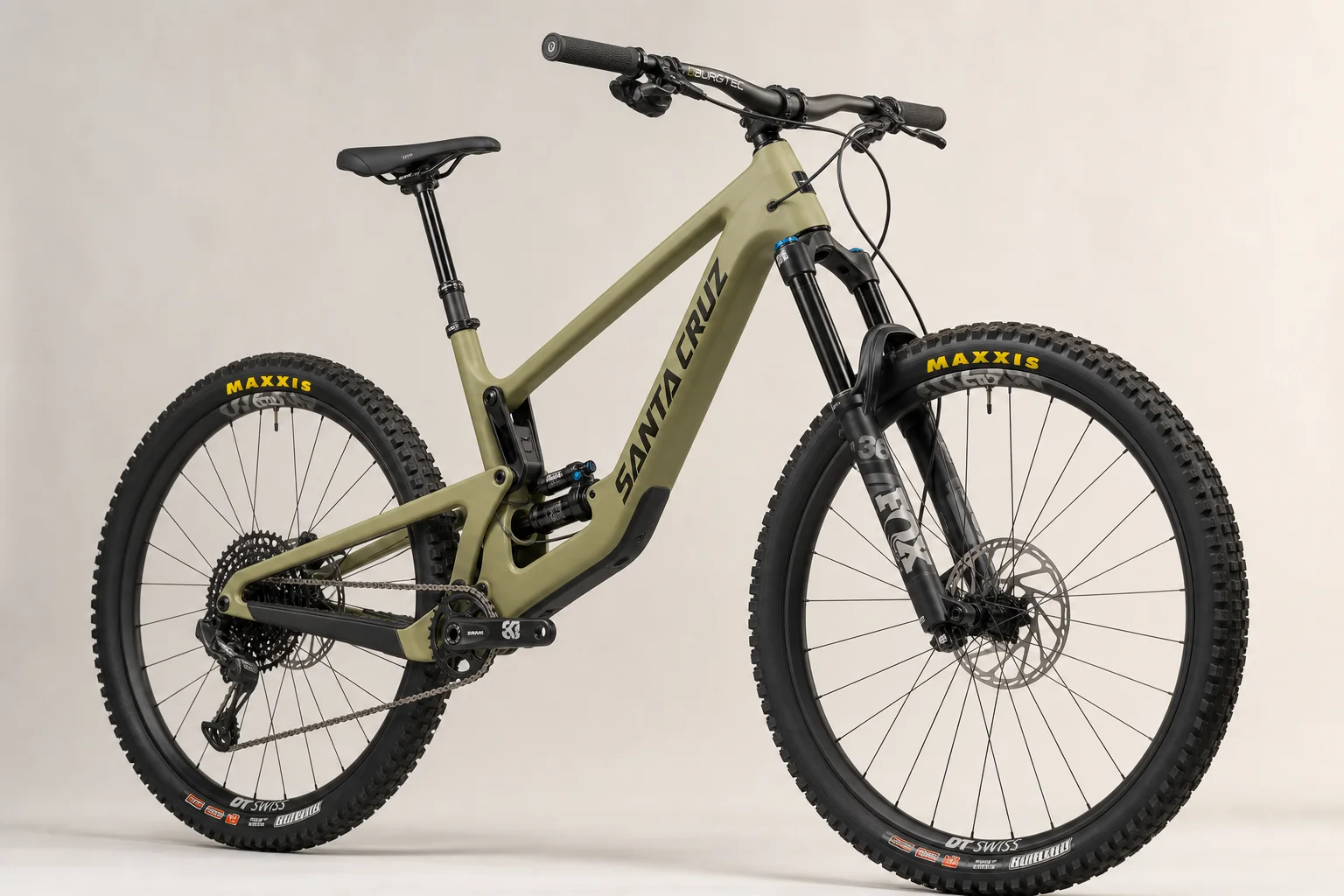
Where the earlier trail version was essentially a new front end bolted to the existing rear triangle, the new Lux Trail is a completely different machine with a bespoke frame. Rear travel rises to 150 mm, and the head angle sits at 67 degrees, still on the steeper side but paired with a 480 mm reach on a large, which is 5 mm longer than the Jeffsy.
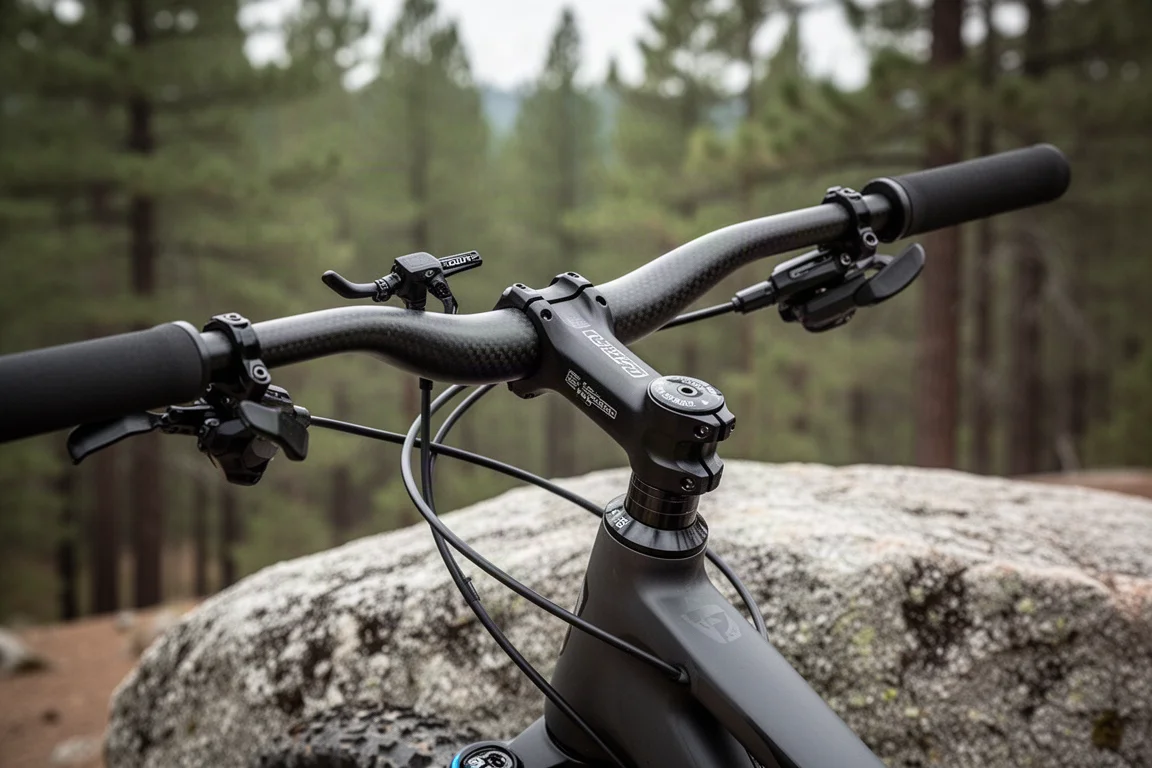
The seat angle is 1.5 degrees steeper than before at 76 degrees, and the bottom bracket is threaded, which makes servicing easier at home. Practical touches include internal frame storage and a multitool hidden under the top tube. Every model gets a dropper post and remote lockouts along with suspension from Fox or RockShox, and all but the two cheapest builds roll on carbon DT Swiss wheels.
The trade-offs are the headset-routed cables and the one-piece handlebar and stem combo on the more expensive models, both of which tend to divide opinion. Pricing starts at £3,199 or $3,799 for the Lux Trail CF6 and climbs to the range-topping CFR, which is not currently available in the US.
Propain Ekano CF: A Carbon E-MTB With Eagle Powertrain
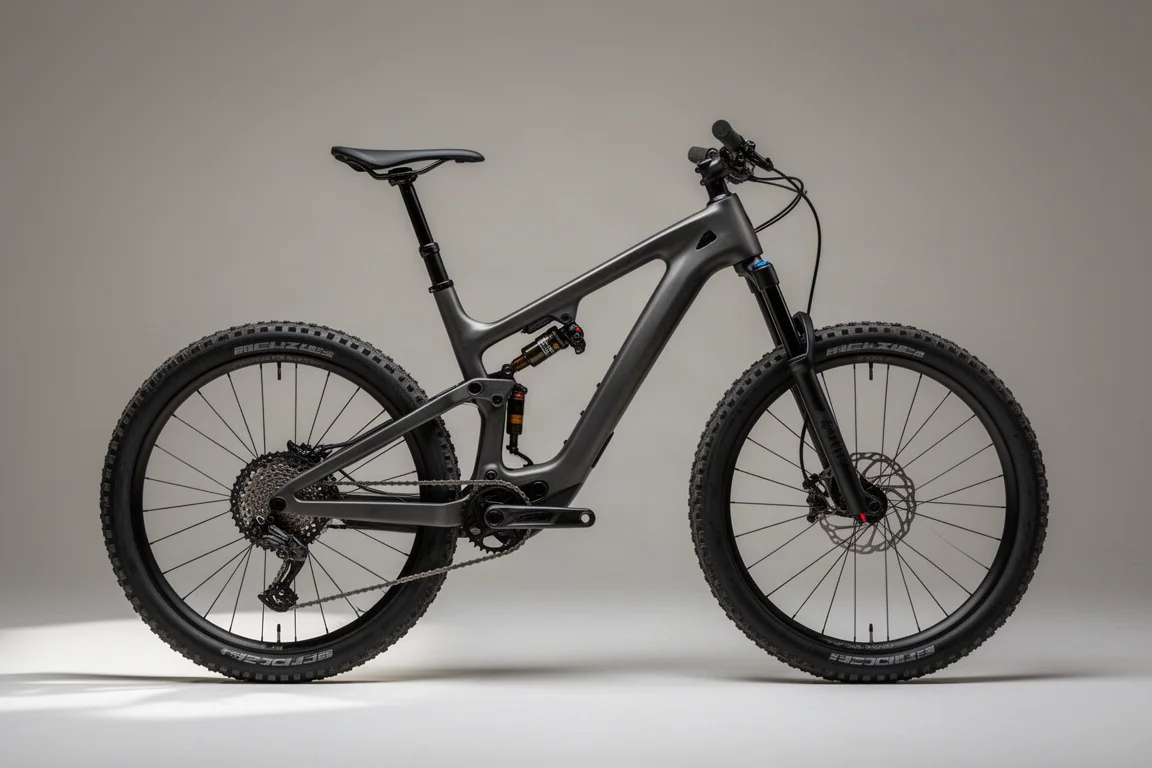
The Ekano CF is Propain’s first carbon fibre e-MTB and is based on the existing Ekano AL. It is one of a small number of bikes built around SRAM Eagle Powertrain, the wireless drive system that works together with SRAM Transmission to provide Auto Shift and Coast Shift functions.
Travel is 170 mm at the rear and 180 mm up front, placing it firmly in the enduro category. The geometry reflects that intent, with a 64 degree head angle, a 78 degree seat angle, and 475 mm of reach on a large. Chainstays stay at 453 mm across the whole size range, which sits on the long side. Propain’s PRO10 suspension layout carries over from the Shimano-equipped Ekano AL, with the shock mounted vertically and floating between counter-rotating links, a design that splits opinion.
All three models in the range use Eagle Powertrain and wireless SRAM Transmission, starting at €7,794 and rising to €11,299 for the Factory build.
Intense M1: A Downhill Name Returns
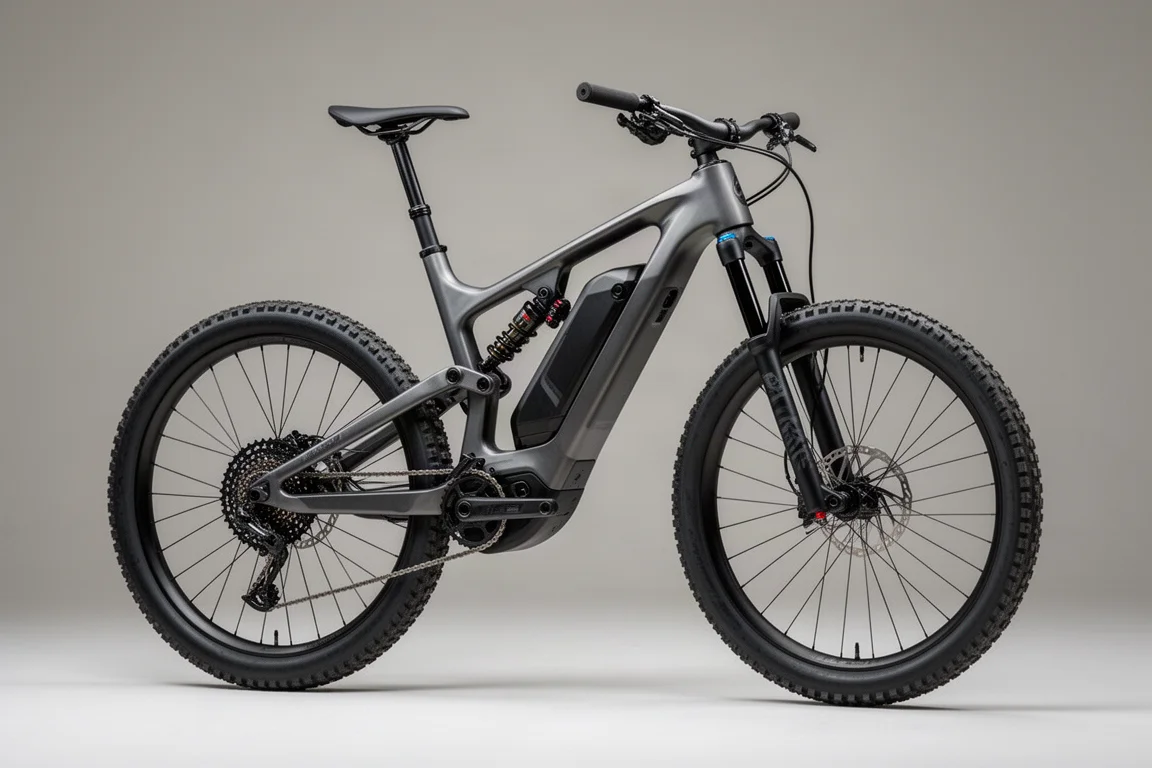
The M1 badge has a long and storied history. The original arrived in 1994 with what was then a huge 5 inches of rear wheel travel, and by the late 1990s it was the bike to be on, raced by Shaun Palmer and later ridden by Sam Hill as he made his name.
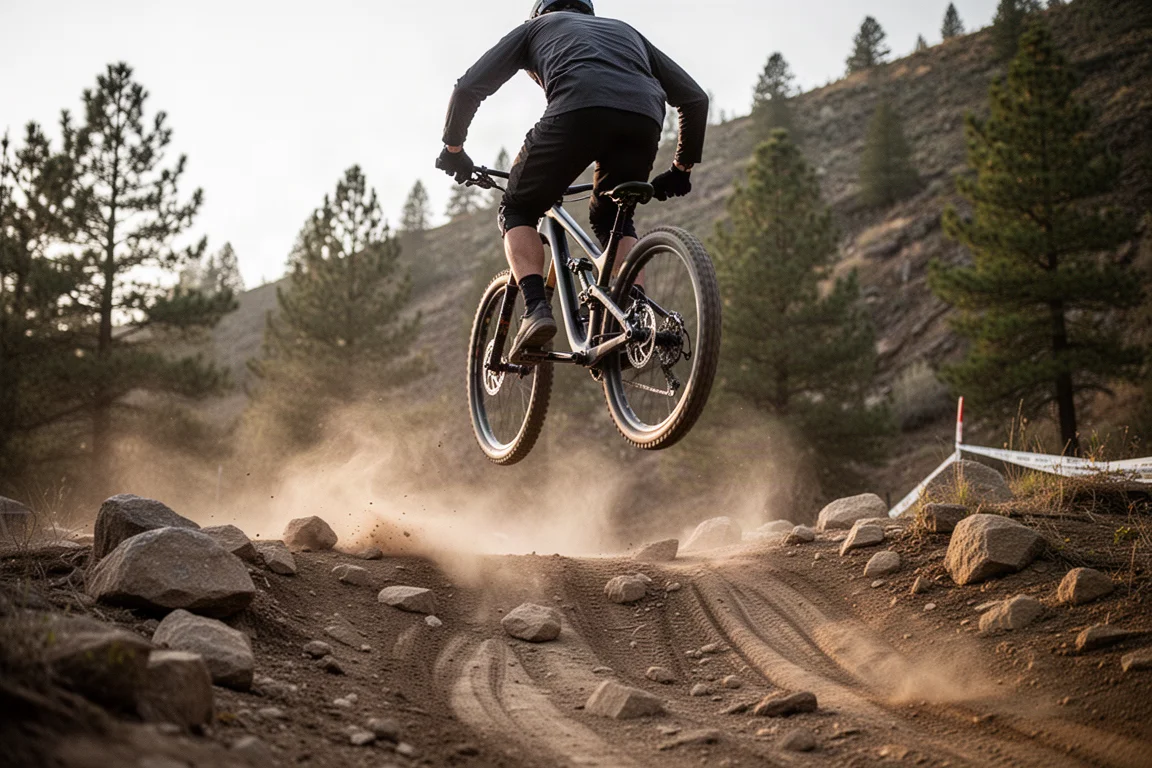
The new M1 is due for release in spring 2024 and has already been on the podium under American rider Dakota Norton. Details are still limited, but the bike uses a high-pivot six-bar suspension system with 203 mm of travel and marks a return to aluminium construction, following the carbon-framed M29 with its twin-link JS suspension.
Trek Slash: High Pivot Comes to Enduro
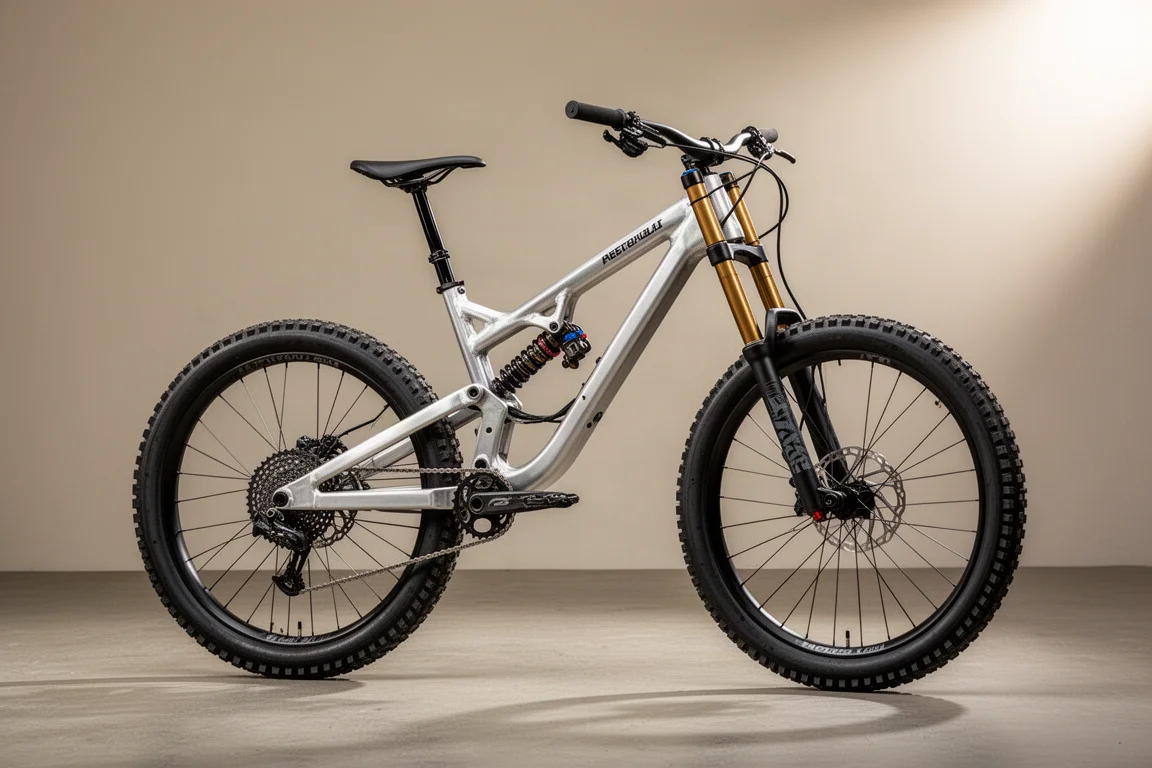
The Slash is one of the most anticipated enduro bikes of 2024, and its looks have already proven divisive. Underneath the styling is a high-pivot suspension design, the first in the brand’s enduro range, following the reintroduction of high pivots on the Session downhill bike.
The idler pulley sits lower and further rearward rather than directly at the main pivot, which lets the kinematics be tuned for efficient pedalling alongside strong bump absorption. The seat angle steepens to 77 degrees to help climbing, while the head angle sits at 63.5 degrees and can be adjusted by a degree in either direction with aftermarket headset cups. A flip chip in the lower shock mount changes suspension progression and keeps the frame compatible with coil or air shocks, with a RockShox Vivid air shock fitted as standard.
Travel is 170 mm front and rear, 10 mm more at the rear than the previous generation, and all sizes run mixed wheels, with the option to convert to a full 29er using a spare rear wheel. There are seven complete builds, starting at £4,250 or $4,399 for the alloy SL8.
Buying Advice: Matching the Bike to the Riding
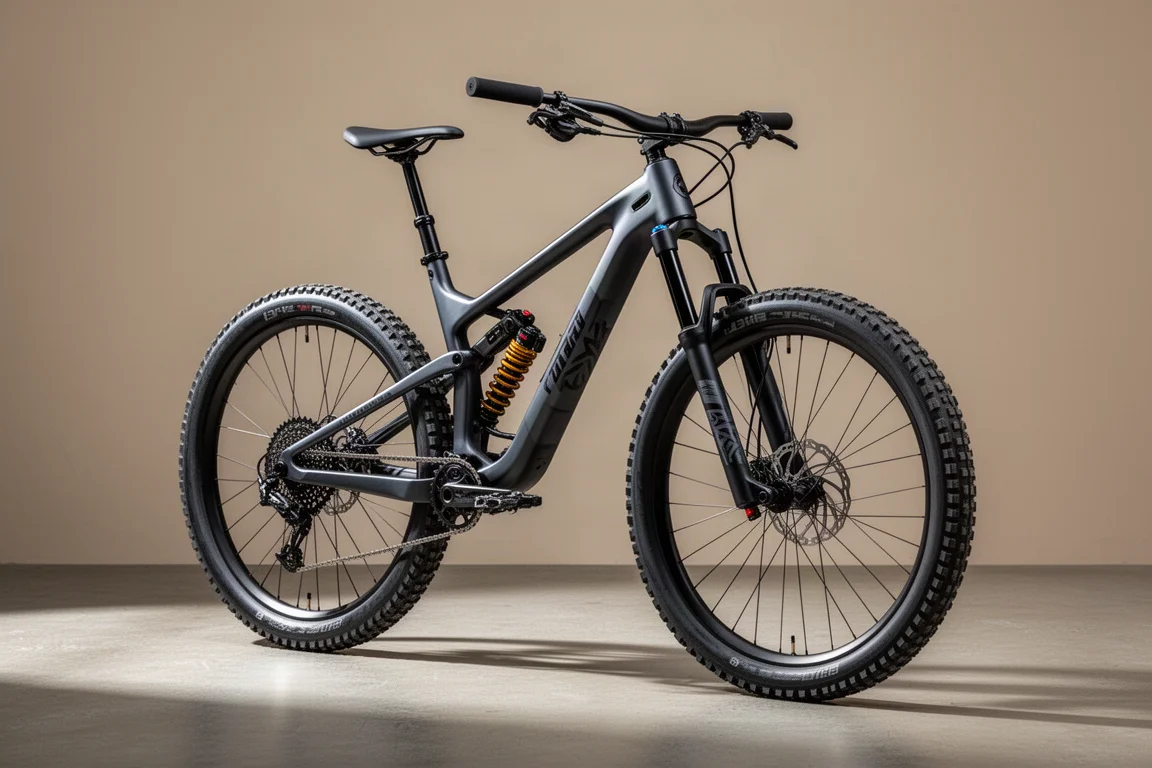
For most riders, the two trail bikes here are the most broadly relevant. The Jeffsy is the more relaxed of the pair with a 65 degree head angle and 145 mm of rear travel, and its internal storage makes long days out easier. The Lux Trail asks for a slightly more committed riding style, with a steeper 67 degree head angle, a longer 480 mm reach on a large, and a threaded bottom bracket that simplifies servicing.
If storage and a slacker front end matter most, the Jeffsy is the natural pick. If you want the longer, more stretched-out position, the Lux Trail is the one to look at. Riders who want assistance and automatic shifting should look closely at the Ekano CF, the only bike here with an electric drive and the highest entry point at €7,794. For downhill racing, the M1 is the obvious candidate, though the limited information available means it is worth waiting for full details before committing. The Slash sits between those extremes, with enduro travel, mixed wheels, and a high-pivot layout that can be tuned with a flip chip.
Budget also shapes the decision. The Lux Trail and Jeffsy start in a similar place, while the Slash begins higher and the Ekano CF sits well above both. Whichever direction you take, matching travel, geometry and drivetrain to the terrain you ride most will matter more than any single specification.
Conclusion
These five bikes show where mountain bike design is heading: more internal storage, more size-specific geometry, threaded bottom brackets, high-pivot suspension spreading into enduro, and wireless drivetrains on e-MTBs. Each has a clear rider in mind, and choosing between them comes down to the trails you ride and how much you want to spend.
Further reading
Related Reviews
Mountain Bikes
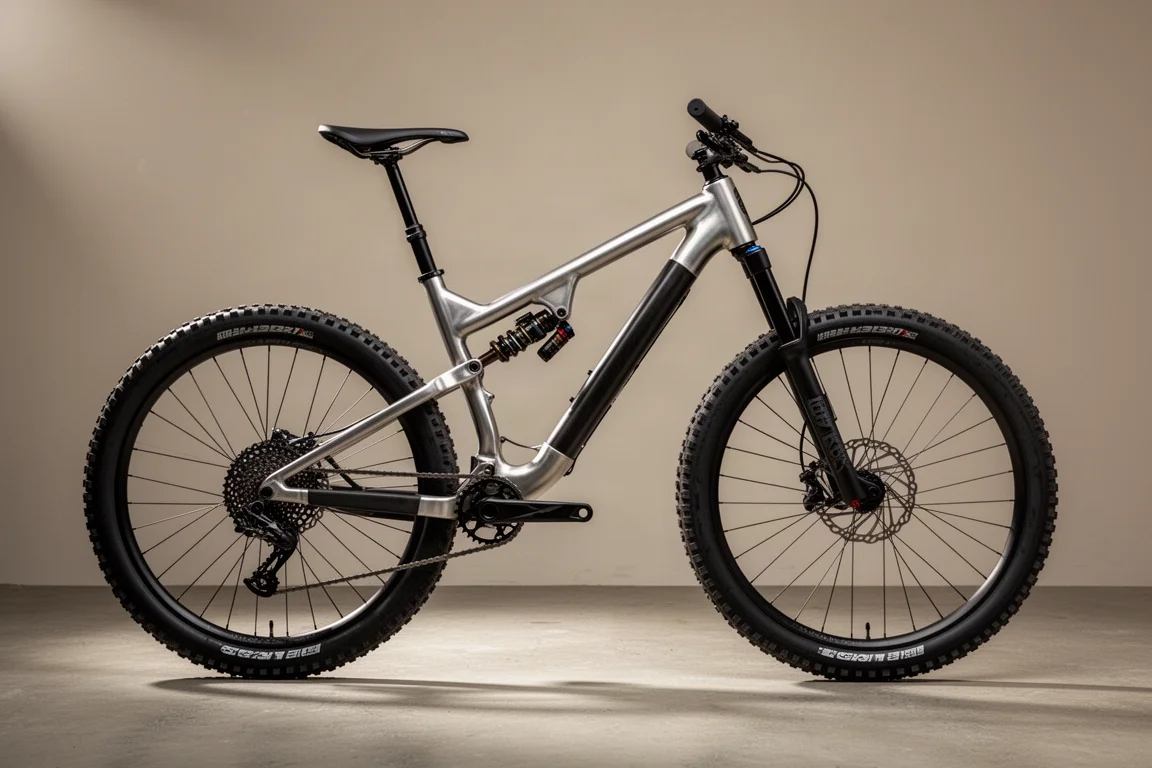
Atherton AM.130 Review: 3D-Printed Titanium Lugs and a 130mm Trail Bike That Descends Like a Bigger Machine
The Atherton AM.130 pairs 3D-printed titanium lugs with carbon tubes and a DW6 suspension platform. Here is how it rides, what the build delivers, and who it suits.
Mountain Bikes
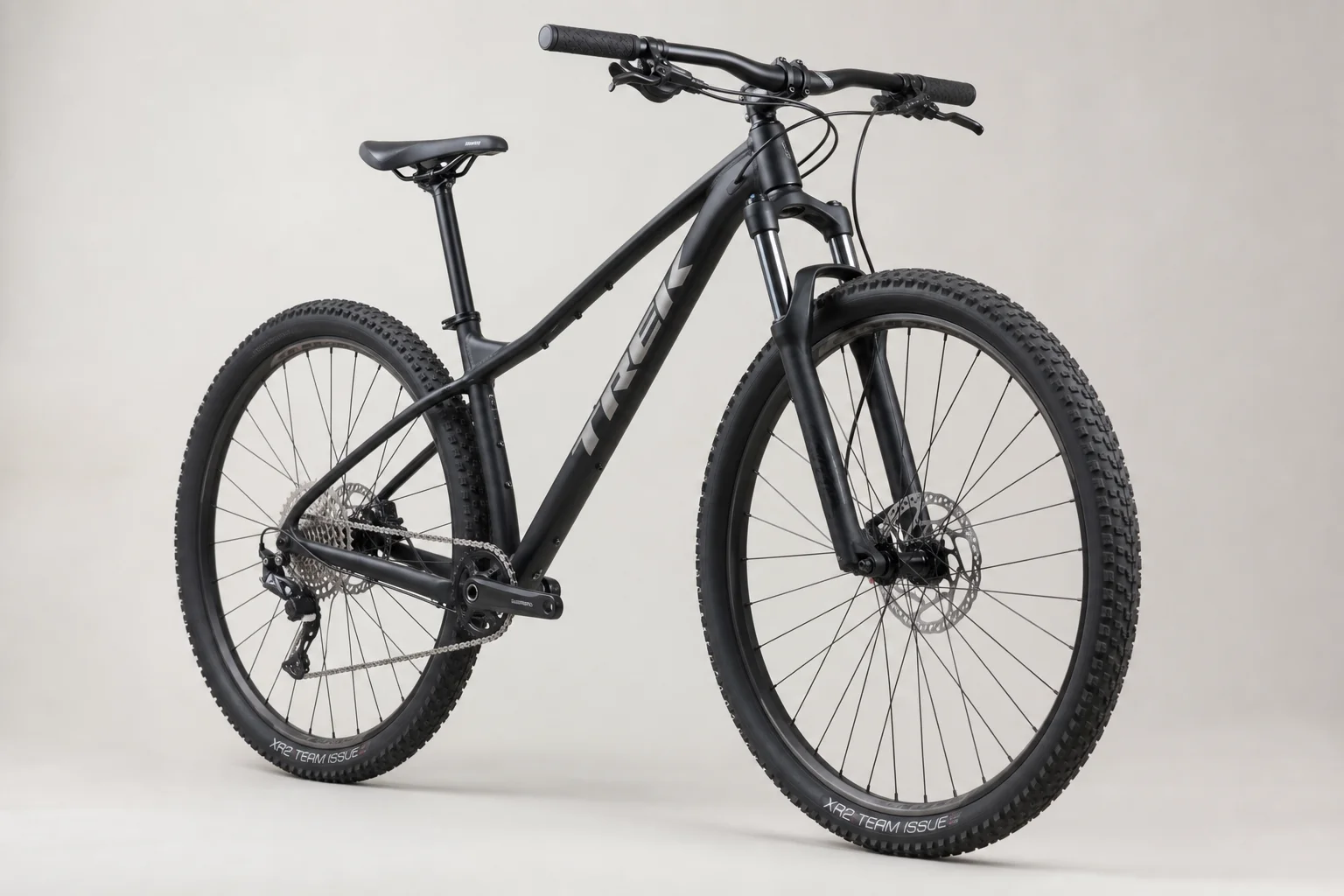
Beginner Mountain Bike Buying Guide: What to Look For in a Trailworthy Hardtail
A practical framework for evaluating beginner mountain bikes, whether new or used, by examining key components that indicate real trail capability.
Mountain Bikes
Best Aluminum Mountain Bikes 2026: Five Alloy Bikes Worth Your Attention
Five aluminum mountain bikes that show how far alloy has come, from a 120mm trail bike and a versatile machined frame to a 180mm freeride machine.