Backpacking Gear
Five Innovative Backpacking Gear Picks for 2026: Tested Through a Cold, Wet Night
A lightweight arched-pole tent, a feature-rich 55L pack, an insulated pad, a value down jacket, and a synthetic ultralight quilt, all pushed through rain and a -3 °C overnight low.
Introduction
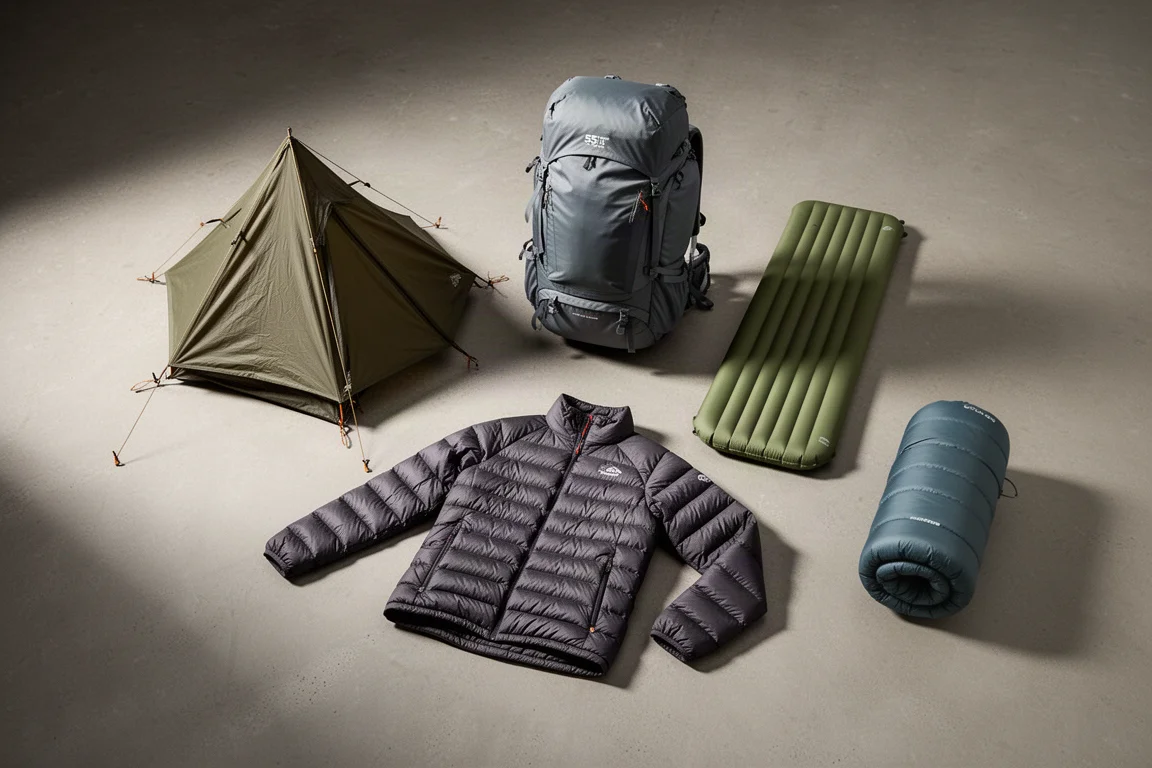
Five pieces of backpacking gear, one cold and wet overnight trip, and a dry camp that forced an extra 15 lb of water into the pack. That combination put a small single-wall tent, a feature-heavy 55-litre pack, a lightweight insulated sleeping pad, a value-focused down jacket, and a synthetic ultralight quilt through a genuinely demanding test.
The evening started windy at around 10 °C, rain arrived before dark, and the overnight low dropped to -3 °C with humid, still air settling in behind the front. Each of these five products takes a different kind of design risk, and the results were not uniform. Some of the innovation paid off immediately. Some of it left a short, specific list of fixes for the next version.
What I Tested and How
Conditions mattered as much as the gear here. Carrying roughly 15 lb of water to a dry camp put real load into the pack. A basin campsite that collects cold air produced a low of -3 °C, which is cold enough to expose weak spots in insulation. Rain before bedtime left the ground wet and the air humid, and the wind died overnight, which is the worst case for condensation inside any tent.
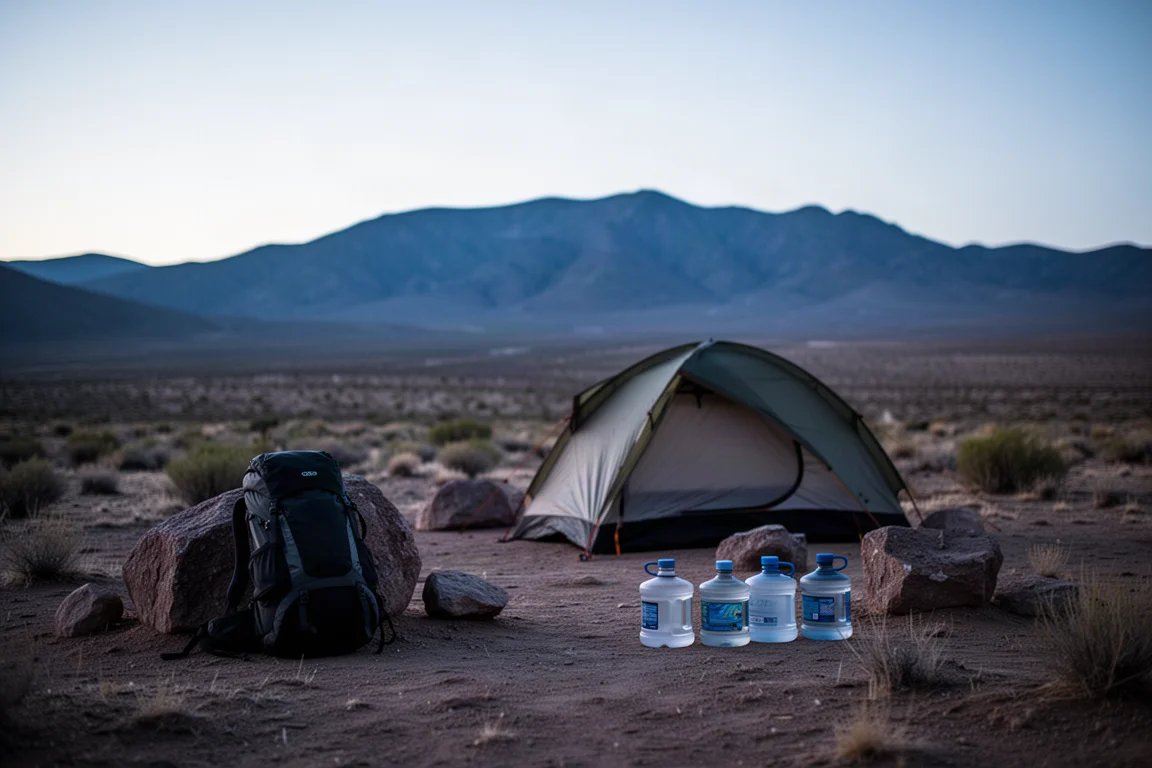
Each item was judged on four things: whether the claimed weight translated into real-world comfort, how the insulation performed at and below freezing, how well the design handled moisture, and whether the price made sense given the materials actually used. Gear that survives those four questions is worth recommending. Gear that only answers two of them needs caveats, and there are caveats below.
Big Agnes Pitch Pine VST 1.5: An Arched Pole Tent That Pitches Fast
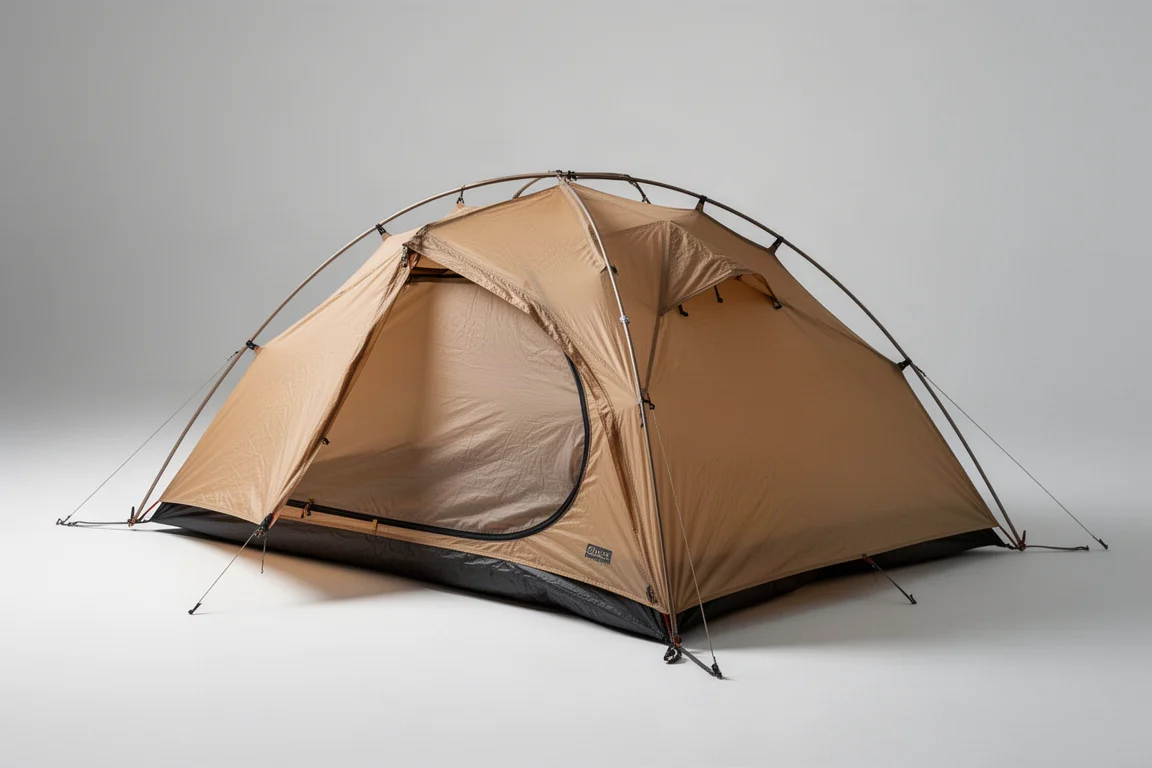
At 781 g, the Pitch Pine VST 1.5 gets light without trekking poles, which is unusual. The structure comes from a single arched pole rather than a freestanding frame, so the tent has no shape at all until four corner stakes go in. Add the brow pole attachments and the two optional guy-out points, clip over the brow, and it stands. After two practice pitches, a clean setup feels repeatable rather than fiddly.
Because it does not rely on trekking poles, the ground footprint stays small. That matters on trips where flat, clear tent sites are scarce, and it is one of the clearest advantages of this design.
Ventilation is the second area where Big Agnes pushed. The tent is essentially single wall, with mesh at the door and a small amount around the bottom, plus two large vents along the top. In still, humid air after rain, condensation did build up on the inner walls, which is fair to expect from almost any tent in those conditions. The fly fabric itself handled it well, absorbing no moisture and showing no sag or stretch when wet.
Two things would make this tent notably better. At 5 ft 10 in with a regular-length pad and a thick mattress, the footbox touched the wall on one side, so extra length would help most modern sleepers. The vertical mesh strip between the bathtub floor and the fly also lets condensation run down into the floor rather than onto the ground; a horizontal strip would shed drips properly. At $650 with a 20-denier silpoly fly and a 15-denier nylon floor, and no exotic fabrics or carbon poles, the price is the hardest part to justify.
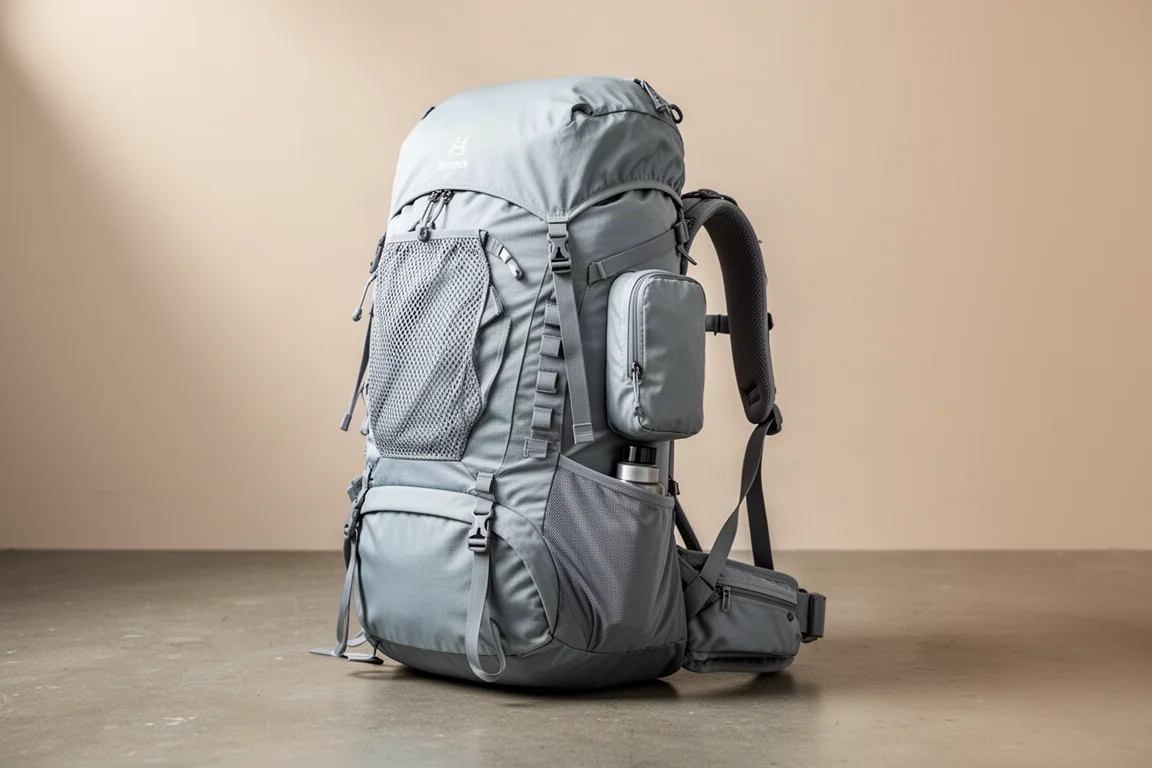
LiteWorks Daily Dose: A Feature-Rich 55L Pack
The Daily Dose weighs about 1,200 g, which puts it in the lightweight category rather than the ultralight one. For that weight it carries more comfortably than almost anything else in its class. The adjustable torso lets the fit be dialled in properly, the S-shaped wide shoulder straps spread load across the shoulders and chest, and the hip belt is genuinely substantial. Advertised capacity is over 35 lb, and with roughly 35 lb aboard across the first few miles, that claim held up.
Modularity is the headline feature. There are numerous webbing loops for attaching extra straps and gear, and the hip belt, shoulder pocket, and second water bottle pocket can all be added. A waterproof zippered accessory pouch on the body is a genuinely welcome detail, big enough for a wallet and keys, and it can be seam sealed for full water resistance if desired.
The trade-off is that the suspension feels overbuilt for the volume. A 55-litre pack this robust will run out of space before it runs out of carry capacity, and the same frame would make far more sense on a 70 to 75-litre model, or a 55-litre version that comes in under a kilogram. The side bottle pockets work, but lowering the front edge would make pulling a bottle in and out noticeably easier.
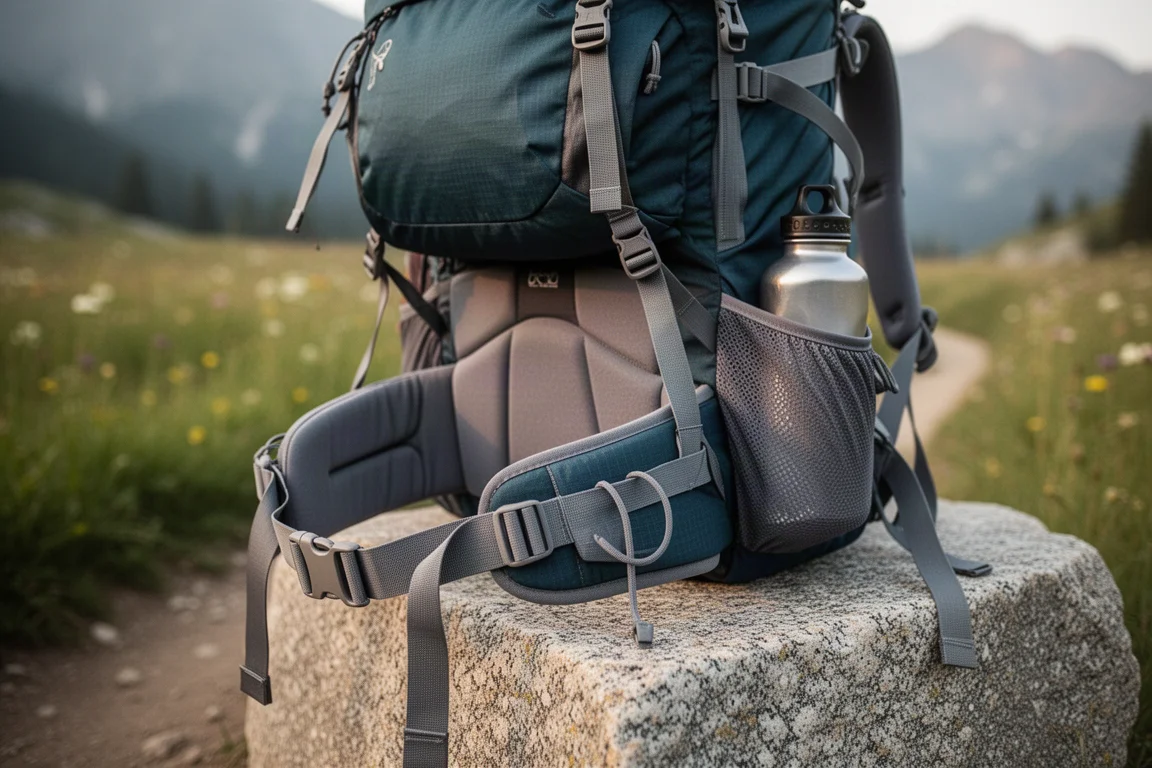
Where it earns its place is comfort under load. Anyone who finds packs of this size carry poorly should consider it, accepting a modest weight penalty in exchange for a harness that behaves like a much larger pack.
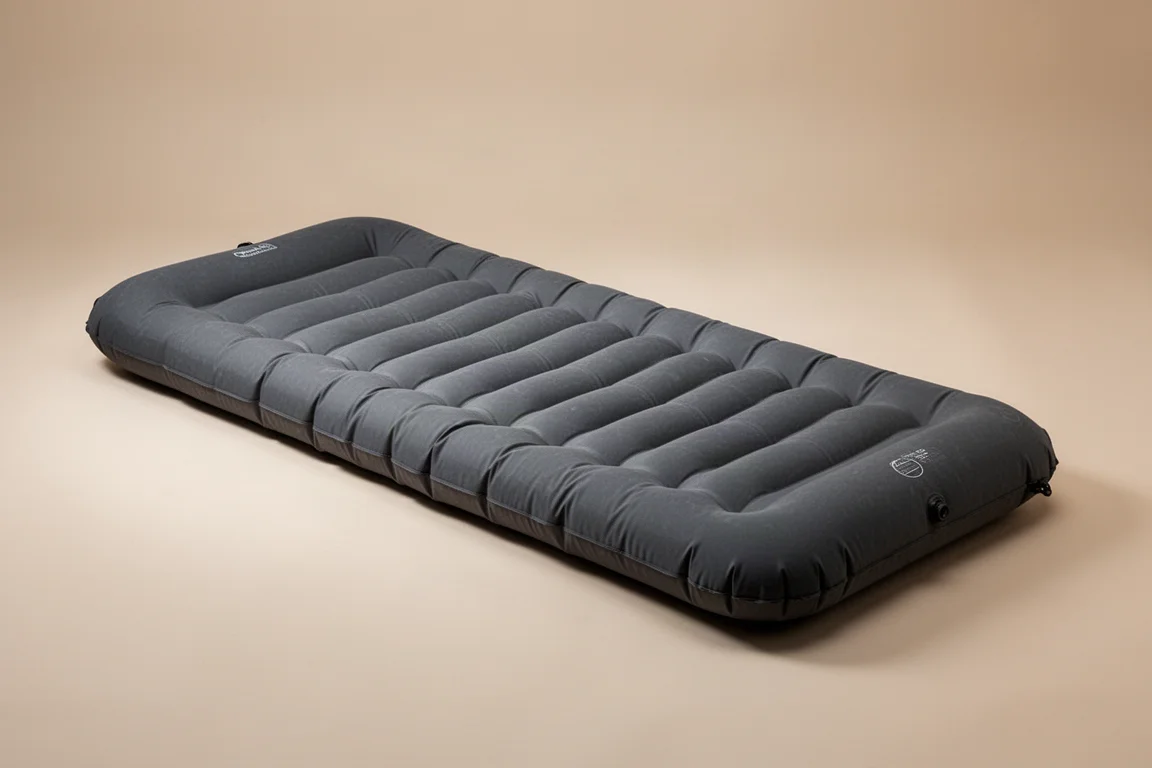
Nemo Eclipse: Lightweight Comfort With a Cold-Weather Caveat
The Eclipse is remarkably light at 558 g for a pad rated to an R-value of 6.2, and it is one of the most comfortable pads available. On a first night just above freezing it was easy to sleep on, and the $190 price for the regular wide makes it well positioned.
The colder test was more revealing. The pad stayed warm through most of the night and only began to lose noticeable heat once the temperature reached -3 °C. That is still a below-freezing pad, but it suggests air temperature affects it more than the rating alone implies. Looking over the pad while packing up, the reflective insulation inside appears not to extend all the way to the edge, which is worth watching if you regularly camp in deep cold. Against the Exped Ultra 6.5R, the comparison is a real one: the Exped handled colder conditions, while the Eclipse is the more comfortable of the two.
None of that makes it a bad pad. It is light, it is comfortable, and it gets you below freezing, which covers a large share of three-season trips.
Outdoor Vitals Vantage: Strong Warmth-to-Weight at a Lower Price
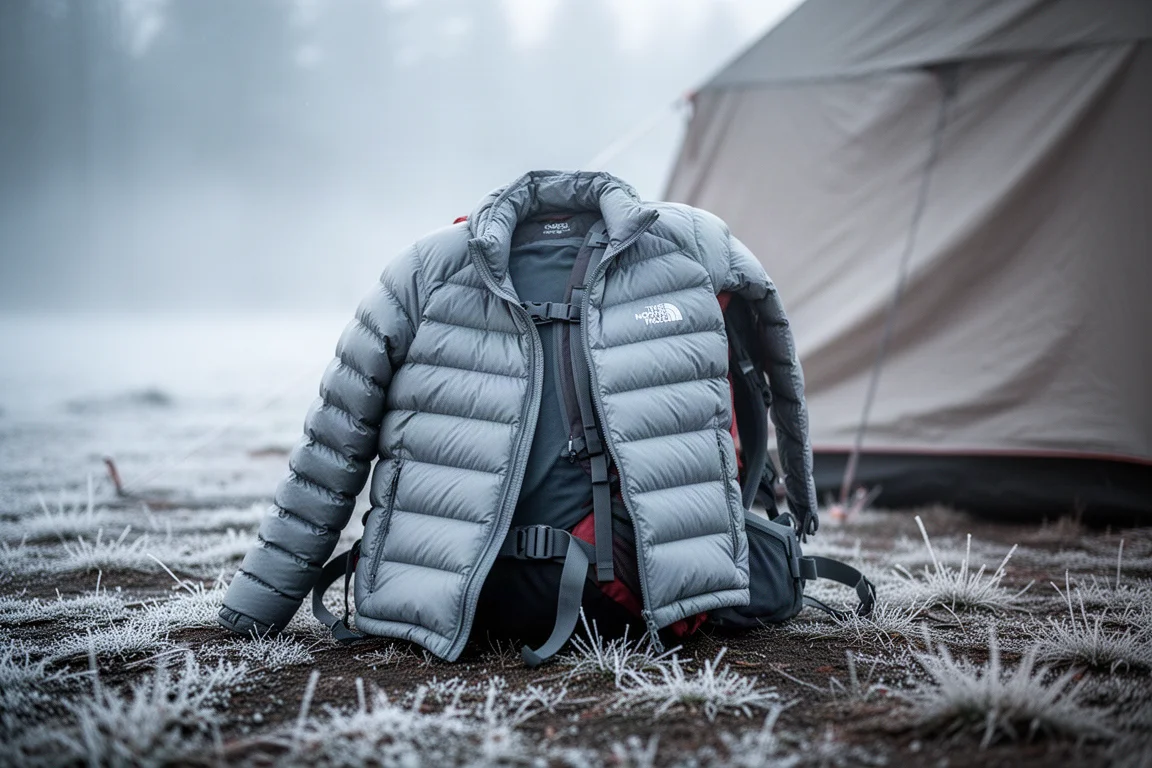
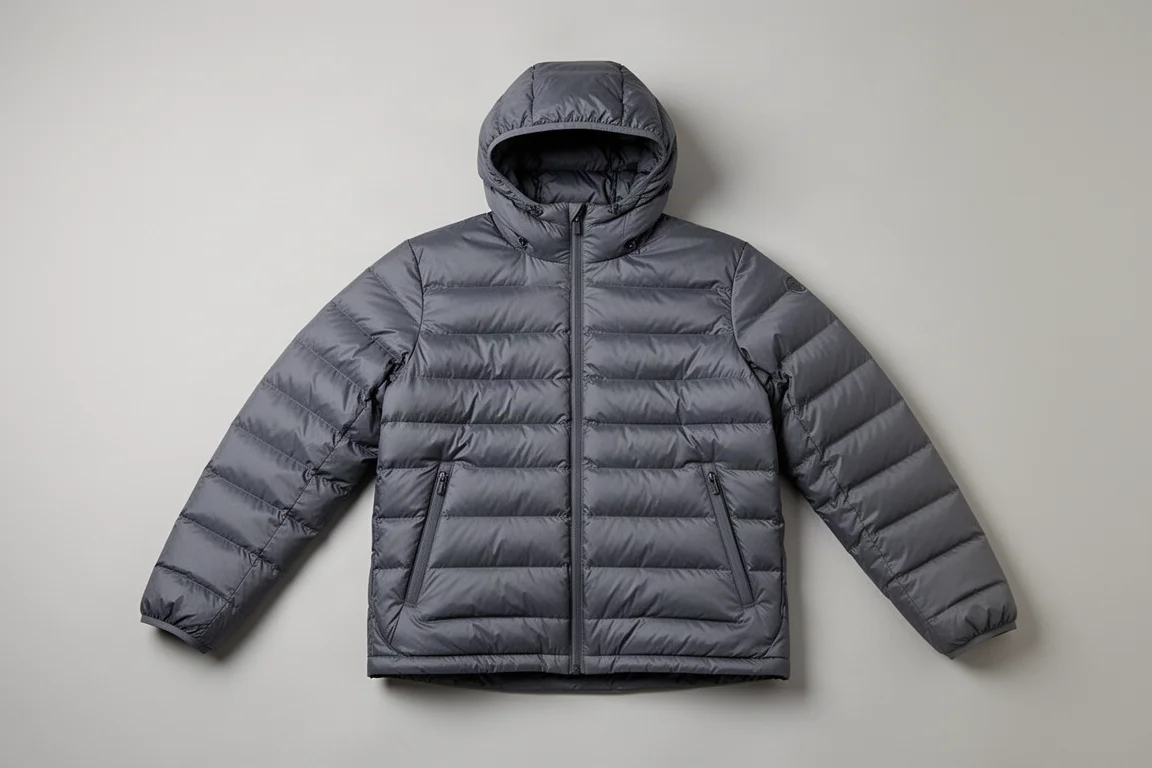
The Vantage weighs 430 g thanks to 850 fill power down and a 15-denier shell, and it costs $275. Warm, light down jackets have typically come from a small set of premium brands at roughly twice that price, so the value proposition here is clear on paper.
Outdoor Vitals rates the jacket for static use down to -6 °C. Sitting around camp at 3 °C, above freezing but cold for doing nothing, it felt thoroughly warm, warm enough that hands and uninsulated legs benefited too. The no-stitch construction is the interesting part of the design: with no stitching running through the body panels, the cold spots and heat loss that usually appear at stitch lines are reduced, sitting somewhere between a fully baffled and a sewn-through build.
The jacket is deliberately no-frills, with a couple of hand pockets, a hood, and a full zipper. The -6 °C static figure has not yet been matched in testing, so treat it as a manufacturer claim until colder conditions allow a proper check. For people who run cold, or for spring and autumn trips that dip below freezing, the warmth-to-weight balance makes a lot of sense.
Zen Bivy Ultralight Synthetic Bed: Synthetic Insulation Made Packable
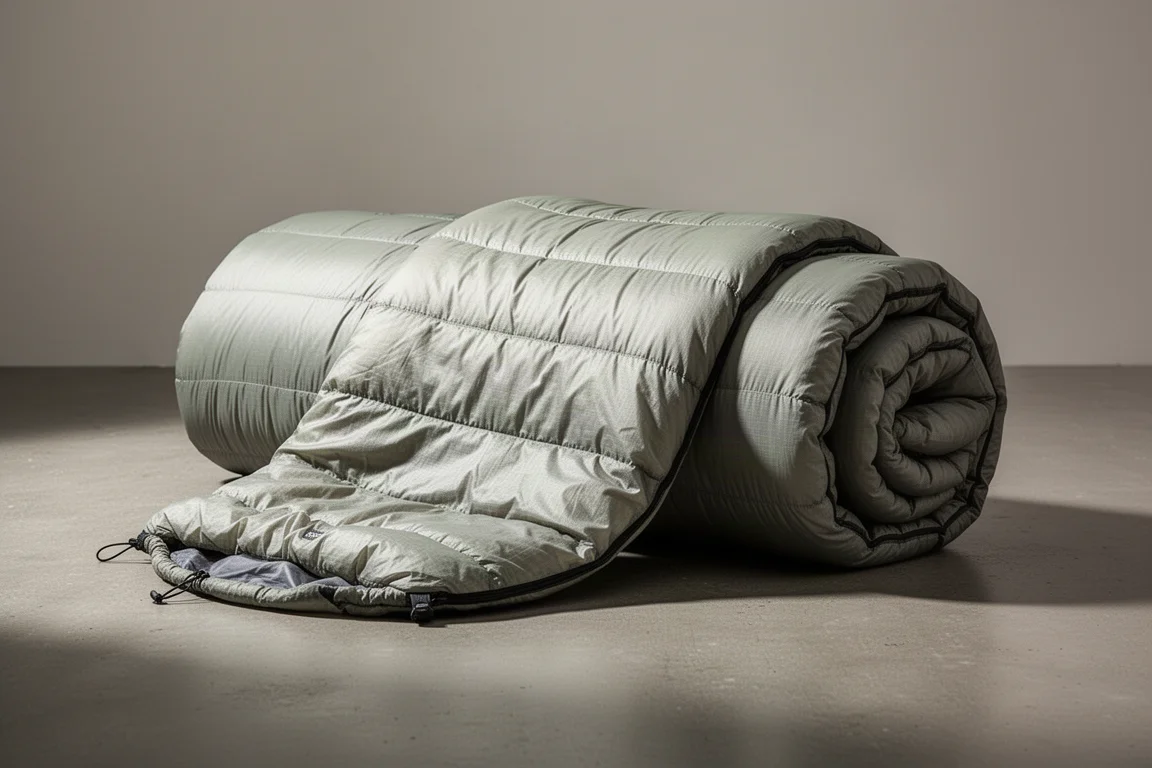
Ultralight synthetic top insulation is a small category, and this Zen Bivy quilt is a welcome entry. It packs down modestly, the complete system stays light, and the insulation is rated to 25 °F. On paper it looks thin, and it does not inspire the same confidence as a puffier down quilt of similar rating.
In practice, at an overnight low of -3 °C, worn over an Alpha Direct sweater and pants with a hat, there was no noticeable heat loss at all. Synthetic insulation also handles moisture better than down, drying faster when wet and coping with sweat, rain, and tent condensation. On a night with rain and humid air, that advantage was not theoretical.
The main reason to choose a down version instead is pack volume, or maximum weight savings. For most people, including many ultralight hikers running a 40 to 50-litre pack, this quilt fits without compromise. With down prices rising, synthetic insulation is becoming relatively more affordable, and this is a strong all-around option for most trips.
Buying Advice: Where Each Piece Fits
Match each item to the problem it actually solves. The Pitch Pine VST 1.5 suits thru-hikers and anyone who wants a light, compact, easy-to-pitch shelter and accepts that single-wall condensation needs managing; extra length and a lower price would widen that audience considerably. The Daily Dose is for hikers who value load-carrying comfort and modularity over the lowest possible weight, ideally on trips where the volume is not the limiting factor.
For sleeping, the Eclipse and the Zen Bivy quilt work well together. The pad is comfortable and light and handles below-freezing nights, though deep winter campers should weigh the edge insulation question carefully. The synthetic quilt covers most three-season use, handles moisture better than down, and only gives up ground if pack volume is your priority. The Vantage jacket rounds it out as a warm, light, comparatively affordable layer for cold static evenings and shoulder-season trips.
Conclusion
Innovation is the reason this trip was worth taking. Not every idea lands on the first attempt, and the two most ambitious products here show exactly that. With a little more length, a horizontal drip strip, and a lower price, the Pitch Pine VST 1.5 becomes a genuinely compelling shelter. With a lighter suspension or more volume, the Daily Dose becomes a contender for the best lightweight pack available.
The Vantage jacket and the synthetic Zen Bivy quilt are straightforward wins, and the Nemo Eclipse is a very good pad that asks one reasonable question about cold-weather edge insulation. Buy the pieces that match your conditions, and the risk these brands took works in your favour.
Further reading
Related Reviews

Backpacking Gear
Building a 10 lb Base Weight: An Ultralight Backpacking Gear List
A practical walkthrough of the ultralight pieces behind a 10 lb base weight, from a 765 g pack and a roomy one-person tent to a full camp chair and a dependable water filter.

Backpacking Gear
A 15-Pound Lightweight Backpacking Gear List for Solo Trips
A beginner-friendly 15-pound backpacking setup built from easy-to-find gear, with notes on what each piece does, how it packs, and where to spend your attention.

Backpacking Gear
8 Ultralight Backpacking Gear Upgrades Worth Carrying
Eight small, affordable backpacking upgrades that solve real trail annoyances, from a pillow that stays put to a fuel valve that rescues leftover canister gas.