Home Theater
Five Home Theater Mistakes Worth Fixing Before Your Next Upgrade
A practical guide to the five home theater mistakes that quietly cap performance, plus the center channel, subwoofer, surround, and height speaker picks that address each one.
Introduction
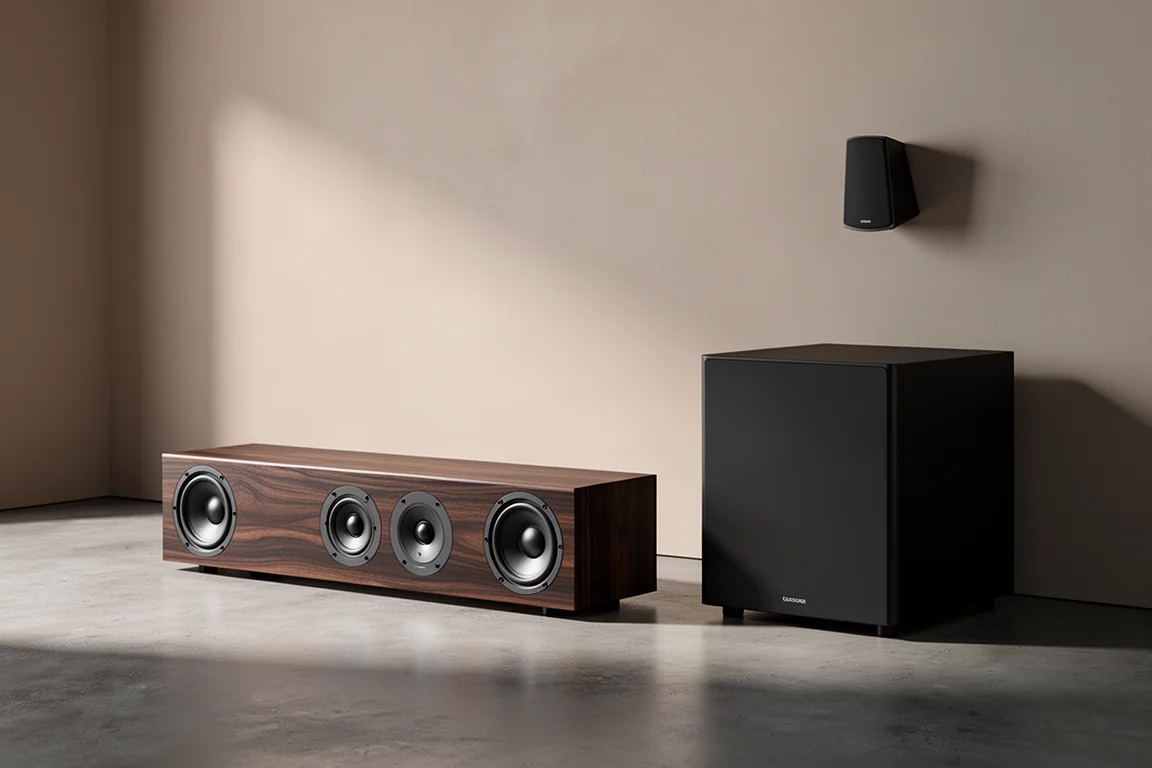
A home theater system rarely disappoints because one component is bad. More often, the same handful of decisions quietly cap how good the whole room can sound. A small center channel carries most of the dialogue. One subwoofer is chosen for price rather than output. Upward-firing modules stand in for real height speakers. Tiny surrounds sit on the wall. An auto-calibration routine was run once and never checked.
None of these are expensive problems to avoid. They are decisions about where the money and the effort go, and getting them right changes how a room feels across a two-hour movie.
This guide walks through five of the most common home theater mistakes and the specific products that address each one.
Why the Center Channel Comes First
The center channel is the hardest-working speaker in a surround system. It carries the bulk of dialogue and a surprising amount of the low-frequency energy from explosions and effects. That second point is easy to forget: a center channel is not only a dialogue box, it also has to move air.
Most center channels are horizontal MTM designs, with a tweeter placed between two mid-bass drivers. That layout introduces comb filtering, which is the cancellation of specific frequencies depending on how far off-axis the listener sits. Directly in front of the speaker, the effect is minimal. A few seats to the side, certain frequencies in the vocal range can drop out, and dialogue is exactly where that shows up.
Three-way centers reduce the problem by stacking a tweeter over a midrange driver and placing woofers on either side, in effect sandwiching a small two-way speaker between two woofers. Using a two-way bookshelf speaker vertically as a center is another route. What tends to work less well is a small two-way speaker laid horizontally, because the center channel needs real woofers behind it.
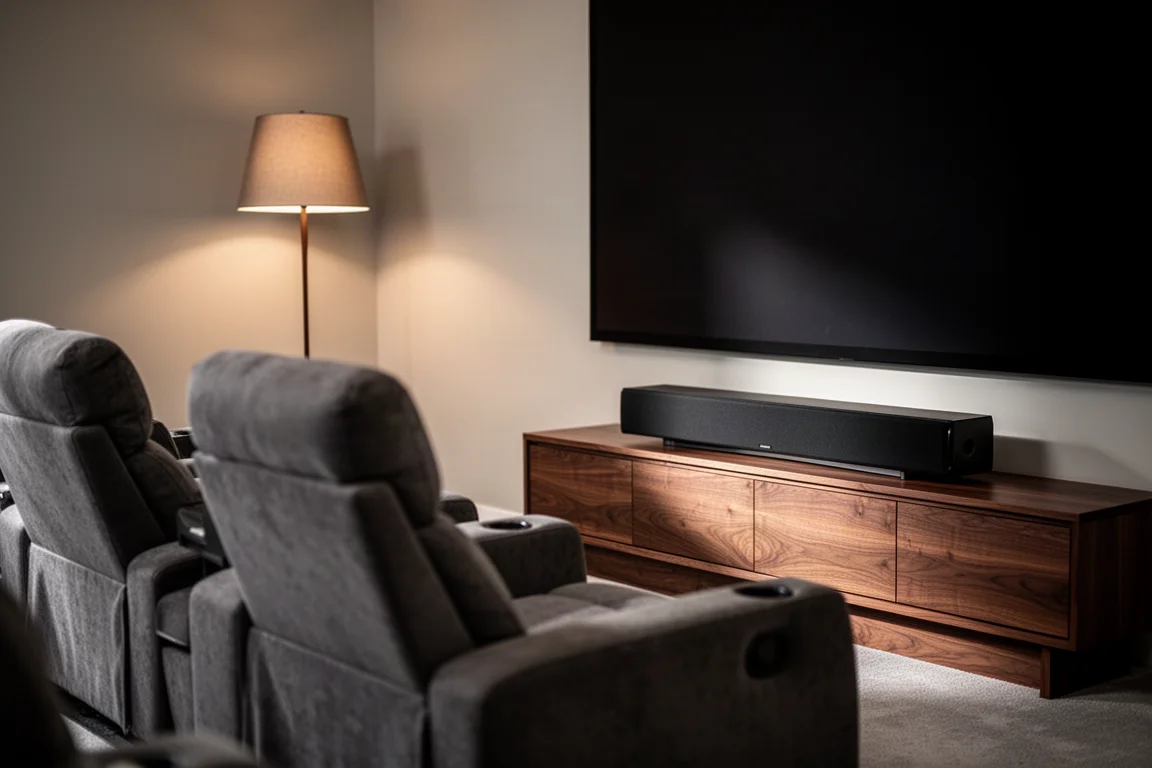
Placement matters as well. Many center channels end up inside a cabinet, which is not ideal but is often unavoidable. Plugging the rear ports is one way to reduce resonance picked up from the cabinet itself.
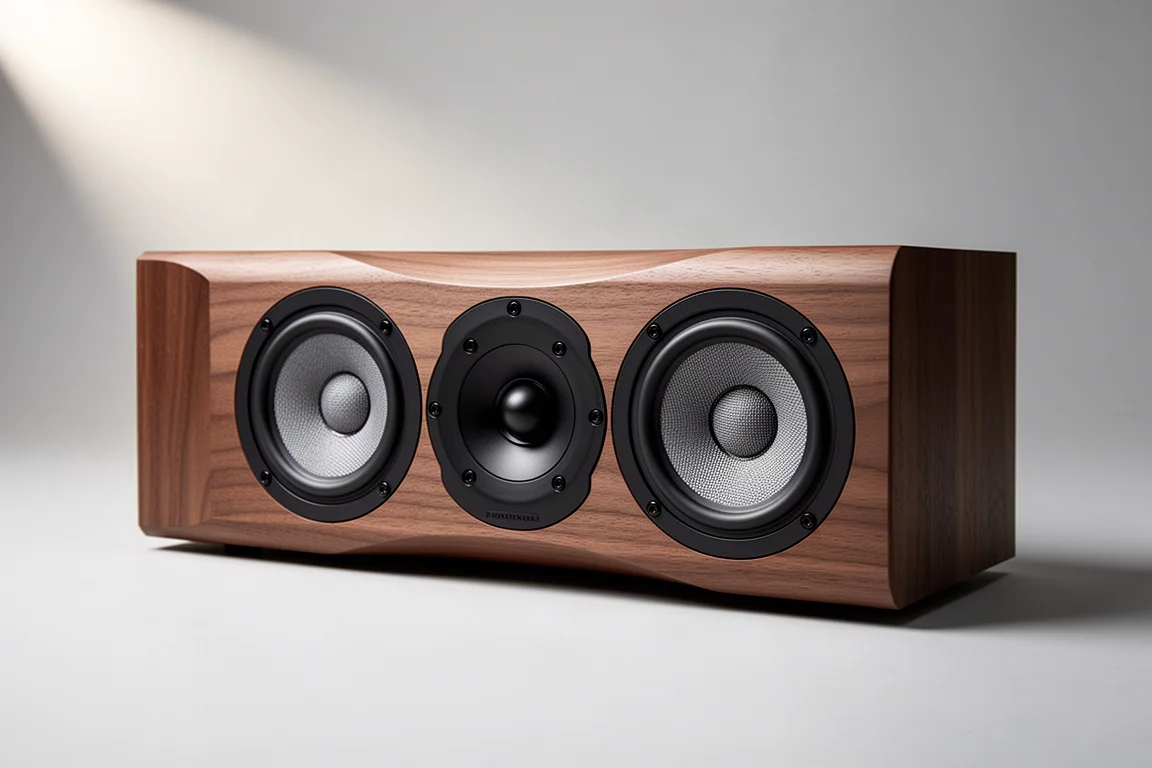
Q Acoustics 5090: A Center Channel That Gets Vocals Right
The Q Acoustics 5090 is an MTM design, so the off-axis comb filtering caveat still applies. What sets it apart is how it handles voices. Dialogue on many center channels is pushed forward somewhere between roughly 750 Hz and 2 kHz, which makes vocals feel separated from the rest of the mix and becomes tiring over a long session. The 5090 avoids that forwardness, and the result is a more organic vocal reproduction than most centers manage.
Baritone is usually the first thing lost in a center channel, even on some three-way designs. The 5090 holds onto it. Compared with the smaller bookshelf models in the same 5000 series, it sounds tonally identical and adds a little more punch.
The technical side supports the description. A C3 continuous curve cone is used in the woofer for better dispersion, and the tweeter is isolated from the enclosure as far as the design allows, which limits interaction between the drivers and the cabinet. Frequency response is rated from 57 Hz to 30,000 Hz, and the speaker crosses over cleanly at 80 Hz. Nominal impedance is 6 ohms with a minimum of 3.2 ohms, so it benefits from an amplifier with a bit of current on tap.
At around $600 it is not a budget purchase, but it is the most consequential speaker in a surround setup.
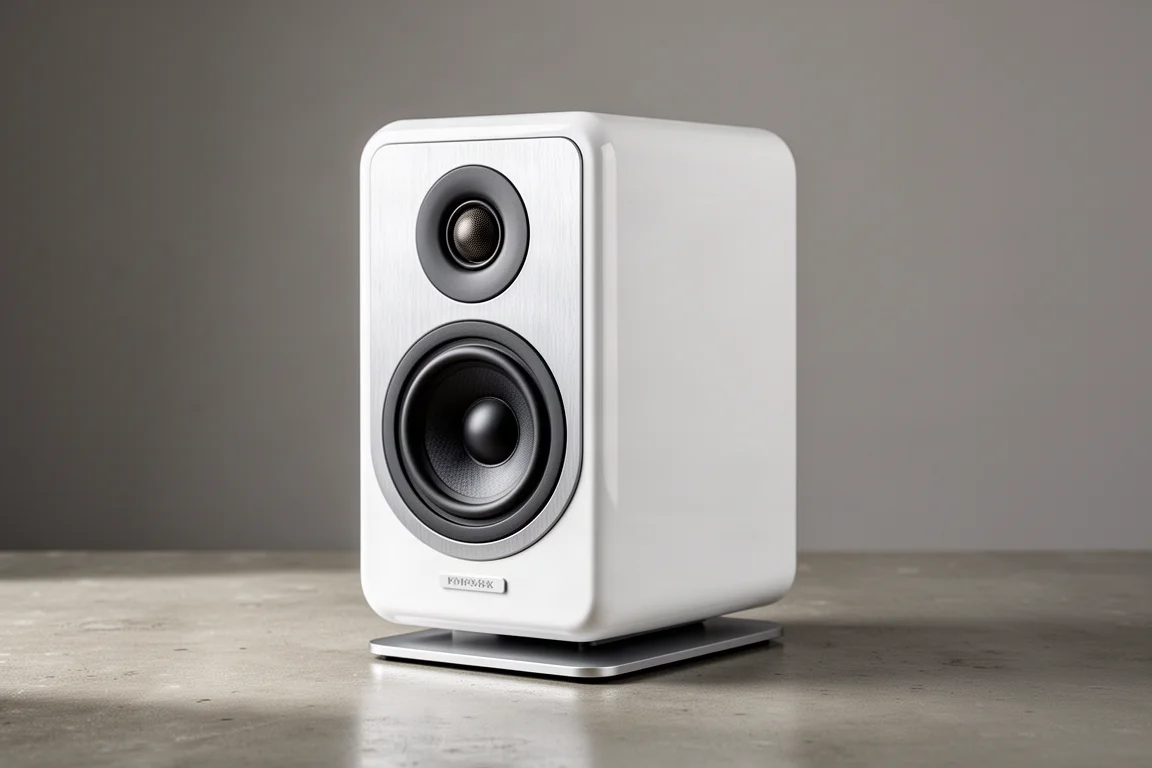
Q Acoustics Concept 30: Bigger Surrounds Pay Off
Surround speakers are usually treated as an afterthought, and that is a mistake. A small wall-mounted speaker will produce sound behind and beside the listener, but it will not produce the weight and scale a larger cabinet can. Stepping up to a bigger bookshelf model as a surround speaker lifts the whole presentation, and there is no need to go as far as a floorstanding speaker to get there.
The Q Acoustics Concept 30 is a 5.25-inch bookshelf speaker that costs around $1,300, which places it well above typical surround duty. Used as surrounds, it demonstrates the point clearly: the extra cabinet volume and driver size make effects feel more substantial and better integrated with the front stage.
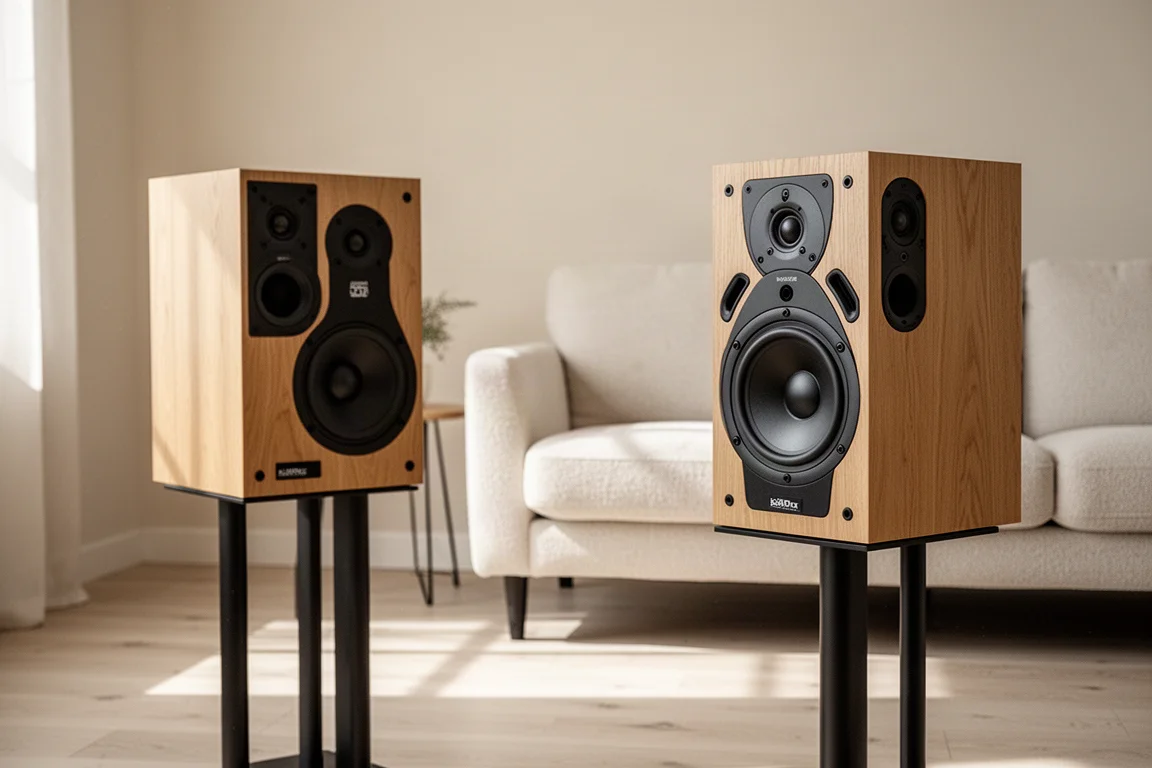
The practical takeaway is not that every system needs a $1,300 surround. It is that a mid-sized bookshelf speaker, rather than the smallest speaker that can be mounted on a wall, is a worthwhile target when the budget allows.
Subwoofers: One Good Subwoofer Beats Two Cheap Ones
Bass is where most rooms fall short, and it is also where buyers are most likely to split a budget in the wrong direction. Two inexpensive subwoofers rarely outperform one well-chosen subwoofer, and a single capable unit can always be joined by a second one later. Save up rather than compromise twice.
Placement is a real constraint in normal rooms. Unless a space was designed as a theater or listening room, no room is perfect, and a corner is often the only practical spot. If a subwoofer has to stay where it is, onboard EQ is the next best tool. Some models include an app with a three-band parametric EQ that can trim boom or lift a suckout.
Wireless subwoofer kits remove the cable run and make placement far more flexible. They work as a transmitter and receiver pair, and line of sight generally helps. They are not flawless, and a faint clicking or popping can sometimes be heard when nothing is playing. During a movie or an album it is rarely noticeable.
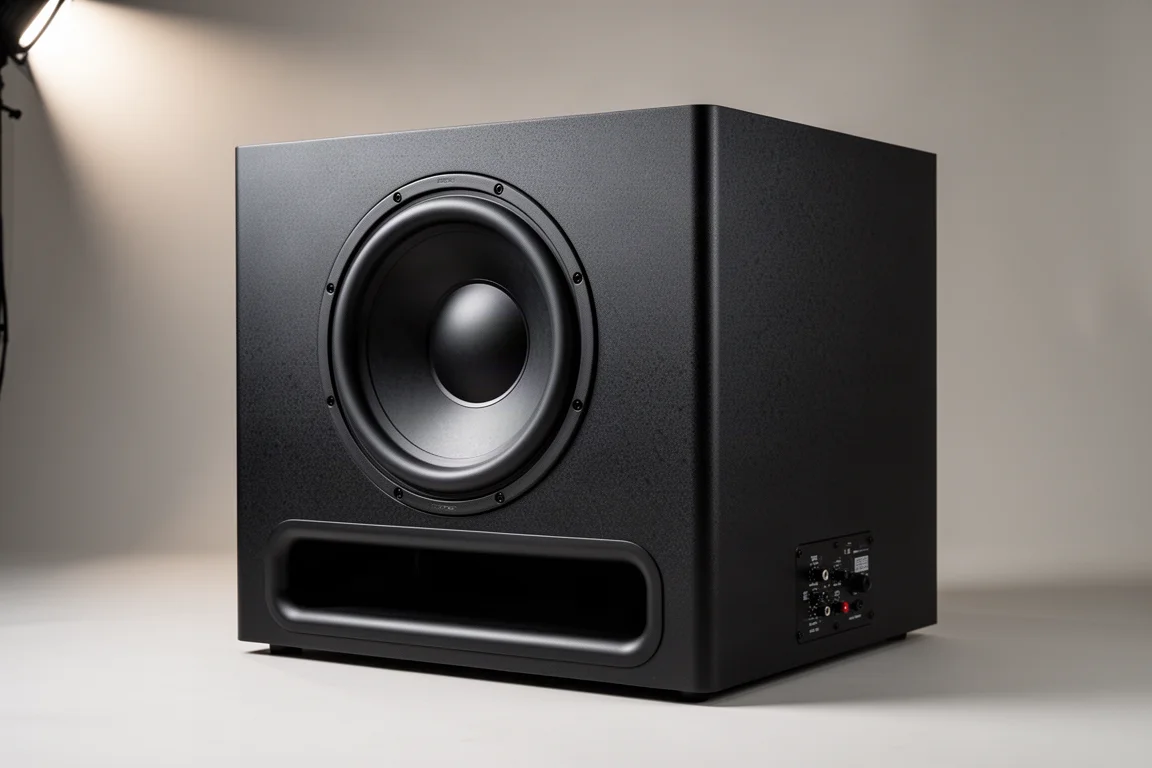
RSL Speedwoofer 12S
The RSL Speedwoofer 12S is a large cabinet, the kind that takes up real floor space. That size is the point: for serious movie watching, more displacement means more output and more headroom, and it is the better choice of the two Speedwoofer models for home theater duty.
RSL Speedwoofer 10S
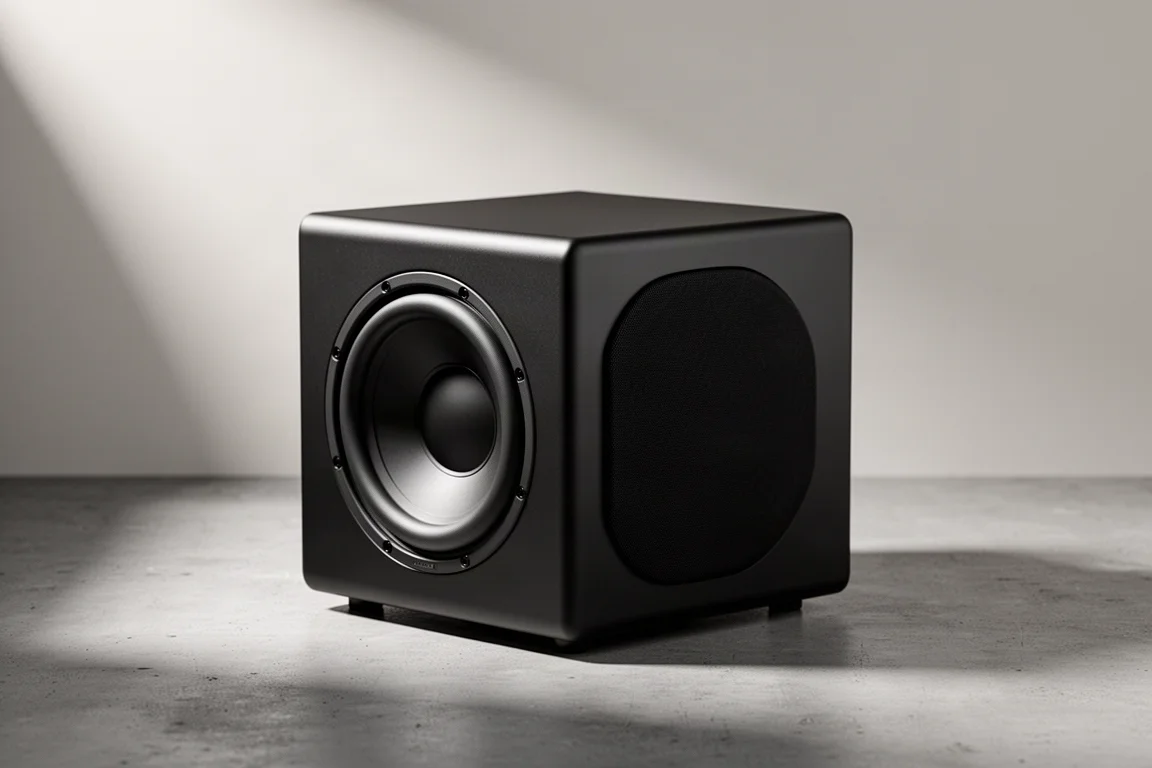
The Speedwoofer 10S costs less than $500 and includes an integrated wireless receiver. Adding the matching transmitter on the receiver end is enough to place the subwoofer where it sounds best rather than where the cable reaches.
SVS SB-1000 Pro
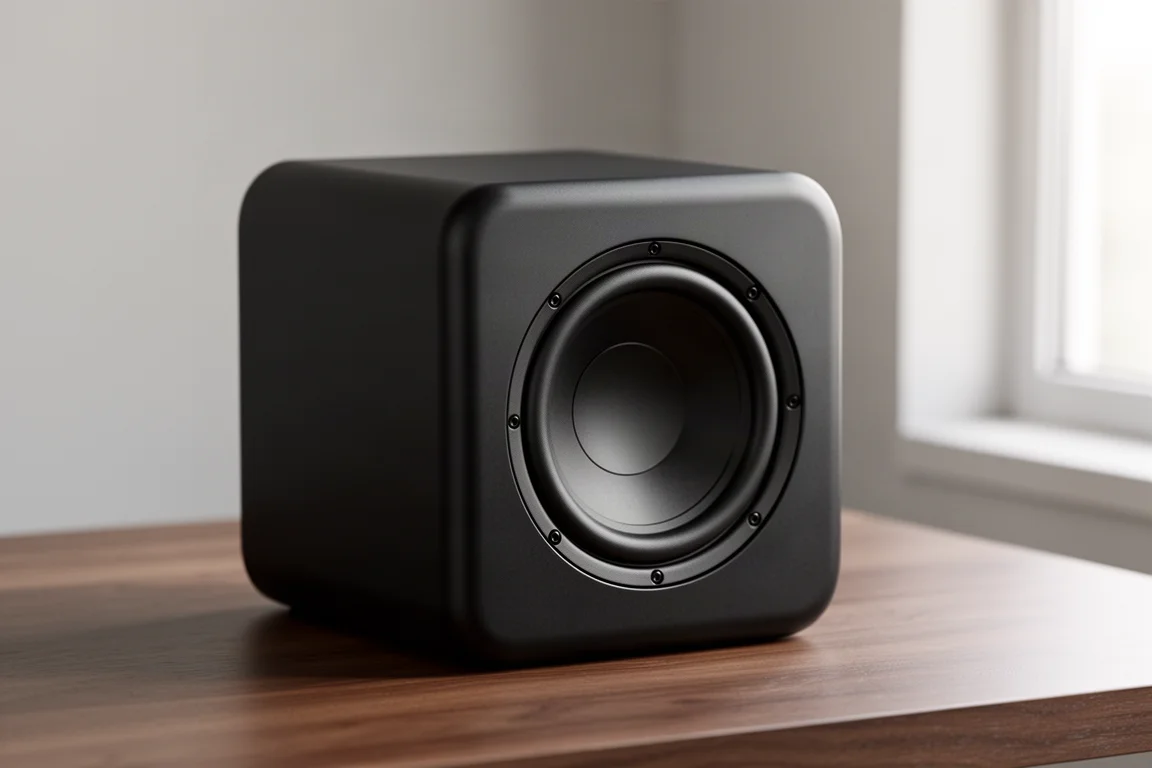
The SVS SB-1000 Pro sits at around $600 and pairs with an app that includes a three-band parametric EQ. That control is genuinely useful in rooms where the subwoofer cannot move and a peak or a dip needs taming.
Height Speakers Beat Upward-Firing Modules
Upward-firing Atmos modules have always been the convenient option. They sit on top of the front speakers, fire at the ceiling, and rely on the reflection to create the impression of overhead sound. Real height speakers mounted where the wall meets the ceiling are a different experience entirely.
The Emotiva A1 is a small wedge-shaped speaker designed to lie flat against the wall and angle upward toward the ceiling line. When it was available it cost under $200, and the line has since been discontinued, but the design idea is widely shared by other manufacturers. Moving from upward-firing modules to two physical height speakers at ceiling height was the single biggest improvement in immersive sound in the whole setup, and it is worth doing before adding more surround channels.
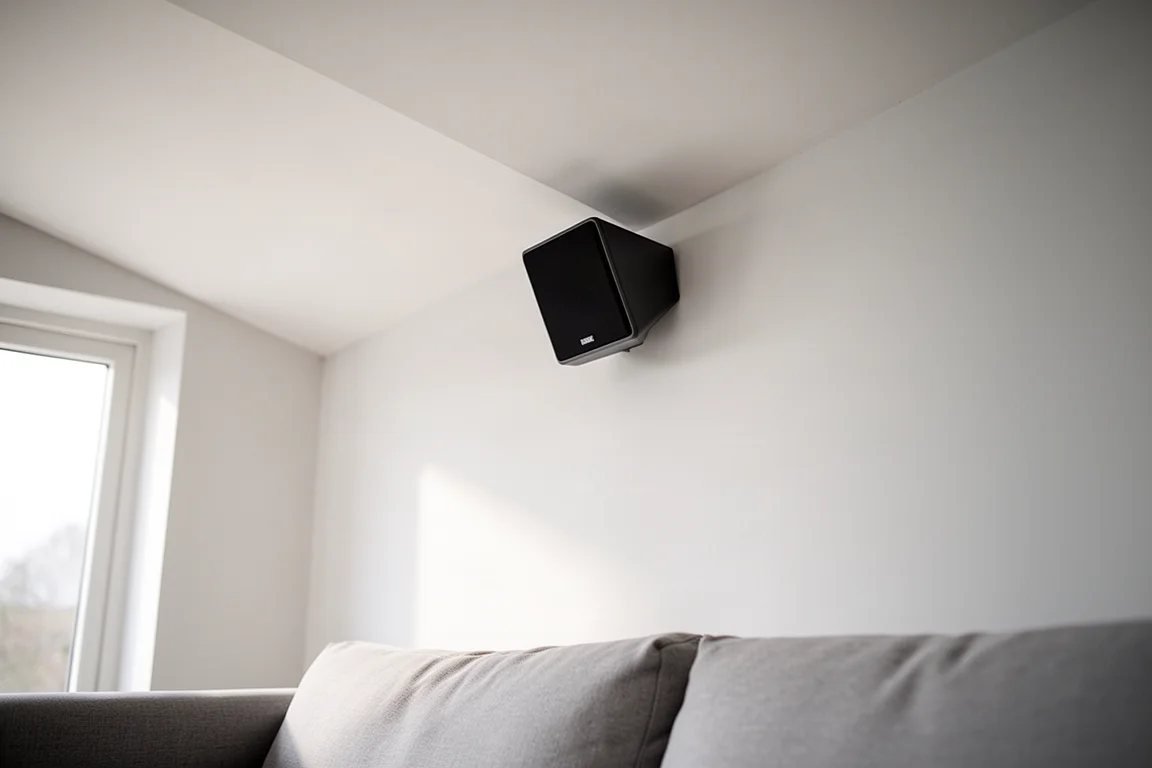
If the system can run seven channels, front height speakers are the better investment than an extra pair of surrounds. Mounting height is flexible; roughly 10 feet up, or wherever the wall meets the ceiling, works well.
Distances, Levels, and Room Correction
Room correction software can be powerful, but it can also be complicated enough that it never gets set up at all. In practice, two manual settings deliver most of the benefit.
The first is distance. A tape measure is the only tool required. Measure from the listening position to each speaker, left, right, center, and heights, and enter those numbers into the receiver menu. Most receivers include a setup wizard that will do this automatically with a microphone, but it does not always get it right. Run the wizard, then verify the results and correct anything that looks off.
The second is level. Playing a test tone and matching the level of each speaker from the seated position makes an audible difference. Because the listener is not equidistant from every speaker, the settings will not be identical, and they should not be. The goal is equal loudness at the seat, not equal numbers in the menu. A phone running a real-time analyzer and decibel meter app is enough to do it carefully.
Buying Advice
Spending order matters more than total budget. A center channel comes first, because it carries dialogue and a large share of effects energy, and a weak one caps the whole system. A single capable subwoofer comes next, with a second one added later if the room and the budget allow. Height speakers deliver more immersion per dollar than most other additions, and larger surrounds are a worthwhile upgrade over the smallest wall-mountable options.
For a rough sense of cost, the Q Acoustics 5090 center channel runs around $600, the SVS SB-1000 Pro is around $600, and the RSL Speedwoofer 10S comes in under $500. The RSL Speedwoofer 12S costs more and takes up considerably more space, which is the trade-off for its output. The Q Acoustics Concept 30 sits at around $1,300, a premium option for surround duty, and the Emotiva A1 was under $200 before the line was discontinued, so equivalent wedge-shaped height speakers from other brands are the practical route today.
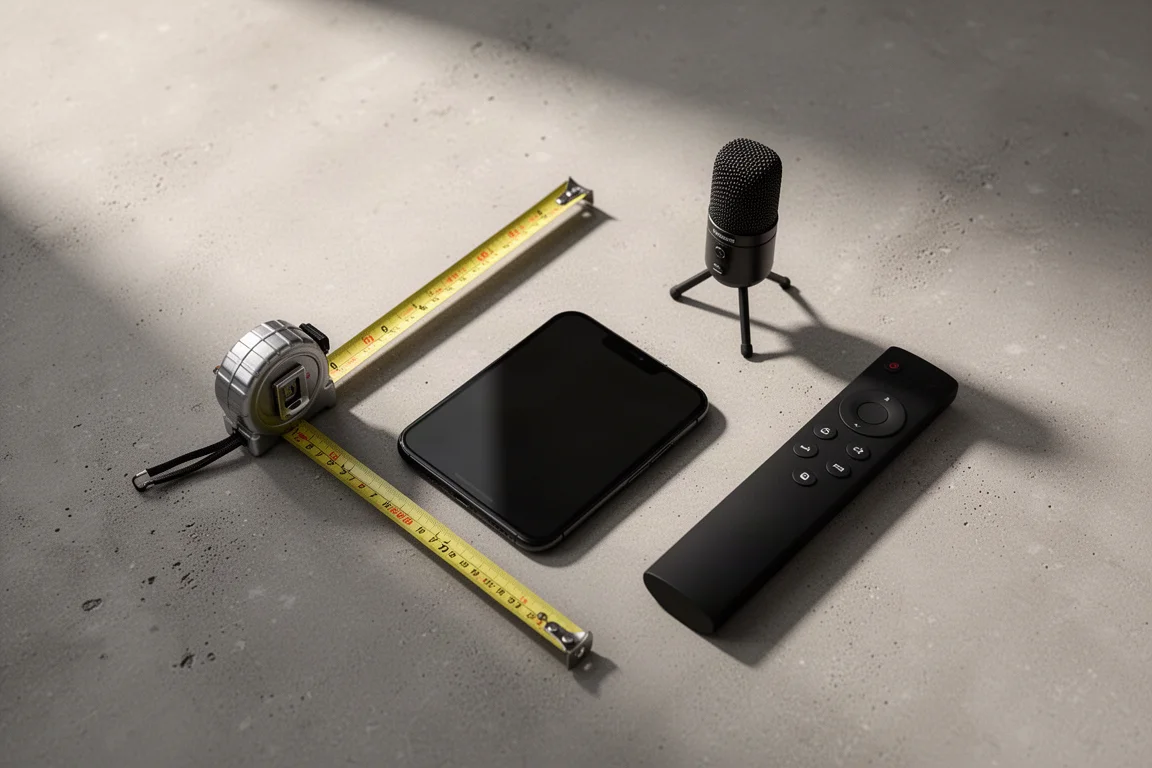
Finally, budget an hour for setup. Measuring distances and matching levels costs nothing and often does more for the sound than the next component purchase.
Conclusion
The five mistakes are simple ones: a center channel that is too small or tuned wrong, subwoofer money split across two mediocre units, upward-firing modules instead of real height speakers, undersized surrounds, and calibration that was never verified. Each has a straightforward fix, and none of them require rebuilding a system from scratch. Address them in order of impact, and the room will reward the effort.
Further reading
Related Reviews
Home Theater
Anthem AVM 90 Review: A 15.4-Channel Flagship Preamp Processor
A close look at Anthem's flagship preamp processor, covering its dual ESS DAC architecture, 15.4-channel layout, ARC Genesis calibration and four independent subwoofer outputs.
Home Theater
Apple TV 4K With AirPods: A Best-Value Home Theater Setup
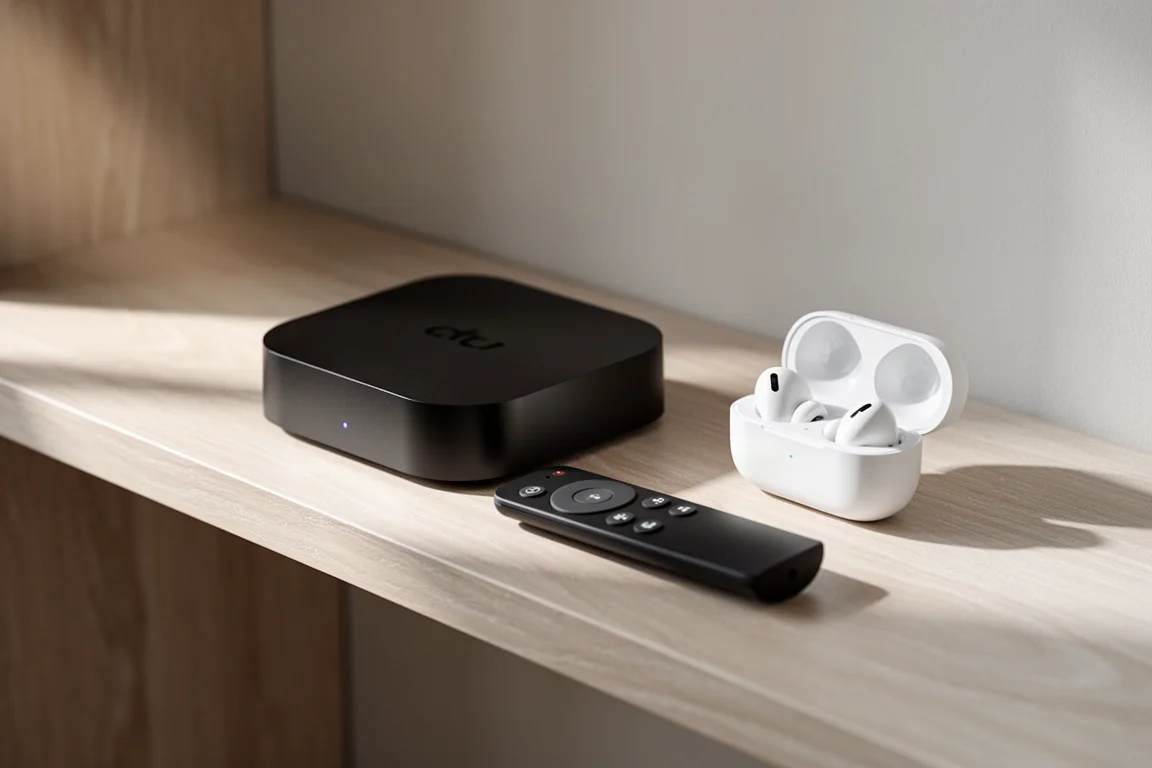
An Apple TV 4K paired with AirPods over Bluetooth makes a compact home theater setup for movies, spatial music and late-night viewing, and it can be assembled for as little as $300.
Home Theater
Arcam AVR15, AVR25, AVR35, and AVP45 Compared: Which AV Amplifier Fits Your System?
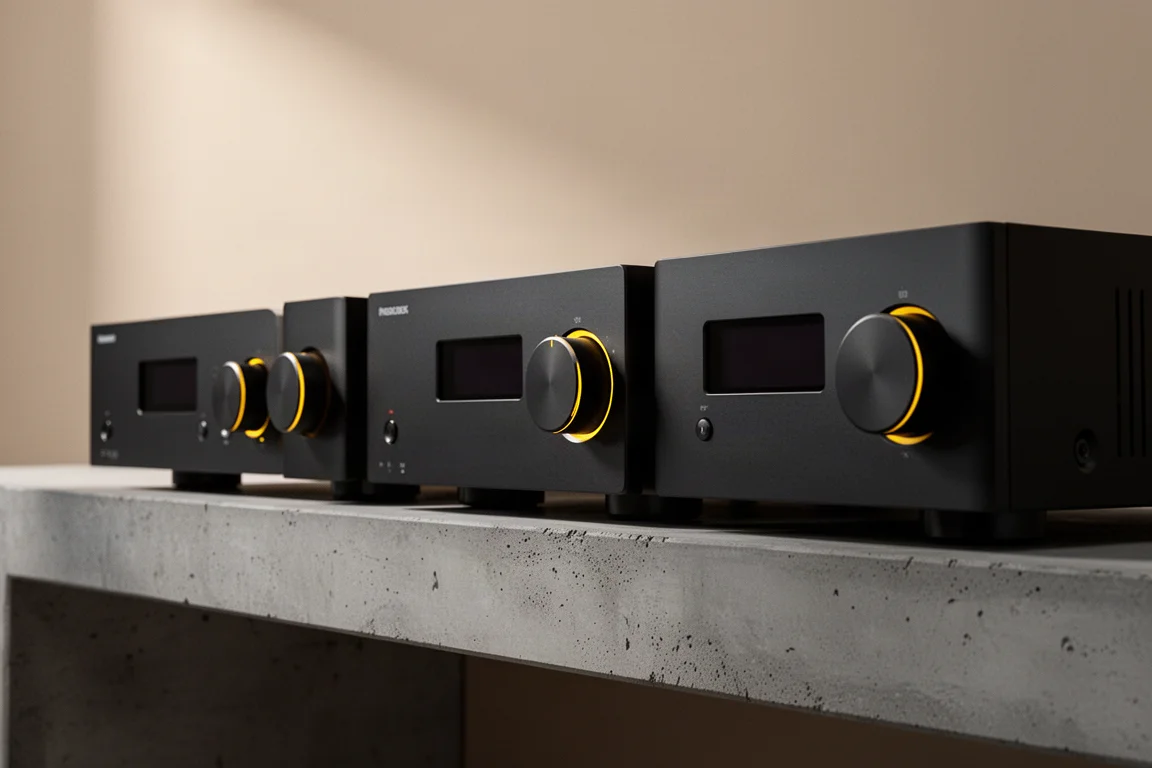
Four new Arcam home theater components share nine-channel amplification and Dirac Live, but differ in power, processing ceiling, and channel flexibility.