Hi-Fi Systems
Five Hi-Fi Systems Under $1,000: Complete Setups for Every Listener
Five complete hi-fi systems under $1,000, each built around a different priority: generalist, tube, power, digital, and bass.
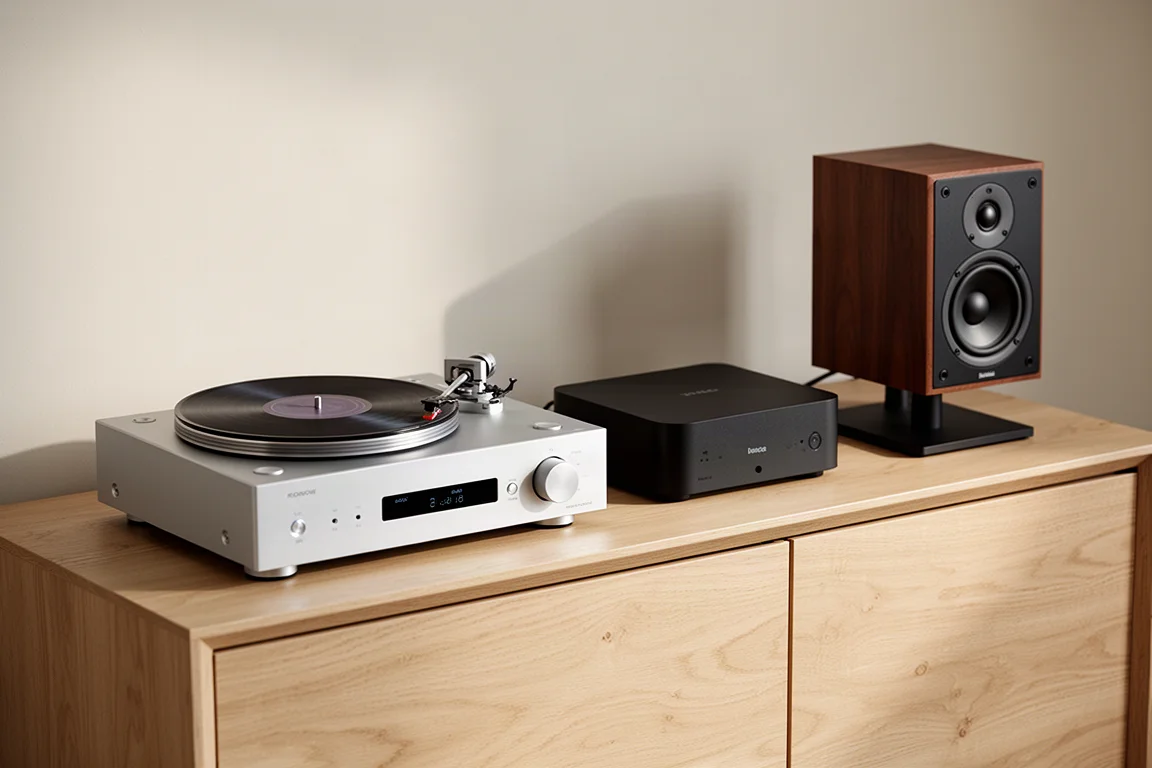
Introduction
A genuinely satisfying hi-fi system does not have to be reserved for people with deep pockets. With careful component choices, roughly a thousand dollars is enough to build a setup that covers vinyl, streaming, and digital sources without obvious compromises. The five systems below are each built around a different priority, so each one suits a different kind of listener.
You also do not have to buy everything at once. Treat the components like a menu: start with the two pieces that matter most to you, then add the rest over time. A system assembled this way tends to end up better matched to your room and to the music you actually listen to.
What These Five Systems Have in Common
Every build here is anchored by one component that does the heavy lifting, whether that is an integrated amplifier, a dedicated power amplifier, a DAC, or a tube amp. The supporting pieces are then chosen to keep the total near a thousand dollars while leaving room to grow.
A few shared themes are worth noting before the individual systems. Value matters more than novelty, and several of these components go on sale regularly, which can pull a build comfortably under budget. Every system also leaves an upgrade path open, whether that means a better cartridge, a dedicated preamp, or a more capable pair of speakers. None of them require exotic room treatment or specialist knowledge to sound good on day one.
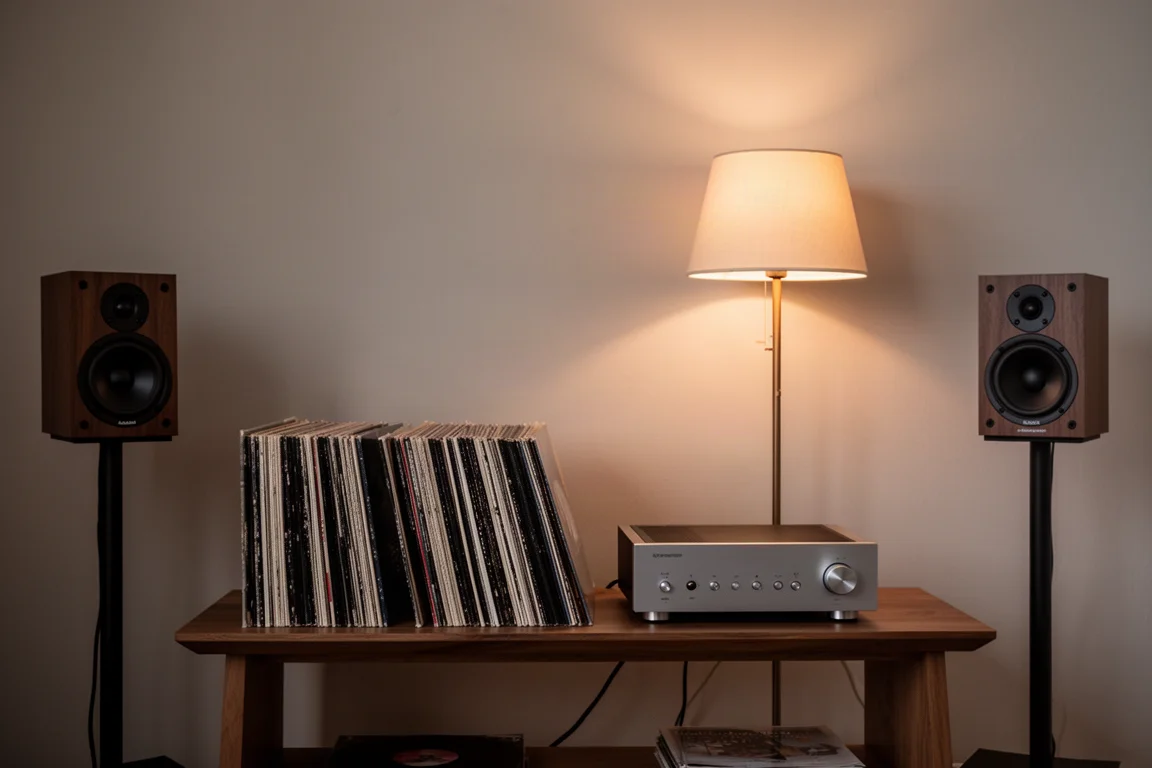
Because component pricing moves around throughout the year, the totals below are best treated as a guide rather than a fixed quote. In every case the goal is the same: a system you can live with for years, built one sensible purchase at a time.
System 1: The Generalist System
This build does a little of everything well. It handles vinyl, streaming, and digital sources, which makes it the easiest of the five to recommend to someone who is not yet sure where their listening will take them.
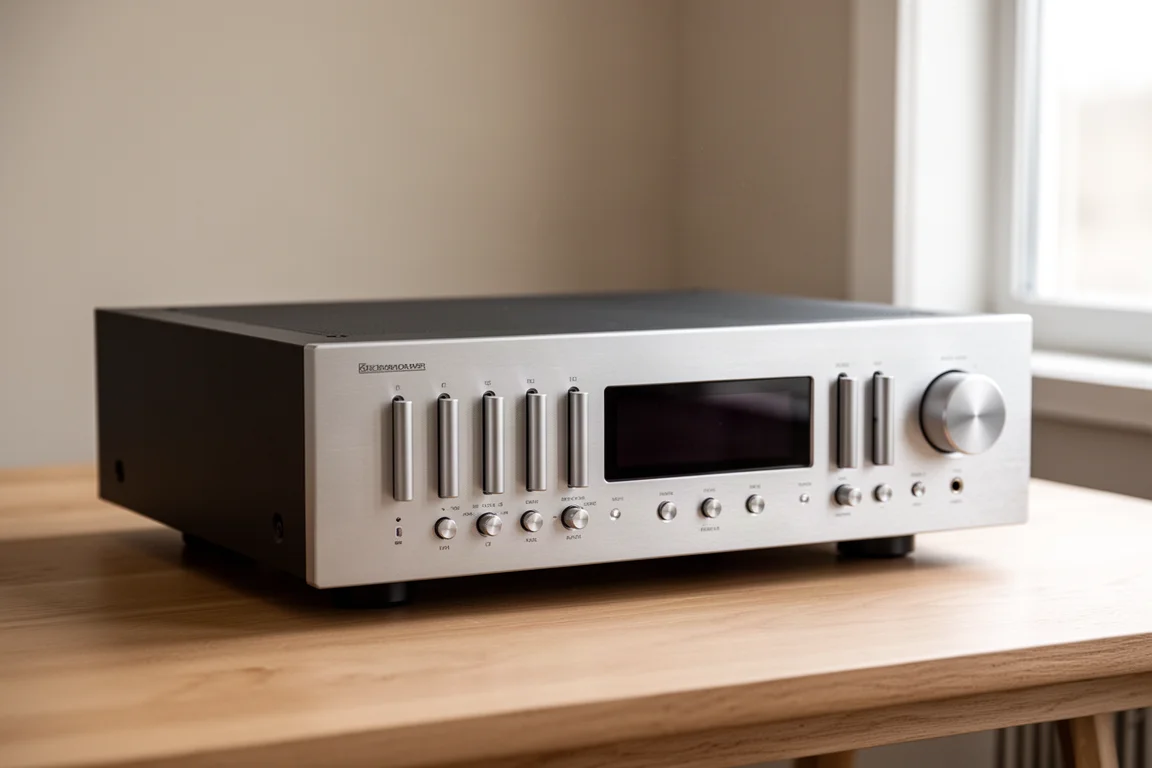
At the center is the Yamaha A-S301, an integrated amplifier that bundles a DAC and a phono preamp into a traditional full-width chassis. It ships with a remote, includes tone controls, and adds a variable loudness control that lets you shape low-frequency response at quieter volumes. On its own the amplifier can sound a touch lean, but the loudness and tone controls make it genuinely adaptable, and it comes from a manufacturer with a long history in the category.
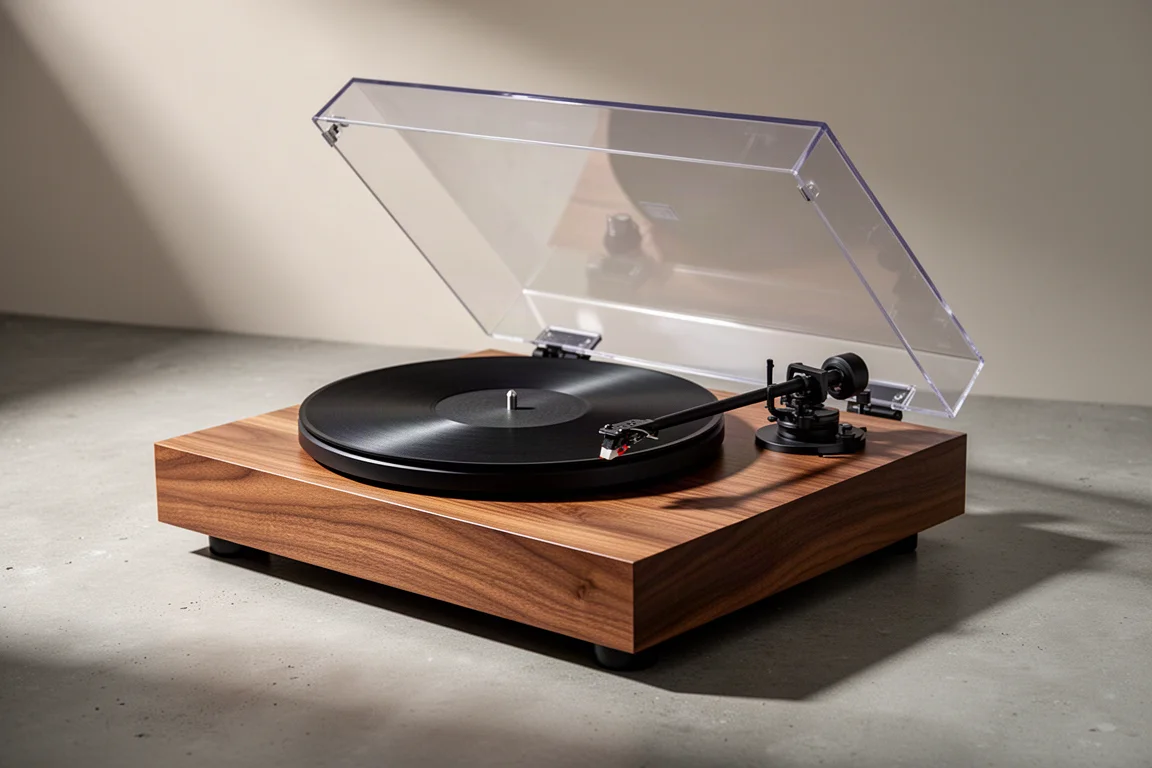
Vinyl playback comes from the Fluance RT81, a belt-drive turntable that is frequently discounted. Its removable headshell makes cartridge swaps straightforward, and its internal phono preamp can be switched off entirely, so the deck works just as well with an amplifier that has no phono input. Setup is simple, the counterweight is adjustable, and 45s play without any fuss.
Streaming is handled by the WiiM Mini, a compact network player with Bluetooth, AirPlay, Spotify Connect, and Tidal Connect, plus its own control platform. For the money it covers essentially every streaming duty a typical household needs, and it drops into any of the other systems in this guide.
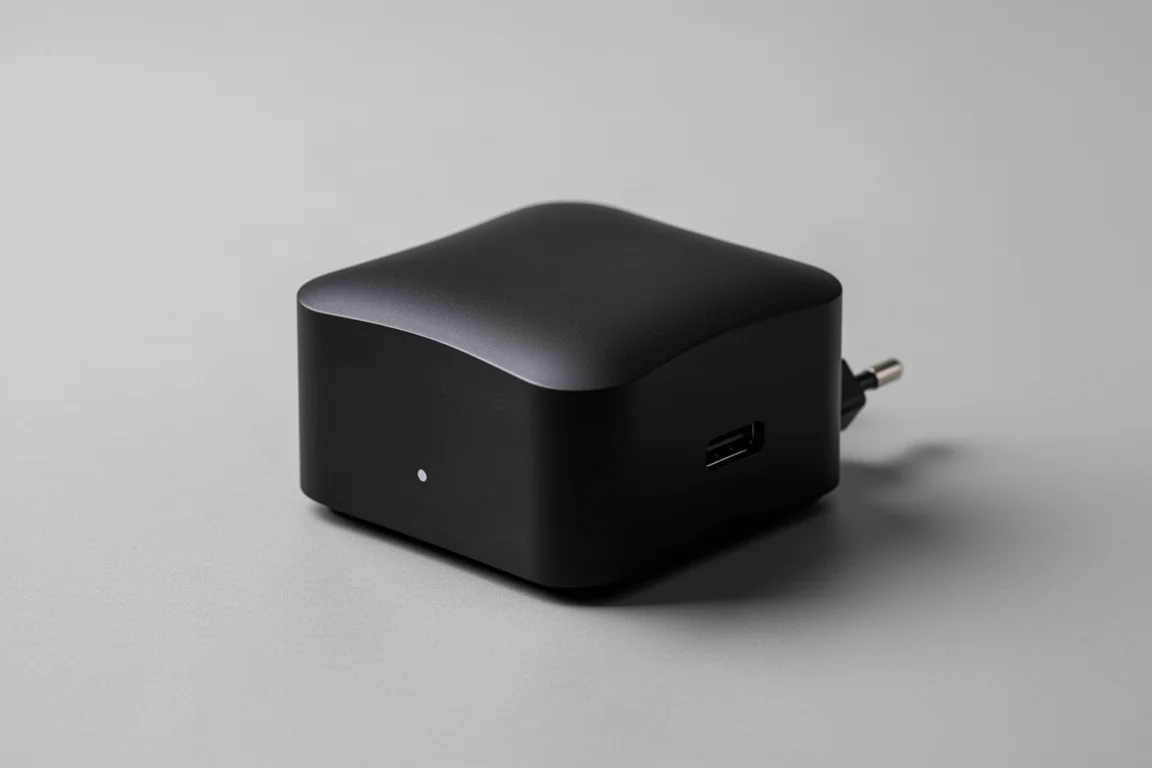
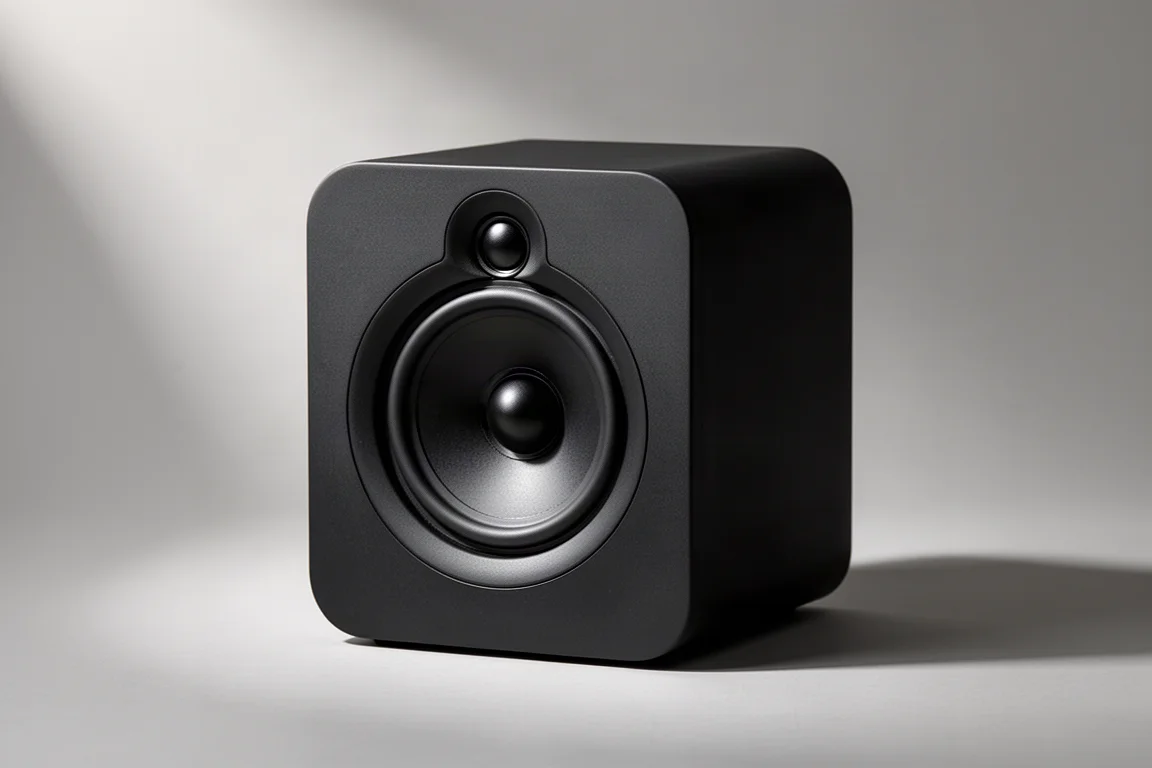
For speakers there are two strong directions. The KEF Q150 is the warmer of the pair, with a tonal balance that flatters vocals and acoustic material, and it is regularly discounted in a way that helps the overall budget.
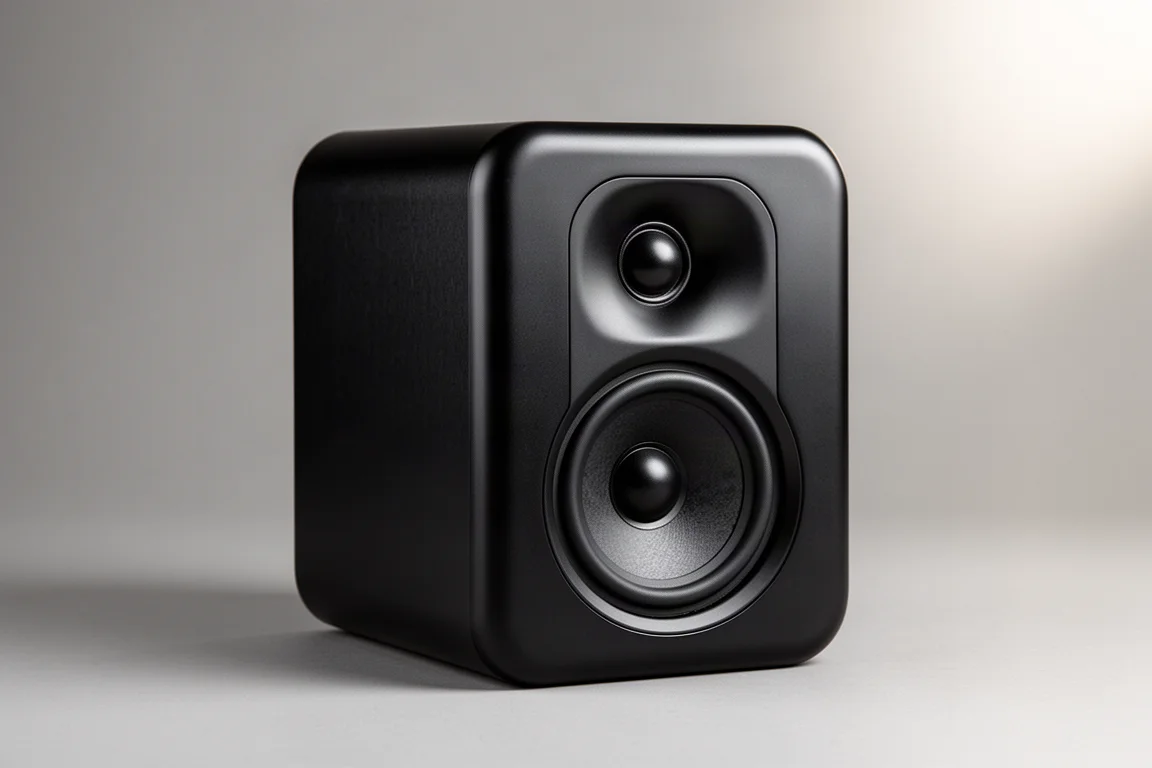
The Emotiva B1+ takes the opposite approach, leaning into detail with a slightly cooler midrange. Voices and acoustic guitars carry a little less weight than they do on the Q150, but the extra resolution is easy to appreciate on well-recorded material. Either speaker completes a system that covers a turntable, a streamer, an amplifier, and a quality pair of speakers for under a thousand dollars.
System 2: The Tube System
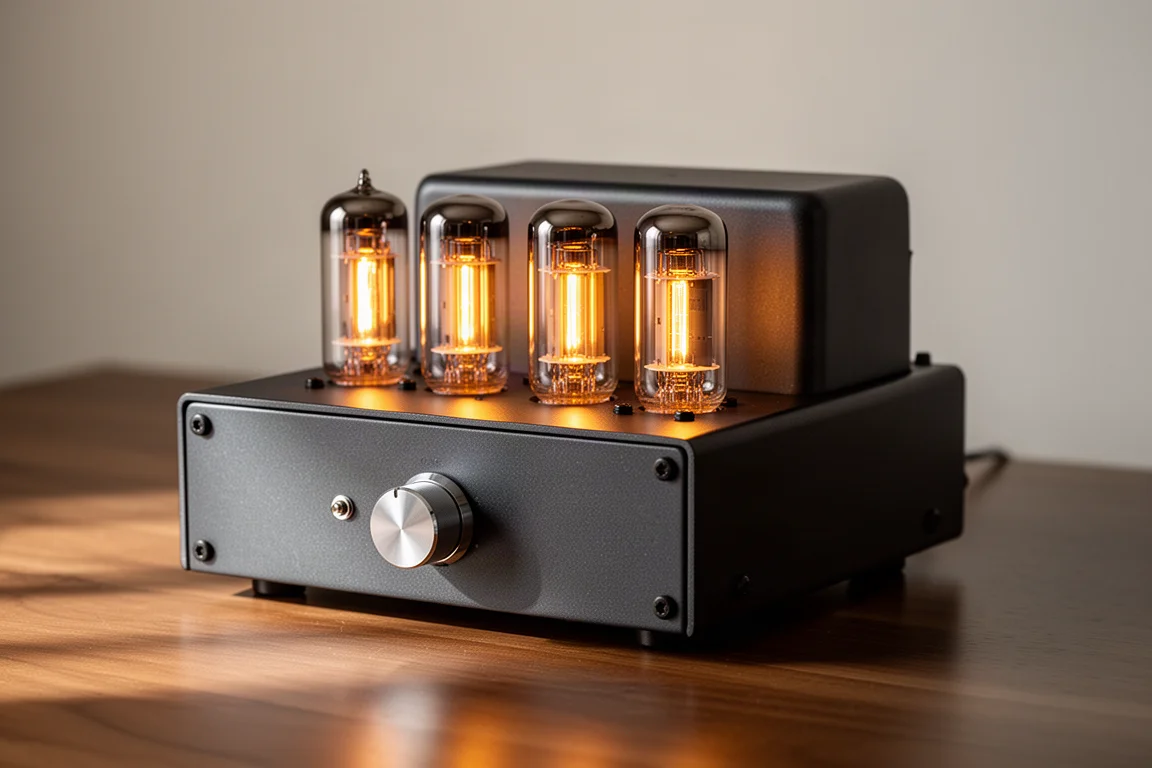
If you want a system with real personality, this is the one. The anchor is the Black Ice FX10, a tube amplifier that runs EL84 power tubes and 12AX7 signal tubes, which turns tube rolling into a genuine hobby rather than an afterthought. It is rated at 10 watts, yet it drove a wide range of speakers, including models with efficiency ratings down to 87 dB. You may need to advance the volume control further than usual, but the amplifier stays composed, and its presentation leans warm.
The Fluance RT81 returns here because its internal phono preamp can feed the FX10 directly, so a vinyl setup is running within minutes of unboxing. Its adjustable counterweight and removable headshell also mean the deck can grow with a better cartridge later on.
View more details for Fluance RT81
For speakers, the Sony SS-CS5 is the value pick of this entire guide. It is frequently discounted, and it pairs well with the warm character of the tube amplifier. The amplifier and turntable together come to $850, the Sony speakers bring the build to $975, and adding the WiiM Mini for streaming lands at roughly $1,035.
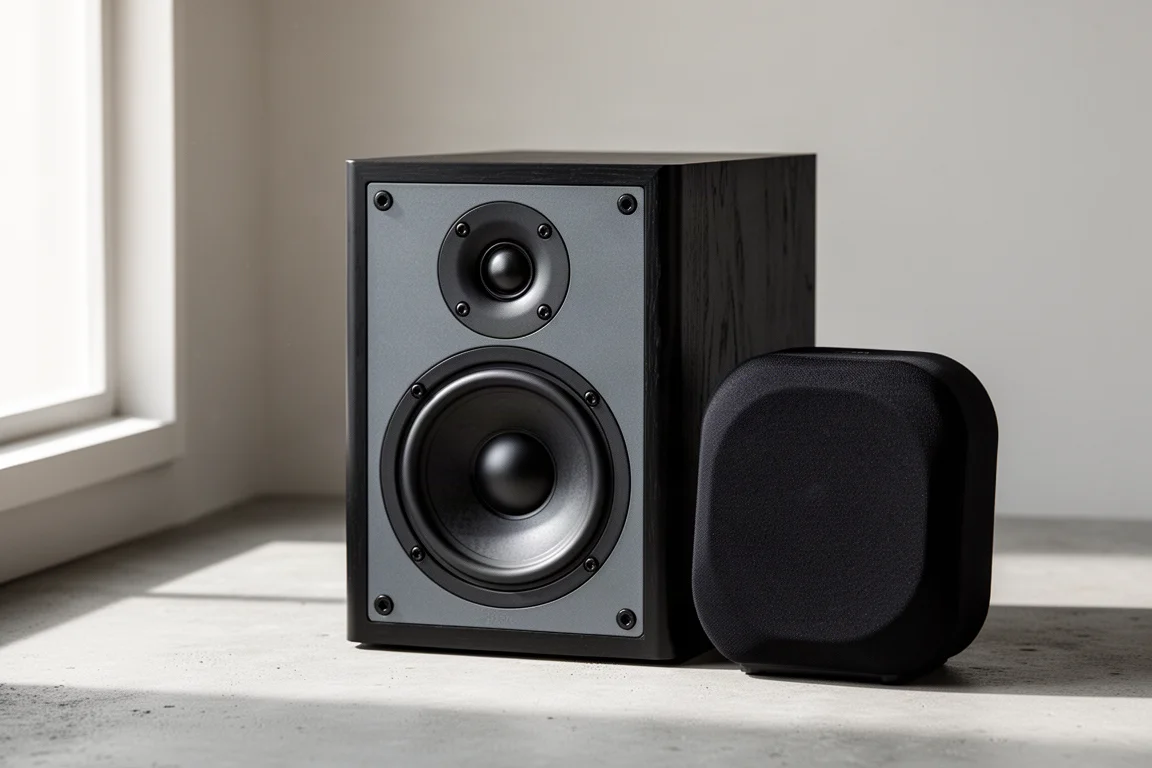
Alternatives worth considering for this build include the ELAC BS41 for a warmer voicing, the Polk XT15 at a similar price when discounted, and the Yamaha S803 or the Polk Signature Elite ES15 when either of those goes on sale. Keep in mind that a lower-efficiency speaker asks more of a 10-watt amplifier.
System 3: The Power System
If headroom is what you are after, this build delivers it. The Emotiva A2 is a dedicated power amplifier rated at 160 watts per channel into 8 ohms and 250 watts per channel into 4 ohms, with total harmonic distortion under 0.1 percent. That is a lot of clean power for the money.
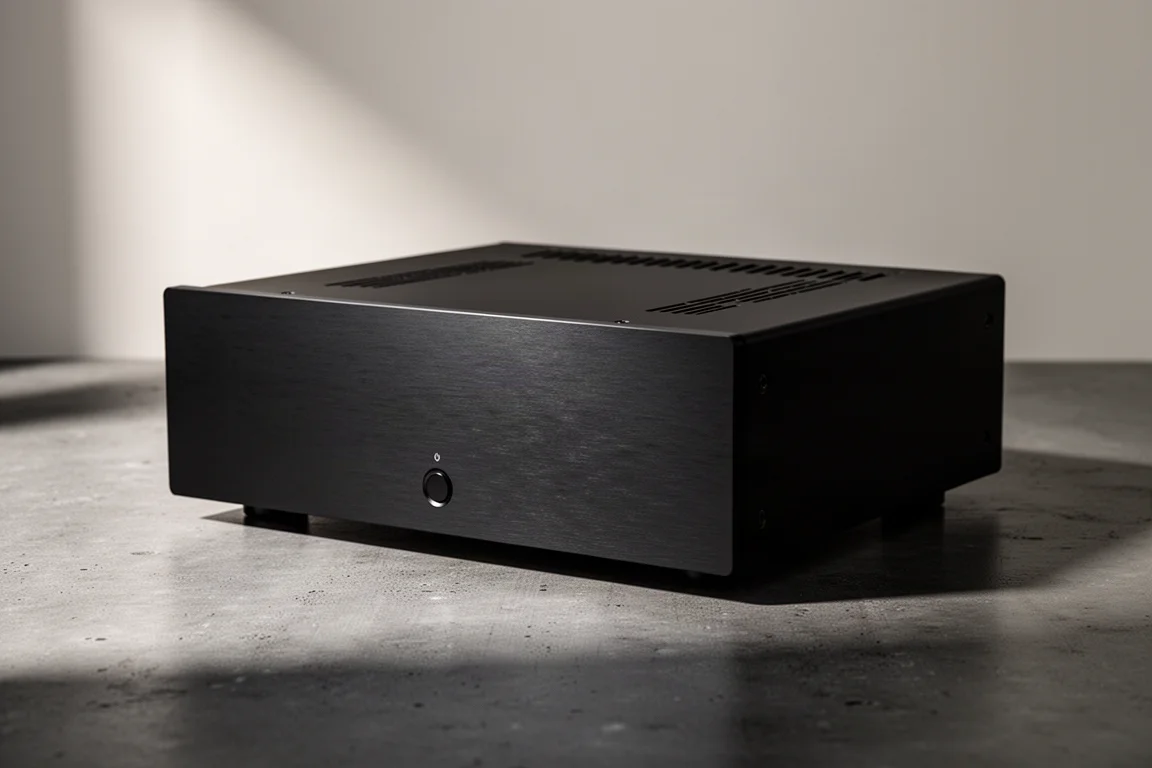
Because the A2 is a pure power amplifier, it needs a source with variable output to control volume. The Topping E50 fills that role. It is a DAC with its own remote control, and it has been discounted to around $200, a price it tends to return to during sale periods.
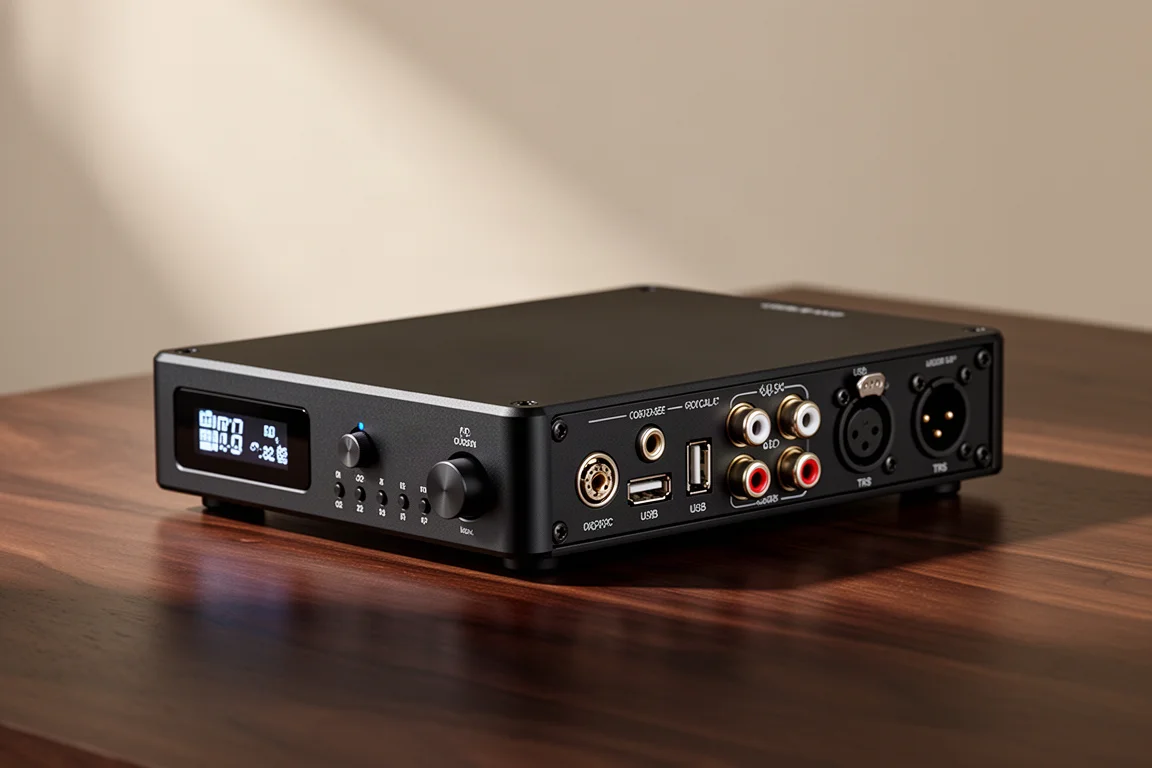
Adding the WiiM Mini as a streaming source puts the whole system at roughly $780, depending on the price of the E50. That leaves around $120 for speakers, which is where the Sony SS-CS5 fits.
The WiiM Mini connects directly to the E50 and gives this system the same streaming flexibility as the others. It is a small addition that turns a bare power amplifier into a complete setup.
View more details for WiiM Mini
Speaker choice is less of a constraint here, because the amplifier has power to spare. The Sony SS-CS5 remains the budget option, and its lower efficiency is not a concern when there is this much headroom on tap.
View more details for Sony SS-CS5
The real long-term appeal of this system is its upgrade path. A dedicated preamplifier can be added later without replacing the power amplifier, which makes this the most expandable build of the five.
System 4: The Digital System
This build is for listeners whose library lives on a hard drive or in the cloud. It is built around the Geshelli Labs J2, a converter available for $250 without a USB input or $300 with one, with a wooden case costing a little extra. Its output is fixed at around two volts, so it pairs best with an amplifier that offers its own volume control and remote.
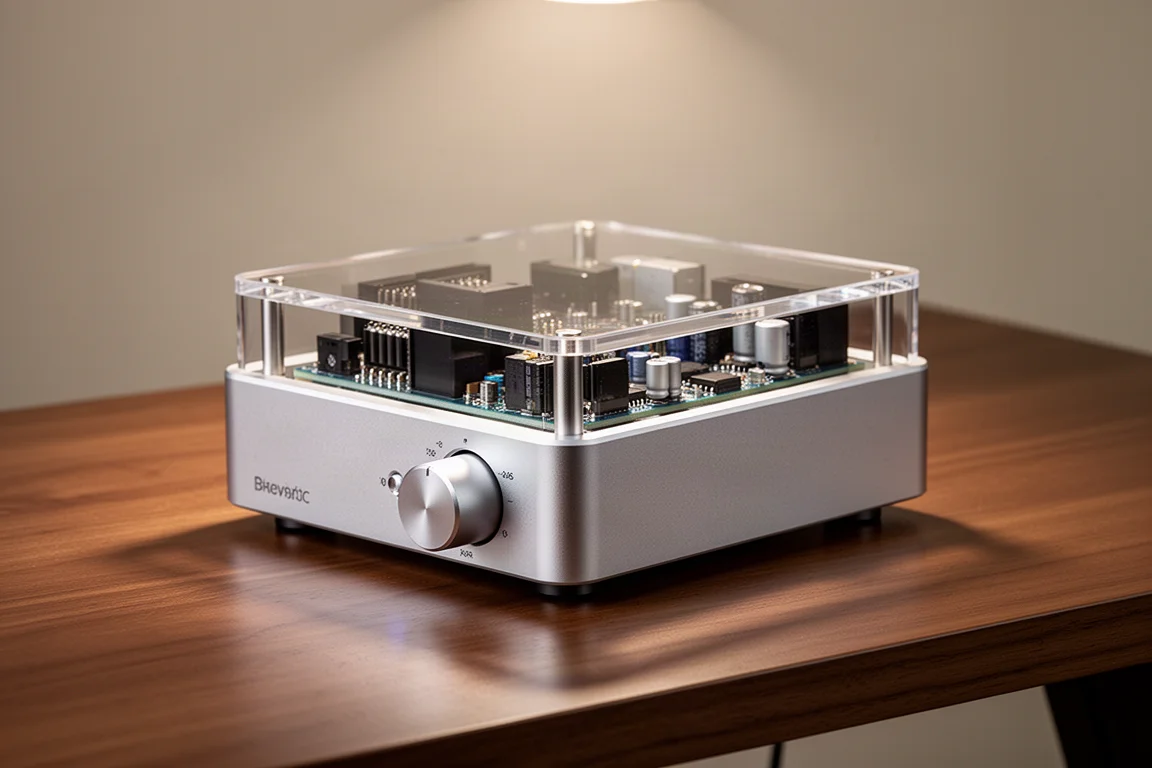
That is where the Yamaha A-S301 comes in. It supplies the remote, the tone controls, and the loudness control, while the J2 takes over digital conversion duties. The J2 is a converter that performs well beyond its price class and holds its own against far more expensive designs.
View more details for Yamaha A-S301
A WiiM Mini gives the J2 a streaming source for a modest outlay, and an older CD or DVD player or a computer works just as well.
View more details for WiiM Mini
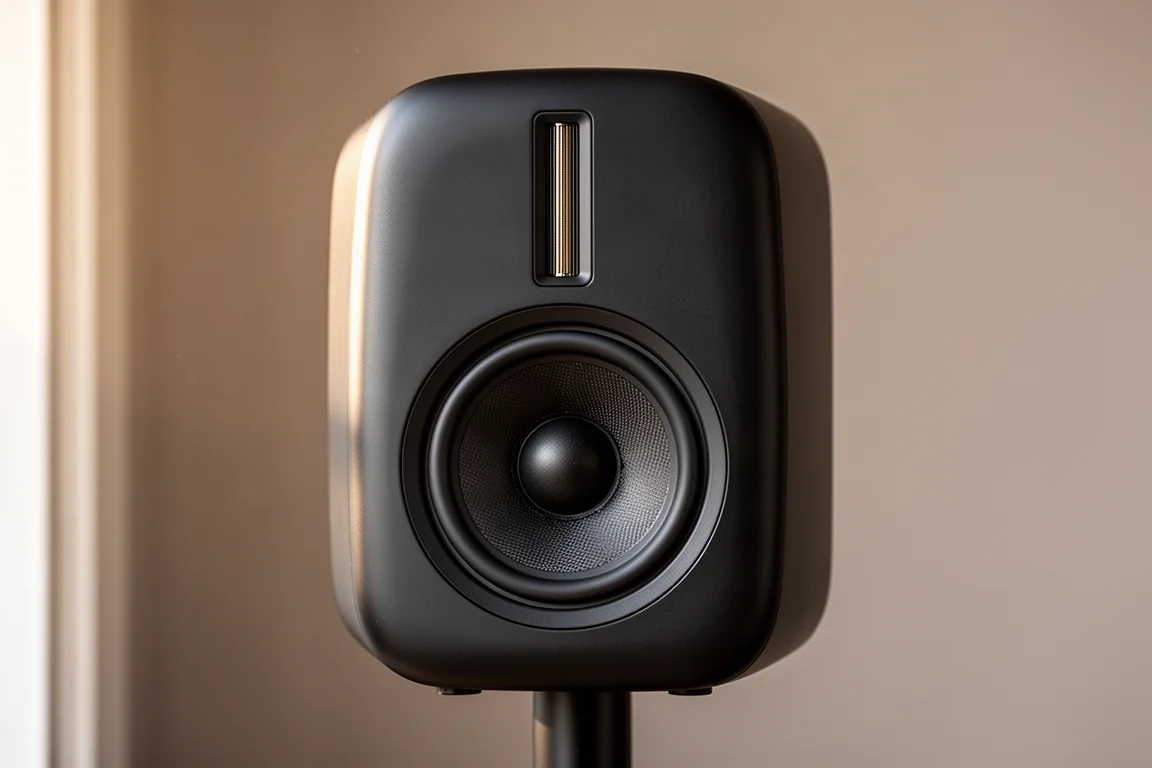
Speakers are where the remaining budget goes. The Emotiva B2+ is a 6.5-inch bookshelf model priced at $500, and it makes a strong case for stretching the total slightly. With the J2 at $300 and the Yamaha at $350, adding the B2+ brings the system to $1,050.
System 5: The Bass System
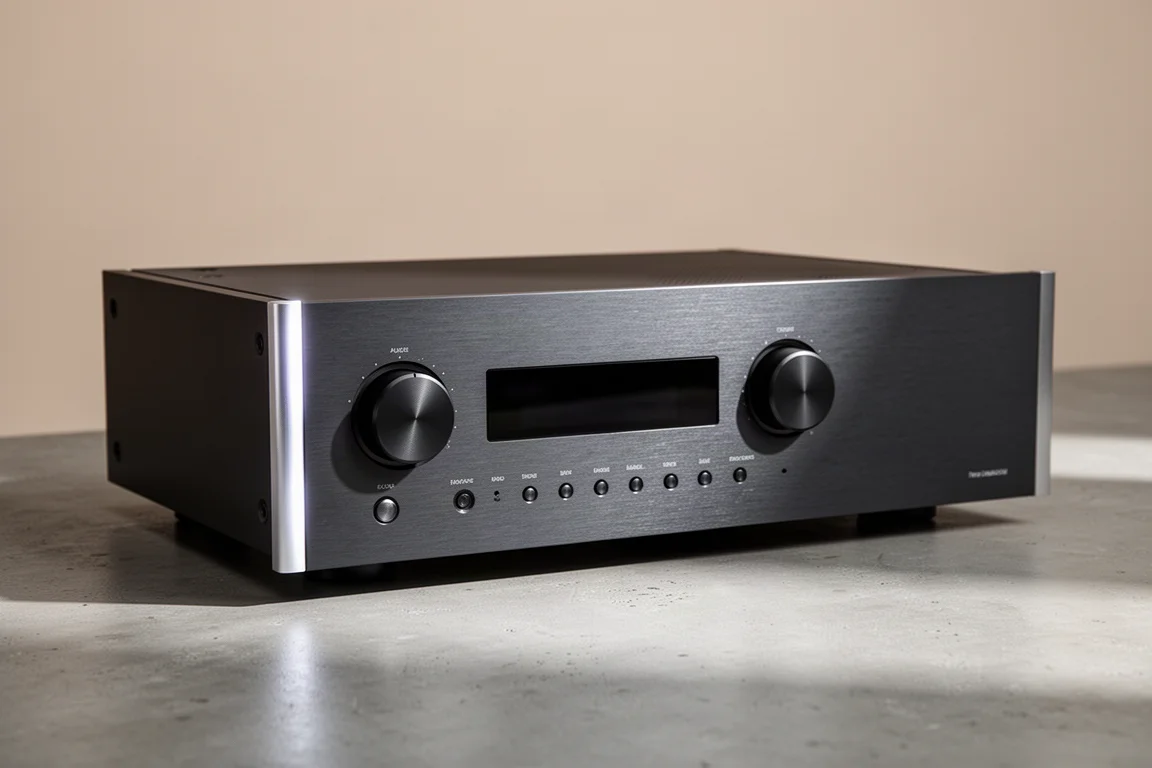
For listeners who care about low-frequency weight on a tight budget, this build is the answer. It is anchored by the Emotiva TA1, an integrated amplifier with a phono preamp, a DAC with a USB input, and a subwoofer output that includes a high-pass filter. That filter keeps low frequencies out of the main speakers, so they can play louder with less distortion.
The subwoofer is the Klipsch R-120SW, which is currently discounted to $250 against a regular price of around $700. At full price it is a stretch, but at the sale price it is straightforward value.
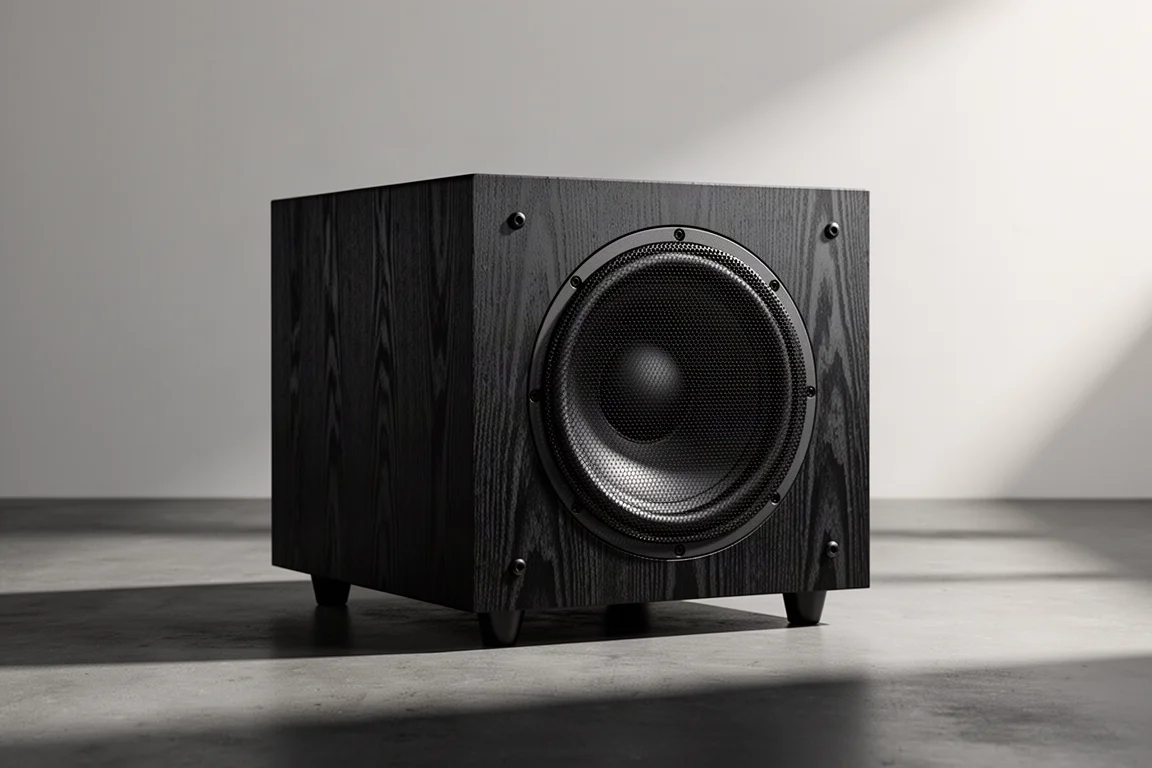
With the subwoofer and amplifier at $850, the Sony SS-CS5 speakers bring the complete build to $999 before tax and cables.
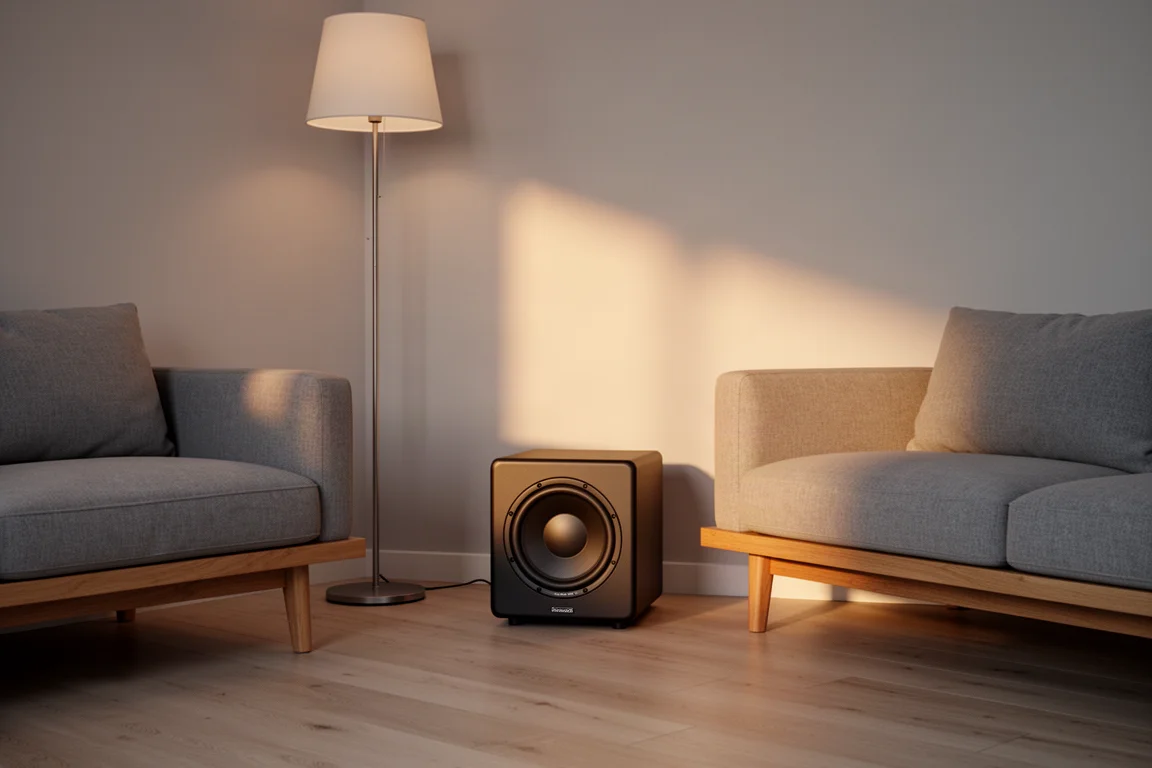
The Sony SS-CS5 is a sensible partner here precisely because the high-pass filter is doing the hard work. Freed from deep bass duties, a compact speaker can concentrate on the midrange and treble.
View more details for Sony SS-CS5
This system also makes a convincing replacement for a soundbar. The TA1 accepts a television over an optical connection, has Bluetooth built in, and can take a computer or an added streamer as a source. Its phono stage means a turntable can be added at any point later.
Buying Advice
Choosing between these five comes down to what you listen to most, not to which component looks best on paper.
If your listening is split between vinyl and streaming, the generalist system is the safest starting point. Its amplifier covers the most ground, and the speaker choice lets you tune the character of the system to taste.
If you want a system that feels distinctive rather than neutral, the tube build is the one to choose. The trade-off is power: 10 watts asks for reasonably efficient speakers and a willingness to use more of the volume dial.
If you plan to expand later, the power system has the clearest path forward, since a dedicated preamplifier can be added without replacing the amplifier. If most of your music is digital, the DAC-led build puts the money where it matters most. And if bass weight is the priority, the subwoofer build delivers it at the lowest total of the five.
A final note on timing: several of these components are discounted regularly, so a build that comes in slightly over a thousand dollars today may land under it during a sale period. Buying in stages is entirely reasonable, and it usually leads to better decisions than rushing a single large purchase.
Conclusion
A thousand dollars buys more hi-fi performance than most people expect. Each of these five systems is built around a clear priority, and each one leaves room to improve later without starting over. Pick the build that matches how you actually listen, add the components in whatever order suits your budget, and the result will be a system worth keeping.
Further reading
Related Reviews
Hi-Fi Systems
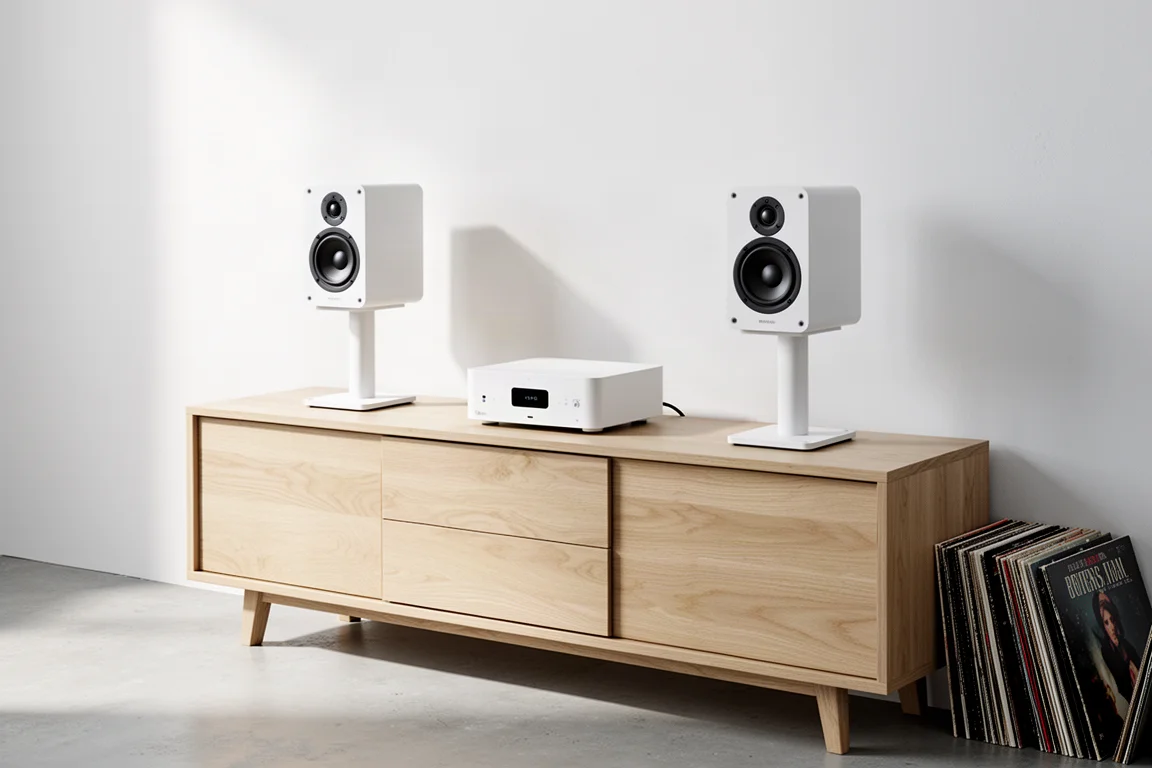
Building an All-White Streaming Hi-Fi System for Around $1,500
A practical two-channel streaming system built around the KEF Q150 and a Bluesound streaming amplifier, with alternative amplifiers, speaker stands, and a subwoofer worth considering.
Hi-Fi Systems
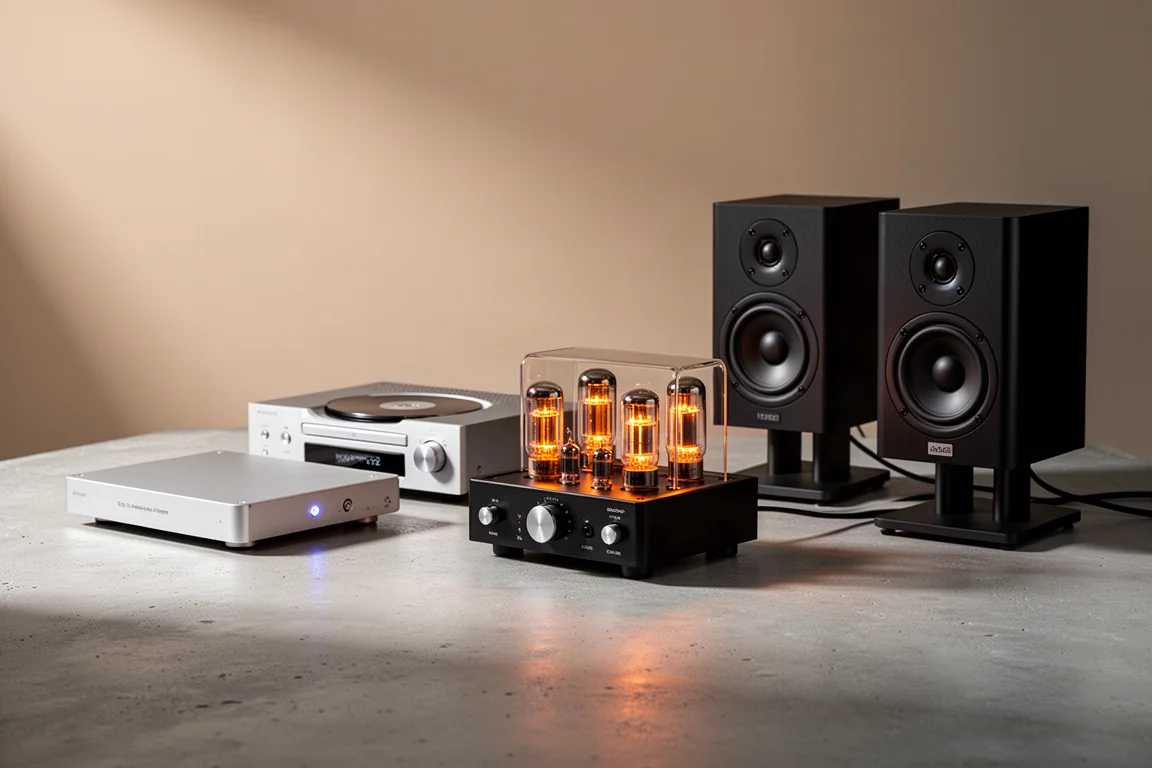
Audio Note Zero System Review: Matching DAC, CD Player, Amplifier and Speakers
A component-by-component look at the Audio Note Zero system, covering the 0.1x DAC, the CD0 player, the IZero amplifier and the AX1-D2 speakers, with pairing notes and buying advice.
Hi-Fi Systems
A Complete Hi-Fi System Under €1,000: Dali Spektor 2, Rotel A11 Tribute and Topping E30
Three brand new components, one modest budget, and a stereo system that is warm, forgiving and genuinely easy to live with.