Mountain Bikes
Five Hardtail Mountain Bikes Worth a Closer Look: Carbon, Aluminium, Steel and Titanium
Five hardtails spanning carbon, aluminium, steel and titanium, with the geometry, pricing and riding intent that matter before you buy.
Introduction
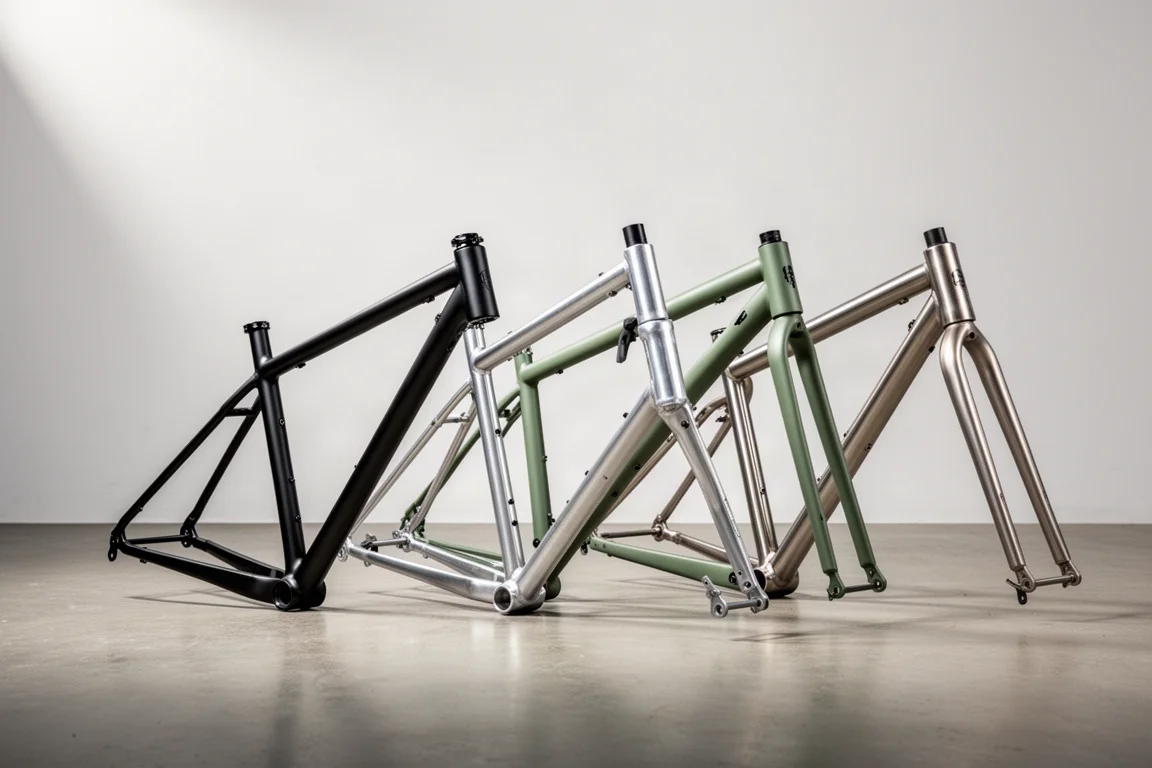
Full suspension may dominate the trail and enduro market, but the hardtail has never lost its following. A rigid rear end keeps things simple, keeps weight down, and gives the rider a more direct connection to the trail. The five bikes below span carbon, aluminium, steel and titanium, and each one makes a different case for itself.
Selection Criteria for These Hardtails
These five were chosen for intent rather than a single score. Each frame was assessed on the geometry numbers that shape how it rides, the materials and construction methods used, the fork travel it is designed around, and how it is actually sold, whether as a frame only or as a complete bike. Price matters as well, and the spread across this group is deliberately wide.
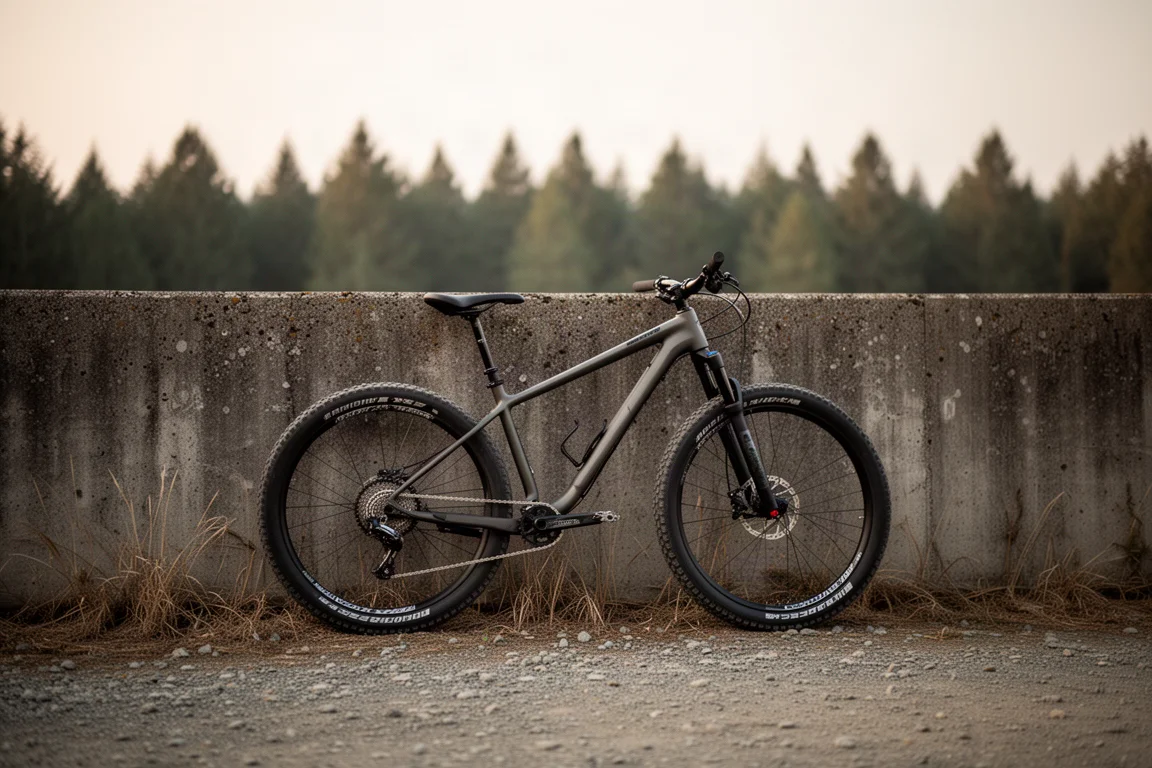
Practical details carried weight too: cable routing, mounting points, drivetrain compatibility, and the small design decisions that determine how easy a frame is to live with over several seasons. What follows is a profile of each bike, with the numbers that matter and the trade-offs worth knowing before you commit.
Yeti ARC: Carbon Trail Performance
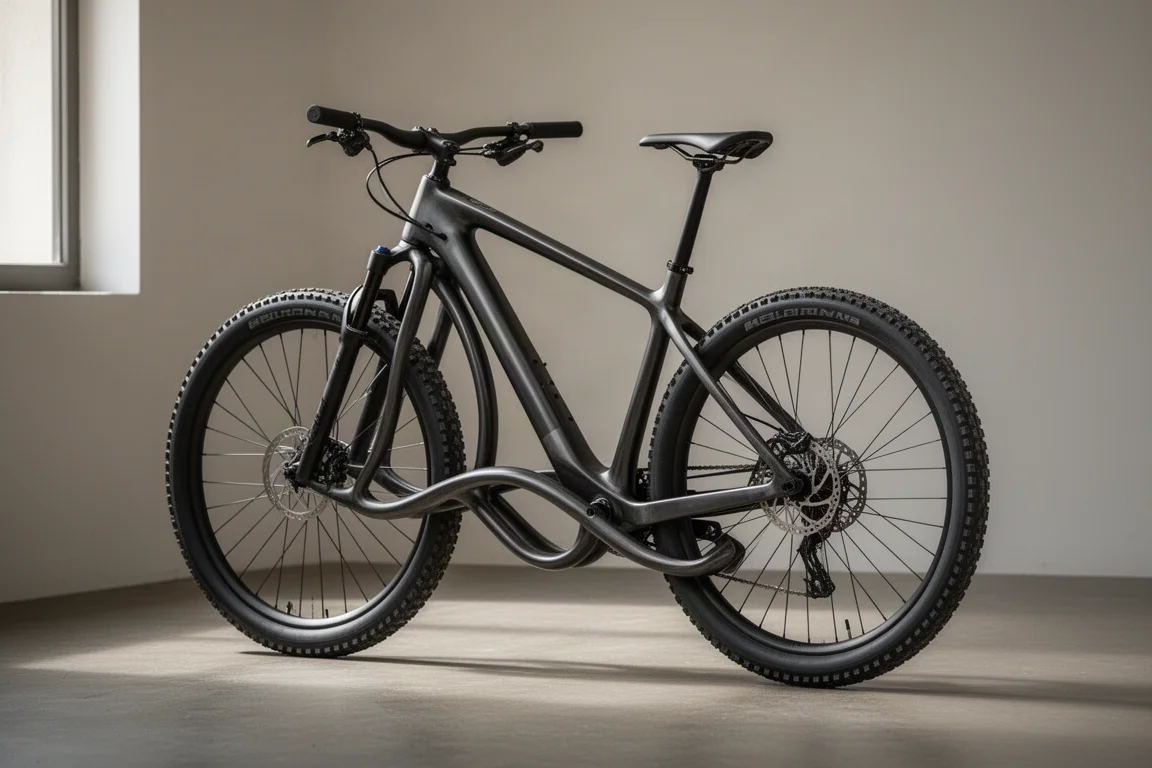
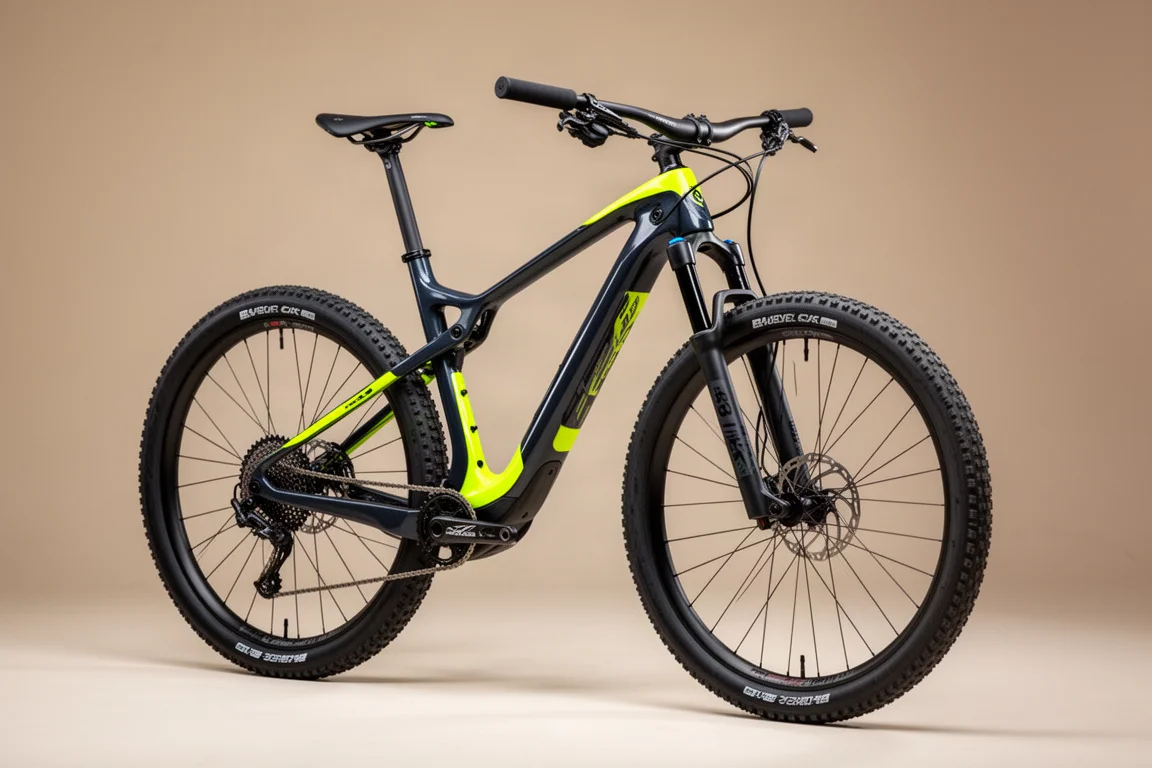
Yeti’s ARC is not a new design, but it remains one of the most coveted hardtails around. The carbon frame continues a long line of Yeti hardtails, translating the brand’s classic looped chainstays into carbon fibre. Combined with a low, long top tube and dropped chainstays, the result is one of the cleanest looking frames in this group, and internal cable routing keeps the lines uncluttered.
It is not only a show bike. The large press-fit bottom bracket area and sturdy tube shapes make it effective at putting power down, and the carbon layup is intended to keep the ride comfortable. The bottom bracket shell also gets ISCG-05 tabs, so a chain guide can be fitted to protect the frame. The ARC is designed around a 130 mm travel fork, which makes it a genuine trail hardtail rather than an overbuilt cross-country bike.
Geometry is not the most progressive here, but it is far from outdated. Reach on a large is 465 mm, the seat angle is a steep 76 degrees, and chainstays measure 433 mm. The 67 degree head angle is the conservative figure compared with slacker alternatives. The frame uses SRAM UDH, so it is compatible with the brand’s latest T-Type transmissions.
Pricing runs from £1,999 or $2,100 for the frame alone, with complete bikes starting at $4,199 and reaching $8,400 for the T4 XX transmission build in the US, or £6,599 for the T3 in the UK. Four complete bikes and a frame-only option are offered.
Pinarello Dogma HT: A Cross-Country Race Machine
The Dogma HT is a bike that divides opinion on looks, but its racing credentials are not in doubt. It carried its rider to double gold at the cross-country World Championships in both the short course and Olympic distance events, and another rider took bronze in the short course on this frame before switching to its full suspension sibling to win the XCO.
Race priorities shape the frame. Two small struts join the down tube, seat tube and bottom bracket to optimise stiffness and pedalling performance. The rear end is asymmetric, with the non-drive side of the rear triangle reinforced, which Pinarello says helps the bike counterbalance drivetrain forces for more balanced energy transfer.
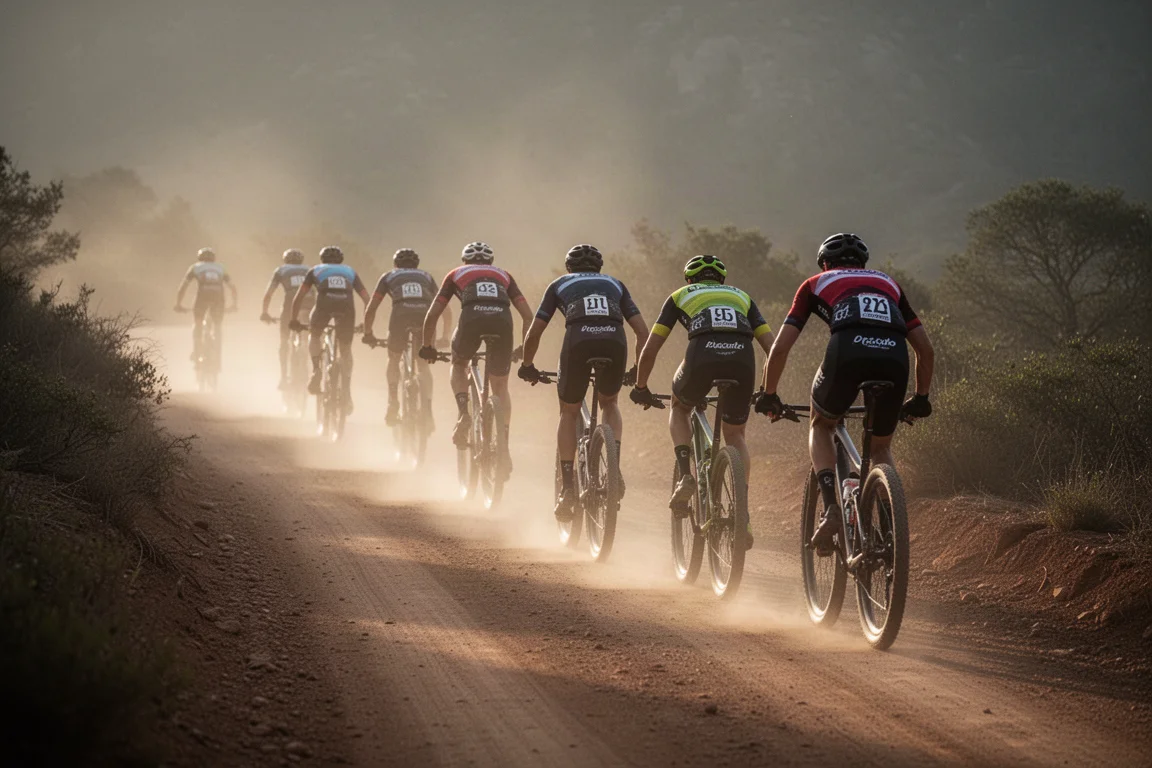
Modern cross-country courses are demanding and crashes are not uncommon, so the frame includes an internal steering lock to protect it in a fall. A one-piece integrated bar and stem with internal cable routing keeps the front end clean and the cockpit stiff, which suits the short, sharp efforts that decide cross-country races.
Availability has so far been limited largely to team riders rather than the wider market, which makes this the least accessible bike in the group.
Banshee Paradox V3: Engineered Aluminium
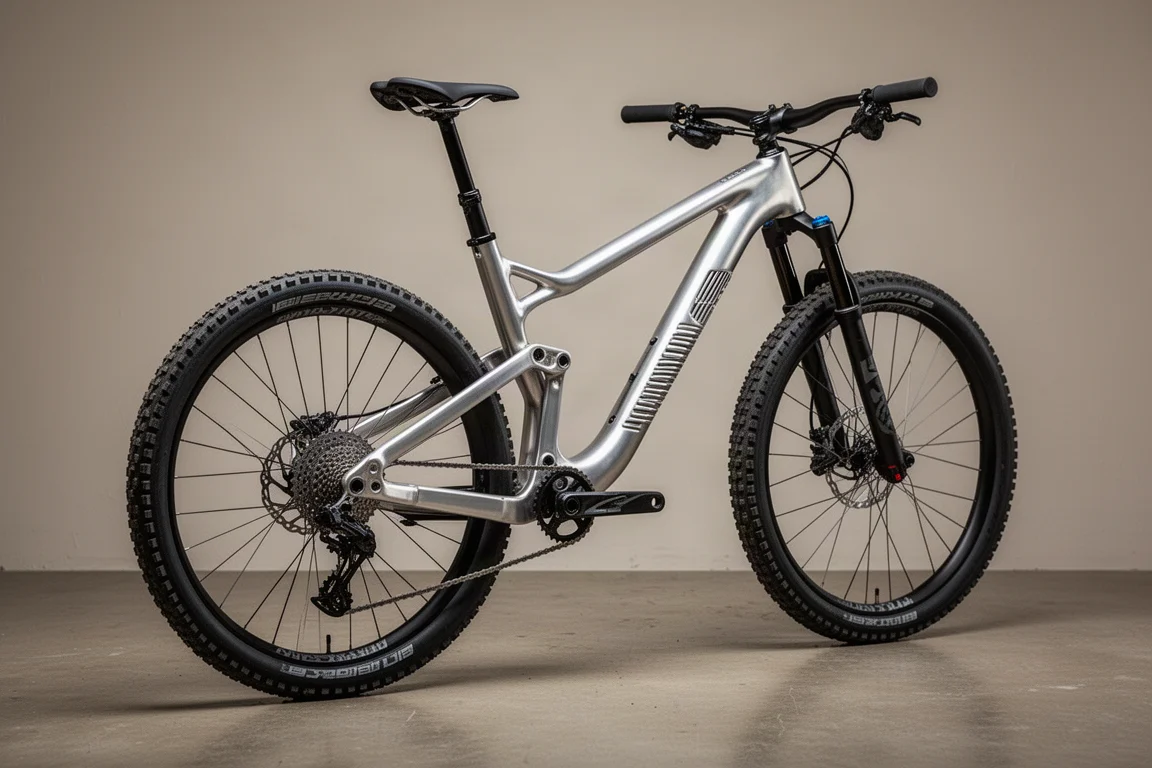
The Paradox V3 is a complete redesign, with no part carried over from the previous model. It is designed for forks between 120 mm and 150 mm of travel and accepts either 29 inch wheels or the now less common 27.5 inch plus size.
The aluminium frame was developed using finite element analysis simulation, which Banshee says allowed strategically machined and forged yokes and dropouts to deliver a level of vertical compliance unmatched by other aluminium frames. Each forged component is intended to work alongside the others to take the edge off the sharpest hits, and the remaining tubes are hydroformed to support the same goals while maximising frame performance. Internal ribs in the seat stays and chain stays add stiffness and strength to weight for efficient pedalling and better control on the ragged edge.
Geometry is thoroughly current. Reach on a large is 474 mm, the head angle is 65 degrees across all sizes, and seat angles steepen as frames get bigger, starting at 76 degrees. Chainstays of 425 mm should keep handling nimble when a last minute line change is needed. The Paradox V3 is sold as a frame only, at $799 or £999.
Mason RAW: UK-Made Steel Versatility
Steel is represented by Mason’s RAW, a UK-made trail bike that is as happy being ridden hard in the woods as it is loaded with bags on an adventure. It follows the brand’s Bokeh and In Search of Adventure Sport Bikes, and it is Mason’s first true flat bar mountain bike, handmade in the UK from a combination of Deda Zero and Reynolds 631 steel tubing.
Bikepacking capability is built in, with 15 integrated mounts for bottles, bags and accessories, plus clearance for 29 x 2.6 inch tyres. Short seat tubes mean a long travel dropper post can be fitted even on the smaller sizes. The geometry sits at the versatile end of the spectrum rather than the single-minded one: a 66 degree head angle when paired with a 120 mm fork, and 471 mm reach on a large. It has also been tested on ultra endurance terrain, which says a good deal about the kind of riding the frame is built to survive.
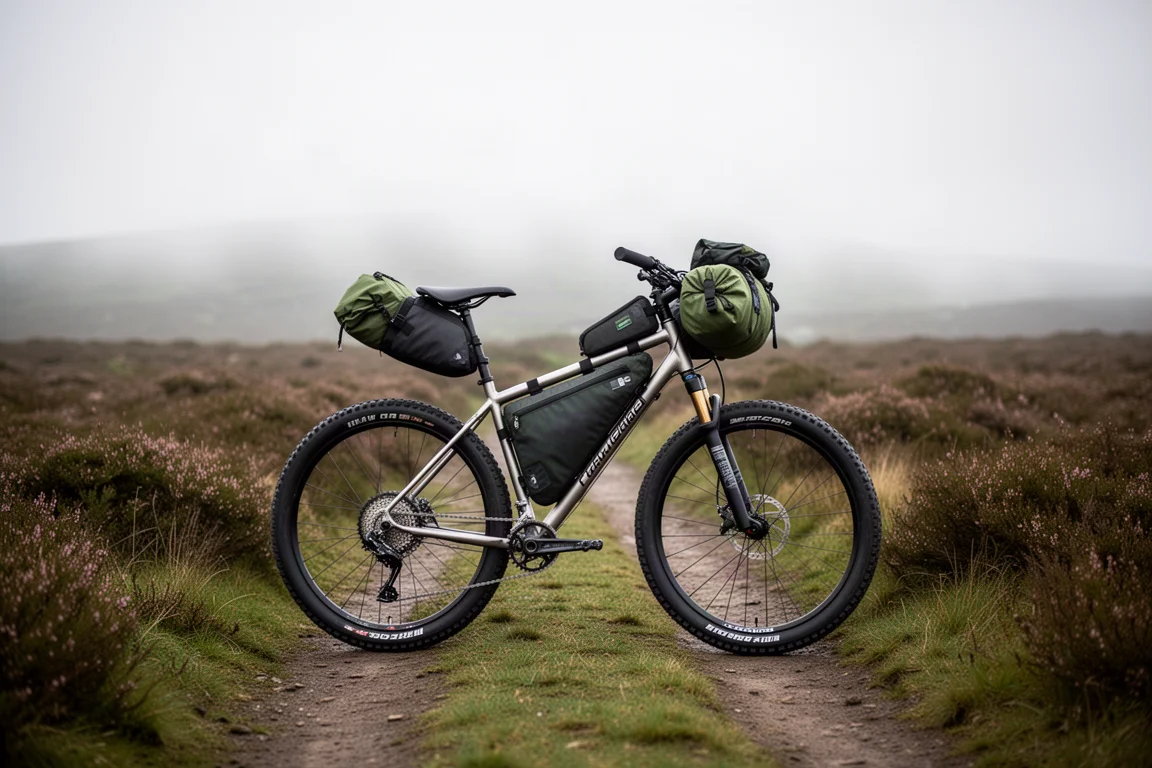
Pricing starts at £1,695 for the frame alone in four colours, or £2,395 for a frameset with a RockShox SID fork. Complete bikes begin at £3,795 for the SLX build, rising to £4,695 for the range-topping GX AXS build with Hunt Race XC carbon wheels.
Moots Womble: Titanium for the Long Haul
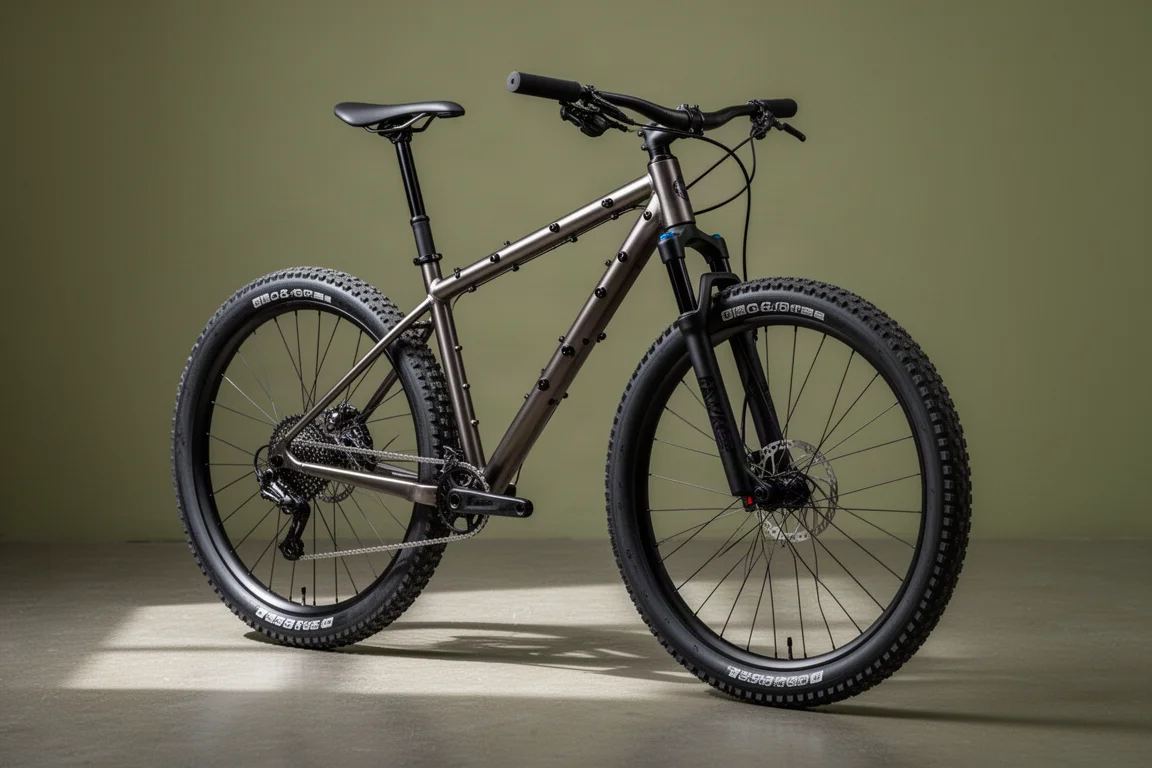
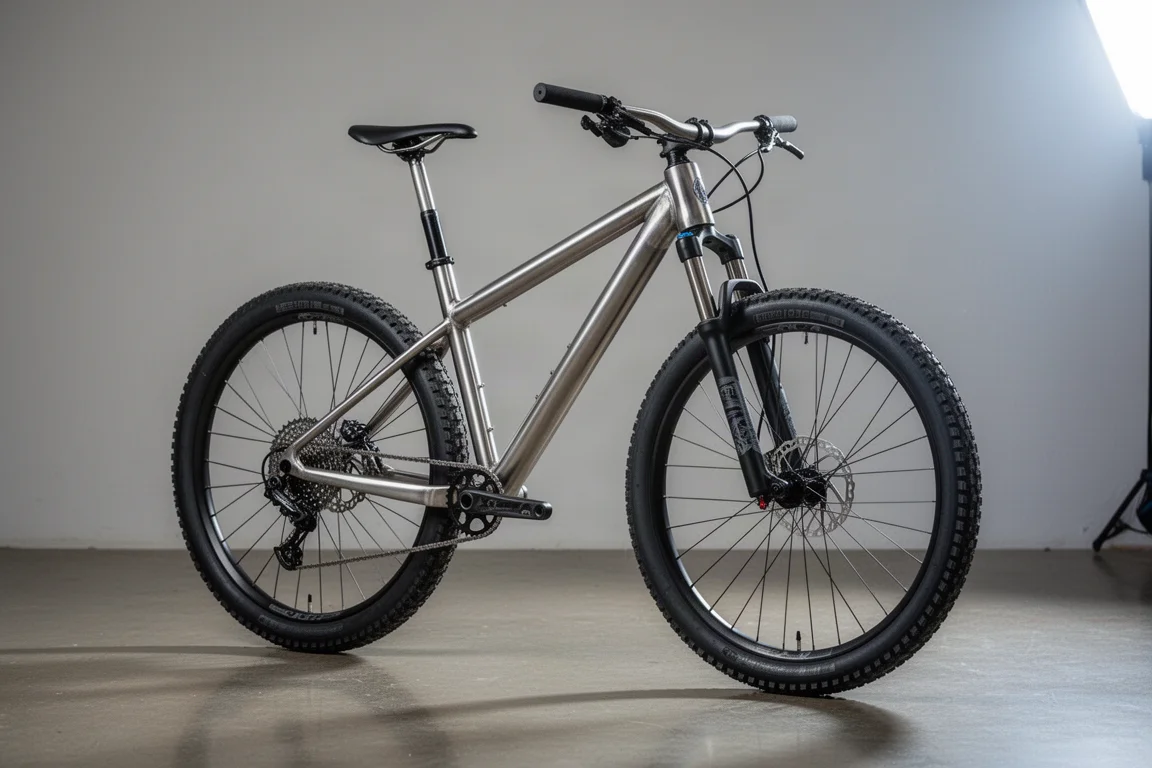
Moots has been building titanium frames since 1981, and for 30 of those years it worked exclusively with titanium. The Womble, named after a trail in Mount Ida, Arkansas, is the brand’s titanium trail hardtail, built around a 140 mm fork and 29 inch wheels.
The geometry is modern without being extreme: a 67.1 degree head angle, a fairly steep 75.7 degree seat angle, and 450 mm reach in a size medium. To cope with the intended riding, the Womble uses proprietary double butted top and down tubes that Moots describes as the largest diameter tubes it has ever created, giving the frame enough backbone to match its finish. Sliding dropouts are available for single speed use.
Neat welds and a distinctive 3D printed dropout design mark it out as a carefully put together frame. Twelve finishing options are offered beyond the standard brushed finish, at extra cost, including complex effects such as a hunter camo treatment.
Frame-only pricing starts at $4,975 or £4,800, with complete bikes costing more.
Buying Advice: Matching a Hardtail to Your Riding
Choosing between these five comes down to what you want the bike to do. The Yeti ARC is the trail-focused carbon option, with a 130 mm fork and a frame that balances power transfer with a comfortable ride. The Banshee Paradox V3 is the value-led aluminium choice, and its frame-only pricing makes it an appealing starting point for a self-built bike with fork travel anywhere from 120 mm to 150 mm.
The Mason RAW suits riders who want steel, UK construction and the ability to carry luggage, with a versatile 66 degree head angle and a long list of mounting points. The Moots Womble is the long-term titanium proposition, with sliding dropout options and geometry tuned around a 140 mm fork. The Pinarello Dogma HT is the most single-minded of the group: a cross-country race frame with a stiff front end and a design shaped entirely around competition.
Head angles across the group span 65 to 67.1 degrees, and fork travel ranges from 120 mm to 150 mm depending on the frame. If technical descents are the priority, the slacker end of that range will feel more composed. If efficiency on climbs and long days in the saddle matter more, the steeper and more conservative numbers will suit better.
Conclusion
The hardtail may no longer be the default choice for every rider, but it remains a compelling one. Simpler maintenance, lower weight and a more direct feel on the trail are real advantages, and the five bikes here show how much variety the category still offers, from an affordable aluminium frame to a hand-finished titanium build.
The right pick depends on the riding you actually do and the budget you are working with. Carbon for trail pace, aluminium for value and a build-it-yourself project, steel for load carrying and character, titanium for longevity, and a race frame for competition. Any of them will reward a rider who matches it to the right terrain.
Further reading
Related Reviews
Mountain Bikes
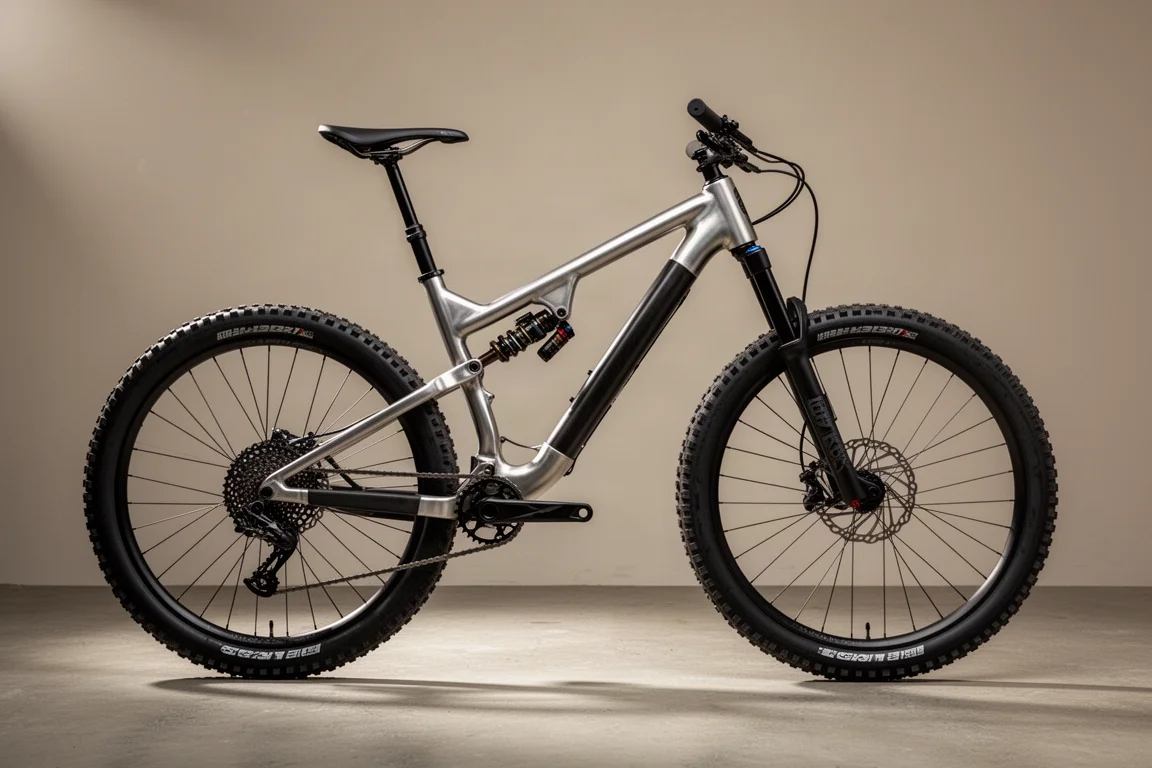
Atherton AM.130 Review: 3D-Printed Titanium Lugs and a 130mm Trail Bike That Descends Like a Bigger Machine
The Atherton AM.130 pairs 3D-printed titanium lugs with carbon tubes and a DW6 suspension platform. Here is how it rides, what the build delivers, and who it suits.
Mountain Bikes
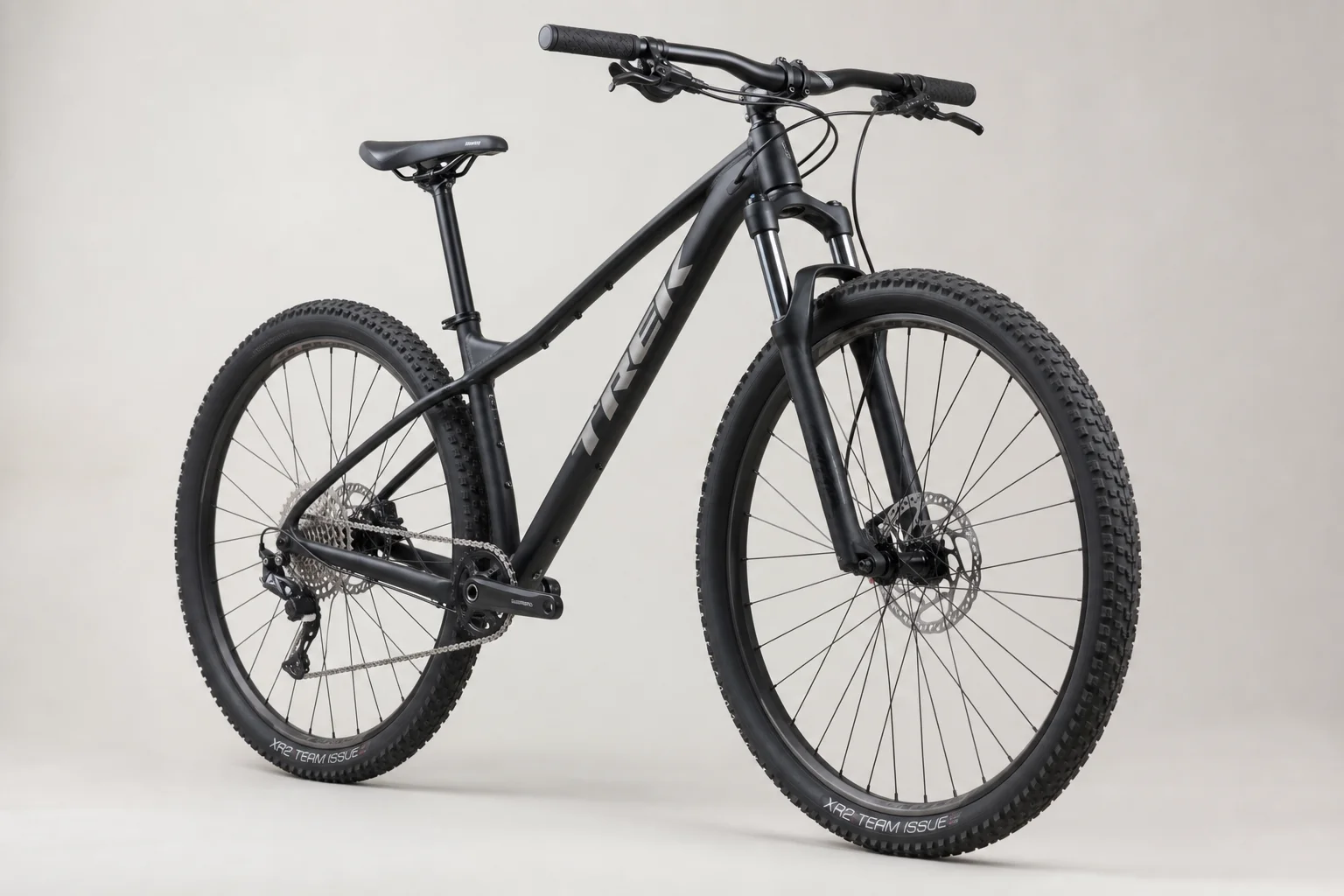
Beginner Mountain Bike Buying Guide: What to Look For in a Trailworthy Hardtail
A practical framework for evaluating beginner mountain bikes, whether new or used, by examining key components that indicate real trail capability.
Mountain Bikes
Best Aluminum Mountain Bikes 2026: Five Alloy Bikes Worth Your Attention
Five aluminum mountain bikes that show how far alloy has come, from a 120mm trail bike and a versatile machined frame to a 180mm freeride machine.