Hi-Fi Audio
Five Favorite Hi-Fi Products of 2022: A Buyer's Roundup
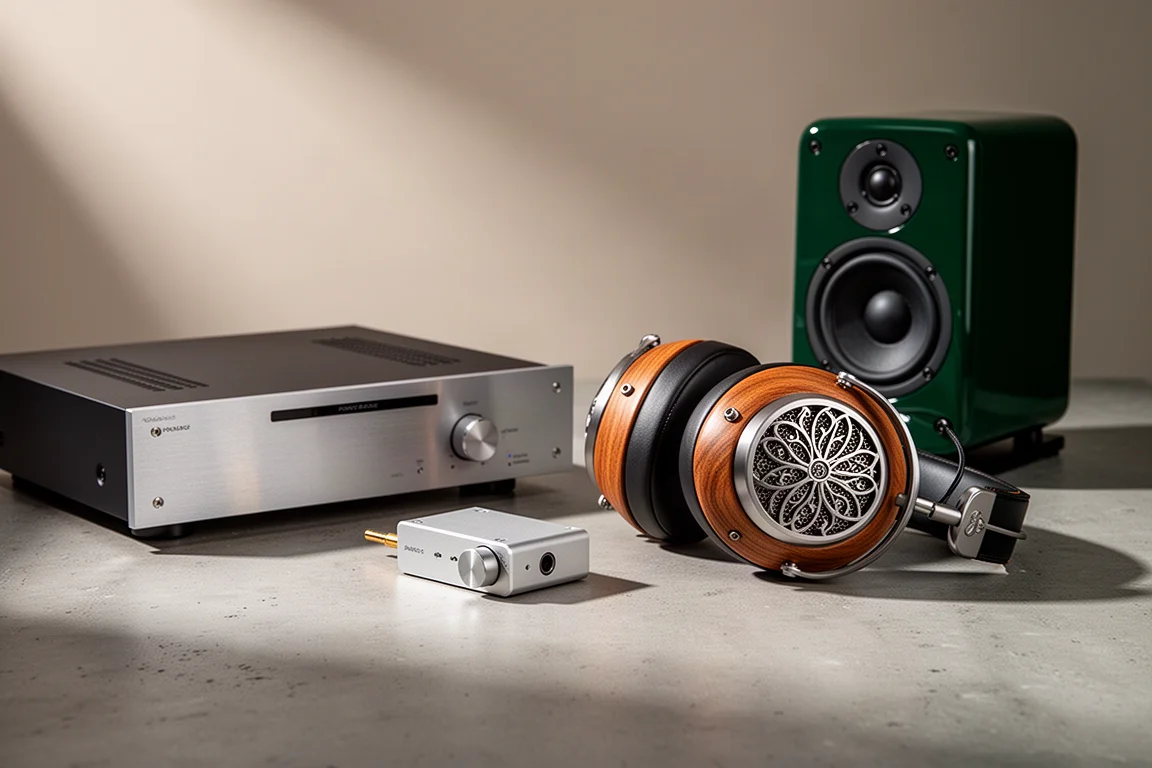
A dongle DAC with R2R conversion, open-back headphones, a limited-edition stand-mount speaker, a Class D power amplifier, and an active system with room correction.
Introduction
Some audio products impress on the first listen and then quietly stop being used. The five products in this roundup did the opposite. Each one stayed in the system long after the initial listening period ended, and each one was still on hand for direct, side-by-side comparison when this article was put together.
Every product here was released in 2022, or at the very end of the previous year. None of them is put forward as the outright best in its category, and none is claimed to be the best value on the market, because that kind of claim needs a much wider field of comparison. What they share instead is a clear sense of purpose and a character that holds up over months of listening.

The selection deliberately spans price points and formats, from a pocket-sized DAC that plugs into a phone or laptop to a pair of active loudspeakers that replace an entire rack of electronics. Together they cover most of the ways people put a system together at home.
How These Five Products Were Selected
Three conditions shaped this list. The product had to be released in 2022 or at the very end of the previous year. It had to have been used for a reasonable amount of time rather than auditioned once. And it had to still be on hand, because long-term audio memory is unreliable.
That last point matters more than it might seem. Memory is often good enough to recall whether something sounded bright, bass-heavy or bass-light, but those crude impressions are not a sound basis for a buying recommendation. The finer details, the ones that usually decide whether a product is worth owning, come from short-term recollection and from having the gear available for direct comparison. Every finding here was double-checked over recent weeks with the products still in place.
Cayin RU6: A Dongle DAC With R2R Conversion
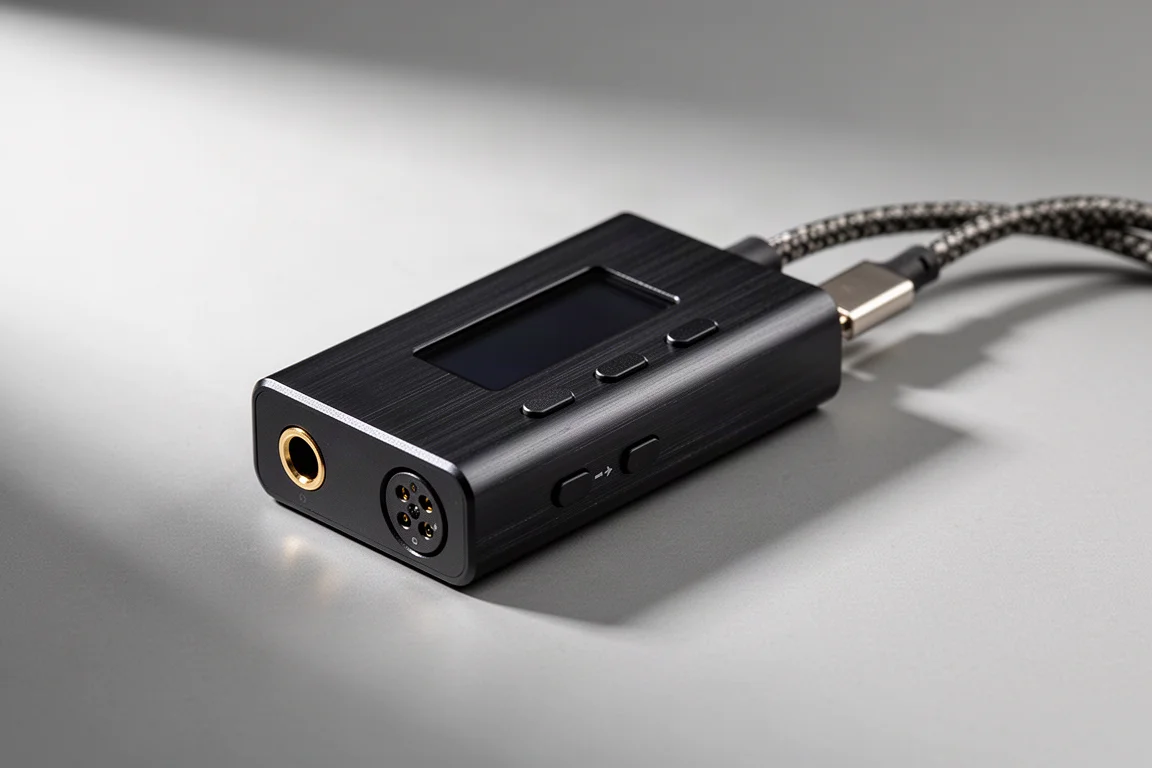
The RU6 is a dongle DAC, the kind of device that attaches to a laptop or a smartphone and turns it into a better-sounding source. It has USB-C at one end, though it needs Cayin’s own cable, and a 3.5mm single-ended output at the other. There is also a balanced Pentaconn socket for headphones that need a little more power.
What makes it unusual is what sits inside. The RU6 uses an R2R resistor ladder for digital-to-analogue conversion, the approach that predates the chip-based designs found in almost every other dongle DAC. The result is not the last word in detail. Instead it is easeful and easy-going, relaxed in the way it delivers micro and macro dynamics, and simply very pleasant to listen to for long stretches. Rivals such as the AudioQuest DragonFly and the Helm Bolt take the opposite approach, sounding more upfront and incisive.
One quirk is worth knowing about. Volume is handled on the unit itself rather than through the phone, using a resistor ladder volume control, and every ten steps the output briefly mutes as a relay switches in to reuse the same resistors at a higher gain level. It is a small price to pay for this kind of conversion, and it makes the RU6 a good match for a Raspberry Pi, since the Pi never has to handle volume at all.
Meze 109 Pro: Open-Back Headphones Built From the Ground Up
At a glance the 109 Pro can look like an upmarket version of Meze’s more affordable wooden-cup headphone, but it is a completely reworked design built from the ground up, with a different driver and an ornate metal grille sitting in front of it. The ear cups are wood, and the open-back construction means this is a headphone for home listening rather than the commute.
Comfort is the standout quality. The headband adjusts itself, the cups pivot to follow the shape of the head, and there is no fiddling with sliders. Hours of listening pass without pressure building up, which is a large part of the appeal for long sessions.
Sound quality is exceptional for the asking price. There is beryllium somewhere in the driver, which gives the top end a little extra life, and plenty of punch lower down, with a touch of mid-bass richness folded into the response. Build quality is excellent as well. For pure sound quality, an open-back wired design like this still holds an edge over closed wireless alternatives such as the Focal Bathys and the Mark Levinson No. 5909.
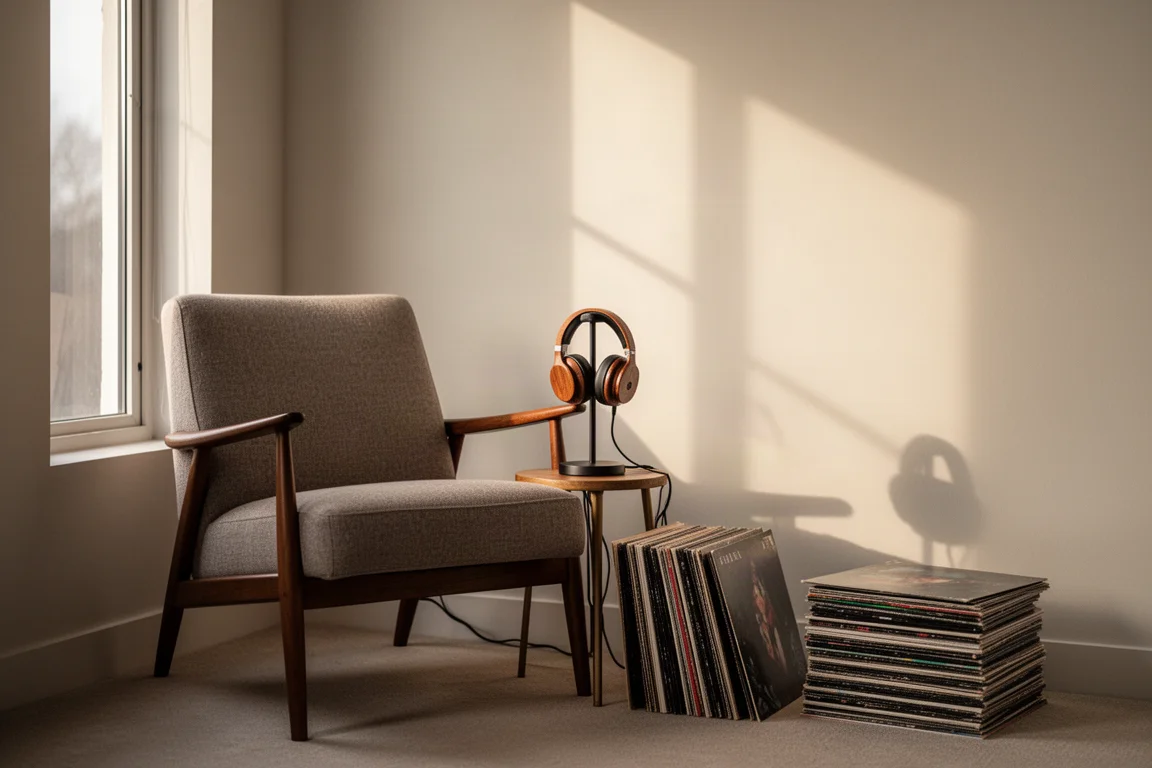
The trade-off is straightforward: an open-back headphone leaks sound in both directions, so it suits a desk or a listening chair rather than an office or a train. For anyone who listens at home and does not need isolation, that is a small compromise for the comfort and the sound on offer.

Monitor Audio Silver 100 7G: A Lively Stand-Mount Speaker
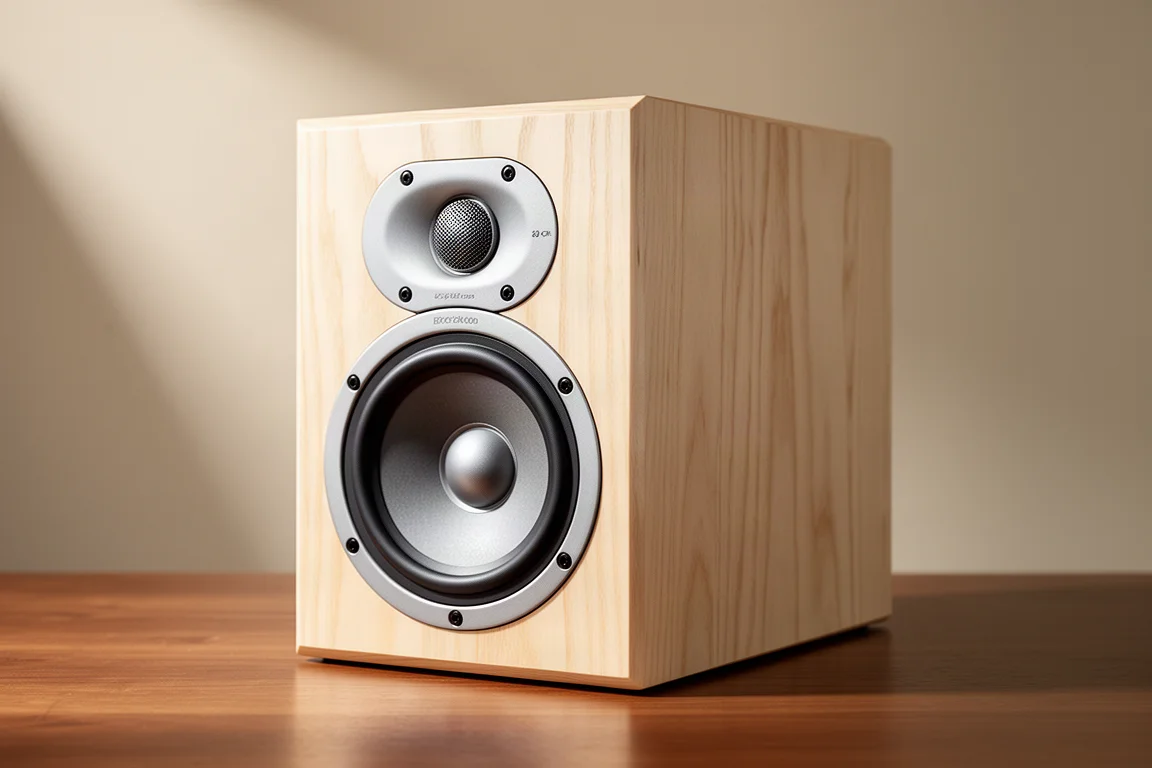
The Silver 100 7G is not a new model in the usual sense. What arrived in 2022 was a limited edition finished in Heritage Green, a deep racing green that marked the brand’s 50th anniversary and was announced in Munich in May. That limited run is what earns it a place here.
It is a larger than average stand-mount, and the size pays off at the bottom end. Bass extension is good enough that a subwoofer never felt urgently necessary, which is not something that can be said of every compact stand-mount. The top end is lively, but not in a way that grates. This is an exuberant, rambunctious speaker with good dynamics, and it adds a healthy dose of excitement to whatever is playing through it.
That character makes it a particularly good partner for an amplifier that leans a little laid back. Feed it something polite and it wakes the system up. The finish helps as well: the racing green suits a normal living room rather than shouting for attention.
NAD M23: A Class D Power Amplifier With Real Weight
The M23 is a two-channel power amplifier from NAD’s Masters series, built around Purifi Eigentakt loudspeaker output modules designed by Bruno Putzeys and Lars Risbo. Those modules are a newer take on Class D amplification, and they are the reason the amplifier sounds the way it does.
Earlier exposure to the same modules came inside an integrated amplifier, where a preamplifier, DSP and DAC all sit ahead of them. That makes it hard to hear what the output stage contributes on its own. A dedicated power amplifier removes that question. The M23 is detailed, as Class D designs tend to be, but it avoids the overplayed cleanliness that can make some of them sound thin. Instead there is solidity and weight, especially through the midrange, so music arrives with a firmness that is easy to appreciate.
The amplifier was used with several preamplifiers, moving from a Schiit Freya+ to a Lyngdorf TDAI 3400 and then to a Cambridge Audio Edge NQ, and it exposed the differences between them clearly. Bass grip is strong, detail is plentiful, and the treble is never over-etched.
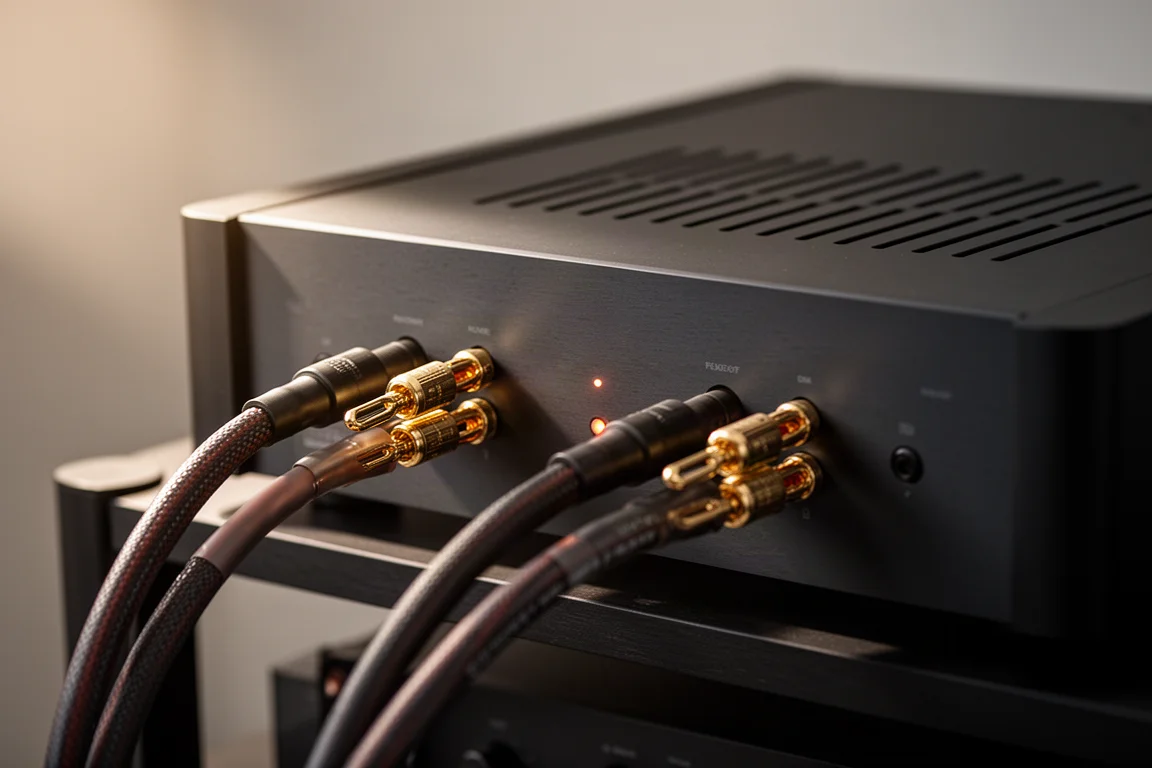
What stands out most is the combination of that weight with the clarity Class D is known for. Nothing about the presentation feels lightweight or synthetic, and long sessions do not turn fatiguing.
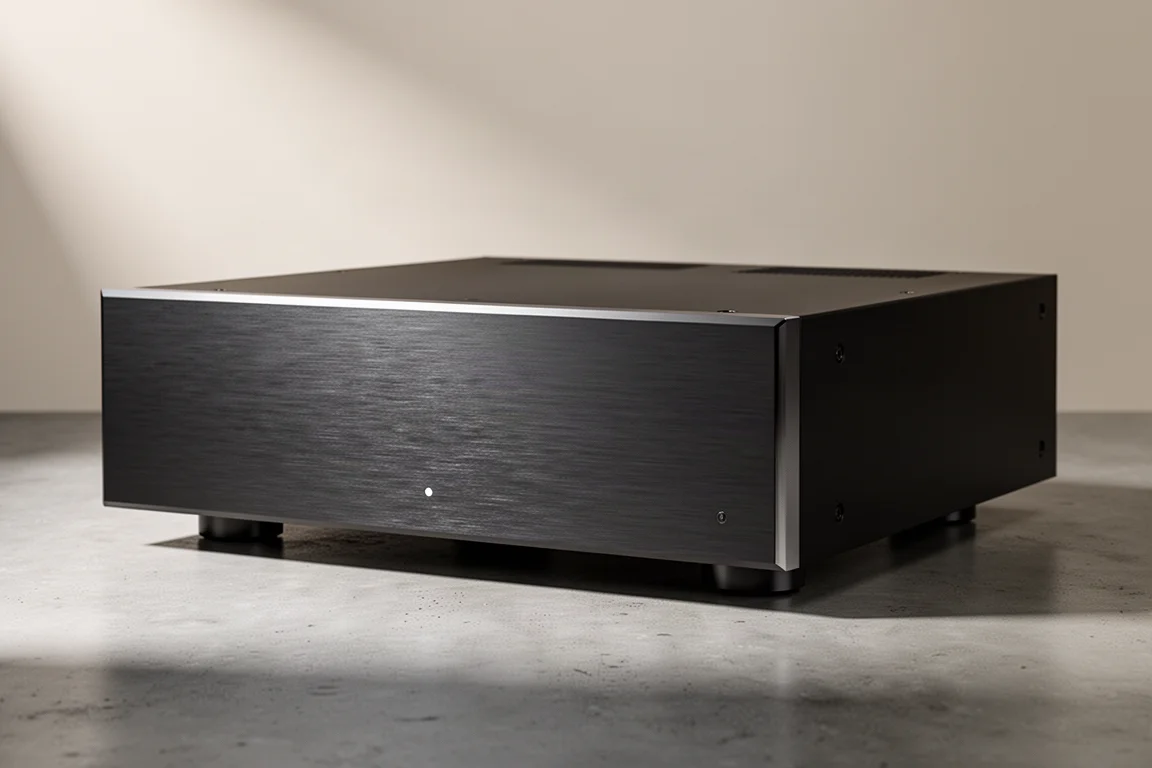
Dynaudio Focus 30: An Active System in Two Boxes
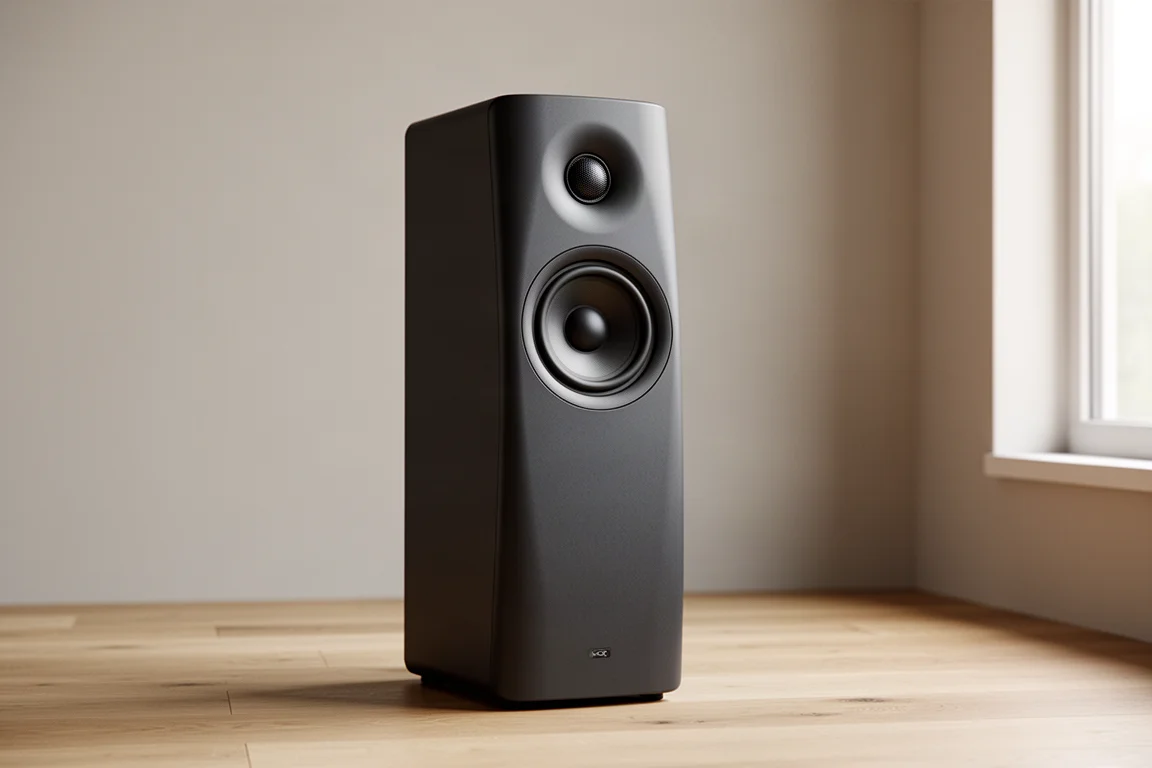
The Focus 30 is a complete system in a pair of speakers. Each cabinet houses its own amplification, streaming and conversion, so there is no separate amplifier, streamer or DAC to buy. Setup amounts to plugging in the mains.
The feature that lifts the range is Dirac Live room correction, built into the loudspeakers themselves. What reaches the listener is the result of how a speaker’s drivers interact with the room, and almost every room distorts that interaction to some degree. Correction inside the speaker addresses some of those problems without an external box, which is a rare thing to find built in.
There is one catch. The primary speaker has no HDMI socket, so a television cannot be connected directly by cable. The Focus 30 is WiSA compatible, which means some TVs can stream to it wirelessly, and if the TV is not compatible, a WiSA adapter or hub can take the HDMI signal and pass it on to each speaker. A hub adds a few hundred to the cost, but it works without lip-sync issues, and a Toslink connection is the simpler fallback. Otherwise the appeal of the design is hard to argue with: a handsome pair of speakers, immaculately made, that reclaims the space a hi-fi rack used to occupy.
Buying Advice: Matching Each Product to Your System
The right choice depends far more on the rest of the system and the room than on any ranking. A few practical pairings are worth keeping in mind.
If the goal is better sound from a laptop or phone without spending much, a dongle DAC is the simplest upgrade, and the RU6 is the one to pick when a relaxed, easy-going presentation matters more than forensic detail. Open-back headphones like the 109 Pro suit a desk or a listening chair where isolation is not needed, and they reward long sessions with comfort as much as sound.
For a traditional passive system, the Silver 100 7G makes sense when the amplifier is a little polite and the room can take a larger stand-mount. The M23 is aimed at listeners who already own a preamplifier and want Class D detail without a lightweight midrange. And for anyone who would rather simplify than accumulate boxes, the Focus 30 replaces the rack entirely, with room correction handling the parts of the sound that furniture and floor plan usually spoil.
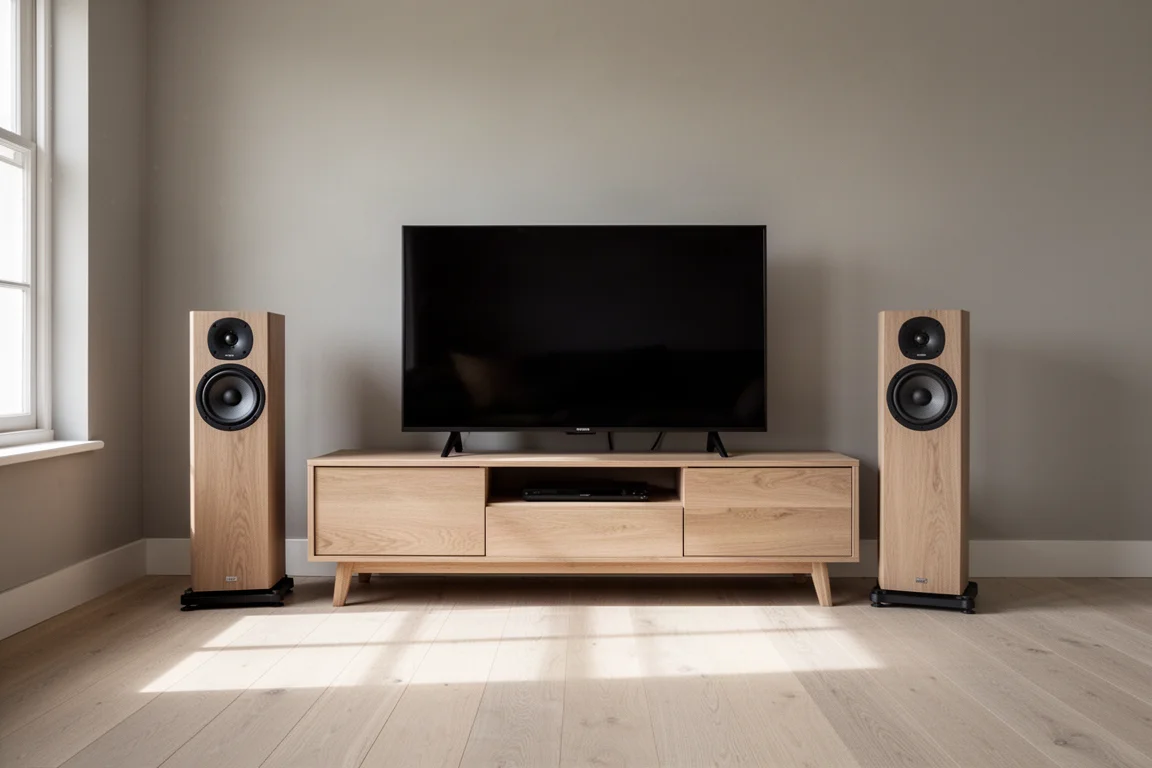
Whatever the budget, it helps to buy around the room rather than around a specification sheet. A product that suits the space and the rest of the chain will be used far more than one that wins on paper.
Conclusion
These five products were kept not because they are flawless but because they kept earning their place. The Cayin RU6 brings R2R conversion to a pocket-sized DAC, the Meze 109 Pro pairs unusual comfort with a lively open-back sound, the Monitor Audio Silver 100 7G delivers an exuberant stand-mount performance in a limited-edition finish, the NAD M23 shows how much weight a modern Class D amplifier can carry, and the Dynaudio Focus 30 folds an entire system and room correction into two cabinets.
Each one solves a different problem, and each one remains worth considering if that problem matches your setup. That is the most useful thing a favourites roundup can offer.
Further reading
Related Reviews
Hi-Fi Audio
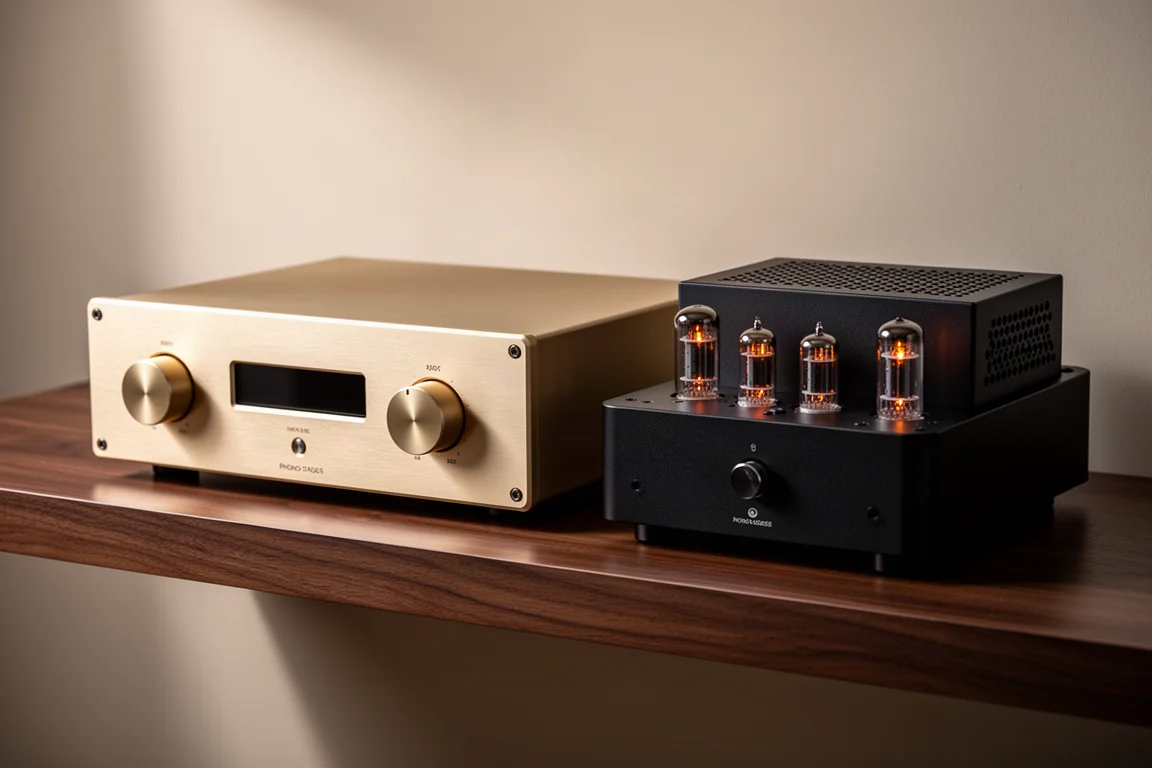
Accuphase C-57 vs Allnic H-7000V: Two High-End Phono Stages Compared
A fully balanced solid-state phono stage with a pitch-black noise floor meets a tube design built for well-loved records. Here is how to choose between them.
Hi-Fi Audio
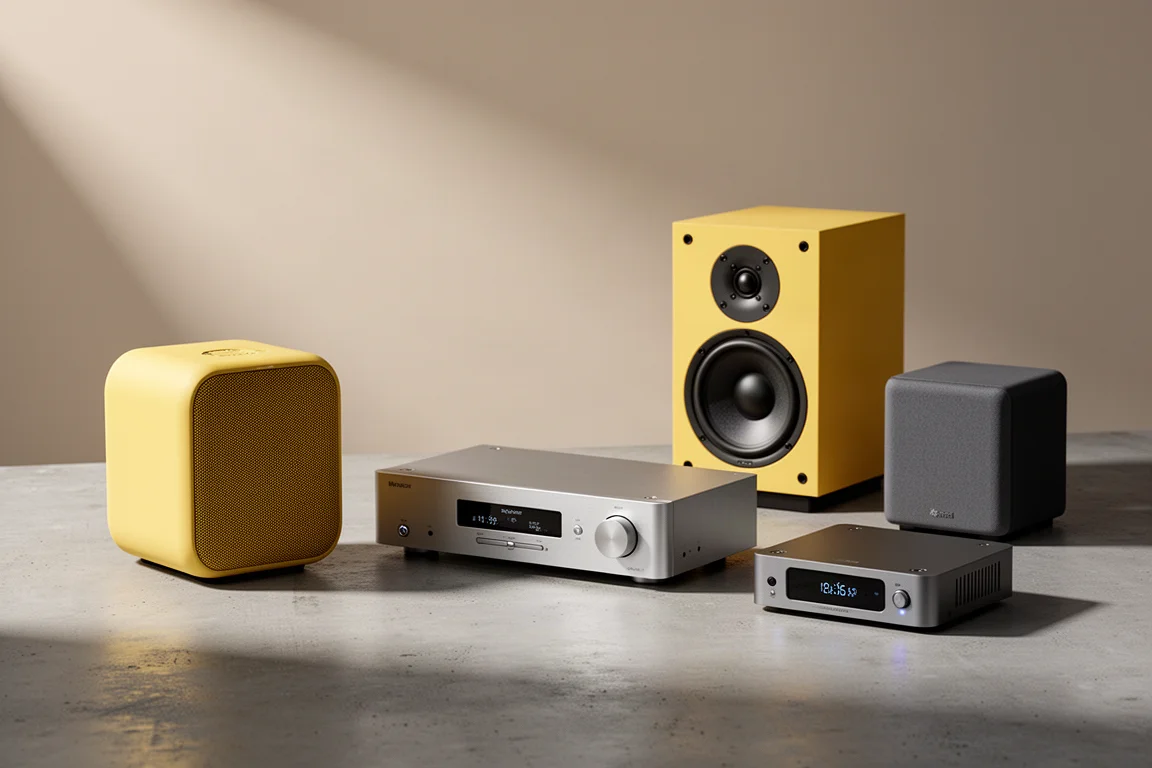
Active vs Passive Hi-Fi: Five Components for a Modern System
Five components that define modern active and passive hi-fi systems, with the strengths, trade-offs and setup details worth weighing before you buy.
Hi-Fi Audio
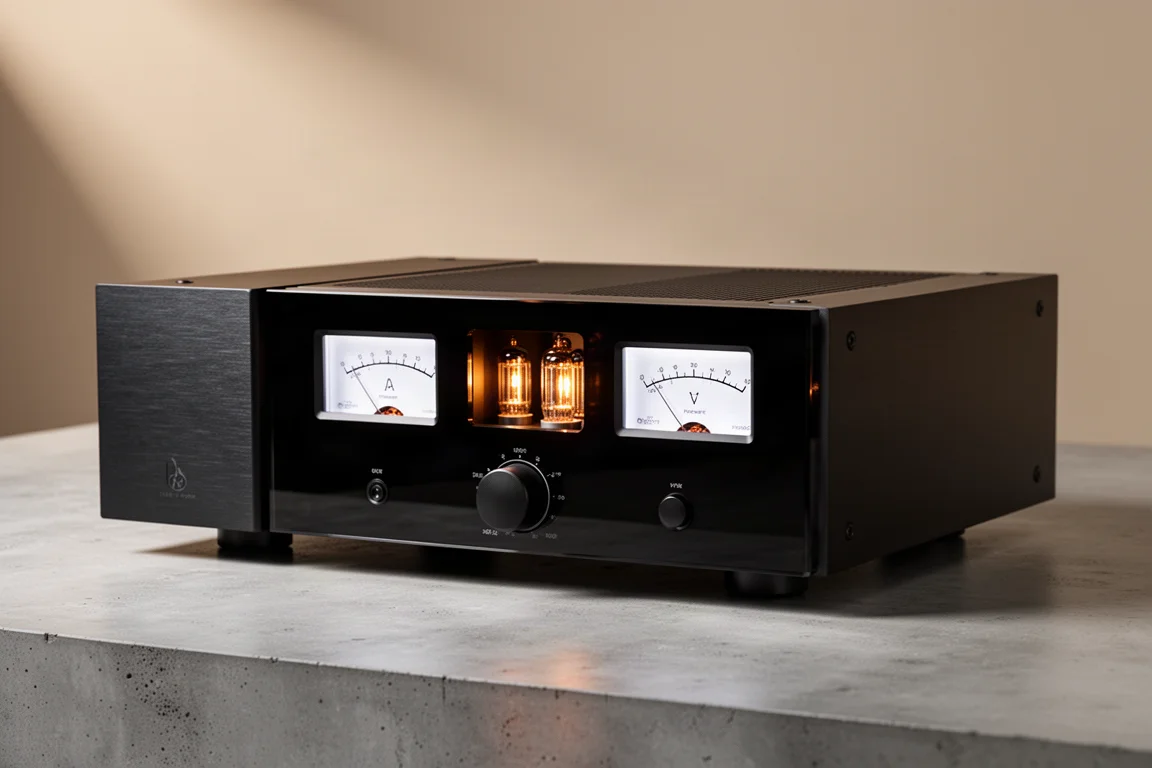
Advance Paris A10 Apex Review: A Hybrid Integrated Amplifier That Covers a Lot of Ground
A French hybrid integrated amplifier with a class A tube preamp stage, analogue power meters, and an internal DAC and phono stage good enough to make extra boxes unnecessary.