Backpacking Gear
Five-Day Sierra Backpacking Gear List: 8 Loadout Essentials That Earn Their Weight
A five-day, 60-mile Sierra loadout broken down by category, with the eight pieces of gear that carry the most decision weight for a bear-canister trip.
Introduction
Five days, roughly 60 miles, and about 32 pounds of gear, food, and water. That is the working brief for a point-to-point section hike on the John Muir Trail in California’s Sierra. The interesting number is not the total weight. It is how that weight is distributed once a bear canister joins the kit.
A canister changes the math for every other item in the pack. It takes up volume that would otherwise go to a sleeping bag, it adds a fixed chunk of weight that cannot be trimmed, and it forces a hard conversation about pack size. Layer on a shoulder-season weather window, where overnight temperatures can drop far enough that a 15°F comfort rating stops being overkill, and the loadout becomes a genuine balancing act.
This guide covers the eight pieces of gear that carry the most decision weight for a trip like this, plus a short look at the smaller items that quietly hold the system together.
What This Loadout Is Built For
The route is a section of the John Muir Trail, walked as a five-day point-to-point with a shuttle between the trailheads. Conditions sit somewhere in the shoulder season, which means warm afternoons, cold nights, and a real chance of rain. Water availability is not a concern on this stretch, so carrying capacity can stay modest and the filter setup can stay simple.
Two constraints shape everything else. First, five days of food has to travel inside a bear canister, which lands at roughly 10 pounds when loaded. Second, the sleep system has to be warm enough that a cold night never becomes the story of the trip.
The design goal is deliberately narrow: cut weight wherever it can be cut without turning camp into a punishment. That means a shelter that pitches fast on rocky ground, a quilt that packs into a compression sack rather than a bulky stuff sack, a pad that stays warm without eating half the pack volume, and a watch that lasts the entire trip without a power bank.
The result is a kit where the big four items, meaning the pack, shelter, sleep system, and insulation, do most of the heavy lifting on both weight and comfort. Everything else is a supporting player.
Hyperlite Mountain Gear Unbound 40: The Pack at the Center of the Kit
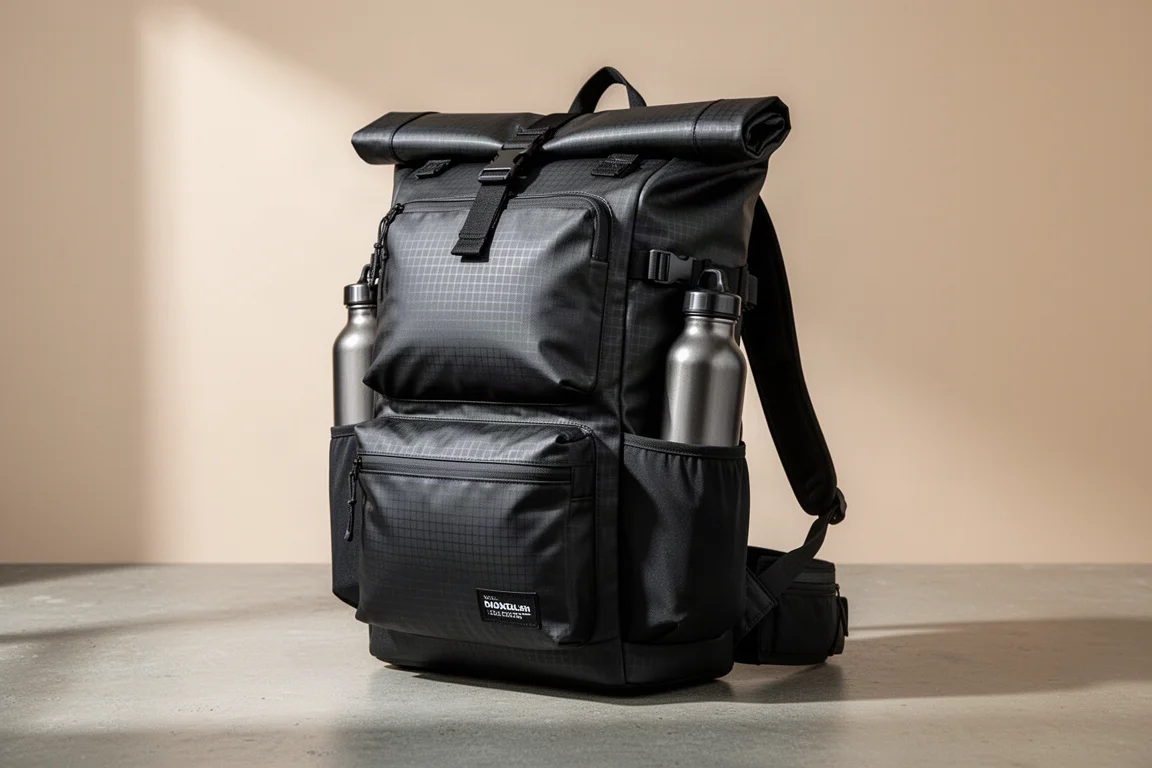
A 40-liter pack that weighs 30 ounces in a size medium is already an interesting proposition, but the more relevant question on a canister trip is volume. This pack swallows a loaded BearVault 475 plus five days of gear and leaves a little room to spare, which is not a given at 40 liters when a rigid canister is involved.
The design leans on a stripped-back layout with a few unusual structural choices rather than a long list of features. For a hiker whose priority is low weight without a comfort penalty, that combination is the whole appeal.
Tarptent Rainbow Lithium: Light Shelter With Pitching Flexibility
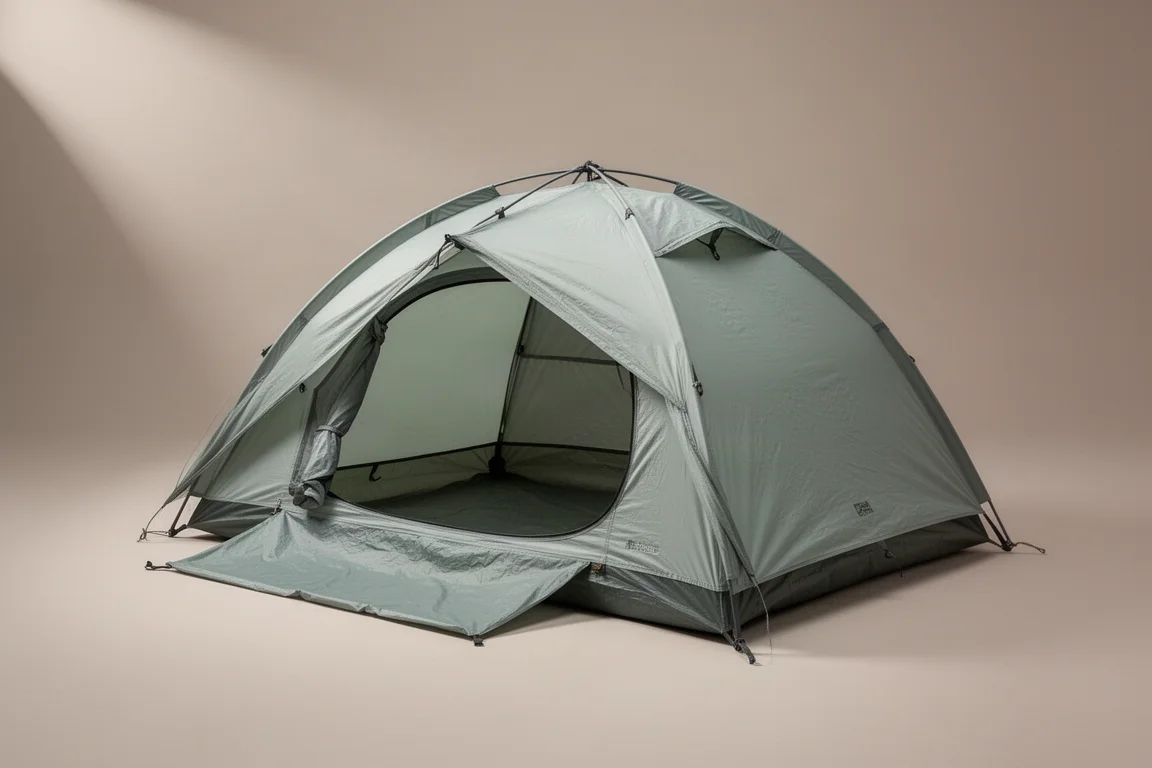
At about 26 ounces, this is a single-wall, one-person shelter that keeps the packed size and the setup time both small. It ships with its own poles, so it stands on its own without trekking poles, but it can also be pitched fully freestanding with trekking poles when the ground refuses to cooperate.
That flexibility matters in the Sierra, where campsites are frequently granite slabs rather than soft soil. Extra cordage is worth packing so guy lines can be wrapped around rocks instead of staked. The tent pitches quickly, and the low weight makes it easy to justify carrying a shelter that handles awkward ground well.
Katabatic Sawatch 15: A Quilt Built for Shoulder-Season Nights
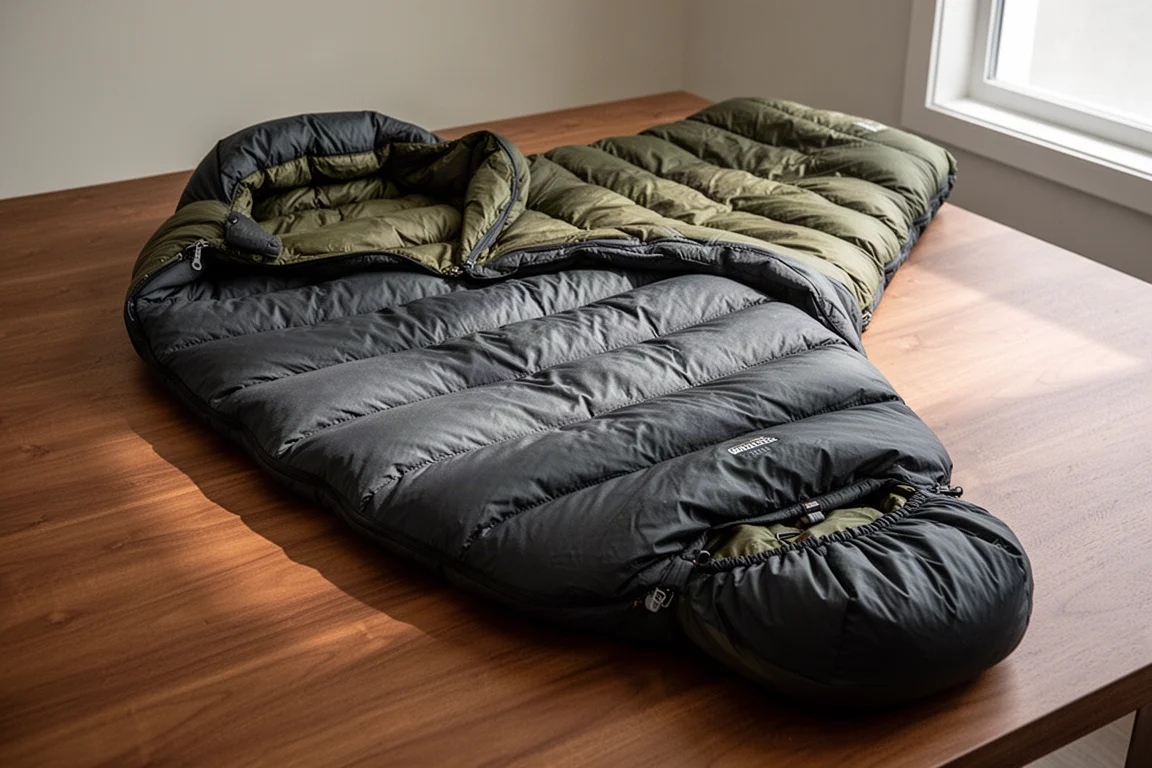
Quilts save weight by removing the material that would sit beneath you and letting the sleeping pad handle insulation from below. This one weighs around 27 ounces and carries a 15°F comfort rating, which is the right kind of spec for a trip where nights can turn genuinely cold.
It compresses into an 8-liter stuff sack, so it disappears into the bottom of a pack rather than dominating the interior. A strap system keeps the quilt wrapped around the pad through the night, which is the detail that separates a quilt that works from one that drafts all night.
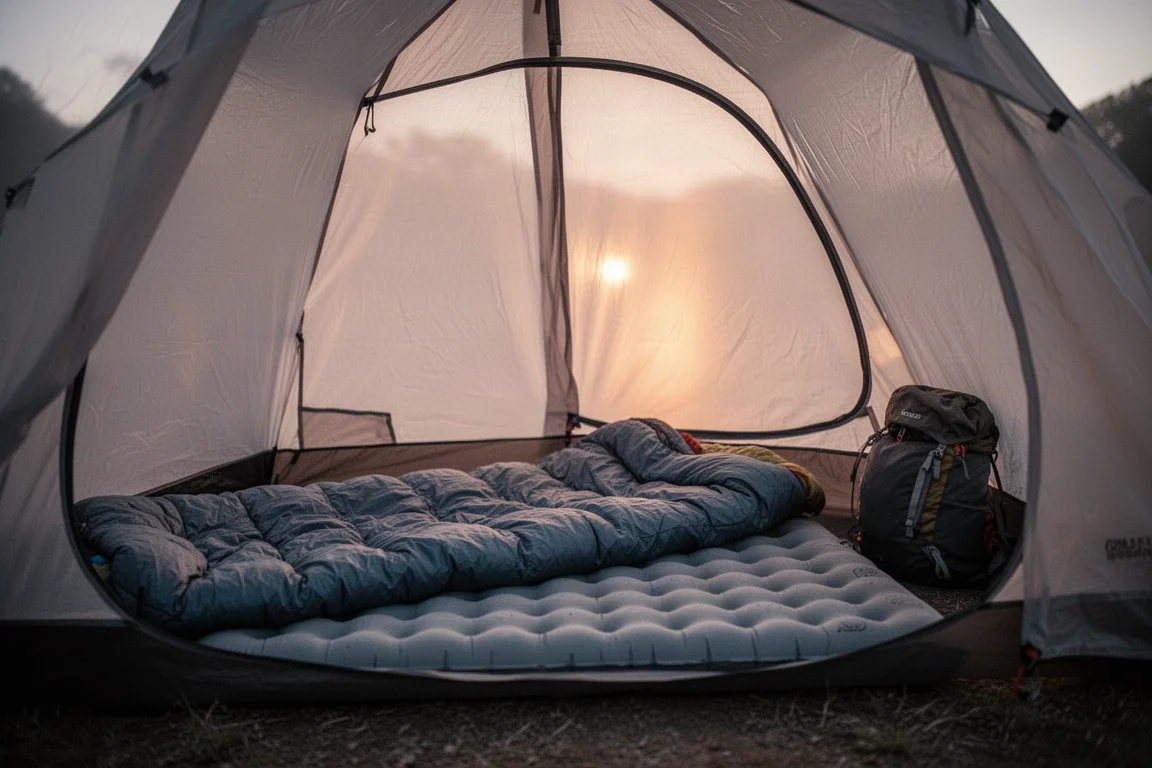
The practical pairing here is straightforward: a quilt this light only performs if the pad underneath it is warm enough, and the pad needs to hold the quilt in place without slipping. Get both right and the sleep system weighs less than a comparable bag while sleeping just as warm.
Nemo Tensor Allseason: Warmth With a Small Packed Size
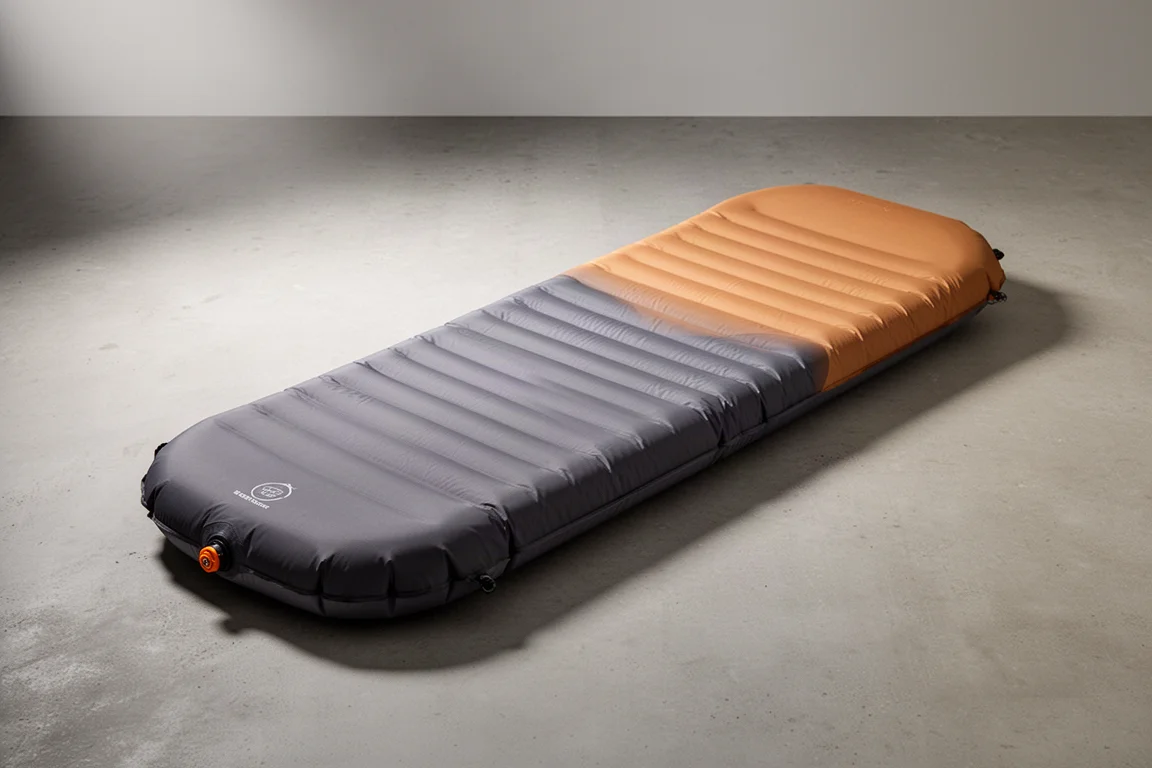
An R-value above 5 puts this pad firmly in three-season-to-shoulder-season territory, and it does so at a lower weight and a smaller packed size than many other pads in the same warmth class. For a trip that has to fit inside a 40-liter pack alongside a bear canister, that compactness is not a minor detail.
The trade-off is comfort. This is not the plushest pad on the market, and long nights on hard ground will make that clear. It still does the job, and it keeps the weight budget intact, which is the balance most backpackers are actually trying to strike.
BearVault 475: The Heaviest Item in the Pack
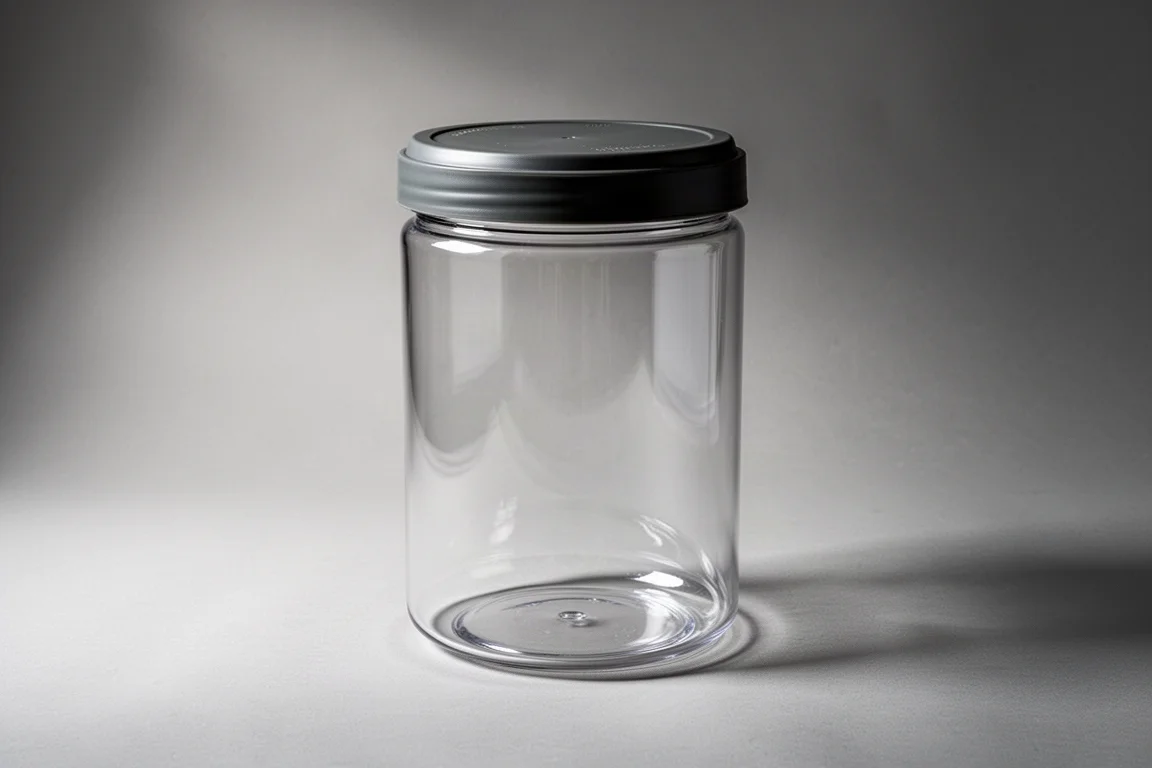
A bear canister is the single least glamorous item in any Sierra loadout, and this one weighs about 2 pounds empty while holding roughly 8 pounds of food. Loaded, that is around 10 pounds of the total pack weight, and there is no trimming it.
The upside is that it fits inside a 40-liter pack, which is a large part of why that pack was chosen in the first place. It also doubles as a camp stool when topped with an 8-inch foam pad, replacing a chair entirely.
Packing it is tedious. Food has to be stuffed into every available void, and in practice not everything fits, so day-one food stays outside the canister and gets eaten first. Anyone new to canisters should plan on a dry run at home before committing to a five-day food load.
Soto Amicus: A Simple Canister Stove for Five Days of Meals
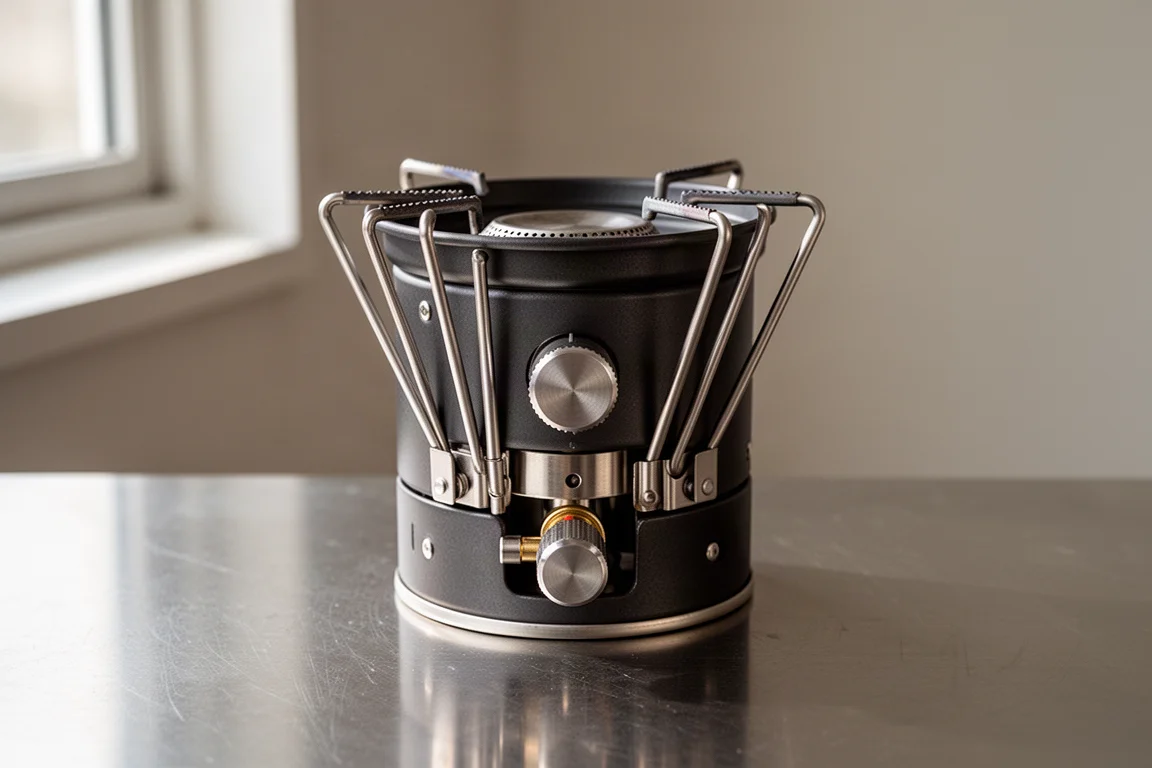
A small canister stove paired with a 100-gram fuel canister is the classic ultralight cooking setup, and it works because there is nothing to think about. Screw the stove on, light it, boil water, done.
Paired with a 550ml titanium pot, an orange cup, a long-handled titanium spoon, and a small pack towel, the whole cook kit nests into a compact bundle that takes up almost no pack volume. For dehydrated meals, that is all the hardware anyone needs.
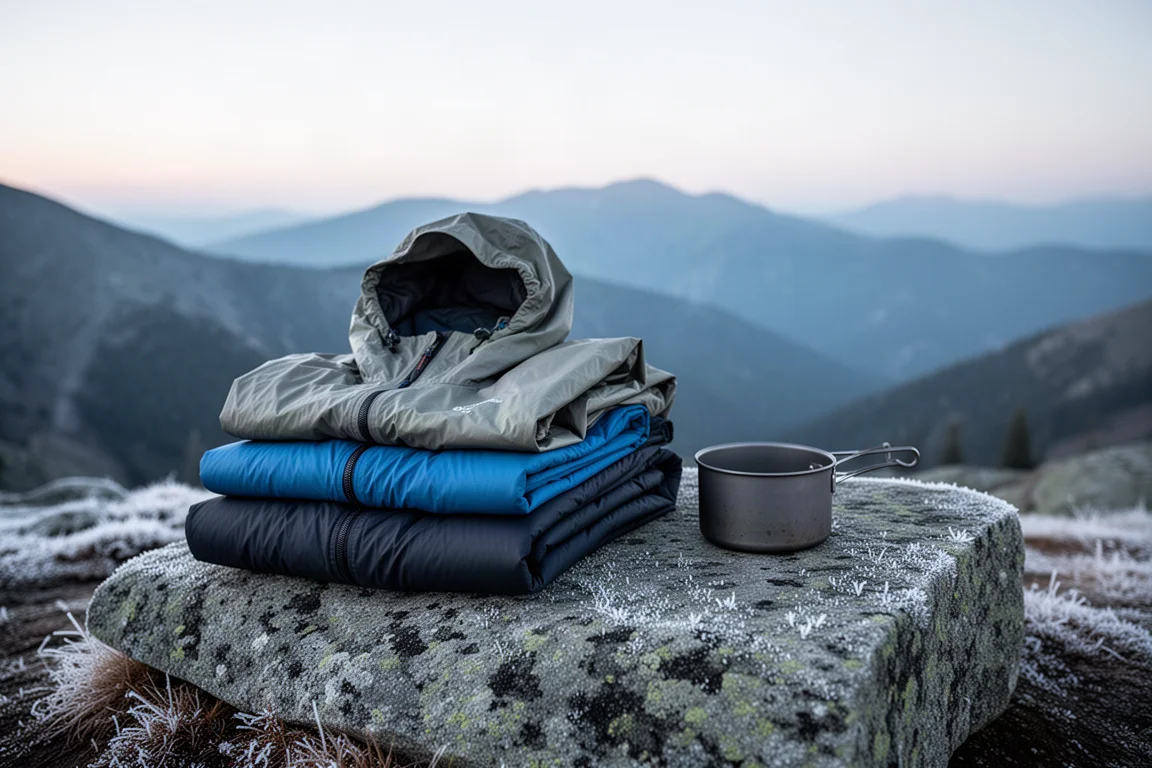
One addition worth considering is an insulated rehydration pouch, which lets a meal finish hydrating while the stove is already packed away. It saves fuel, saves time in camp, and keeps dinner warm while the tent gets set up.
Coros Apex 2 Pro: Battery Life That Outlasts the Trip
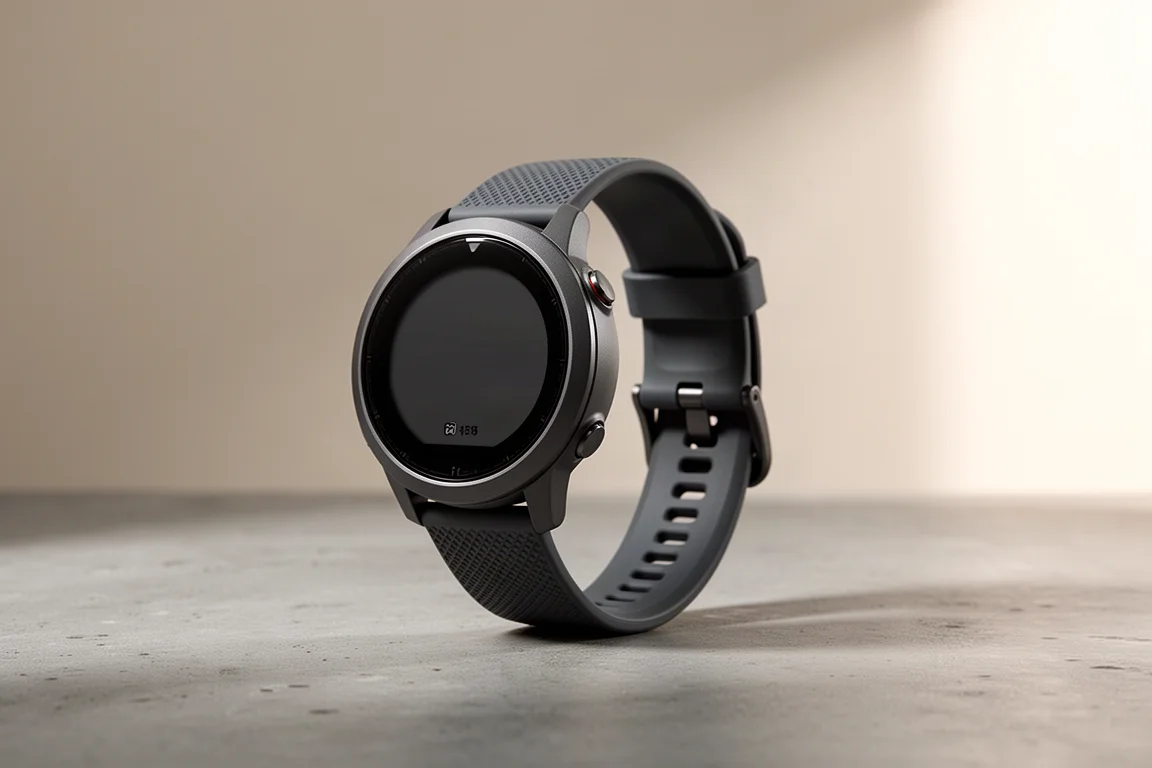
Battery life is the feature that matters most in a trail watch, and this one goes close to three weeks of everyday use on a charge. It also offers up to 50 hours of GPS tracking time, which comfortably covers a multi-day trip without ever reaching for a charger.
Beyond endurance, the watch covers heart rate, barometric pressure, altitude, calories, and step count, with GPS-based mapping and route tracking for navigation. It is comfortable enough to wear every day, which is the quiet reason a watch like this ends up replacing a power bank in the pack list.
Danner Trail 2650: Footwear for Long Days on Trail
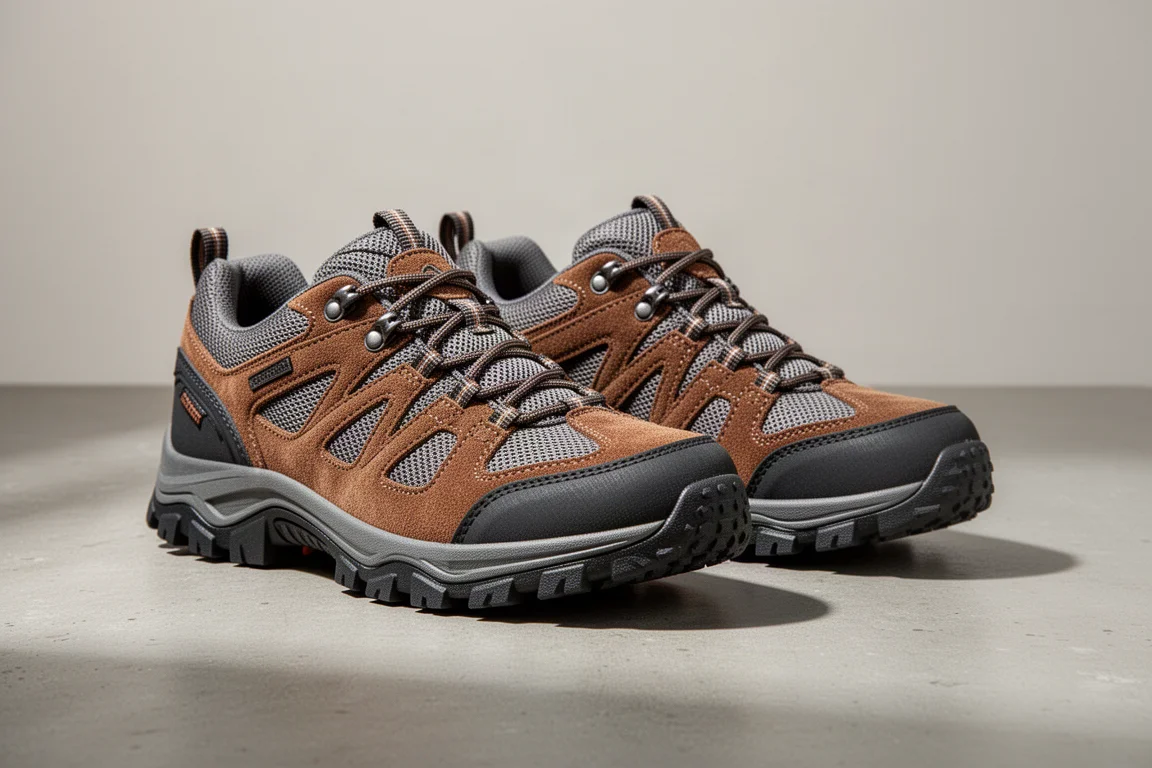
A low-cut hiking shoe that has stayed in rotation for around five years is a strong endorsement on its own. The mesh version adds breathability, which matters on long, warm days when feet spend hours inside a shoe with a loaded pack pressing down.
The case for a lighter trail shoe over a heavy boot is simple: less weight on the foot, more ground feel, and less fatigue over 60 miles. Pair it with a proven merino trail sock and the footwear side of the kit stops being a variable.
The Rest of the Kit: Small Items That Add Up
A few items sit just outside the headline categories but still shape the trip. Trekking poles earn their place twice on this loadout, first as walking support and second as the freestanding option for the shelter when stakes will not drive. The water system is intentionally simple: two wide-mouth bottles for 2 liters of capacity, plus a squeeze filter paired with a 2-liter water bag for a total of 4 liters when a long dry stretch shows up.
Clothing follows the same logic. A lightweight sun hoodie serves as the primary hiking layer, backed up by ultralight shorts, a durable trail pant for colder or brushier days, and merino trail socks. A lightweight tee goes into the pack purely as a sleep layer, joined by a spare pair of socks and underwear and a pair of 150-weight merino thermal bottoms that have survived years of use. A lightweight rain jacket handles wind and rain, a hybrid hoodie at about 9 ounces in a size medium covers the mid layer, and a lightweight down hoodie serves as the insulation layer for cold camp mornings. A pair of minimal camp sandals rounds out the clothing.
The small gear is where organization decisions show up. A satellite communicator handles emergency messaging, and it can be paired with a search-and-rescue coverage subscription for additional peace of mind. A compact folding knife, a titanium trowel, a small container of camp soap, and a dedicated waste kit with toilet paper and wet wipes cover camp hygiene. A simple hanger doubles as a gravity-filter rig or a way to keep a pack off the ground, and a small zippered pouch keeps electronics, cables, and batteries contained.
Yes, all those individual bags add a little weight and bulk. They also mean everything has a known home, which is worth more in camp than the grams cost on the trail.
Buying Advice for a Five-Day Loadout
Start with the canister, not the pack. If a bear canister is required where you are hiking, its dimensions and volume determine which packs will actually work, and a 40-liter pack only qualifies if the canister slides in alongside everything else. Confirm that fit before spending money anywhere else.
Next, decide how much pitching flexibility you need. A shelter that requires stakes is lighter and simpler, but a shelter that can go freestanding opens up granite campsites and hard ground. If your route includes either, the extra hardware is usually worth it.
Then match the sleep system to the forecast rather than to a marketing number. A quilt’s comfort rating only holds up if the pad underneath it carries a comparable R-value, so treat the two as a single purchase. A cold sleeper should bias toward warmth, because a bad night costs more enjoyment than a few extra ounces ever will.
Finally, look at battery life before you look at features. A watch that lasts the whole trip removes a power bank from the list, which saves more weight than most people expect. The same principle applies across the kit: every item that does not need a charger or a spare part is weight you never have to carry.
If you are upgrading gradually, replace one category at a time and test it on a shorter trip first. A five-day commitment is the wrong place to discover that a new quilt drafts or a new pack does not swallow a canister.
Conclusion
A five-day Sierra loadout is really a study in constraints. The bear canister sets the volume budget, the shoulder-season forecast sets the warmth budget, and the 60 miles of trail set the comfort budget. Gear that respects all three earns its place.
The strongest picks here are the ones that solve a specific problem without creating a new one: a 40-liter pack that fits a loaded canister with room to spare, a 26-ounce shelter that pitches on rock as easily as on soil, a 27-ounce quilt rated for the cold end of the forecast, a pad that stays warm and packs small, and a watch that outlasts the trip on a single charge.
Get those five right, fill in the rest with proven small items, and the gear stops being something you think about. That is the goal.
Further reading
Related Reviews

Backpacking Gear
Building a 10 lb Base Weight: An Ultralight Backpacking Gear List
A practical walkthrough of the ultralight pieces behind a 10 lb base weight, from a 765 g pack and a roomy one-person tent to a full camp chair and a dependable water filter.
Backpacking Gear
A 15-Pound Lightweight Backpacking Gear List for Solo Trips
A beginner-friendly 15-pound backpacking setup built from easy-to-find gear, with notes on what each piece does, how it packs, and where to spend your attention.
Backpacking Gear
8 Ultralight Backpacking Gear Upgrades Worth Carrying
Eight small, affordable backpacking upgrades that solve real trail annoyances, from a pillow that stays put to a fuel valve that rescues leftover canister gas.