Backpacking Gear
Five-Day Backpacking Gear List: 12 Items That Earned Their Place
A tested gear list from a five-day long distance walk, covering the pack, shelter, sleep system, clothing, and electronics that carried well over more than 80 miles.
Introduction
Five days on a long distance trail, more than 80 miles underfoot, and one pack that had to cover sleeping, cooking, navigation, and everything in between. This is the gear that made the trip, along with honest notes on what carried well, what stayed buried in the pack, and what would change on the next walk.
Weighed at the end of the trip on a basic luggage scale, the loaded pack came in at around 8.7 kg, including three days of food and no water. That figure is less interesting than the reasoning behind it: every item was chosen to be as light as possible without giving up comfort.
How This Kit Was Chosen
The starting point was a simple rule. Choose the lightest gear that still feels comfortable after a full day of walking. That meant accepting a slightly heavier sleeping pad in exchange for a better night, and carrying a framed pack rather than a frameless one.
Personal preference shaped a lot of it too. Walking in trousers rather than shorts avoids sun cream, insect bites, and long grass against bare legs, and that trade-off was made deliberately. Campsites were used where they existed, which made showers, early pitches, and a proper meal in a village possible.
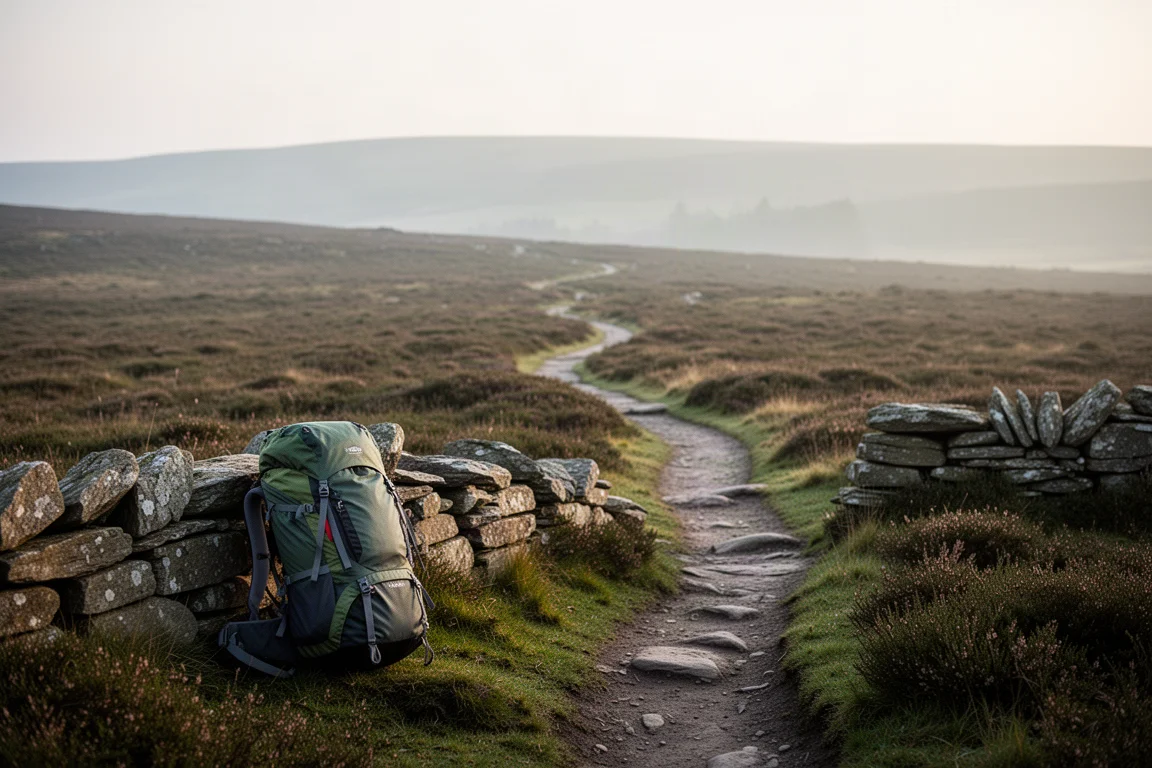
The result is a list that leans towards comfort in the places where it counts most, while staying light enough to carry all day.
Atom Packs Mo EP50: A Comfortable Load Carrier
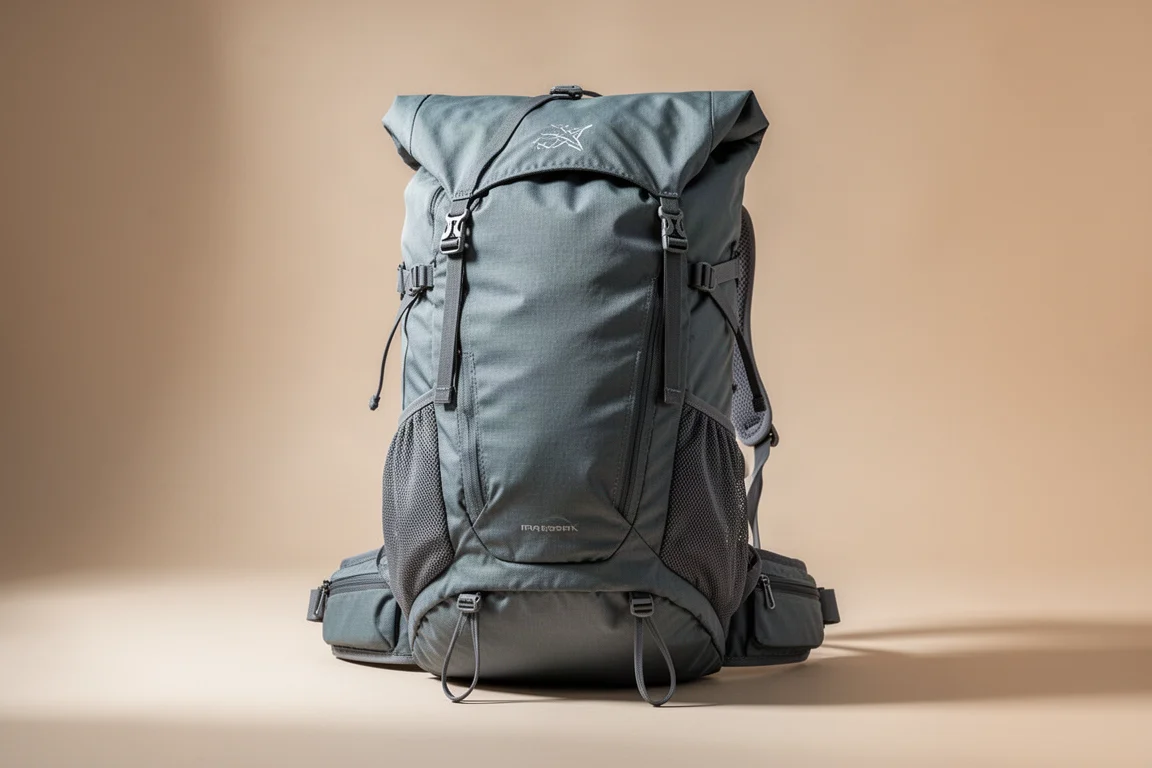
The pack was a custom made Atom Packs Mo EP50, a lightweight model with an internal frame. It carried the load well across the whole trip, with large stretchy side pockets that hold water bottles securely and a useful section for odds and ends such as rubbish and a waterproof jacket.
These packs are made to order, which puts them at the expensive end of the market. One important detail: the fabrics are waterproof, but the pack itself is not fully waterproof because of the stitching, so a pack liner is essential rather than optional.
Durston X-Mid 1 Solid: Light Shelter, Fast Pitch
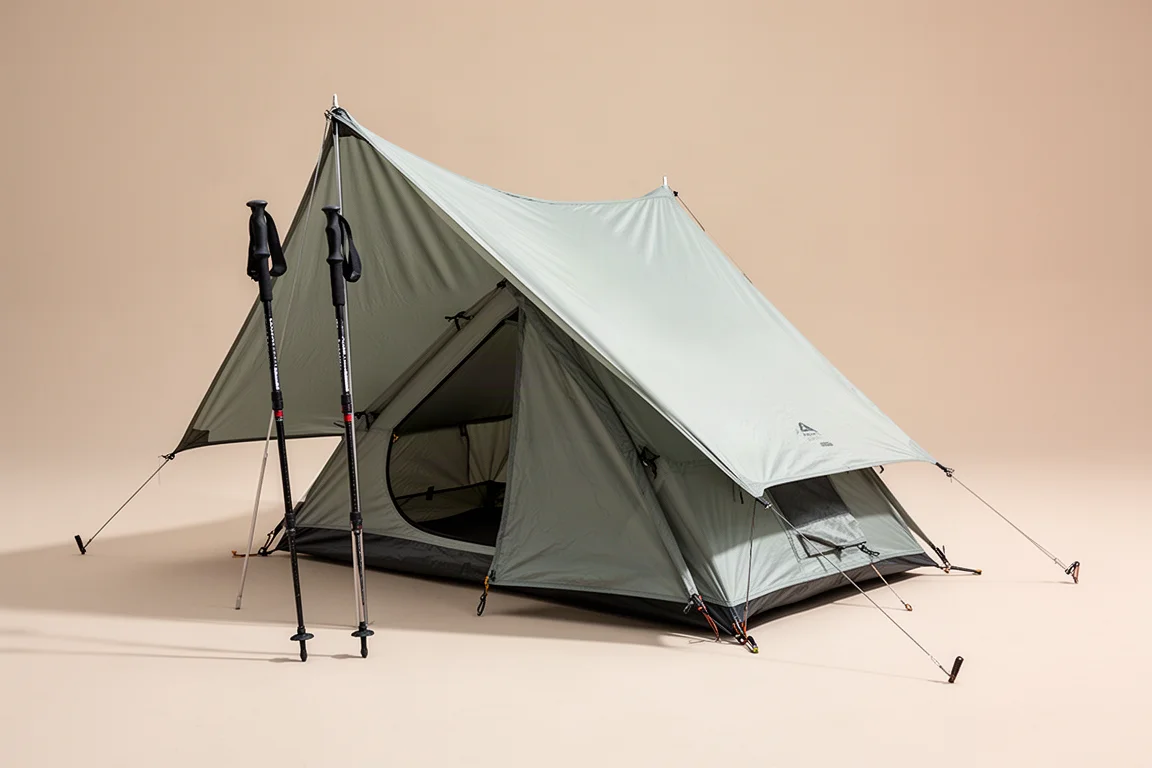
At around 800 g, this one person tent barely registers in a pack. Pitching is unusually simple. Peg out a rectangle, insert the poles, and raise them until the shelter is taut. Nothing needs to be set in advance, and on a campsite four pegs are enough, with a couple more if the doors are pegged out.
The usable space is the standout. There is headroom at both ends, enough to sit up fully, which makes a real difference when you are stiff after a long day and want to change or simply relax. Two entrances help when the wind shifts, and they let you open the side that faces the sunrise or the sunset.
A little condensation appeared on one damp morning. If everything is wet through, the inner can be unclipped and stored separately, so the next pitch starts with a dry inner.
Therm-a-Rest Vesper 20: Down Warmth at Low Weight
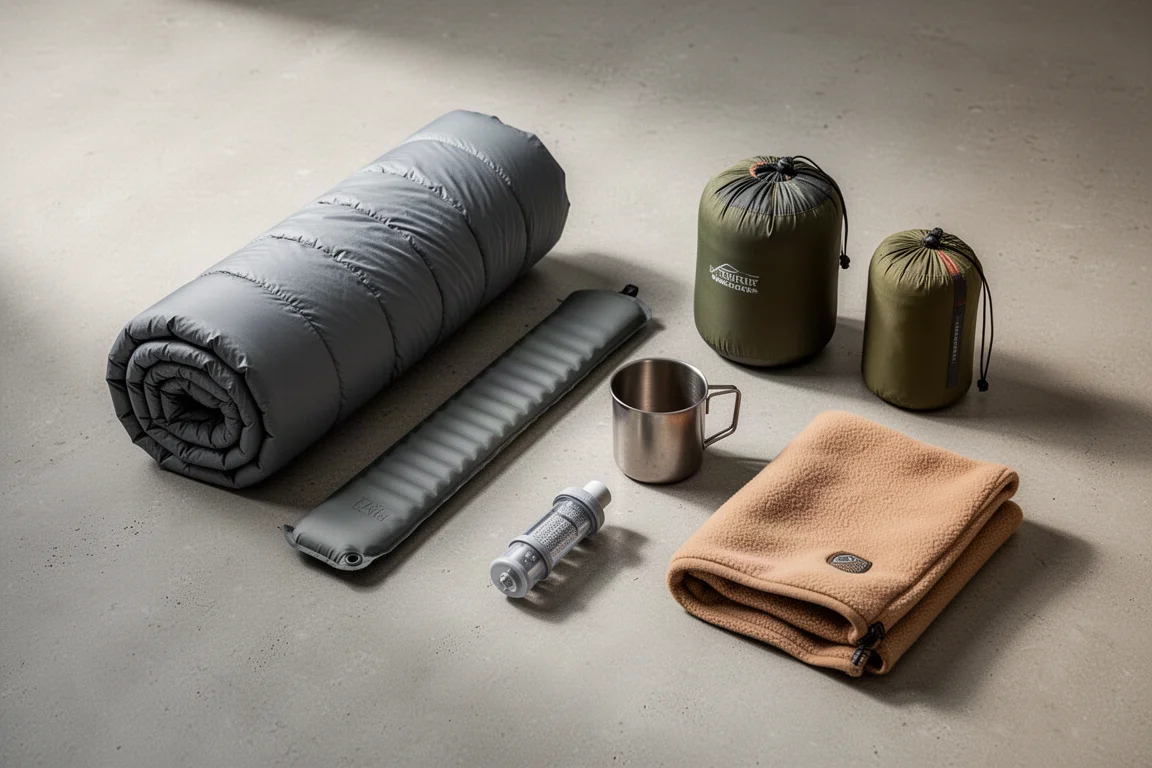
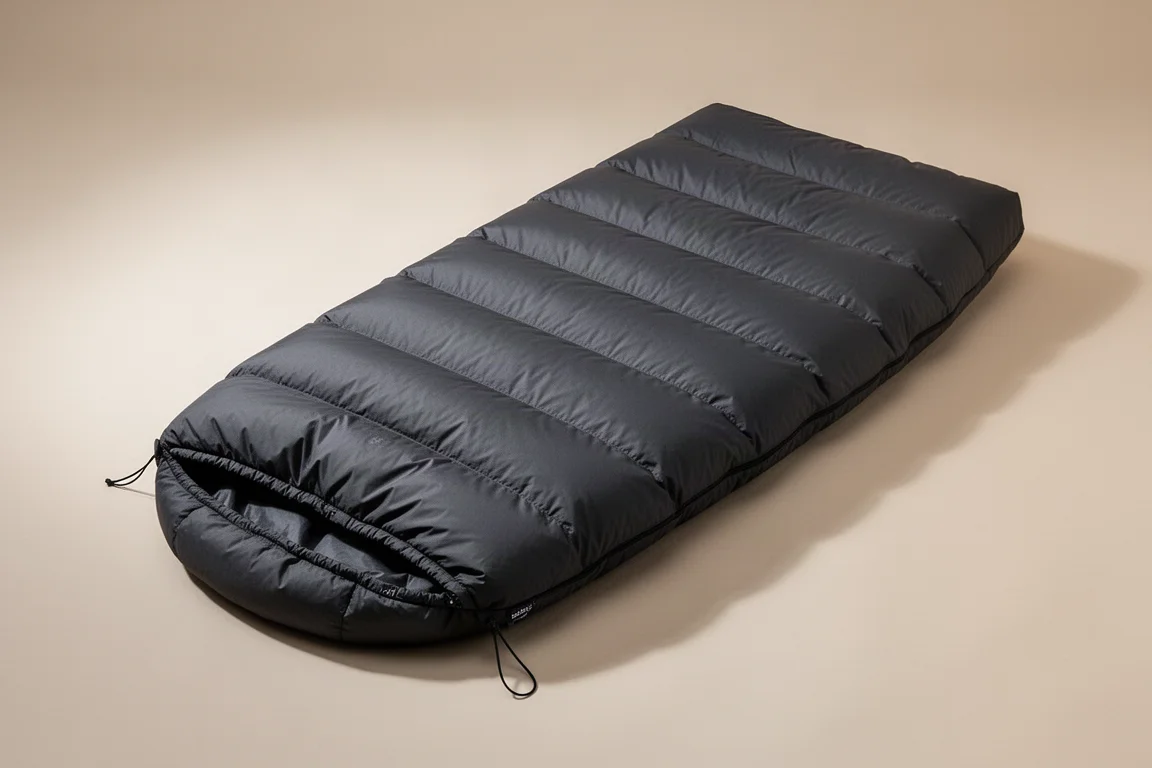
The sleep insulation was a 900 fill down quilt, the Therm-a-Rest Vesper 20. It compresses down small, lofts well, and weighs roughly 500 g. Quilts are not for everyone, and conditions on this trip were mild, so it was never really tested at the limit. It was pulled over when the early hours turned chilly and did the job comfortably.
No stuff sack was used. The quilt was pushed into the bottom of the pack liner and allowed to fill the gaps around everything else, which is a simple way to make a pack carry better.
Sea to Summit Comfort Light: The Most Comfortable Pad
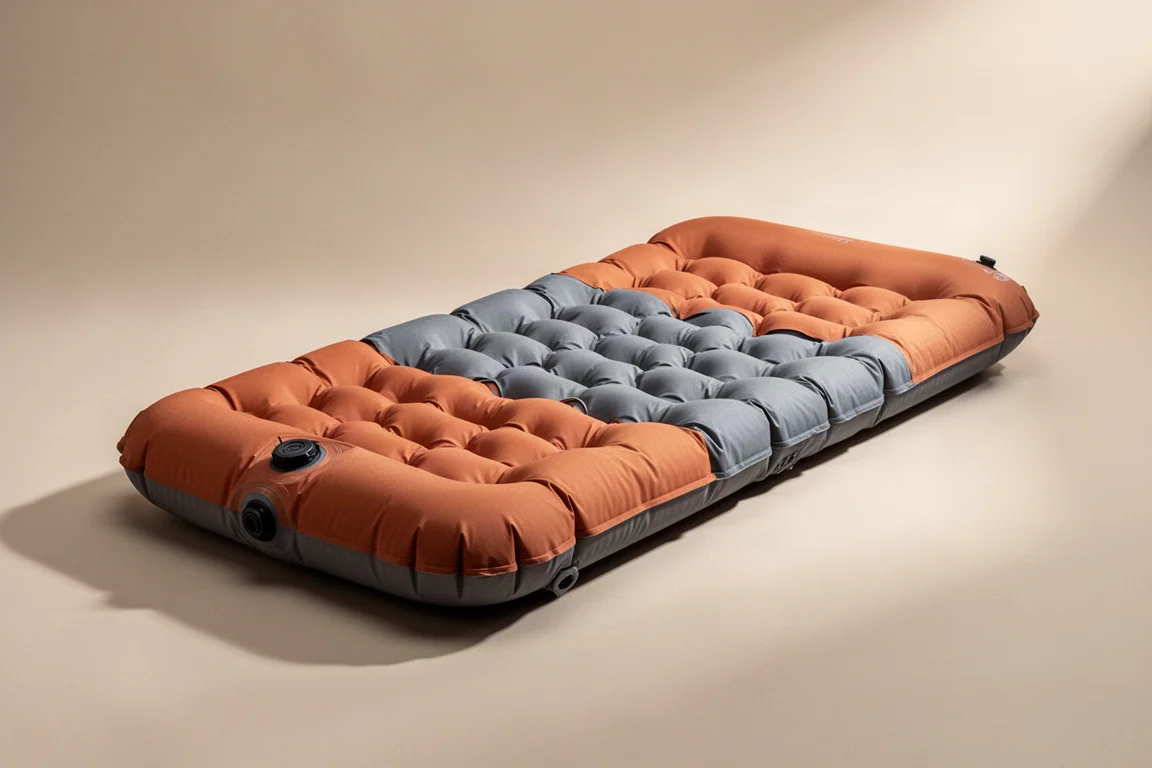
This is the most comfortable sleeping pad in the kit, and it is not the thickest. It weighs around 660 g, which is heavier than lighter options, and the trade was made deliberately: better sleep for a few hundred extra grams.
It also inflates in three or four bag-fulls and deflates just as quickly, which matters on a multi-night trip. Folded over, it doubled as a seat at the end of the day and lifted the walker off the ground.
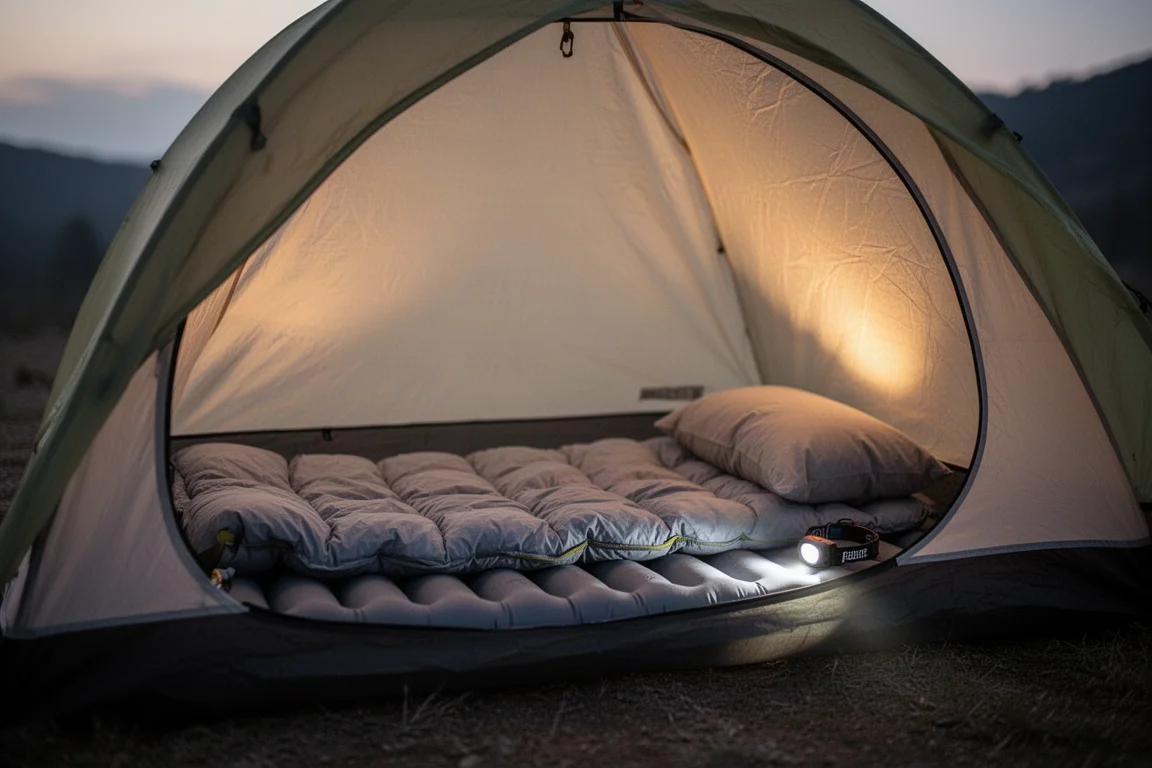
Given the choice again, it would still go in the pack. That is about as clear an endorsement as a sleeping pad can get.
Sea to Summit Aeros Premium Pillow: Quick to Inflate
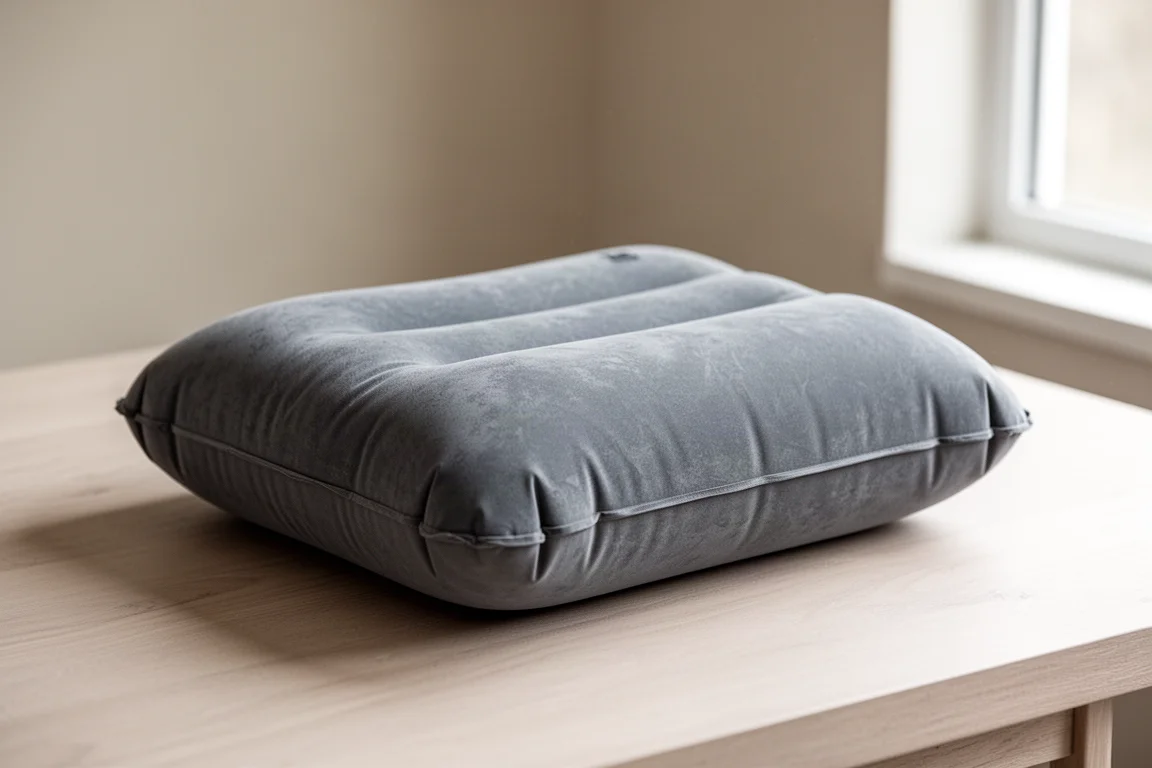
The pillow follows the same logic in miniature. It inflates and deflates quickly, squashes down to almost nothing, and is comfortable enough for a proper night’s sleep. On one occasion a little more height would have helped, and the fix was simply sliding a down jacket underneath it.
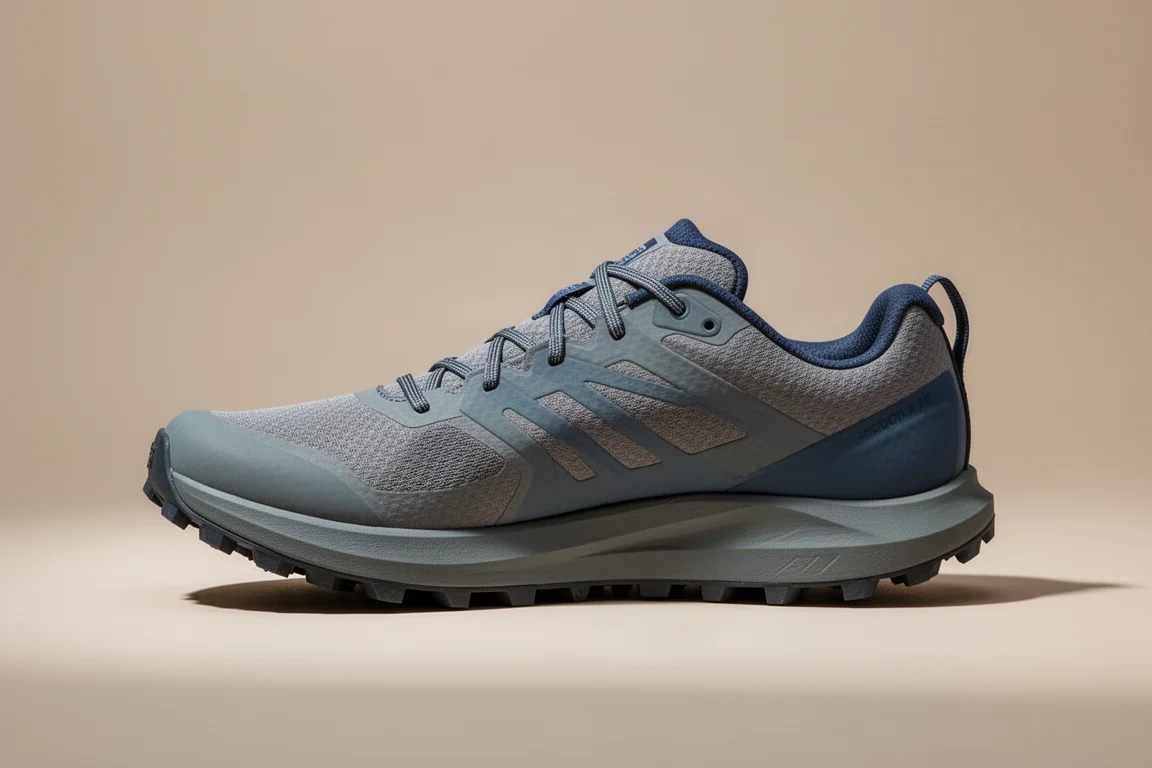
Altra Lone Peak 5: Zero Drop on a Long Trail
These trail shoes feel very different from traditional hiking boots. The wide toe box lets the toes spread out, and the zero drop platform keeps the heel and the forefoot at the same height, which encourages a more natural walking pattern.
The payoff showed in the joints. After more than 80 miles there was no knee pain, no hip pain, and no lower back trouble. The cost showed in the calves, because not enough miles were logged in the shoes beforehand. Lower calf soreness was the price of the transition, and it is the reason to build up distance gradually rather than jumping straight into a long walk.
They are now everyday trainers, which says a lot about how comfortable they turned out to be.
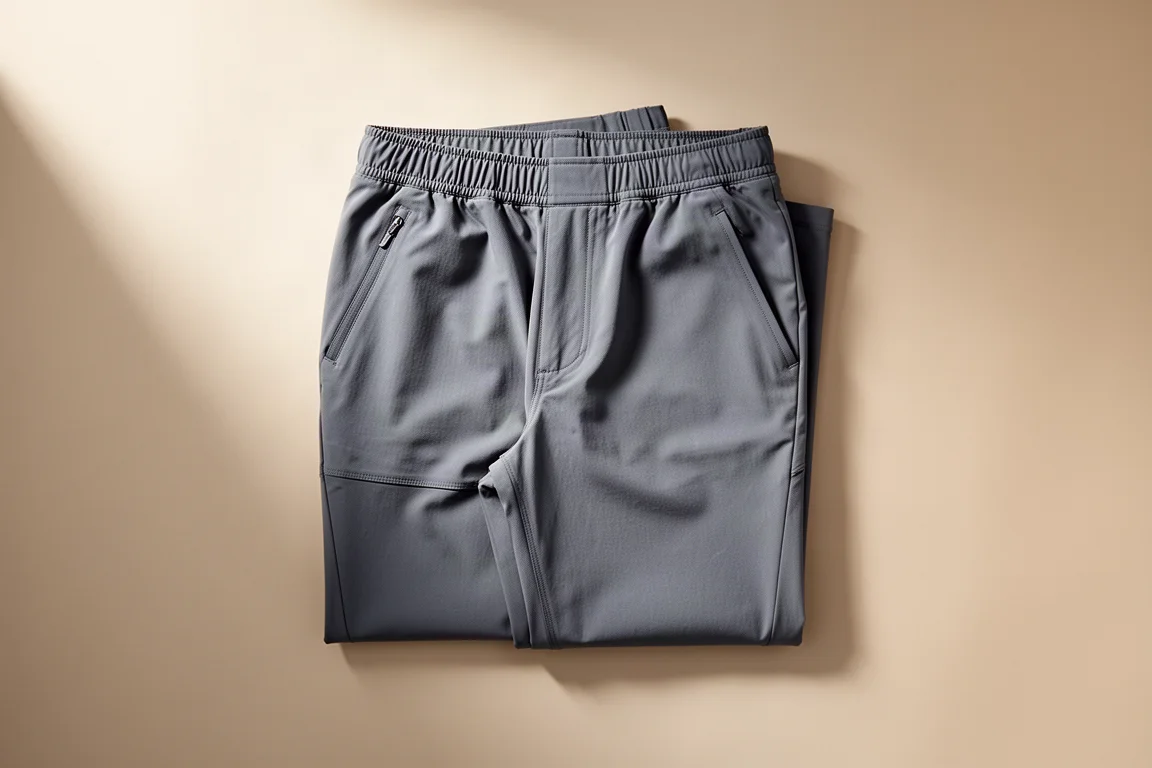
Rab Torque Pants: Light Trousers for Warm Days
Worn for the entire walk, these trousers were comfortable, quick drying, moisture wicking, lightweight, and durable, with decent pockets and an elasticated waist that stayed comfortable under a hip belt.
They do run warm in hot weather. A rash appeared on one leg during the trip, though it was not attributed to the trousers and caused no discomfort while walking.
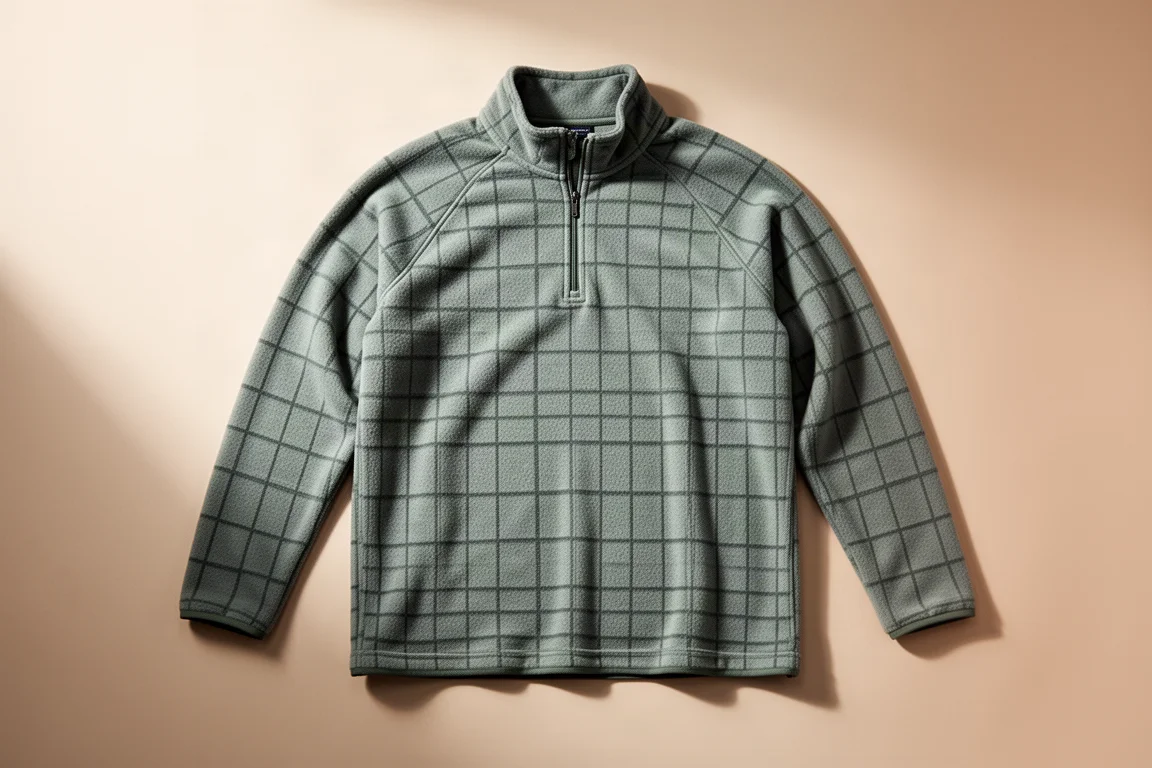
Patagonia R1 Air: The Most Breathable Fleece
This fleece was chosen for breathability above everything else, and it delivered. It is the most breathable fleece worn to date: you can feel the breeze through the fabric while still getting some cover, which makes it far more usable in changeable conditions than a solid fleece.
In practice it came out in the evenings only. During the day it was simply too warm, and it travelled strapped to the top of the pack rather than buried inside.
Platypus QuickDraw Microfilter: Sealed and Simple
The water filter was one of the most impressive small items in the kit. It is sealed at both ends with caps, and the bottle or bag it attaches to has a cap as well, so there is far less chance of a leak inside the pack.
Backflushing is easy, and so is checking the integrity of the filter, which is exactly what you want to be able to do quickly on a long walk.
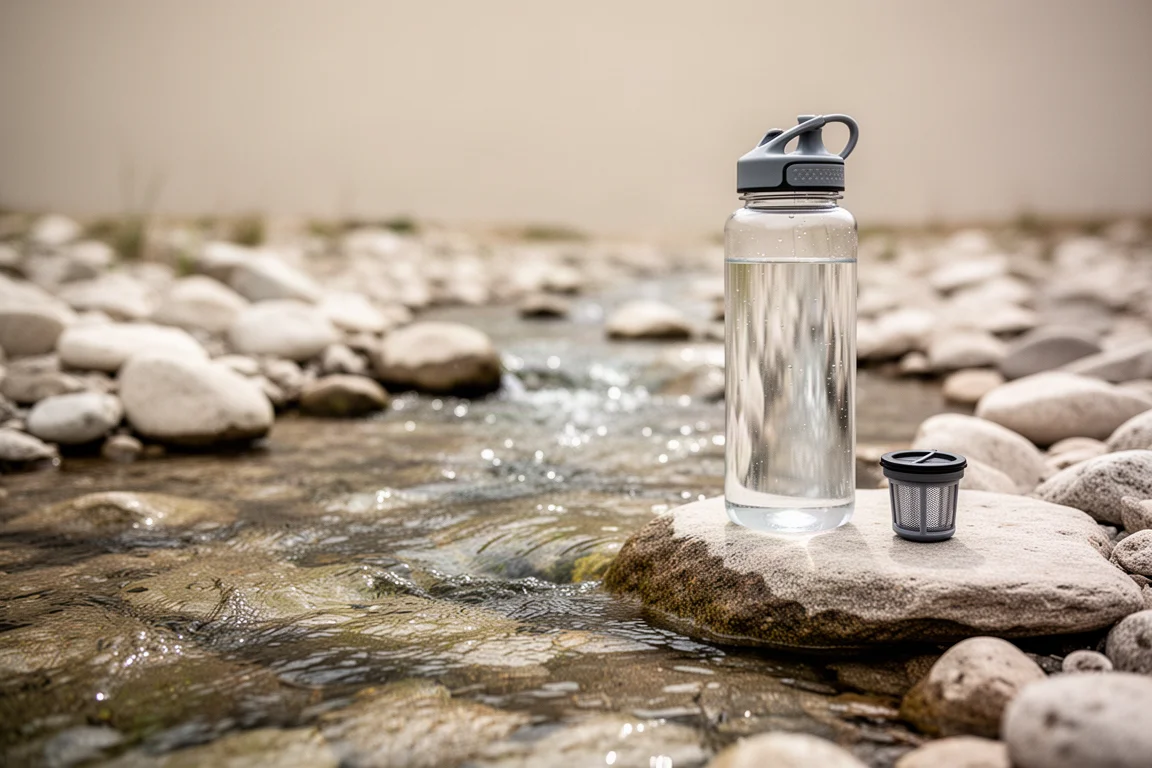
Cold weather adds another argument in its favour. Because it seals, it can be stored inside a sleeping bag or a pocket overnight, and that matters: if the filter element freezes, it can be damaged.
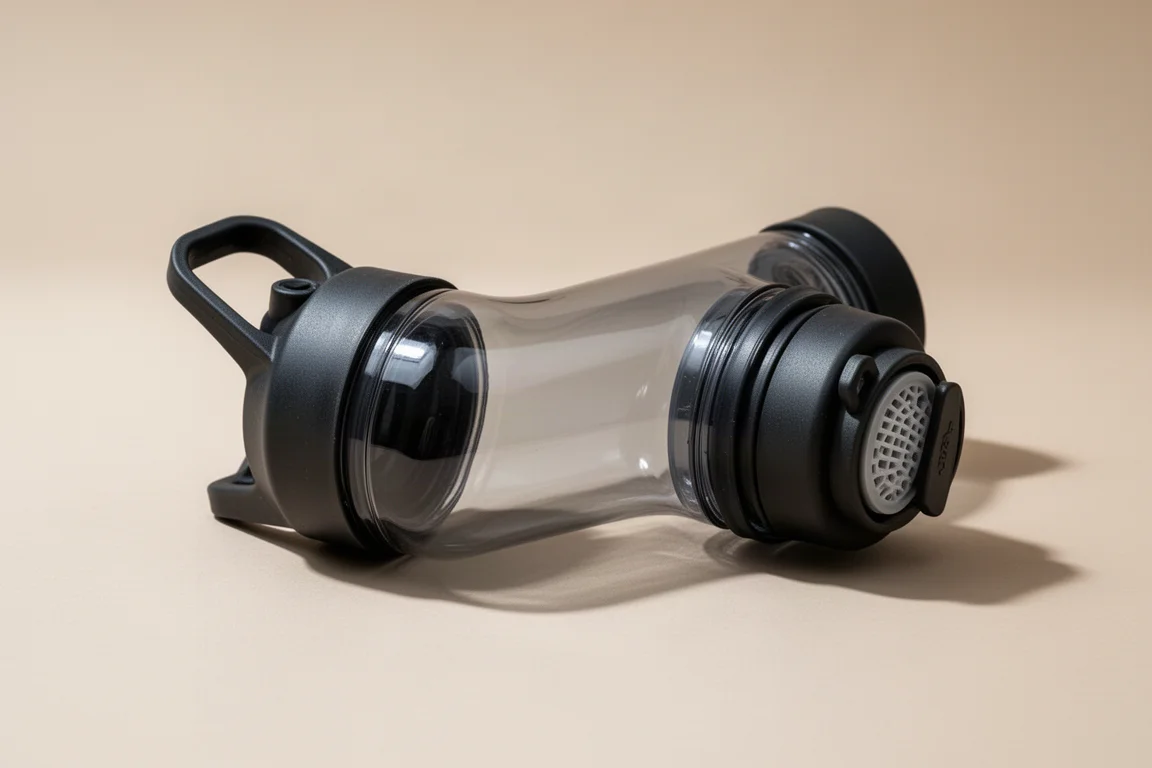
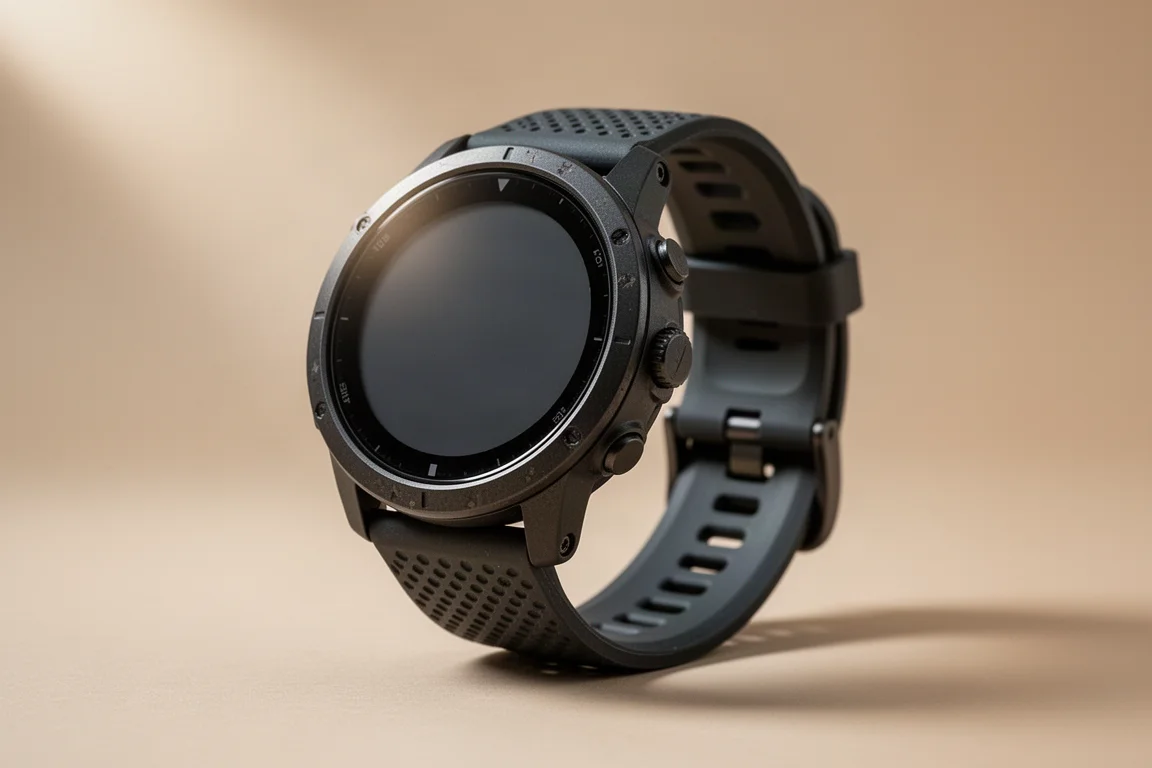
COROS Vertix 2: Navigation That Lasted Five Days
Navigation ran on this watch for the full five days and it never needed a charge. There was still battery left at the end of the trip. That combination of reliability and endurance is why it handled route finding rather than a phone, which stays free for everything else.
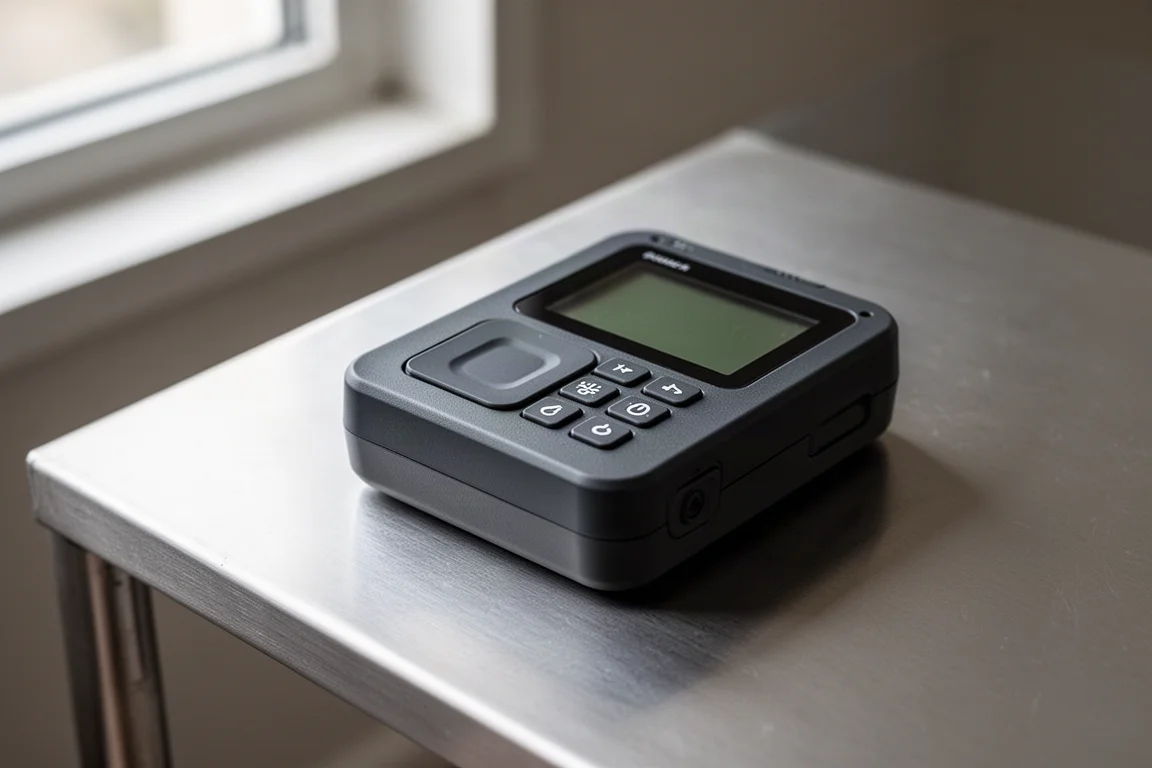
ZOLEO Satellite Communicator: Signal Where There Is None
Two days of the walk had no network signal at all, which is where a satellite communicator earns its place. This unit pings a location to a contact every hour, sends text messages, and includes an SOS function for emergencies. For remote sections, it works as a form of insurance.
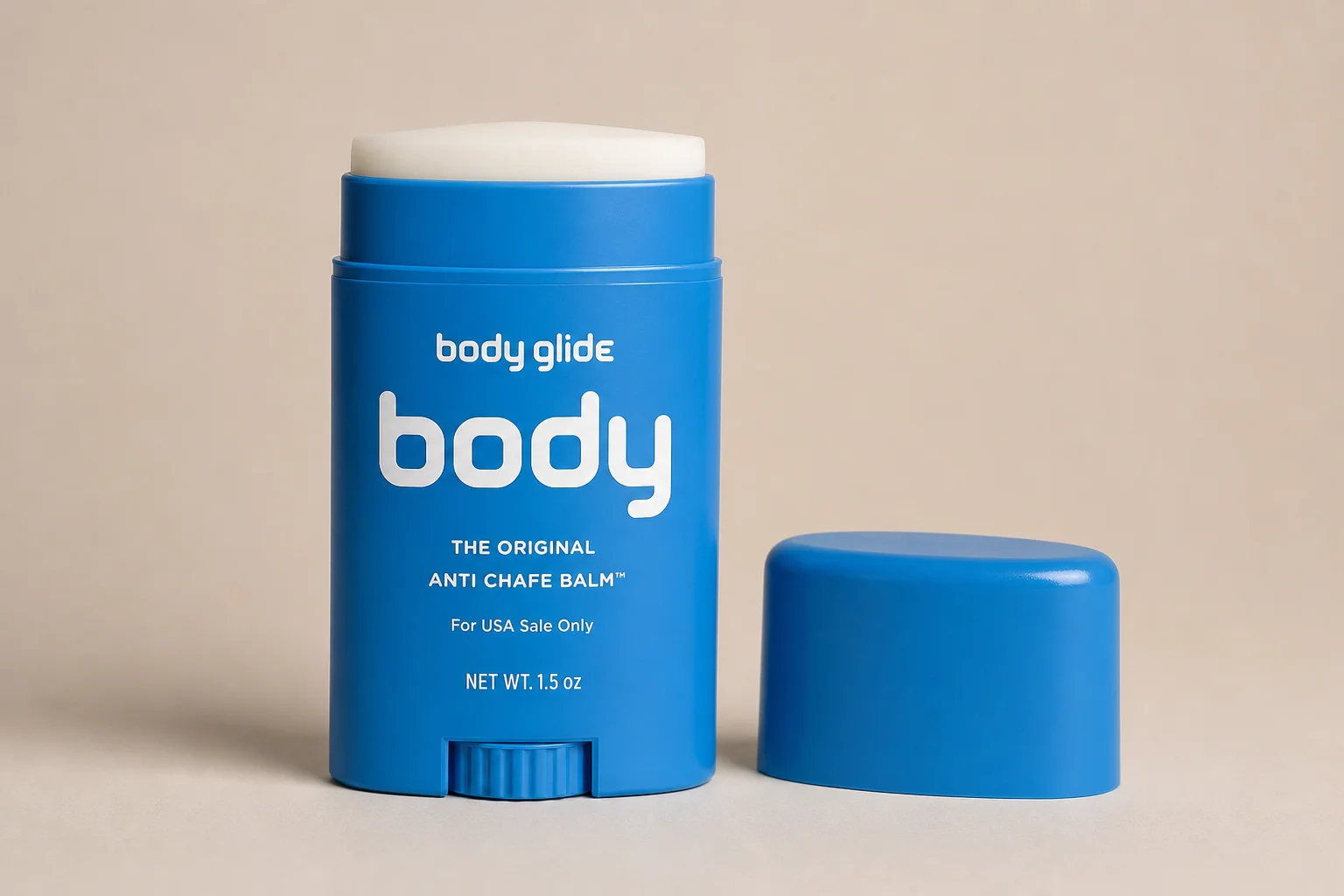
Body Glide: Small Item, Big Difference
Chafing can ruin a long walk, and this anti-chafe balm is applied to problem areas before setting off, or as soon as any rubbing starts. It takes up almost no space and makes a disproportionate difference over consecutive days. It belongs in the category of small items that never get discussed but keep a trip comfortable.
What I Would Change Next Time
Two changes stand out. The first is footwear: more break-in miles in the zero drop shoes before a long walk would have spared the calf muscles. The second is headwear. A standard cotton and polyester cap kept the sun off but was not breathable enough, and a lighter, better ventilated option would be a clear upgrade on a hot route.
Waterproof trousers were left behind on the basis that wet legs are survivable, which held true on this trip, but it is a gamble that depends entirely on the forecast. A small insect repellent carried for the final day only did half a job against the bugs.
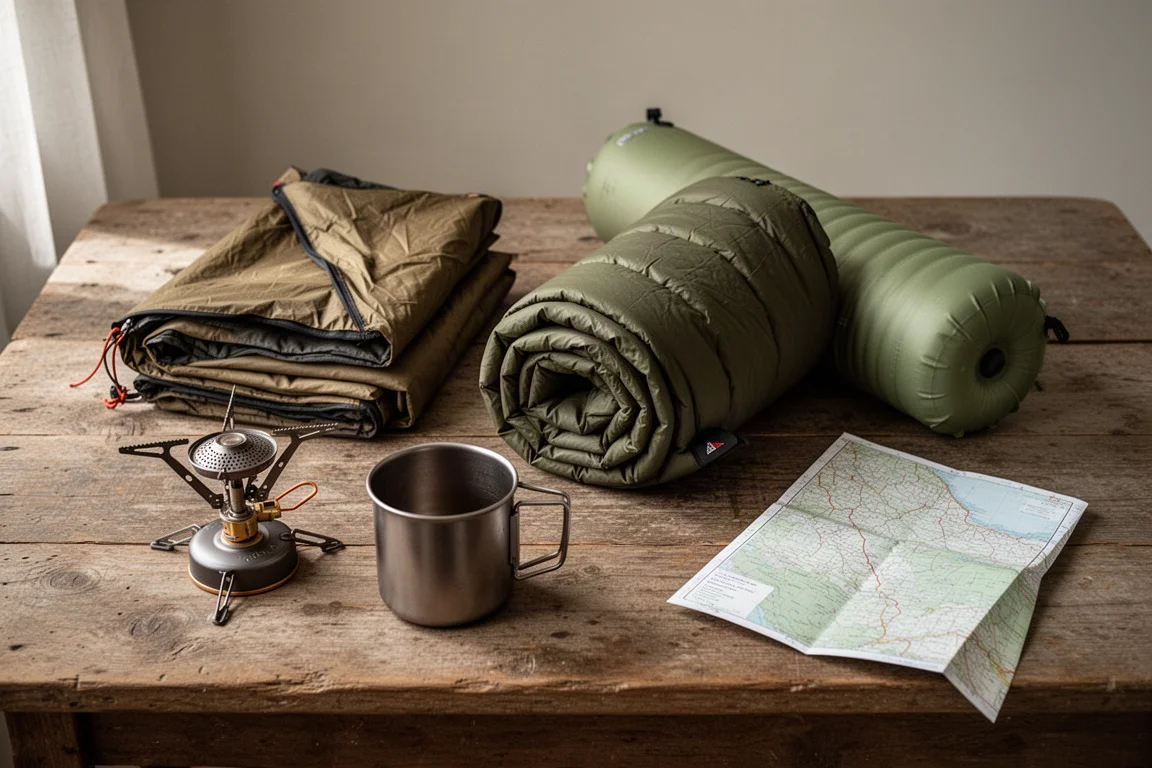
A down jacket travelled in the pack and was worn once, on a cold evening after a long day. In warmer conditions it could stay at home, but it earned its place as insurance. Ultimately, every item here reflects a personal balance between weight and comfort, and the loaded pack still came in at around 8.7 kg with three days of food and no water.
Conclusion
The kit that came home from five days and more than 80 miles was not the lightest possible setup, and that was the point. A framed pack, a slightly heavier sleeping pad, and a comfortable pillow all cost grams and returned better days on the trail.
If there is a lesson in the list, it is that the small items matter as much as the headline gear: a filter that seals, a balm that prevents chafing, and shoes that change how your joints feel at the end of the day. Choose for the conditions you expect, then adjust after the first trip.
Further reading
Related Reviews

Backpacking Gear
Building a 10 lb Base Weight: An Ultralight Backpacking Gear List
A practical walkthrough of the ultralight pieces behind a 10 lb base weight, from a 765 g pack and a roomy one-person tent to a full camp chair and a dependable water filter.

Backpacking Gear
A 15-Pound Lightweight Backpacking Gear List for Solo Trips
A beginner-friendly 15-pound backpacking setup built from easy-to-find gear, with notes on what each piece does, how it packs, and where to spend your attention.

Backpacking Gear
8 Ultralight Backpacking Gear Upgrades Worth Carrying
Eight small, affordable backpacking upgrades that solve real trail annoyances, from a pillow that stays put to a fuel valve that rescues leftover canister gas.