Cycling Components
Five Bike Upgrades Worth Watching: Hydraulic Groupset, Carbon-Spoke Wheels, Heat-Moldable Saddle and E-Bike Kits
A practical look at five interesting bike upgrades: a low-cost hydraulic groupset, prototype carbon-spoke wheels, a heat-moldable saddle and two e-bike conversion battery packs.
Introduction
Not every upgrade worth watching comes from a familiar badge on a bike shop shelf. A growing number of interesting parts now arrive from direct-from-marketplace brands, small workshops and crowdfunded start-ups, and they often undercut established names while asking riders to accept a little more uncertainty about documentation, spare parts and support.
This roundup covers five of those upgrades: a low-cost hydraulic groupset, a prototype carbon-spoke wheelset, a heat-moldable saddle and two sizes of front-wheel e-bike conversion kit. Each one changes how a bike feels rather than how it looks, and each comes with a trade-off worth understanding before any money changes hands.
The aim here is straightforward. Set out what is known about each product, note what is not, and help you decide whether it matches the way you actually ride.
What These Upgrades Have in Common
Three themes run through this group. First, price transparency varies enormously: one product has a clear marketplace price, another is a prototype with no price at all, and a third has not published pricing yet. Second, documentation and long-term support are thinner than what a mainstream brand provides, so a little mechanical confidence goes a long way. Third, weight and range claims are usually quoted under favourable conditions, which means real-world results on hilly terrain are likely to be more modest than the headline figure.
None of that makes these products bad buys. It simply means the sensible approach is to buy for a specific need rather than for the specification sheet alone, and to be comfortable with a bit more research than a shop purchase would require.
L2 RX Hydraulic Groupset: A Budget Route to Hydraulic Shifting
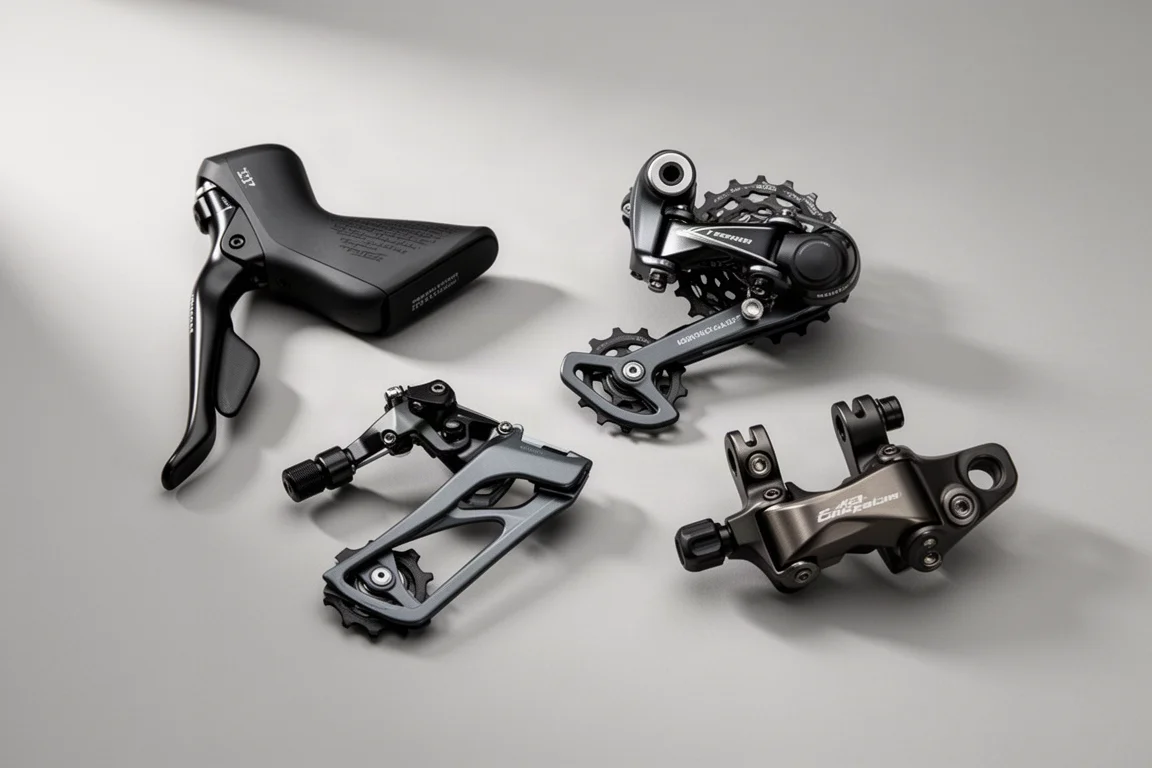
The L2 RX is a hydraulic groupset sold without a crankset. The set covers the shifters, derailleurs and brake calipers, with cable-actuated shifting and hydraulic braking, the same broad arrangement used by mainstream road groupsets. It stands out as one of the first hydraulic groupsets to appear from a direct-from-marketplace brand.
Pricing sits at around £300 when ordered directly, and choosing the official retail packaging adds roughly £20 to £30. A gravel version of the same hydraulic system uses a single chainring and should cost less because it does without a front derailleur. The numbers are competitive too: the front derailleur weighs a claimed 99 g, the hydraulic shifters with gear cables come in at 220 g, and the calipers with hoses but no fluid are 574 g. Gold accent details give the set a look of its own.
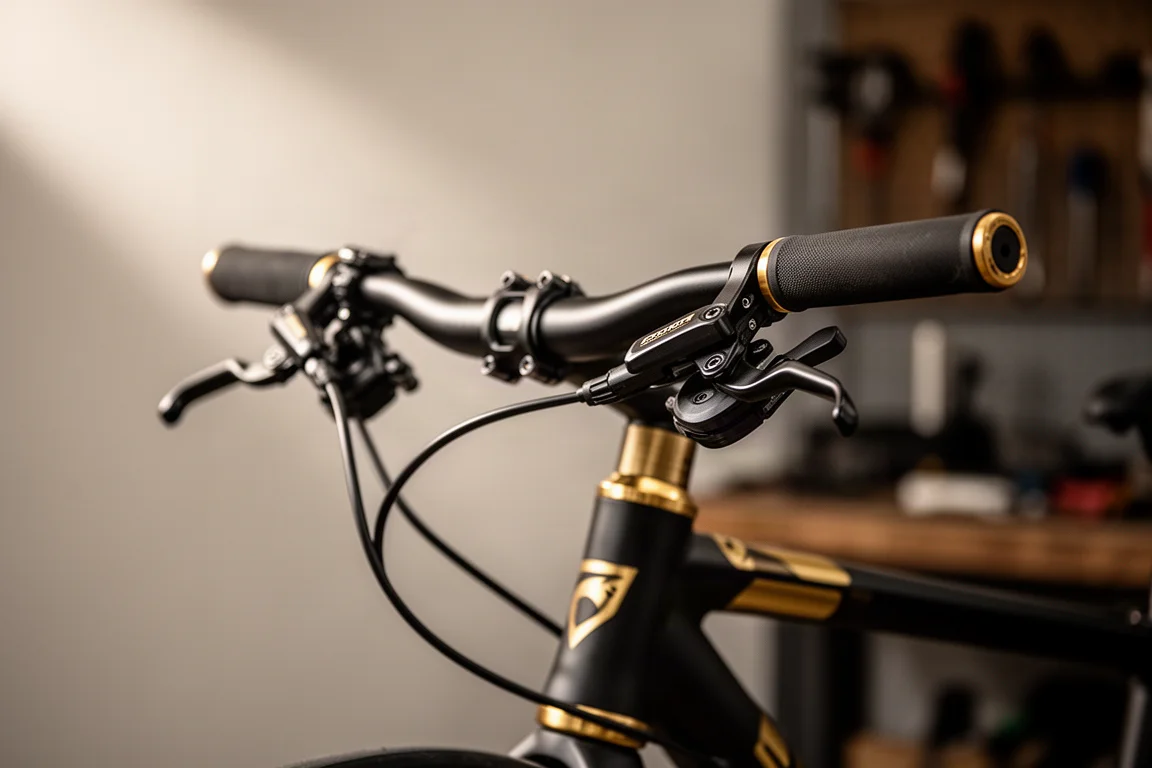
Two practical points are worth weighing. The first is availability: the groupset is mainly sold through marketplace listings, where prices move around, and it sometimes appears on auction sites at a higher price in exchange for faster delivery. The brand’s own website sells direct, but technical documentation there is thin. The second is the shifter layout, which includes an unusual button that takes some familiarisation. Riders tend to compare groupsets in this class against Shimano 105, so expectations around shift quality and long-term durability are high.
Parkour Carbon-Spoke Prototype Wheels: An Experiment Worth Watching
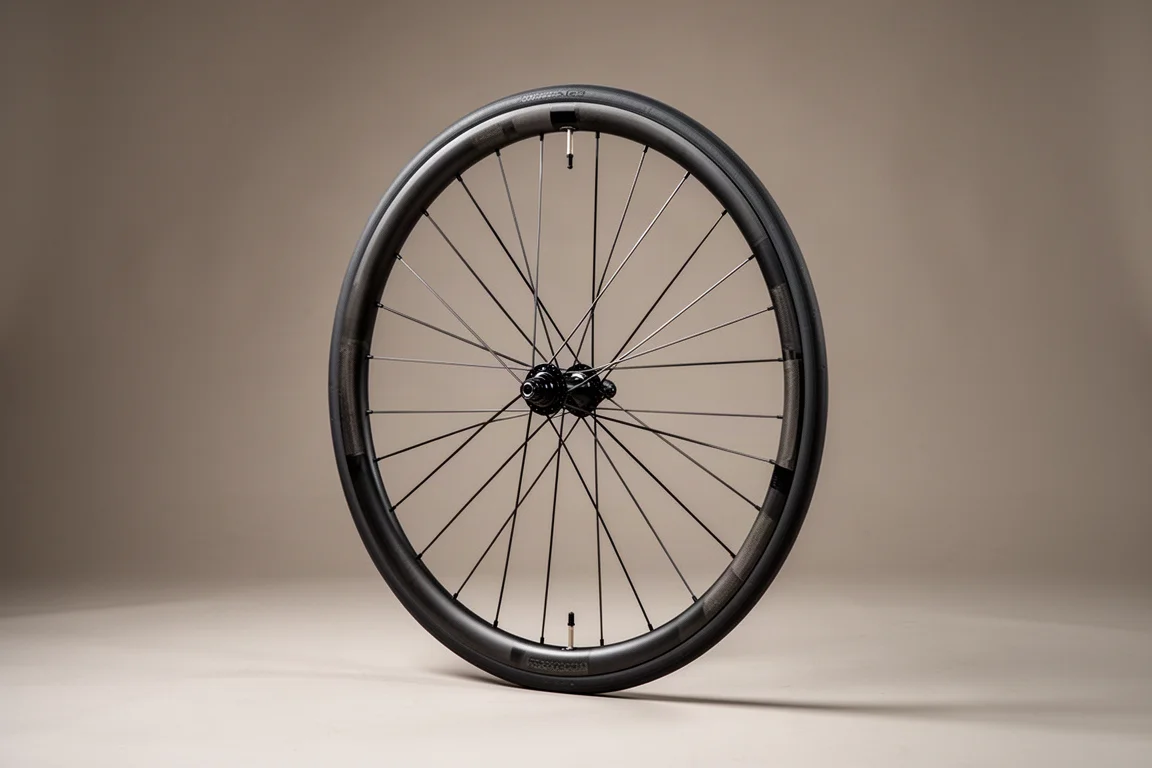
This wheelset is a carbon-spoke version of an existing climbing wheel, built for evaluation rather than for sale. The standard version of the same wheel sells for around £900, which gives a sense of the level it sits at, but the carbon-spoke build is a one-off prototype with no price attached.
What makes the design interesting is how the spokes work. They are third-party carbon spokes that screw into small nipples at the rim end and can be fitted to a standard hub, so the build keeps the same rim and the same hub as the regular wheel and simply swaps the spokes. In other words, this is not a new wheel platform, it is a spoke change that a rider could potentially apply to a compatible wheel.
Carbon spokes have never been universally loved. They can feel harsher than steel equivalents, and the wheel’s own builder has warned that the ride quality may disappoint. That is precisely why the prototype is worth watching: the verdict will come from how it feels on the road rather than from the numbers on a scale.
Reform Heat-Moldable Saddle: A Fit Tool You Can Ride
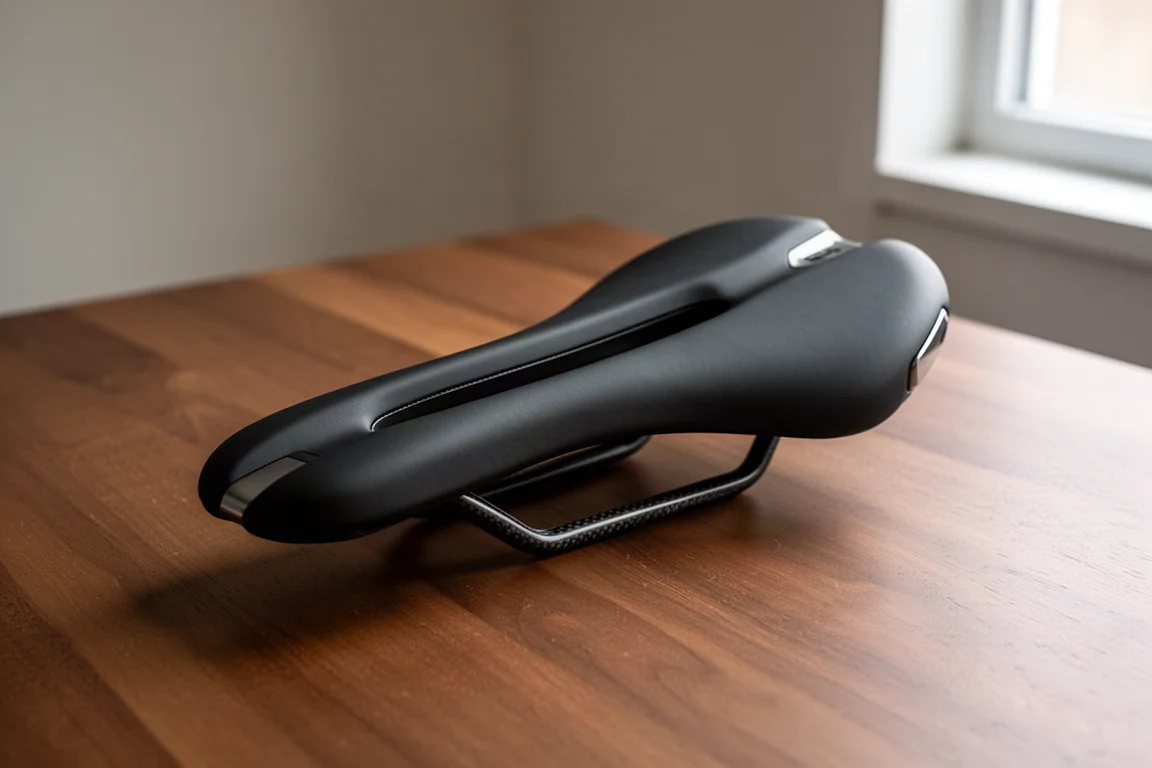
Most saddles ask your body to adapt. The Reform saddle works the other way round. It is made in Canada and can be heated through a built-in connection, then ridden while it is still warm so that it sets into the shape of your position. Carbon rails keep the weight at 199 g, which is not the lightest saddle on the market but is light for something padded and moldable, and a deep central pressure relief channel runs along the top.
The process is more precise than it sounds. The saddle needs roughly four and a half minutes of heating, with the exact timing depending on the room temperature, followed by about six minutes of riding on rollers while you change hand position between the hoods, the tops and the drops every 30 seconds. The result is a saddle with visible asymmetry that matches your own, which is useful for riders whose pelvis or leg length is not perfectly even.
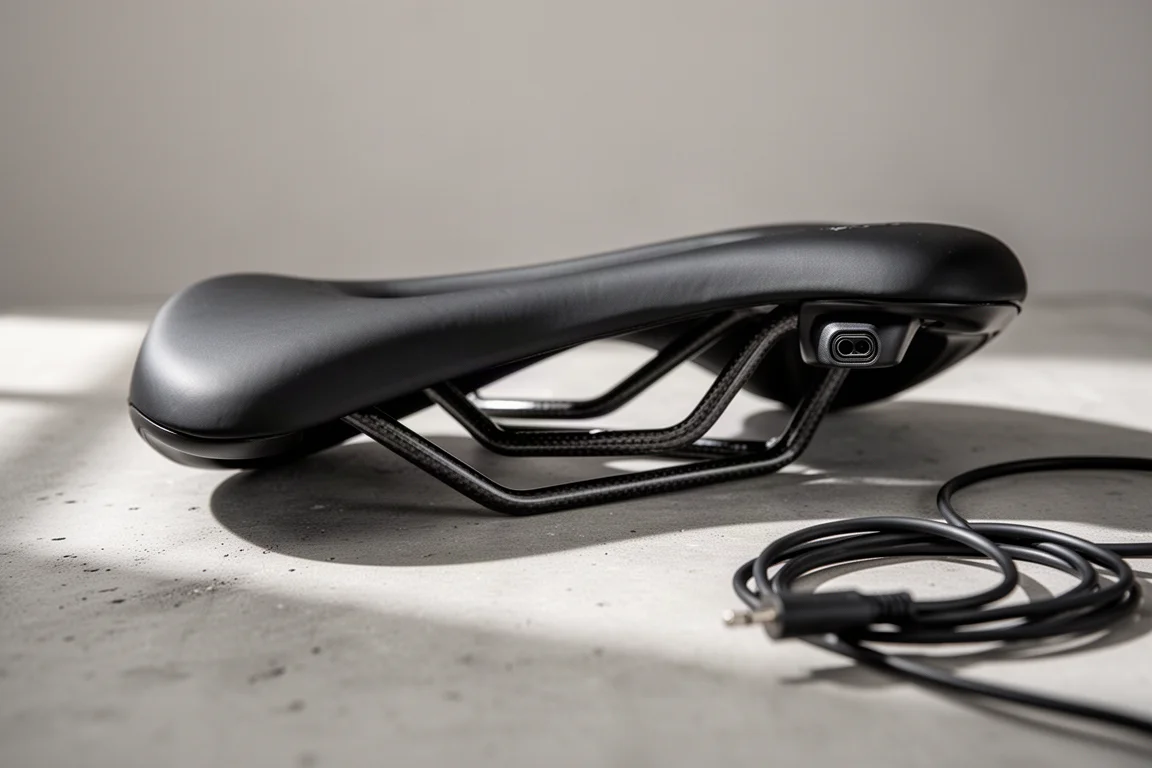
The price in the UK is around £330, and because the plug is Canadian you will need an adapter outside Canada. Whether that is a step too far depends on how much saddle discomfort has already cost you. For riders who have worked through several saddles without success, a moldable option addresses a problem that simply swapping saddles usually cannot.
Switch Air and Switch Max: E-Bike Conversion Kits in Two Sizes
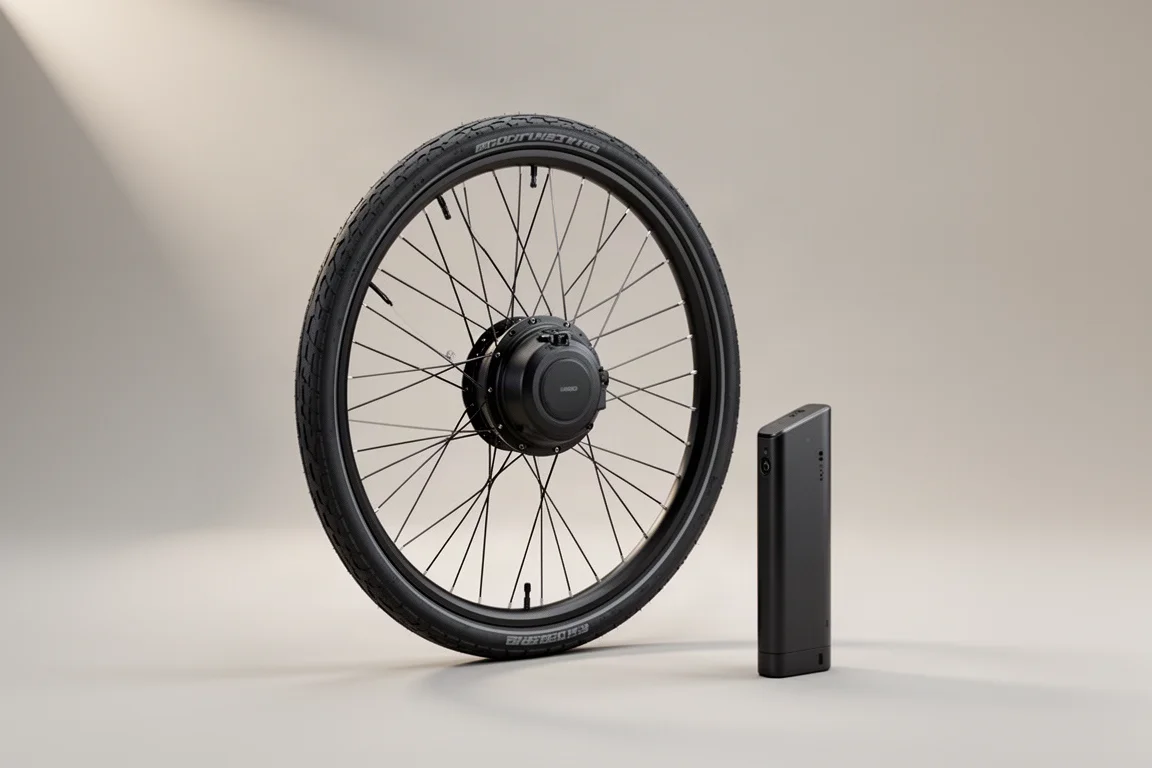
The Switch system converts almost any bike into an e-bike using a front wheel that contains a motor. The wheel goes on exactly like a normal one, a sensor at the bottom bracket is wired to a battery pack, and the whole installation takes around ten minutes. A 700c version of the wheel is now part of the range, and the system has been updated significantly since it first appeared.
Switch Air Kit: The Lighter Battery
The Air pack is the smaller of the two batteries, weighing 739 g with a quoted range of 15 km. That makes it the better match for short, flat trips where assistance is a convenience rather than the whole point of the ride.
Switch Max Kit: The Longer-Range Battery
The Max pack weighs 1,136 g and is quoted at 30 km, doubling the range of the Air for a modest weight penalty. Riders on hilly routes should still treat both figures as best-case numbers, since quoted ranges assume flat ground and warm conditions.
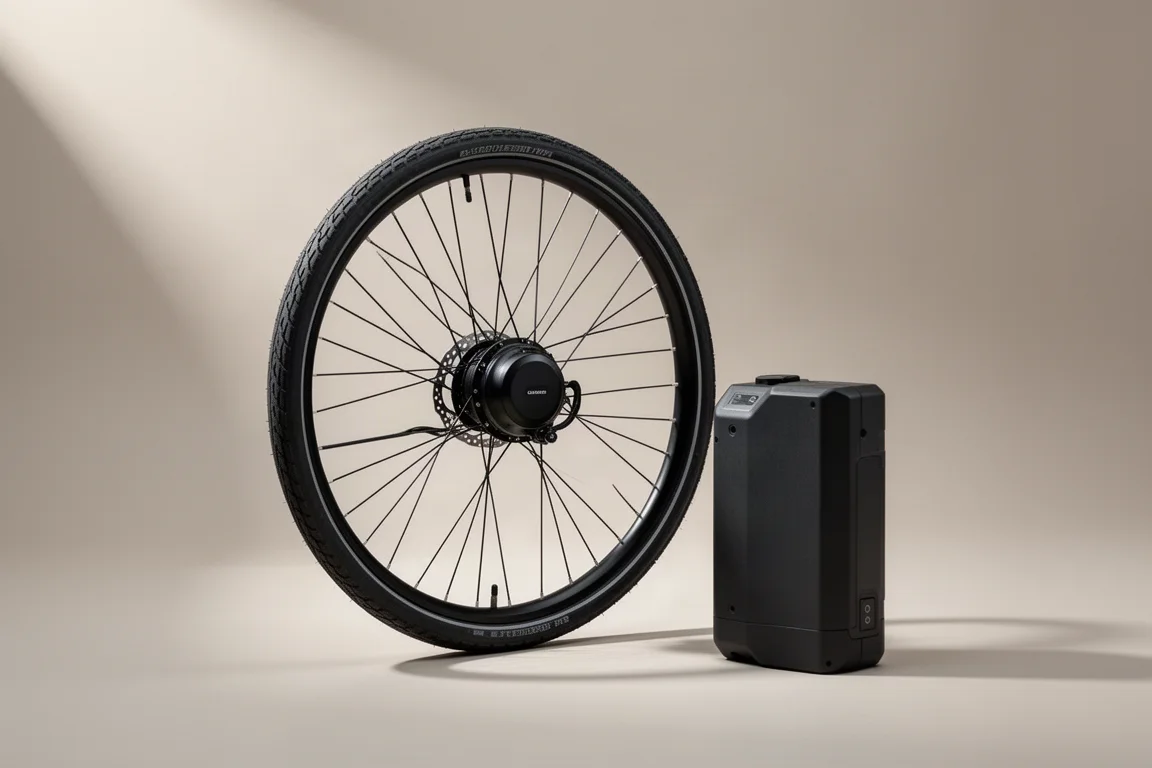
Pricing has not been published for either pack, and the brand’s website currently offers a waiting list sign-up instead of a checkout.
How to Decide Which Upgrade Is Right for You
The right choice here depends far less on specifications than on the problem you are trying to solve. If hydraulic braking is the goal and you are happy sourcing parts online, the L2 RX delivers it at a price that is hard to match. If your issue is comfort rather than speed, the Reform saddle tackles fit directly and is the only product in this group that adapts to you rather than the reverse. If you want a small push on a short, flat commute, the Switch Air keeps the added weight down, while the Max makes more sense if your route is longer or hillier.
Two checks are worth making before you commit to any of them. Look at how you would get spares and support a year from now, and decide honestly whether the money would be better spent on a mainstream equivalent with a dealer behind it. For riders who enjoy understanding their equipment, that trade is often worth making.
Conclusion
These five upgrades share a common quality: they each change the riding experience in a way you can feel, whether that is hydraulic braking on a tight budget, a saddle shaped around your own position, or a front wheel that quietly helps on the way home. The carbon-spoke wheelset sits outside that list for now because it cannot be bought, but it is a useful window into where lightweight wheel design is heading.
Buy the one that answers a real need, go in with realistic expectations about range and weight claims, and treat documentation and spares as part of the price. Do that, and any of these upgrades can be a sensible addition rather than an experiment.
Further reading
Related Reviews
Cycling Components
A 20,000-Mile Budget Race Bike Build: Five Parts Worth Knowing
A rim brake race bike assembled from low-cost components and ridden for 20,000 miles. Here is what delivered real speed, what caused problems, and what to weigh before copying the formula.
Cycling Components
7 Bike Fit Products Fitters Avoid: What to Check Before You Buy
Seven bike components that regularly cause knee, foot and saddle problems, with the specific concerns behind each one and what to look for instead.
Cycling Components
Four Affordable Bike Upgrades That Improve Ride Feel
Four low-cost cycling products that make a real difference to ride feel, plus the free setup changes worth trying first.