Cycling Components
Five Bike Upgrades Worth Considering: Groupset, Tires, Stem, Saddle and Shoes
A practical roundup of five bike upgrades: a value 1x groupset, a wide race slick, an adjustable stem, a moldable carbon saddle, and featherweight road shoes.
Introduction
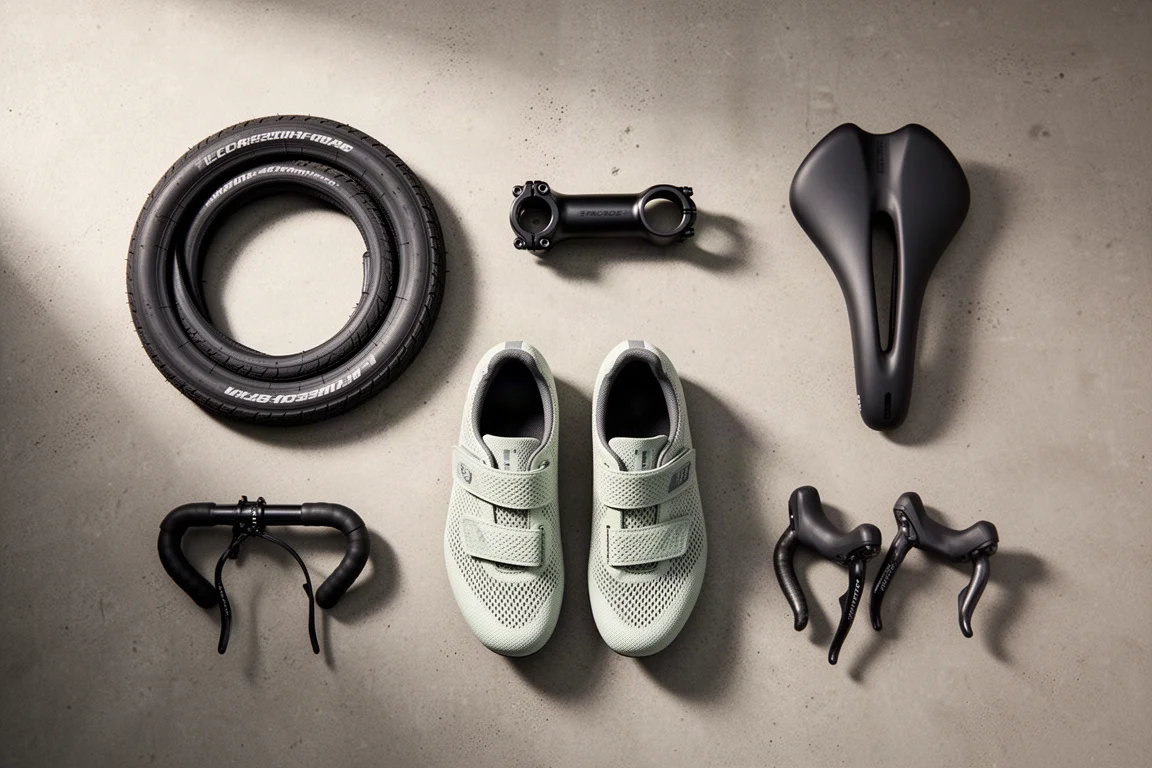
Upgrading a bike rarely means replacing everything at once. More often it comes down to a handful of parts that solve specific problems: gearing that still works when the bike is loaded, tires that stay comfortable on roads you have not ridden before, a stem that puts the bars where you actually want them.
The five products below cover exactly that ground, from a value 1x groupset to a carbon saddle designed around bike fitting. Each one has been ridden in conditions that expose weaknesses quickly, including long days on mixed surfaces, loaded touring, and cold-weather commuting.
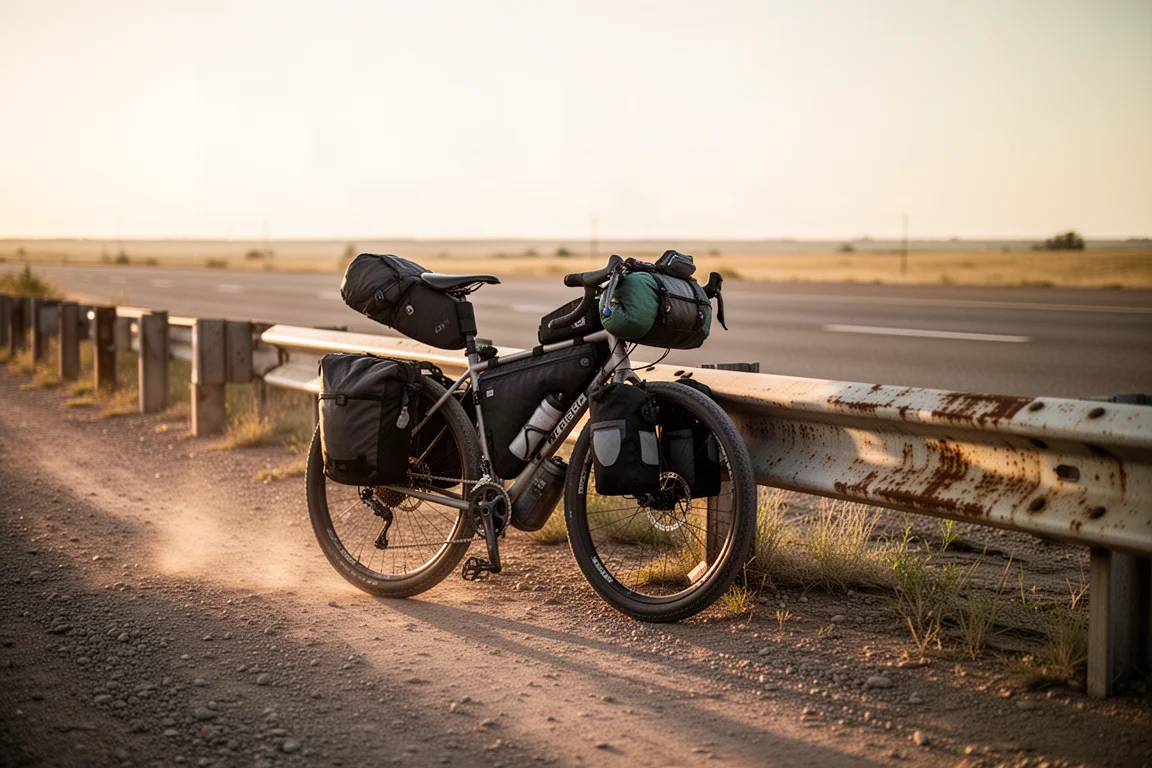
None of these are frivolous purchases. They are the kind of parts that change how a bike feels and how far you are willing to ride it, and every one of them comes with a clear trade-off worth understanding before you spend.
MicroShift Sword: A No-Frills 1x Groupset Built for Adventure
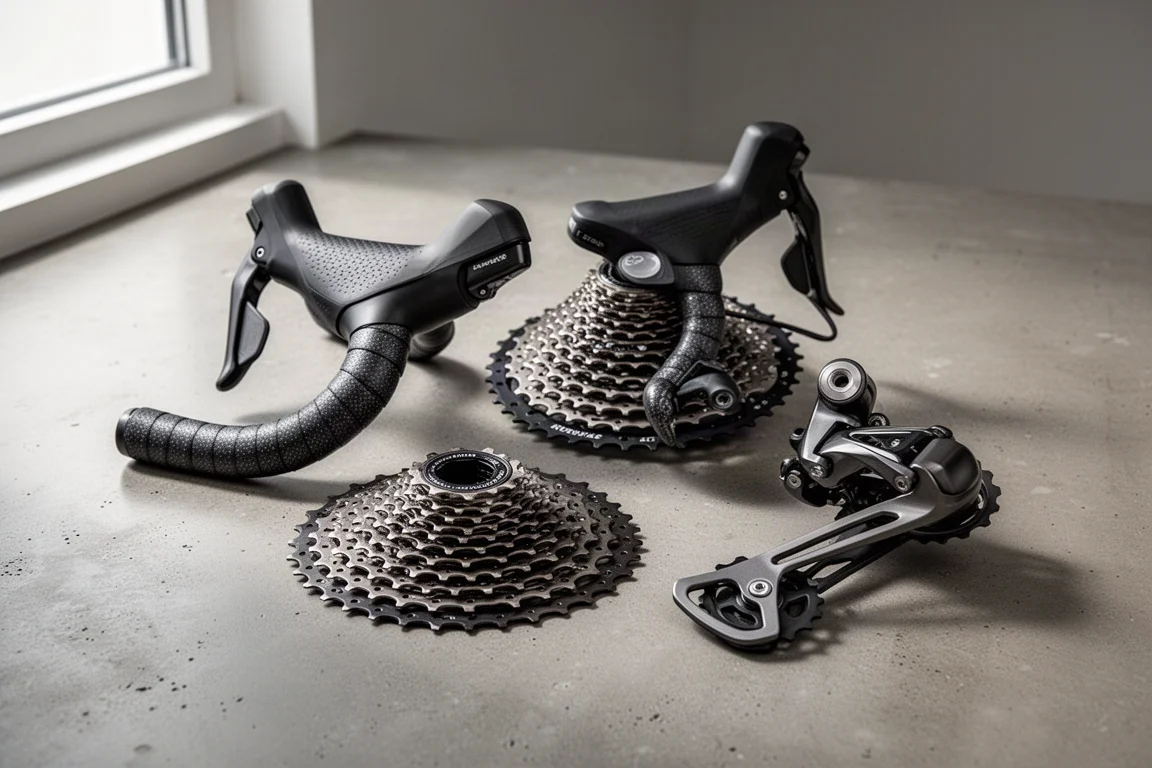
MicroShift Sword is a cable-actuated 1x groupset built around a wide-range cassette. The brand leans into a deliberately plain proposition, and that simplicity shows up in the details that matter most when you are far from home: it works with Shimano free hubs, bottom brackets and chains, so replacing worn parts on the road or at home is straightforward.
Installation is genuinely simple if you have the correct derailleur hanger for your frame. That is the one compatibility point worth checking before you buy, because the wrong hanger will stop you from reaching the full gear range no matter how well the rest of the setup goes.
The levers are comfortable in use, with grippy rubber on the hoods and a reach adjustment screw so you can set the blade distance from the bar. The lever body itself is on the large side, so riders with smaller hands should try before committing. Shifting is smooth and crisp, and there is a genuinely broad spread of gearing options across the range.
Braking is cable-operated. With rim brakes the performance is excellent. With cable disc brakes, results depend heavily on the calipers you pair with the levers, and the Sword levers have proven stronger and lighter to pull than other levers used with the same calipers. For roughly £300, this is a bargain groupset that suits adventure and bikepacking builds particularly well.
Pirelli P Zero Race 40mm: A Wide Race Slick for Mixed Surfaces
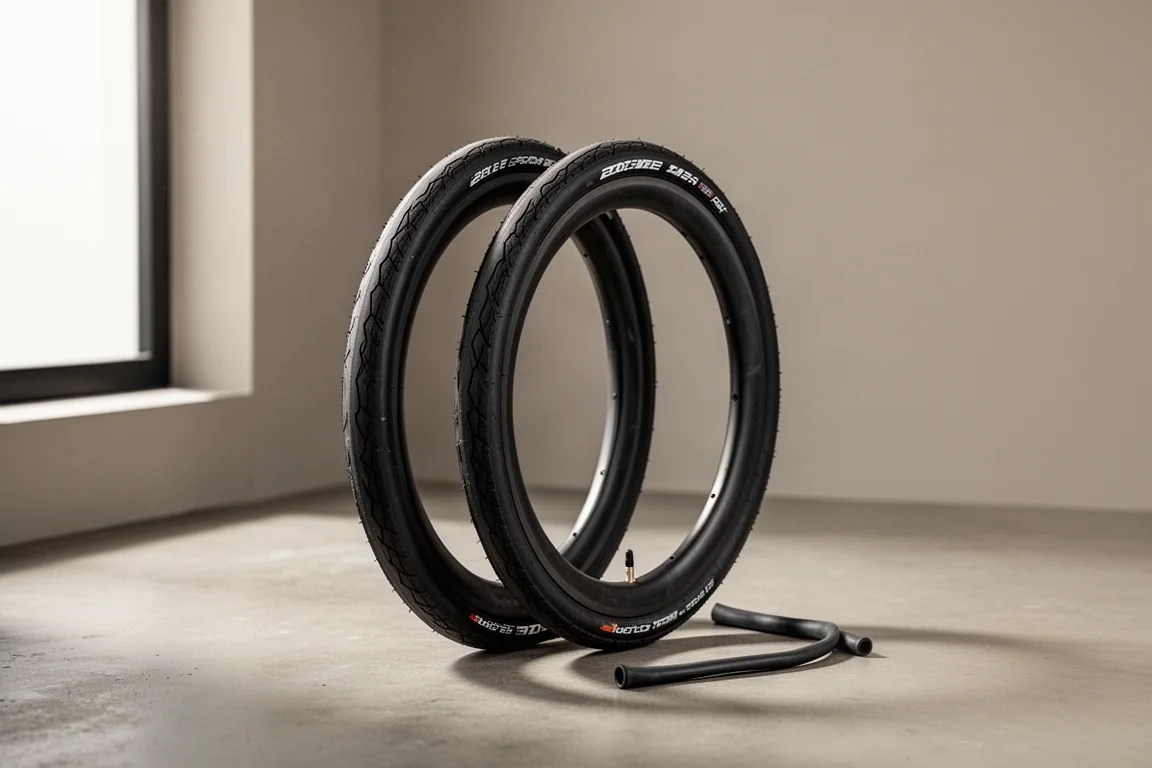
Pirelli P Zero Race is a race tire, and this particular version comes in a 40mm width. That is a very large slick, made in Italy with a 120 threads per inch nylon casing, and it is extremely supple and grippy in use. Because of the extra rubber, weight lands around 460g per tire, which is in light gravel territory rather than featherweight road territory.

Running pressures around 50 psi with a loaded bike, and noticeably lower than 40 psi when unloaded, produced a very comfortable ride with plenty of grip and far less chance of pinch flats. Keeping up with friends on much narrower tires was not a problem, and the extra volume gave real peace of mind on unknown surfaces, including stretches of gravel and normal mountain road riding.
On paper, a wider tire carries slightly more rolling resistance and more aerodynamic drag than a narrow one, and this is not the choice for chasing personal bests. As a tire for unpredictable roads, dry light gravel, and long comfortable days, it makes a lot of sense.
Specialized Comp Stem: Adjustable Angle at a Low Price
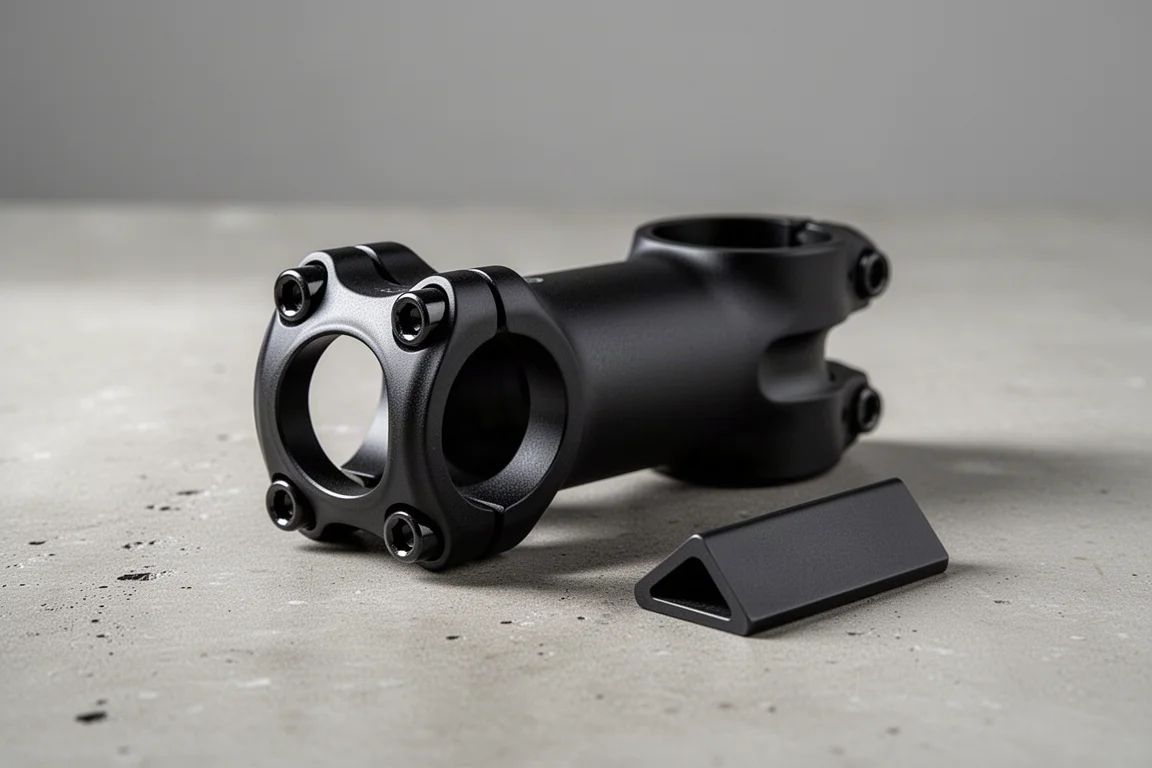
The Specialized Comp Stem looks like an ordinary black stem, but the box includes shims that let you change the stem angle in 2 degree increments, covering a range from 8 to 16 degrees in either a positive or negative orientation. That is a genuinely wide spread for a single stem.
It uses standard measurements: a 1 1/8 inch steerer clamp, a 31.8mm handlebar clamp, and 4mm Allen key bolts throughout, so it will fit most modern bikes without special tools. For anyone who needs the bars higher, whether for physiological reasons or simply for comfort, this is a useful and inexpensive way to explore different handlebar heights before committing to a different frame or a custom fit.
Pricing is the other strength here. It was purchased at £50, and at the time of writing it can be found online in the UK for around £20, which makes it easy to justify as a fit experiment. The only real caveat is practical: keep track of the shims, because losing them removes the adjustment range that makes the stem interesting in the first place.
Reform Seymour: A Carbon Saddle That Molds to the Rider
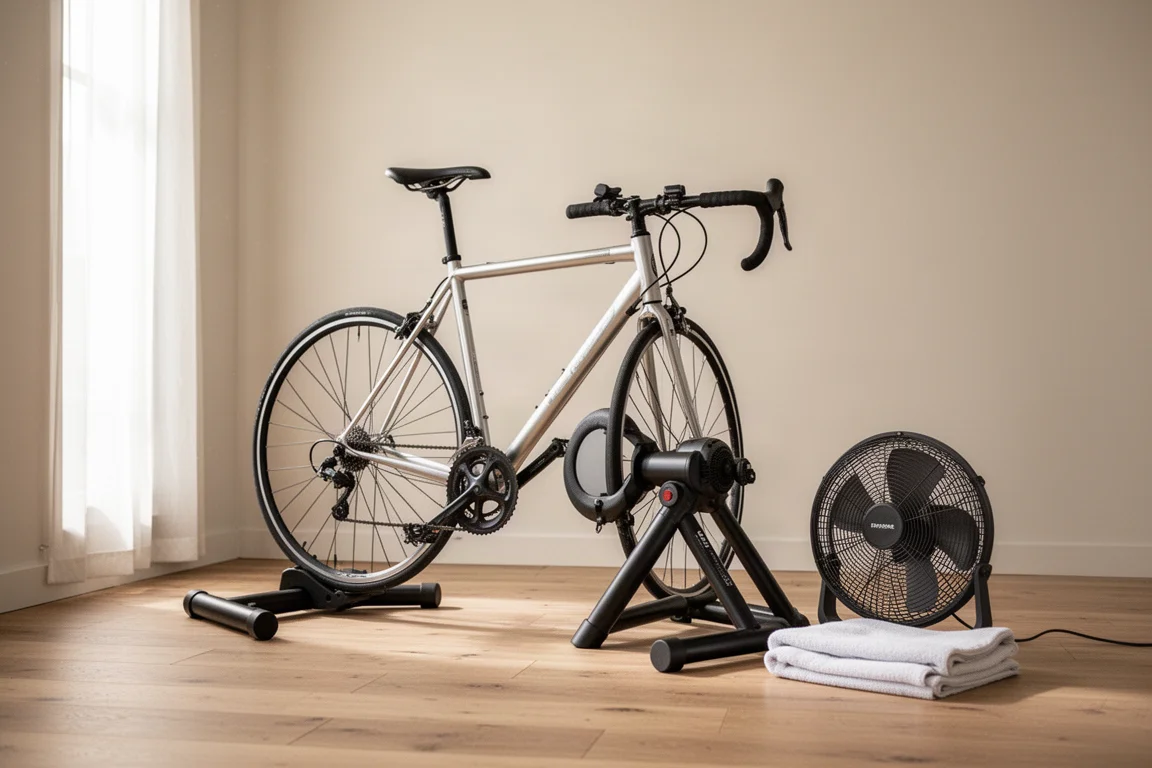
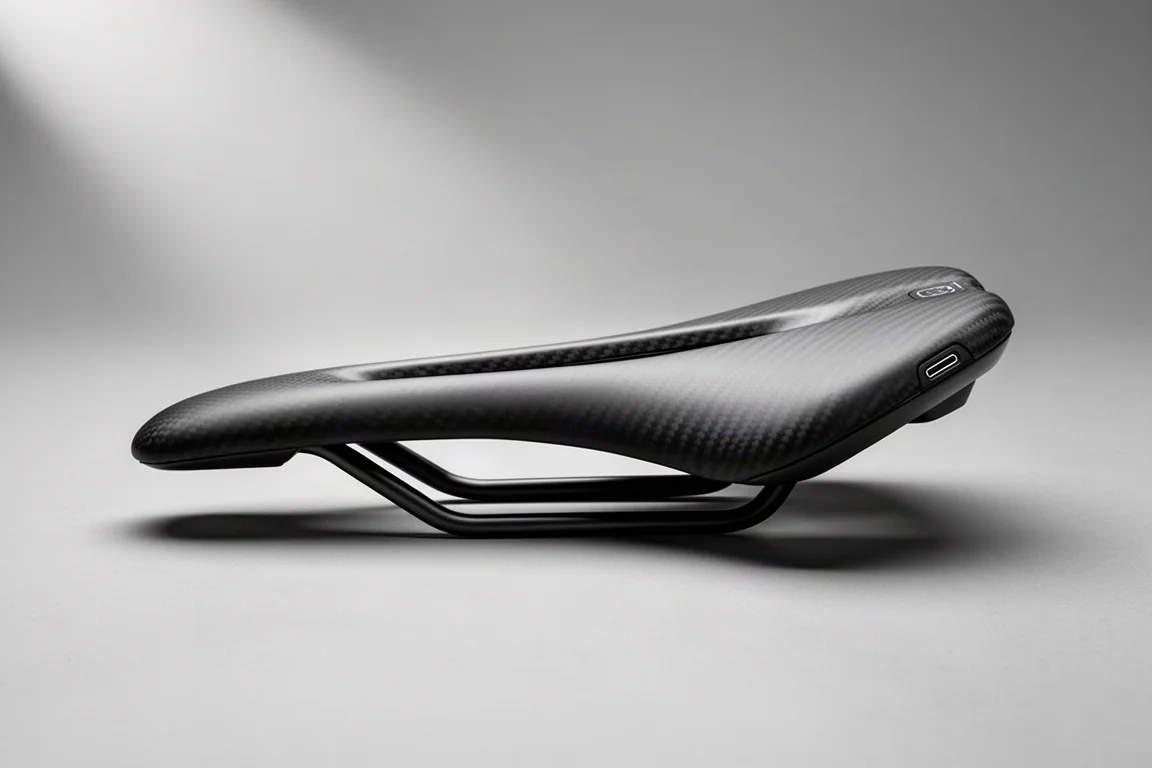
Reform Seymour is a carbon saddle built around bike fitting. The concept is unusual: mount it on a bike, put the bike on an indoor trainer, plug the saddle in and ride. The saddle heats up and molds to the rider, and the underside of the shell shows a visible change afterwards.
In use over a couple of years of on and off riding, it has been a very comfortable saddle. Rather than a cut-out hole, it uses a deep pressure relief channel, which is the shape that tends to work well for riders who prefer relief in the middle of the saddle. The molding effect is harder to judge for riders who are already fairly symmetrical, since both sides adapt in the same way, but it is likely to be far more noticeable for riders with more asymmetrical sit bones or who sit on the saddle unevenly.
There are two practical compromises. The rails are oval, so the saddle only fits certain seatposts, and the charger uses a proprietary magnetic fitting that is easy to misplace. The price is high, though not dramatically higher than many high-end carbon saddles, and for a fitting scenario where asymmetry is the problem, that cost is easier to justify.
Fizik Vento Powerstrap Aeroweave: Featherweight Shoes for Hot Days
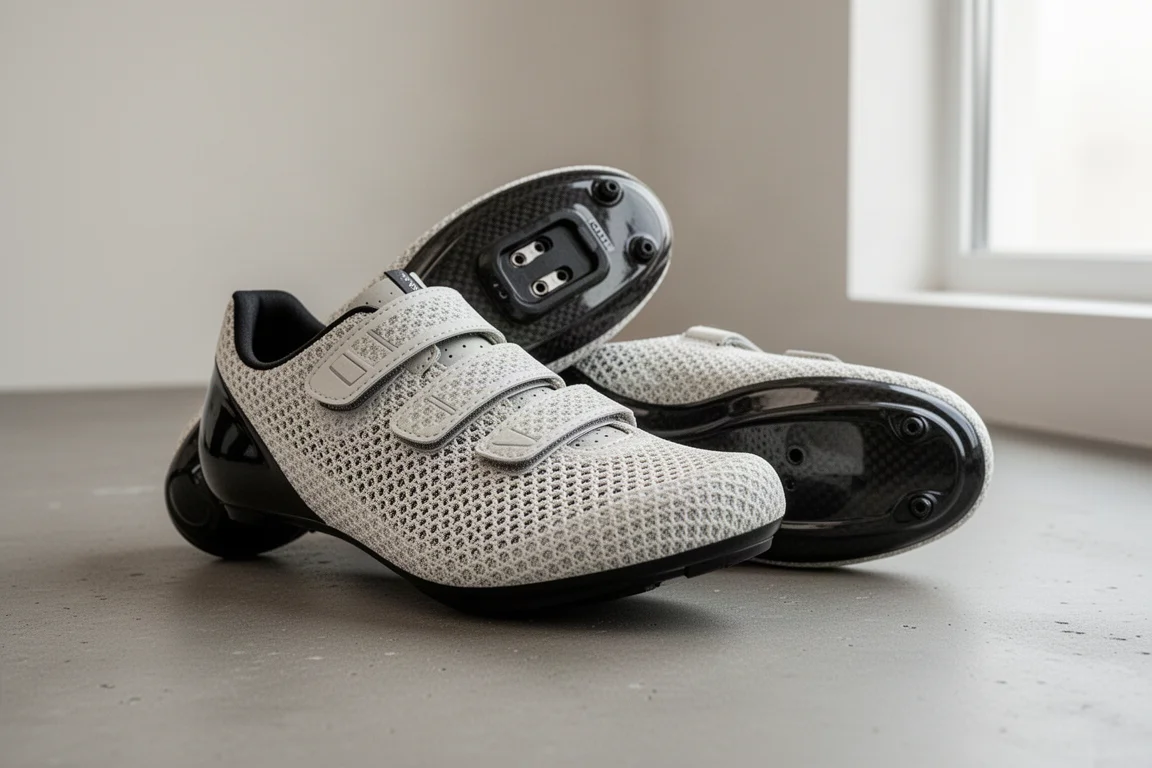
Fizik Vento Powerstrap Aeroweave is one of the most distinctive looking road shoes around, with a woven upper that resembles bandages and a very open, breathable construction. It sits at the top of the brand’s lightweight road range at £350 or $399, with a stiff carbon sole and a three-bolt cleat fitting. The power straps are hook-and-loop, and sizing is generous, with half sizes across most of the range but not at the far ends.
Comfort is excellent, including for wider feet. Because the sole does not extend very high around the foot, the soft upper deforms easily and suits a wide variety of foot shapes. Weight is remarkably low at 372g for a size 41, which puts these firmly in hill climb and short event territory.
The trade-off is temperature. The upper is so breathable that wind passes straight through it, which makes these shoes genuinely cold to ride in a cool climate, even at 15 degrees. They make far more sense in hot conditions, for indoor training, or for short hard efforts. The fastening system is also worth noting: hook-and-loop straps are harder to fine-tune on the move than a dial, since readjusting means releasing the whole strap rather than clicking one notch at a time. Riders whose feet swell during long rides may prefer a dial system, even at a small weight penalty.
Buying Advice: Matching the Upgrade to Your Riding
The right order of upgrades depends entirely on what is currently limiting your riding. If you carry luggage and want a simpler drivetrain with a wide range, a 1x groupset is the highest impact change on this list. If the surfaces you ride are unpredictable, wider rubber buys comfort and confidence more cheaply than most other upgrades.
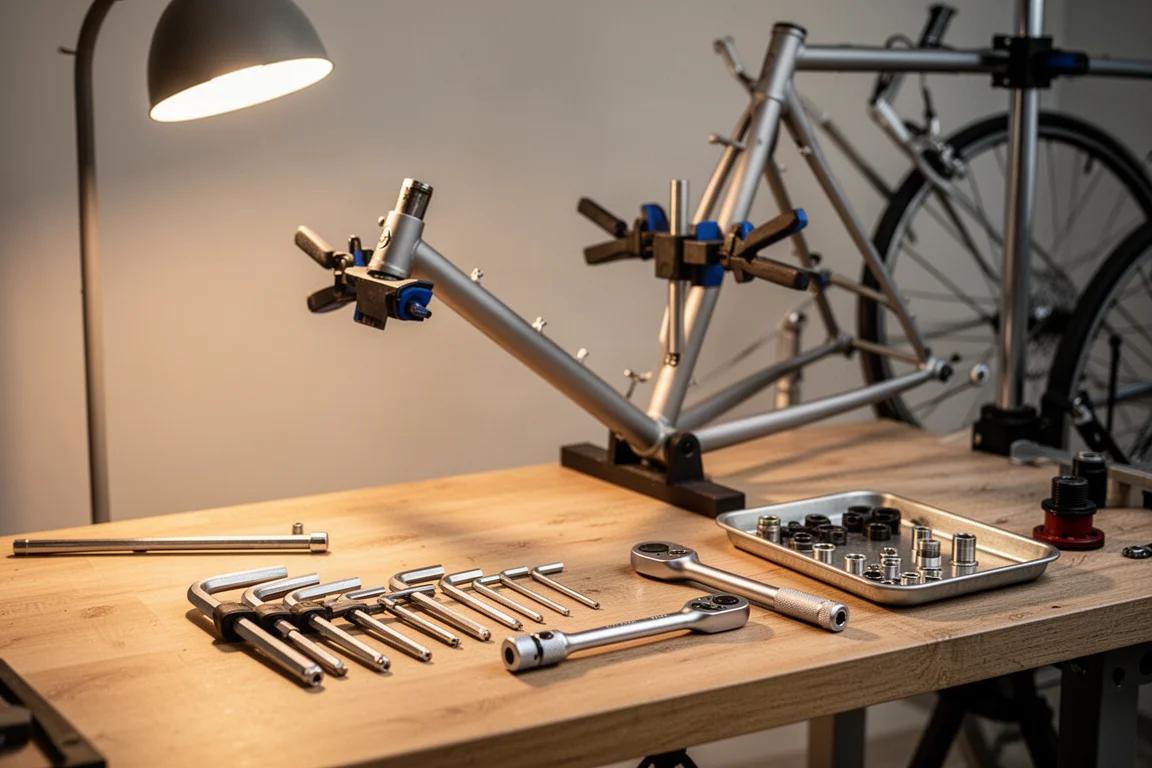
Fit changes come next. An adjustable stem is the cheapest way to test whether a different bar height actually solves a comfort problem before you spend money on a new frame or a professional fit. A saddle with a molding feature and a deep relief channel is worth considering if you know your position is asymmetric, though the oval rails and proprietary charger need to suit your setup. Lightweight woven shoes are a specialist purchase: brilliant in heat, less pleasant in the cold.
Before buying any of these, check the compatibility details that catch people out: the derailleur hanger on your frame for the groupset, the free hub and bottom bracket standard, the rail type on your seatpost, and the cleat standard on your shoes. Getting those right is what turns a good part into a good upgrade.
Conclusion
These five products show how varied a sensible upgrade list can be. A budget groupset can transform an adventure bike, a wide slick can make unknown roads comfortable, a cheap adjustable stem can solve a fit problem, a moldable carbon saddle can address asymmetry, and a featherweight woven shoe can be exactly right in a hot climate and exactly wrong in a cold one. Buy for the riding you actually do, and each of these earns its place.
Further reading
Related Reviews
Cycling Components
A 20,000-Mile Budget Race Bike Build: Five Parts Worth Knowing
A rim brake race bike assembled from low-cost components and ridden for 20,000 miles. Here is what delivered real speed, what caused problems, and what to weigh before copying the formula.
Cycling Components
7 Bike Fit Products Fitters Avoid: What to Check Before You Buy
Seven bike components that regularly cause knee, foot and saddle problems, with the specific concerns behind each one and what to look for instead.
Cycling Components
Four Affordable Bike Upgrades That Improve Ride Feel
Four low-cost cycling products that make a real difference to ride feel, plus the free setup changes worth trying first.