Backpacking Gear
Five Backpacking Gear Upgrades for 2026: Durable Replacements Worth the Swap
Five field-tested backpacking swaps, from a lighter trowel to a water filter that recovers instead of dying, plus the trade-offs each upgrade brings.
Introduction
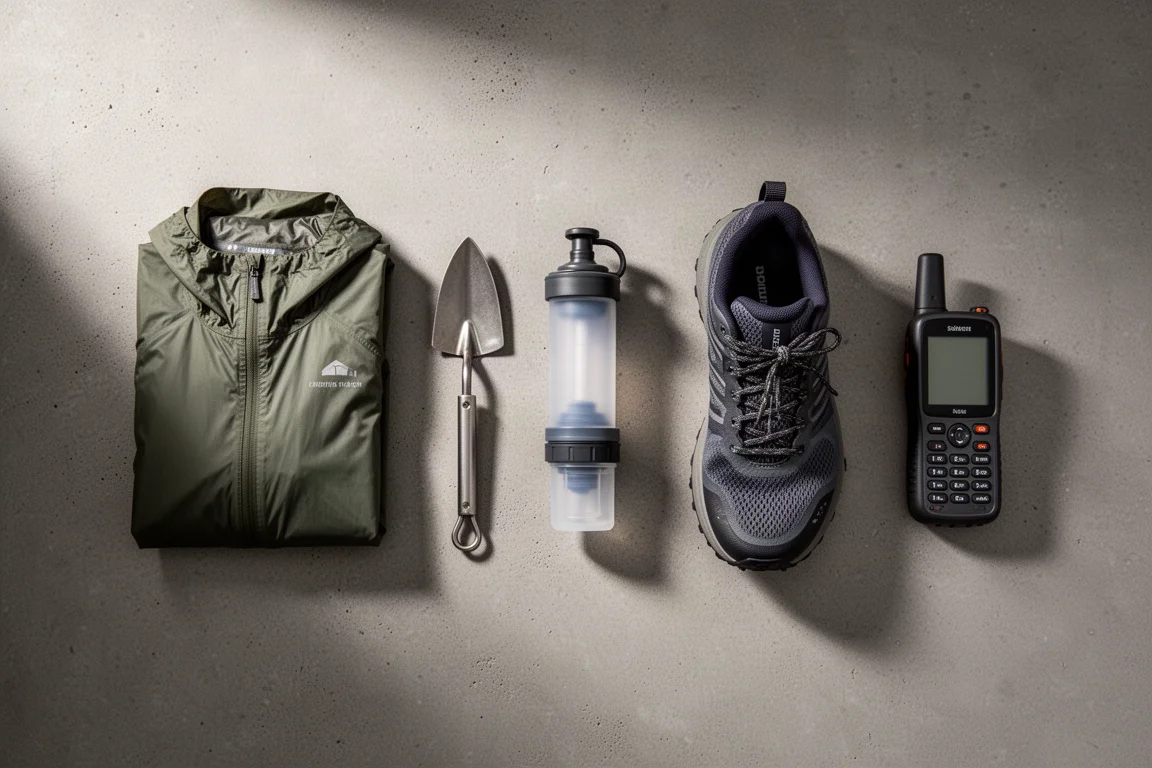
Five pieces of backpacking gear earned their place over long trips, and all five have now reached the end of their useful life. This guide covers the replacements: what wore out on the originals, what the new versions change, and which swaps are worth making for your own kit.
None of this is a knock on the outgoing gear. A trowel that cuts through roots, a rain shell that costs very little, and a filter that fills a bottle in seconds all did their jobs well. The replacements simply address specific weaknesses that showed up over long distances and repeated seasons.
How These Five Upgrades Were Chosen
Every replacement here had to fix a concrete problem rather than simply be newer. Durability under repeated use came first, followed by weight, then by how well each item works with the rest of a pack. Breathability and ventilation mattered for worn items, cutting power and grip mattered for tools, and charging and battery life mattered for electronics.
Where a newer version exists, the useful question is not whether it looks better on paper, but whether it solves the failure that ended the previous item’s life. That is the filter applied here, and it is why this list stays short.
1. Enlightened Equipment Visp: A Rain Jacket That Lasts Longer
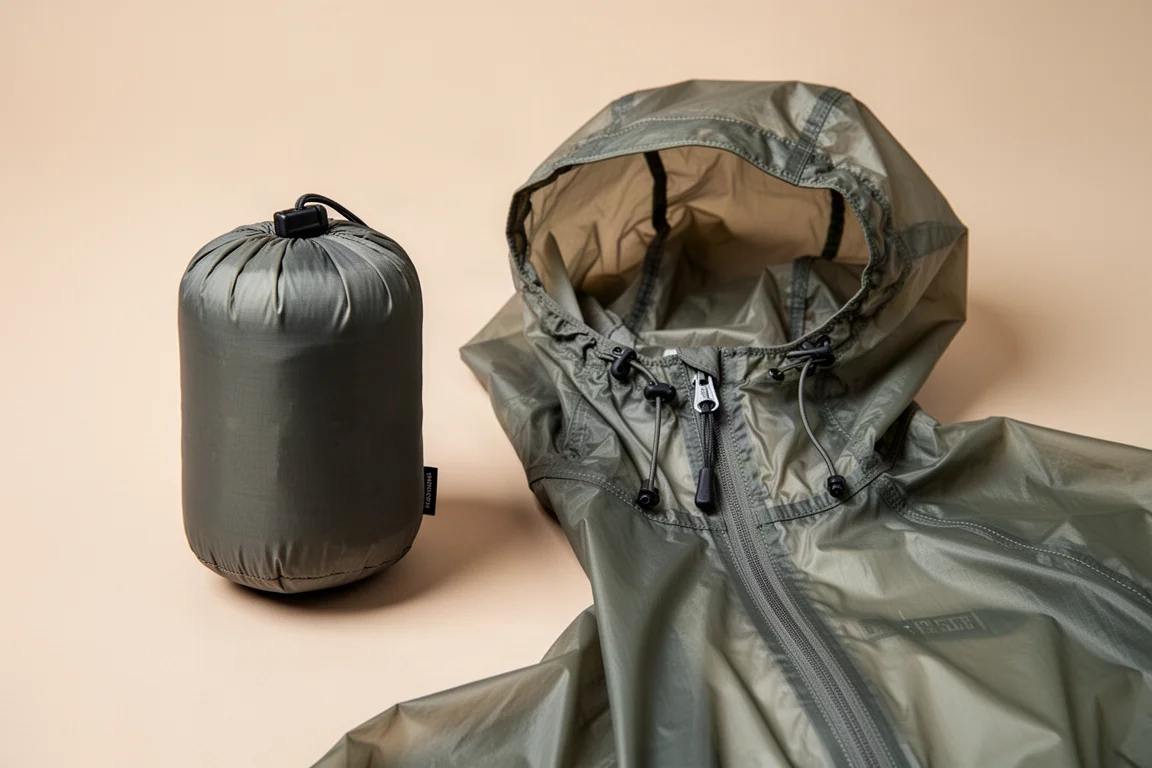
Lightweight, affordable rain gear is one of the best value categories in backpacking, but it comes with a short service life. Inexpensive shells often last only one or two years of regular use before seams and fabric start to fall apart.
The Enlightened Equipment Visp takes the opposite approach. It costs significantly more, and the expectation is that it lasts considerably longer. The more noticeable change on the trail is breathability: on active hikes the Visp feels markedly less hot and sweaty than a budget shell.
When the pace picks up, armpit vents let you dump heat quickly. Mechanical ventilation like this has no real substitute, and it makes the jacket far more usable on sustained climbs where a sealed shell would leave you soaked from the inside.
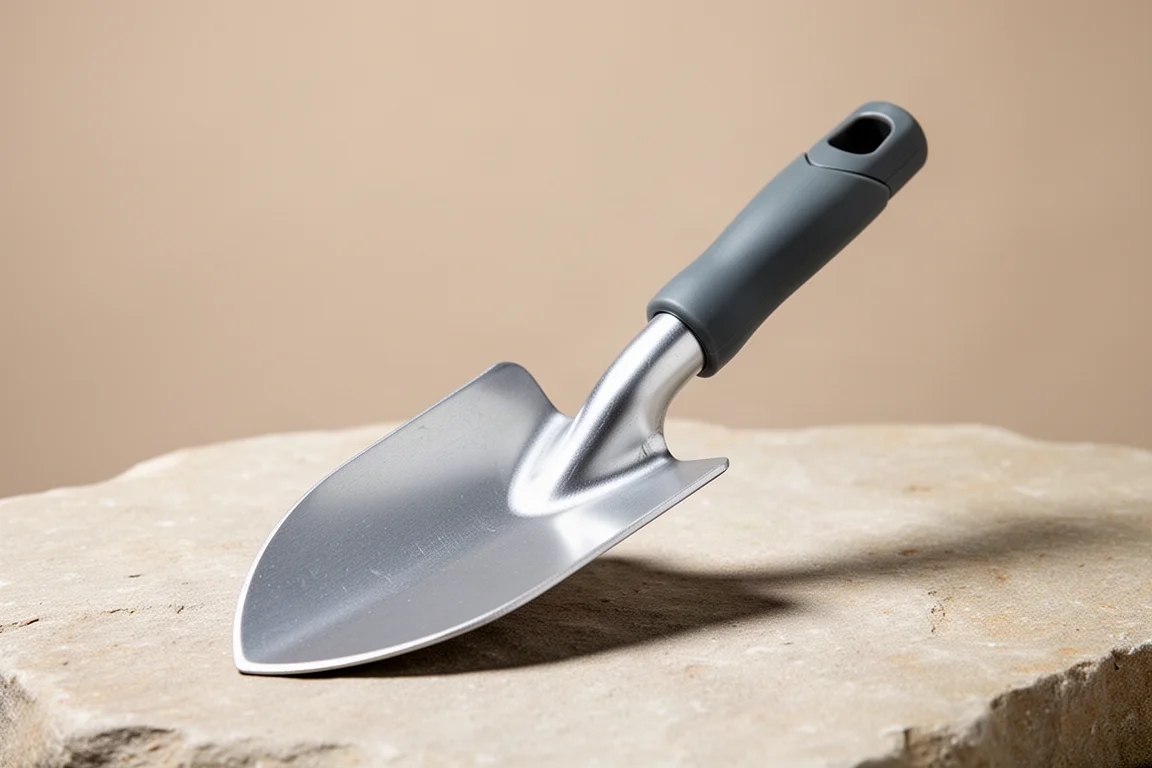
2. Bogler Trowel: Same Cutting Power, Much Less Weight
The Vargo Dig Dig is a genuinely solid tool. It is strong enough to cut through just about anything in its path, and that same strength is exactly why it is heavy.
The Bogler trowel keeps the features that matter: an ergonomic grip, a sensible blade size, and serrated edges that cut through roots. It delivers them in a much lighter package, which counts for a lot on long days when every gram is carried uphill.
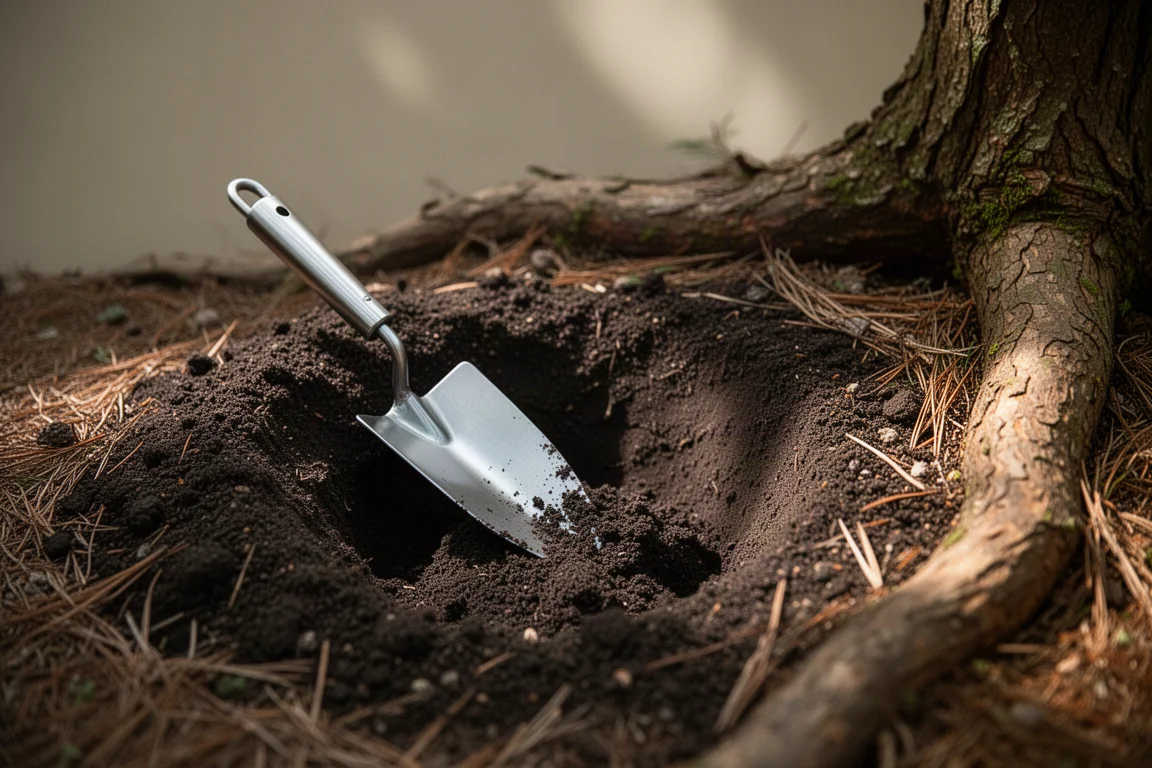
For anyone digging a cathole every night on a thru-hike, the weight difference compounds over weeks. The trade is straightforward: you give up some of the Dig Dig’s brute strength in exchange for a tool you barely notice in your pack.
3. Platypus QuickDraw: A Filter You Can Revive on Trail
The Katadyn BeFree is the fastest squeeze filter around, and that speed is genuinely useful. The problem is clogging. Flow drops off during a trip, and once a BeFree is spent there is no bringing it back.
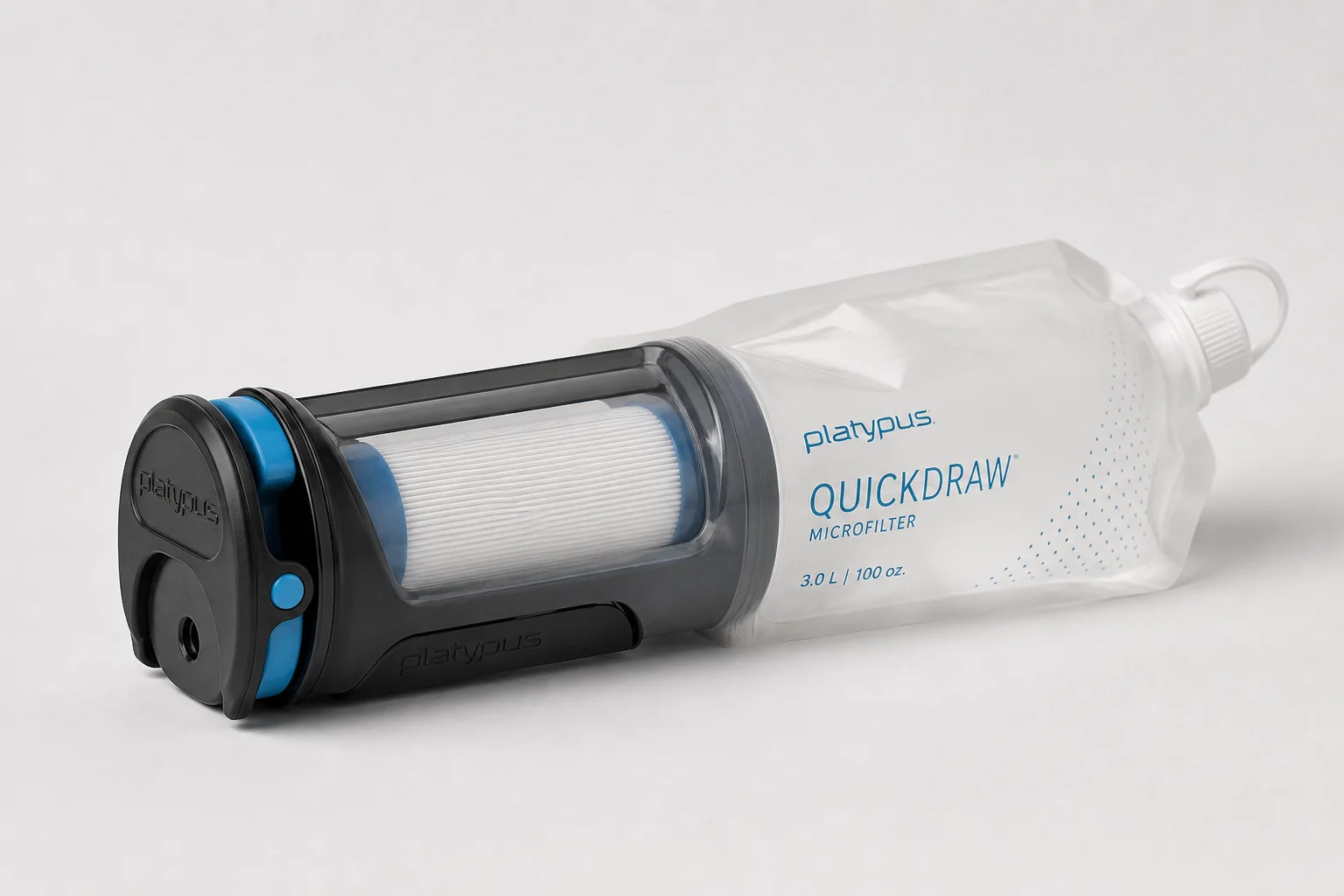
The Platypus QuickDraw is almost as fast and fixes that failure. It can be backflushed: push water from a bottle through the input end and the filter cleans out properly. That single feature changes how a long trip feels, because a slow filter no longer means a dead filter.
Durability is the second improvement. The BeFree’s filter membranes sit exposed, while the QuickDraw’s membranes are enclosed in a tougher housing. Caps on both ends help too, with a flip cap at the output and a screw cap at the input. That means the filter can be stored without dripping, which matters if you bring it into a sleeping bag or quilt overnight to keep it from freezing.
Compatibility is the third difference. The QuickDraw threads onto a wide range of water bottles and bladder fittings, while the BeFree works with noticeably fewer of them.
4. Hoka Speedgoat 5: Fixing the Heel Wear Problem
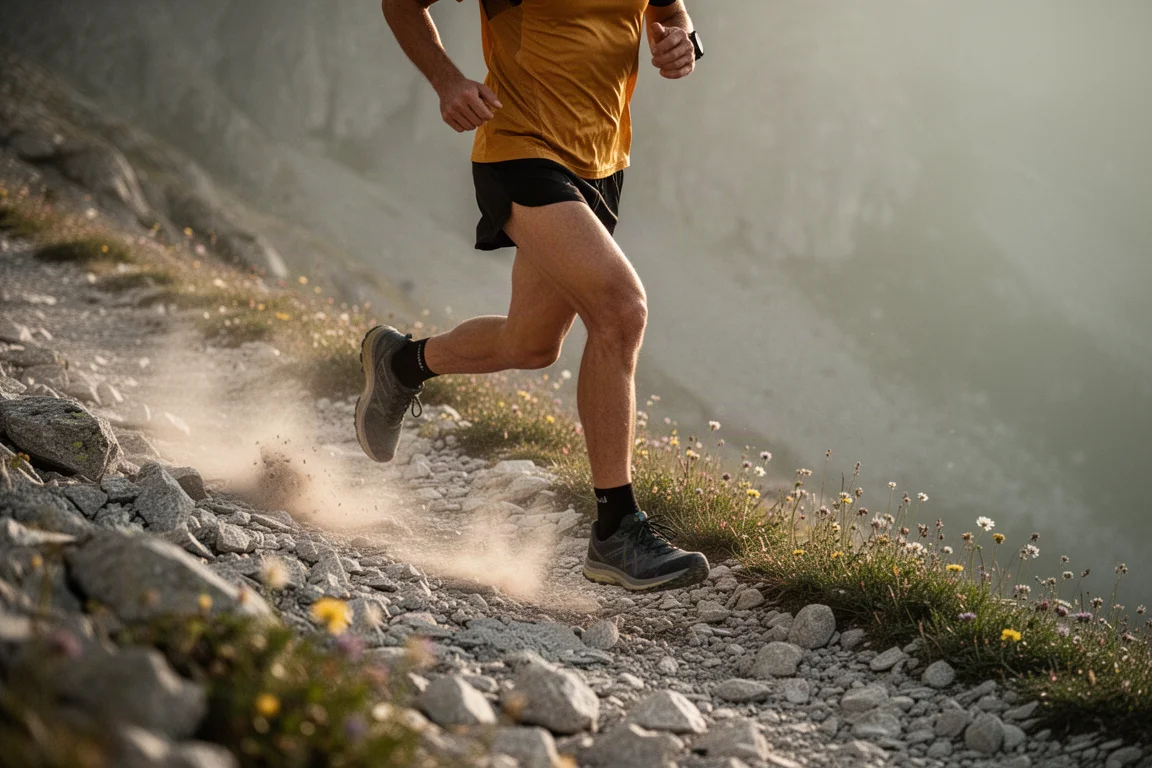
The Speedgoat 4 carried a 1,200 kilometre thru-hike of the Great Divide Trail, which says plenty about how well the shoe performs over long distances. Its weak point was durability in the heel.
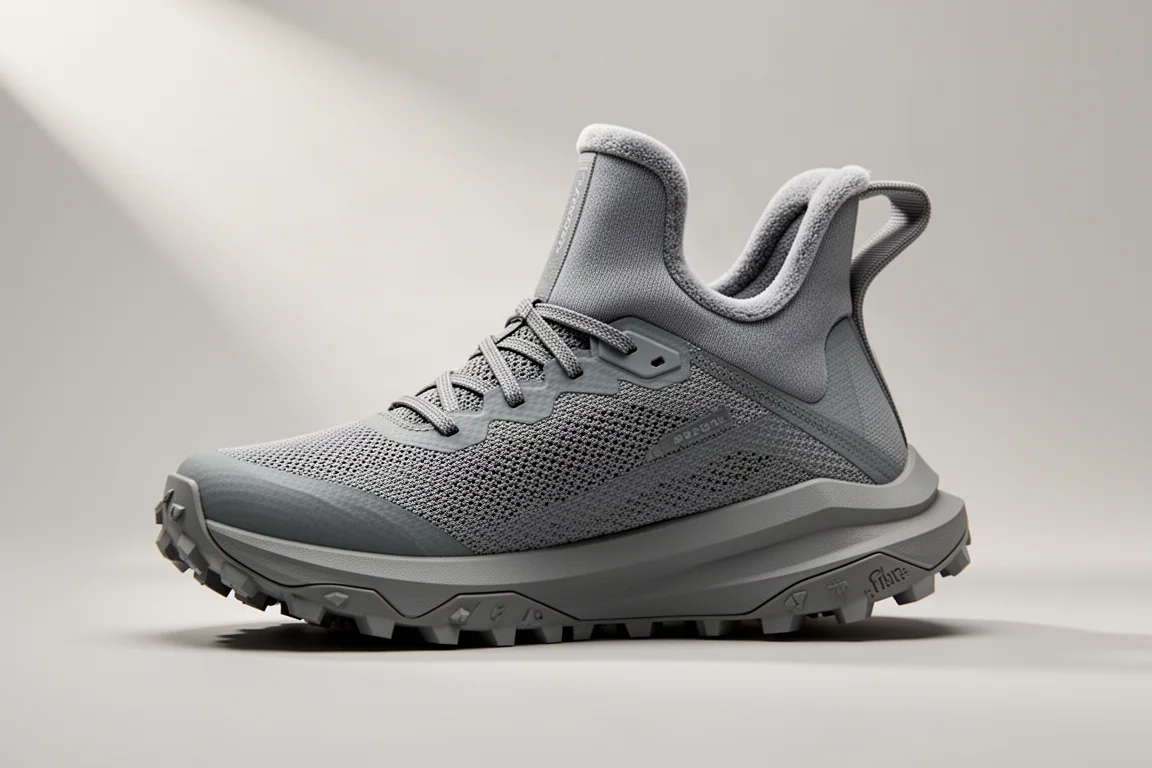
The Speedgoat 5 addresses that directly. The forefoot is also stretchier than before, which makes the shoe more accommodating for wider feet. After more than 100 miles of use, the new version is holding up well and remains a comfortable choice for long days.
One detail takes some getting used to: a flared heel tab that sits differently from the previous version. It reads as a minor quirk rather than a problem, and the bigger open question is how the redesigned upper holds up across a full season compared with the Speedgoat 4.
For long trail runs and hikes where cushioning is the priority, this stays the go-to option.
5. Garmin inReach Mini 2: USB-C and Longer Battery Life
The original inReach Mini got the essentials right, but two things held it back: a micro USB port in a world that has moved to USB-C, and a companion app that has been a weak point for the line.
The inReach Mini 2 switches to USB-C, so it shares a cable with most other devices in a pack. That removes one more adapter from the kit. Battery life is the bigger upgrade: the original could not reach seven days of consistent use, while the Mini 2 comfortably exceeds it.
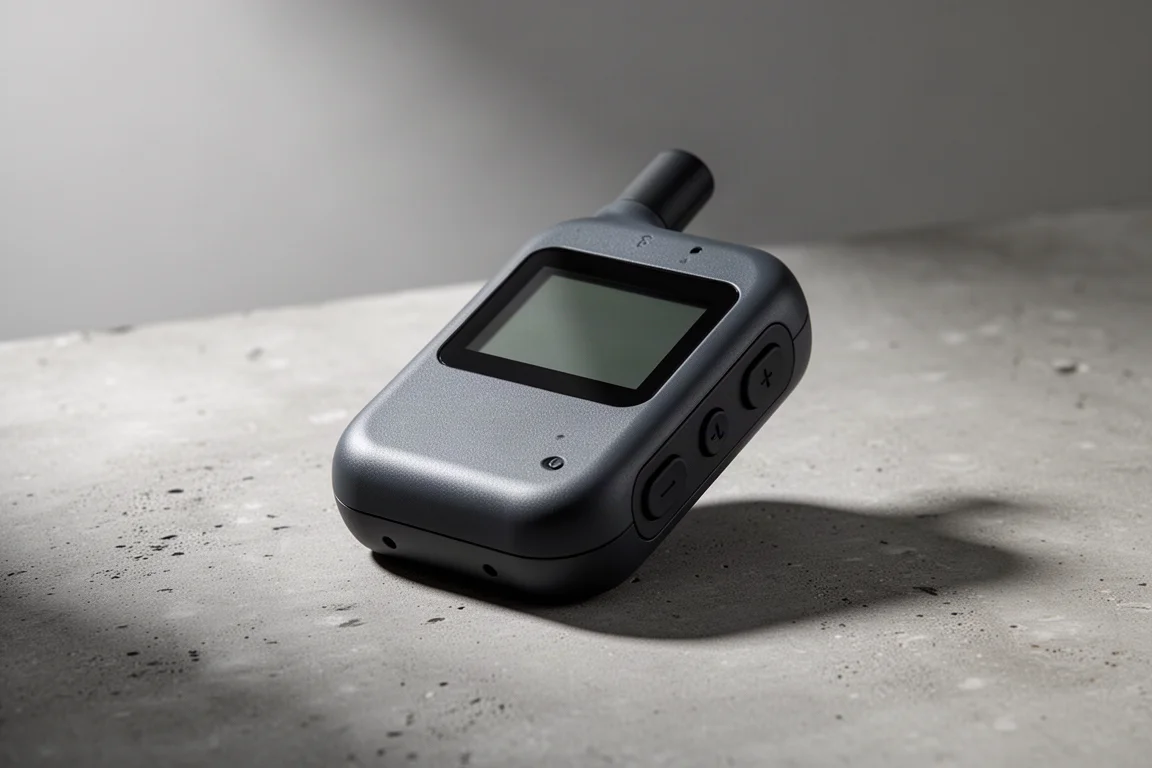
If you already own the first-generation model, the upgrade is probably not worth it unless you find a very good price. For anyone buying their first satellite communicator, the newer model is the one that fits the rest of a modern kit.
Buying Advice: Matching the Swap to Your Own Kit
Not every swap on this list is worth making. The honest test is whether the replacement solves a problem you have actually run into. A filter that clogs on day four of a week-long trip is a real problem. A trowel that feels heavy after 30 kilometres is a real problem. A rain shell that fails after two seasons is a real problem.
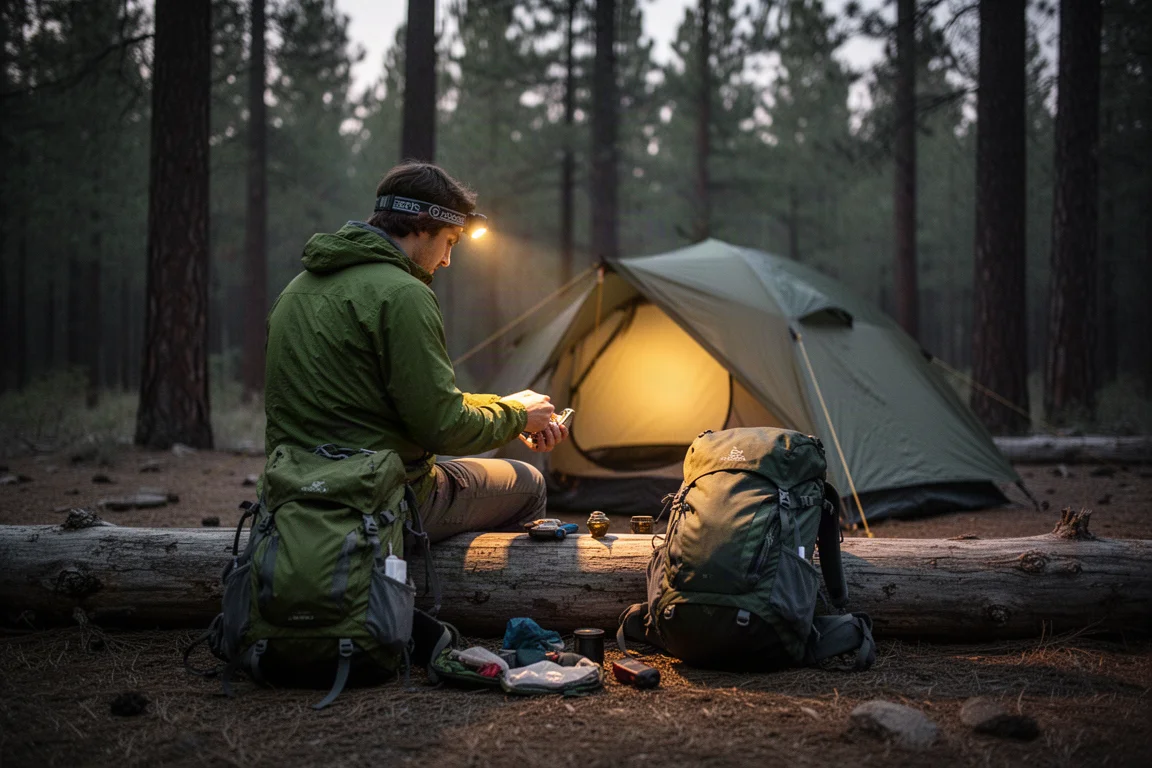
Work through your own kit in that order: what failed, how often, and what it cost you on trail. Then decide whether the upgrade price is worth removing that failure. Several of these replacements cost more than the gear they replace, and the value comes from the trips you do not have to cut short or re-buy for.
If you are upgrading shoes or a filter, the new versions are close enough in function that the decision is easy. If you are upgrading a rain shell or a communicator, the case is strongest when the old item has already let you down, or when you are consolidating everything onto USB-C.
Conclusion
Five items, five specific fixes: longer-lasting rain protection, a lighter digging tool, a filter that can be cleaned back to full flow, a trail shoe with the heel wear addressed, and a communicator that charges from the same cable as everything else.
None of these swaps is urgent for its own sake. Each one makes sense when it removes a failure you have already experienced, and that remains the most reliable reason to spend money on backpacking gear.
Further reading
Related Reviews

Backpacking Gear
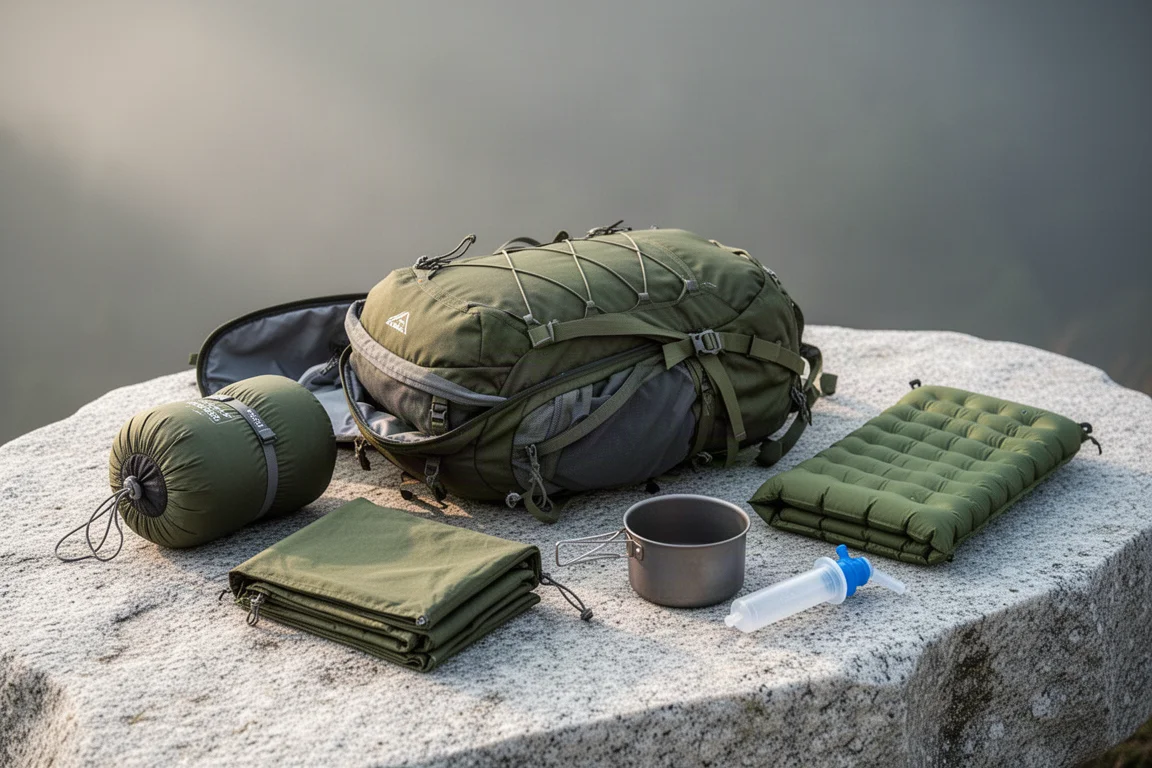
Building a 10 lb Base Weight: An Ultralight Backpacking Gear List
A practical walkthrough of the ultralight pieces behind a 10 lb base weight, from a 765 g pack and a roomy one-person tent to a full camp chair and a dependable water filter.
Backpacking Gear
A 15-Pound Lightweight Backpacking Gear List for Solo Trips
A beginner-friendly 15-pound backpacking setup built from easy-to-find gear, with notes on what each piece does, how it packs, and where to spend your attention.
Backpacking Gear
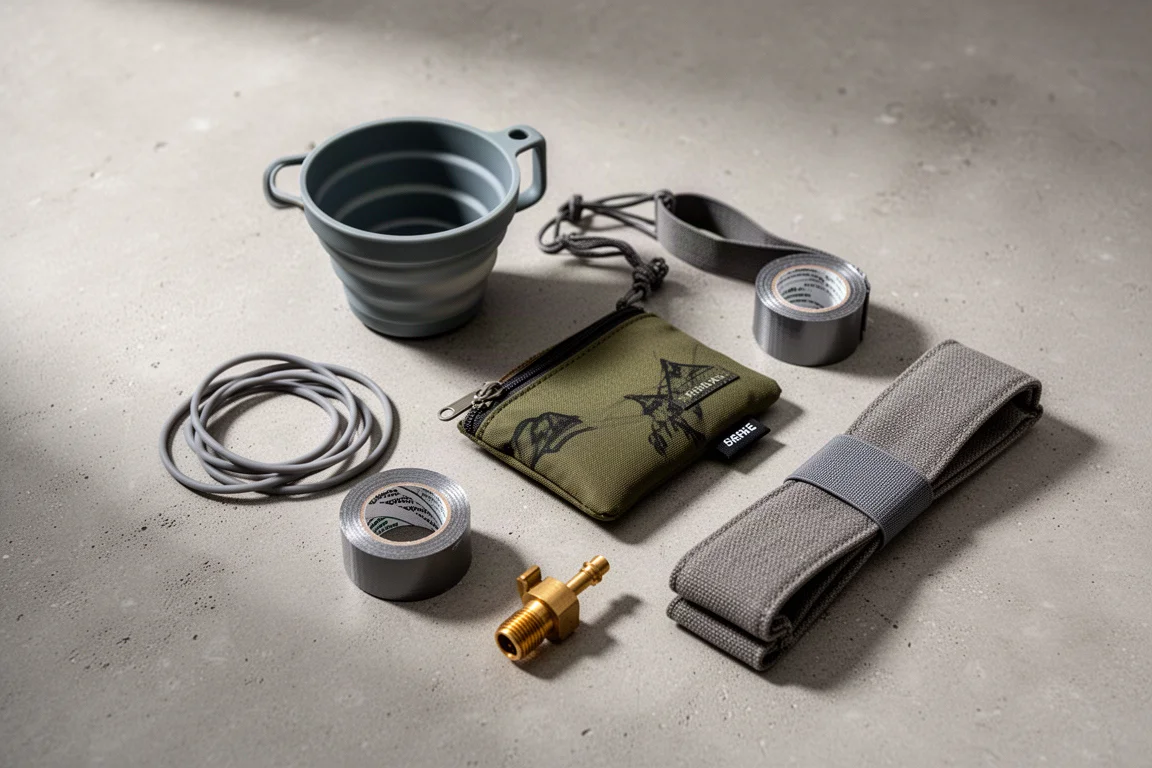
8 Ultralight Backpacking Gear Upgrades Worth Carrying
Eight small, affordable backpacking upgrades that solve real trail annoyances, from a pillow that stays put to a fuel valve that rescues leftover canister gas.