Backpacking Gear
Five Backpacking Gear Replacements Worth Making
Five worn-out backpacking items and the replacements chosen to fix the exact problems they developed on trail.
Introduction
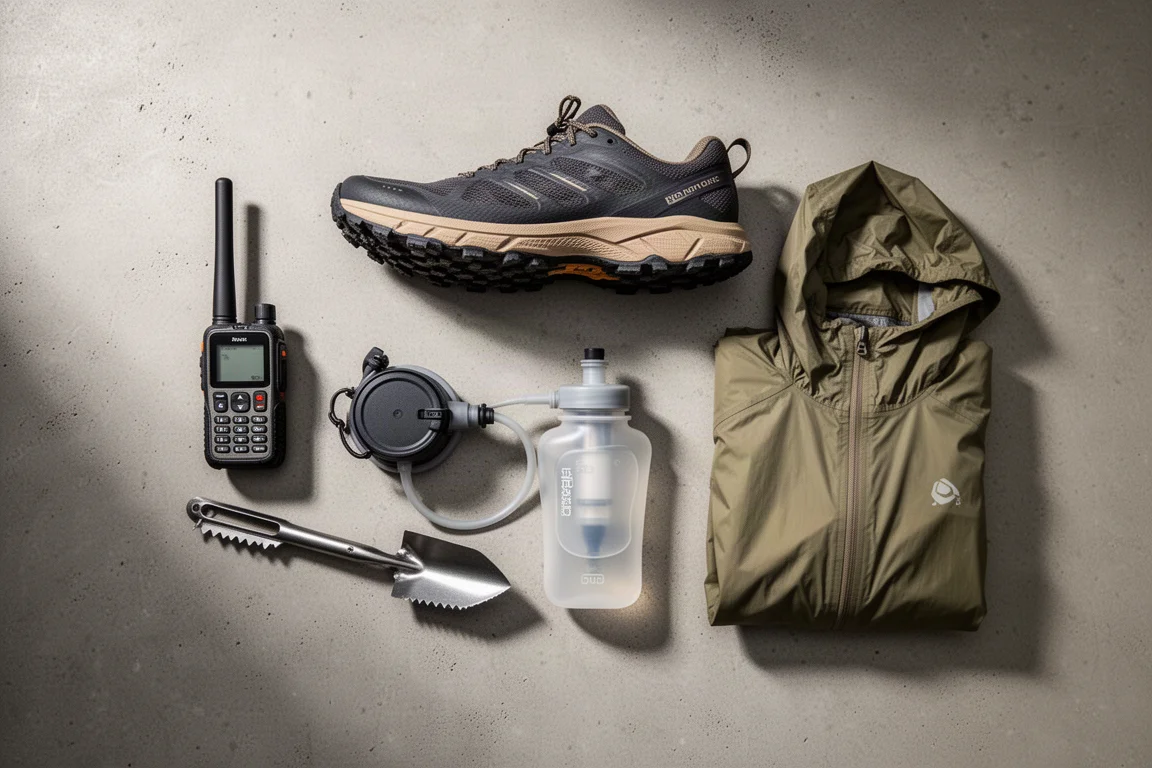
Every piece of gear eventually shows its limits, and the five items below reached that point for specific, practical reasons: a communicator with a charging port that no longer matches the rest of a kit, a trail shoe whose heel wore through too quickly, a filter that clogged on trail, a trowel that weighed more than the job required, and a rain jacket that rarely survived past a season or two.
This roundup covers each item, the problem it developed, and the replacement chosen to address it. The goal is not to dismiss the original gear. Most of it earned its place first and then lost it to one weakness that a newer option solves.
What I Looked For in These Replacements
Durability sits at the top of the list, because gear that fails early costs more over a few seasons than gear that lasts. Weight matters next, especially for items carried on every trip. Compatibility rounds out the shortlist: charging ports that match the rest of a kit, filters that fit common bottle and bladder threads, and components that can be cleaned or serviced in the field rather than replaced.
The practical details matter just as much as the headline specs. A filter that can be backflushed on trail, a jacket with real ventilation, and a tool that still cuts through roots after losing weight are all examples of small design choices that change how a trip actually feels.
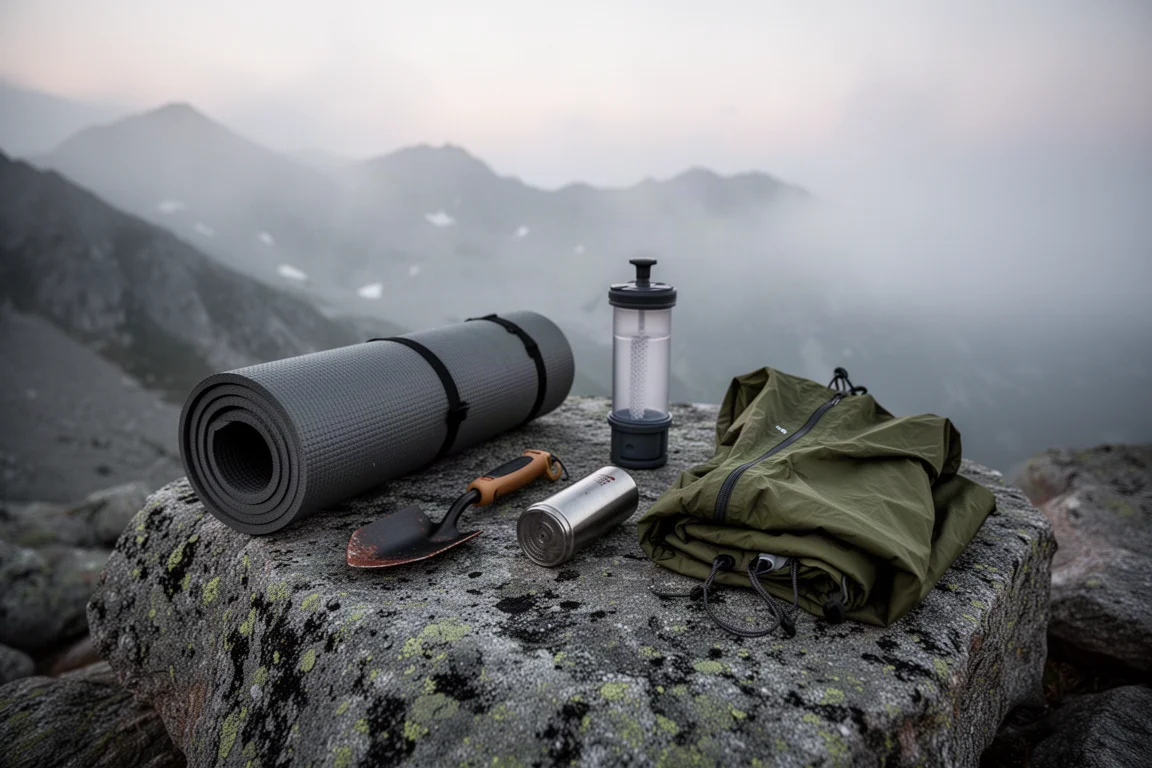
Cost is part of the picture, and higher prices are only justified when they buy something concrete: longer service life, less carried weight, or fewer failures in the middle of a trip. Where an upgrade is incremental rather than substantial, waiting for a good price is the sensible move.
Garmin inReach Mini 2: USB-C and Longer Battery Life
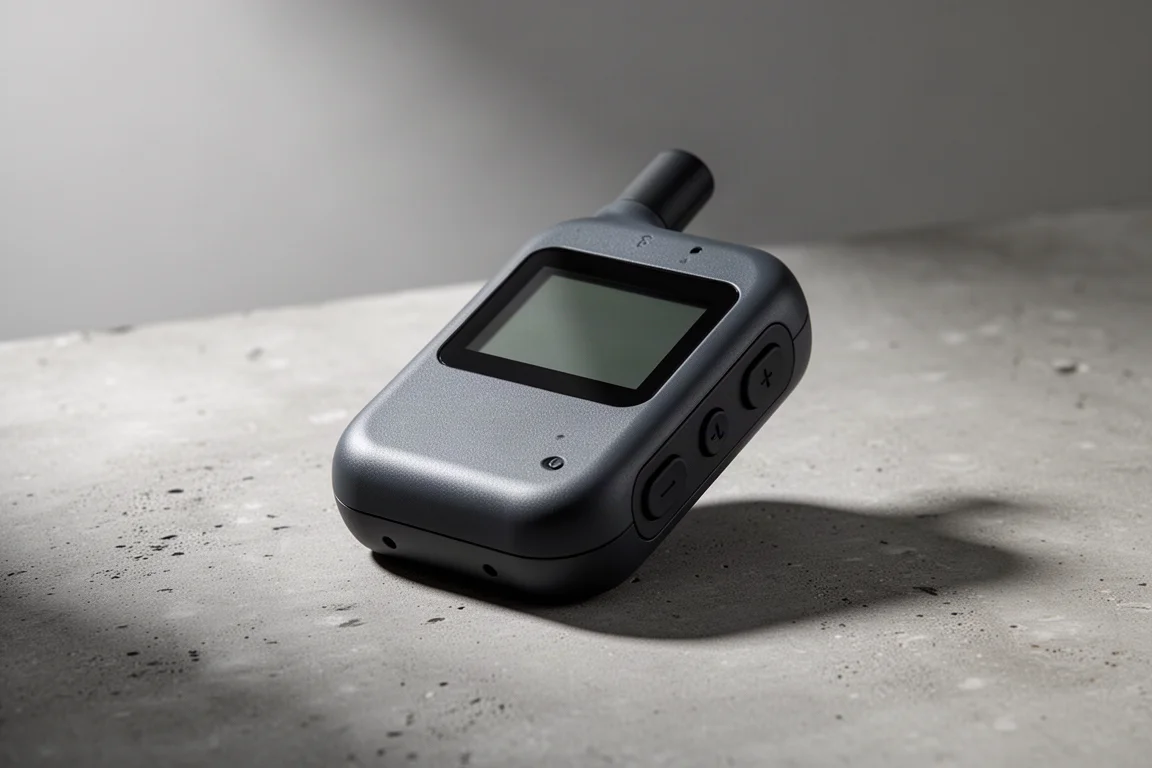
The inReach Mini 1 handled satellite messaging for years, but two limitations stood out: a micro-USB port that required carrying a second cable, and battery life that fell short on longer stretches away from power.
The inReach Mini 2 changes both. It uses USB-C, so a single cable now covers most modern devices in a pack. Battery life is the larger improvement: the original could not reach seven days of consistent use, while the Mini 2 clears seven days with the same habits.
One caveat is worth stating plainly. If you already own the inReach Mini 1, the upgrade only makes sense at a strong price. The improvements are real, but they are incremental for anyone who is not bothered by the older charging port or battery behavior.
Hoka Speedgoat 5: A More Durable Upper
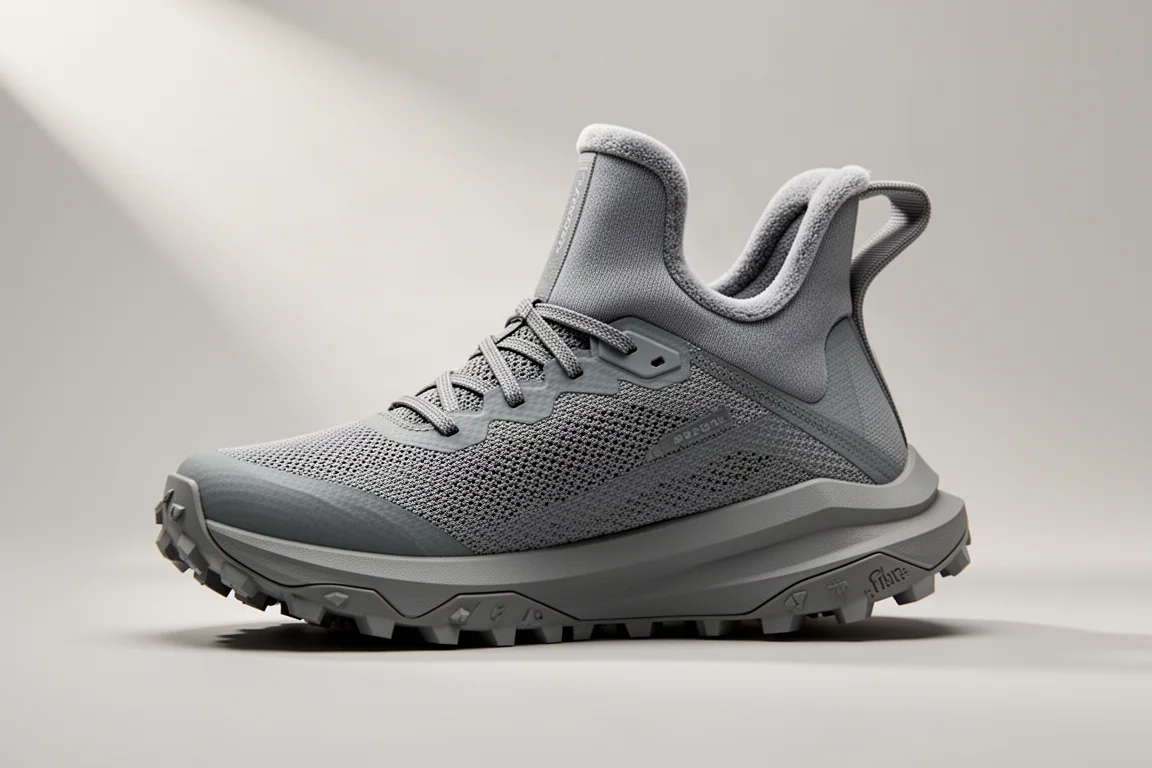
The Speedgoat 4 was a favorite for long distance work, including a 1,200 kilometer thru-hike of the Great Divide Trail. What held it back was durability, particularly around the heel, along with a forefoot that did not stretch enough for wider feet.
The Speedgoat 5 targets both complaints. The heel construction has been revised with durability in mind, and the forefoot is stretchier, which makes the shoe more accommodating for a wider foot shape. With over 100 miles logged so far, the ride is holding up well on long days.

There is one detail that takes some getting used to: a flared heel tab at the rear. Because the upper design is new, long-term durability is still being proven rather than confirmed. For long trail runs and hikes where cushioning matters most, it remains a strong default choice.
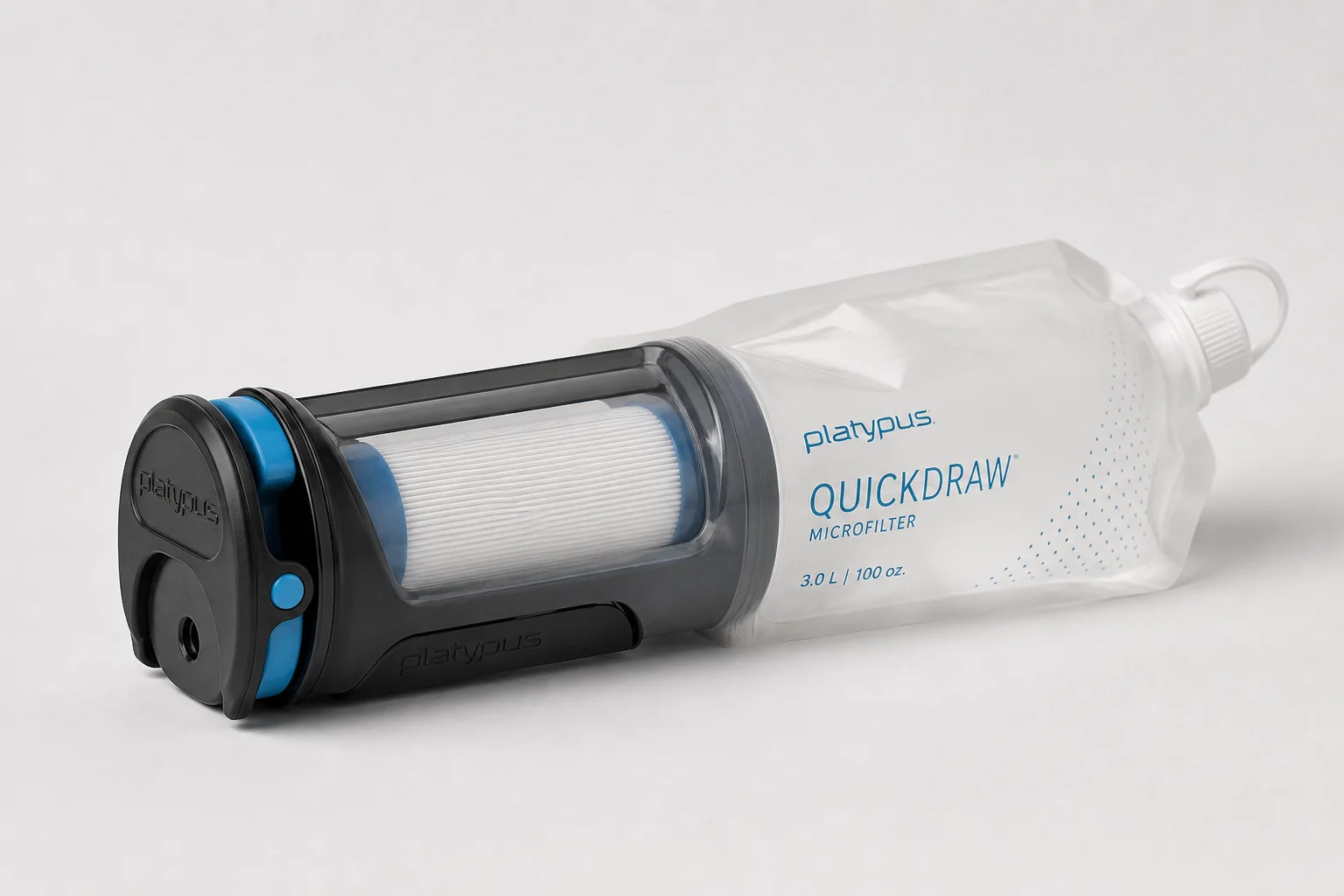
Platypus QuickDraw: A Filter You Can Backflush
The Katadyn BeFree sets the benchmark for flow rate, and nothing here disputes that. The issue is maintenance. It clogs and slows down while on trail, and once a BeFree is finished there is no reviving it.
The Platypus QuickDraw comes close on speed and solves the clogging problem through backflushing. Pushing water through the input end with a water bottle clears the filter element and restores flow, which turns a dead filter back into a working one.
Durability and storage are the other gains. The filter membrane is enclosed in a protective package rather than left exposed, and caps on both ends, a flip cap at the output and a screw cap at the input, keep the filter from dripping. That matters when it has to go into a sleeping bag or quilt overnight to help prevent freezing. The QuickDraw also fits a wider range of bottle and bladder threads than the BeFree.
Bogler Trowel: Lighter Digging Tool
The Vargo Dig Dig earned its reputation by being indestructible. It cuts through roots and hard ground without complaint, and that strength is exactly why it is so heavy. Weight is the one thing a trowel should not have to carry.
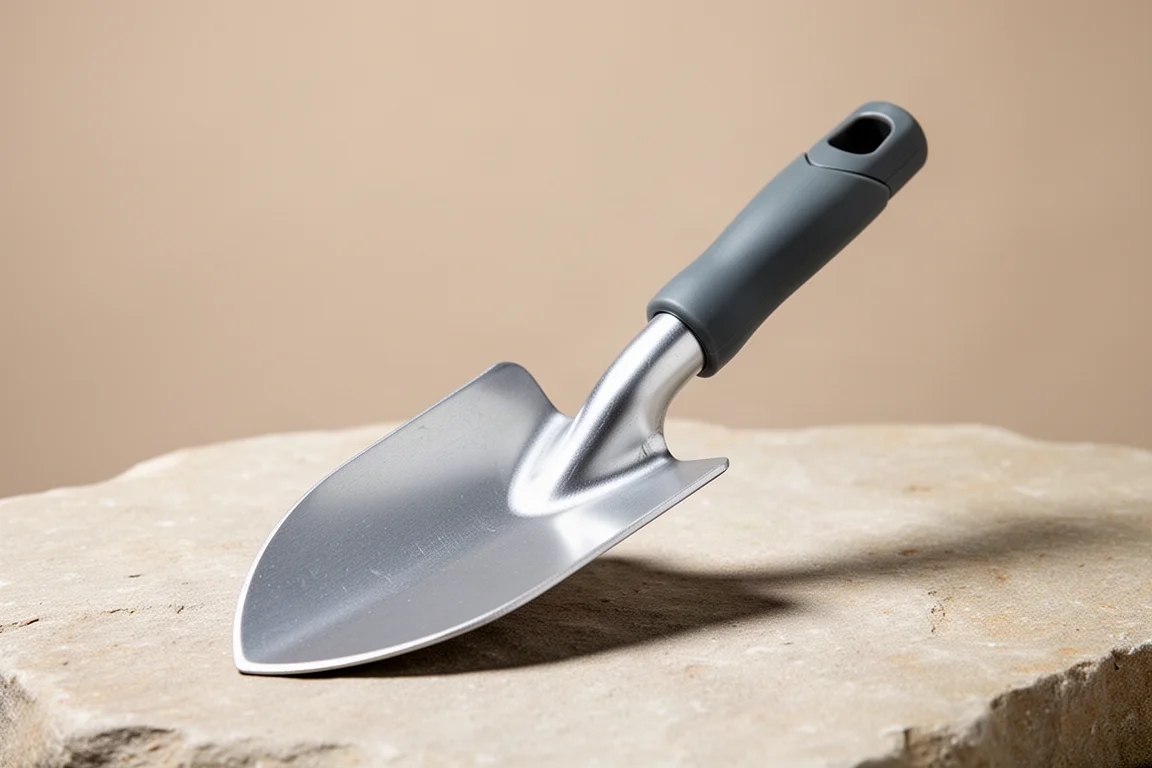
The Bogler Trowel keeps the features that made the Dig Dig useful, including an ergonomic grip, a good working size, and serrated edges for cutting through roots, in a much lighter package. Same jobs, less weight in the pack.
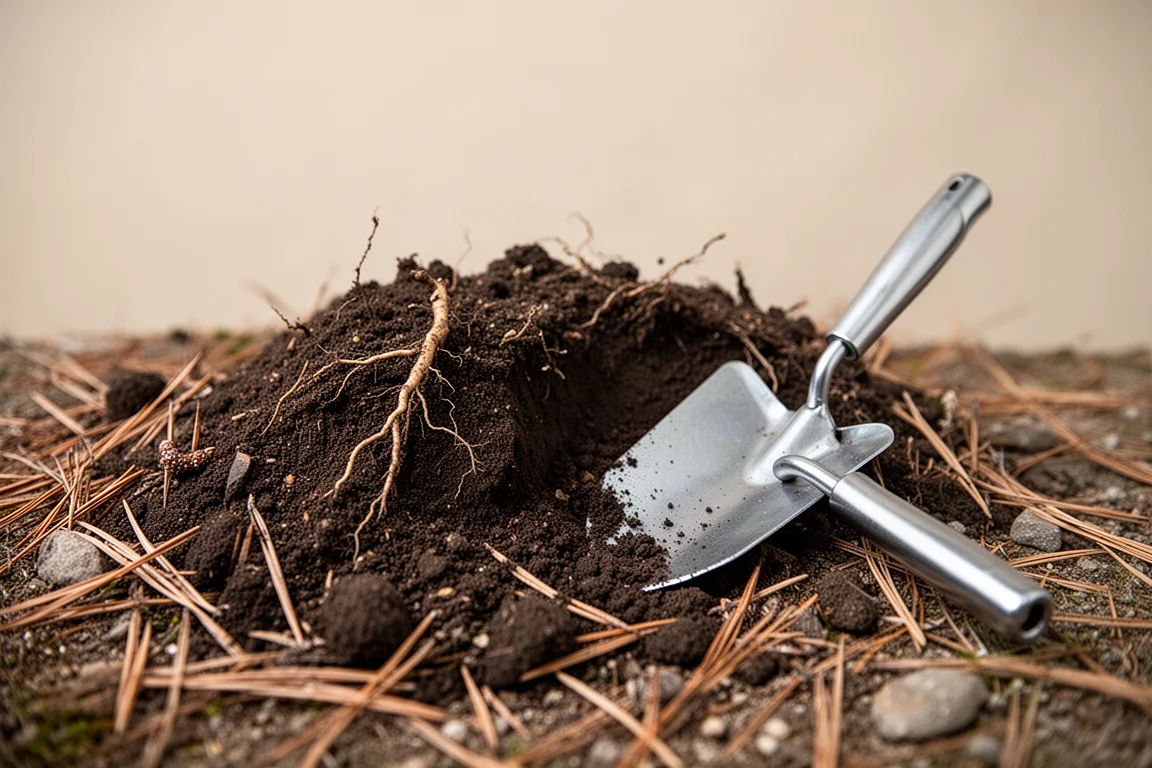
The trade-off is feel. Anyone attached to the Dig Dig’s heft will notice the difference immediately, but the lighter tool handles the same tasks at a weight that is easier to justify carrying. The Dig Dig is not a poor tool; it is simply heavier than this job requires.
Enlightened Equipment Visp: More Durable Rain Protection
FrogTogs rain gear has plenty going for it. It is lightweight, affordable, and easy to recommend for occasional use. The problem is lifespan: one or two years is typical before it starts to fall apart, which makes it a recurring expense rather than a single purchase.
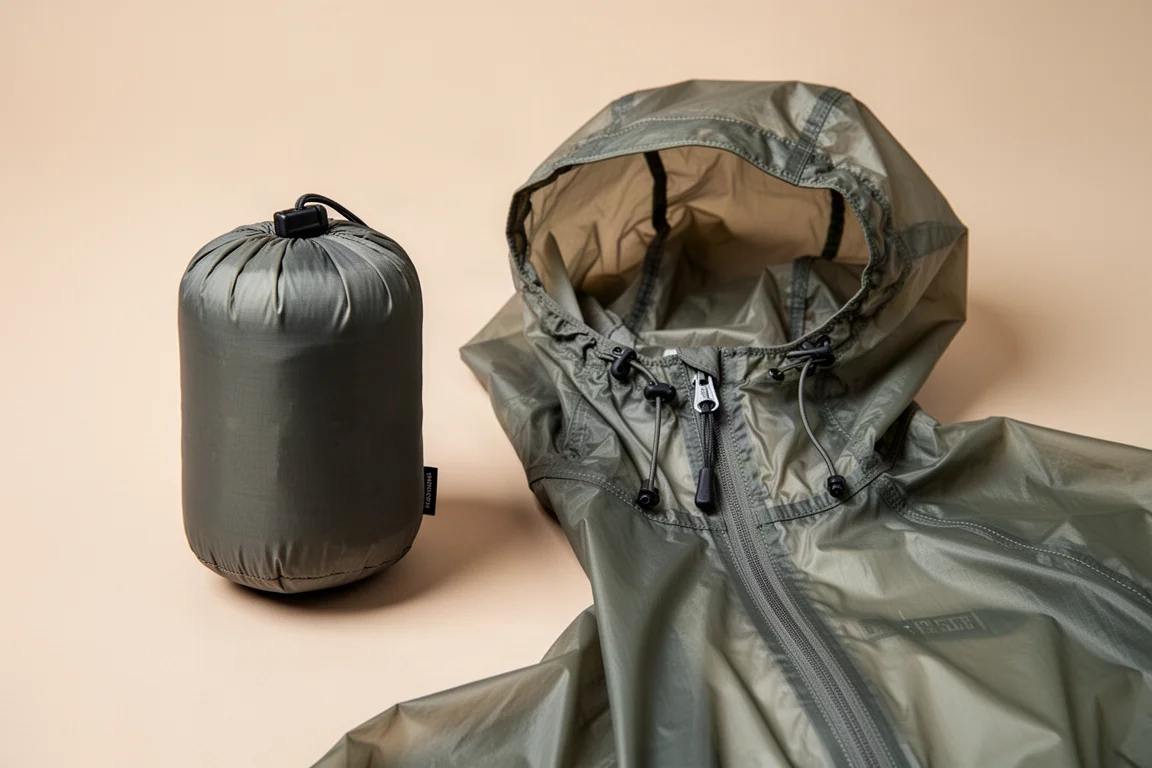
The Enlightened Equipment Visp is significantly more expensive and built to last longer. Breathability is the other major difference. Active hikes in the Visp feel noticeably less hot and sweaty than the same hikes in FrogTogs.
When things warm up further, armpit vents dump heat quickly. There is no substitute for mechanical ventilation, and having those vents turns a jacket that would otherwise run too warm into one that stays comfortable on the move.
Buying Advice
Replacements only pay off when they solve a problem you actually have. A filter that clogs mid-trip is worth replacing with one that can be cleaned in the field. A trowel that drags down a pack is worth replacing with a lighter one that does the same work. A jacket that fails after two seasons is worth replacing with one that lasts longer, even at a higher price.
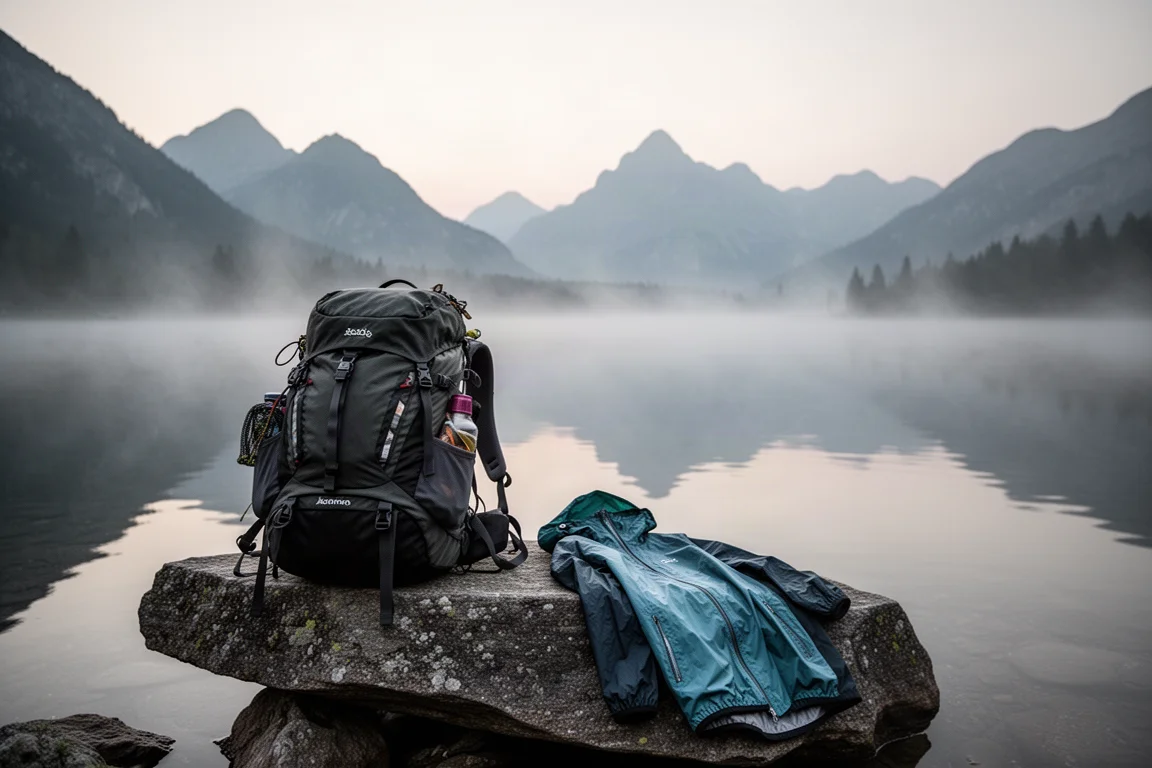
For anyone weighing the cost, the math is straightforward. Gear that works better on trail and lasts longer tends to cost less per trip than gear replaced every year or two. Where an upgrade is incremental, such as a newer satellite communicator, it makes more sense to wait for a strong price than to replace a device that is still working.
Conclusion
These five replacements follow the same pattern. Each keeps what worked about the original item and fixes the specific thing that caused frustration: charging compatibility and battery life, heel durability, filter maintenance, carried weight, and rain jacket lifespan. None of them are dramatic reinventions, and that is precisely why they are worth considering.
Further reading
Related Reviews

Backpacking Gear
Building a 10 lb Base Weight: An Ultralight Backpacking Gear List
A practical walkthrough of the ultralight pieces behind a 10 lb base weight, from a 765 g pack and a roomy one-person tent to a full camp chair and a dependable water filter.
Backpacking Gear
A 15-Pound Lightweight Backpacking Gear List for Solo Trips
A beginner-friendly 15-pound backpacking setup built from easy-to-find gear, with notes on what each piece does, how it packs, and where to spend your attention.
Backpacking Gear
8 Ultralight Backpacking Gear Upgrades Worth Carrying
Eight small, affordable backpacking upgrades that solve real trail annoyances, from a pillow that stays put to a fuel valve that rescues leftover canister gas.