Backpacking Gear
Five Backpacking Essentials That Stop Small Problems From Ruining Trips
Five small, low-cost pieces of backpacking kit that prevent the problems most likely to cut a trip short, with the trade-offs worth checking before you buy.
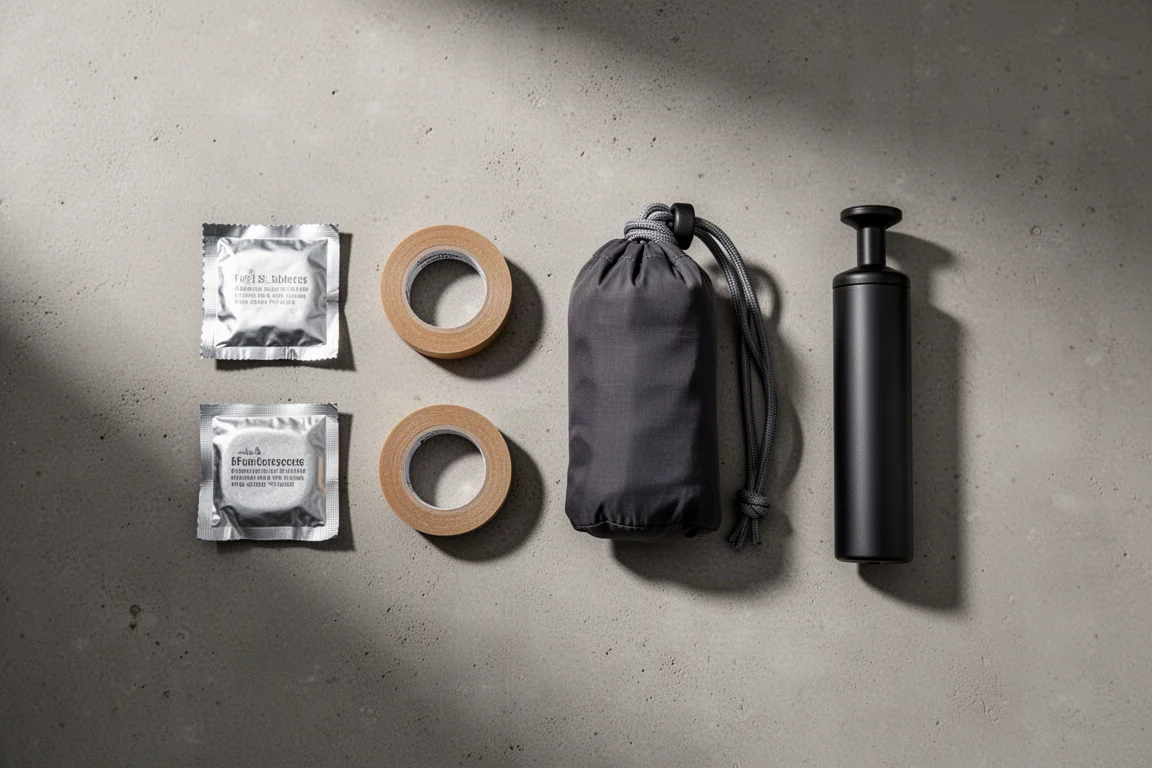
Introduction
Most trips are not ruined by big gear failures. They are ruined by a blister that starts as a mild hot spot, a stove that will not light in an area where open fires are not allowed, or a sleeping pad that still needs inflating when you are already exhausted.
The five items below are the small, inexpensive pieces of kit that quietly handle those problems. Each one is light enough to carry without thinking about it, and each one has a job that comes up again and again on the trail.
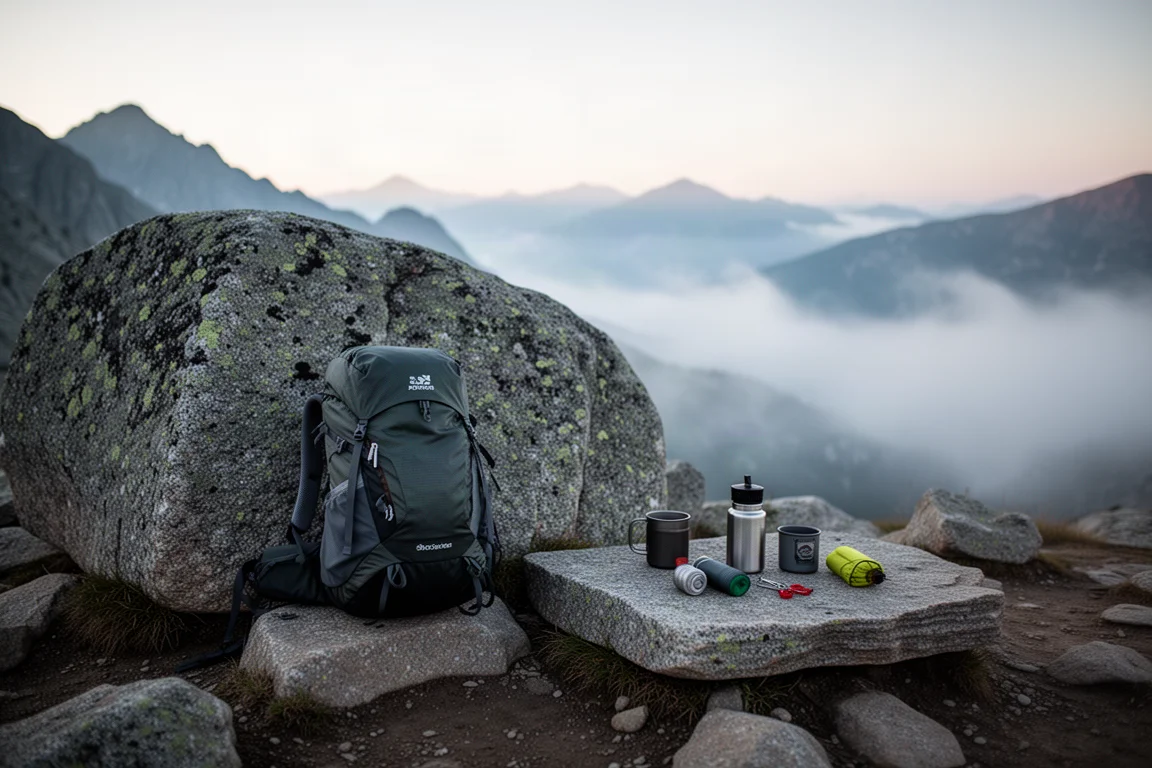
None of them are exciting purchases, and that is the point. They are the sort of gear you stop noticing once it lives in your pack, and the sort of gear you miss immediately on the trip you left it at home.
What These Five Essentials Have in Common
Every item here passes the same simple test: it prevents a problem rather than adding a feature. A fire starter, foot tape, cordage, offline maps, and a pump with a built-in light all exist to stop something from going wrong.
They are also small, light, and affordable. None of them requires a big budget or a dedicated packing strategy, which makes them easy to justify even if you already own a full kit.
Esbit Fuel Tablets: A Compact Fire Starter
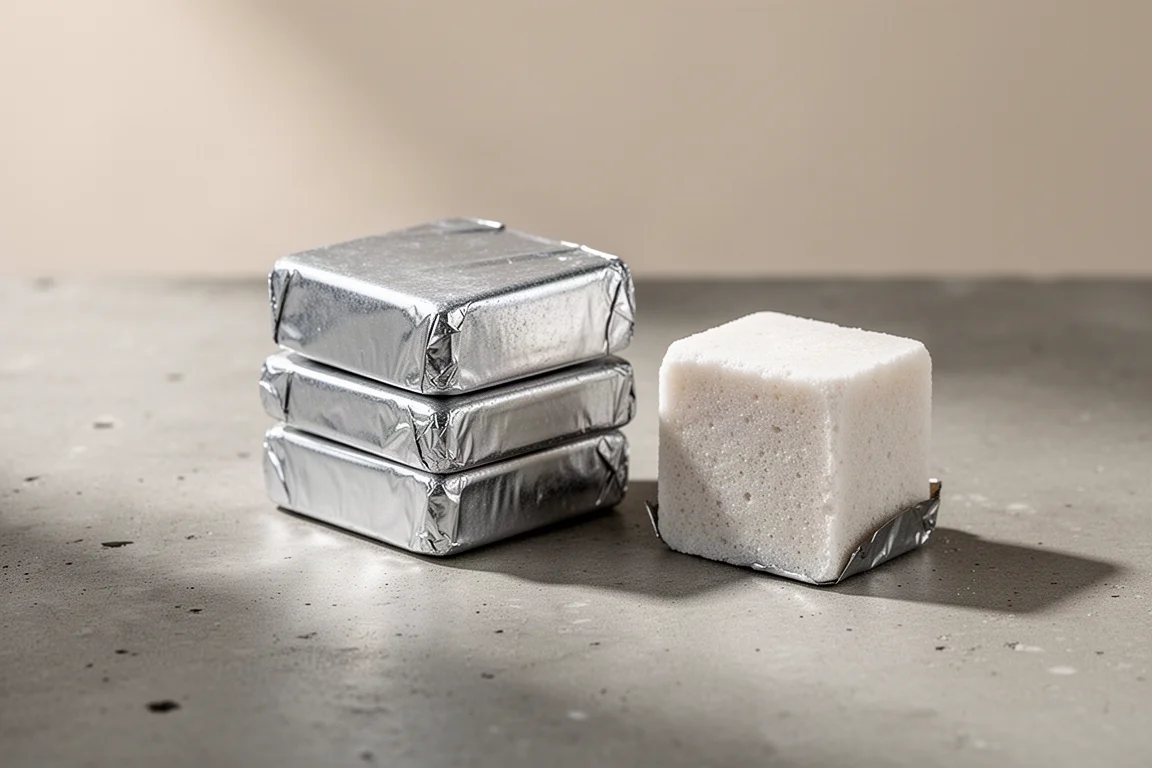
Esbit fuel tablets arrive wrapped in foil, and the wrapping matters. The tablets have a strong smell, so keeping them sealed stops the rest of your kit from picking it up.
Each tablet burns for roughly ten minutes. They are designed mainly as fuel for a small tablet stove, which means they still work in places and at times when open wood fires are not allowed, and they double as a backup fuel source if your main stove fails.
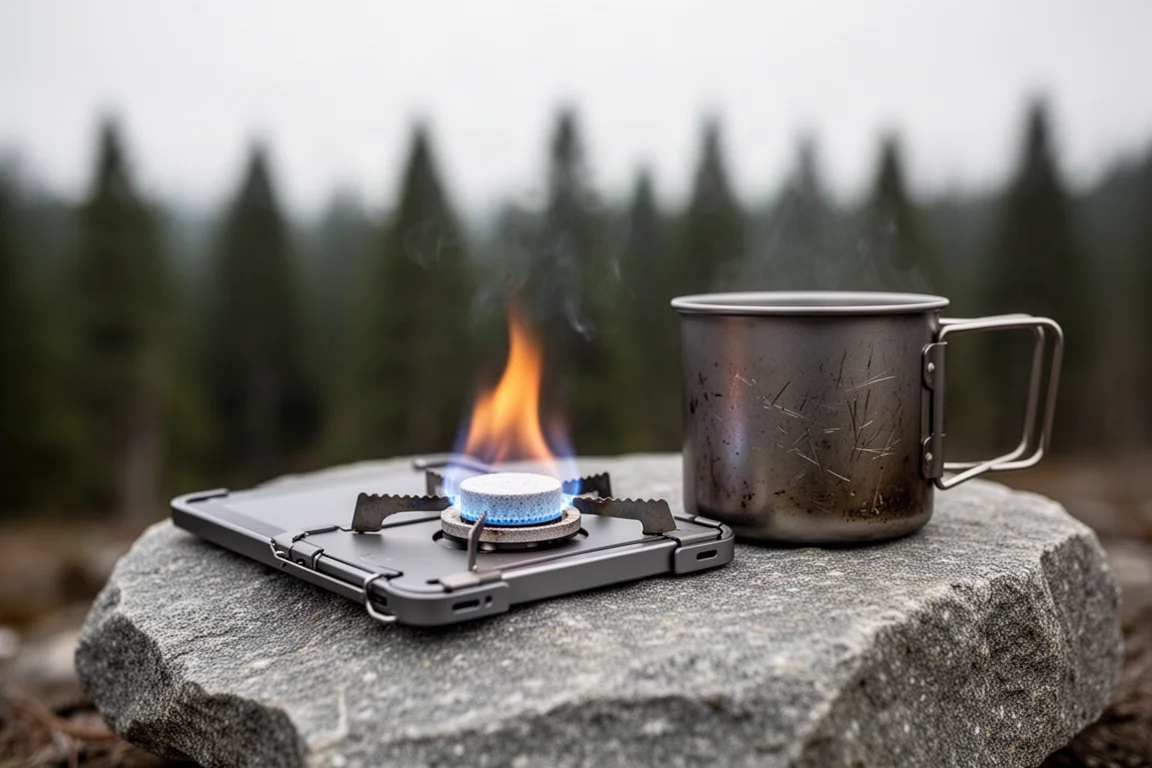
Because they are so inexpensive, a handful of tablets is an easy thing to keep in your pack for a whole season. Treat them as a consumable and restock before a long trip rather than assuming you still have a full set.
Leukotape: Blister Prevention That Stays Put
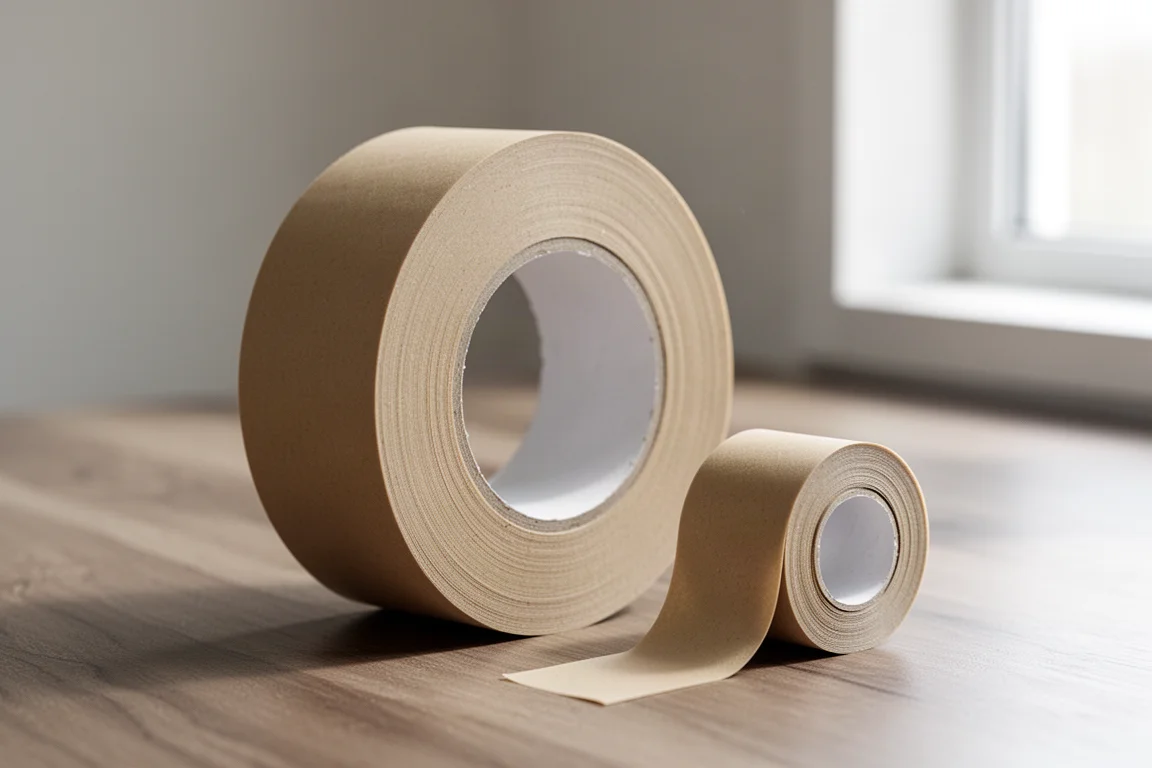
Leukotape is an adhesive tape used to cover hot spots on the feet. The moment you feel the first hint of rubbing, stop, take your boots off, and cover the spot. That single pause is what stops the blister from forming, because the tape removes the friction between your foot and your sock or boot.
What sets it apart is how well it stays on. It survives long days and repeated water crossings, so you are not stopping to reapply it every few hours.
Keep it in your first aid kit so it is always with you, and carry a short length rather than the whole roll.
Hilltop Packs Food Bag Hanging Kit: Cordage You Will Actually Use
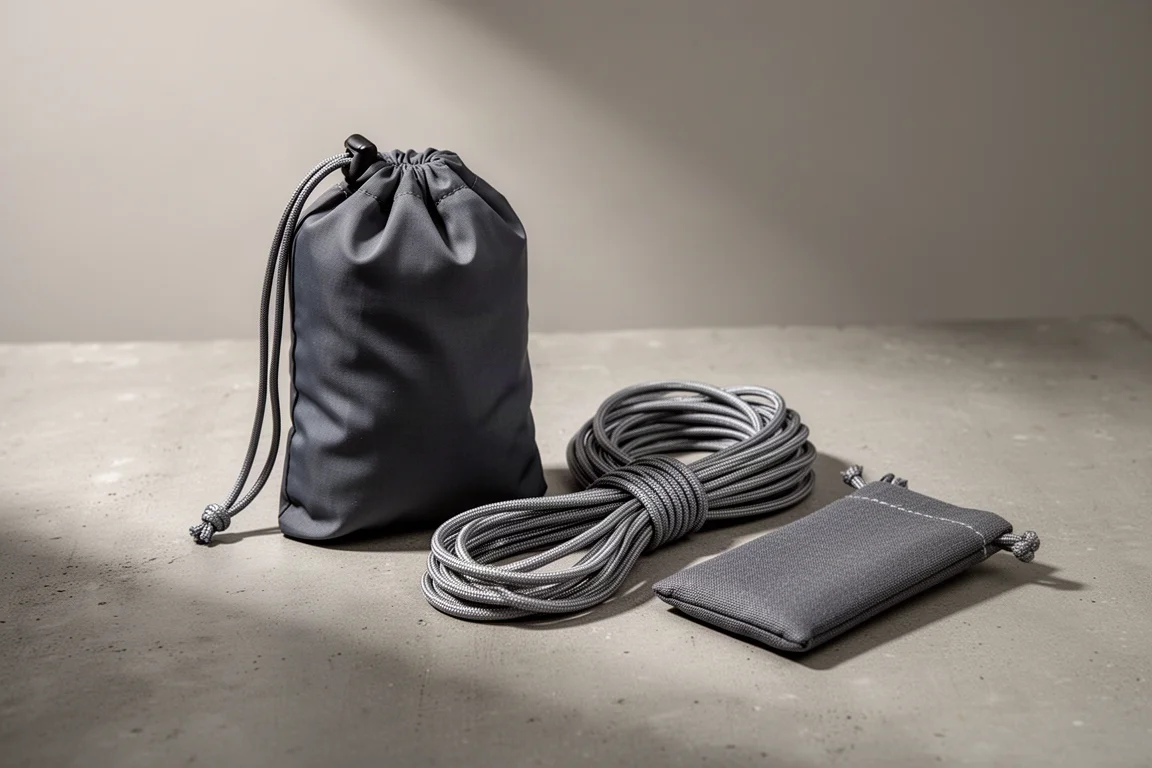
Hilltop Packs makes a food bag hanging kit that packs into a small Dyneema bag. Inside is a rock bag and a length of cord. You put a rock in the bag, tie it to the end of the cord, throw it over a branch, and haul your food up on the other end.
The stronger argument for carrying it is that cordage earns its weight even when you never hang anything. The same line works as an extra guy line for a shelter or as a tie-out for a tarp, which makes it one of the most flexible small items you can pack.
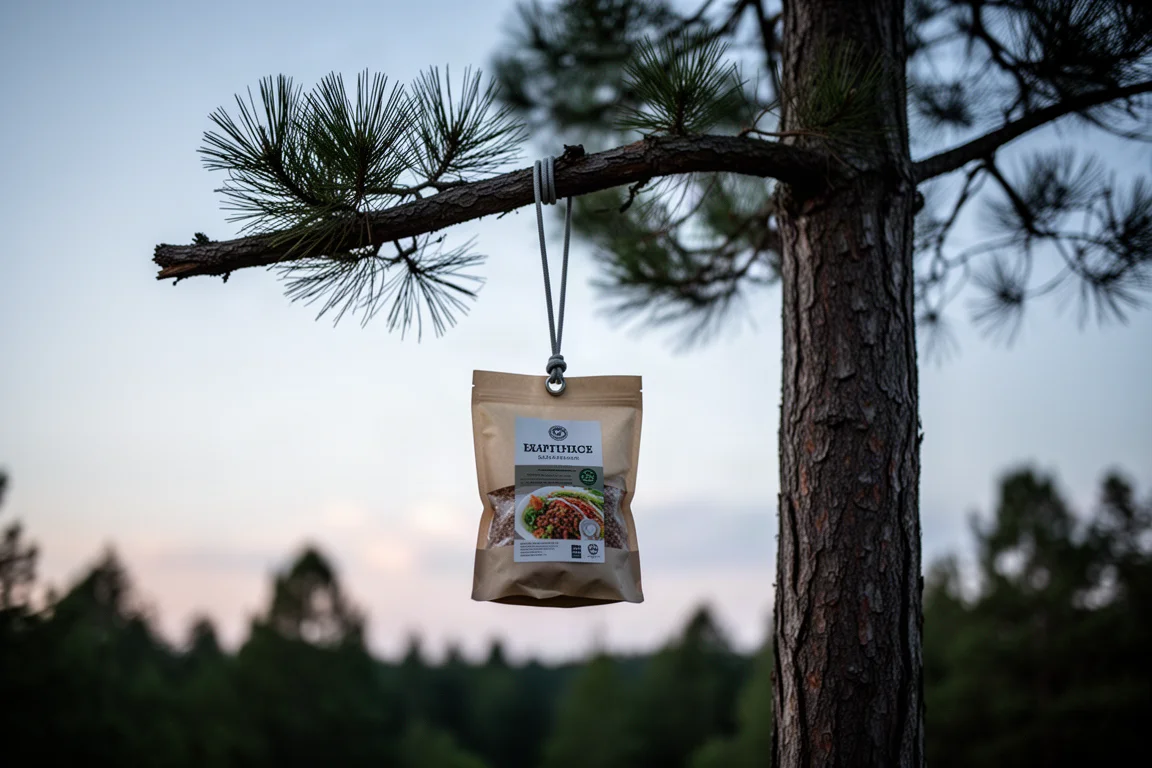
Because the kit lives inside the food bag, it is already with you whenever you need it, and it is inexpensive enough that there is little reason to leave it behind.
onX: Offline Maps for Trailheads and Campsites
onX is a navigation app for finding trailheads, campsites, and even the kind of scenic spots that are worth planning a day around. It is available for both iOS and Android, and it comes in under $30.
The feature that matters most in the backcountry is offline mapping. Downloading high-resolution maps before you leave means they keep working with no cell signal at all, and the satellite view can reveal features such as large clearings that are easy to miss otherwise.
Flextail Gear Tiny Pump: Inflate and Light Your Shelter
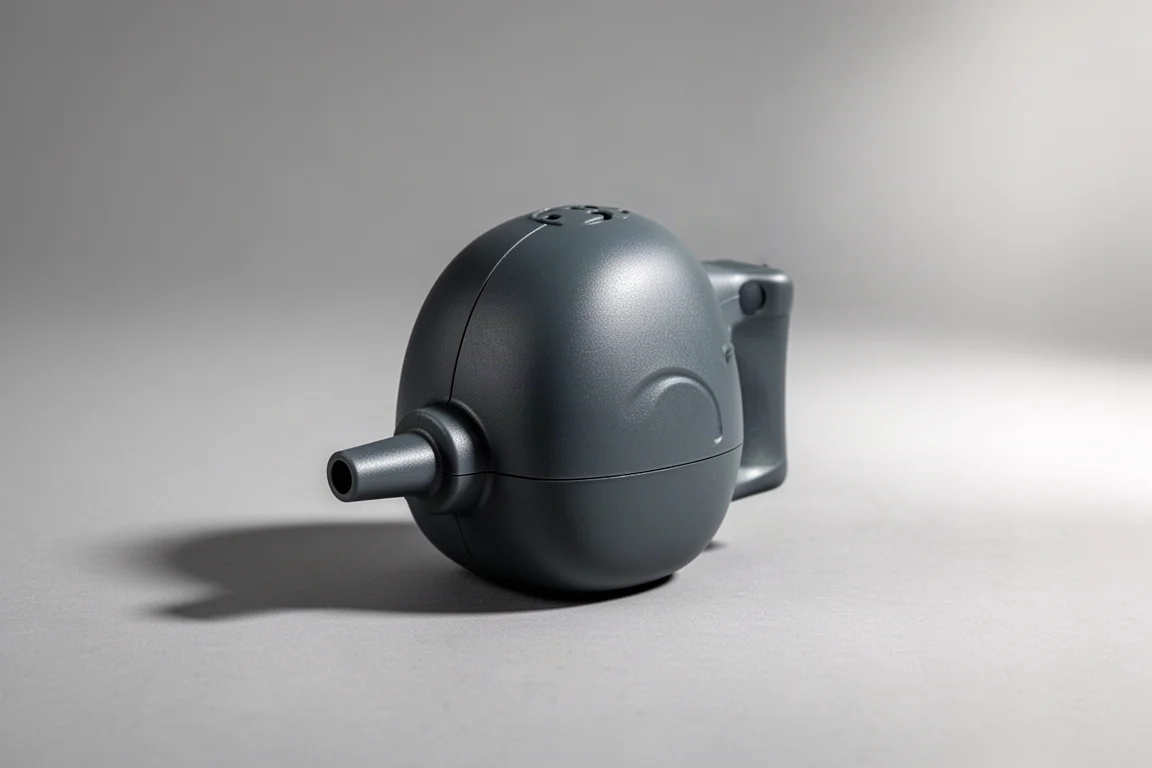
The Tiny Pump is a USB-C rechargeable air pump for sleeping pads. It ships with several nozzle attachments that fit most pads, though a few models need a bit of persuasion before they seal properly.
Inflating a standard pad takes around three to four minutes, which is time you spend doing something else instead of blowing into a valve at the end of a long day. The pump also has a 400-lumen light built in, so it doubles as a secondary light in your shelter, and it weighs about three ounces.
Battery life holds up well over multi-day trips, and because the light can be hung inside a tent on a low setting, it works as a lantern as well as a pump.
How to Choose What Earns Space in Your Pack
The easiest way to build a kit like this is to start with problems you have already had. A blister, a cold dinner, a campsite you could not find, or a pad that took ten minutes of effort are all clear signals about what belongs in your pack.
Second, give each item a permanent home. Tape belongs in the first aid kit, cordage belongs in the food bag, and fuel tablets belong with the stove. Gear that lives in the kit it serves is gear you will not forget at the trailhead.
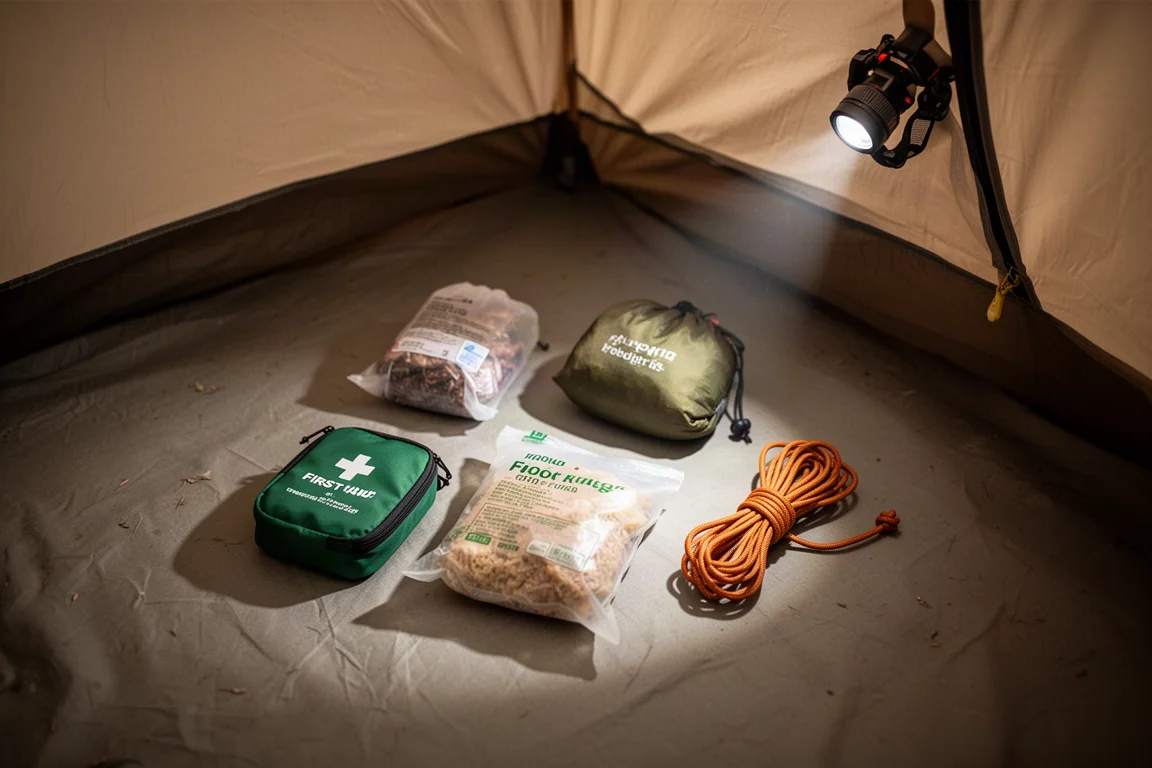
Finally, treat the consumables as consumables. Fuel tablets and tape get used up, and a quick resupply check before a long trip costs nothing compared with running out halfway through.
Conclusion
None of these five items is expensive, and none of them is heavy. What they share is a clear job: prevent the small failures that turn a good trip into a frustrating one.
Start with the one that matches a problem you have actually run into, test it on a short trip, and let it earn a permanent place in your pack from there.
Further reading
Related Reviews

Backpacking Gear
Building a 10 lb Base Weight: An Ultralight Backpacking Gear List
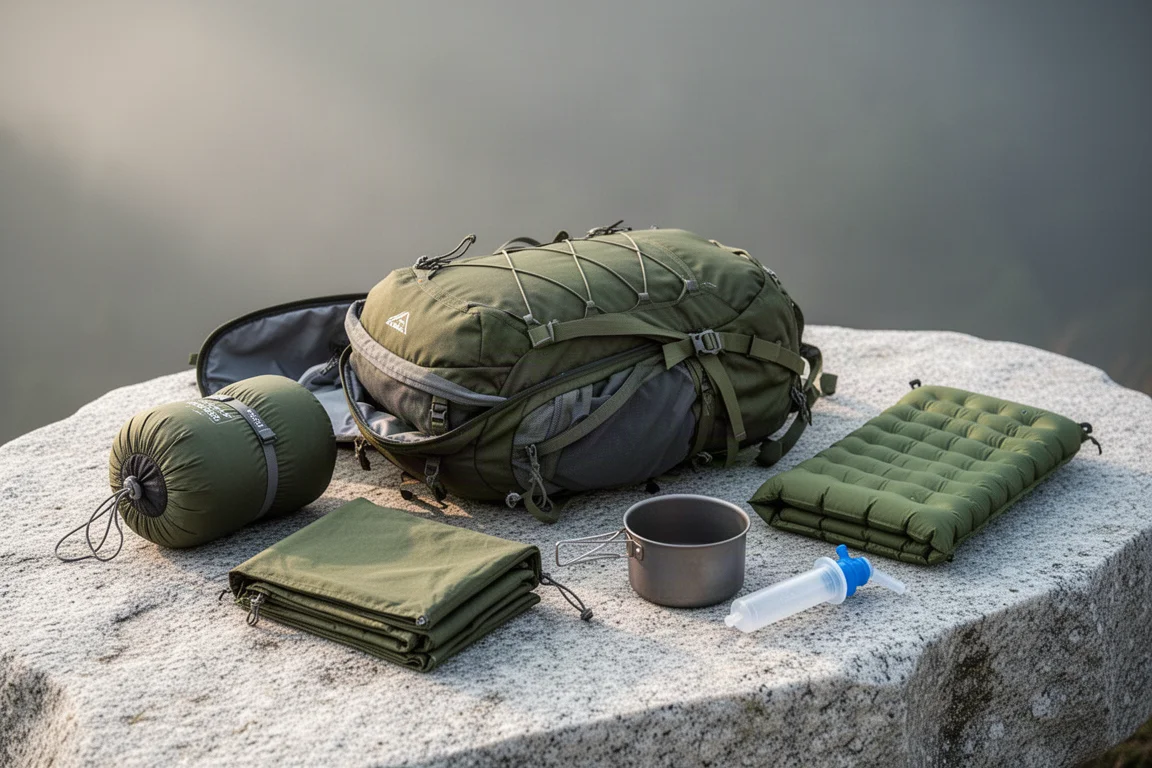
A practical walkthrough of the ultralight pieces behind a 10 lb base weight, from a 765 g pack and a roomy one-person tent to a full camp chair and a dependable water filter.
Backpacking Gear
A 15-Pound Lightweight Backpacking Gear List for Solo Trips
A beginner-friendly 15-pound backpacking setup built from easy-to-find gear, with notes on what each piece does, how it packs, and where to spend your attention.
Backpacking Gear
8 Ultralight Backpacking Gear Upgrades Worth Carrying
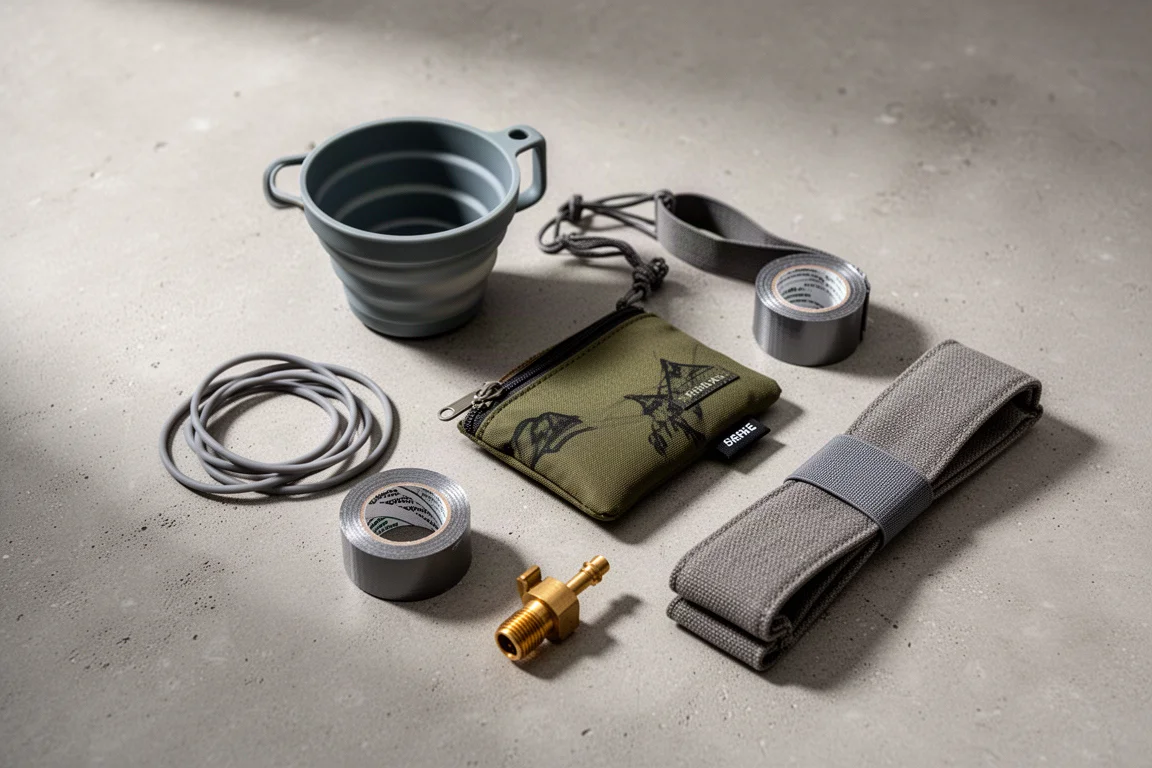
Eight small, affordable backpacking upgrades that solve real trail annoyances, from a pillow that stays put to a fuel valve that rescues leftover canister gas.