Backpacking Gear
Five Backpacking Essentials Under $30 Worth Packing
Five small, inexpensive backpacking essentials that cover fire starting, blister care, cordage, navigation, and sleeping pad inflation.
Introduction
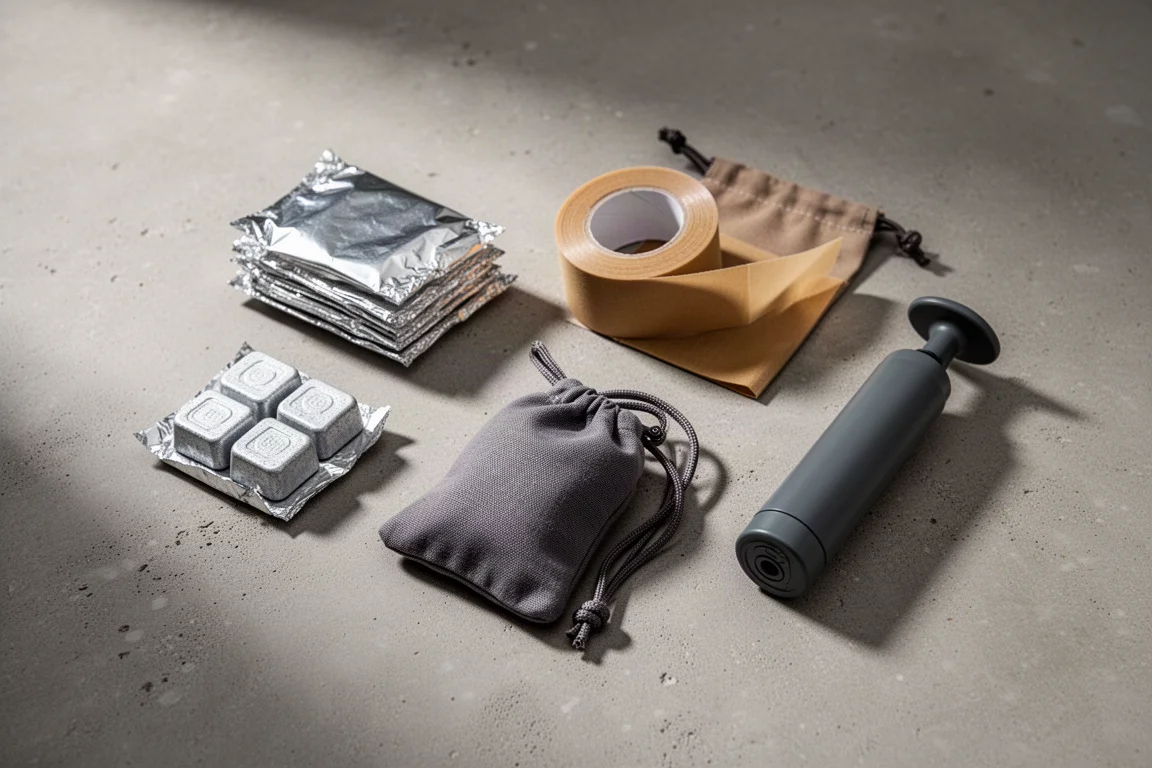
The most useful backpacking gear is not always the most expensive. The five items here cover fire starting, blister prevention, cordage, navigation, and camp setup, and each one solves a problem that can otherwise cut a trip short. They are small, light, and easy to keep in a pack so they are there when they are needed, and all five come in under $30.
What Makes a Good Backpacking Essential
The bar for a genuine essential is simple. It should be light, packable, and useful enough to earn permanent space in the bag. Gear that lives in the same pocket on every trip is gear that does not get left on the kitchen table, and multi-purpose items score higher because one item covering two problems saves both weight and space.
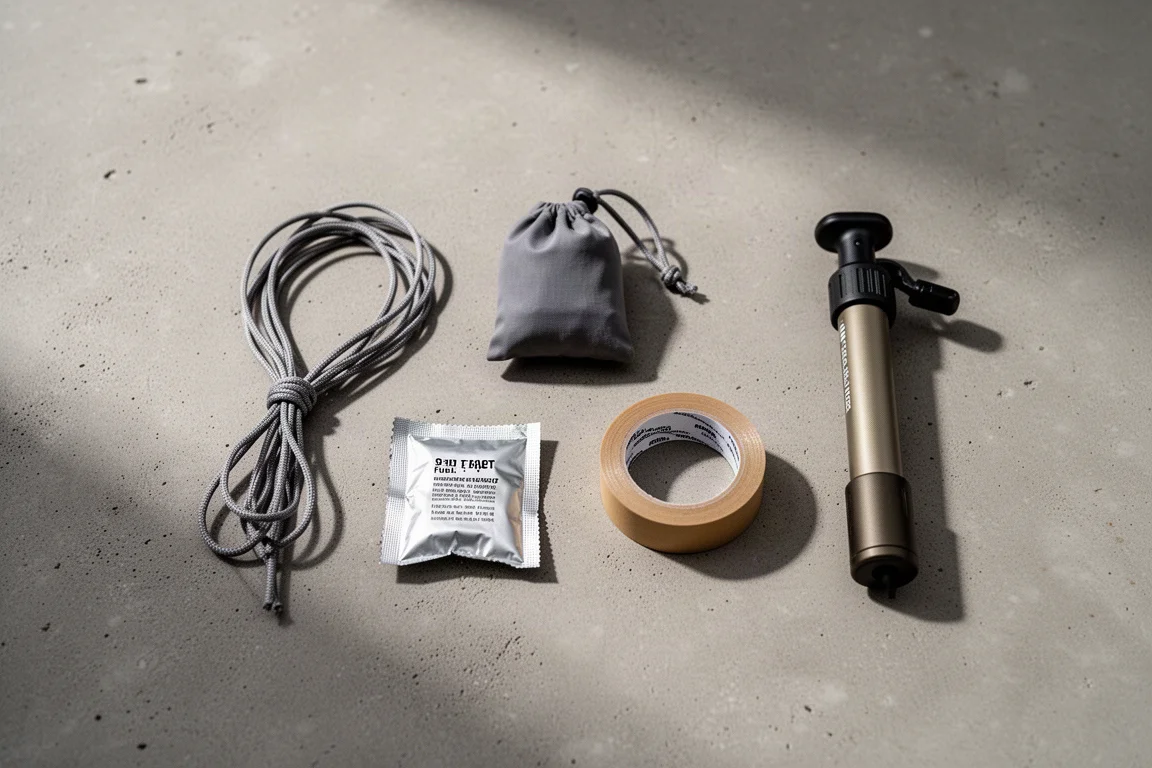
Durability matters too, especially in wet conditions. Tape, cordage, and fire-starting supplies all need to keep working after a river crossing or a night of rain, and none of them should depend on a charged battery or a special accessory to be useful.
Esbit Fuel Tablets: Compact Fire Starter and Backup Fuel
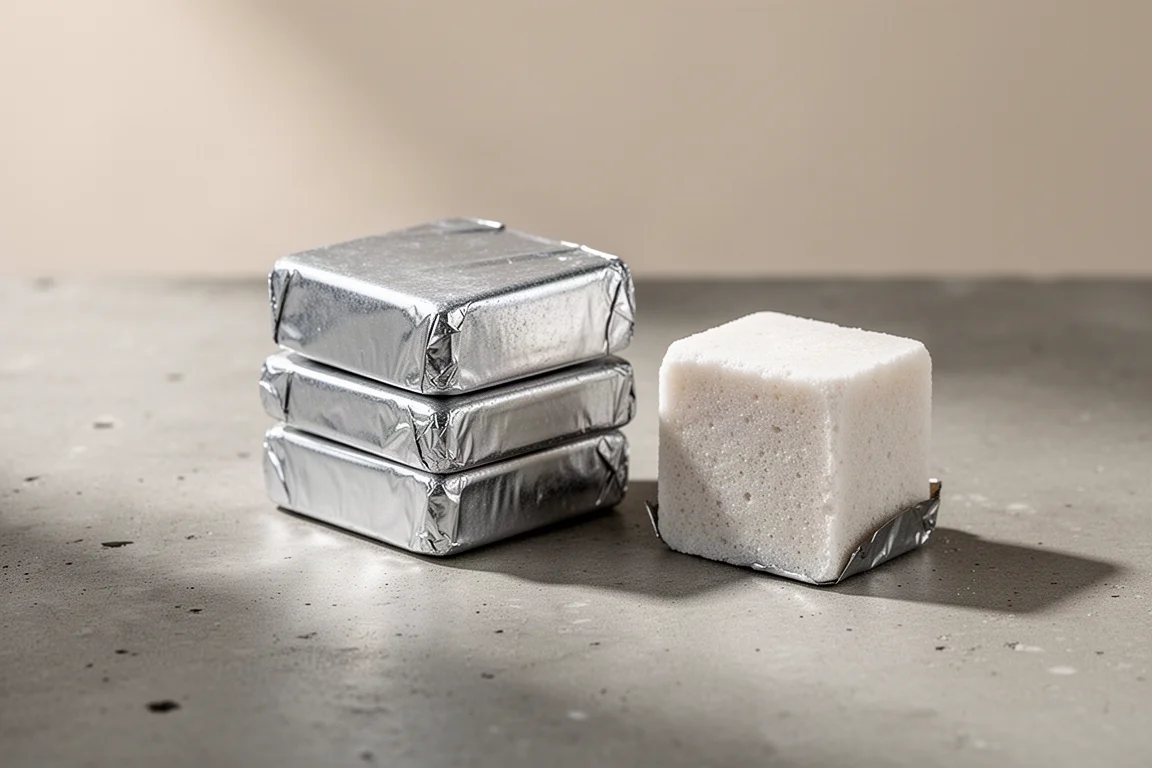
A single fuel tablet is a small, lightweight fire starter. Each one burns for roughly ten minutes, which is enough to get a fire going or to heat a quick meal, and the tablets are inexpensive and easy to find online.
They are mainly designed as fuel for a solid-fuel stove, but they double as a backup fuel source and as an emergency fire starter. They are also handy in places and seasons where open campfires are not allowed. The trade-off is odor: the tablets have a strong smell, so storing them wrapped, for example in foil, keeps the rest of a pack from picking it up.
Leukotape: Blister Protection That Stays On
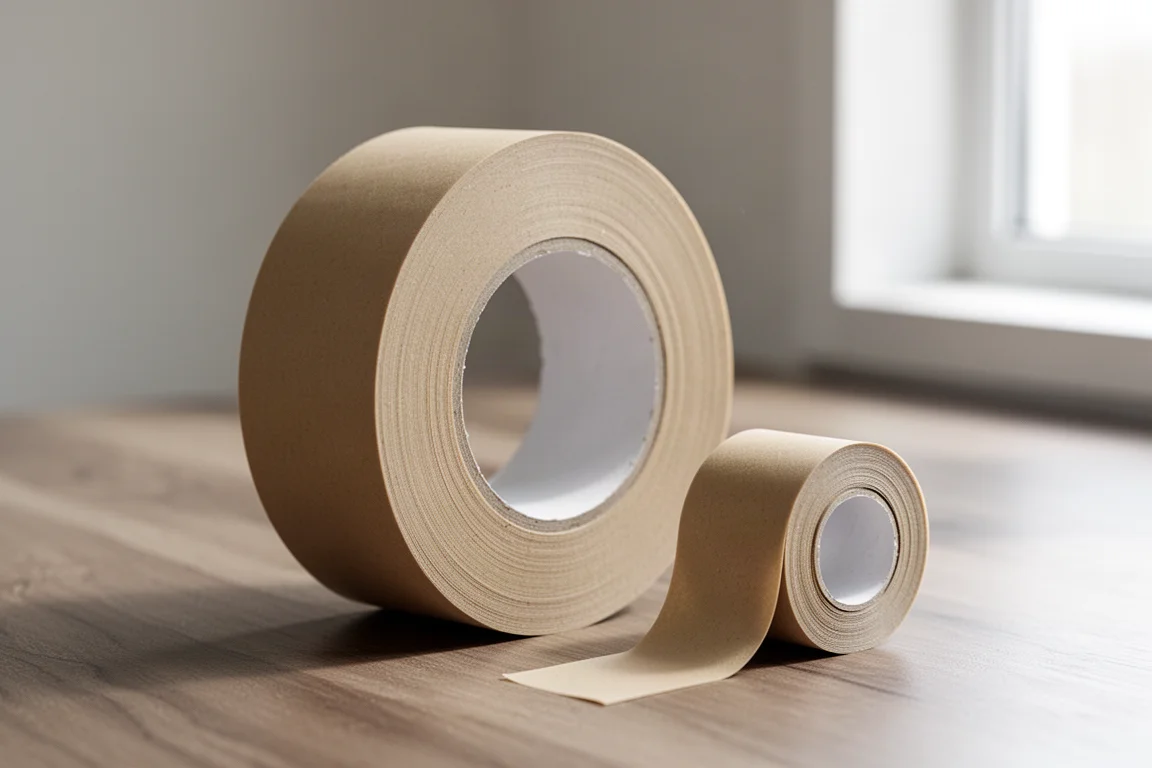
Blisters end trips. Leukotape is a rigid adhesive tape for covering hot spots on the feet, the early warm or tender feeling that signals a blister is forming. Applied as soon as that feeling starts, it stops the friction between foot, sock, and boot that would otherwise turn into a blister.
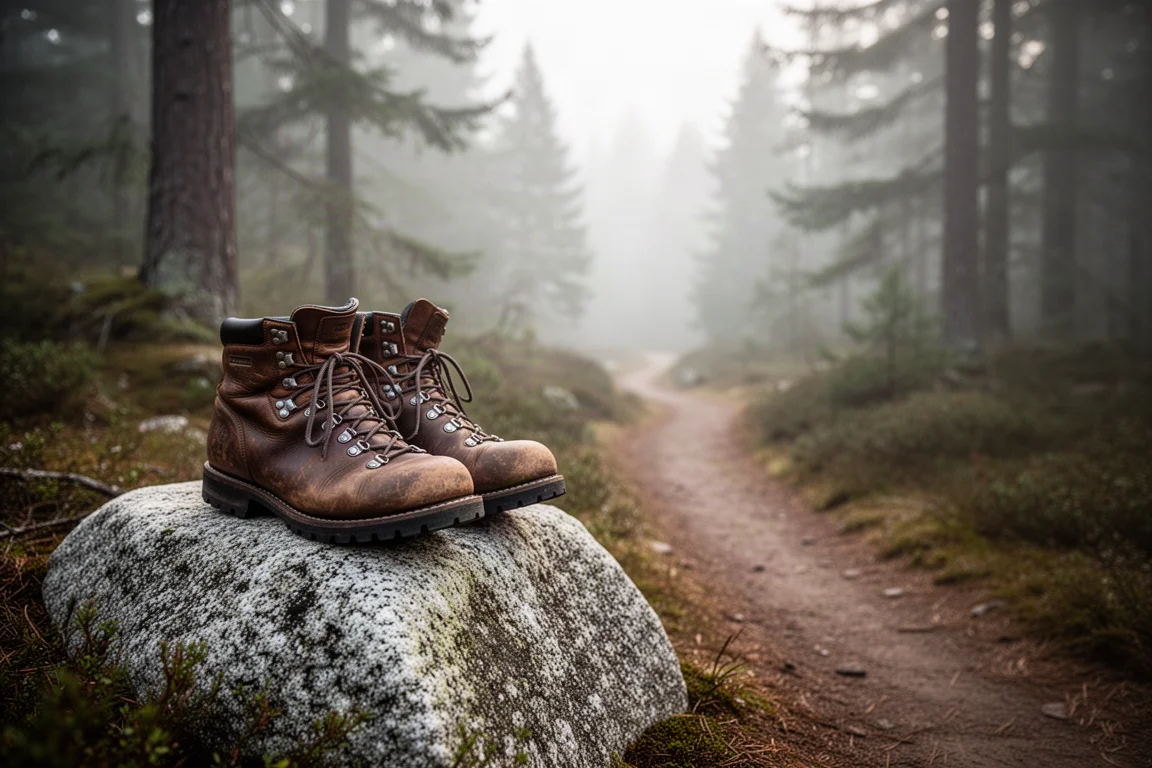
The tape stays on through sweat and water, including river crossings and creek wading, so it does not need to be reapplied mid-hike. It lives in a first aid kit, and a shorter length cut from the roll is usually enough for a trip, since a full roll is more than most hikers need to carry.
Hilltop Packs Food Bag Hanging Kit: Cordage for Every Trip
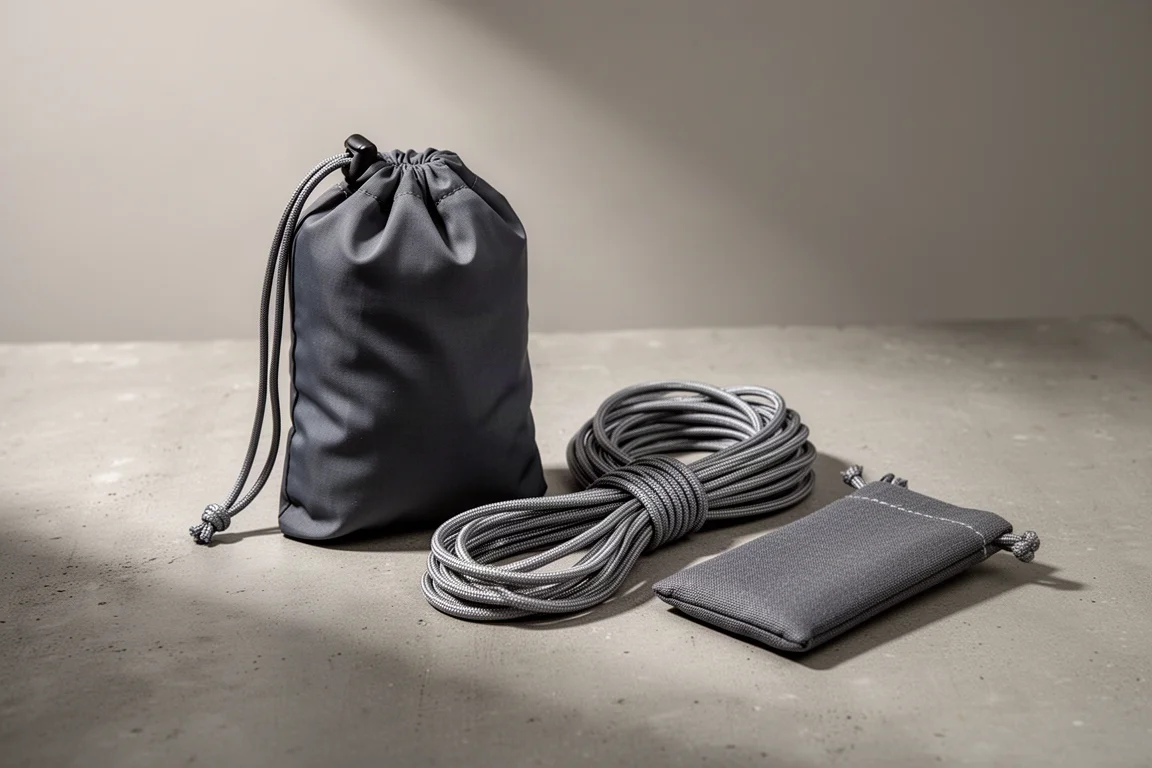
Cordage is one of those items that rarely tops a packing list and is almost always missed when it is left behind. The Hilltop Packs food bag hanging kit pairs a length of thin, strong cord with a small Dyneema bag sized to hold a rock.
The rock bag ties to the end of the cord, gets thrown over a branch, and lets the food bag be hauled up out of reach. Even on trips where food does not need to be hung, the cord earns its place as extra guy line or as a way to pitch a tarp. Keeping the kit inside the food bag means it is always packed. Hilltop Packs is a small maker, and the kit is sold at a low price.
onX: Offline Maps for Trailheads, Campsites, and Photo Spots
onX is a mapping app that helps with finding trailheads, campsites, and locations worth photographing. The key habit is downloading high-resolution offline maps before leaving home, then studying the satellite view while planning. Features such as clearings, ridges, and water sources show up clearly on the map, and the offline maps keep working where there is no signal.

Planning this way can turn a generic stretch of forest into a specific destination, which is exactly how a large clearing was located and used on a trip. The app is available for both major mobile platforms.
Flextail Gear Tiny Pump: Inflate a Sleeping Pad Without the Effort
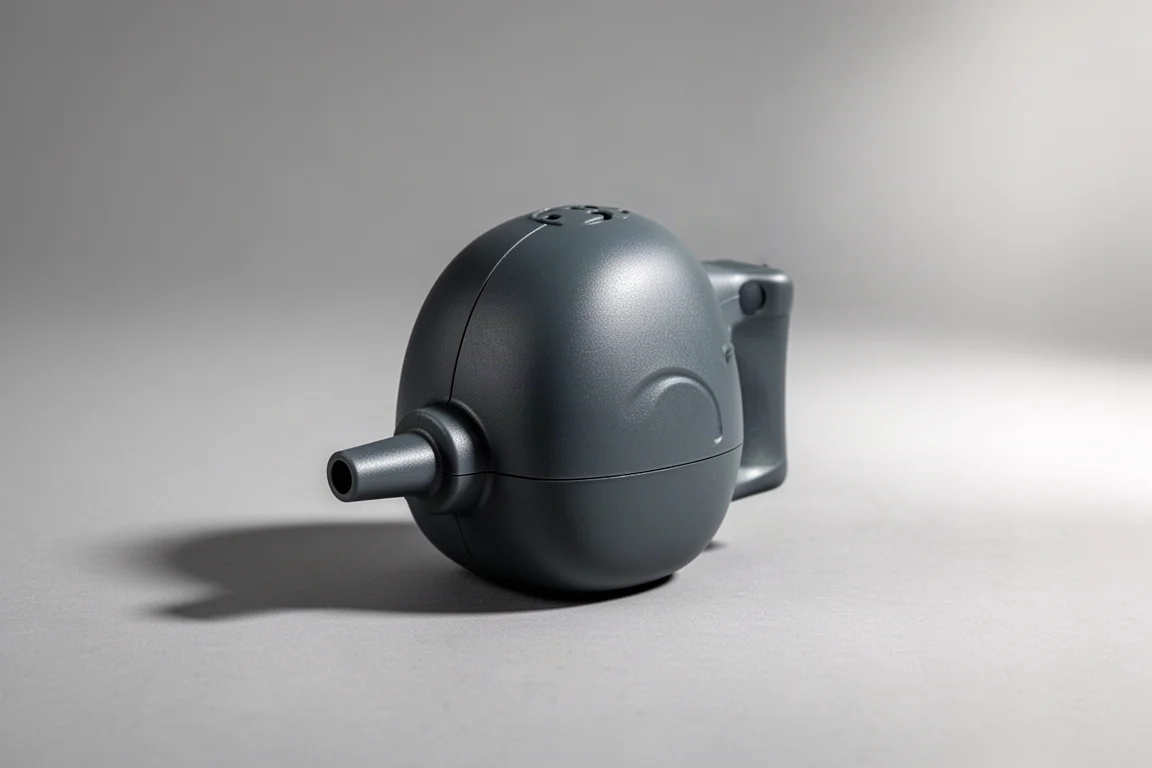
Inflating a sleeping pad by breath at the end of a long day is one of the least appealing camp chores. The Flextail Gear Tiny Pump is a small electric pump that weighs about three ounces, recharges over USB-C, and inflates a standard sleeping pad in roughly three to four minutes.
It ships with several nozzle attachments that fit most sleeping pads, though a few pads may need some adjustment to seal properly. The pump also includes a 400-lumen light that works as a secondary light in a tent, and it can be hung from a loop and left on a low setting. A single charge has lasted through multi-day trips.
Overall Buying Advice
These five items cover different failure points, so the right starting point depends on what has gone wrong on past trips. Anyone who has finished a hike with sore feet should start with the tape. Anyone who has struggled to find a campsite should start with the mapping app. Fire-starting supplies and cordage are inexpensive enough to add at the same time.
The pump is the one item here that replaces real effort rather than solving an emergency, which makes it a comfort purchase as much as a practical one. It is also the item most likely to be borrowed by a tent neighbor.
Because every item on this list is small, none of them adds meaningful weight or bulk. The habit that matters more than any single purchase is keeping them in the same place in the pack, so they are never the thing that got left behind.
Conclusion
Five small, inexpensive items, and each one removes a specific source of frustration: fire starting when it is wet or restricted, blisters before they form, cordage when a pitch needs adjusting, a map that works without signal, and a sleeping pad that inflates without breath. Packed together they take up very little room and cover a surprising amount of ground.
Further reading
Related Reviews

Backpacking Gear
Building a 10 lb Base Weight: An Ultralight Backpacking Gear List
A practical walkthrough of the ultralight pieces behind a 10 lb base weight, from a 765 g pack and a roomy one-person tent to a full camp chair and a dependable water filter.

Backpacking Gear
A 15-Pound Lightweight Backpacking Gear List for Solo Trips
A beginner-friendly 15-pound backpacking setup built from easy-to-find gear, with notes on what each piece does, how it packs, and where to spend your attention.

Backpacking Gear
8 Ultralight Backpacking Gear Upgrades Worth Carrying
Eight small, affordable backpacking upgrades that solve real trail annoyances, from a pillow that stays put to a fuel valve that rescues leftover canister gas.