Fitness Trackers
Fitbit Inspire 3 Review: A $100 Tracker That Does More Than Its Size Suggests
A lightweight fitness band with color touchscreen, broad health tracking, and up to 10 days of battery life. Here's how it performed over weeks of real use.
Introduction
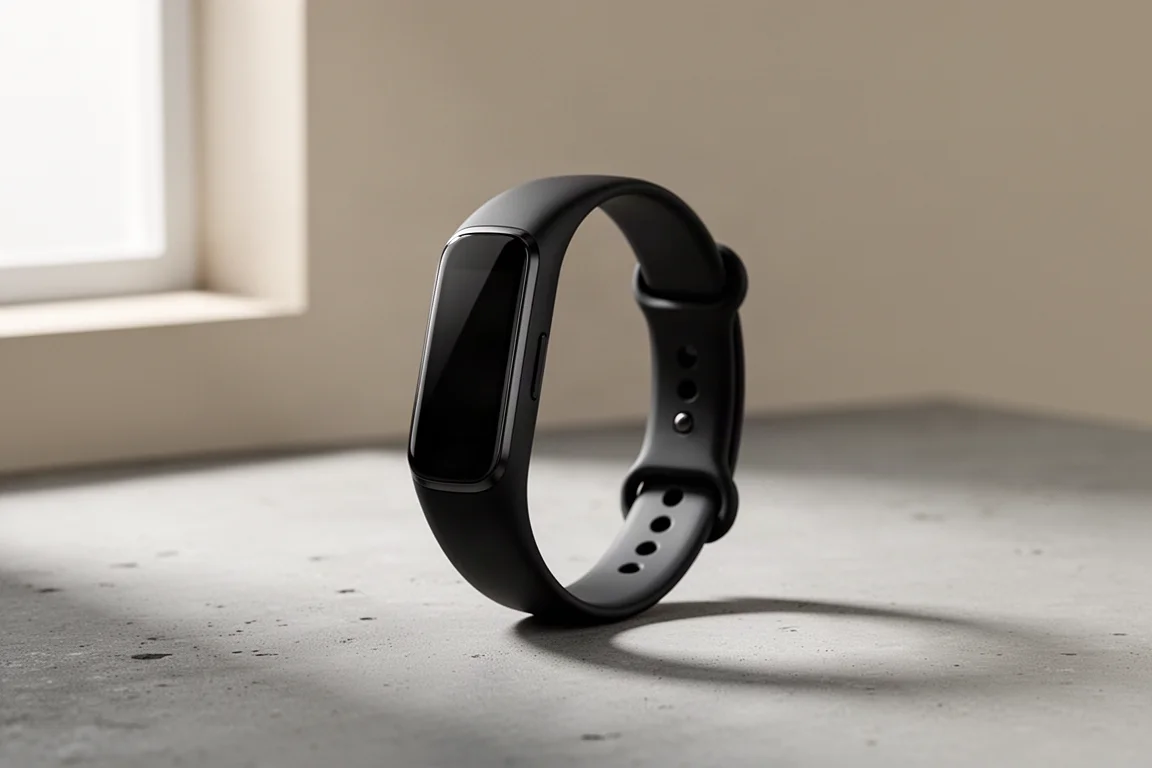
The Fitbit Inspire 3 is a small, unassuming band that punches well above its size. For around $100, it tracks heart rate, sleep, blood oxygen saturation, skin temperature, and heart rate variability, which is a health sensor set that few competitors at this price can match. After several weeks of testing, it proved to be one of the better value propositions in the wearable market right now.
It is not a full smartwatch, and it does not pretend to be. But if your goal is reliable health and activity data in a light, comfortable band, the Inspire 3 makes a strong case.
Design, Display, and Everyday Use
The Inspire 3 is lightweight and comfortable to wear, with a full color touch screen that is easy to navigate. Swiping up brings your daily stats: steps, distance, calories burned, active hours, current heart rate, last night’s sleep, blood oxygen saturation, and how many days this week you worked out. Swiping down opens quick settings like Do Not Disturb, and swiping sideways accesses notifications, exercise shortcuts, a relaxation app, alarms, and timers. Pinching the sides takes you back a screen. The interface is responsive and predictable, and there is not much of a learning curve.
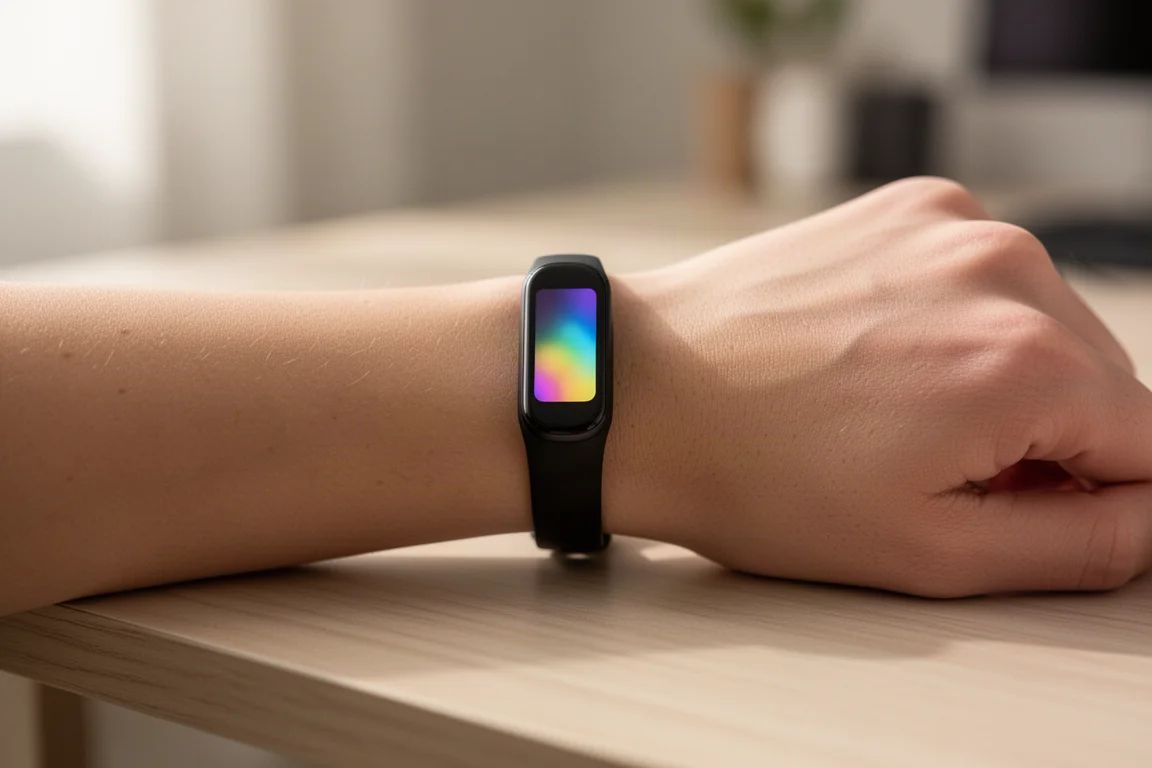
The display is easy to read indoors and holds up well outside in most conditions, though bright direct sunlight can introduce some glare, especially with sunglasses on. One caveat: touch input works flawlessly with dry hands but can be finicky when your hands are wet.
The display times out by default, and you wake it by tapping or pinching the band. Gesture mode wakes the screen with a wrist turn, and an always-on mode keeps a dimmed display visible. Both extra modes cost battery life, which brings us to the battery itself.
Fitbit claims up to 10 days with stock settings, and that claim held up in testing. A full charge lasted 11 days before a low battery warning appeared, and that included plenty of workouts. With gesture mode or always-on display enabled, expect five to seven days instead, which is still solid. The box includes both small and large straps, and the large strap fits generously even on an 185 mm wrist.
Notifications
You get call, text, and app notifications, and you can fine-tune which apps are allowed to buzz your wrist. Text messages display a surprising amount of information, including long messages. The limitation to know about upfront: you can read texts but cannot reply from the band itself.
Health and Sleep Tracking
This is where the Inspire 3 earns its price. It tracks steps, heart rate with high and low heart rate notifications, breathing rate, resting heart rate, and heart rate variability. An SpO2 sensor tracks blood oxygen saturation during sleep, and a skin temperature sensor rounds out the package. There is not much else on the market at this price range with all of these health sensors.
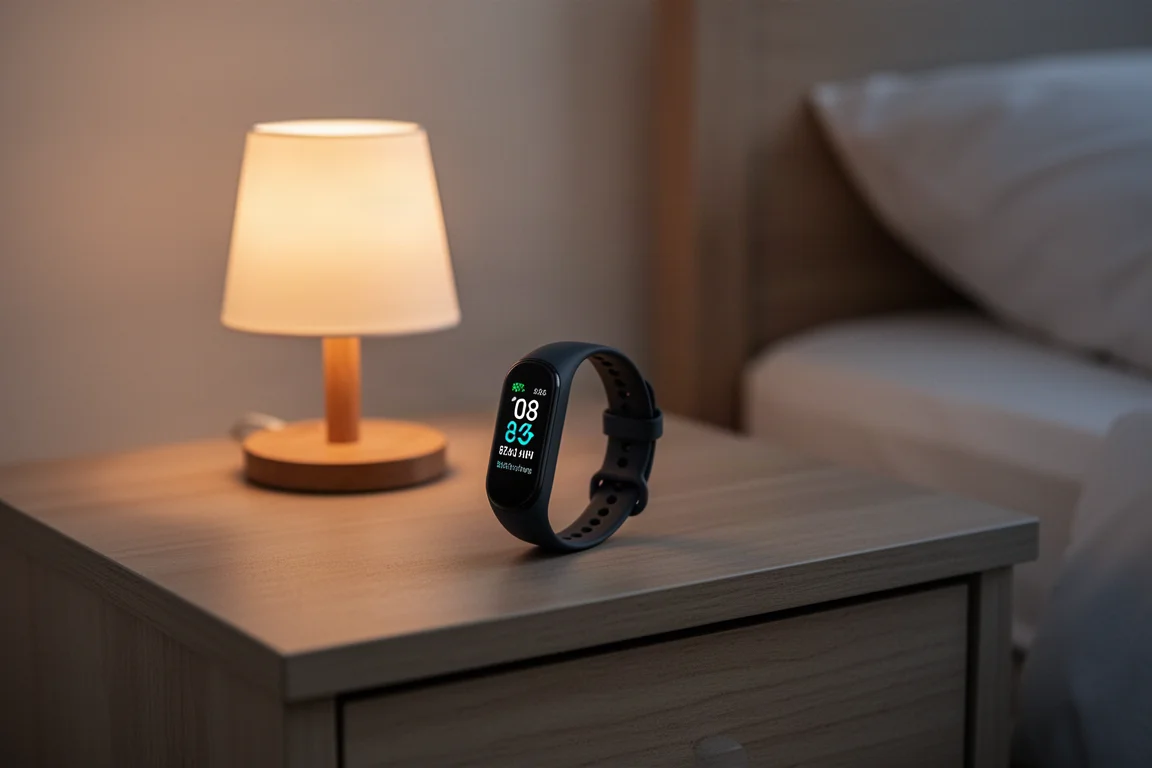
Sleep tracking is a long-standing Fitbit strength, and the Inspire 3 delivers detailed sleep stages data. In testing, sleep duration, bedtime, and wake time were logged accurately. Even more impressive, a nighttime waking around 4:40 a.m. followed by roughly an hour awake before falling back asleep was captured precisely.
Fitbit Premium: What the Subscription Adds
To access every feature, you need a Fitbit Premium subscription, though the Inspire 3 includes a six-month free trial. Premium adds a Daily Readiness Score from 0 to 100 that rates how recovered you are for a workout, a wellness report for health trends, 90 days of historical data instead of one week, guided mindfulness sessions, and additional workouts.
That subscription is the main long-term cost consideration with this device, so factor it into your budget before buying.
Workout and Fitness Tracking
The Inspire 3 supports 21 workout profiles, but only six can be active on the band at once; you choose which ones through the Fitbit app. Outdoor workouts use connected GPS, meaning location and distance come from your phone rather than the band.
Interestingly, for walking and running the band can also estimate distance from its built-in accelerometer, and that estimate was surprisingly close when compared against GPS watches during testing.
Heart Rate Accuracy
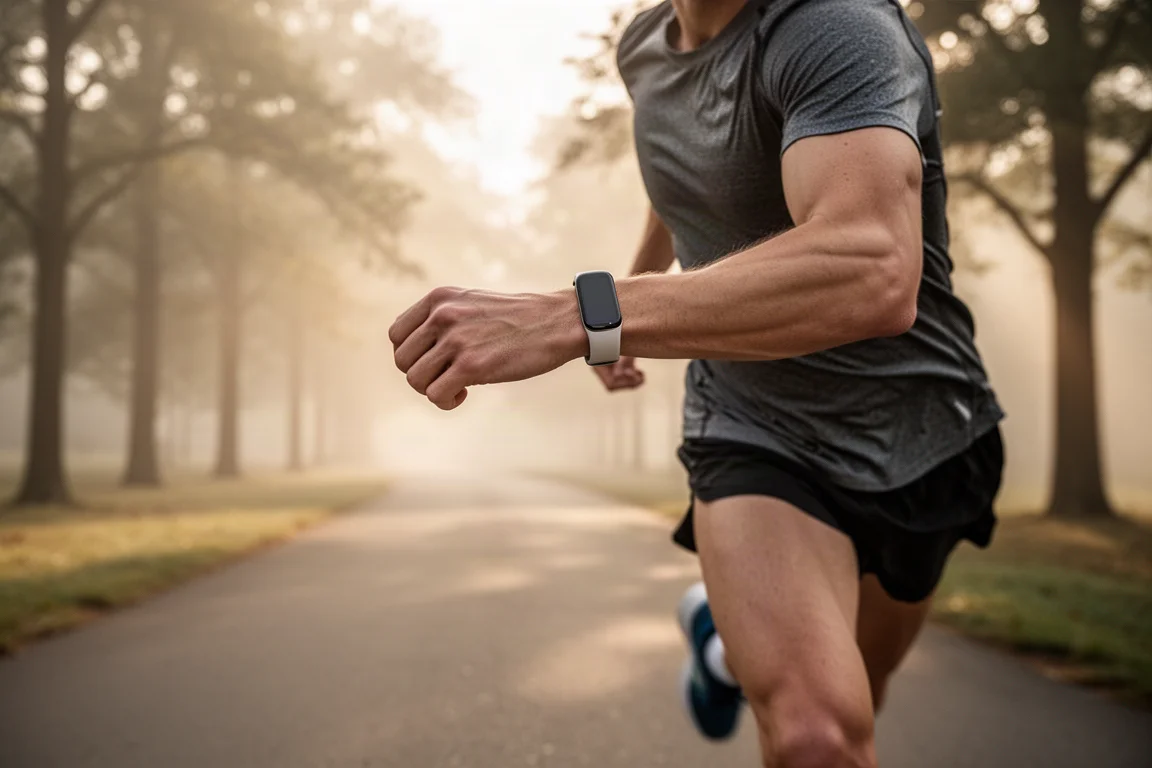
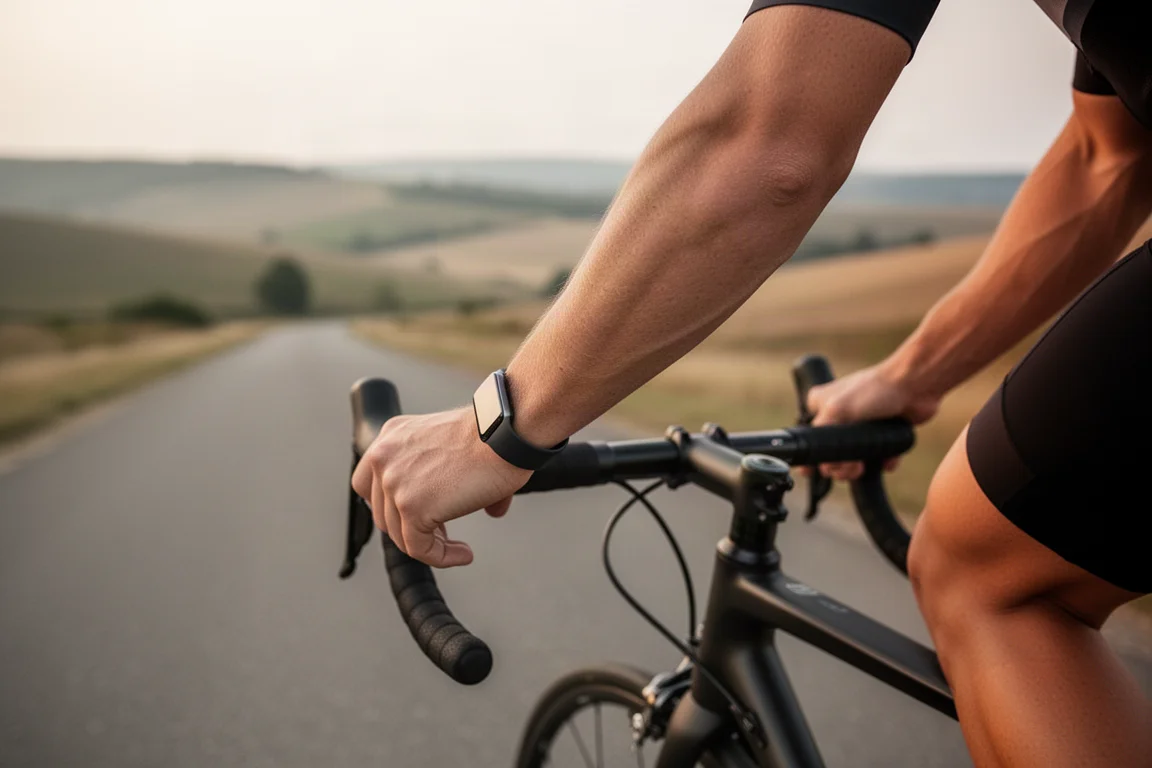
Heart rate accuracy is decent overall, with some caveats. During a variable indoor cycling workout, the Inspire 3 tracked well with only minor hiccups on a few rapid heart rate increases. Outdoor road rides introduce more vibration and bumps, which can challenge optical sensors, and the Inspire 3 showed more deviations there, including running high for the first few minutes.
Running was the shakiest of the three. It started in line with other sensors, then drifted 10 to 12 beats per minute high in some sections and trailed low at the end of the workout. It is not the most accurate heart rate sensor available, but for the money it delivers meaningful workout data.
Buying Advice
At $99, the Inspire 3 packs in a lot: a color touchscreen, a broad set of health sensors, strong sleep tracking, and battery life that genuinely reaches the 10-day claim. The key decision is whether to keep Fitbit Premium beyond the six free months, which will bump up the total cost of ownership significantly over time.
Even without the subscription, the core features alone are easily worth the asking price. If you want a full smartwatch experience, look elsewhere, but as a health and activity tracker, the Inspire 3 is hard to beat for the money.
Conclusion
The Fitbit Inspire 3 proves that a small band can still deliver serious health tracking. With heart rate, sleep stages, SpO2, skin temperature, and heart rate variability all on board at around $100, plus multi-day battery life and a comfortable fit, it stands out as one of the best value options in wearables today. Just weigh the ongoing Premium subscription before you commit, and you will know exactly what you are getting.
Product link
View more details for Fitbit Inspire 3
This product is mentioned in the review. Check the specifications, options, and compatibility before buying.
View more details for Fitbit Inspire 3Further reading
Related Reviews
Fitness Trackers
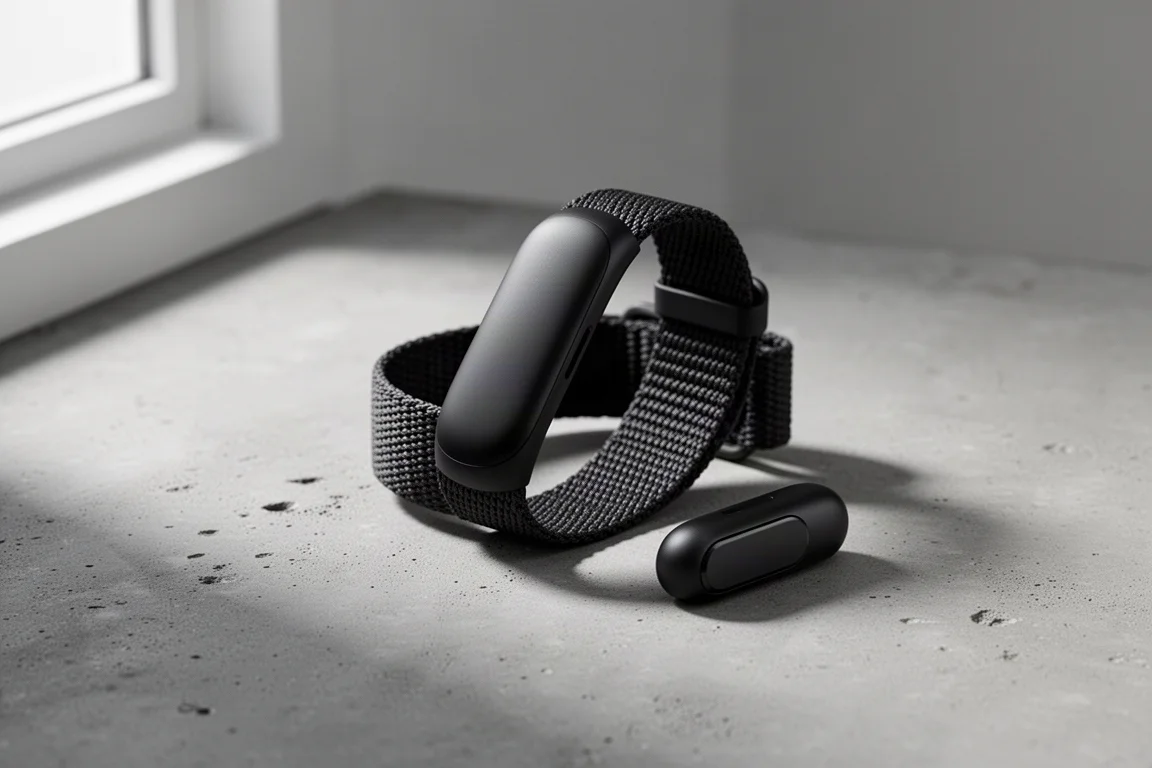
Amazfit Helio Band Review: A $99 Screenless Fitness Band That Isn't a Whoop Killer (And Doesn't Need to Be)
The Helio Band delivers impressive hardware and accurate heart rate tracking for $99 with no subscription, but its software keeps it from truly competing with Whoop.
Fitness Trackers
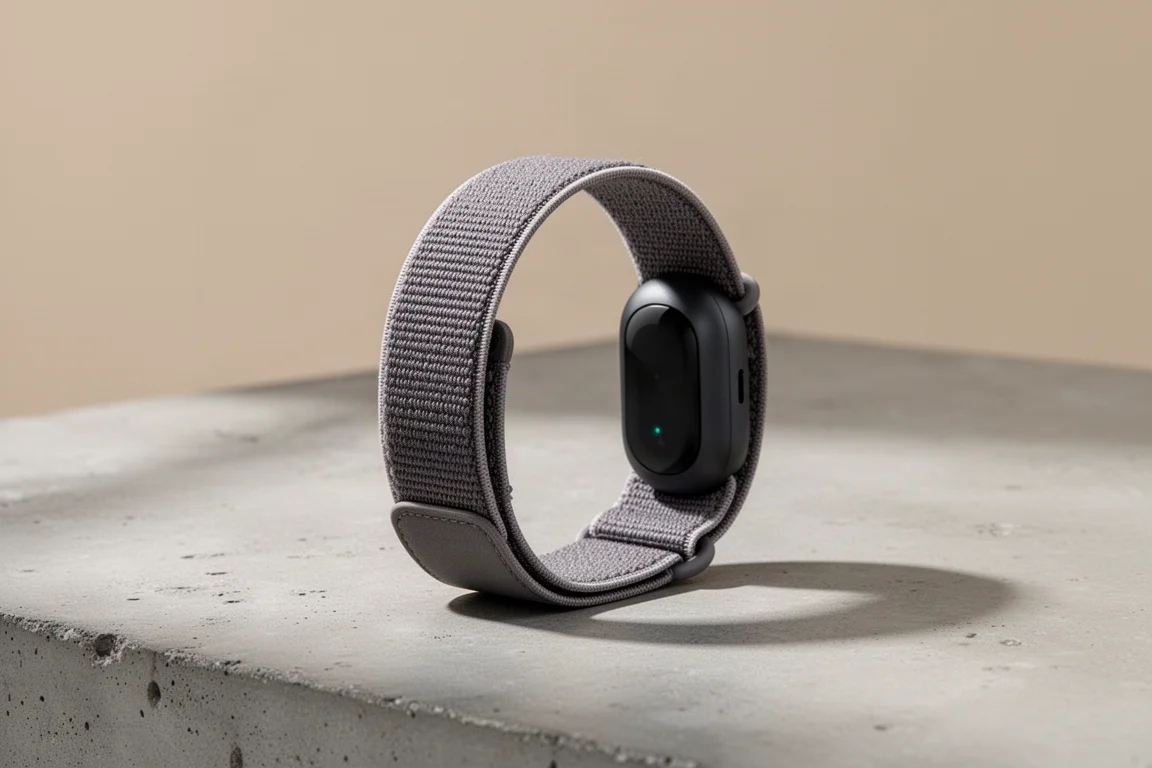
Fitbit Air Review: A $99 Screenless Band That Challenges Whoop
After weeks of testing across running, cycling, swimming, and everyday wear, the Fitbit Air proves to be impressive hardware with a few software growing pains.
Fitness Trackers
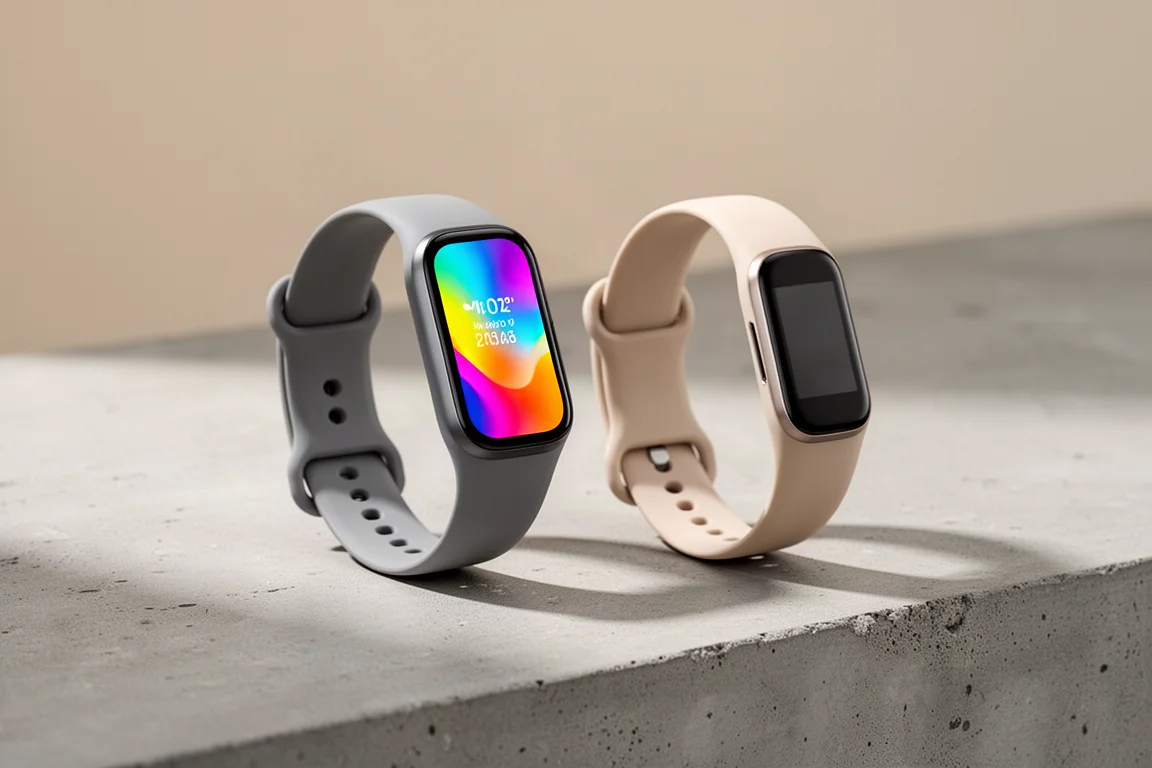
Fitbit Charge 5 vs Garmin Vivosmart 5: Which $149 Fitness Band Should You Buy?
Two fitness bands at the same list price take very different approaches to displays, health data, and sports tracking. Here is how they compare in practice.