Fitness Trackers
Fitbit Edge Review: Google's New Activity Tracker Splits the Difference
A screen-based activity tracker with ECG, GPS, automatic workout detection, and iPhone support, sitting between the screenless Fitbit Air and a full smartwatch.
Introduction
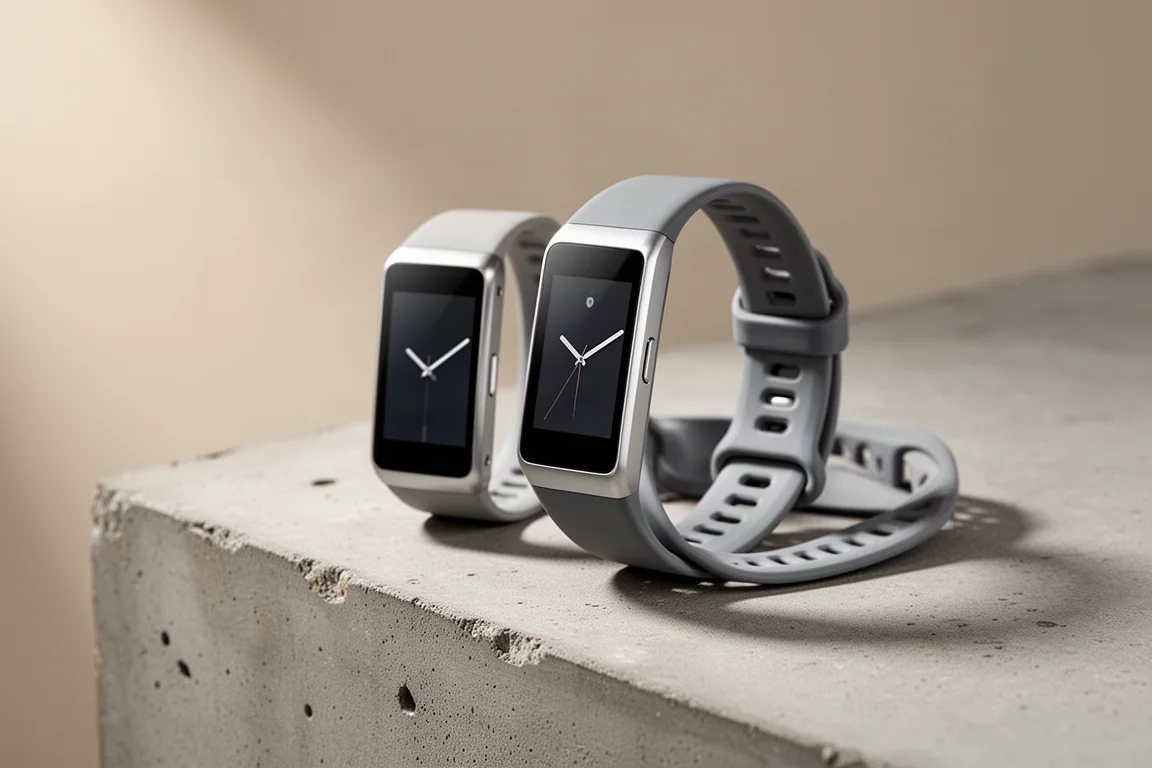
Google has announced the Fitbit Edge, a next-generation activity tracker that follows in the footsteps of the popular Charge series while picking up many of the features introduced with the Fitbit Air and Pixel Watch 5. Screenless trackers have taken off, but they leave gaps: no notifications, no manual activity tracking, and no way to tell the time. The Edge aims to split the difference between a screenless band and a full smartwatch, staying small and out of the way while keeping a handful of smartwatch-like features.
Price, Colors, and Availability
The Fitbit Edge starts at $179 in the US, with a variety of case colors and a long list of band options ranging from sport bands to casual and dress-up styles. There is also a Steph Curry special edition with its own band at $219, and premium band options are expected to cost more. Offering this many band choices straight out of the gate is a smart move, and additional bands can be purchased separately. Pre-orders are open now, with availability expected around October 27.
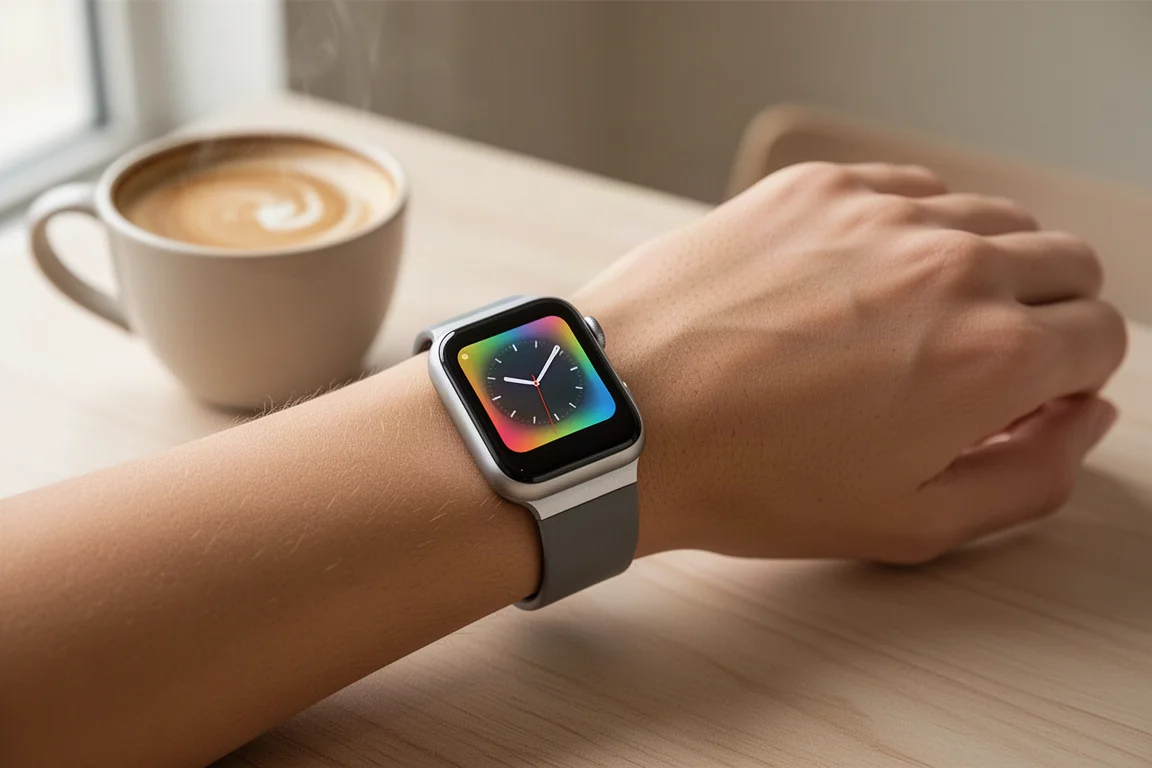
Compatibility is a big deal here: the Edge works with both iOS and Android, unlike the Pixel Watch, which is Android only. That makes it a strong option for iPhone owners who like the Fitbit Air but want a more full-featured tracker.
Design and Display
The aluminum case is slightly larger than the Charge 6. Some will appreciate the extra size, others may not, but it allows a larger display that is easier to read. That panel is a full-color 1.34-inch OLED, roughly 46% more screen real estate than the Charge 6.
Navigation is via a touchscreen with a new but familiar interface: swipe from right to left from the watch face through tiles and widgets, tap to dive into health metrics, and scroll through data pages during workouts. A physical button on the side helps too, and it reportedly actually clicks rather than being a haptic-only button. Water resistance is rated at IP68 and 5 ATM, so showering and swimming are fine, with swim tracking included.
Health and Fitness Features
For the price, the sensor package is generous: a heart rate sensor, an SpO2 sensor for blood oxygen, a skin temperature sensor usable for cycle tracking, HRV tracking, stress tracking, and ECG to detect possible signs of atrial fibrillation. The heart rate sensor appears similar to the Fitbit Air’s, storing heart rate every 2 seconds.
Sleep tracking uses the new improved algorithm, claimed to be about 15% more accurate than before. For activity tracking, there is built-in GPS for phone-free outdoor sessions, an altimeter for elevation gain and floors climbed, plus an accelerometer and gyroscope for step counting and automatic activity detection. The Edge is said to automatically recognize more than 40 workout types, from running and cycling to stand-up paddle boarding and yoga, and you can manually track over 40 types as well.
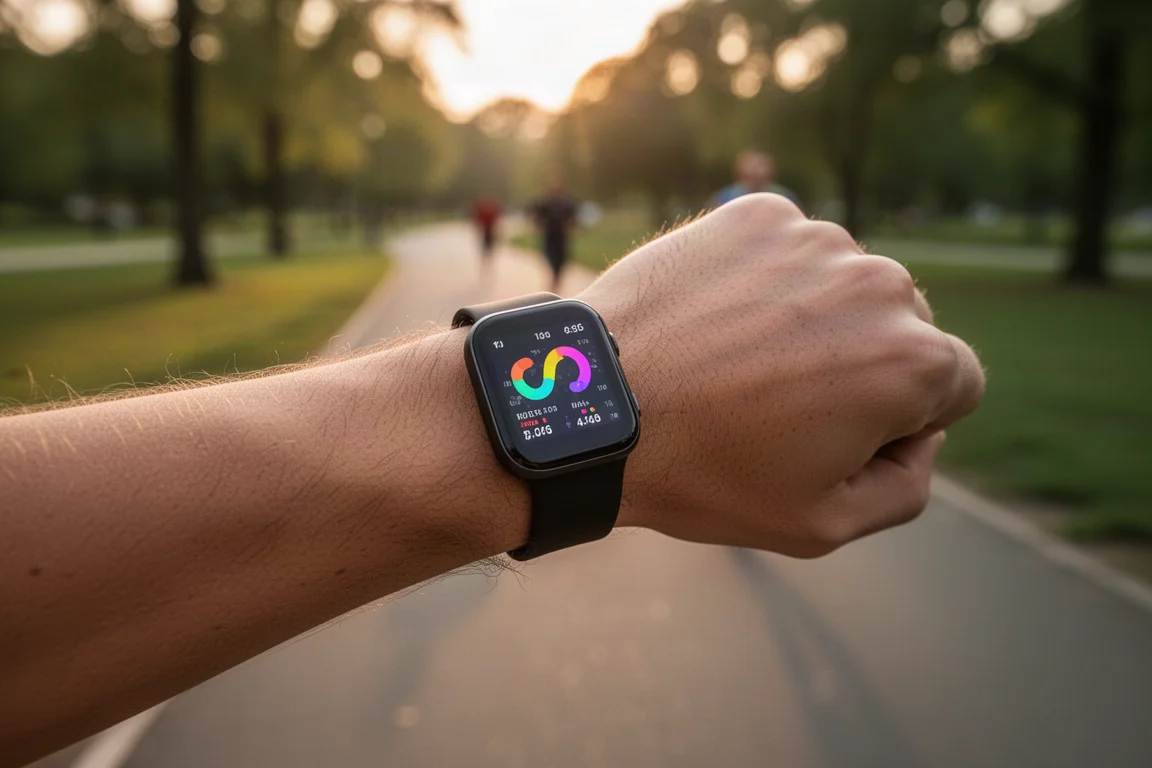
Training feedback is a major step up from the Charge series, carrying over everything introduced with the Fitbit Air and the new Google Health app: cardio load to track accumulated cardiovascular strain, suggested future training load based on history, estimated VO2 max, and a readiness score each morning based on sleep, resting heart rate, and HRV. The Edge can also broadcast heart rate to compatible gym equipment for real-time viewing. One thing it lacks is NFC for contactless payments.
Battery Life and Charging
Google claims up to a week of battery life, with a full charge from empty in around 90 minutes. A 5-minute top-up is said to deliver a full day of use. Real-world results will vary with how many outdoor activities you track and settings like the always-on display.
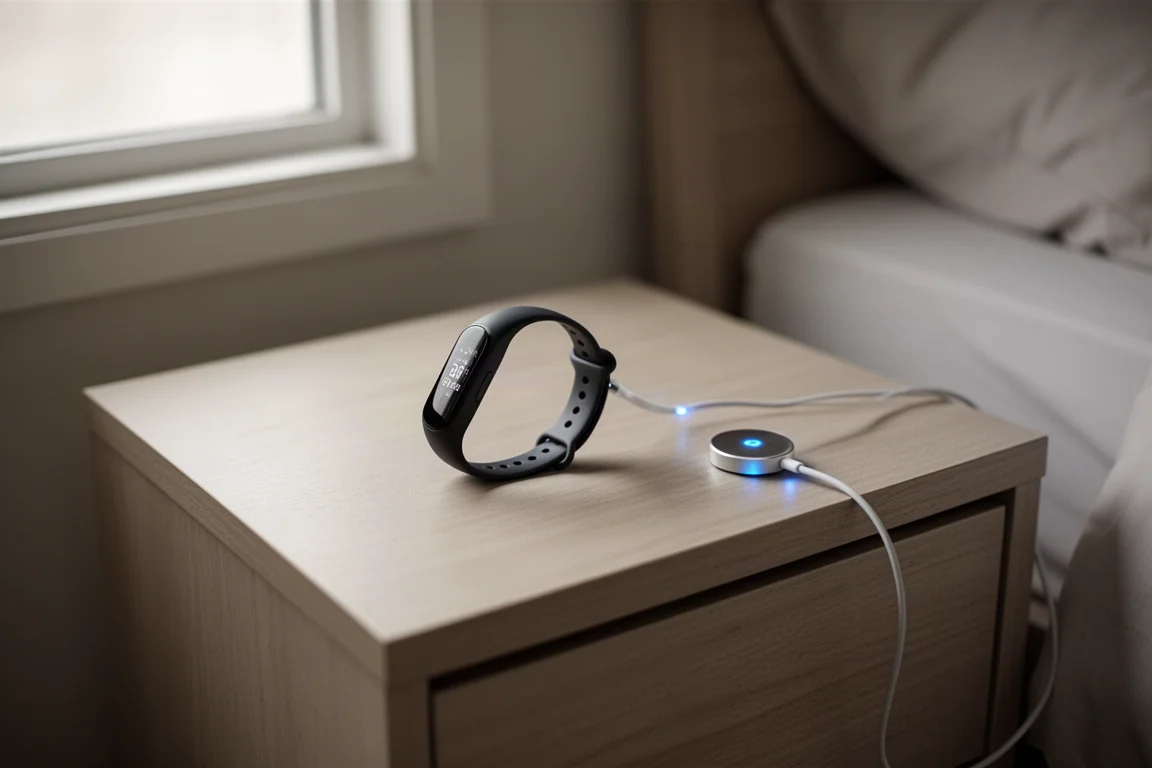
Conveniently, the Edge uses the same magnetic charging cable as the Fitbit Air, so one cable covers both wearables. That also opens up combinations: Android users can switch between a Pixel Watch and a Fitbit Air with data merged in the Google Health app, and iPhone owners can now pair the Edge for workouts and notifications with an Air for sleep.
App, Subscription, and Serviceability
Like the Pixel Watch, the Edge is user serviceable, meaning the battery and other components can be replaced later on. It runs with the redesigned Google Health app, and Google is rolling out a health guardian feature with monthly blood pressure and insulin trends plus menstrual cycle tracking.
Some features sit behind the premium subscription of the Google Health app, such as training plans and Google Health Coach AI feedback. The Edge includes a free 90-day trial so you can try everything before committing, but importantly, the tracker works without a subscription. Even the free version of the app does quite a bit.
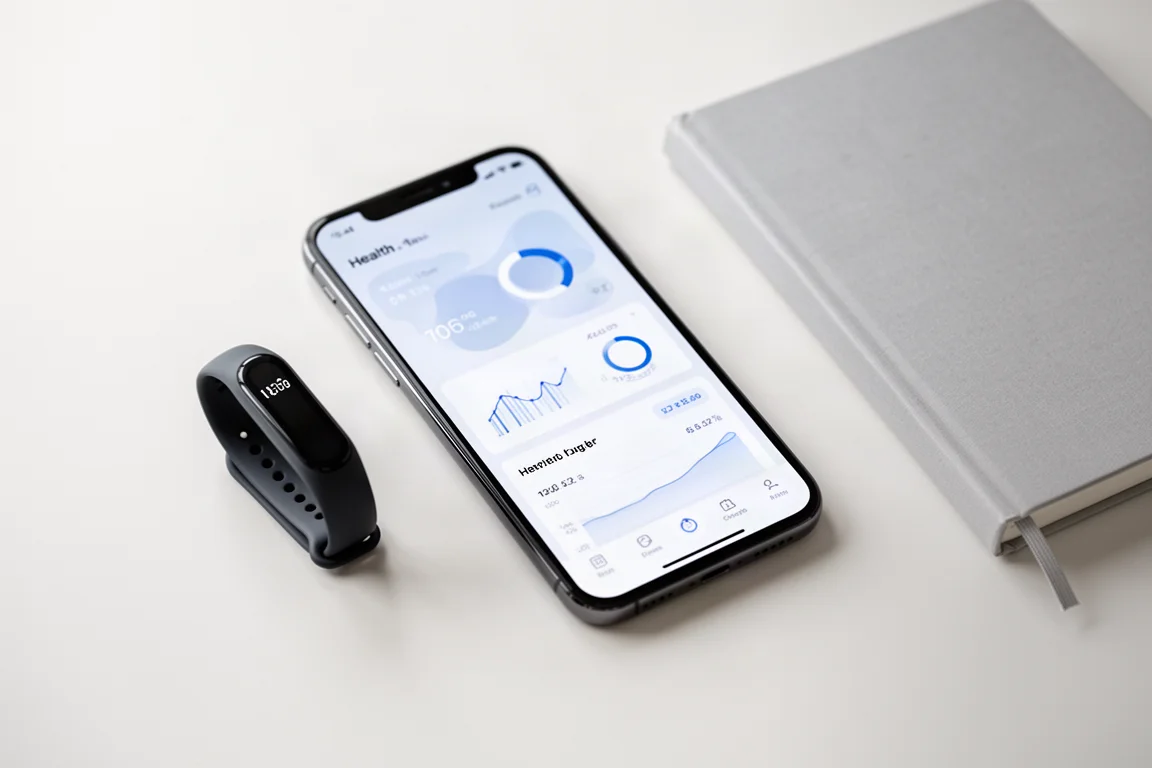
Buying Advice
The Fitbit Edge makes sense if you want more than a screenless band but less than a full smartwatch. iPhone owners get a particularly compelling option here, since the Pixel Watch is not available to them. If the size increase does not bother you, the larger display should make it better as both a smartwatch alternative and a sports watch, though real-world wrist sizing and performance remain to be confirmed.
Conclusion
The Fitbit Edge combines a larger 1.34-inch OLED, a strong sensor set including ECG, built-in GPS, automatic recognition of over 40 workout types, and week-long claimed battery life in a package that works with both iOS and Android. With no required subscription and plenty of band options, it looks well positioned for anyone who wants a small tracker with genuine smart features.
Product link
View more details for Fitbit Edge
This product is mentioned in the review. Check the specifications, options, and compatibility before buying.
View more details for Fitbit EdgeFurther reading
Related Reviews
Fitness Trackers
Amazfit Helio Band Review: A $99 Screenless Fitness Band That Isn't a Whoop Killer (And Doesn't Need to Be)
The Helio Band delivers impressive hardware and accurate heart rate tracking for $99 with no subscription, but its software keeps it from truly competing with Whoop.
Fitness Trackers
Fitbit Air Review: A $99 Screenless Band That Challenges Whoop
After weeks of testing across running, cycling, swimming, and everyday wear, the Fitbit Air proves to be impressive hardware with a few software growing pains.
Fitness Trackers
Fitbit Charge 5 vs Garmin Vivosmart 5: Which $149 Fitness Band Should You Buy?
Two fitness bands at the same list price take very different approaches to displays, health data, and sports tracking. Here is how they compare in practice.