Fitness Trackers
Fitbit Daily Readiness Score: How It Works and Which Devices Support It
A closer look at Fitbit's Daily Readiness Score: activation, the four-day learning phase, the three score components, and the Sense, Versa 3, and Charge 5 that run it.
Introduction
Fitbit’s Daily Readiness Score is one of those features that sounds simple on paper but takes real effort to live with: you activate it, wait through a learning phase, and only then start getting daily numbers that tell you whether to push hard or take it easy. Now that the feature is live, it is worth understanding exactly what it asks of you, how the score is built, and which devices can actually use it.
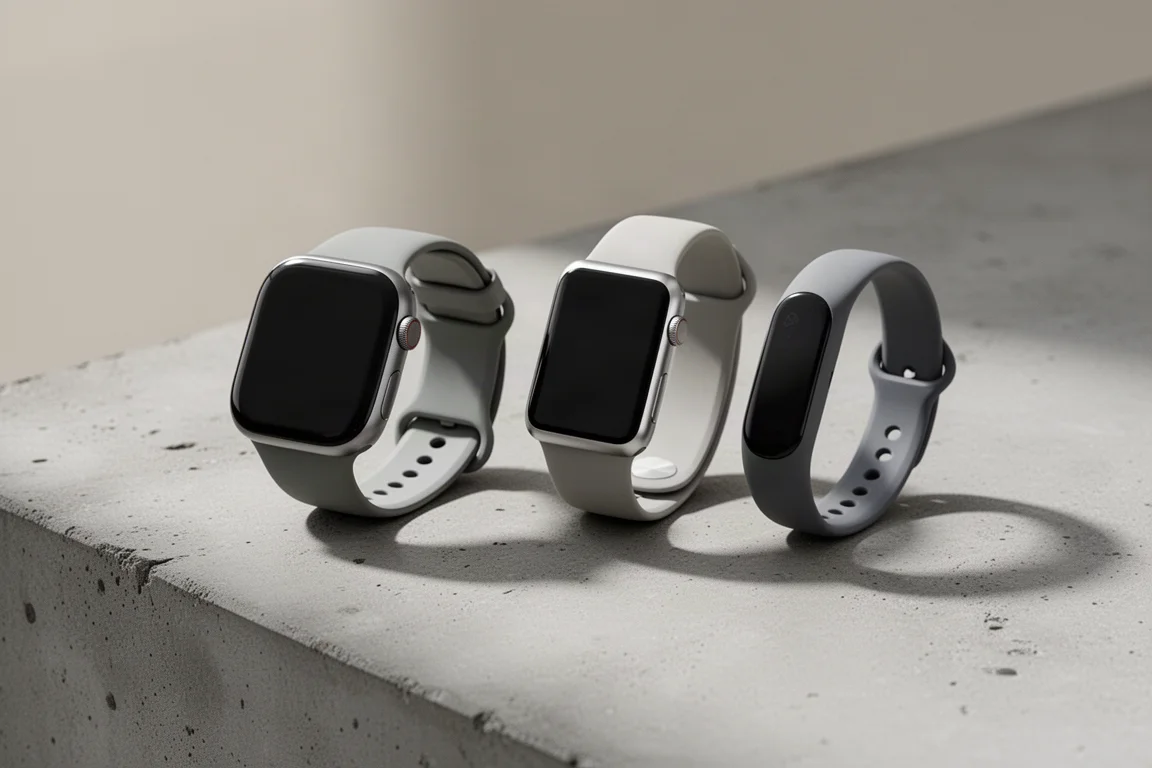
The headline requirements are easy to miss. Daily Readiness is locked behind a Fitbit Premium subscription, and it only works with more recent Fitbit devices: the Sense, Versa 3, Versa 2, Charge 5, Luxe, or Inspire 2. If you own one of those, you are set. If you do not, the score simply is not coming to your wrist.
Getting Started: Activation and the Learning Phase
Activation happens in the Fitbit app. Make sure the app is updated, scroll down to Daily Readiness, and accept the consent prompt. From there you get a short overview of how the feature works, and then the waiting begins: there is no score at first.
You need four days, or four sleeps to be precise, before a score appears. Fitbit also suggests roughly three workouts of about 30 minutes during that window. These are not strictly required, but the more data you feed it early, the better the later scores tend to be.
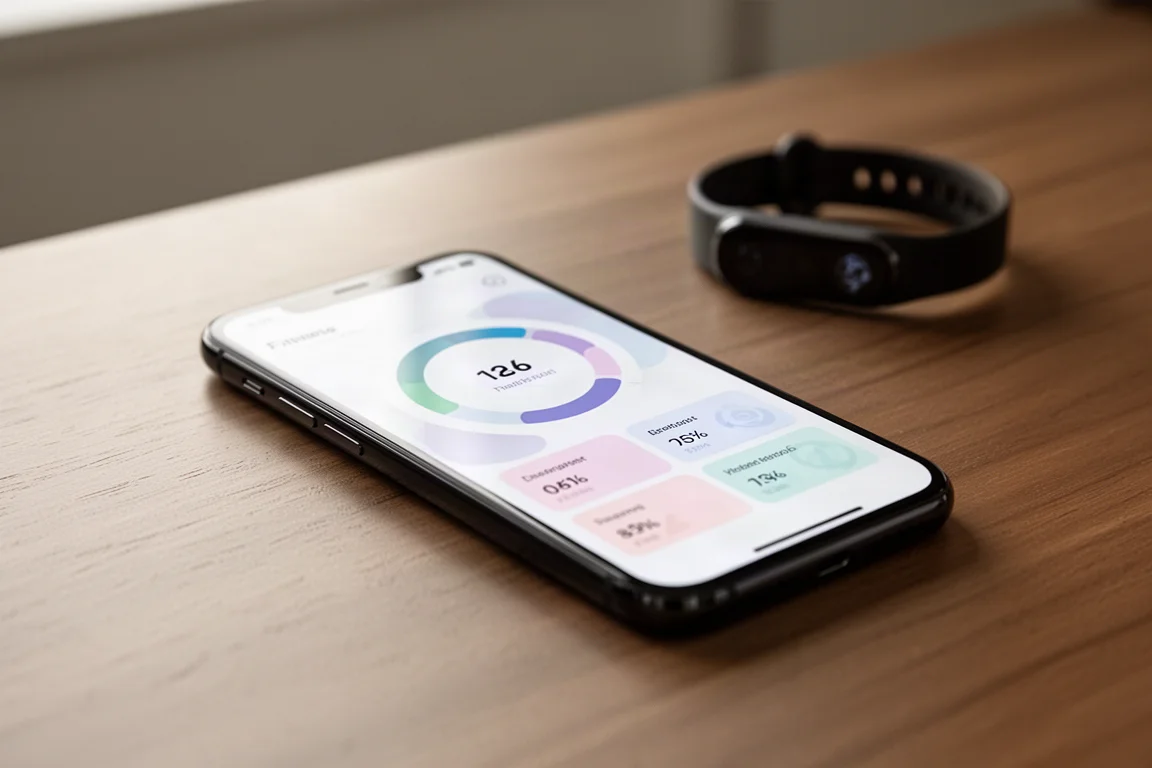
It is a little odd that you cannot retroactively pull from the historical data your Fitbit has already been collecting for months. The score is built from the same activity, sleep, and heart rate data the device has always tracked, so the consent toggle is the only thing standing between you and an immediately populated readiness history. After the four-day mark, Fitbit says the score keeps tuning itself for another ten days, roughly two weeks of learning in total.
Understanding the Three Score Components
Your daily score is made up of three parts: activity, recent sleep, and heart rate variability.
The activity component is built around active zone minutes rather than raw steps. Because active zone minutes depend on heart rate, a short but intense session can out-earn a long easy walk. Recent sleep looks at the last three days of sleep relative to your baseline, weighted rather than just last night’s numbers, which is sensible: one rough night after several good ones should not wreck your readiness. It is also worth noting that if the tracker records a sleep window incorrectly, editing the sleep time in the app correctly adjusts the score.

Heart rate variability compares recent HRV values against your rolling baseline. Things like travel and jet lag can depress HRV and shift the whole picture, which is exactly the kind of context a readiness score is meant to capture.
A few quirks are worth knowing before you buy in. The score bands are labelled low from 0 to 30, good from roughly 30 upward, and excellent toward the top end near 100, but the exact upper boundary of the middle band is not declared, and a score of 30 has been shown labelled as good. The progress bar also fills completely even when the score sits near the bottom of a band, and the three component scores do not obviously average into the final number. The score itself is app-only; it never appears on the wearable, even though the device does show sleep score.
Scored by Device: Fitbit Charge 5
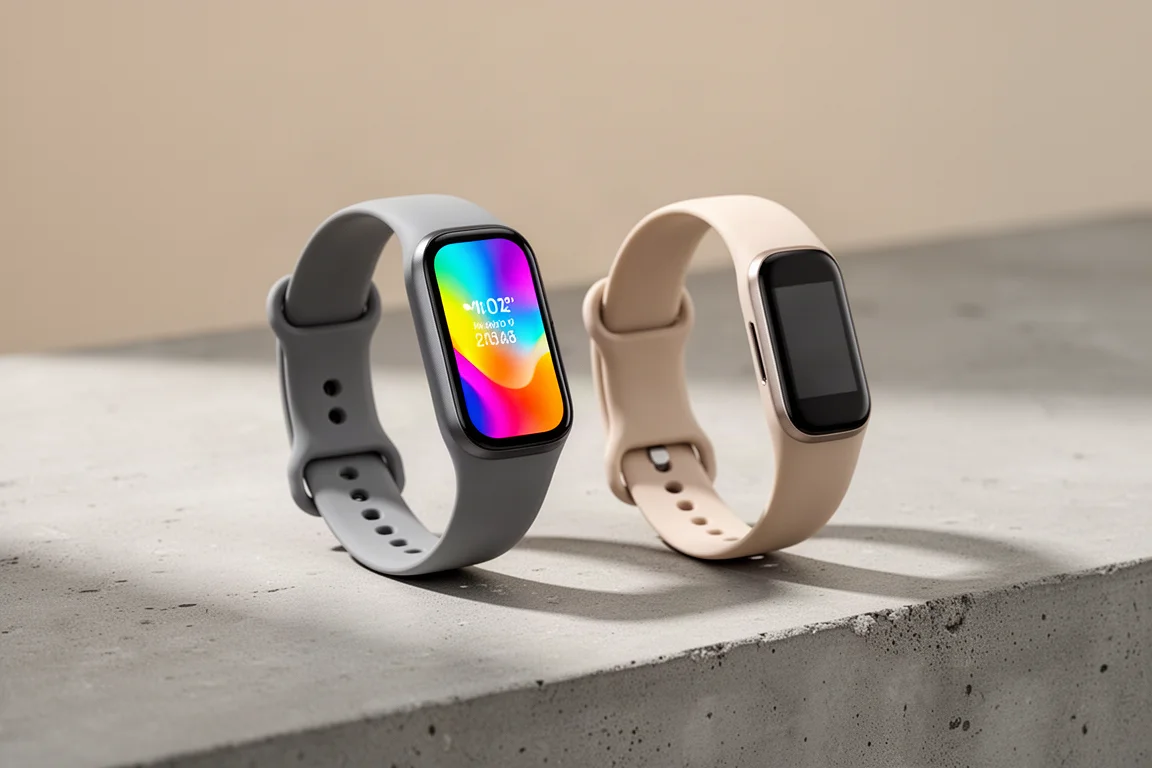
The Charge 5 is the device that introduced the readiness feature and remains the most accessible way to get it. It is a slim tracker rather than a full smartwatch, which suits people who want readiness, sleep, and activity tracking without a larger screen on their wrist.
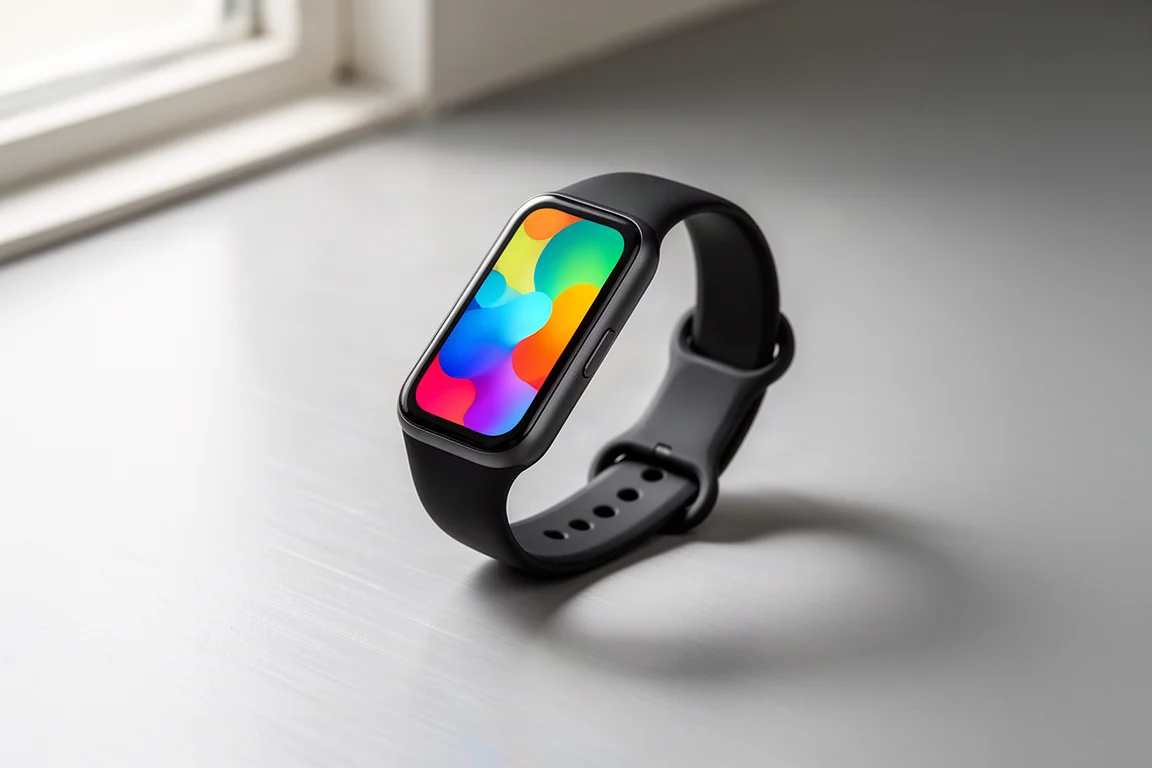
Because it is one of the supported devices, Charge 5 owners get the full app-based readiness experience, including the active zone minute targets and the recommended workouts that come with a Premium subscription.
Scored by Device: Fitbit Sense
The Sense sits at the top of the supported lineup and is the natural pick if you want the most complete health smartwatch alongside readiness. Its heart rate tracking feeds the HRV component directly, and its broader sensor set makes it the flagship option among the readiness-compatible devices.
Scored by Device: Fitbit Versa 3
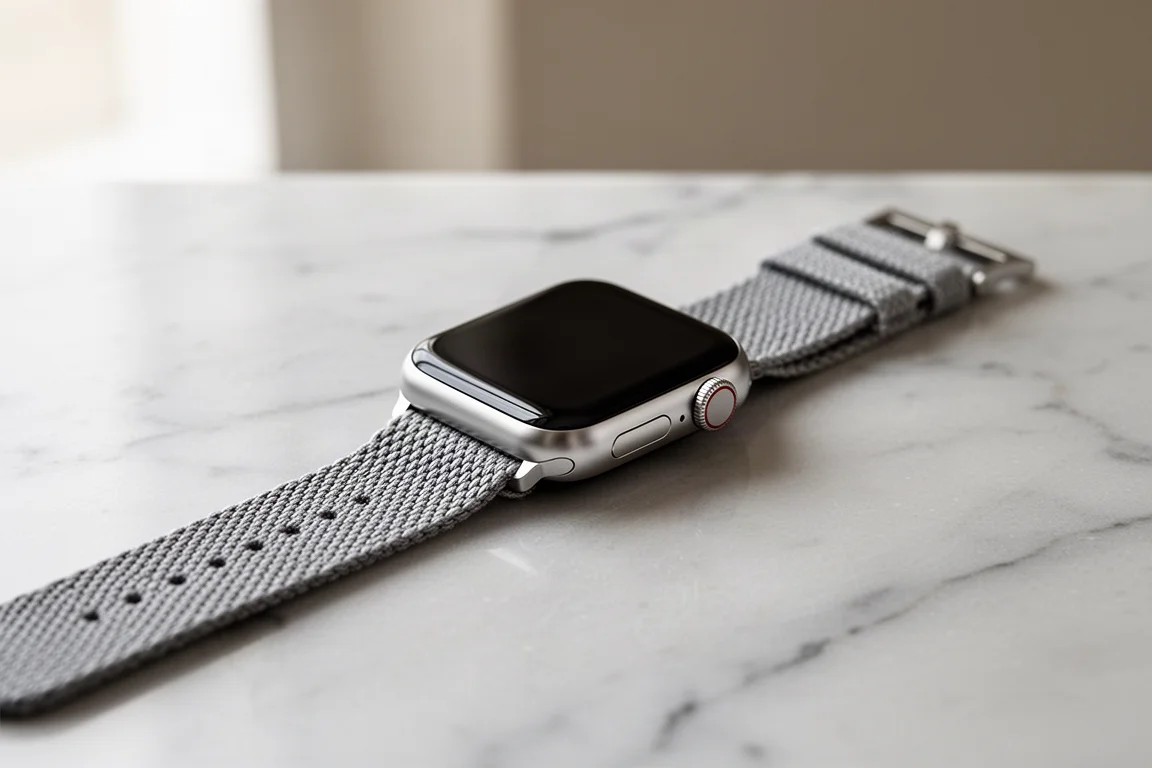
The Versa 3 covers the middle ground: a full smartwatch form factor with the same access to Daily Readiness once activated. For anyone who wants watch-style interaction but not the top-tier sensor package, it keeps the feature entirely within reach.

How It Compares to Other Readiness Systems
Context matters when comparing readiness systems. Fitbit gives you both a sleep score and a Daily Readiness Score each day, and the two are different. Oura does the same with its ring, giving separate sleep and readiness scores. Whoop takes a different route entirely: its recovery score is based purely on your sleep, while workout load feeds a separate strain score.
In side-by-side use, the scores do not always agree. On comparable nights, Fitbit and Oura and Whoop have each landed noticeably apart from one another, and all three have at times diverged from how the day actually felt. Sometimes they align, but often they read like numbers drawn from different tables, which is worth keeping in mind no matter which system you buy.
Buying Advice
If you already own a supported device, the only real cost is a Fitbit Premium subscription, and the readiness feature comes with no new hardware purchase. If you are buying new, choose between the Charge 5 for a slim tracker, the Versa 3 for a mid-tier smartwatch, and the Sense for the fullest health package. Budget for the subscription either way, since the score simply does not work without it.
Conclusion
Fitbit’s Daily Readiness Score is a genuinely interesting take on daily recovery tracking, with a thoughtful three-day sleep window and editable sleep data. The learning phase, the app-only presentation, and some inconsistent score labelling temper the enthusiasm a bit, and the scores do not always match comparable systems. If you own a Sense, Versa 3, Versa 2, Charge 5, Luxe, or Inspire 2 and already subscribe to Premium, it costs nothing to try. If you are starting fresh, pick the device that fits your wrist and budget first, then let the readiness score come along for the ride.
Further reading
Related Reviews
Fitness Trackers
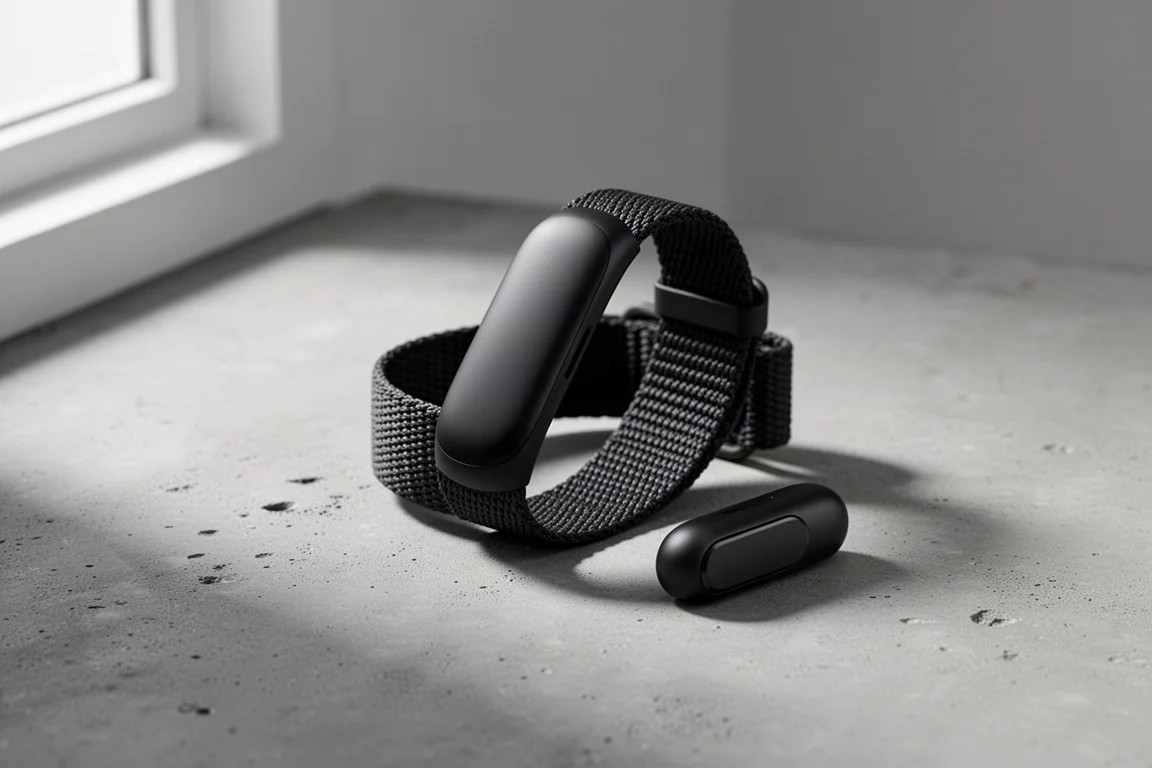
Amazfit Helio Band Review: A $99 Screenless Fitness Band That Isn't a Whoop Killer (And Doesn't Need to Be)
The Helio Band delivers impressive hardware and accurate heart rate tracking for $99 with no subscription, but its software keeps it from truly competing with Whoop.
Fitness Trackers
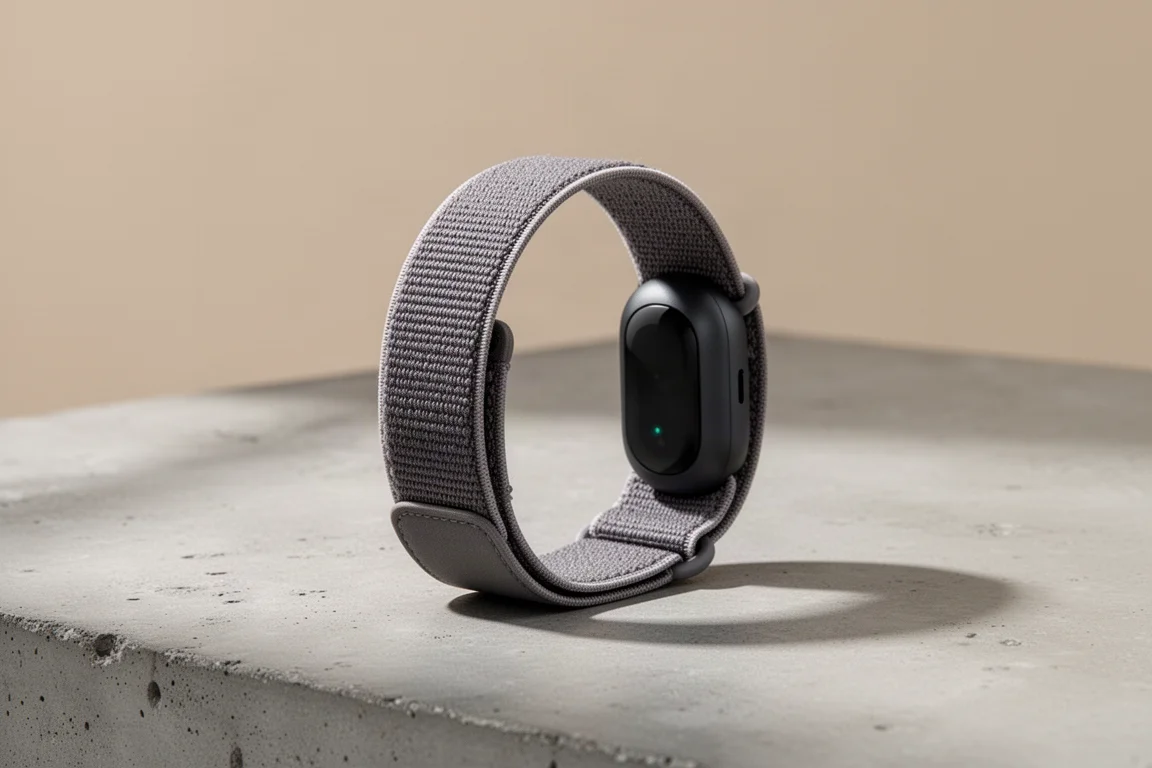
Fitbit Air Review: A $99 Screenless Band That Challenges Whoop
After weeks of testing across running, cycling, swimming, and everyday wear, the Fitbit Air proves to be impressive hardware with a few software growing pains.
Fitness Trackers
Fitbit Charge 5 vs Garmin Vivosmart 5: Which $149 Fitness Band Should You Buy?
Two fitness bands at the same list price take very different approaches to displays, health data, and sports tracking. Here is how they compare in practice.