Touring Skis
Fischer Transalp 105 CTI Review: A Touring Ski Built for Efficient Climbs and Variable Snow
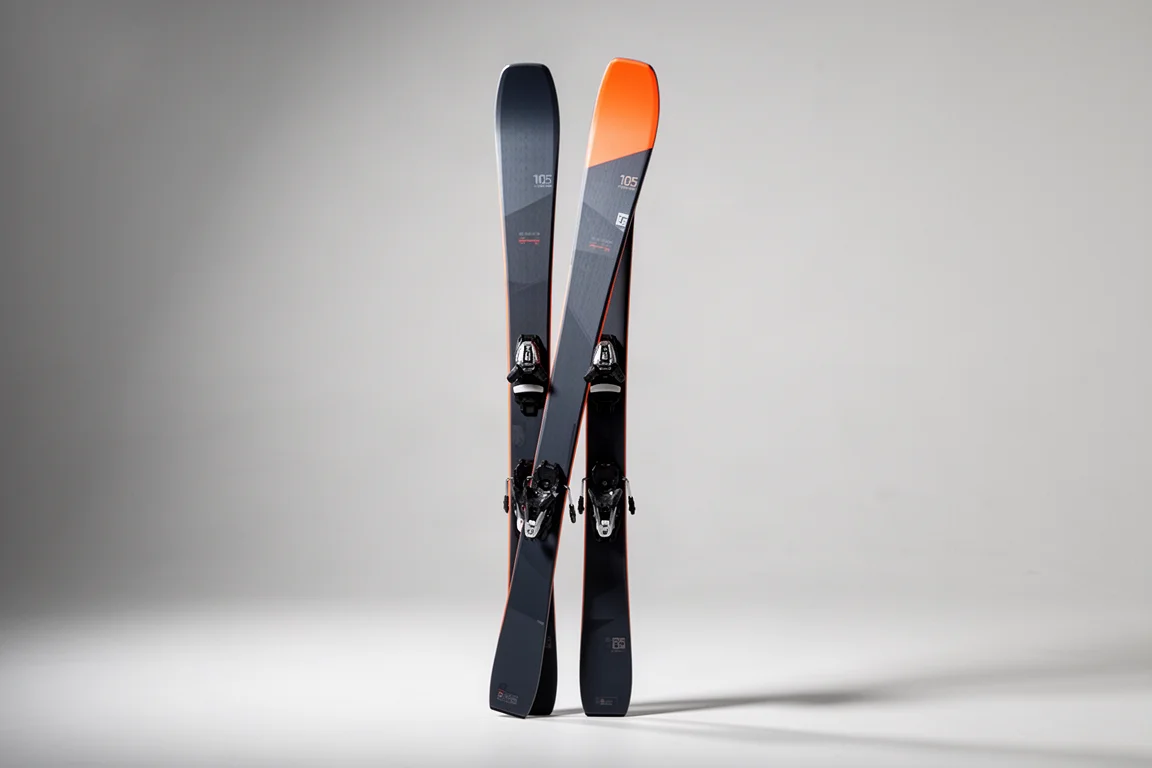
A closer look at the Fischer Transalp 105 CTI, a 105 mm touring ski that pairs a milled wood core and carbon stringers with shaped metal for a stiff, directional ride.
Introduction
Hybrid touring skis have become one of the more interesting corners of the backcountry market. The formula is familiar: take a proven downhill shape, lighten the core, and add touring capability without giving up the character that made the original ski work. The Fischer Transalp 105 CTI takes a slightly different route. It borrows technology from Fischer’s Ranger line and from the brand’s Nordic heritage, then lands closer to the touring end of the spectrum than most hybrid designs.
The result is a ski that sits in the middle of the category. It is lighter and stiffer than the heavier hybrid models, yet still built with enough downhill intent to stay composed when conditions turn difficult.
Who the Fischer Transalp 105 CTI Is For
At 105 mm underfoot, the Transalp 105 CTI is aimed at skiers who earn their turns and still want a ski that holds up on the way down. It suits riders who pair their skis with a technical touring boot and binding, and who value uphill efficiency without dropping all the way down to a dedicated uphill-focused setup.

Fischer keeps the Transalp distinct from a lighter Ranger rather than simply shaving weight out of an existing downhill model, and that distinction shows in how the ski behaves. This is a directional, businesslike ski rather than a playful freeride shape, which makes it a natural fit for tourers who plan their lines, manage variable snow, and want a predictable platform underfoot.
Main Strengths
AirTech TI Core and Uphill Efficiency
The core is where most of the weight story lives. Fischer mills vertical sections out of the wood core, effectively creating reverse stringers, so material is removed lengthwise rather than across the entire profile. Less wood means less mass, while the ski keeps a thicker core profile where structure matters.
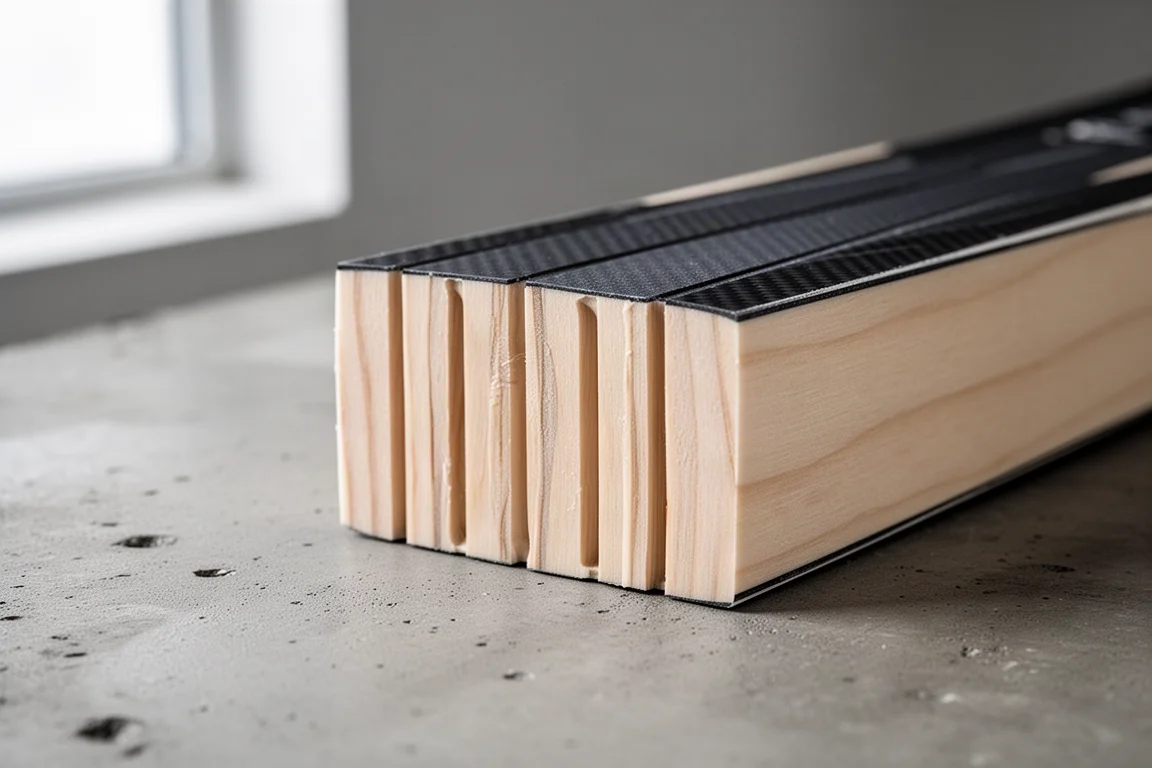
Carbon stringers run vertically through the core and add stiffness. That combination is what gives the Transalp its efficiency on the skin track. A stiffer ski transfers energy more directly, which helps on long climbs and in technical terrain where every step counts.
Carbon Stringers and Shaped Metal
Fischer’s Shape TI construction is the clearest link to the Ranger line. Extended metal arms run through the fore body and the tail, covering the edges, with a notch cut out through the middle. That geometry lets the ski articulate while reducing the total amount of metal in the build. The effect is edge grip when you are on the inside edge, and a smoother, more stable feel when you are on the outside edge during a climb.
Metal runs nearly full width through the binding zone, where the toe and heel plates sit, with a central spine through the middle. Beyond that, the tips and tails are left free of metal. The sidewall is even, with a half cap in the front that tapers to a full cap at the tips and tails. The core profile stays thick, but because so much wood is removed, the ski does not end up weighing much.
Float and Stability in Variable Snow
The profile draws heavily on Fischer’s Ranger 108 shovel, with an early tapered, flat, squared tip area and a decent amount of rocker underfoot and splay. For a 105 mm ski, that translates into strong flotation.
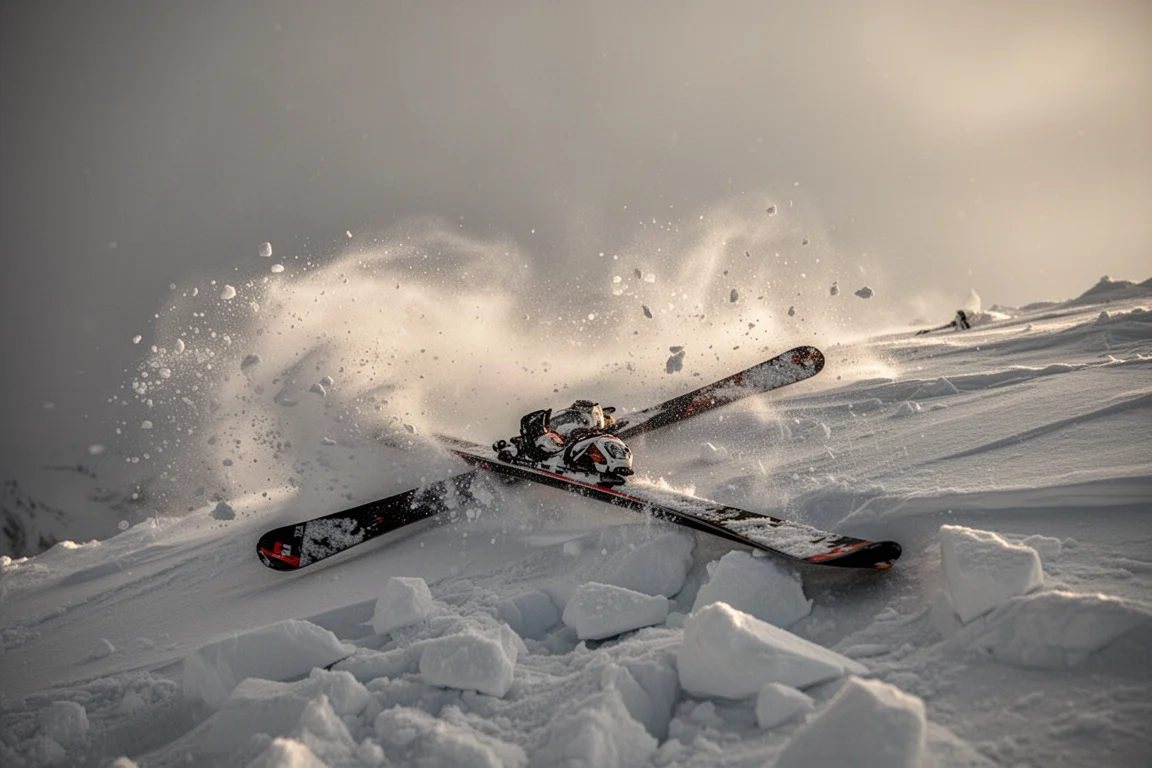
The tail tells a different story. There is not much splay back there, and the shape is more directional than playful. That flatter tail is a real advantage on the uphill, because it keeps more skin in contact with the snow and makes climbing more efficient. A slight taper in the rear helps the ski manage crud, chop, and wind-affected snow, which is exactly where a stiffer, more planted design earns its keep. Skiers who want a looser, drifty feel in soft snow will find more of that in an equally light but more playful shape such as the Line Vision 108.
Things to Consider Before Buying
Weight is the first thing to understand clearly. A 185 cm Transalp 105 CTI with a demo tech binding comes in at around 2,400 grams, so this is not an ultralight setup, and binding and boot choice will move that number considerably.
The ski is also on the stiffer side, and it is not especially playful. That stiffness is a deliberate trade: it supports uphill efficiency and a confident, planted feel, but it gives up some of the loose, surfy character that more freeride-oriented mid-100 skis offer. Pairing the Transalp with a hybrid boot and binding that adds weight works against the design. A technical touring boot and binding keeps the ski closer to the touring side of the spectrum, where it makes the most sense.
Buying Advice
The Transalp 105 CTI makes the most sense for a skier who wants one ski for touring days that involve real climbing and real descents, and who is willing to build a technical setup around it. Within the hybrid touring category, it lands in the middle: lighter than the heavier hybrid models, but not as single-minded as a ski designed purely to get uphill as fast as possible.
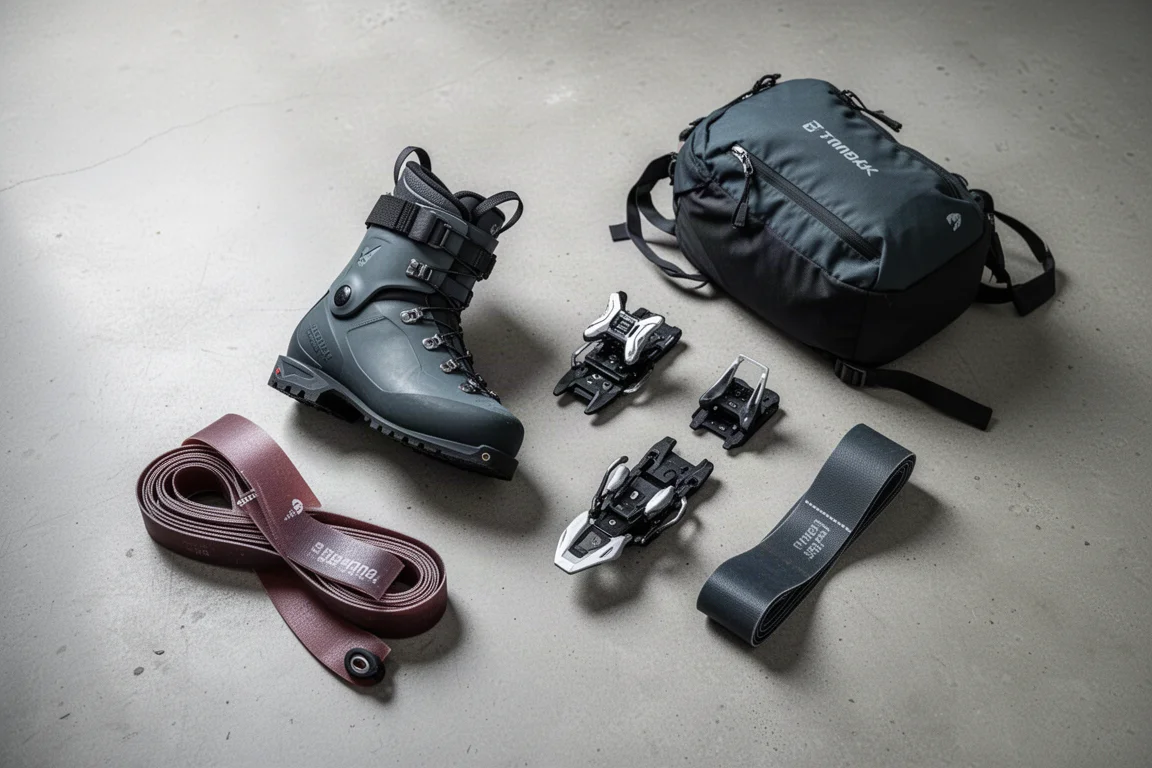
If your priority is efficiency on the ascent paired with a predictable, directional feel on the way down, the Transalp fits that brief well. If you want a ski that feels loose and playful in soft snow, this is not that shape, and a lighter, more playful alternative will serve you better. Decide on your boot and binding combination first, because that choice shapes the entire experience of the ski.
Conclusion
The Fischer Transalp 105 CTI is a well-resolved answer to a specific question: how do you build a touring ski that climbs efficiently without giving up composure in bad snow? Fischer’s answer is a milled wood core, vertical carbon stringers, and shaped metal that puts grip where it is useful while leaving the tips and tails light. It is stiff, directional, and happiest in variable conditions, and it rewards skiers who commit to a technical touring setup.
Product link
View more details for Fischer Transalp 105 CTI
This product is mentioned in the review. Check the specifications, options, and compatibility before buying.
View more details for Fischer Transalp 105 CTIFurther reading
Related Reviews
Touring Skis
Atomic Backland 100 Review: A Light Touring Ski That Still Holds an Edge
The Atomic Backland 100 is the lightest of Atomic's three 100mm-underfoot skis. Here is how its carbon build, tapered tail, and setup options shape the buying decision.
Touring Skis
Best Touring Skis 2025: Six Standout Picks from Lightest to Heaviest
A practical roundup of six touring skis, from featherweight uphill tools to confident freeride performers, with real weights, prices, and on-snow characteristics.
Touring Skis
Best Touring Skis 2026: Seven Lightweight Options Compared
Seven lightweight touring skis compared, from uphill-focused builds to descent-oriented shapes, with practical guidance on weight, flex, turn radius, and binding choice.