Touring Skis
Best Touring Skis 2025: Six Standout Picks from Lightest to Heaviest
A practical roundup of six touring skis, from featherweight uphill tools to confident freeride performers, with real weights, prices, and on-snow characteristics.
Introduction
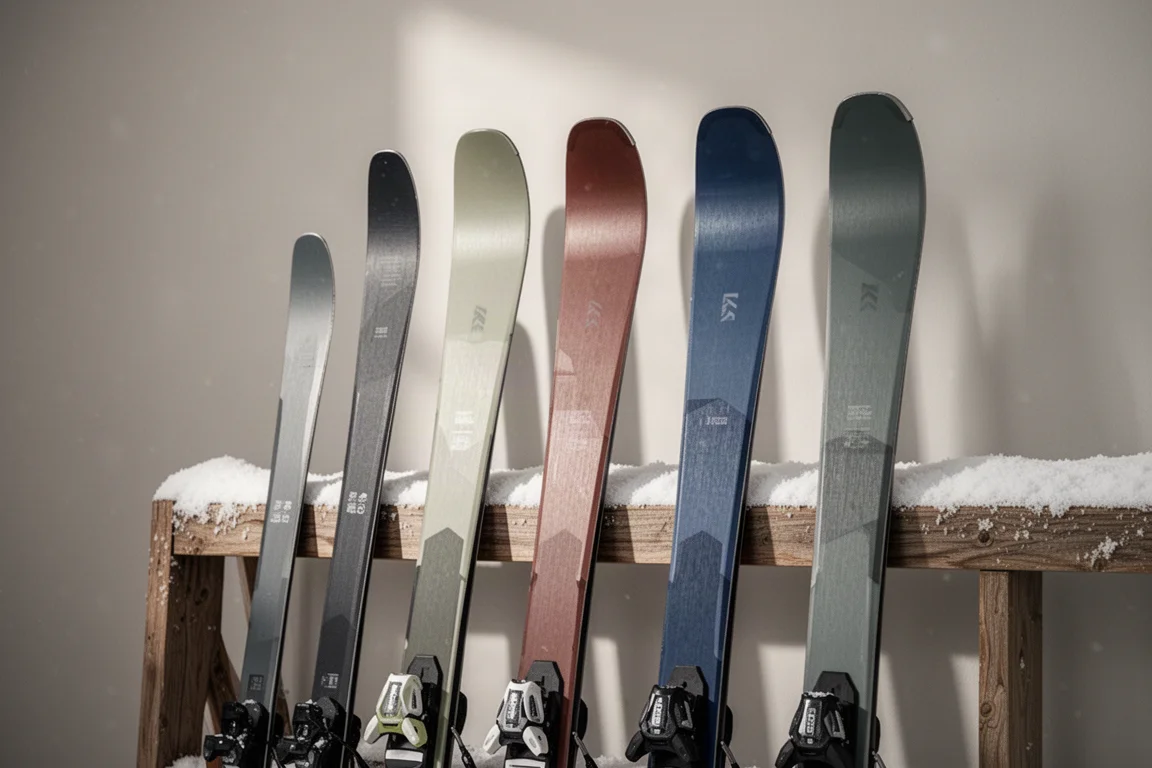
Touring skis come in a wide range of shapes and weights, and the right choice depends on how you balance uphill efficiency with downhill performance. This roundup covers six skis that span that spectrum, from a featherweight 80 mm ski to a versatile 106 mm model. We have organized them from lightest to heaviest, with notes on who each ski suits and what trade-offs to expect. Whether you are chasing fitness goals on the skin track or looking for a dependable companion for technical descents, there is a ski here that fits the bill.
What to Look For in a Touring Ski
When evaluating touring skis, weight is the first consideration. Lighter skis make climbing easier, but they often sacrifice stability and dampness on the descent. Width matters too: narrower skis around 80 to 90 mm excel on firm snow and long approaches, while wider skis of 100 mm and up provide more float in soft snow. Turn radius, rocker profiles, and core materials all influence how a ski performs.
Metal adds stability and damping but also weight and cost. Carbon and lightweight woods like paulownia and karuba reduce weight but can feel pingy if not balanced with damping materials such as flax or cork. A ski that is too light and stiff for its width can feel twitchy, while a heavier, more supple ski may be more forgiving but less efficient on the uptrack. Ultimately, the best ski is the one that matches your typical terrain and snow conditions.
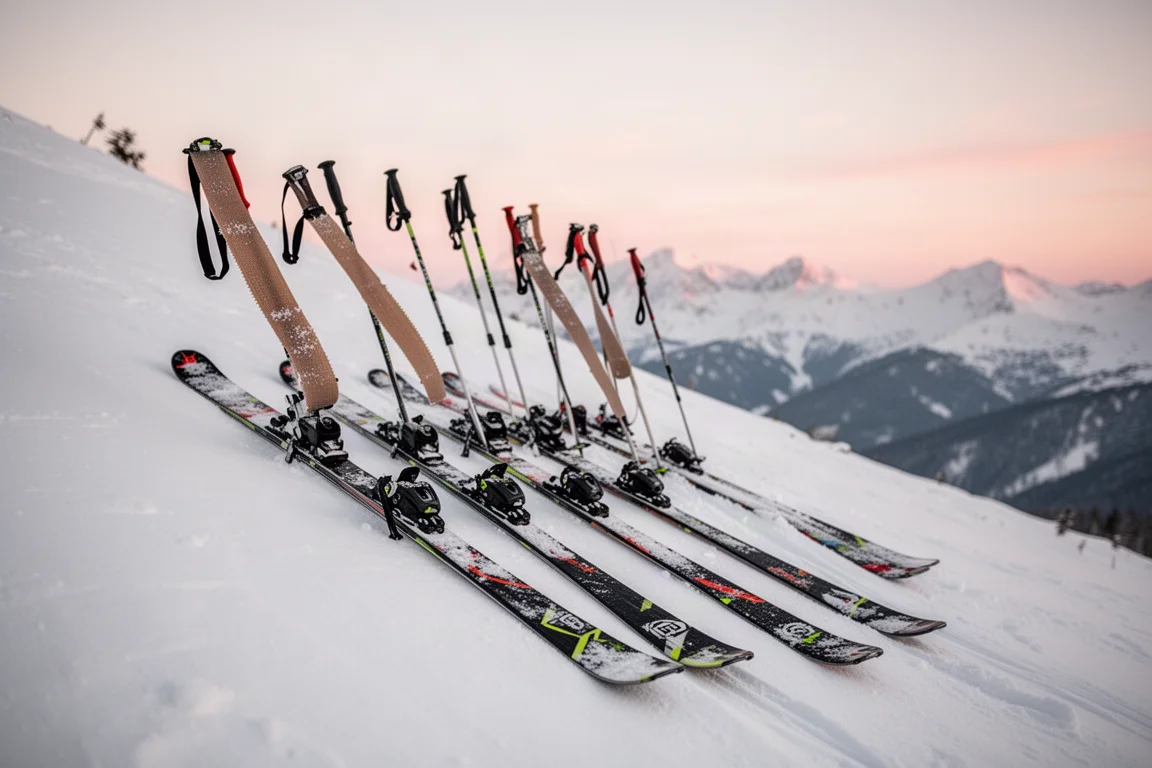
Consider how you plan to use the ski. Resort touring, where you skin up a groomed run and descend on-piste, calls for a different tool than a remote backcountry mission with variable snow. The six skis below represent a range of answers to that question.
Blizzard ZeroG LT80: The Lightest Option
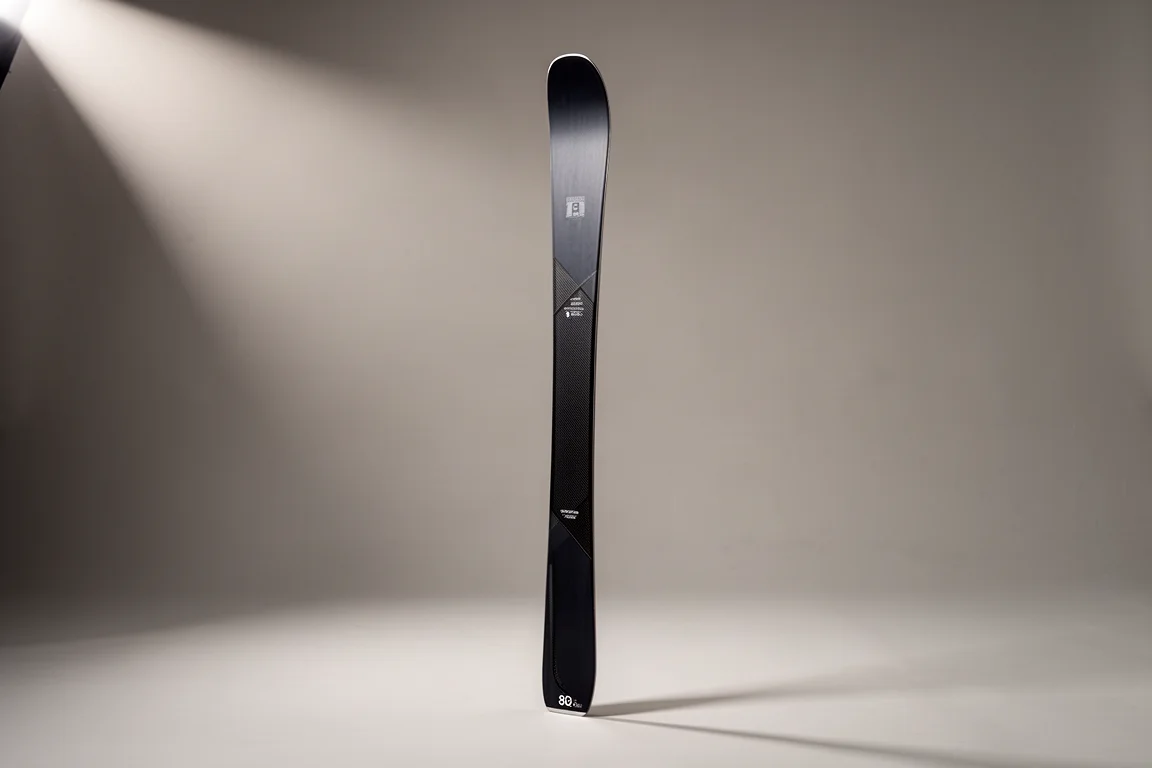
At just 1,175 grams, the ZeroG LT80 is the lightest ski in this roundup. Its 80 mm waist and stiff flex make it a specialist for uphill-focused skiers, such as randonnée racers or those who prioritize fitness over downhill enjoyment. The True Blend T wood core with Carbon Drive and carbon reinforcements keeps weight low, but the ski can feel twitchy and does not absorb terrain well.
It has minimal tip and tail rocker, a low camber height, and a 22-meter turn radius. On firm snow, it holds an edge reliably, but in soft or variable conditions it demands attention. If your idea of touring is setting uphill records on groomed runs, this ski is a capable tool. If you want downhill fun, look elsewhere. Price: $800.
Völkl Rise Beyond 96: Versatile Middle Ground
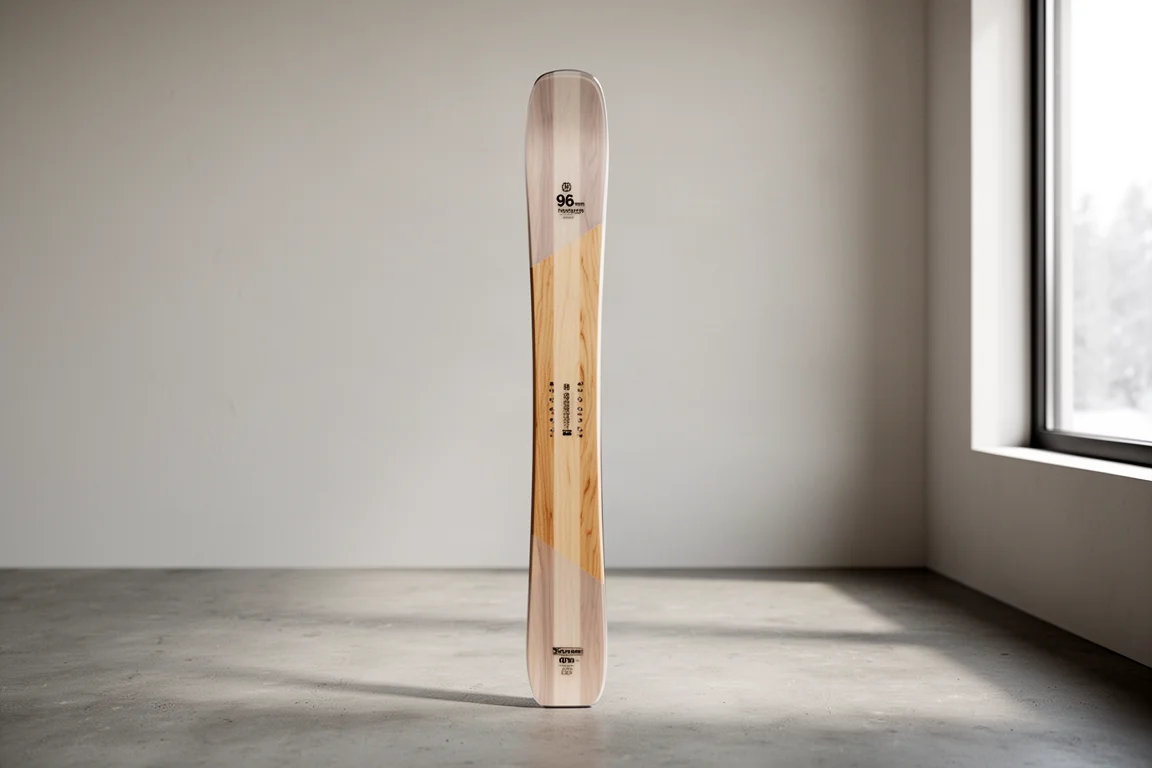
The Rise Beyond 96 hits a sweet spot for many backcountry skiers. At 1,331 grams, it is still light enough for efficient climbing, but its 96 mm waist and more supple flex make it more versatile on the descent. Völkl uses a light multi-layer wood core with carbon in the tips and a fully capped construction, which shaves weight and adds durability.
The ski has a moderate amount of rocker, a flat tail, and a 3D turn radius. It is a great choice for those new to touring or anyone who wants a predictable, easy-going ski that can handle a variety of snow conditions. Price: $749.99.
Atomic Backland 102: Light and Confident
The Backland 102 is a new addition that replaces the Backland 100. It drops carbon in favor of a thinner fiberglass laminate and more lightweight poplar wood, along with Atomic’s perforated Horizon Tech 3D insert. At 1,360 grams, it is remarkably light, yet it feels solid and confident on the descent. The shovel shape is alpine-inspired, with more camber underfoot for edge grip in technical terrain.
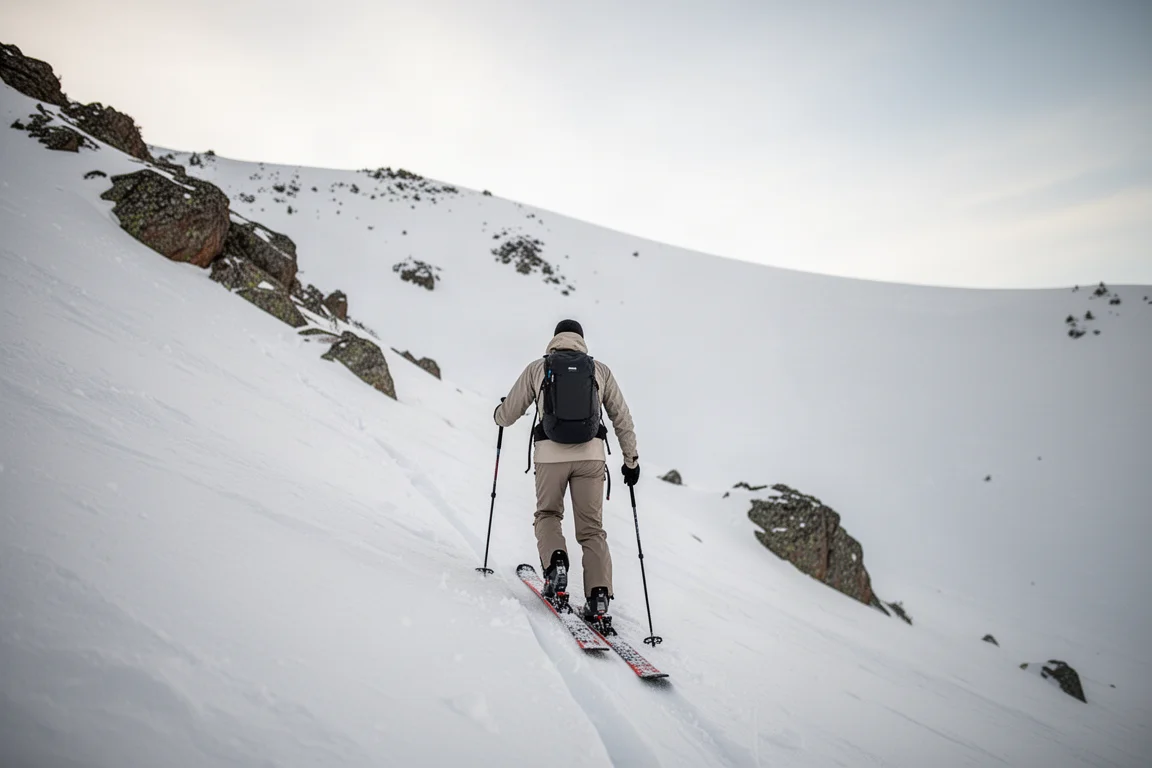
A 19-meter turn radius in the 179 cm length makes it turny and engaging. It punches above its weight, offering a blend of uphill efficiency and downhill capability that suits skiers who want one ski for a wide range of backcountry objectives. Price: $749.95.
View more details for Atomic Backland 102
K2 Wayback 106: Metal for Stability
The Wayback 106 is the first ski in this roundup to incorporate metal, specifically a single titanal beam down the middle, plus carbon stringers. At 1,400 grams, it is still light for its width, but the metal adds stability and a damp, planted feel. It has a good amount of tip rocker, minimal early taper, and a low tail rocker with no taper, resulting in a long effective edge.
That translates to excellent edge grip on steep, icy descents, though it sacrifices some playfulness. With a 22.3-meter turn radius, it is a technical ski for backcountry enthusiasts who venture into challenging terrain. Price: $849.
DPS Pagoda Tour 105: Premium Soft Snow Performance
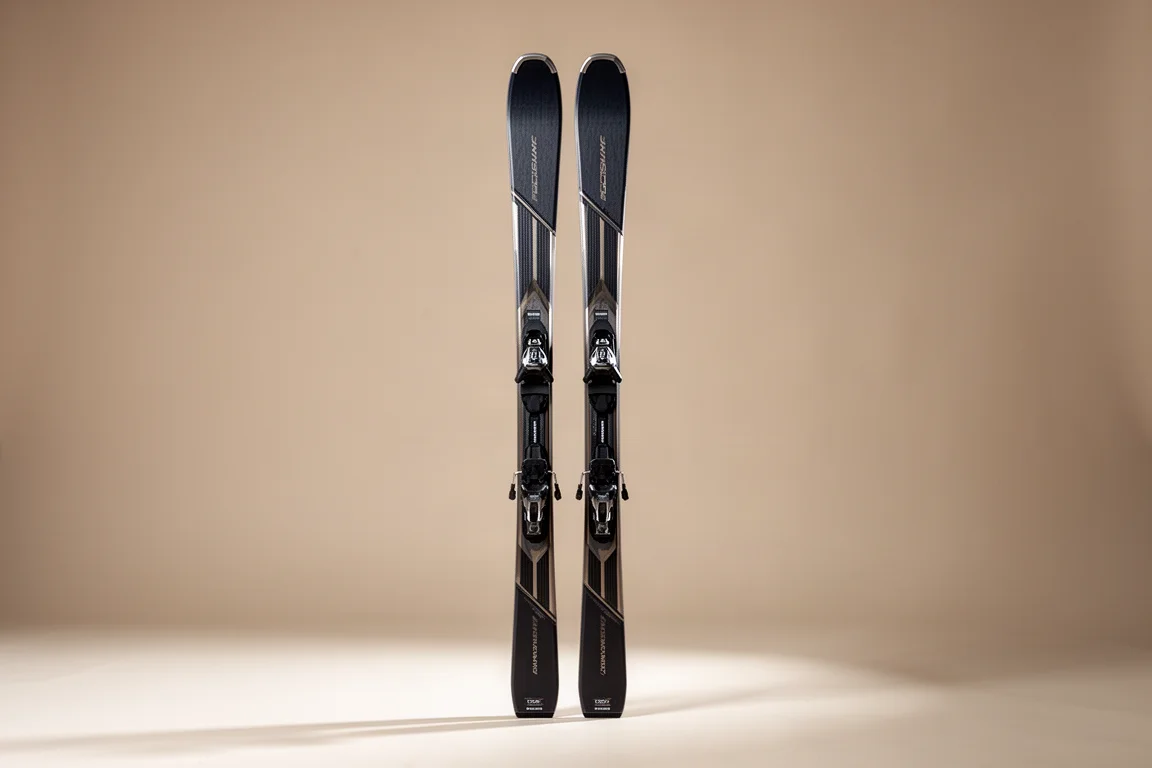
The Pagoda Tour 105 is a premium option at $1,695. It uses a paulownia wood core with two layers of carbon and flax, which dampens the pingy feel of carbon and creates a smooth, confidence-inspiring ride. At 1,420 grams, it is light for its 105 mm width. The ski has an 18-meter turn radius, significant rocker, and a tail with a blend of rocker and long taper.
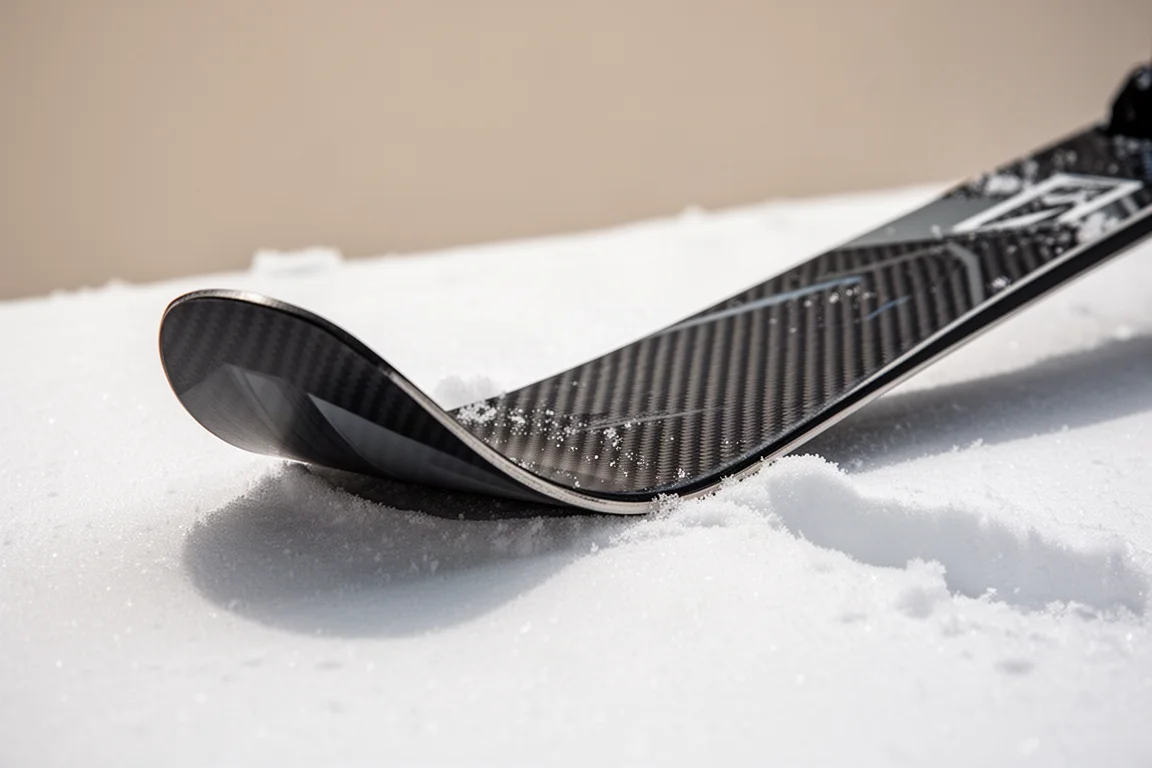
It excels in soft snow, where it planes easily and can be slashed or carved with subtlety. It is made in the USA and features high-quality construction. If you have the budget and prioritize soft-snow performance, this is a standout choice.
Black Crows Camox Freebird: No-Frills Versatility
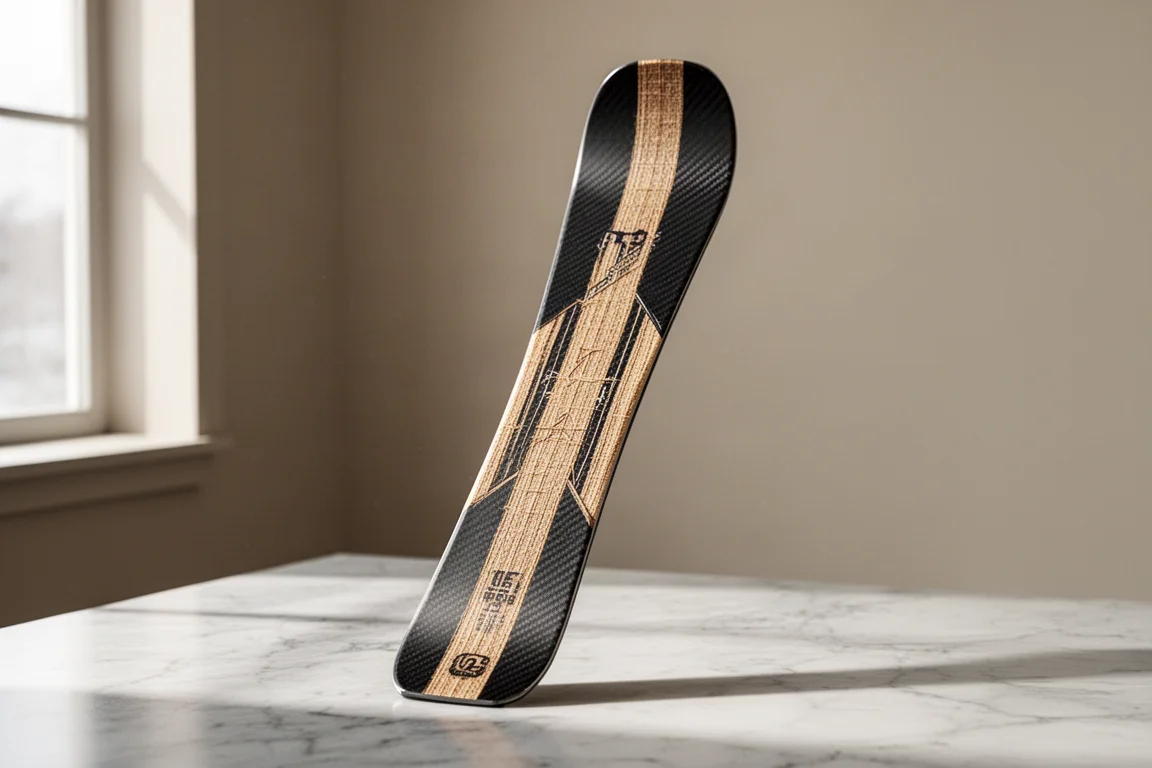
The Camox Freebird is a longtime favorite for its straightforward, do-everything character. At 96 mm underfoot and 1,670 grams, it is heavier than the ultralight options but still manageable for touring. The paulownia wood core with woven carbon and glass provides a stiff yet damp flex that tracks well and absorbs vibrations.
It has a 17-meter turn radius, a normal amount of tip rocker, plenty of camber, and a moderate tail rocker. It is not the most playful ski in soft snow, but it handles firm conditions better than most. For skiers who want a predictable, intuitive ski that can handle a mix of conditions, the Camox Freebird is a solid choice. Price: $849.99.
Overall Buying Advice
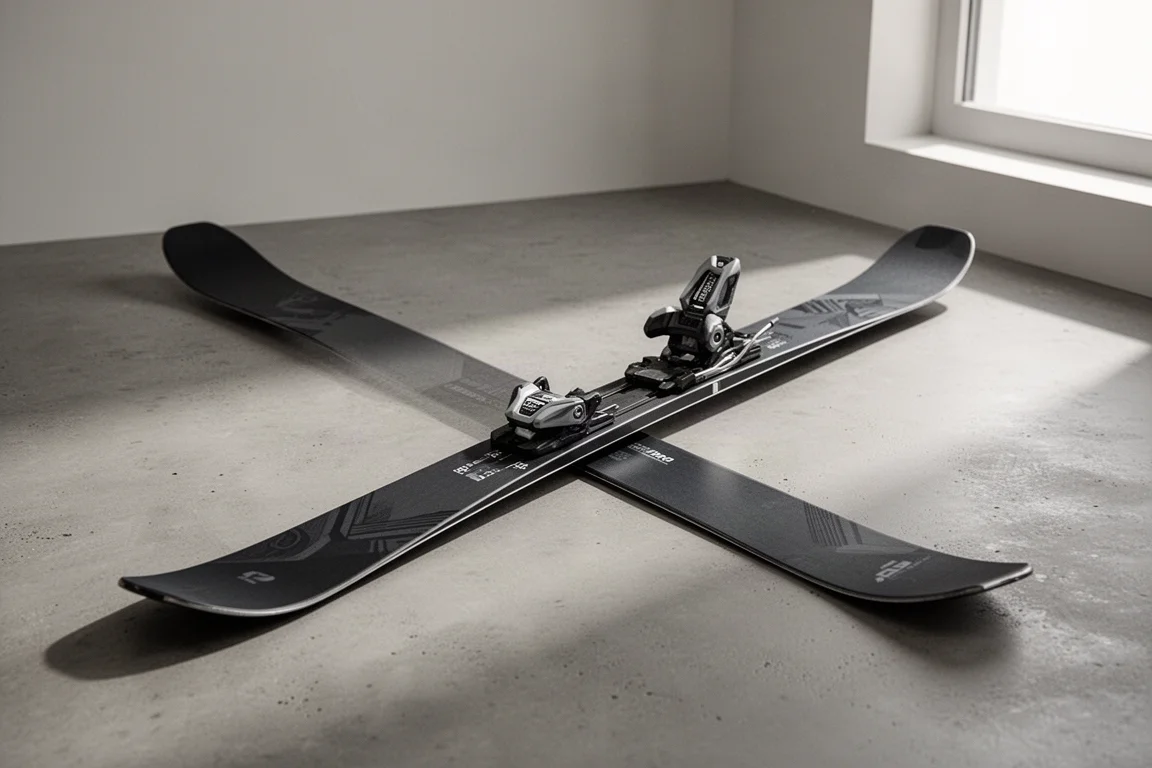
Choosing a touring ski is about matching the ski to your priorities. If uphill speed is paramount, the Blizzard ZeroG LT80 is the lightest option, but be prepared for a demanding descent. For a versatile balance, the Völkl Rise Beyond 96 and Atomic Backland 102 offer impressive performance at moderate weights. The K2 Wayback 106 adds metal for stability in technical terrain, while the DPS Pagoda Tour 105 delivers premium soft-snow performance for a higher price. The Black Crows Camox Freebird is a dependable all-rounder that shines in firmer conditions.
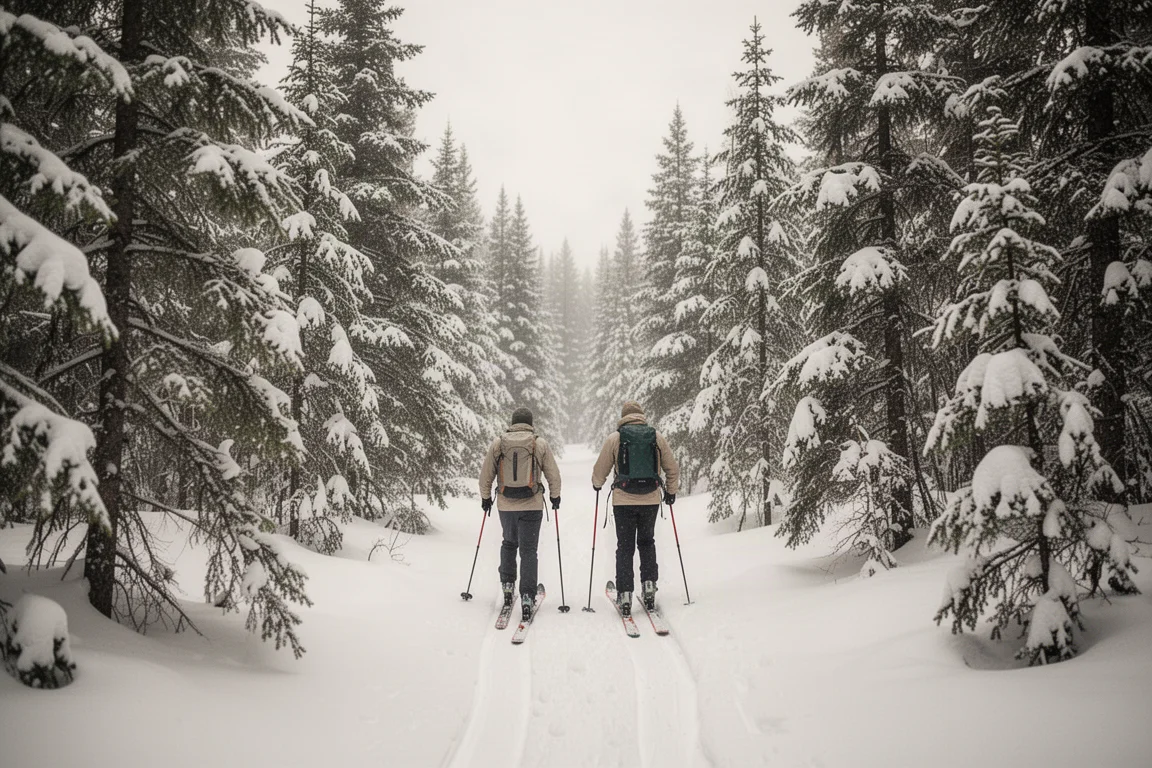
Consider your typical snow, terrain, and how much weight you are willing to push uphill. Binding choice can further tune performance: a lighter binding on a heavier ski or a heavier binding on a lighter ski can shift the feel. There is no single best setup, only the one that matches your goals.
Conclusion
There is no single best touring ski, only the best ski for your specific needs. The six models here cover a wide range, from the ultralight ZeroG LT80 to the versatile Camox Freebird. We hope this breakdown helps you narrow down your options and feel confident in your next purchase. If you are unsure, demoing a few different widths and weights is the best way to find your match.
Further reading
Related Reviews
Touring Skis
Atomic Backland 100 Review: A Light Touring Ski That Still Holds an Edge
The Atomic Backland 100 is the lightest of Atomic's three 100mm-underfoot skis. Here is how its carbon build, tapered tail, and setup options shape the buying decision.
Touring Skis
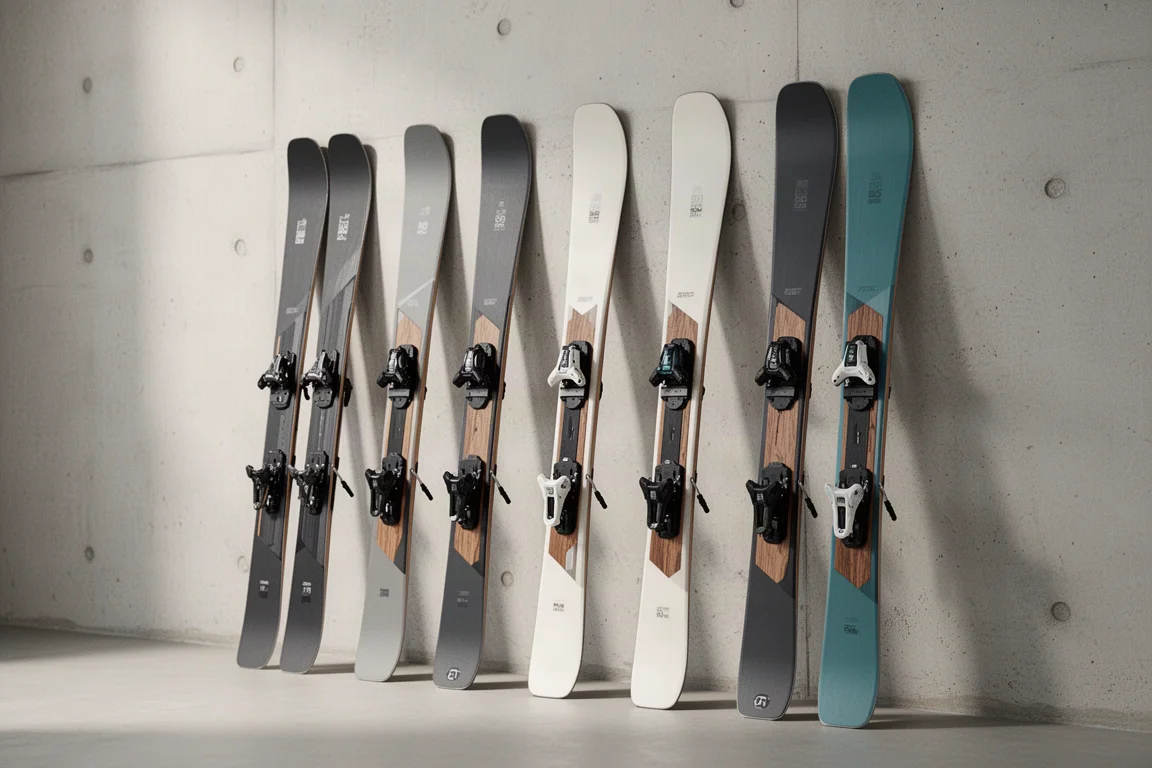
Best Touring Skis 2026: Seven Lightweight Options Compared
Seven lightweight touring skis compared, from uphill-focused builds to descent-oriented shapes, with practical guidance on weight, flex, turn radius, and binding choice.
Touring Skis
Best Touring Skis: 20 Backcountry Models Compared From Lightest to Heaviest
A weight-sorted guide to 20 touring skis, from 1,260 g climbing machines to 2,020 g powder twin tips, with construction, shape and binding notes for every model.