Touring Skis
Best Touring Skis 2026: Seven Lightweight Options Compared
Seven lightweight touring skis compared, from uphill-focused builds to descent-oriented shapes, with practical guidance on weight, flex, turn radius, and binding choice.
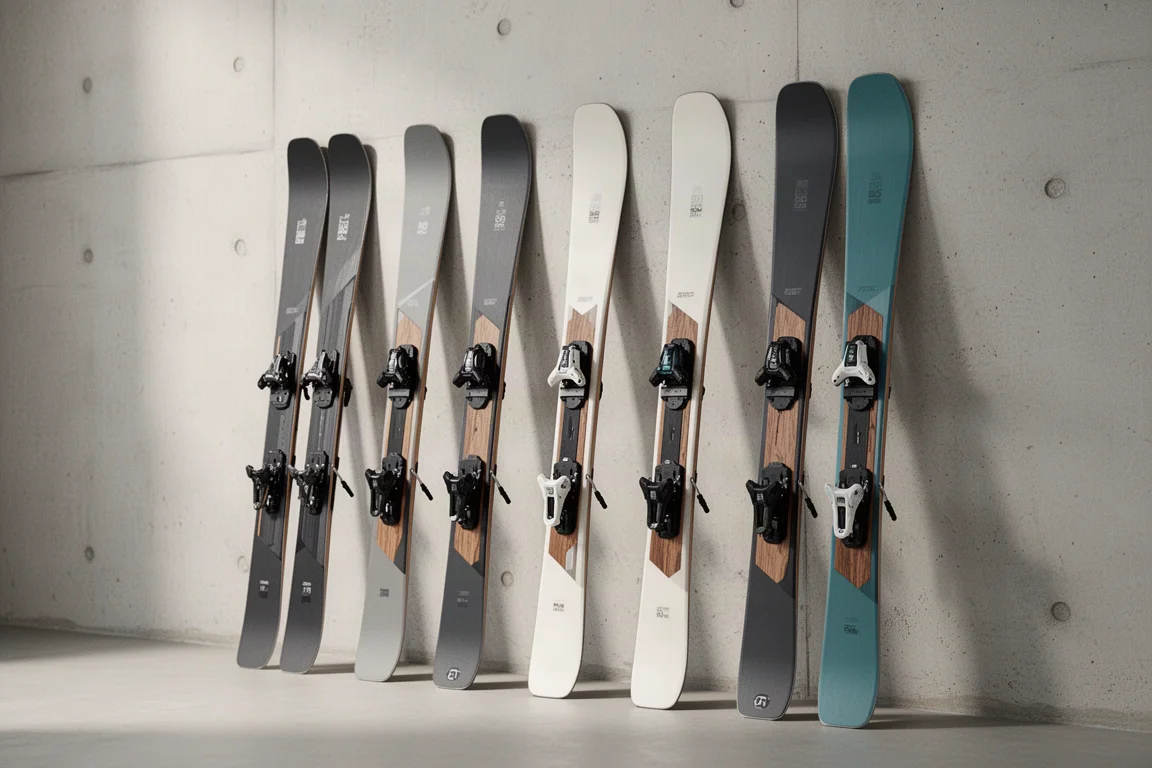
Introduction
Touring skis sit in a category where the differences between models can feel smaller than they look on a spec sheet. Part of that comes down to application: when you are moving through soft, deep snow, subtle variations in flex and shape matter less than they do on firmer surfaces. The other part comes down to everything else in the setup.
Boots, bindings, and even outerwear choices change how a ski behaves far more than they do in an alpine setup. A ski that feels efficient underfoot with a slim pin binding can feel like a different product entirely once a heavier hybrid binding is bolted on. The same ski will also feel different depending on whether you are doing a single morning lap at a resort, linking short backcountry laps, or heading out on multi-day hut trips.
This guide covers seven touring skis that span that range, ordered roughly from lightest and most uphill-focused to heavier and more descent-oriented. The goal is to help you match a ski to the kind of touring you actually do.
How to Think About Touring Skis
Four things matter most when comparing skis in this category.
Weight sets the tone. A lighter ski asks less of you on the way up, and the lightest options here come in well under 1,400 grams per ski. That saving is real, but it is rarely free.
Flex pattern is the next consideration. Many of these skis are far stiffer than their weight suggests, because a soft ski loses energy with every step and can feel mushy on the ascent. Carbon is often what makes that stiffness possible at low weight, though it can also make a ski feel pingy on the descent.
Turn radius shapes how a ski behaves. Longer radii, often in the low twenties and above, make a ski easier to release and pivot, which is useful in soft snow. Shorter radii make a ski feel quicker and more precise on firmer or tighter terrain.
Finally, construction and mounting options matter. Metal underfoot can improve binding retention and smooth out the ride. Pre-cut skin attachment points simplify transitions. And some skis here share a footprint with an alpine model, which tells you something about how they are meant to be used.
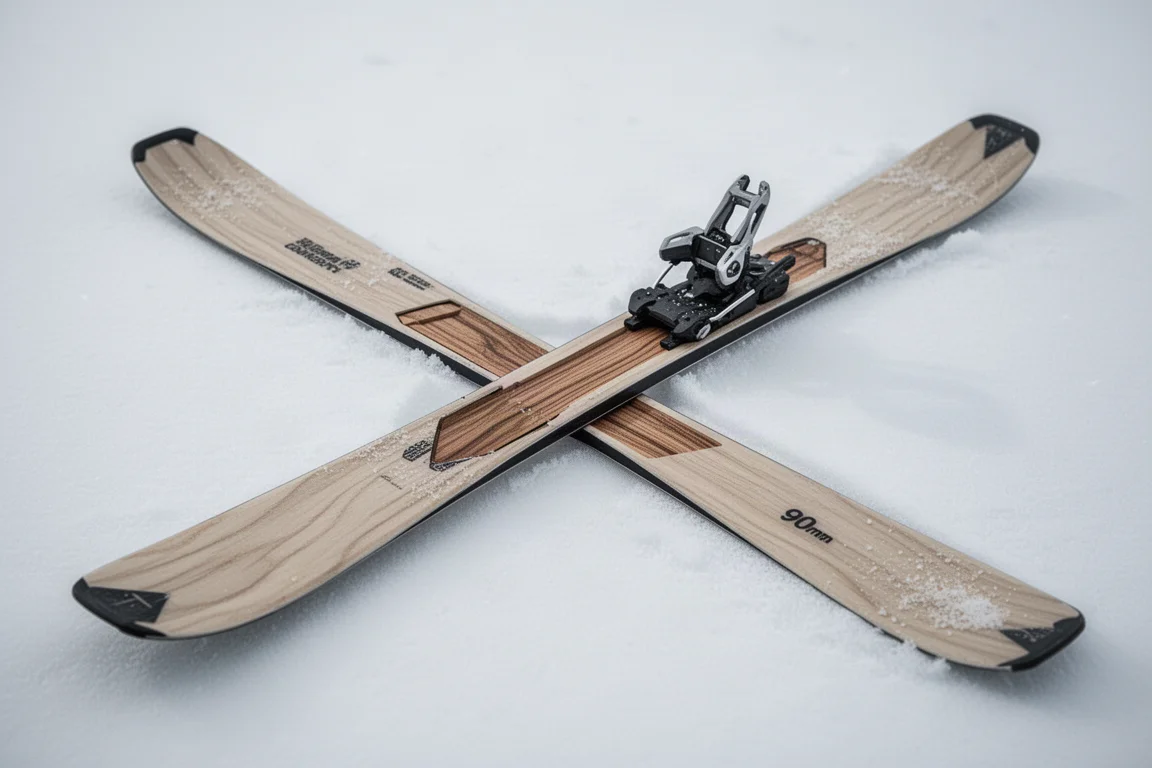
That last point is worth dwelling on. When a touring ski reuses the dimensions and shaping of a well-known alpine ski, it usually means the brand is asking you to trust a proven shape with a lighter build rather than reinventing the geometry.
Fischer Transalp 90: The Uphill Efficiency Benchmark
At under 1,240 grams per ski and 90mm underfoot, the Transalp 90 is the lightest ski in this group and the clearest statement of intent. Everything about it points toward uphill efficiency, from the vertical milling slots cut into the core to the dedicated skin attachment points.
What stands out most is the stiffness. For a 90mm ski at this weight, the flex is remarkably firm, which is exactly what you want when the priority is transferring energy into forward motion rather than bending the ski. A softer ski in this weight class can feel vague and inefficient on the ascent.
The trade-off is on the descent. The Transalp 90 is not a poor downhill ski, but as you move toward heavier models in this guide you gain progressively more composure and float. This is a ski for the rider whose day is defined by the climb.
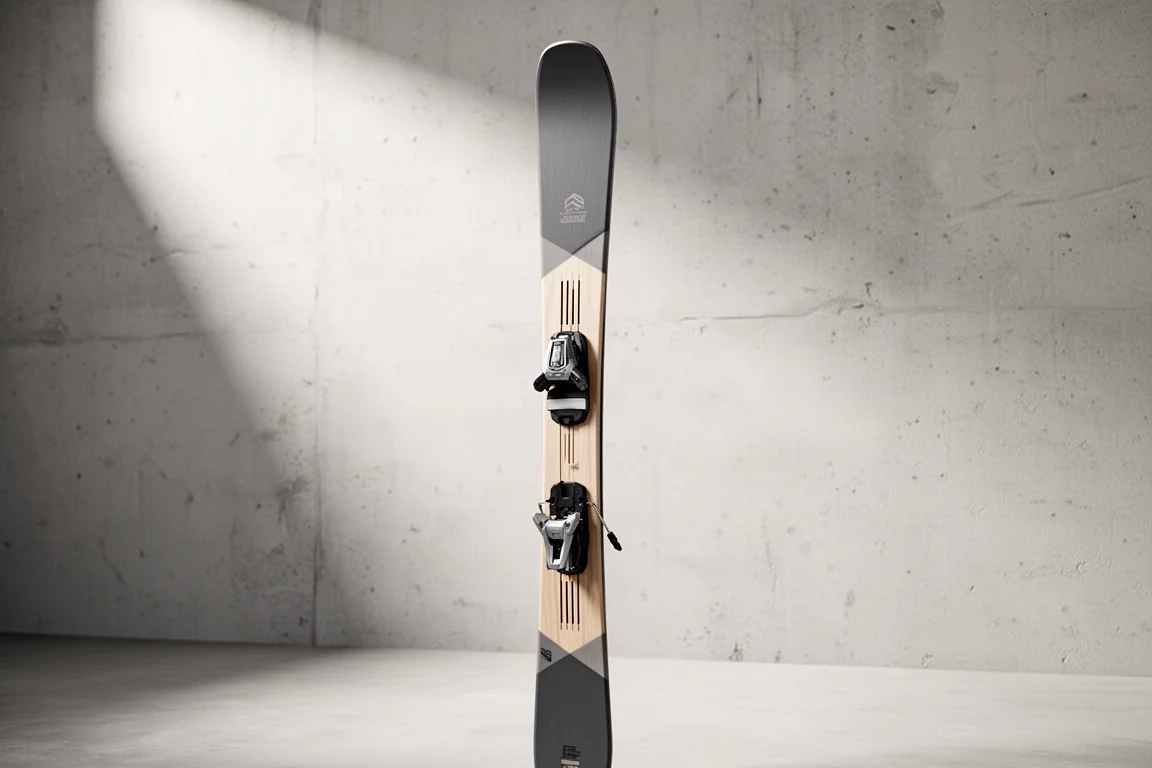
Völkl Rise Beyond 96: Light and Supple
At 1,290 grams, the Rise Beyond 96 sits just above the Transalp 90 on the scale, and it takes a noticeably different approach. Völkl’s multi-layer wood core is pressed to control the flex pattern, and the result here is a ski that feels softer and rounder than most of its lightweight peers.
That suppleness makes the Rise Beyond 96 feel more forgiving and more enjoyable on the way down while remaining a very efficient climber. The tip is shaped a little wider, which brings more downhill influence into the design without adding meaningful weight.
Völkl also carries its 3D turn radius concept over from the alpine range. The 24 meter radius in the tip counteracts the twitchiness that very light skis can develop, keeping the ride predictable. A narrower Rise Above 88 exists for riders who want to push even further toward uphill focus.
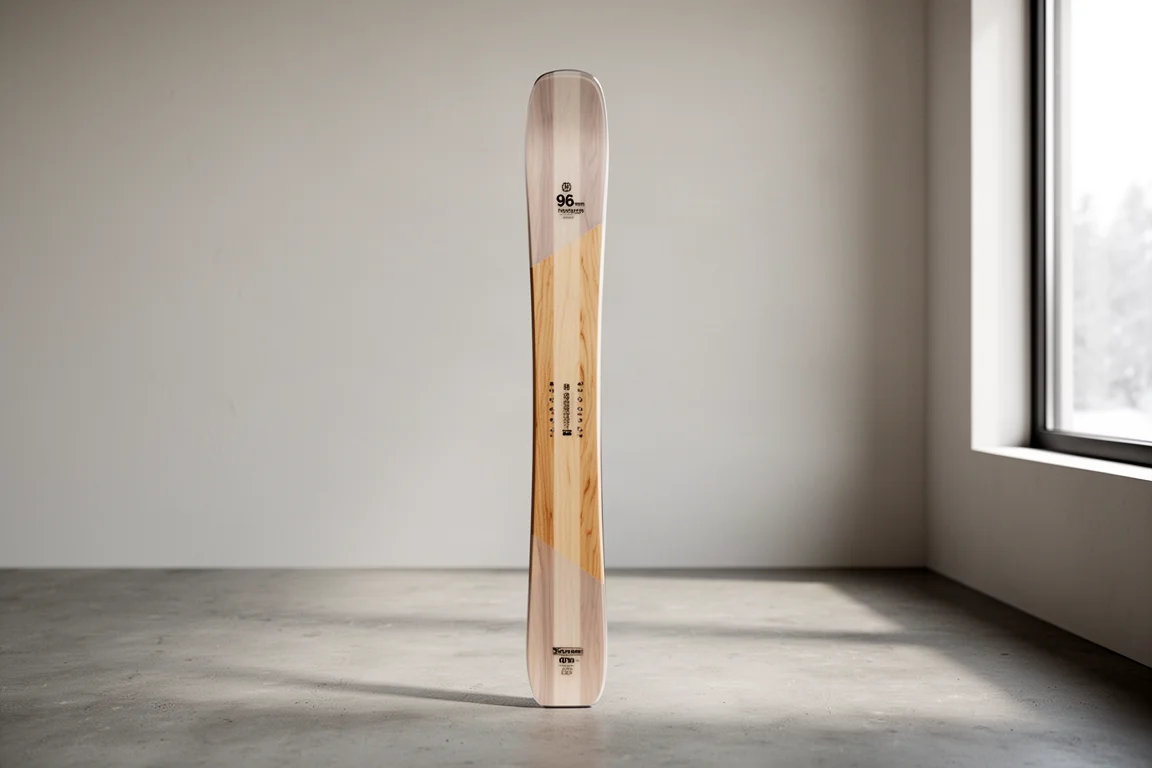
K2 Wayback 96: Precision and Strength
The Wayback 96 comes in at just over 1,300 grams and has long been a reference point in this category. Its 22 meter radius is on the longer side, and the shape pairs a smooth early taper at the tip with a flatter, more precise tail.
That combination gives the ski a useful blend of precision and strength. On traverses above exposed terrain, you want a ski that holds its line and does not feel loose underfoot, and the Wayback 96 delivers that while still feeling maneuverable.
There is also a small amount of metal underfoot. That helps with binding retention and adds a smoother, more confident feel right under the foot, which matters when you are running a pin binding and want a little extra reassurance.
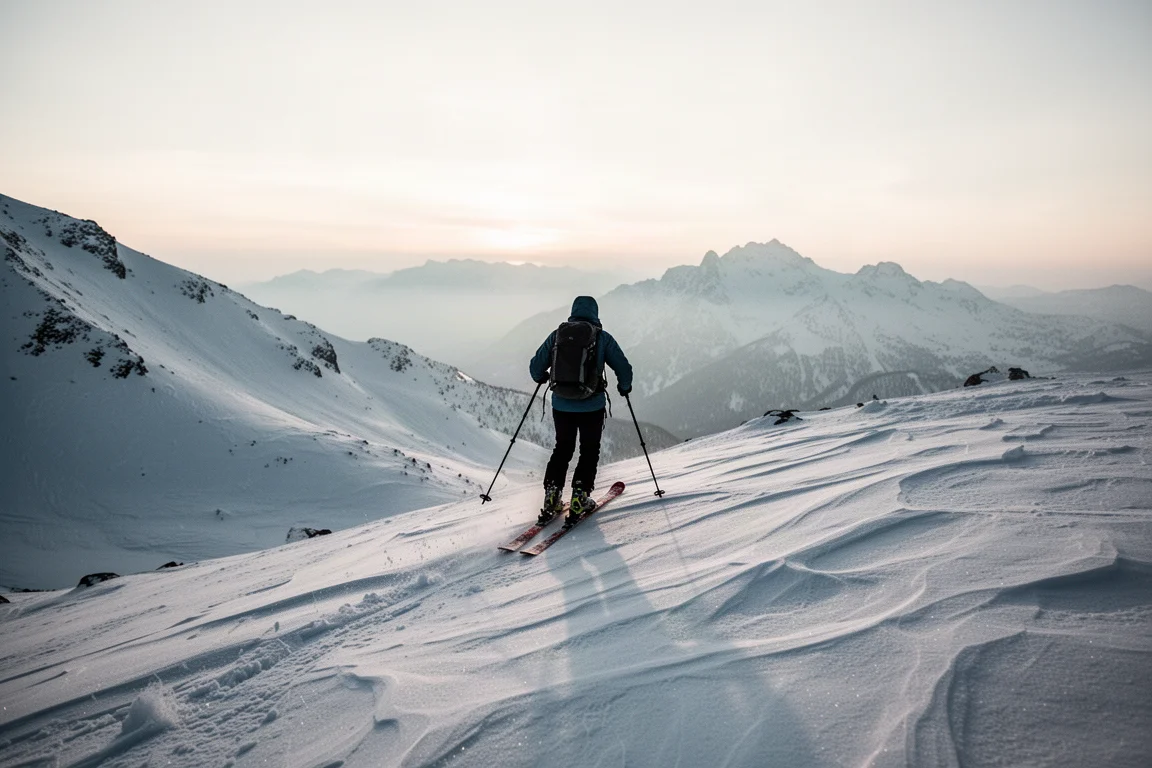
Weight here is comparable to the lightest skis in this guide, but the flex and the metal underfoot give it a slightly more grounded character. K2 positions the Wayback line separately from its Dispatch line, and the two are meant for noticeably different applications.
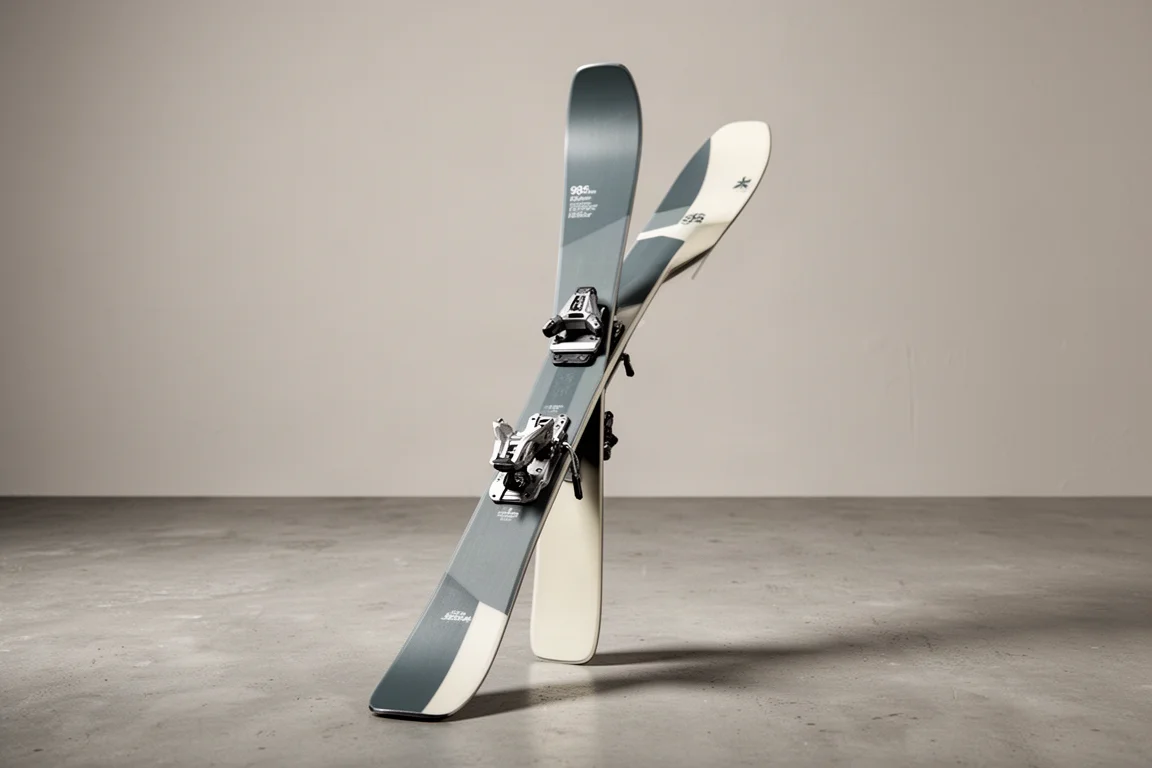
Blizzard Zero G 95: Surfy but Stiff
At 1,340 grams, the Zero G 95 is the latest version of a ski with a long history in this category. It uses Blizzard’s Carbon Drive 3.0 construction, and the current generation removes carbon from the tip and tail while keeping the weight low.
The interesting part is the feel. On paper, the Zero G 95 does not look like a surfy ski, since it carries relatively little rocker. The 24 meter turn radius is what does the work: a longer radius makes it easier to release the tail edge and pivot the ski, which gives it a looseness that the geometry alone would not suggest.
Despite that, it is a very stiff ski, stiffer than plenty of heavier all-mountain models. It also feels less pingy than earlier versions, which smooths out the ride without sacrificing the precision and trustworthiness you want in technical backcountry terrain.
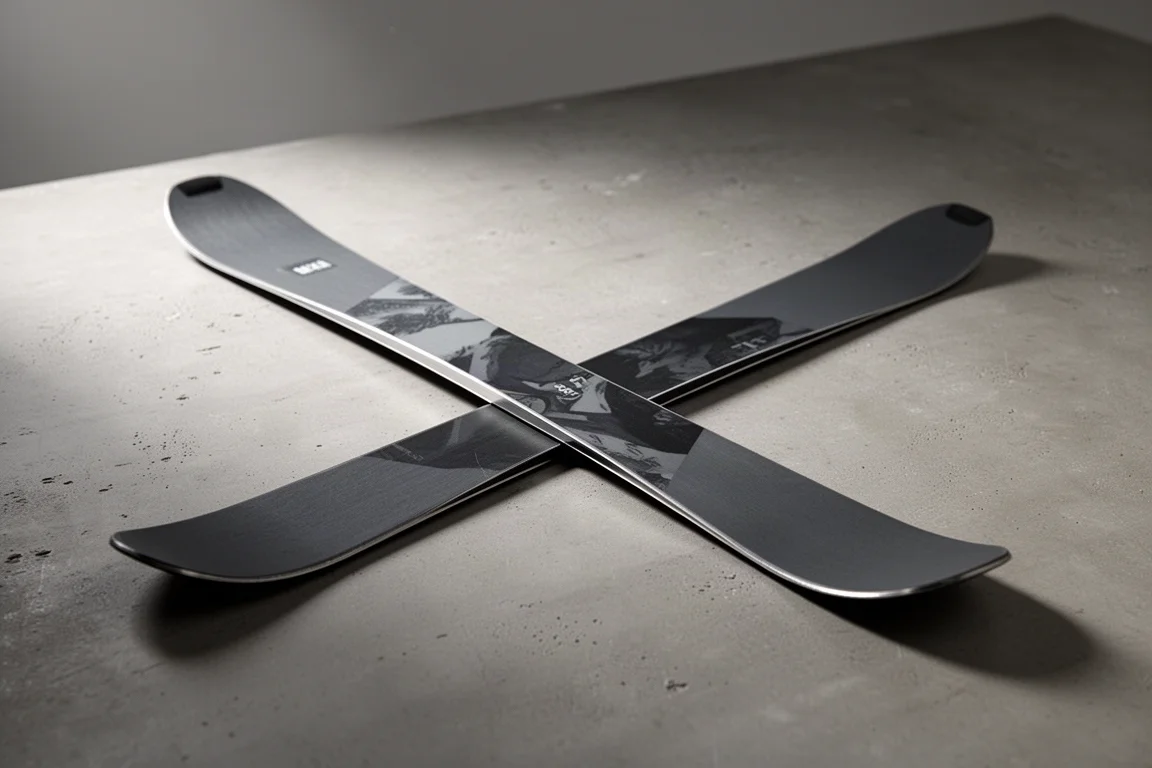
Atomic Backland 100: Versatility and Binding Freedom
The Backland 100 is one of the most versatile skis in this group. At roughly 1,400 grams in the 188cm length, it shares its dimensions with the Maverick 100 Ti alpine ski, with a slightly flatter rocker profile and a lightweight wood core paired with a carbon backbone instead of two layers of metal.
That combination makes it unusually snappy and energetic for its weight. Atomic’s Horizon Tech in the tips helps tame the pinginess that light skis can develop, which is part of why this ski has genuine resort application, something few skis in this category can claim.
It is also the most flexible ski here when it comes to binding choice. A tech binding works, and so does an alpine binding, which opens up the possibility of one setup that covers both lift-served days and uphill laps.
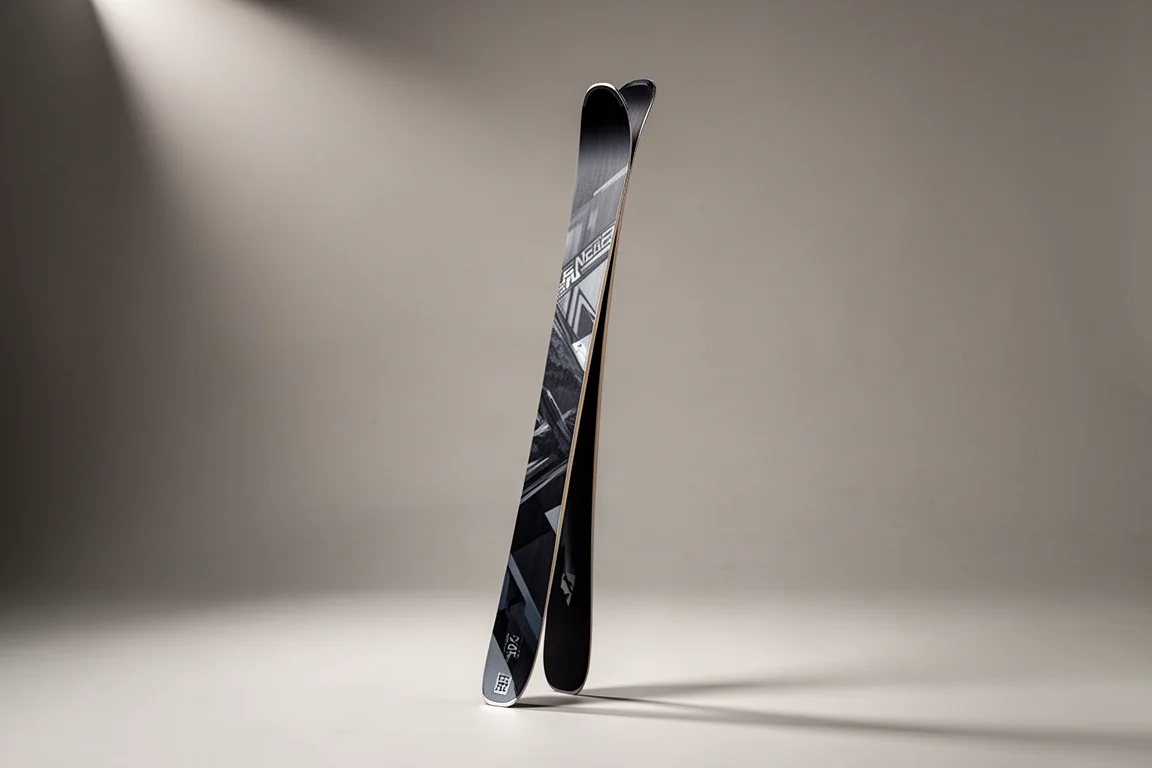
K2 Dispatch 101: A Soft-Snow Touring Tool
At 1,660 grams, the Dispatch 101 marks a clear shift toward descent performance. It carries a functional metal laminate that runs further along the length of the ski than anything else in this guide, which adds weight but also adds strength and damping.
The geometry is distinctive. A 26.3 meter turn radius combined with long tip and tail rocker and a very straight cut gives the ski an extremely smeary, surfy feel. It is not a ski that hooks into a turn; it drifts and floats, and it needs some speed before it comes alive. If you try to throw it sideways on firm snow, it will not cooperate.
Wider versions of the Dispatch exist for riders who want even more float. It is also one of the more expensive options here, though the construction and the amount of metal in the build go some way toward explaining that.
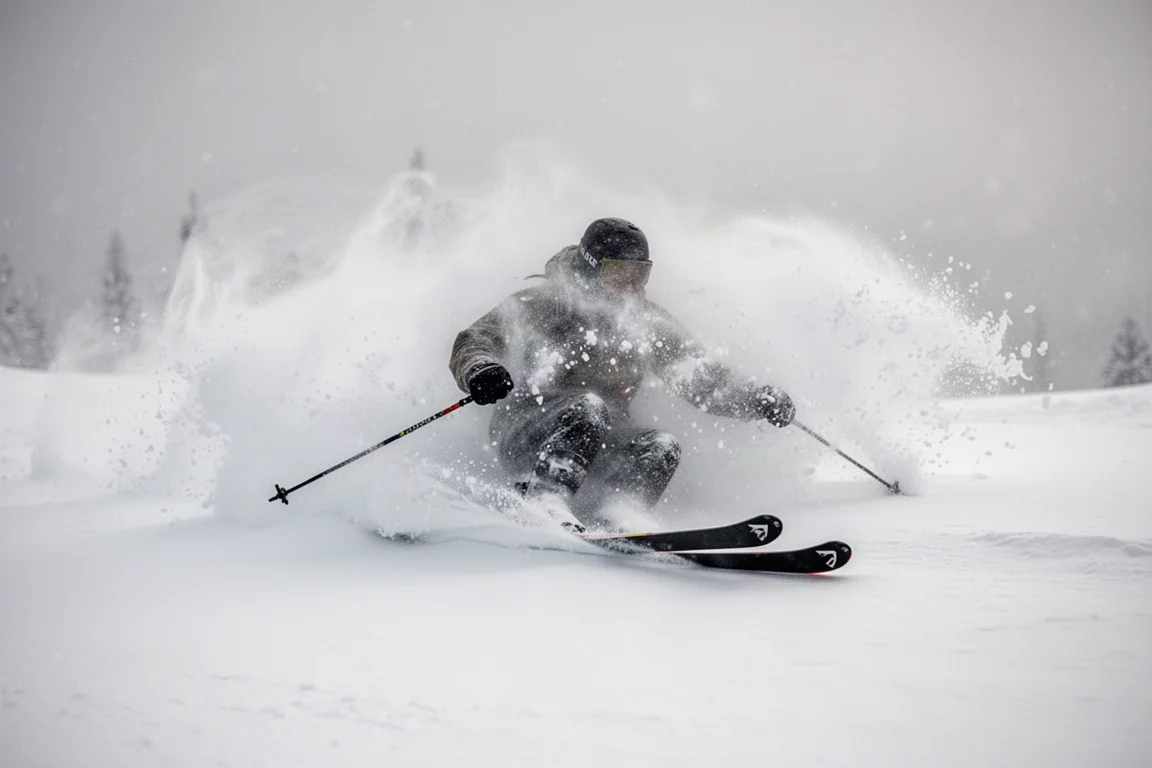
One practical consideration with skis this wide is the ascent. Even a light ski at this width will not fit neatly into a set skin track, so expect to widen your stance or break your own trail. The upside is that breaking trail usually means getting first run at the descent.
View more details for K2 Dispatch 101
Black Crows Navis Freebird: A Well-Rounded Free Touring Ski
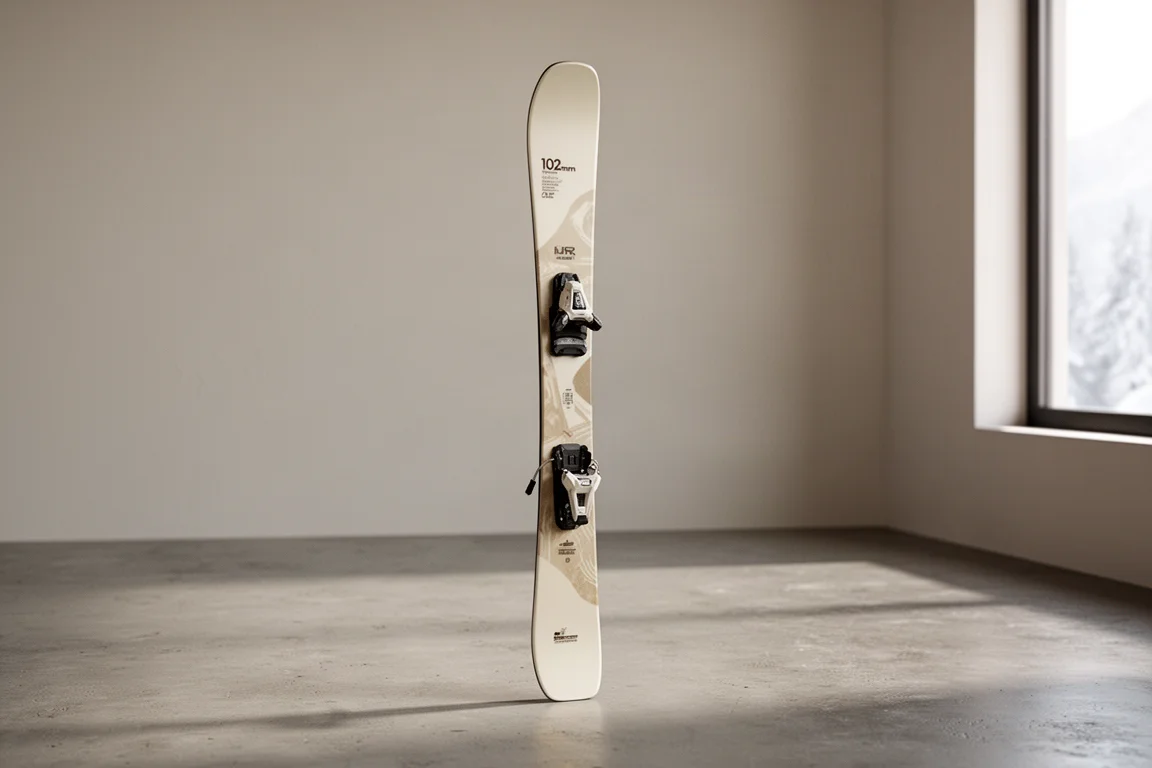
The Navis Freebird weighs around 1,670 grams and measures 102mm underfoot with a 19 meter turn radius. It has good camber underfoot and a moderate rocker profile, and the overall result is arguably the most well-rounded ski in this group.
It is capable across a wider range of terrain and conditions than most of the lighter options here, and it feels trustworthy in the way that skis designed for alpine terrain tend to feel. That character makes sense given where the ski comes from. Black Crows has kept the Navis name going even after discontinuing the resort version, which says something about how well the shape works.
This is a ski for riders who want one setup that handles rugged, variable terrain without demanding the lightest possible build. Pairing it with a tech binding keeps the overall package reasonably light.
Overall Buying Advice
The single most useful question to ask is where you actually tour. If your days are short laps on local terrain, a lighter ski with a firmer flex will reward you every time you step into the binding. If you are heading into bigger, more consequential terrain, the extra weight of a stronger ski is usually worth carrying.
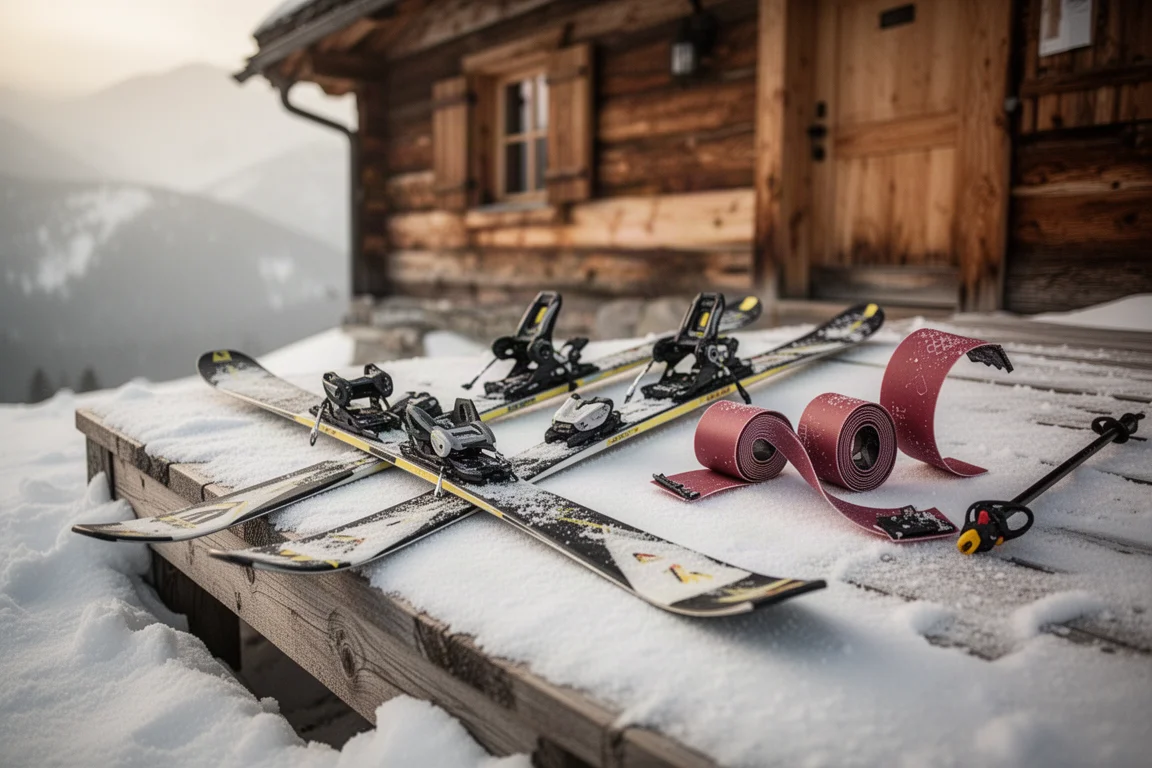
Binding choice changes the equation more than most people expect. A light pin binding on a 1,300 gram ski produces a very different package than a hybrid binding on the same ski, and it is worth deciding early which direction you are going.
It also helps to think about snow. Skis with longer turn radii and straighter cuts, like the Dispatch 101, are built for soft snow and will feel out of place on firm groomers. Skis with shorter radii and more camber, like the Navis Freebird, work across a broader range but give up some of that pure soft-snow drift.
Finally, consider whether you want one setup or two. Several skis here, particularly the Backland 100, can be pressed into resort duty with an alpine binding, which makes them attractive if you would rather not maintain a dedicated touring quiver.
Conclusion
Touring skis reward a clear-eyed look at how you ride. The lightest options, like the Transalp 90 and the Rise Beyond 96, are built around uphill efficiency and give up some downhill composure to get there. The mid-weight skis, including the Wayback 96, Zero G 95, and Backland 100, balance the two more evenly. The heavier options, the Dispatch 101 and the Navis Freebird, lean toward the descent.
None of these are bad choices. The differences between them are real but modest, and the right ski is the one that matches your terrain, your snow, and the rest of your setup. If you can be honest about where and how you tour, picking from this group is easier than the spec sheets make it look.
Further reading
Related Reviews
Touring Skis
Atomic Backland 100 Review: A Light Touring Ski That Still Holds an Edge
The Atomic Backland 100 is the lightest of Atomic's three 100mm-underfoot skis. Here is how its carbon build, tapered tail, and setup options shape the buying decision.
Touring Skis
Best Touring Skis 2025: Six Standout Picks from Lightest to Heaviest
A practical roundup of six touring skis, from featherweight uphill tools to confident freeride performers, with real weights, prices, and on-snow characteristics.
Touring Skis
Best Touring Skis: 20 Backcountry Models Compared From Lightest to Heaviest
A weight-sorted guide to 20 touring skis, from 1,260 g climbing machines to 2,020 g powder twin tips, with construction, shape and binding notes for every model.