Touring Skis
Atomic Backland 100 Review: A Light Touring Ski That Still Holds an Edge
The Atomic Backland 100 is the lightest of Atomic's three 100mm-underfoot skis. Here is how its carbon build, tapered tail, and setup options shape the buying decision.
Introduction
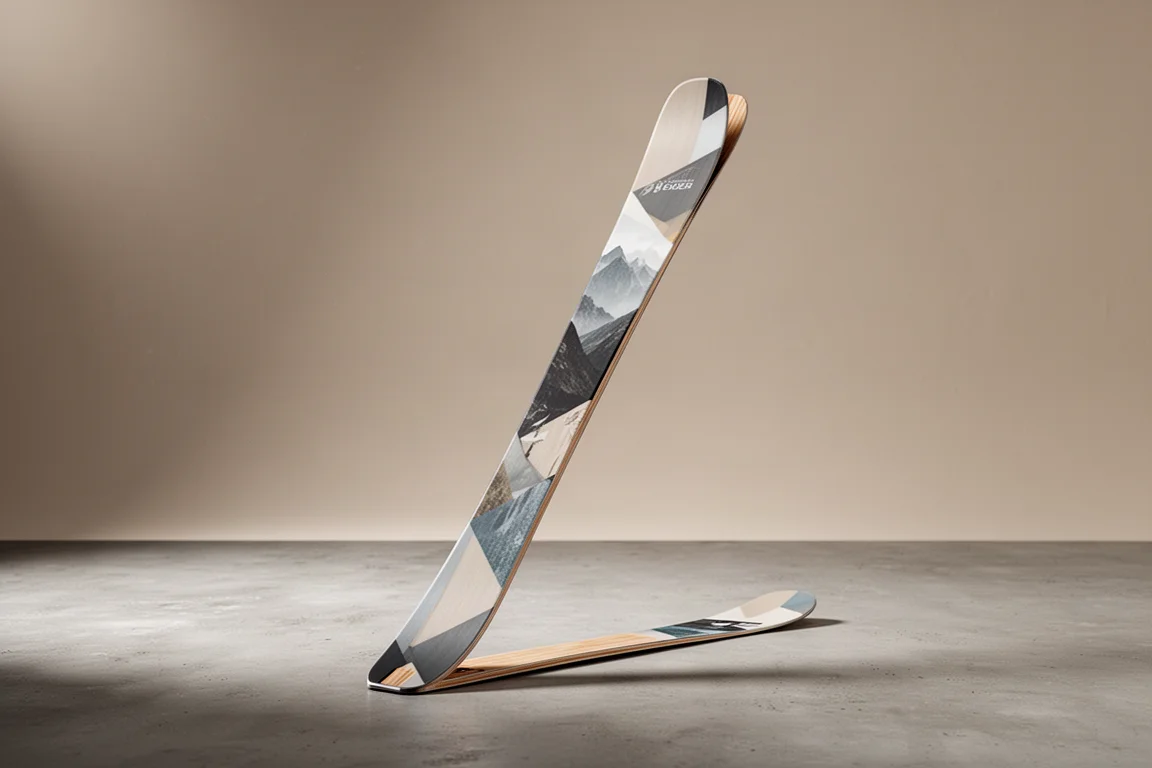
Atomic builds three skis around a very similar shape and a 100mm waist: the Bent 100, the Maverick 100, and the Backland 100. On a shop wall they look like siblings, but the Backland 100 is the outlier. It is the lightest of the three at a claimed 1,400 grams per ski, and it is built for riders who intend to earn their turns rather than ride lifts all day.
That weight figure is the headline, but it is not the whole story. What makes the Backland 100 worth a closer look is how much downhill composure Atomic has kept in a ski this light. It is a touring ski that does not feel like a compromise once the skins come off.

This guide breaks down the construction, the on-snow character, and the setup decisions that matter most before you commit to a pair.
Who the Atomic Backland 100 Is For
The Backland 100 is designed for skiers who go uphill as well as down. It is a touring ski first, and while it can be skied in the resort, most of its use will be on skin tracks.
That makes it a good fit for a few kinds of riders:
- Skiers getting into touring who want a ski that will not punish them while they build confidence.
- Stronger, more aggressive skiers who want a light platform that still holds an edge.
- Riders who skin before the lifts open and then take a few resort laps afterward.
It is not difficult to ski. An intermediate stepping into the backcountry can handle it, and the ski still carries enough of a performance ceiling to support a demanding skier. That range is unusual in a package this light.
Main Strengths
Weight is where the Backland 100 separates itself. Atomic uses an ultra light wood core, and the ski carries no metal layer at all. Instead, the backbone is carbon: longitudinal strips that add energy and stability without adding much mass. You can see them through a small window in the topsheet graphic.
The rest of the construction is deliberate. Dura Cap pairs traditional vertical sidewalls with a small amount of cap construction, so you get strong power transmission through the sidewalls and better durability from the capped section. Horizon Tech shapes the tip with a beveled finish. Unlike the Bent 100, which uses the same treatment in the tail as well, the Backland 100 applies it only at the tip.
The result is a ski that feels considerably stronger than its weight suggests. It is stable, precise, and holds an edge well for a 1,400 gram ski. That combination is counterintuitive the first time you pick one up.
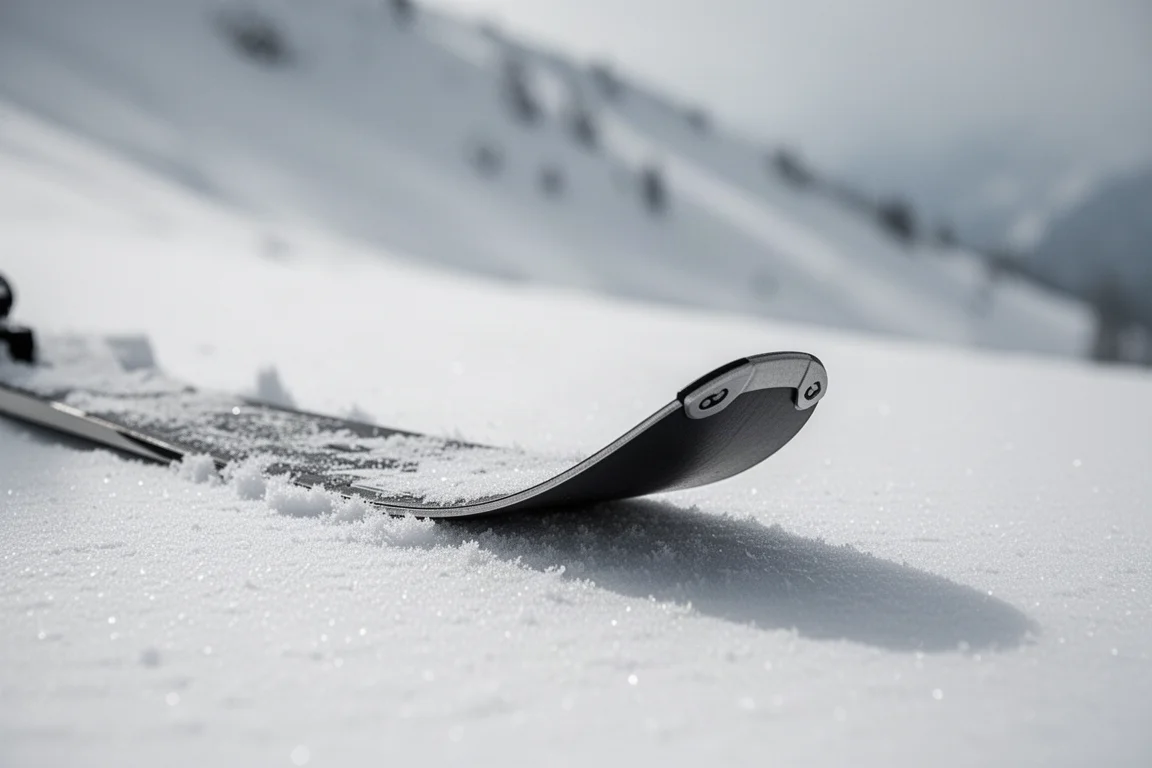
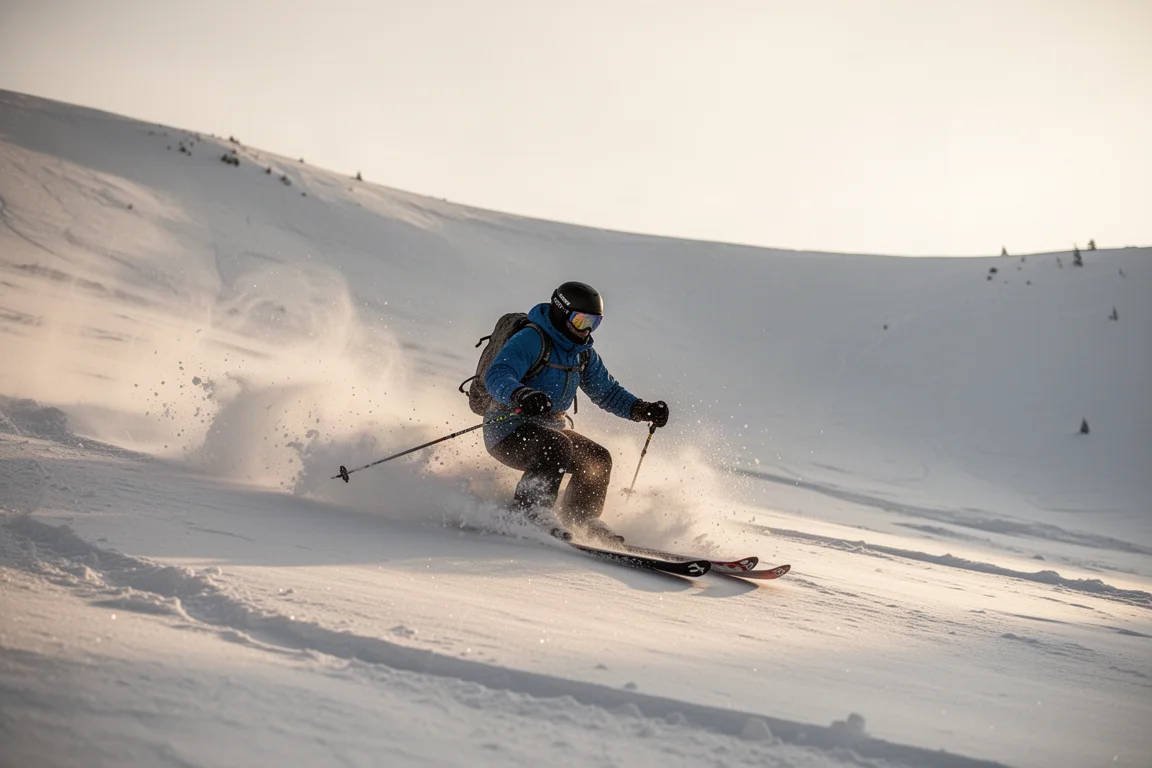
In technical terrain, the ski shows its other strength: maneuverability. It is quick and easy to throw side to side, which matters in tight trees, narrow chutes, and no-fall zones where wasted energy is a real cost. A good deal of that comes from the pronounced taper in the tail, which releases the edge easily and lets the tail come around naturally behind you. The tail rocker is moderate rather than dramatic, and the ski is not a twin tip, but the taper does much of the work.
Things to Consider Before Buying
The absence of metal is central to the weight saving, and it also defines the trade-off. The Maverick 100 is a reasonably strong ski with a heavier, metal-backed build that damps vibration more effectively. If you are not going to tour at all, the Maverick 100 is the more sensible choice, and the extra weight will not concern you.
Weight also has to be considered as a system. The claimed 1,400 grams is the ski alone. With an Atomic Shift 13 mounted, the setup comes to roughly 2,250 grams, which is still light for a ski and binding combination but is a different number from the one on the spec sheet.
Finally, the rocker profile is moderate at both ends. This is not a deeply rockered, surfy shape, so riders chasing maximum float in the deepest snow should set expectations accordingly.
Binding and Setup Advice
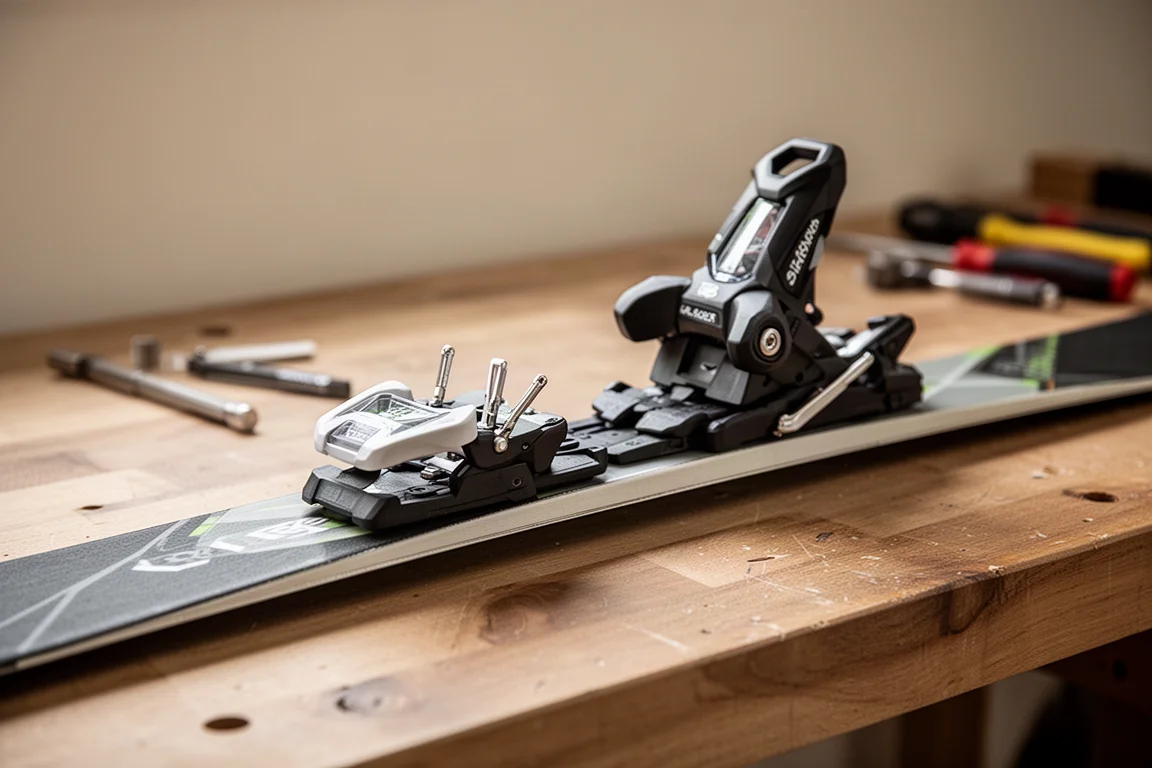
A touring binding is the right call here. The Shift 13 is a natural match, and because it is an Atomic branded binding, you can build a fully Atomic setup if that appeals to you. A Duke PT is a reasonable alternative in the same general category, and the two are broadly comparable in how they ski.
If you are going to be exclusively in the backcountry and never riding a lift, you can go lighter still with a full tech pin binding. That is the setup that makes the most of what the Backland 100 was built for.
How the Backland 100 Compares With the Bent 100 and Maverick 100
All three skis share a similar shape and a 100mm waist, which is why they get compared so often. The differences live in the build.
The Bent 100 and the Maverick 100 are both heavier and use more substantial core construction, with the Maverick adding metal. The Backland 100 uses the ultra light wood core and the carbon backbone, and it carries Horizon Tech in the tip only rather than in the tip and tail. It is a distinct ski that happens to share a silhouette with its siblings, not simply a lighter version of either one.
Buying Advice
Buy the Backland 100 if you are actually going to tour. The ski repays the uphill effort with a downhill feel that is stronger and more precise than its weight class suggests, and it is forgiving enough that you do not need to be an expert to enjoy it.
Choose the Maverick 100 instead if your days are lift-served. You give up some weight savings and gain vibration damping that matters more on hardpack and at speed. Pair the Backland 100 with a touring binding, and step down to a full tech pin binding if every day is a backcountry day.
Conclusion
The Atomic Backland 100 is the lightest of Atomic’s three 100mm-underfoot skis, and it is the one built for touring. An ultra light wood core, a carbon backbone in place of metal, and a tapered tail add up to a ski that climbs efficiently and still holds an edge on the way down. It suits intermediates getting into touring and stronger skiers who want a light, responsive platform. If you never plan to skin, the Maverick 100 is the better fit.
Product link
View more details for Atomic Backland 100
This product is mentioned in the review. Check the specifications, options, and compatibility before buying.
View more details for Atomic Backland 100Further reading
Related Reviews
Touring Skis
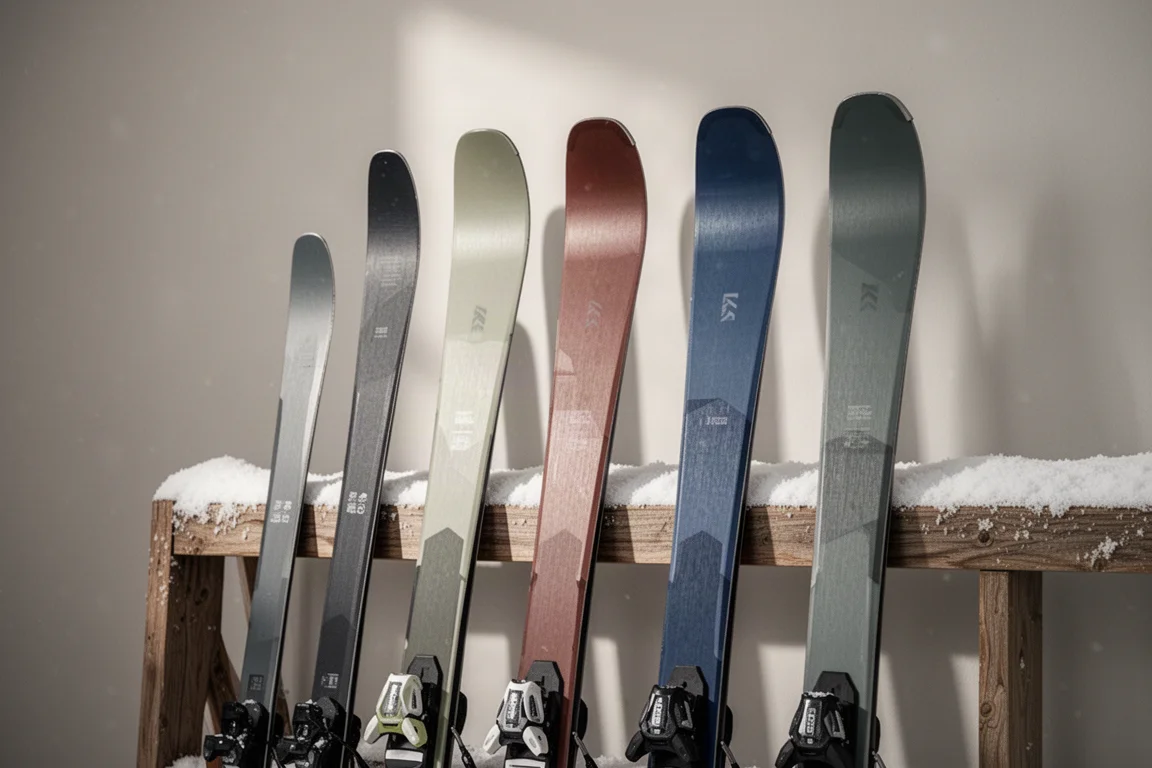
Best Touring Skis 2025: Six Standout Picks from Lightest to Heaviest
A practical roundup of six touring skis, from featherweight uphill tools to confident freeride performers, with real weights, prices, and on-snow characteristics.
Touring Skis
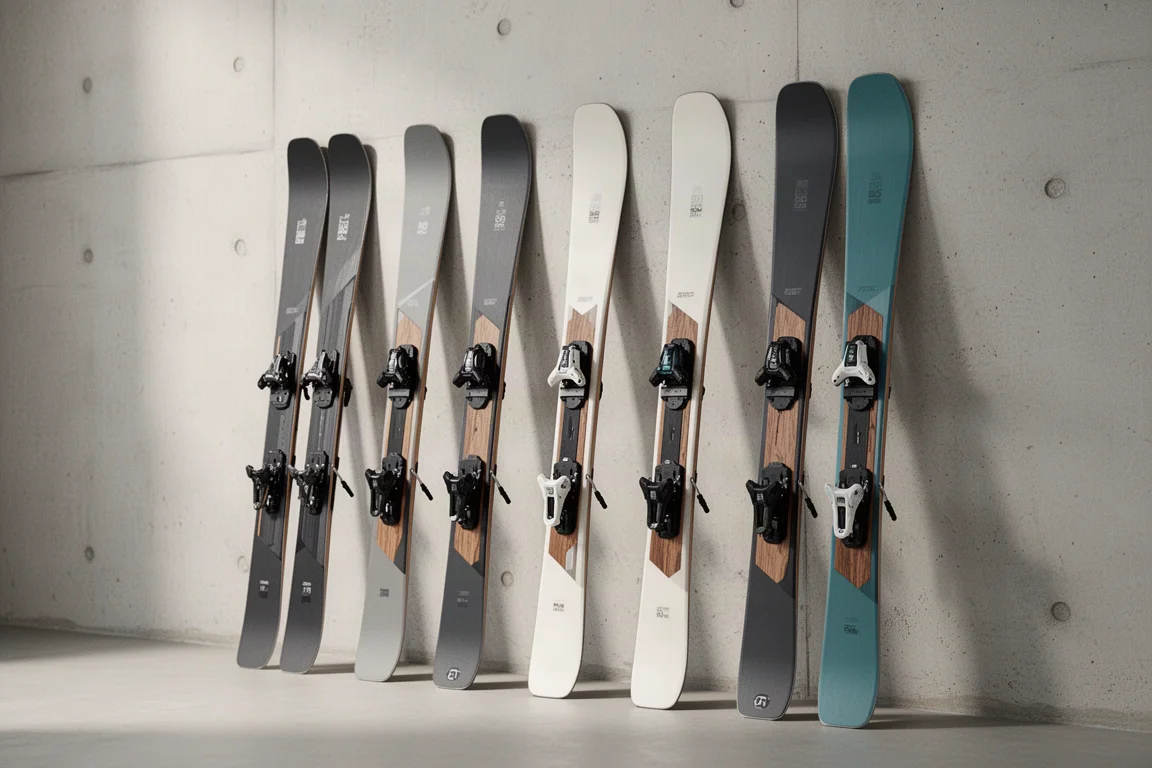
Best Touring Skis 2026: Seven Lightweight Options Compared
Seven lightweight touring skis compared, from uphill-focused builds to descent-oriented shapes, with practical guidance on weight, flex, turn radius, and binding choice.
Touring Skis
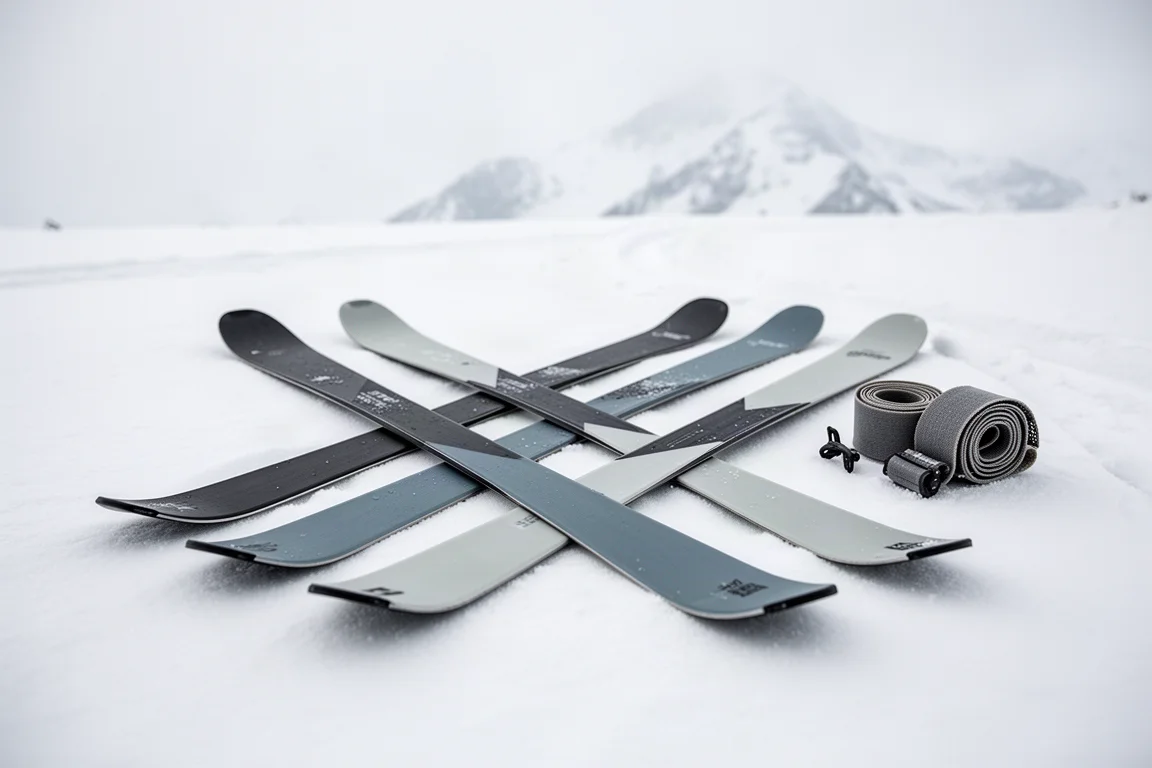
Best Touring Skis: 20 Backcountry Models Compared From Lightest to Heaviest
A weight-sorted guide to 20 touring skis, from 1,260 g climbing machines to 2,020 g powder twin tips, with construction, shape and binding notes for every model.