Hi-Fi Amplifiers
First Watt SIT-5 vs Pass Labs XA25 vs First Watt SIT-4: Three Class A Amplifiers Compared
Three Nelson Pass Class A amplifiers, three distinct sounds. Here is how the First Watt SIT-5, the Pass Labs XA25, and the First Watt SIT-4 differ, and how to match one to your speakers.
Introduction
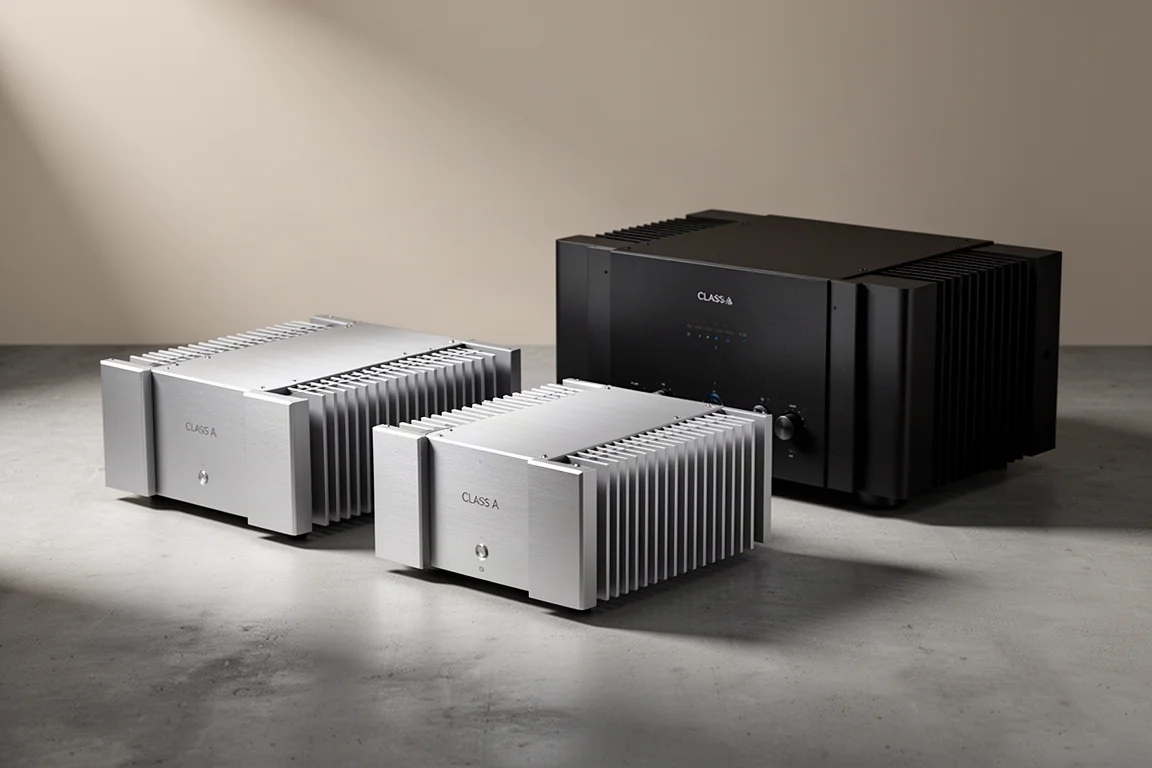
Three Class A amplifiers, one designer, and three noticeably different sounds. The First Watt SIT-5 sits at the top of the First Watt range in output power, the Pass Labs XA25 is the neutral reference that can drive almost any speaker, and the First Watt SIT-4 is the stereo design that shares the SIT-5’s output device.
All three come from Nelson Pass. He designs every First Watt amplifier and every Pass Labs amplifier, and the two companies exist for a reason. First Watt concentrates on low-power Class A single-ended designs, while Pass Labs builds larger, more powerful Class A amplifiers. That distinction matters more than any spec sheet, because it decides which speakers each amplifier will actually be happy with.
This article looks at what each amplifier does well, where it asks something of you in return, and how to decide which one belongs in your system.
How These Three Nelson Pass Amplifiers Differ
The clearest way to understand the family is to start with the output device. Both First Watt models covered here use a static induction transistor, usually shortened to SIT, made by Tokin in Japan. It is a device Nelson Pass has returned to repeatedly because it does not sound like a typical solid-state output stage.
Then there is the power question. First Watt amplifiers are low-powered Class A single-ended designs, and they are selective about the speakers they partner with. Pass Labs amplifiers are also Class A, but they are bigger and more powerful, and they can drive just about any speaker imaginable.
The comparison listening sessions used high-sensitivity speakers, including an open-baffle design, a horn-loaded model rated at 97.5 dB, and a low-sensitivity planar magnetic speaker built in 1986 and restored in the 2000s. The supporting chain included a Linear Tube Audio MicroZOTL preamplifier, a Mola Mola DAC, a Jay’s Audio CDT2 transport, a Technics SL-1200G turntable with an Ortofon Cadenza Blue cartridge and ST-90 step-up transformer, a Quicksilver tube phono preamplifier, and Nordost Red Dawn speaker cables.
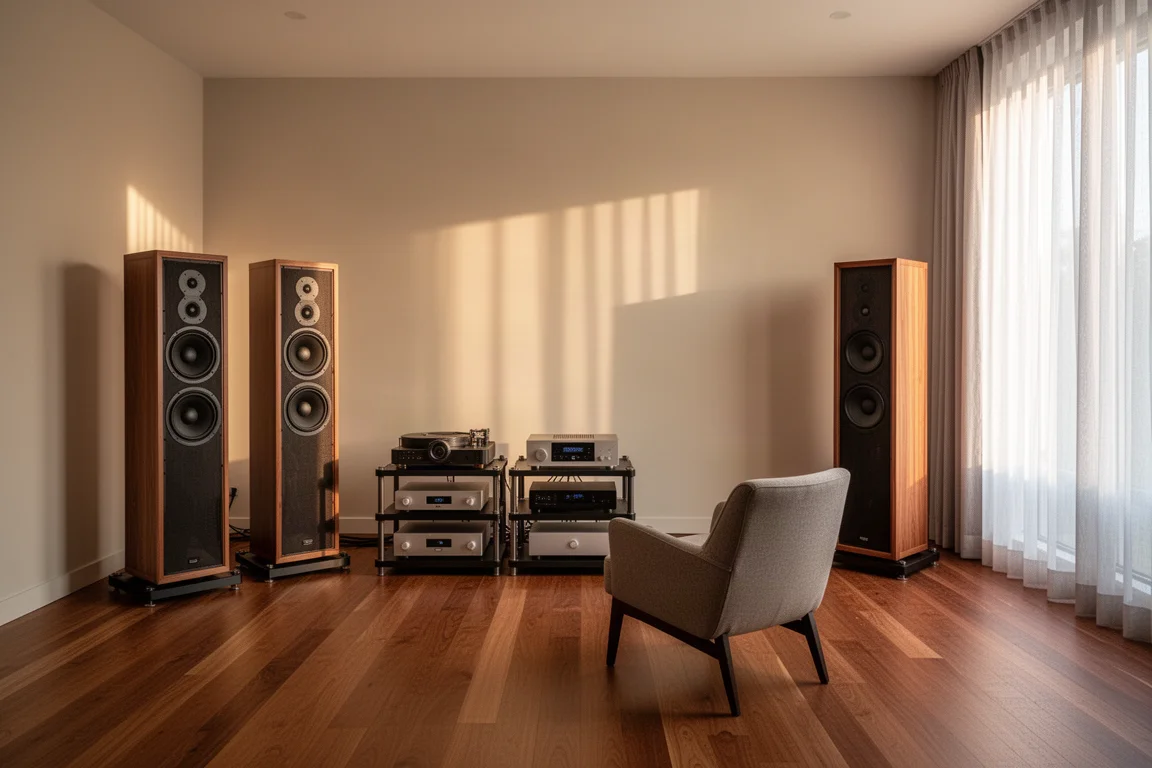
The practical lesson from that setup is simple. The amplifier is only one part of the result. Speaker sensitivity, the room, and where you sit all shape what you hear, and the differences between these three amplifiers show up most clearly when the rest of the system stays put.
First Watt SIT-5: Power and Warmth in a Class A Monoblock
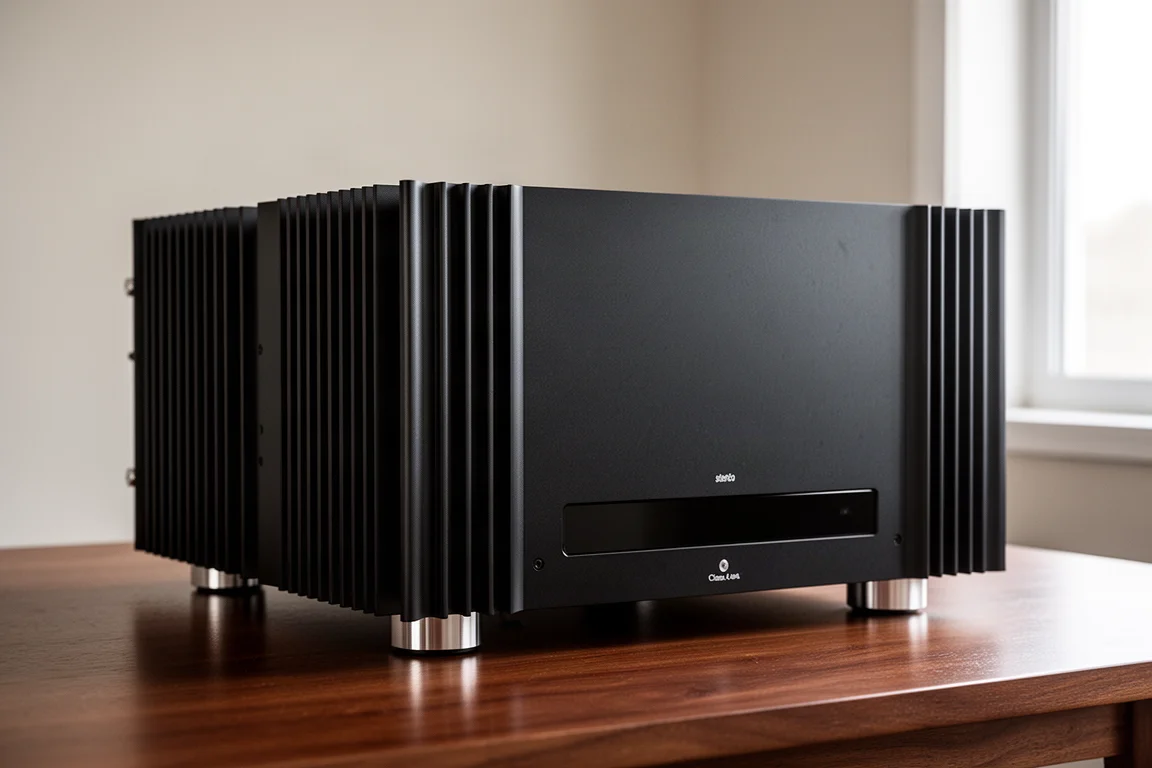
The SIT-5 is a pair of monoblocks delivering 35 watts into 8 ohms and 60 watts into 4 ohms. It is a Class A, zero-feedback, single-ended design, built in California and available with either a silver or black faceplate.
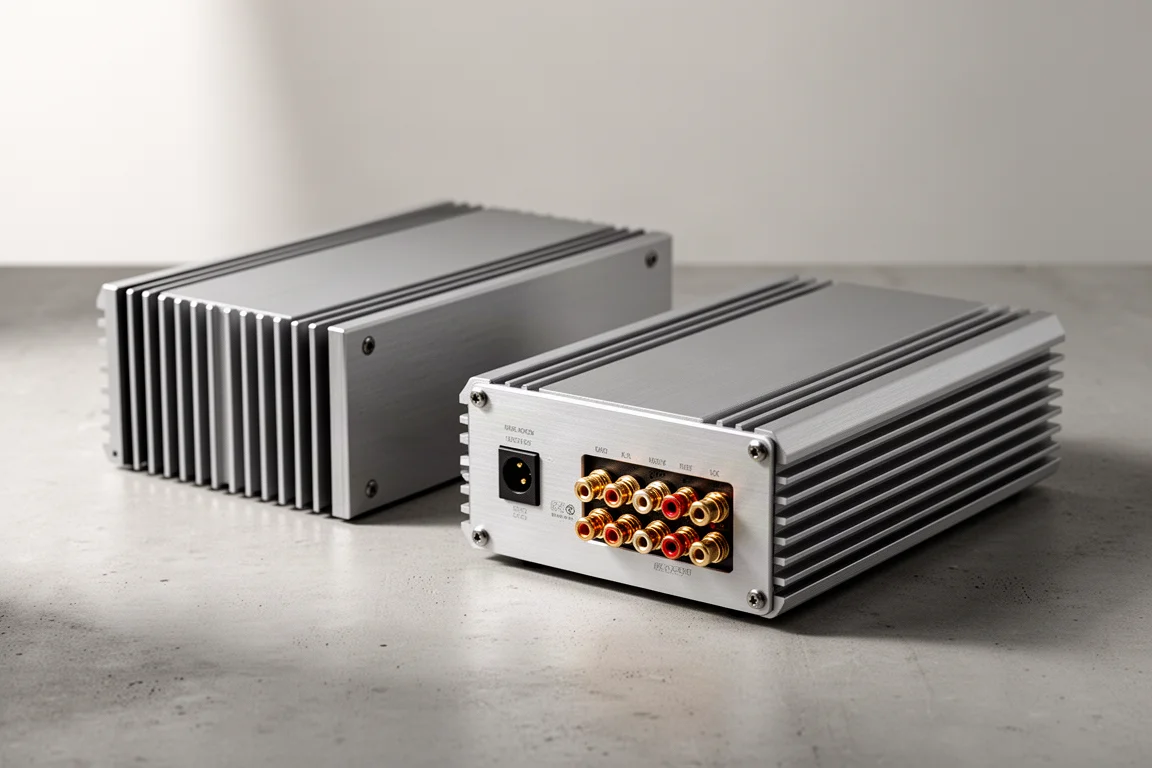
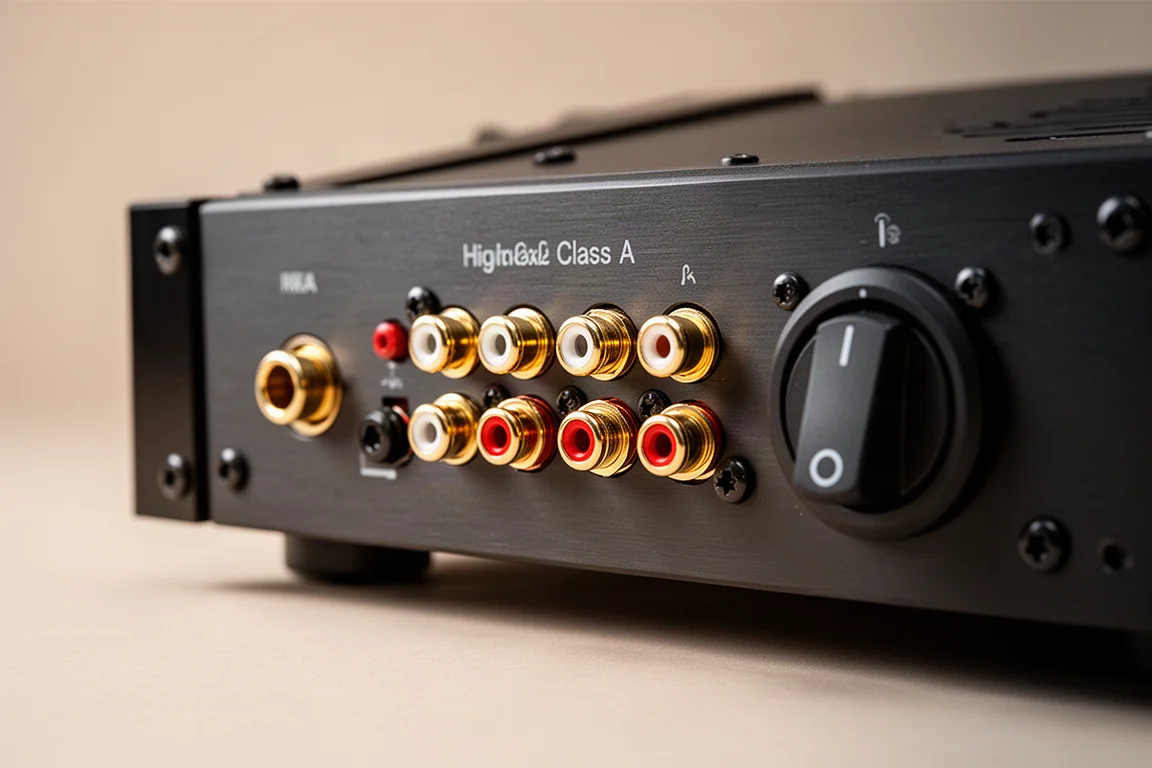
Around the back you get a single RCA input, a solid set of gold-plated binding posts, and a large rocker switch for power. There is no power switch on the front panel, so the amplifier is switched on at the rear.
The sound is the reason to pay attention. Against other Class A designs, the SIT-5 has a lush, romantic, full-bodied character, with a warmth and body that many listeners describe as analog-like. On a landmark psychedelic pop album, the stereo mix opened up with a strange, spacious quality that made the whole production feel more vivid than usual. On an early 1960s soul recording, the voice carried real power. On a vintage instrumental soul album, the bass lines had a groove you could feel. During an unplugged session recording, the singer and the band felt present in the room, with audible space between the instruments.
That extra power also changes what the SIT-5 can be used with. Unlike the other First Watt amplifiers, it is comfortable driving lower-sensitivity speakers, which puts it in a different category from its siblings.
What the SIT-5 Does With Low-Sensitivity Speakers
The real test came with a pair of planar magnetic speakers from 1986, restored some years later. They are a dipole design, roughly four and a half feet tall, with as much sound coming from the back of the panel as from the front, and they are not an easy load.
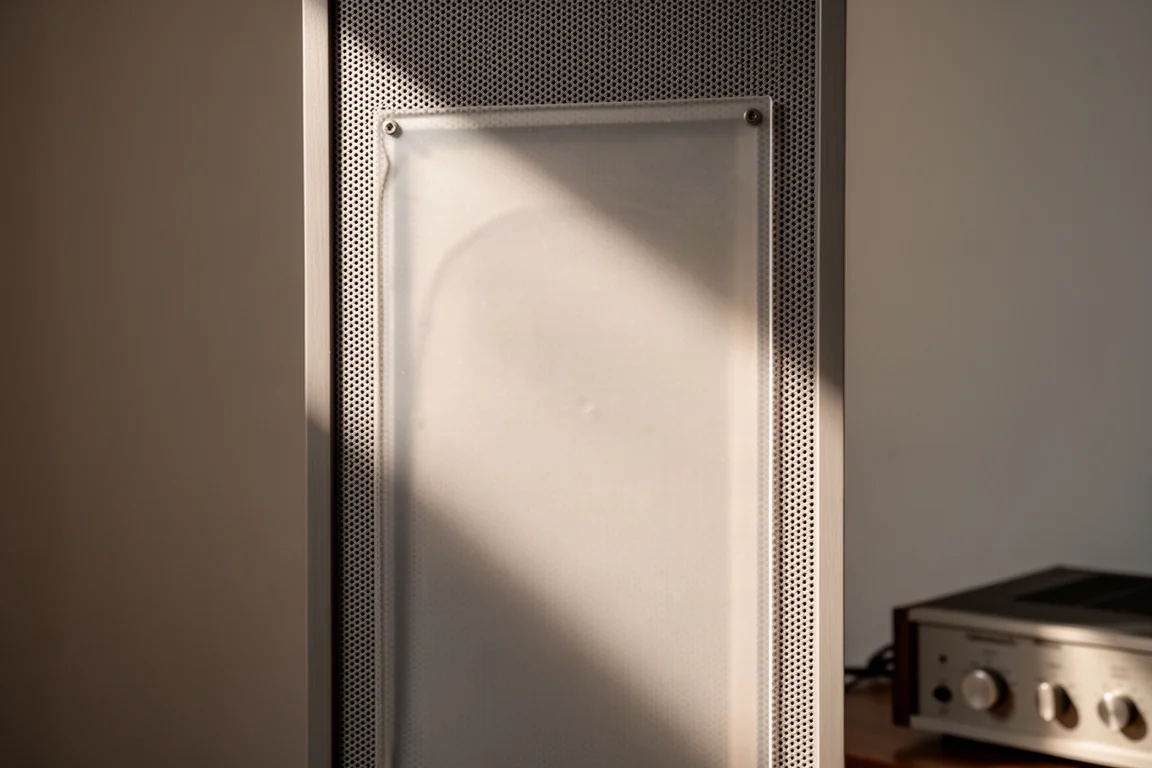
The result was a wall of sound: big, spacious, and with instruments that sounded closer to life size than expected from a panel of that size. That is not something earlier low-powered First Watt designs could manage.
Switching to the Pass Labs XA25 on the same speakers produced a faster, more defined sound with more edge, but it also leaned bright in a way that did not flatter the speakers. Neither result is wrong. It is the difference between an amplifier that adds body and one that reports more of what is on the recording.
Pass Labs XA25: Neutrality and Drive
The Pass Labs XA25 is a Class A stereo amplifier selling for $5,150. It drives pretty much anything, which is exactly why it works so well as a long-term reference.
Its character is neutral and accurate. Where the SIT-5 blooms and fills the room, the XA25 stays focused and pinpoint, telling you more precisely what is in the recording. Some of the spaciousness heard through the SIT-5 gets smaller when you change over, and the presentation becomes tighter and more focused.
For listeners who want the facts of a recording laid out as clearly as possible, that is a strength rather than a shortcoming. It is also the safer choice if you change speakers often or own something difficult to drive.
First Watt SIT-4: Immediacy With High-Sensitivity Speakers
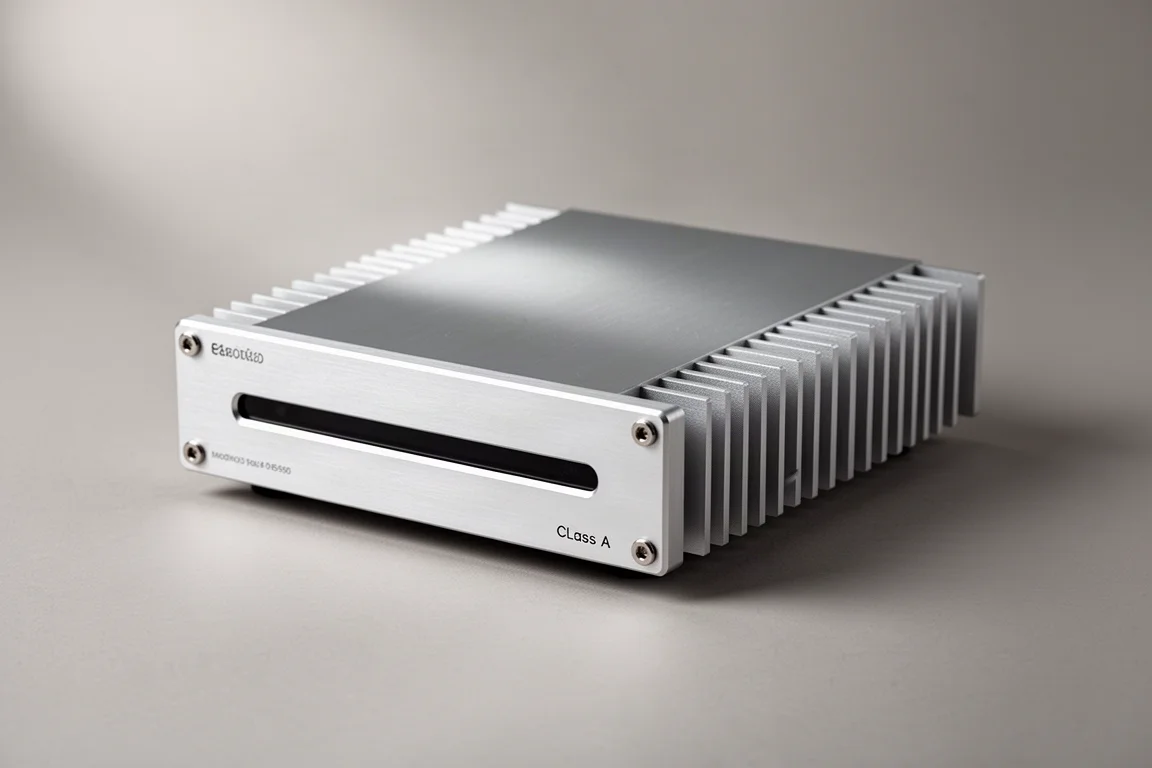
The First Watt SIT-4 is a stereo amplifier priced at $5,000, and it uses the same Tokin SIT output device as the SIT-5. Sharing a part does not make them sound the same.
Driving a high-sensitivity horn speaker rated at 97.5 dB, the SIT-4 produced an immediate, direct connection to the music. On an early 1960s soul recording, the singer felt present in the room in a way that the SIT-5 did not quite match, even though the SIT-5 sounded richer, with more body and more voluptuousness.
So the choice between the two First Watt amplifiers is not about better or worse. It is about whether you want the more immediate presentation of the SIT-4 or the fuller, warmer presentation of the SIT-5, and how that interacts with your speakers and your room.
What to Consider Before Choosing One
Speaker matching comes first. First Watt amplifiers are not universal, and the SIT-5 is the most flexible of them rather than an amplifier that will flatter anything you connect. If you own high-sensitivity speakers, you have the widest choice. If your speakers are inefficient or present a difficult load, the Pass Labs XA25 is the more sensible route.
Character comes second. The SIT-5 adds warmth and body, and that is not everyone’s cup of tea. If you want your system to tell you exactly what is in the recording, its romantic quality will read as coloration rather than charm.
Practical details come third. The First Watt amplifiers put the power switch on the rear panel, and the SIT-5 provides a single RCA input per monoblock, so plan your cable runs accordingly.
Buying Advice: Matching Amplifier to Speaker and Room
Start with your speakers, not your budget. High-sensitivity designs let you choose freely between the SIT-4 at $5,000 and the SIT-5, and the deciding factor is the sound you prefer: immediacy with the SIT-4, richness with the SIT-5. If you need one amplifier that will drive almost anything, the Pass Labs XA25 at $5,150 is the neutral option.
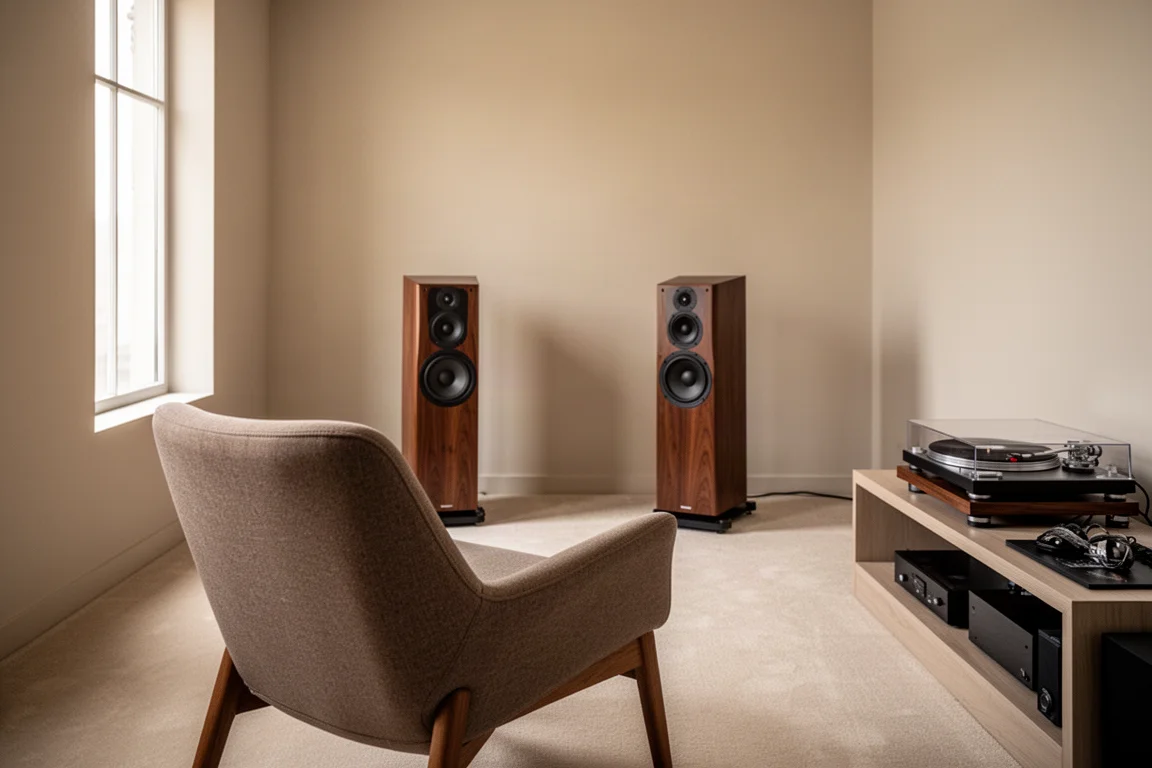
Then spend an afternoon on setup before you spend money on anything else. Moving your listening position closer to or further from the speakers, or simply shifting your chair, changes what you hear more than most people expect. Small experiments like that cost nothing, and they tell you far more about an amplifier than a spec sheet will.
Conclusion
The First Watt SIT-5 is the most capable First Watt amplifier for listeners who want Class A single-ended character and the ability to drive speakers that earlier low-power designs could not. The Pass Labs XA25 remains the neutral reference that handles almost any speaker. The First Watt SIT-4 delivers the same SIT device in a stereo chassis with a more immediate voice.
Match the amplifier to the speakers you own, decide whether you want warmth or accuracy, and any of the three can be the right answer.
Further reading
Related Reviews
Hi-Fi Amplifiers
Accuphase E-280 Review: Entry-Level Accuphase With Flagship Attention to Detail
A close look at the Accuphase E-280 integrated amplifier, covering its champagne build, AAVA volume control, sound quality, and the speakers and sources that suit it best.
Hi-Fi Amplifiers
Advance Paris A10 Classic vs Yamaha A-S301: Two Integrated Amplifiers Compared
A practical comparison of a $350 integrated amplifier and a $2,500 reference model, covering the differences that matter and the ones that do not.
Hi-Fi Amplifiers
Affordable Chinese Amplifiers Worth Buying: Five Budget Hi-Fi Amps Compared
A practical look at five affordable amplifiers, what each one does well, and the trade-offs to weigh before you buy.