Hi-Fi Power Amplifiers
First Watt SIT-4 Review: Class A Dimensionality in a 10-Watt Amplifier
A close look at the First Watt SIT-4, a limited-production Class A single-ended amplifier built around a larger Tokin static induction transistor.
Introduction
First Watt has built its name on short-run, purist designs from Nelson Pass, and the SIT-4 continues that tradition with one significant change under the hood. Like the SIT-1, SIT-2 and SIT-3 before it, the SIT-4 is a Class A, single-ended, zero-feedback amplifier. What separates it is the transistor at the heart of the circuit. The earlier SIT models used silicon carbide power devices. The SIT-4 uses a considerably larger static induction transistor from Tokin with much higher output capability, and that single change gives the amplifier a distinctly different character from its predecessors.
The SIT-4 is rated at 10 watts per channel into 8 ohms and 5 watts per channel into 4 ohms. It is priced at $5,000, designed and made in the United States, and backed by a three-year warranty. As with every First Watt product, it is a limited-production piece that will remain in the line for a year or two before a new model replaces it. The same designer’s Pass Labs brand follows a different path: higher-powered amplifiers that stay in production far longer, closer to eight or ten years per generation.
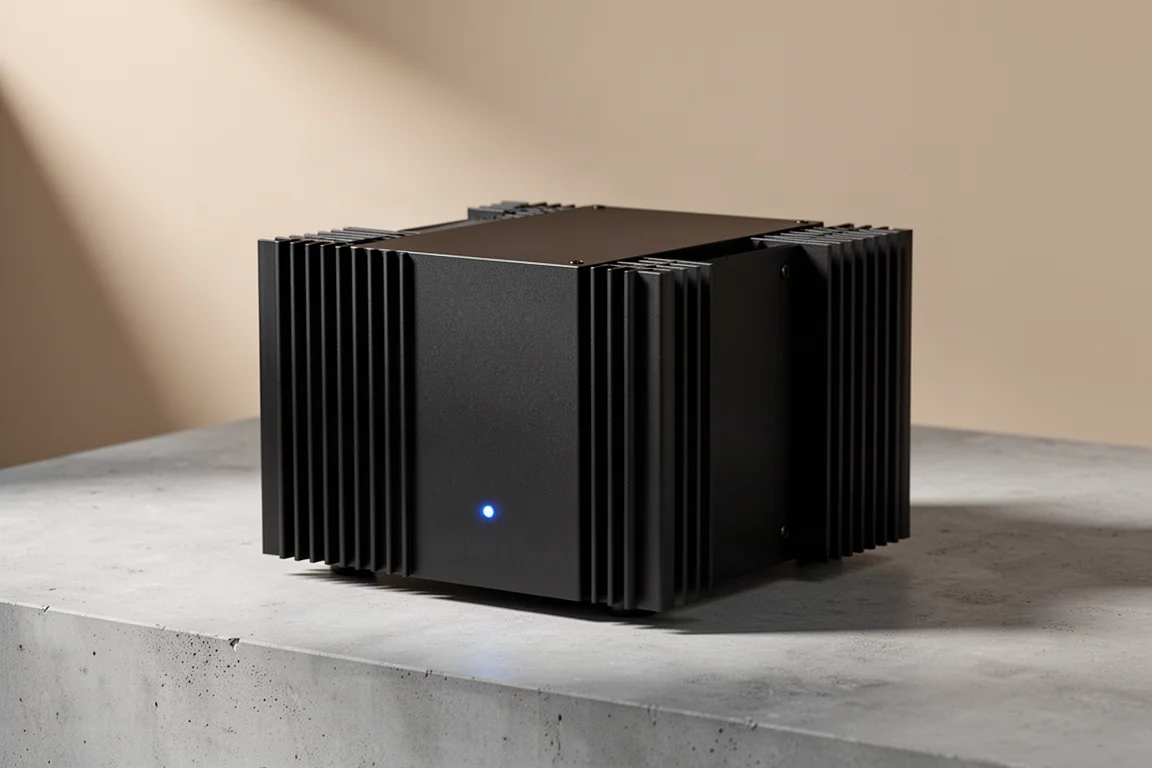
Physically, the SIT-4 is straightforward. The front panel is black, carries a single blue LED and is flanked by substantial heat sinks on both sides of the chassis. Around the back there is a pair of RCA inputs, a set of gold binding posts and a large rocker power switch. Inside the chassis sits a very large toroidal transformer. There is no standby control on the front, so the amplifier is switched on and off from the rear.
Who the First Watt SIT-4 Is For
The SIT-4 is not a universal amplifier, and it does not pretend to be. Its natural home is a system built around high-sensitivity speakers. Driven that way, the amplifier plays at mid-80 dB levels with occasional 90 dB peaks without strain, which covers most acoustic, vocal and electric blues listening comfortably.
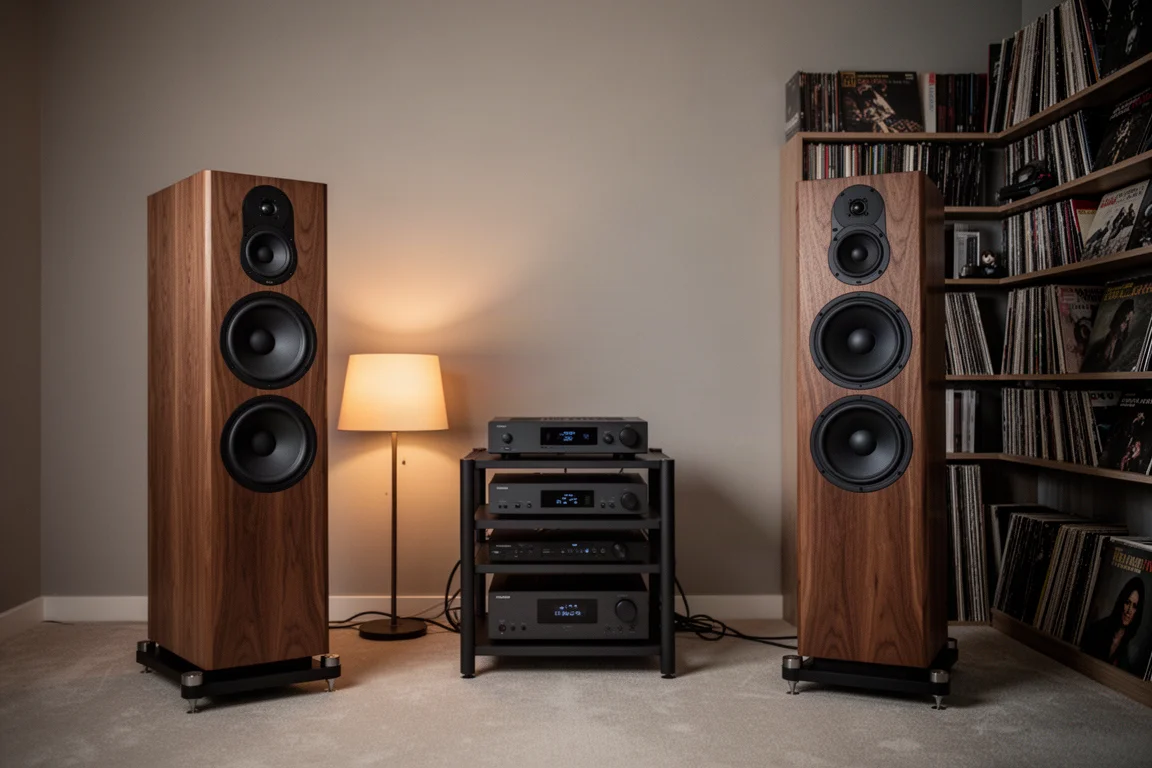
It also suits listeners who admire the ease and unforced character of low-power single-ended tube amplifiers but would rather avoid exposed tubes, bias checks and the associated upkeep. The SIT-4 delivers a relaxed, flowing presentation from a solid-state chassis. What it will not do is drive planar magnetic or electrostatic speakers, and it is not the amplifier to choose if your priority is rocking out at high volume.
Main Strengths: Class A Tone and Dimensional Imaging
The first thing that stands out is tonal balance. The SIT-4 sounds cooler and more neutral than the earlier SIT designs, and it opens up a soundstage with real depth. Images carry more body and more space around them, and the overall presentation is relaxed rather than forward. Against the SIT-3, which has an easy, glare-free quality but does not chase the last word in resolution, the SIT-4 adds more top-end detail and slightly more control in the bottom end.
Low-level detail is another clear strength. Reverb tails, room acoustics and the ambient signature of a recording space come through strongly, which gives recordings a more tangible sense of the venue where they were captured. Voices in particular sound present and full-bodied, closer to a person singing than to a thin, ghostly image.
That combination of dimensionality, body and midrange presence is what makes the SIT-4 so immersive. It does not push detail at the listener. It lets the space and the tone of the recording carry the performance.
Speaker Matching and Real-World Listening Levels
Power output is the obvious constraint, but the practical picture is more nuanced than the numbers alone suggest. Driving a high-sensitivity floorstander, the SIT-4 handled dynamically compressed Motown-era material and hard-driving Chicago blues with genuine life and momentum, holding its composure at mid-80 dB levels with peaks reaching 90 dB.
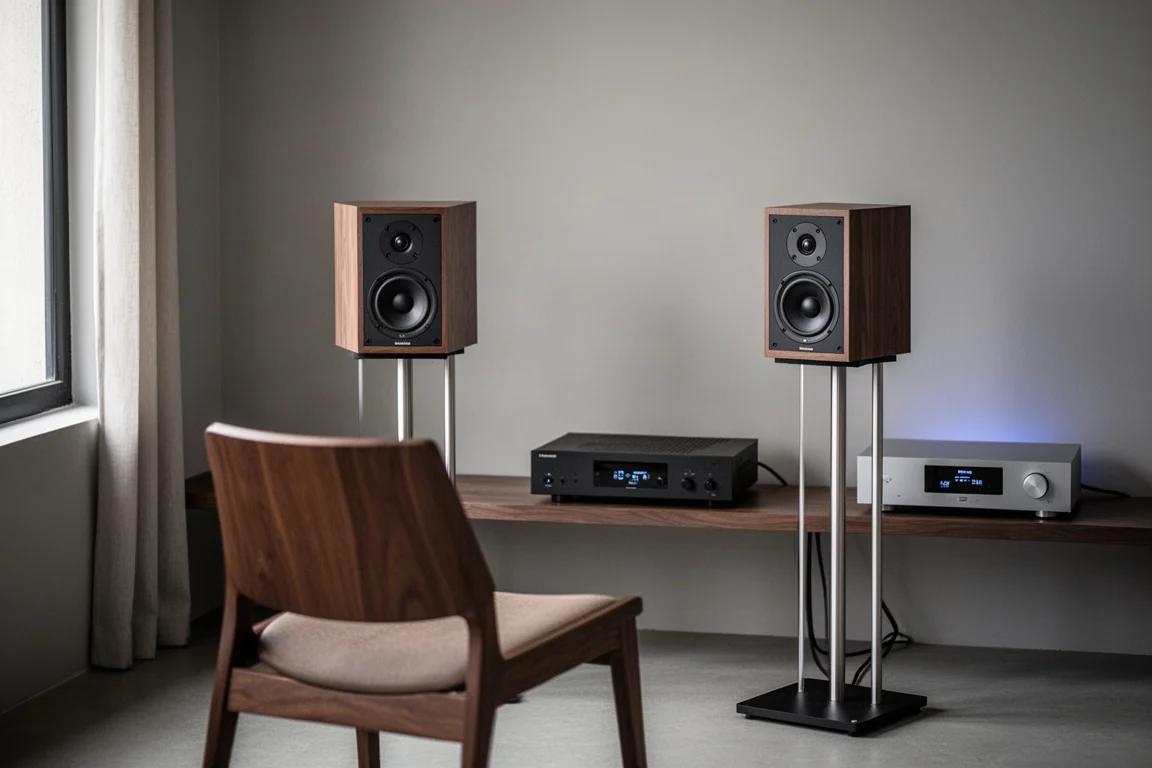
A more surprising result came with a low-sensitivity stand-mounted speaker. Set up in a nearfield arrangement at roughly five feet, with the speakers about five feet apart and around three feet from the wall behind them, the SIT-4 drove them at moderate levels with peaks near 75 dB and still held together when pushed to 80 dB peaks on high-energy electric blues. On paper that pairing looks far from ideal, and in a nearfield setup it worked. That does not change the fundamentals: 10 watts into 8 ohms, and 5 watts into 4 ohms, will run out of headroom long before a high-powered design does. For high-volume listening with difficult loads, this is simply not the right tool.
How the SIT-4 Compares With Other Nelson Pass Amplifiers
Two comparisons are especially useful for anyone weighing the SIT-4 against the rest of the lineup.
The First Watt F7 is the other First Watt amplifier still in production. It does not use SIT transistors, it is rated at 30 watts per channel into 4 ohms, and at $3,000 it costs $2,000 less than the SIT-4. The F7 has a beautiful tone, gorgeous midrange vocals and an exceptionally easy way with music. On electric blues with a hard-blowing harmonica, though, the SIT-4 sounded the more powerful of the two, lighting up the performance while the F7 scaled it back.
The Pass Labs XA25 is the more powerful alternative, and it behaves differently again. It delivers more air in the upper frequencies and makes each note more distinct, with a sharper, more tightly focused picture. The SIT-4 counters with a more immersive, three-dimensional presentation and a stronger sense of room sound, while the XA25 tends to dry the sound out slightly by comparison. Which one suits a given system depends on whether the priority is focus and air or depth and body.
Things to Consider Before Buying
Three practical points deserve attention before committing to the SIT-4.
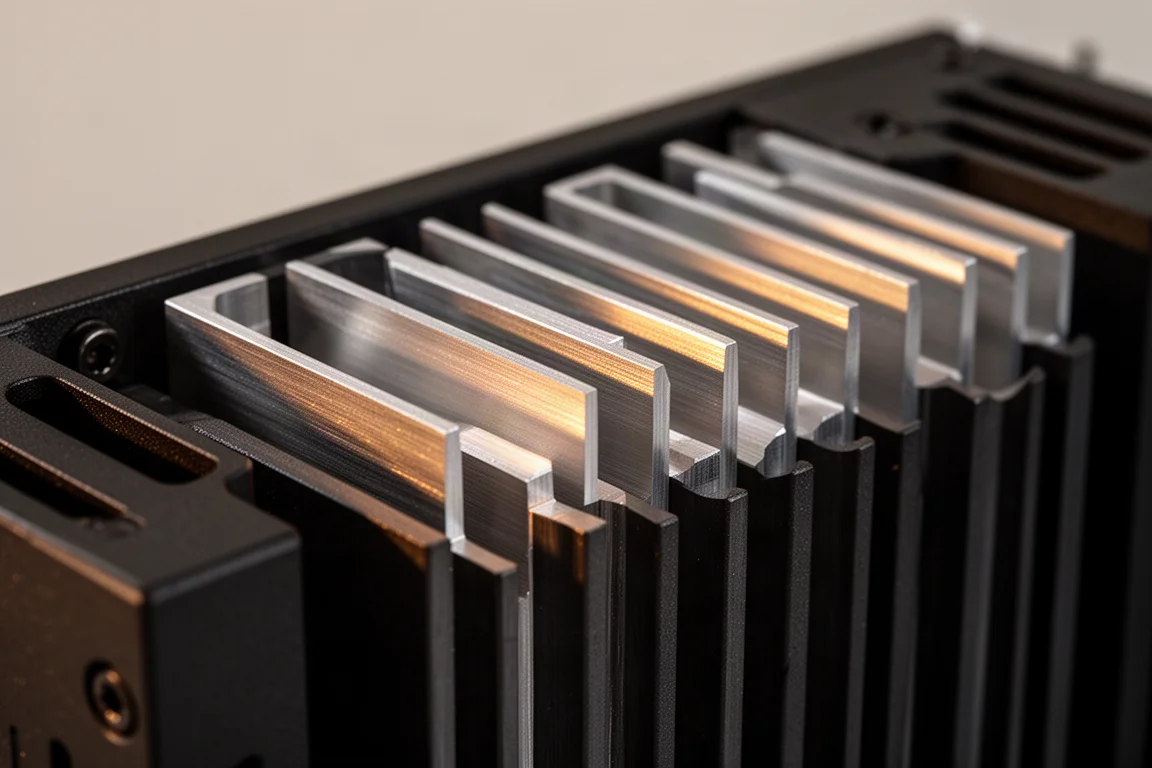
Heat and ergonomics come first. The amplifier runs hot, which rules out tight cabinetry and stacked racks. The power switch is a large rocker on the rear panel, and there is no front-panel standby control, so every session begins with reaching around the back of the chassis.
Connectivity is deliberately minimal: a single pair of RCA inputs and a set of gold binding posts. There is no balanced connection and no input switching, so the amplifier expects one source chain and a preamplifier that can feed it.
Cost and availability round out the list. At $5,000 the SIT-4 sits above the F7, and its limited production run means it will not be available indefinitely. Buyers who want a specific First Watt model generally need to move while it is in the line.
Why System Context Matters More Than Usual
The SIT-4 is unusually responsive to what surrounds it. Swapping the preamplifier changes its tonal character noticeably, and the same recording can sound different on vinyl and on digital. Everything in the chain leaves its mark, from the cartridge and turntable to the speakers themselves.
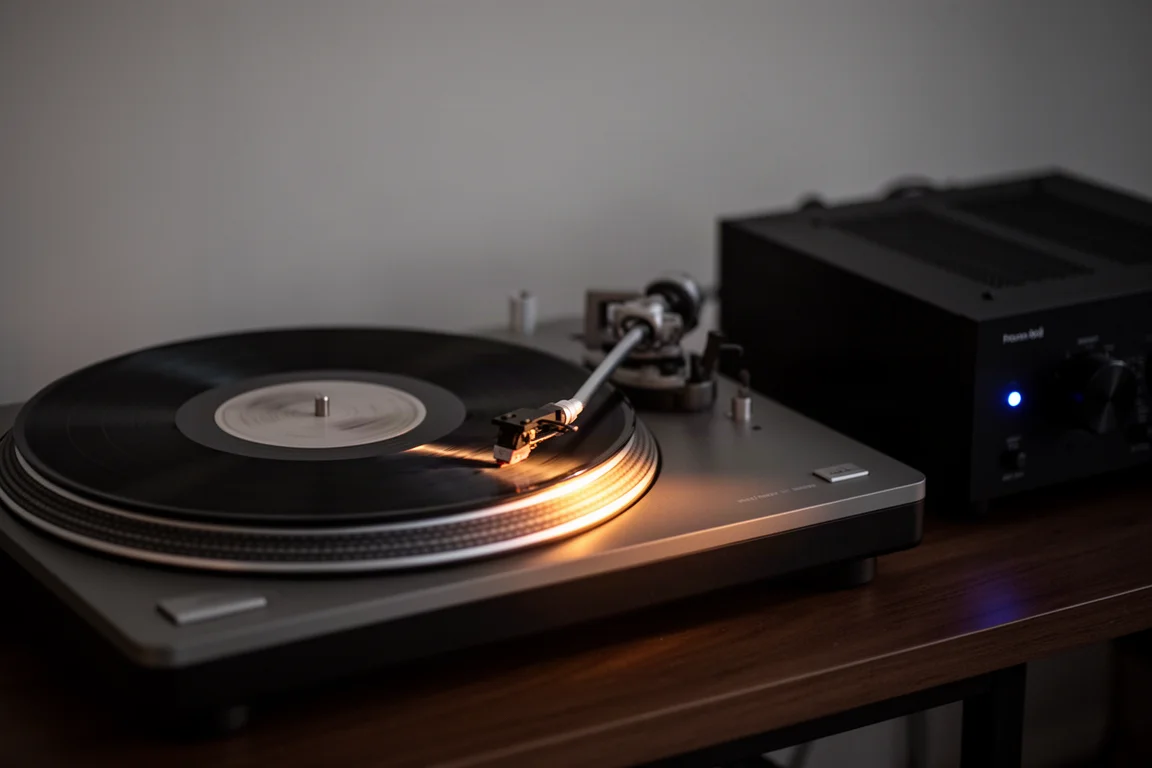
That responsiveness is a good sign, because it means the amplifier is not stamping a fixed coloration onto every record. It also means the SIT-4 will sound different in your room than it does anywhere else. Where circumstances allow, hearing it in your own system is the only reliable way to know how it will behave with your speakers, your preamplifier and your listening levels. Where that is not possible, the safest path is to match it with high-sensitivity speakers and moderate listening levels, which is the context in which it consistently performs at its best.
Buying Advice
The SIT-4 earns a clear recommendation for a specific kind of listener. If you already own high-sensitivity speakers, enjoy the ease and flow of low-power single-ended amplification, and want that character without the upkeep of tubes, this amplifier belongs high on the shortlist. It is the most convincing First Watt design in this series, with a soundstage that opens up, a midrange that gives voices real presence, and low-level detail that reveals the space around a recording.
The caveats are just as clear. If your speakers are power-hungry, planar magnetic or electrostatic, look elsewhere. If you want to play loud rock at high levels, 10 watts into 8 ohms will not get you there. And if budget matters more than the last degree of dimensionality, the F7 delivers a beautiful, easy sound for $2,000 less, even though the SIT-4 sounded more alive on dense electric material.
For everyone else, the decision comes down to system matching rather than raw specifications. Choose speakers that suit a low-powered Class A amplifier, keep the source chain simple, and the SIT-4 rewards that care with a presentation that feels bigger than its modest power rating suggests.
Conclusion
The First Watt SIT-4 is a specialist amplifier with a clear purpose: a Class A, single-ended, zero-feedback design built around a larger Tokin static induction transistor, made in the United States, and priced at $5,000. It offers a cooler tonal balance than the earlier SIT models, a more three-dimensional image, more body and space, and a stronger sense of room sound than the higher-powered Pass Labs XA25.
It is not a universal solution, and it is not meant to be. Buyers who understand its limits and pair it with the right speakers will find a gorgeous, immersive amplifier that makes recordings feel present and alive. Buyers who need high power should look at the rest of the lineup. Judged on what it sets out to do, the SIT-4 is extraordinary.
Product link
View more details for First Watt SIT-4
This product is mentioned in the review. Check the specifications, options, and compatibility before buying.
View more details for First Watt SIT-4Further reading
Related Reviews
Hi-Fi Power Amplifiers
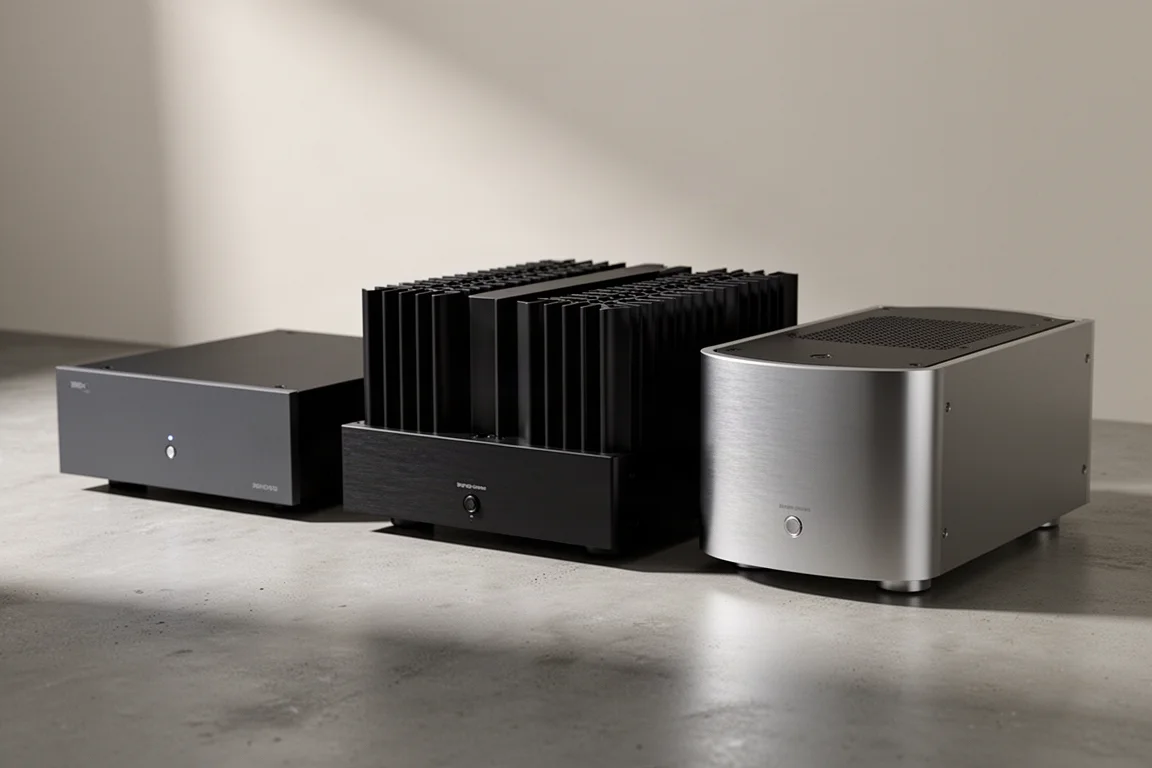
High-End Power Amplifiers Compared: Mola Mola Perca, Pass Labs XA25, and Gato Audio PWR-222
Three high-end power amplifiers with distinct characters: a compact Dutch Class D design, a pure Class A classic, and a powerful Danish monoblock pair.
Hi-Fi Power Amplifiers
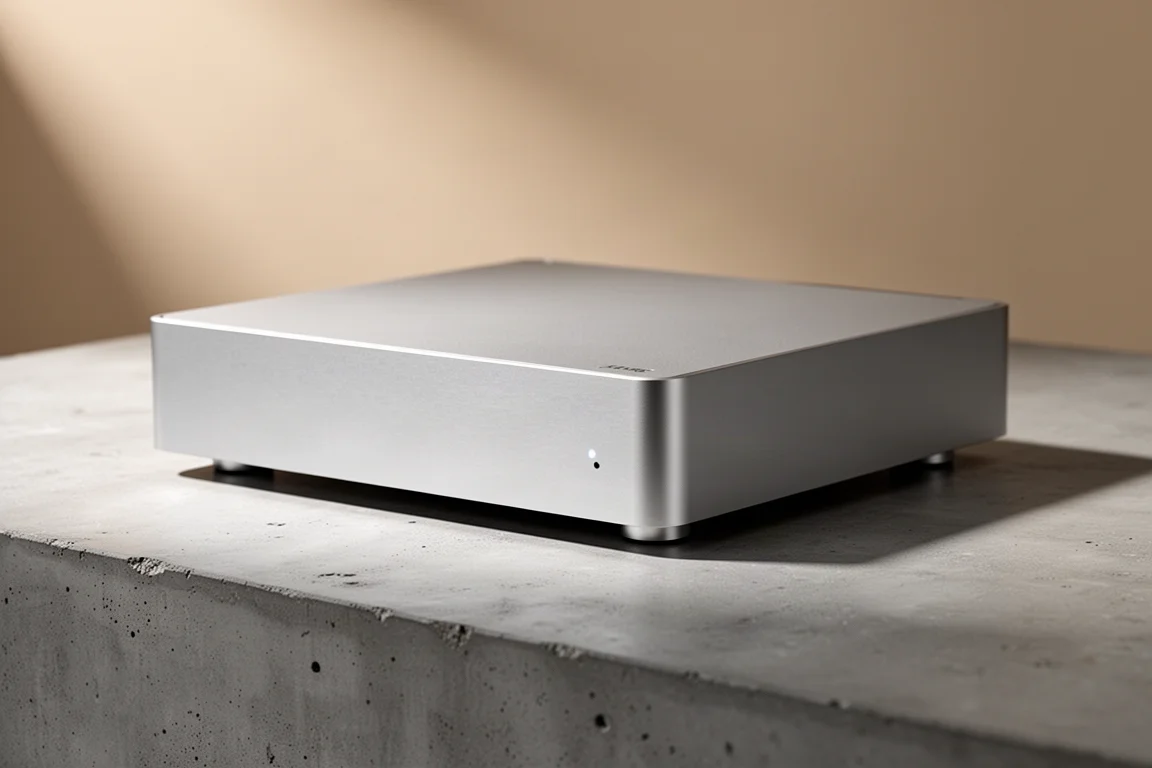
Peachtree Audio GaN One Review: A Digital Power Amplifier Built Around GaNFETs
A digital power amplifier with a single coaxial input, a GaNFET output stage, and a relaxed, refined character that sets it apart from typical class D designs.
Hi-Fi Power Amplifiers
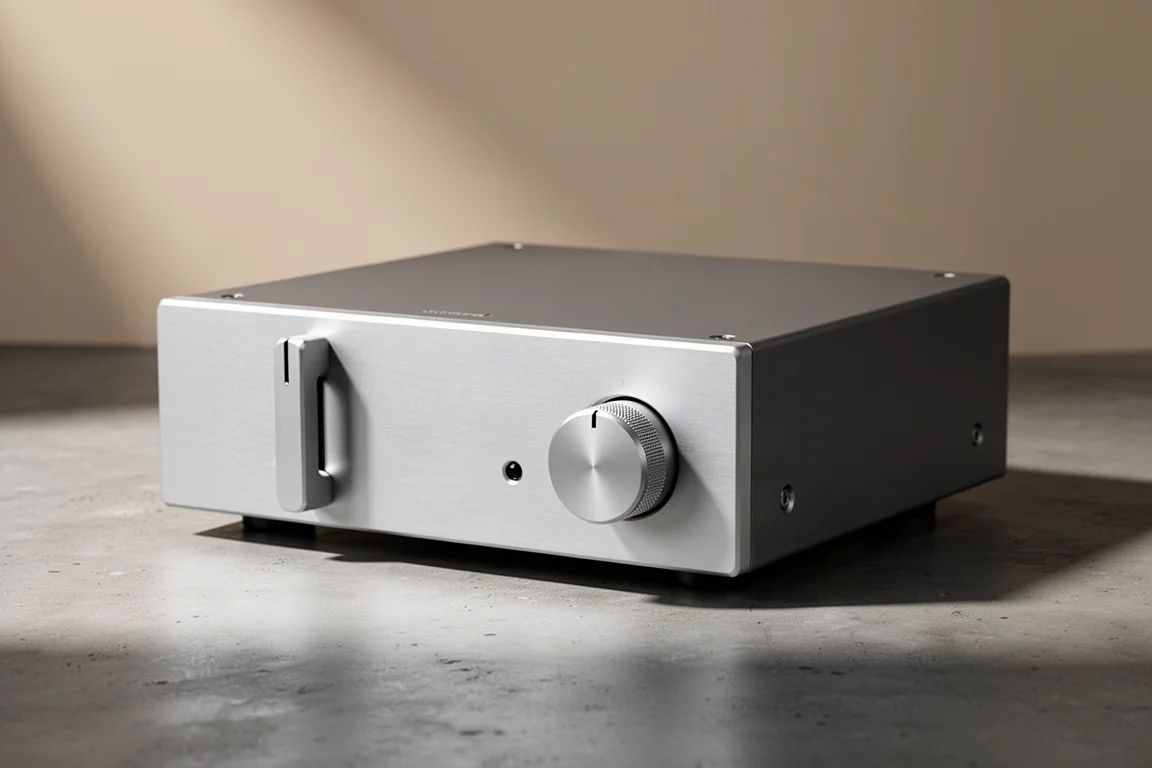
Sabaj A20a Review: A Compact $200 Class D Amplifier With Real Bridge Mode
The Sabaj A20a pairs a modern Infineon Class D chip with balanced inputs, a passive subwoofer low-pass filter, and a bridge mode that unlocks serious output for around $200.