Backpacking Cookware
Fire Maple G3 Petrol Review: A Compact Heat Exchanger Pot for Backpacking
A close look at the Fire Maple G3 Petrol, an aluminum heat exchanger pot with a 650 ml usable capacity, fast boil times, and room for a complete solo cook system inside.
Introduction
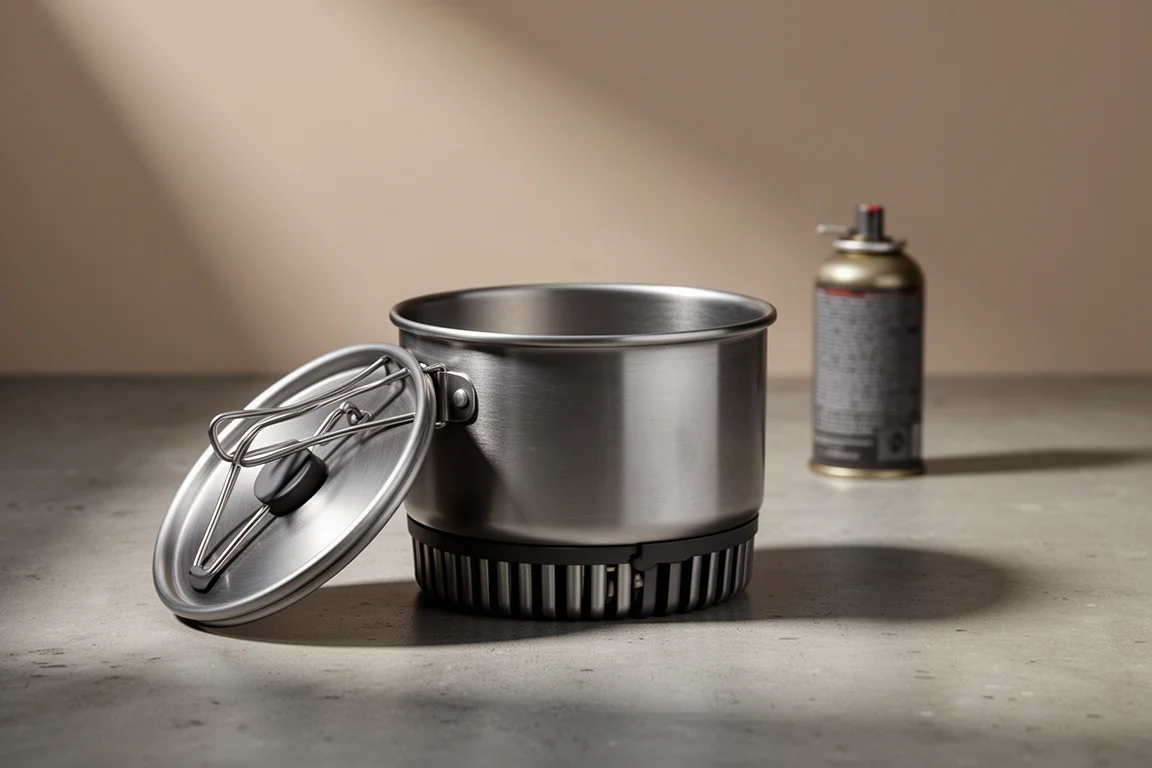
The Fire Maple G3 Petrol is a small aluminum pot built around a heat exchanger base, and it sells for $24. That combination is unusual at this size. Most lightweight backpacking pots in this range are plain titanium cylinders with no heat exchanger at all, which means the burner’s heat has to travel through a comparatively poor conductor and much of it escapes around the sides.
The G3 Petrol takes a different approach. Its base is corrugated and made from aluminum, and the pot is shaped to sit low over a three-prong canister stove. In practice that means faster boils, less fuel burned per trip, and a pot that can swallow an entire solo cook system.
This review covers what the pot does well, how it compares with a titanium alternative and with two established heat exchanger systems, and where it makes less sense.
Who the Fire Maple G3 Petrol Is For
This is a solo cook pot. The stated capacity is 600 ml, though it can be filled to about 650 ml and still boil that volume, which is enough for roughly two to two and a quarter cups of water. That is the amount most people need for a freeze-dried meal plus a hot drink in the same sitting.
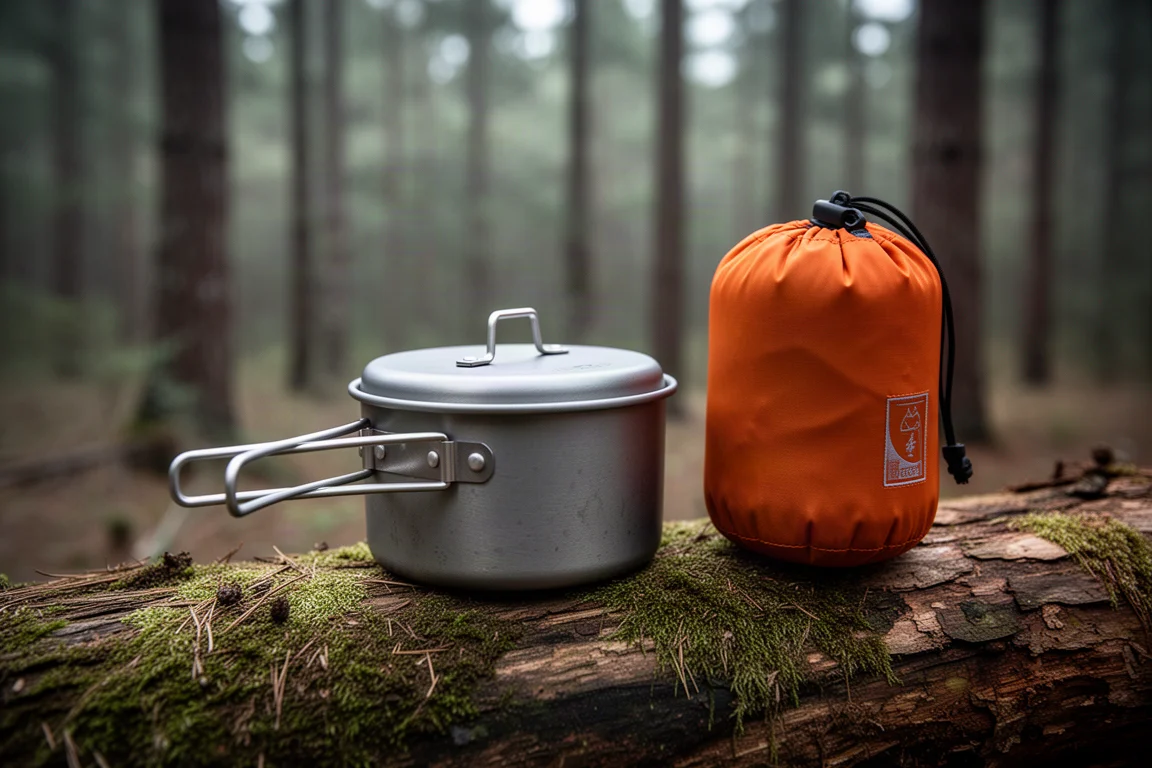
Two details make it easier to live with than a bare titanium pot. The folding handle wraps over the top of the pot and holds the lid in place, so the whole system stays contained without a rubber band or a stuff sack. The plastic lid has a small rubber grip and cutouts that let you strain pasta or rice.
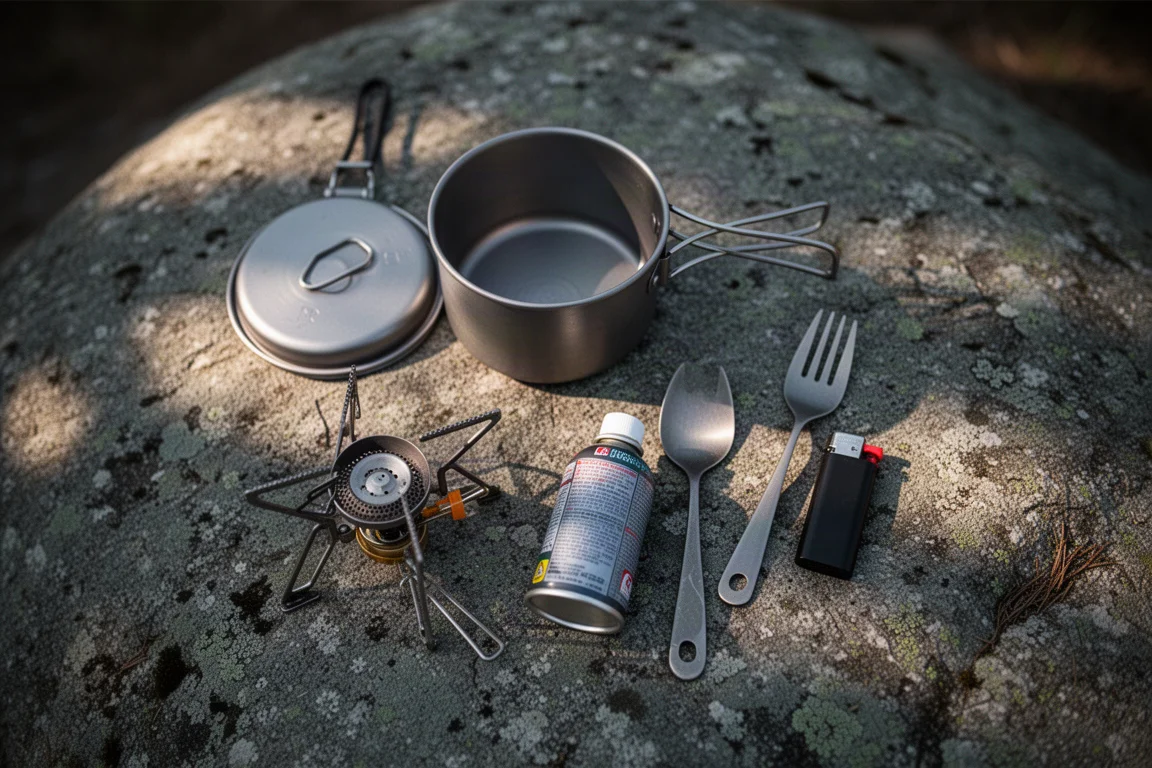
A storage bag is included as well, although the folding handle means you rarely need it just to keep the contents together.
Main Strengths: Heat Exchanger Efficiency and Boil Times
Aluminum conducts heat better than titanium, and the G3 Petrol leans on that difference. The corrugated ring on the base captures hot exhaust from the burner and spreads it across a much larger surface area than a flat bottom would, so more of the flame’s energy ends up in the water instead of the surrounding air.
The other half of the design is the fit between pot and stove. Three notches are cut into the base of the pot, spaced to sit over a three-prong pot stand with a 120 degree spread between the arms. When the pot drops onto a stand like that, it sits much closer to the burner head than a flat-bottomed pot would. That tighter gap improves wind resistance and keeps the flame focused on the heat exchanger.
Not every stove will work here. The notches are designed around that 120 degree, three-arm layout, and compatibility with other stand designs has not been confirmed. Stoves using this geometry are common, but it is worth checking the stand on your own stove before buying.
Packing a Complete Cook System Inside the Pot
Weight for the pot and lid is 5.8 oz without the storage bag. The comparable Toaks 750 ml titanium pot is 3.5 oz, so the G3 Petrol carries roughly a 2 oz penalty. That is a real difference for anyone counting grams, but it buys a heat exchanger, a larger folding handle, and aluminum construction.
The payoff is internal space. The G3 Petrol has a slightly larger internal diameter than the Toaks 750 ml, and that extra width is what makes an all-in-one system possible. A Soto WindMaster with the 3Flex attachment, a 100 g fuel canister, and a lighter all fit inside at the same time. The canister drops into the base, the 3Flex folds and collapses on top of it, and the folding handle closes over the lid so nothing shifts.
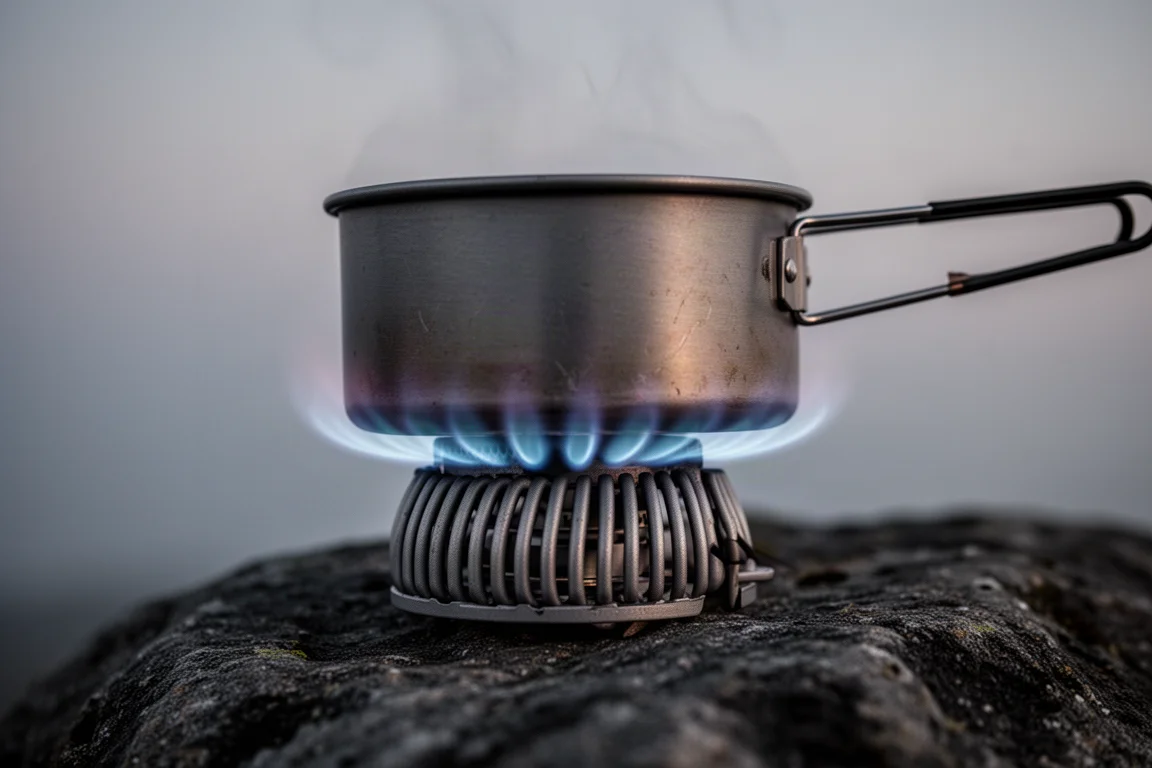
The WindMaster is a taller stove than most, so being able to pack it this way is a meaningful advantage over a narrower pot that would only accept shorter stoves.
Boil Times in Context
Testing with two cups of cold tap water and a fresh canister for each run, across five stoves, produced an average boil time of 1 minute 55 seconds for the G3 Petrol. The same test with the Toaks 750 ml titanium pot averaged 2 minutes 59 seconds. That is a full minute of burner time saved on every boil.
The stoves used were a Soto WindMaster with the 3Flex, plus the Fire Maple FM-116T, Polaris, Hornet, and Buzz. All of them use the same three-prong stand geometry.
Two other heat exchanger systems offer useful context. The Primus Lite boiled the same two cups in over 3 minutes and is heavier because its stove body carries a lot of metal. The MSR WindBurner posted a respectable 2 minutes 15 seconds, but it holds a full liter, weighs over a pound as a complete setup, and takes up far more pack space.
Fuel Efficiency and Everyday Value
A minute less burner time per boil is not a race result, but it does translate into fuel. Less time at full output means the canister lasts longer, which means fewer canisters bought across a season and more trips from each one.
At $24, the G3 Petrol also costs less than the Toaks pots it sits alongside on the shelf, which makes the efficiency gain easier to justify.
For a solo cook system, that pairing of efficiency and price is uncommon, and it is the main reason this pot is worth a closer look.
Things to Consider Before Buying
The clearest trade-off is weight. About 2 oz more than a comparable titanium pot is a modest but real cost, and hikers running a minimal solo setup may not want to give that up.
Stove compatibility is the other consideration. The base notches are built for a three-prong pot stand with a 120 degree spread, and other stand layouts have not been verified. If your stove uses a different design, the heat exchanger will not sit as close to the burner, and the efficiency advantage narrows.
Finally, the case for upgrading depends on what you already own. If your current pot and stove already pack together neatly and boil times are not a concern, the gain here is mostly fuel savings and convenience rather than a fundamental change.
Buying Advice
The G3 Petrol makes the most sense for solo backpackers who want one small pot that does everything: boil water for a meal and a drink, hold the entire cook system, and burn as little fuel as possible while doing it. The heat exchanger delivers a measurable speed advantage, the folding handle keeps the lid and contents secure, and the internal diameter is generous enough for a full-size canister stove.
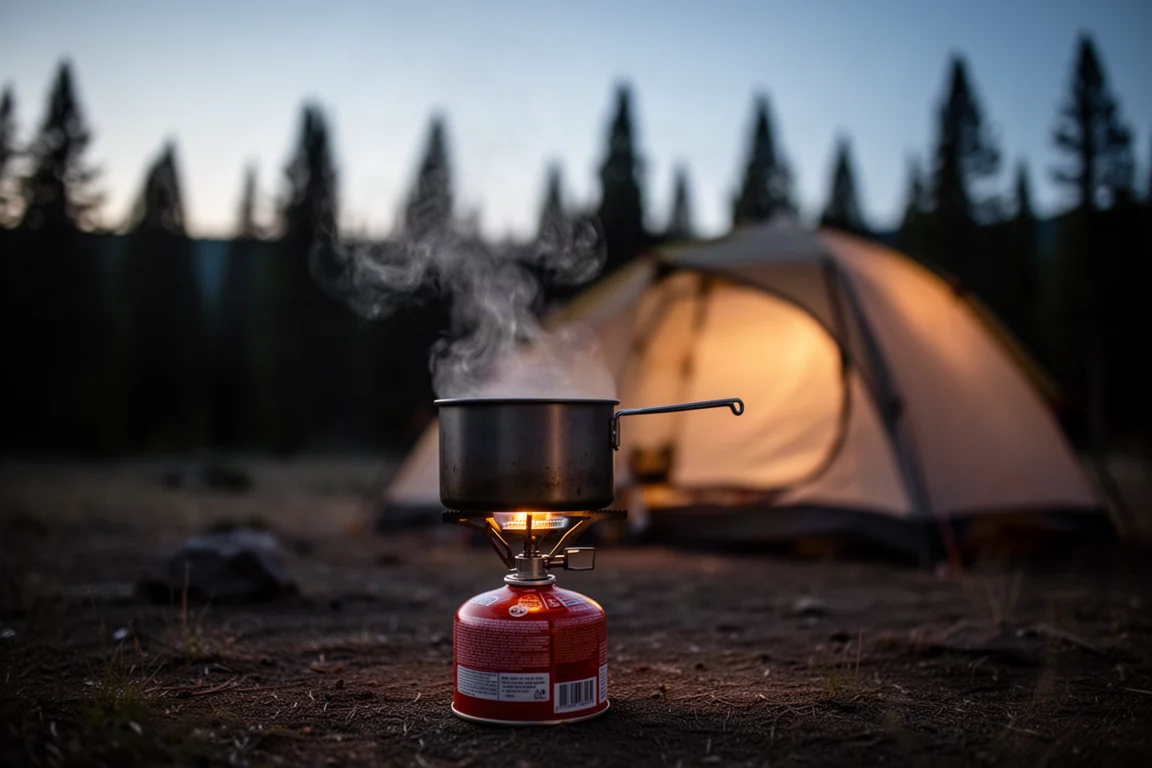
It is a less obvious fit for hikers who are already happy with a titanium pot that packs down with their stove, or for anyone whose stove uses a pot stand that does not match the three-notch base. In those cases the pot still works, but its main advantages become harder to justify.
Conclusion
The Fire Maple G3 Petrol is a well-executed idea at an accessible price. It brings heat exchanger efficiency to a small solo pot, cuts roughly a minute off a two cup boil compared with a titanium alternative, and manages to contain an entire cook system inside its own walls. The 2 oz weight penalty and the specific stove stand requirement are the honest caveats, and neither is a dealbreaker for most backpackers.
Product link
View more details for Fire Maple G3 Petrol Heat Exchanger Pot
This product is mentioned in the review. Check the specifications, options, and compatibility before buying.
View more details for Fire Maple G3 Petrol Heat Exchanger PotFurther reading
Related Reviews
Backpacking Cookware
Best Backpacking Cook Kits and Stoves: Pots, Canister Stoves, and a Budget Setup That Works
A practical guide to backpacking pots and stoves, from ultralight titanium and solid fuel tablets to an all-in-one system and a budget kit that costs about as much as a takeout dinner.
Backpacking Cookware
Best Backpacking Cook Kits: Stoves and Pots for Simple, Reliable Meals
Nine stoves and pots that pair into dependable backpacking cook kits, from a budget canister stove to a heat exchanger pot built for fast, fuel-efficient boils.
Backpacking Cookware
Best Backpacking Cook Systems and Stoves: From Boiling Water to Backcountry Baking
Nine backcountry cook systems and stoves, from tiny alcohol burners and a budget canister stove to an all-in-one kit and cookware built for real backcountry baking.