Hi-Fi Audio
FiiO Warmer R2R Review: An R2R DAC With a Tube Buffer and Real VU Meters
A desktop DAC that combines an R2R ladder, a fully balanced four-tube buffer, and real analog VU meters, plus what to know about modes, inputs, and tube rolling.
Introduction
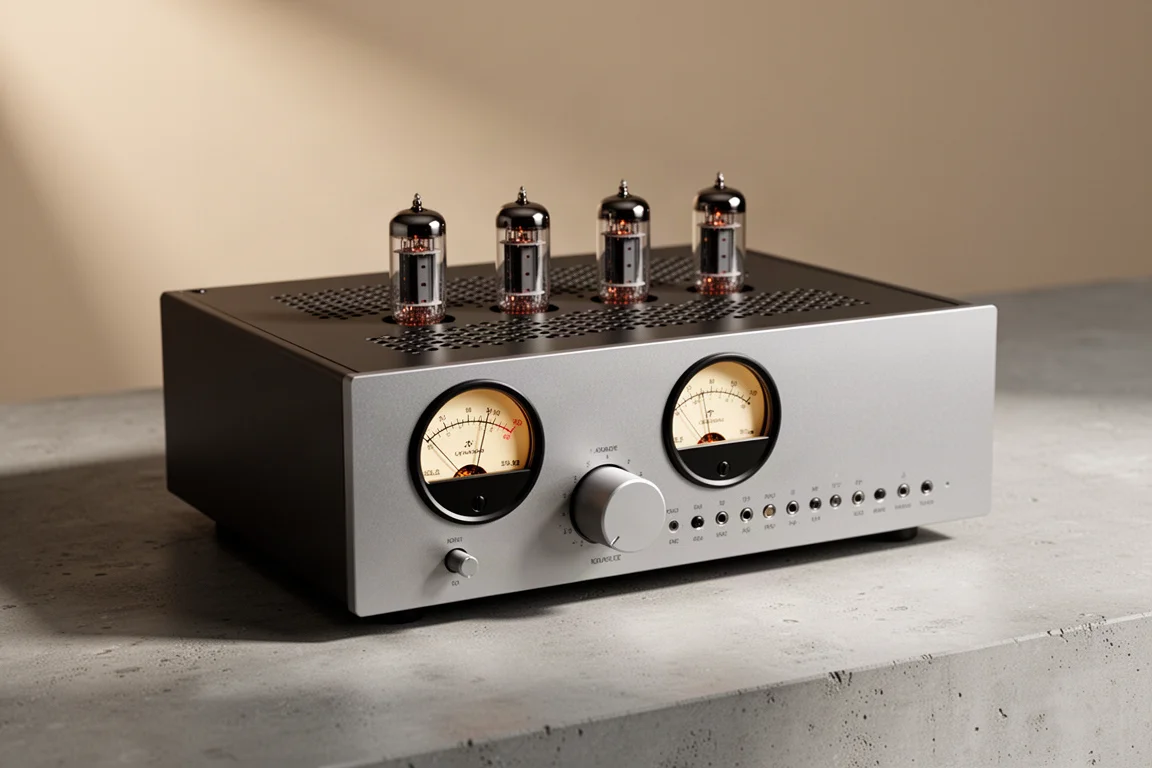
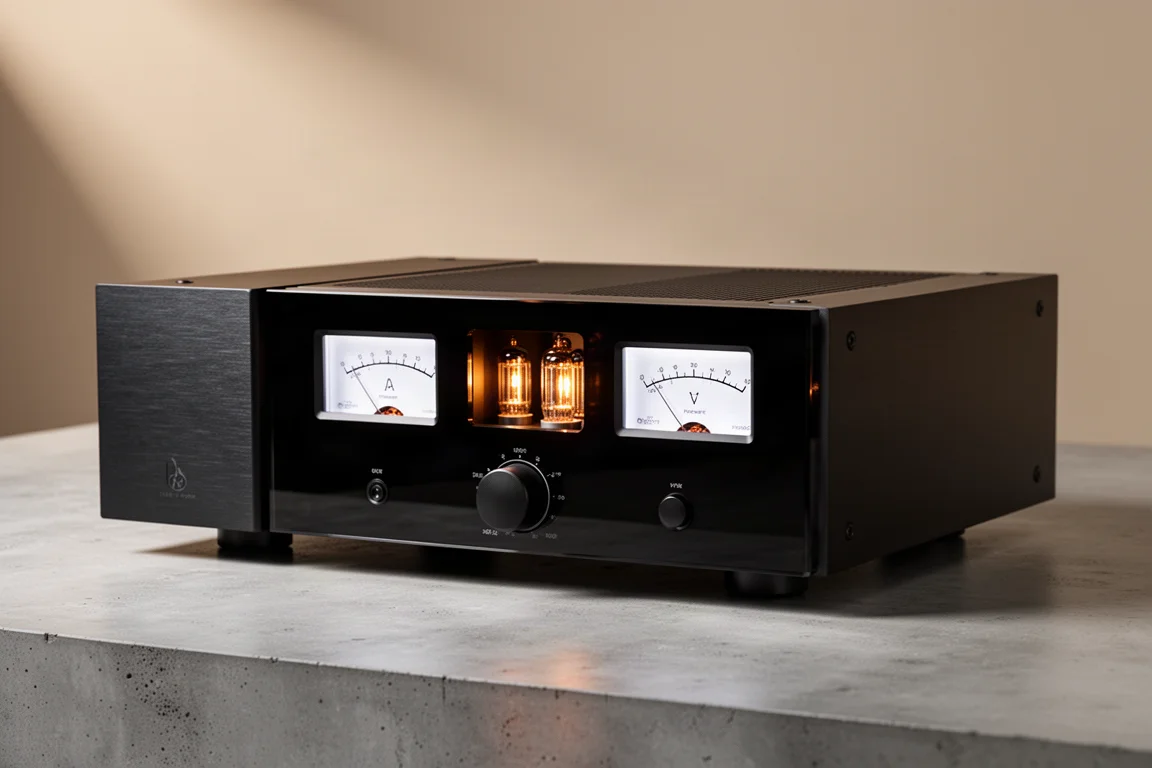
The FiiO Warmer R2R is a desktop digital-to-analog converter built around an R2R ladder decoding circuit, a tube buffer stage, and a pair of real analog VU meters. It sells for around $350, and it is a fully balanced design, with XLR outputs fed by four small vacuum tubes rather than a single-ended stage. That is an unusual combination of features to find in one chassis at this price, and it is the main reason the Warmer R2R stands out in a crowded desktop DAC market. This article covers what the design actually does, how the two operating modes differ, and where the money goes if you decide to change the tubes.
Who this product is for
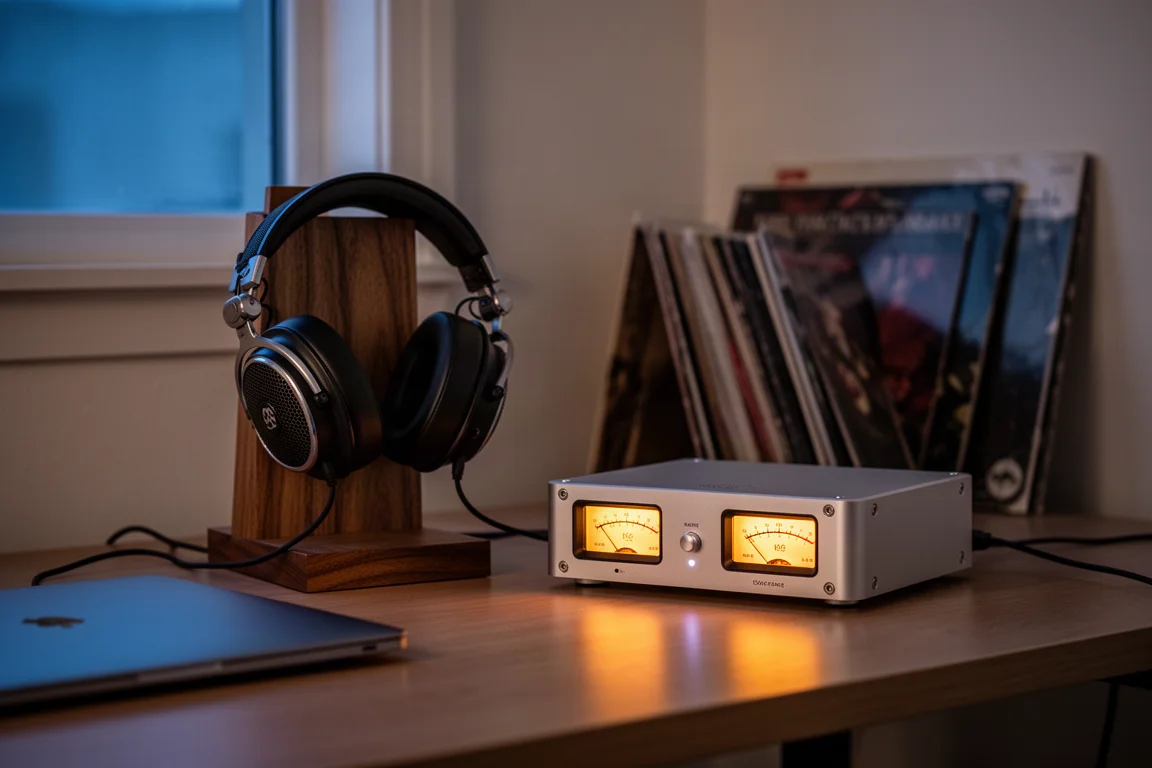
This DAC suits listeners who run a desk-based headphone or speaker system and want a touch of tube character without giving up a clean digital front end. The balanced XLR outputs make it a natural fit for a balanced headphone amplifier or preamplifier, and the illuminated VU meters give the unit a physical presence that most compact DACs lack. It also appeals to anyone curious about R2R decoding who does not want to spend flagship money to try it. Buyers who only need a simple single-ended DAC, or who never plan to use balanced connections, will find the extra circuitry less relevant to their setup.
Main strengths
The core appeal is the combination of three things that rarely appear together in one chassis at this price: R2R decoding, a genuine tube buffer, and analog meters.
An R2R Ladder Feeding a Tube Buffer
Inside the Warmer R2R the signal chain runs from the R2R ladder to a set of op amps, then into the tube buffer, and finally to the line output sockets. The op amps are not there to colour the sound. Their job is to make sure the signal arrives at the correct voltage and, just as importantly, at a low enough output impedance to properly drive the input of the next device in the chain, which is usually an integrated amplifier, a preamp, or a headphone amp.
A Fully Balanced Tube Stage
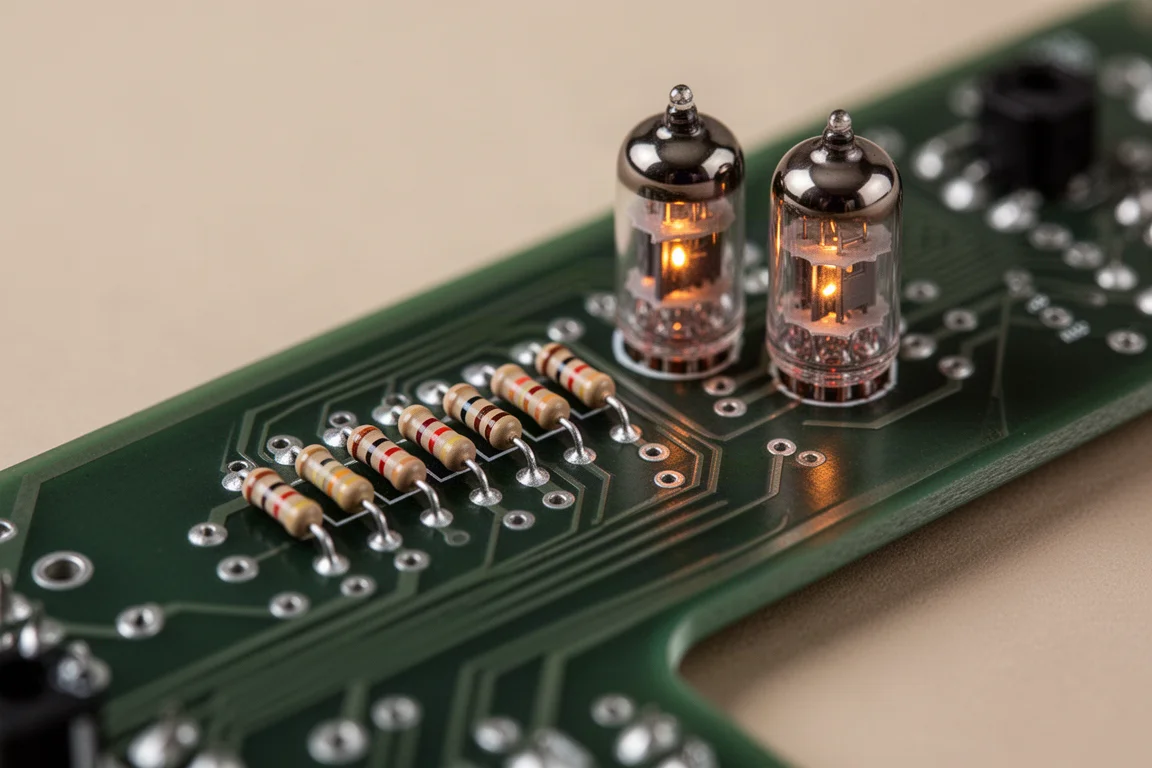
Because the Warmer R2R is a fully balanced design, it processes the left and right channels using a push-pull method that cancels noise. A balanced signal needs two legs per channel, positive and negative, and FiiO dedicates one JJ E88CC tube to each of those four legs, two per side and four tubes in total. The practical benefit is that the balanced signal travels all the way to the XLR outputs without collapsing back into a single-ended signal along the way.
NOS and Oversampling Modes
The Warmer R2R offers two operating modes. Non-oversampling mode decodes only the original samples in the file, while oversampling mode calculates additional samples before decoding, upsampling everything to 384 kHz. With a CD-quality stream, 44,100 original samples become 384,000 per second, which means 339,900 new samples are created on the fly. The audible gap between the two modes is small. Non-oversampling tends to sound slightly more fluid and relaxed, while oversampling carries a marginally sharper, faster character. One detail matters more than the sound: the optical and coaxial inputs operate only in NOS mode, so oversampling requires a USB connection.
Things to consider before buying
Tube Rolling Costs
Tube rolling is possible, but it is not cheap here. Four JJ E88CC tubes are fitted, and a pair of new-production Gold Lion E88CC valves typically sells for somewhere between $100 and $150. A full set of four therefore lands between $200 and $300, and new old stock tubes cost more still. It is entirely possible to spend as much on valves as the DAC itself costs. That raises an obvious question about whether the money would be better put toward a more expensive DAC, but very few converters at that higher price offer both an R2R decoder circuit and real VU meters.

Balanced Alternatives and Their Trade-offs
There is another route worth understanding: keep a simpler R2R DAC such as FiiO’s K13 R2R and add an external tube buffer. Outboard buffers, however, typically use single-ended internals or run both halves of two dual triode tubes, which means each tube handles the positive and negative legs of a balanced signal inside the same small glass envelope. Because those two signals sit physically close together, a small amount of leakage can occur, and that can lead to higher noise and crosstalk than FiiO’s approach of one tube per leg. Separating the DAC and the tube buffer into two boxes also requires an extra analog interconnect, which adds cost, and it means giving up the real VU meters. A more affordable single-ended option, FiiO’s K11 R2R, is the sensible fallback if balanced output is not a priority.
Buying advice
The Warmer R2R makes the most sense for a buyer who wants R2R decoding, a real tube stage, and analog meters in a single box, and who is willing to accept the input and mode quirks that come with it. If you plan to use USB, you get both NOS and oversampling. If you plan to use optical or coaxial, treat the unit as a NOS-only DAC and decide whether that suits the rest of your system. On tubes, the sensible approach is to live with the stock JJ E88CC valves for a while before spending on replacements, since a full set can approach the cost of the DAC itself.

If the priority is simply the cleanest possible digital conversion for the least money, a single-ended R2R DAC will do the job for less. The Warmer R2R earns its price through the combination of features it puts in one chassis, not through any single specification.
Conclusion
The FiiO Warmer R2R is a distinctive desktop DAC. Its R2R ladder, fully balanced four-tube buffer, and real VU meters give it a character and a physical appeal that most converters at this price cannot match, and the difference between NOS and oversampling is subtle enough that most listeners can settle on one mode and stop thinking about it. The caveats are worth knowing in advance: oversampling requires USB, and a full set of replacement tubes can cost as much as the unit itself. Buyers who understand those two points will find a lot to like here.
Product link
View more details for FiiO Warmer R2R
This product is mentioned in the review. Check the specifications, options, and compatibility before buying.
View more details for FiiO Warmer R2RFurther reading
Related Reviews
Hi-Fi Audio
Accuphase C-57 vs Allnic H-7000V: Two High-End Phono Stages Compared
A fully balanced solid-state phono stage with a pitch-black noise floor meets a tube design built for well-loved records. Here is how to choose between them.

Hi-Fi Audio
Active vs Passive Hi-Fi: Five Components for a Modern System
Five components that define modern active and passive hi-fi systems, with the strengths, trade-offs and setup details worth weighing before you buy.
Hi-Fi Audio
Advance Paris A10 Apex Review: A Hybrid Integrated Amplifier That Covers a Lot of Ground
A French hybrid integrated amplifier with a class A tube preamp stage, analogue power meters, and an internal DAC and phono stage good enough to make extra boxes unnecessary.