Hi-Fi Amplifiers
Fezz Audio Evo Silver Luna Prestige Review: A Tube Integrated That Finds the Sweet Spot
A 35 Wpc push-pull EL34 integrated amplifier from Poland with in-house toroidal transformers, a pentode and tetrode switch, and a $3,495 price tag that undercuts expectations.
Introduction
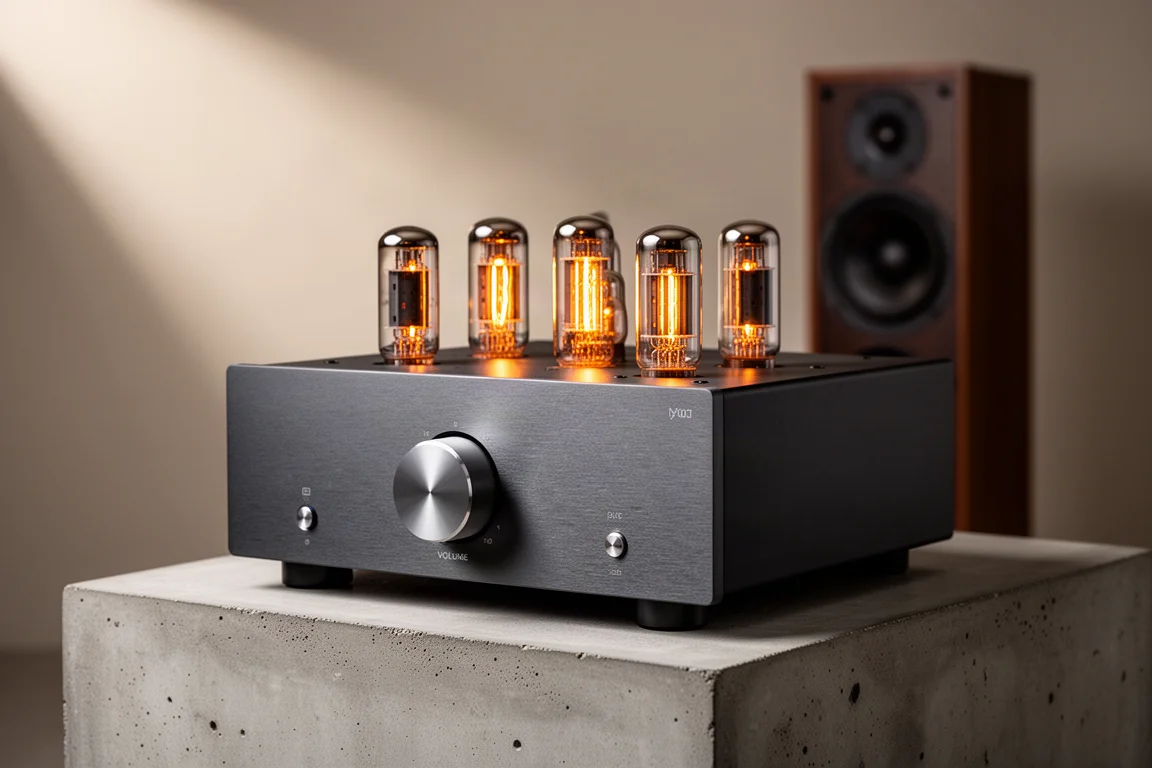
The Fezz Audio Evo Silver Luna Prestige is a 35 watt per channel integrated amplifier built around push-pull EL34 output tubes. It is designed and built in Poland, it sells for $3,495, and it carries a two-year warranty.
Fezz Audio is owned by Toroidy, a company that produces nothing but transformers, and that relationship shapes the amplifier in a way that is easy to overlook. Most tube amplifier makers buy their output and power transformers from outside suppliers, choosing the closest available part or commissioning a custom wind. Fezz has them wound in house, which means the transformers can be specified precisely for this circuit. The Evo Silver Luna Prestige uses toroidal output and power transformers, and the result is an all-metal chassis with a level of finish that is rare at this price.
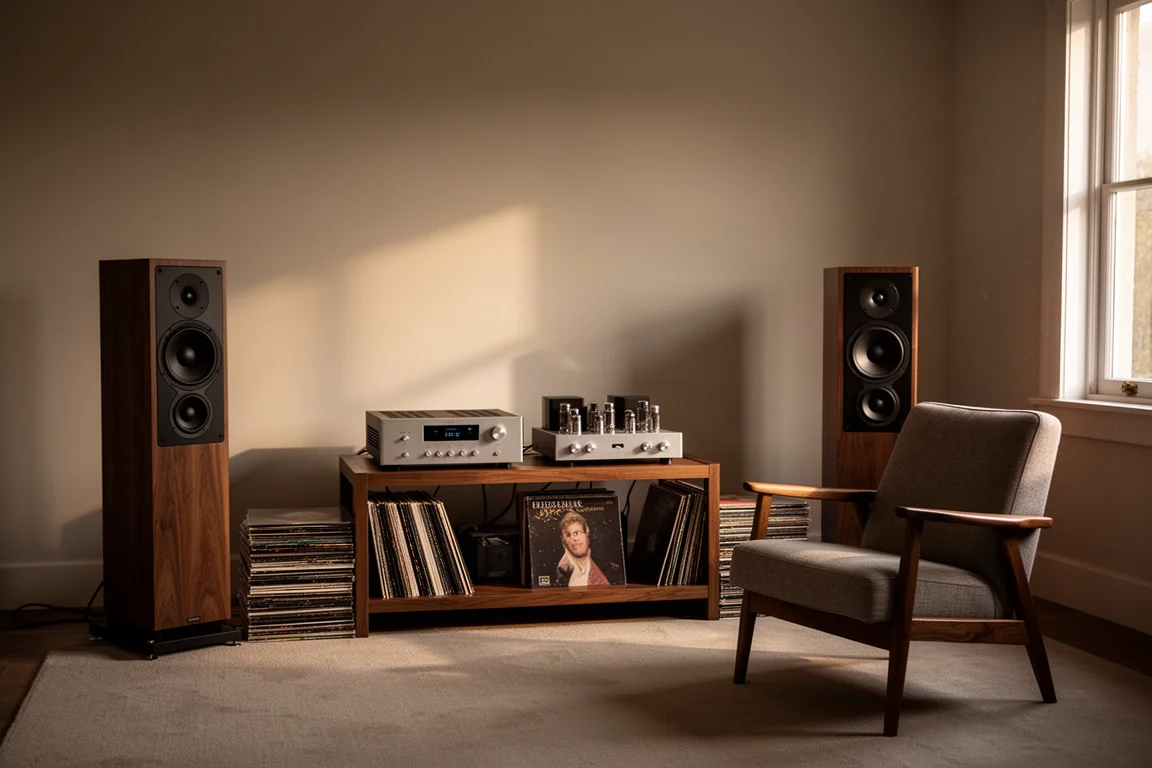
Around the back, the layout is deliberately simple: three sets of analog inputs and two sets of binding posts, one intended for 8 ohm loads and one for 4 ohm loads. Buyers can add a remote control, a subwoofer output, or Bluetooth at the point of purchase. Bluetooth on a valve amplifier is an unusual option, and it is genuinely optional rather than baked in.
Who This Amplifier Is For
This amplifier makes the most sense for listeners who own high-sensitivity speakers and want tube character without surrendering clarity. With 35 watts per channel on tap, it can drive a speaker rated around 97 dB to room-filling levels without strain, and it keeps its composure when the music becomes dense.
It also suits anyone building a deliberately simple analog system. Three line inputs and a pair of speaker outputs will cover a turntable front end, a separate DAC, and a disc player, and nothing more elaborate than that. Buyers who want digital inputs, room correction, or streaming built into the same box will need to look elsewhere or add a separate component.
There is a counterpoint worth stating plainly. Listeners who only ever play quietly, at levels below roughly 80 dB, and who own very efficient speakers may find that a lower-powered design covers everything they need. A five or eight watt amplifier can be lovely in a small room or a shared apartment. The Evo Silver Luna Prestige is aimed at people who want the extra headroom and the firmer control that 35 watts bring.
Main Strengths
The headline strength is balance. This is not a soft, syrupy valve amplifier, and it is not a lean one either. Its treble is extended, its bass is firm rather than flabby, and the overall presentation sits in a sweet spot between warmth and resolution. Bass definition is the real surprise: with a well-recorded album, low notes arrive with shape and clarity rather than a vague bloom.
Fezz also gives the owner a switch that meaningfully changes that character. Sitting on the back plate between the output transformers, it moves the output stage between pentode and tetrode operation. In tetrode mode the sound becomes warmer and fuller, with a richer tonal balance that flatters leaner speakers. In pentode mode it is faster and more open. Both settings are usable, and the switch behaves like a genuine tuning tool rather than a novelty.
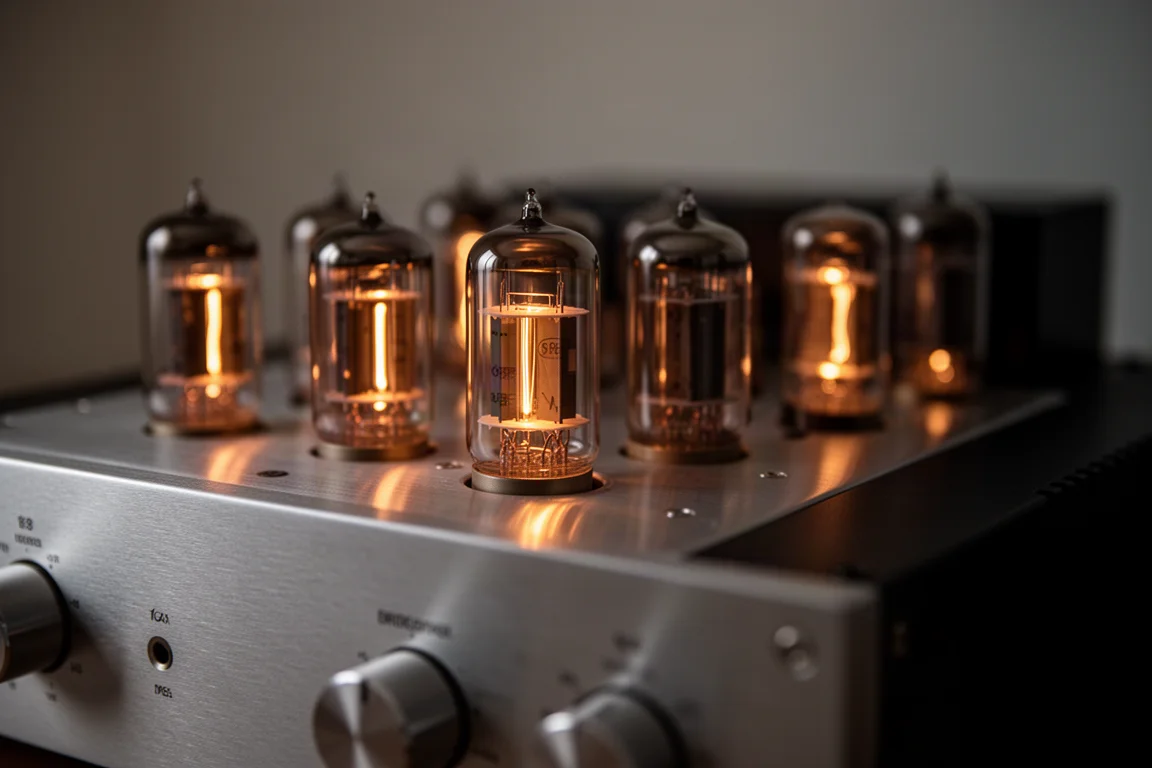
The driver stage is equally flexible. The amplifier accepts either a 12AX7 or a 6N2P driver tube, selected with a second switch on the back plate, which opens a path into tube rolling without any soldering. The volume knob has a satisfying weight and feel, which matters more than it might sound when the alternative is a handset that overshoots the level you wanted.
There is one more quality that is harder to put into a specification sheet. This amplifier releases music into the room in the way good tube designs do, with instruments occupying space instead of staying pinned to the speaker cabinets. On piano recordings in particular, the sense of hammers meeting strings and harmonics floating free of the drivers is what separates a competent amplifier from a memorable one.
How It Compares With Other Tube Amplifiers
Two very different alternatives bracket this amplifier on either side. A hybrid design such as the Heaven 11 Billie, which uses tubes only in its input stage and a class D output stage, has real beauty of its own, but the Fezz pulled noticeably further into the recording, with a stronger sense of performer and instrument as a single event. At the other extreme, a low-power 300B integrated such as the Decware Sarah, which sells for roughly $5,000 with tubes and produces less than eight watts per channel, offers a quality of inner detail and glow that the Fezz does not quite match. What the Fezz brings instead is the ability to play louder, sound more dynamic, and keep the bass under greater control. For most listeners, that combination would win the contest.
The Linear Tube Audio MicroZOTL preamplifier and Ultralinear power amplifier sit in a different bracket entirely. Each of those two components costs more than the entire Fezz amplifier, and the Ultralinear delivers only 20 watts per channel, so this is not a fair fight on price or on power. The LTA pair is the warmer, lusher, more spacious sounding system, opening up the space around instruments. The Fezz is the faster, clearer, more transparent one, with tighter and cleaner bass. That is a matter of taste rather than a hierarchy, and the Fezz gives up very little given the price gap.
Things to Consider Before Buying
Tube amplifiers run hot, and this one is no exception. That is normal for the category, but it has practical consequences. An enclosed cabinet with the doors shut is the wrong home for it, and any buyer should plan for open airflow above and around the chassis.
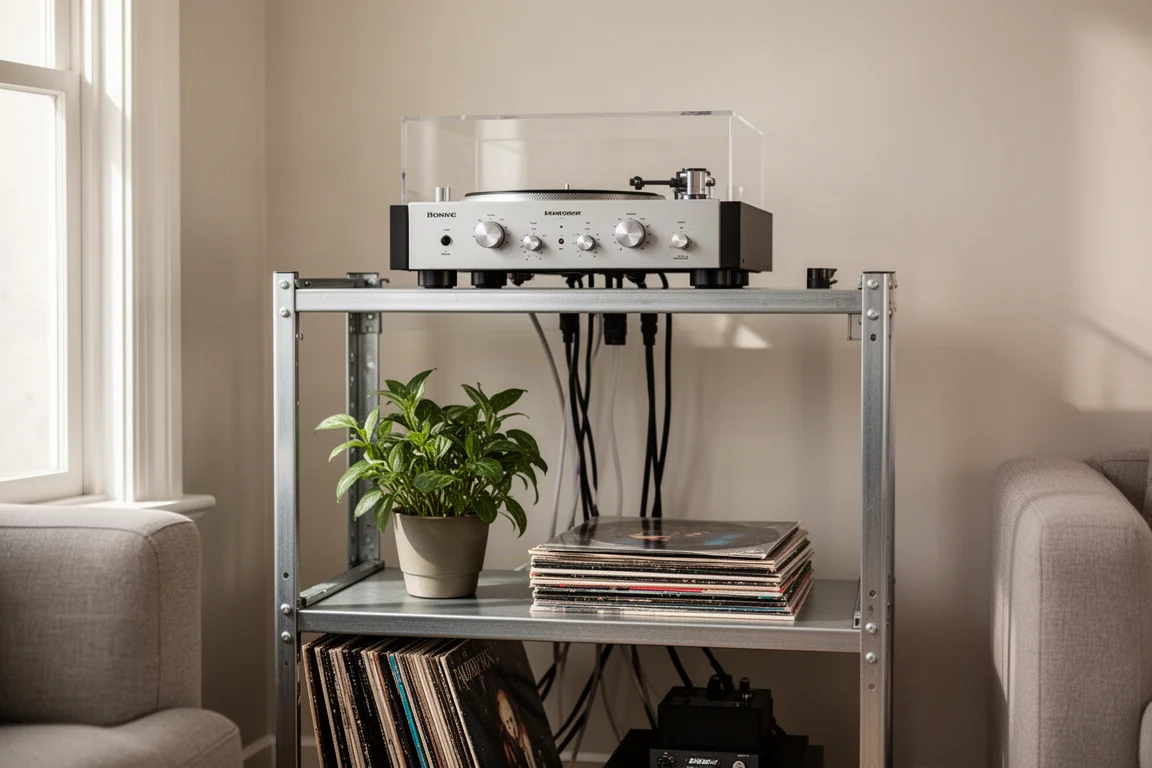
Fezz offers an optional tube cage with what appears to be a glass front panel, and it looks like a considered part of the design rather than an afterthought. Households with young children or pets should treat the cage as close to essential.
The remote control is the weakest part of the package. It is a plastic handset that looks reasonably sharp but feels plasticky in the hand, and its volume steps move far too quickly to land on a precise level. The upside is that the amplifier’s own volume knob feels excellent, so walking over to adjust the level is a perfectly pleasant alternative.
Finally, the back panel is bare bones by modern standards. Three analog inputs is the entire complement, with no digital connections and no phono stage included. Anyone with more than three sources, or anyone hoping to plug a computer straight in, should factor that into the decision.
Setup and System Matching
The two sets of binding posts, one for 8 ohm loads and one for 4 ohm loads, are worth experimenting with. Matching the tap to a speaker’s nominal impedance is the obvious starting point, but listening to both before settling is the better approach, because the difference is not always predictable from the specification.
Speaker sensitivity does most of the work here. With an efficient pair of speakers, 35 watts per channel goes a long way, and the amplifier will happily fill a normal room. With low-sensitivity speakers in a large space, the amplifier will run out of headroom sooner, and a more powerful design becomes the safer choice.
The two rear switches deserve a place in the setup routine rather than a one-time flick. The driver tube selector must match the tube actually fitted, whether that is a 12AX7 or a 6N2P, and the pentode and tetrode switch is best explored over a few listening sessions with familiar recordings before a preference is settled.
Buying Advice
The optional extras are worth thinking through before ordering. The remote control is convenient but not essential given how good the knob feels, the subwoofer output is valuable for anyone running a two-way speaker with limited low-end extension, and Bluetooth is a genuinely unusual addition on a valve amplifier for listeners who want to stream casually without a separate box.
The value case is stronger than the price tag suggests. At $3,495, this is a European-built amplifier with in-house toroidal transformers, a well-finished metal chassis, and a sound that holds its own against far more expensive separates. Buyers who expected a European valve integrated to cost considerably more will find that figure pleasantly low.
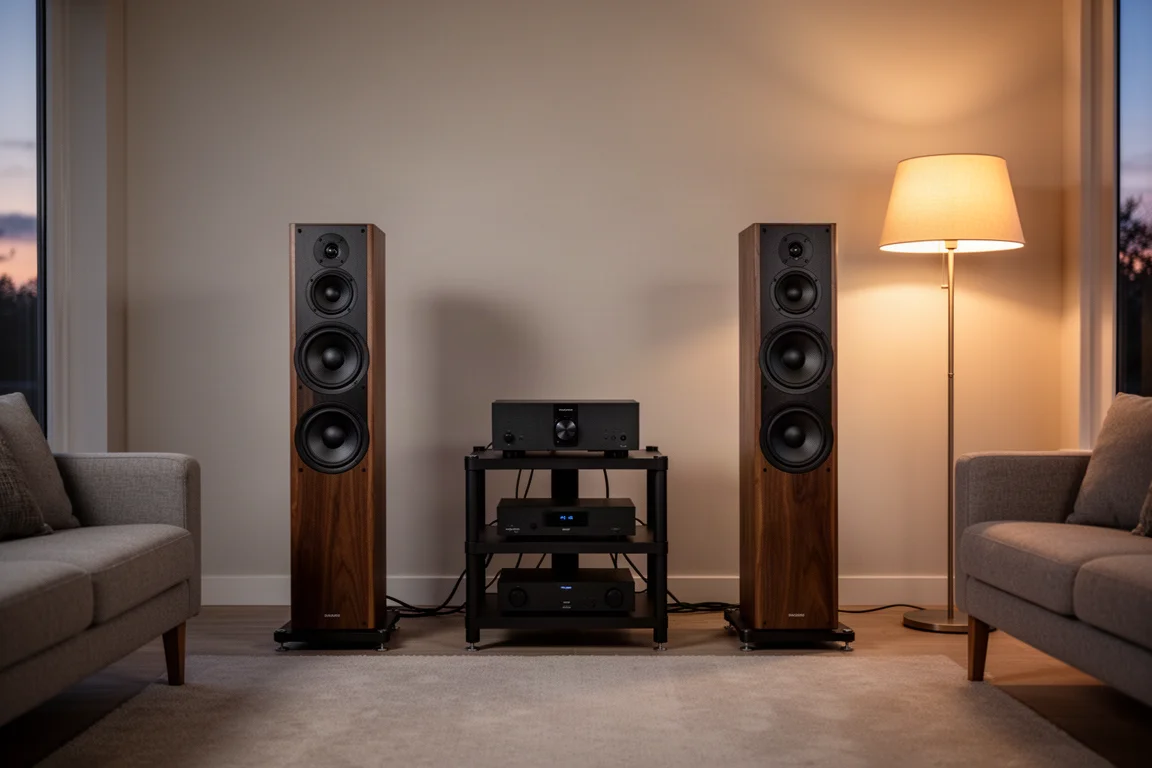
The choice between pentode and tetrode operation is worth treating as part of the purchase rather than a bonus. Listeners who value clarity, speed, and bass control will likely stay in pentode, while those who want a fuller, warmer balance on leaner speakers will gravitate to tetrode. The switch makes the amplifier adaptable to two different rooms and two different tastes.
Anyone who needs digital inputs, streaming built in, or more than three sources should look at a different category of product, or budget for an outboard DAC alongside this amplifier. For a pure analog system built around efficient speakers, it is a very easy recommendation.
Conclusion
The Fezz Audio Evo Silver Luna Prestige lands in an unusual place for a tube integrated amplifier: warm enough to satisfy listeners who want body and soul, clear enough to satisfy listeners who want detail and resolution, and priced below what its construction and transformer pedigree would suggest. The pentode and tetrode switch, the flexible driver tube, and the excellent volume knob all add up to an amplifier that rewards a little experimentation.
It is not the last word in inner detail, and its remote control is a genuine annoyance. But for anyone assembling a simple analog system around high-sensitivity speakers and looking for a long-term centerpiece at a sensible price, this is one of the more convincing options in its class.
Product link
View more details for Fezz Audio Evo Silver Luna Prestige
This product is mentioned in the review. Check the specifications, options, and compatibility before buying.
View more details for Fezz Audio Evo Silver Luna PrestigeFurther reading
Related Reviews
Hi-Fi Amplifiers
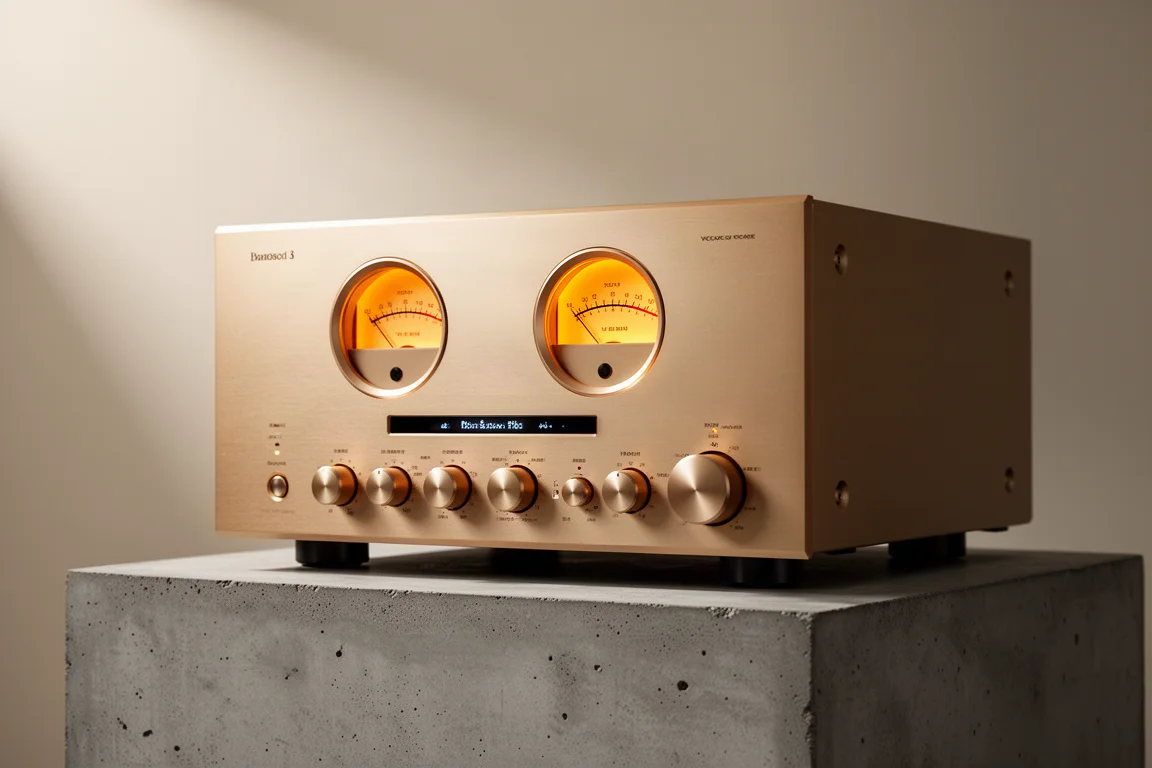
Accuphase E-280 Review: Entry-Level Accuphase With Flagship Attention to Detail
A close look at the Accuphase E-280 integrated amplifier, covering its champagne build, AAVA volume control, sound quality, and the speakers and sources that suit it best.
Hi-Fi Amplifiers
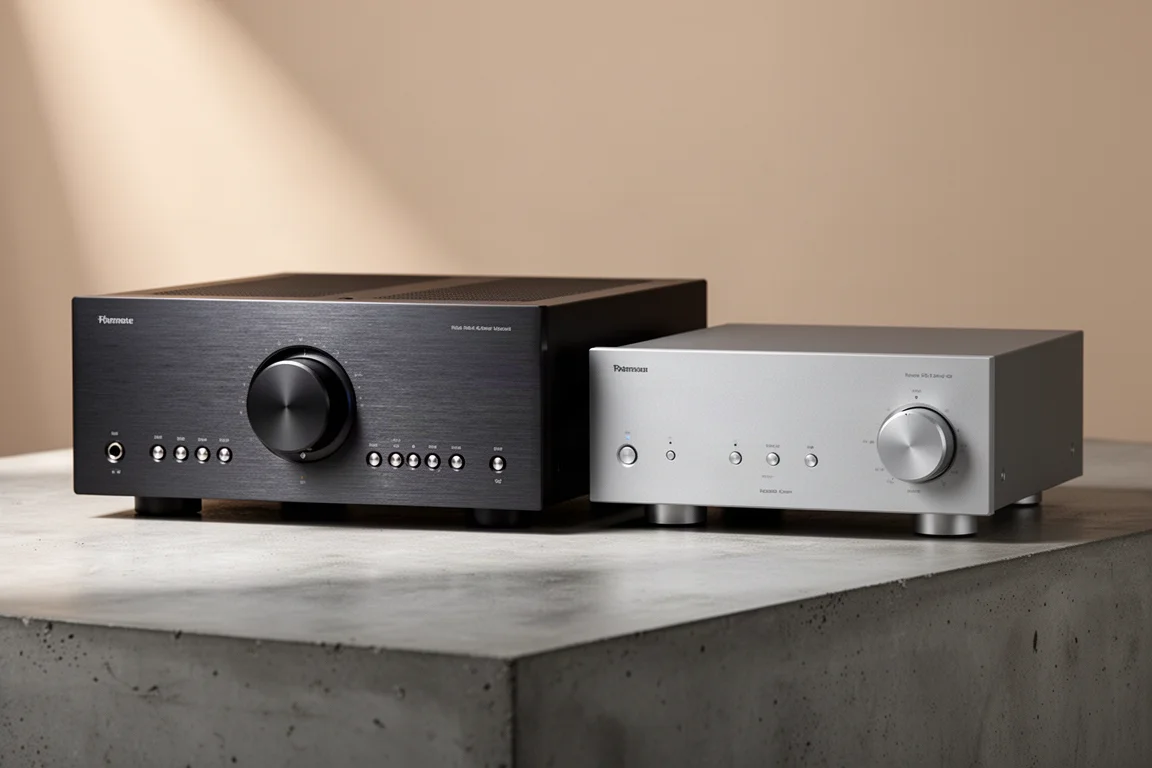
Advance Paris A10 Classic vs Yamaha A-S301: Two Integrated Amplifiers Compared
A practical comparison of a $350 integrated amplifier and a $2,500 reference model, covering the differences that matter and the ones that do not.
Hi-Fi Amplifiers
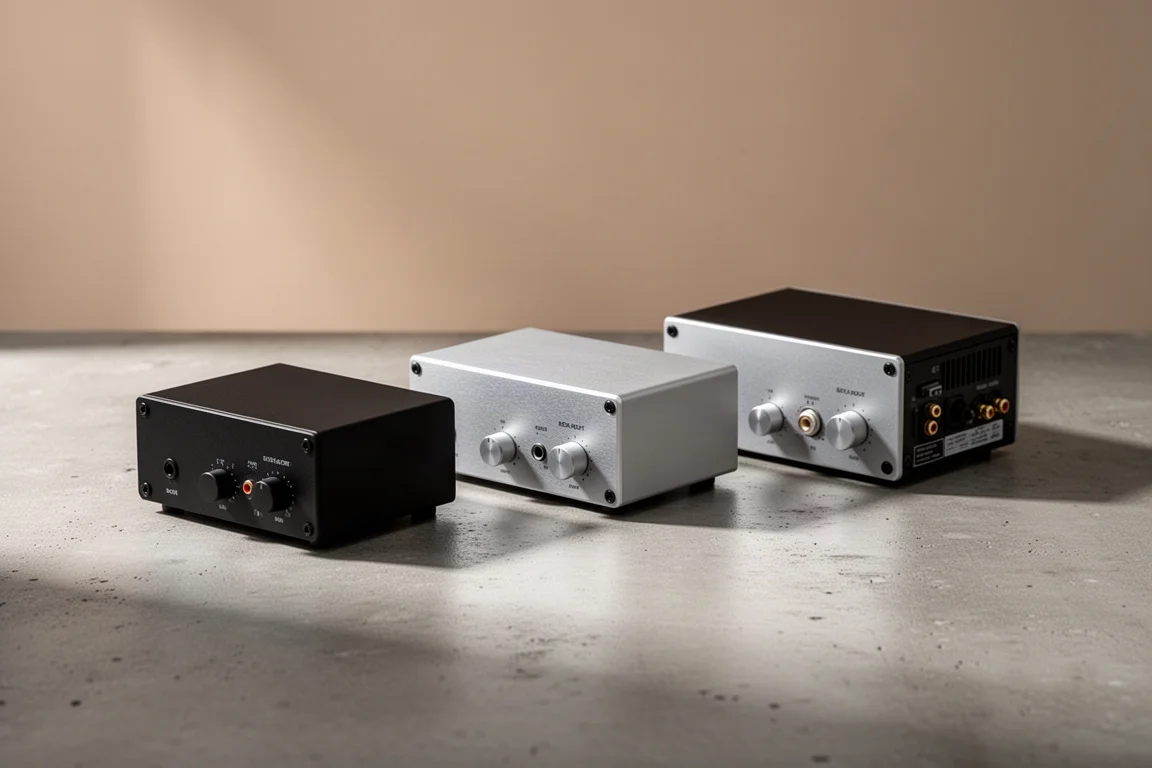
Affordable Chinese Amplifiers Worth Buying: Five Budget Hi-Fi Amps Compared
A practical look at five affordable amplifiers, what each one does well, and the trade-offs to weigh before you buy.