Automotive
Ferrari Purosangue Review: A V12 Ferrari That Happens to Be an SUV
Ferrari's first four-door, four-seat, high-riding model pairs a 715hp 6.5-litre V12 with radical active suspension. Here is what makes it unlike any other SUV.
Introduction
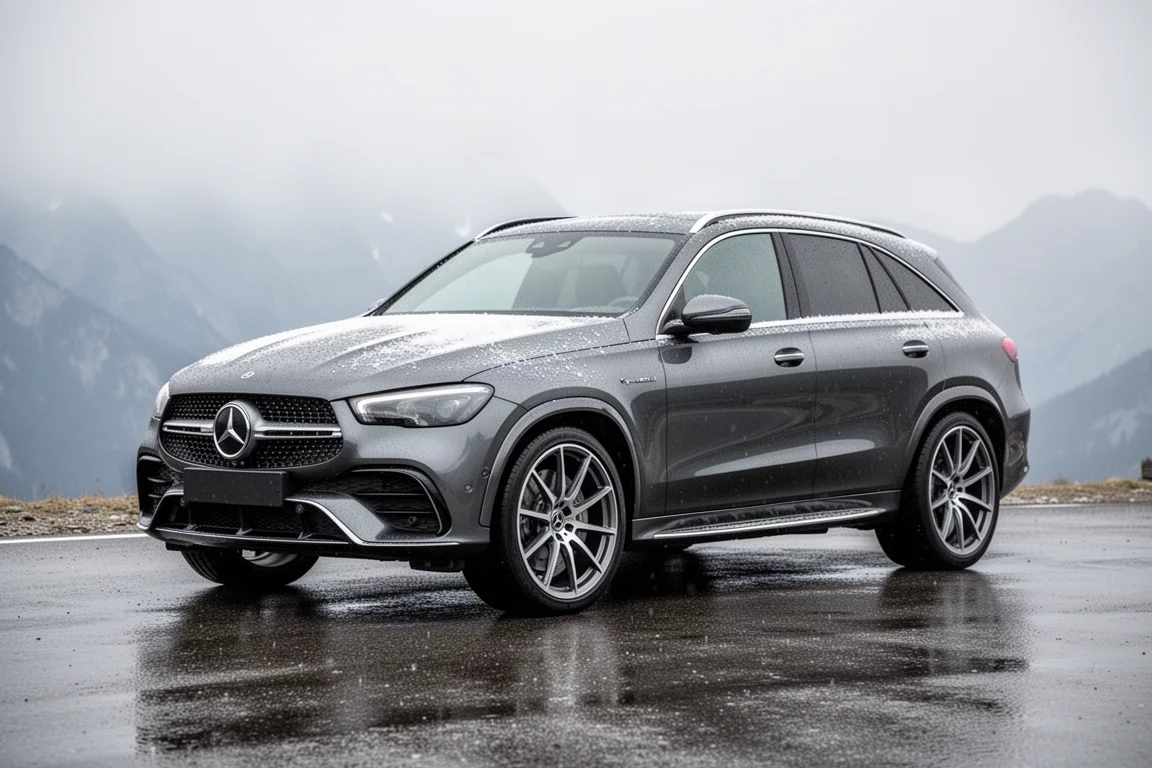
Ferrari has built an SUV. The company itself would never use that word, of course, but the Purosangue is a high-riding, four-wheel drive vehicle with four doors and four seats, just shy of five metres long. If it looks like a duck and quacks like a duck, it is an SUV, and it is worth getting used to the idea, because what Ferrari has done with the concept is genuinely fascinating.
This is not a car Ferrari needed to build. The SUV market is profitable and growing, and a necessity for many manufacturers, but Ferrari’s profitability has never depended on one. Even so, the Purosangue exists, it wears a 6.5-litre V12, and it carries a price of around 395,000 euros in Italy, roughly 350,000 pounds. Ferrari says it will not exceed 20 percent of overall production volumes, which keeps it deliberately rare.
Ferrari’s First Four-Door: What It Actually Is
The Purosangue will not set hearts fluttering in the way a 296 GTB in Rosso Corsa does, but it is a cool-looking thing with real presence, and it arguably beats its most obvious rival at the styling game. Under the long bonnet sits the 6.5-litre V12 producing 715 horsepower and 528 foot-pounds of torque, driving through the unusual four-wheel drive system borrowed from the GTC4Lusso. With no shared platform with more prosaic models, it has the potential to be in a different league dynamically to any SUV that has gone before.

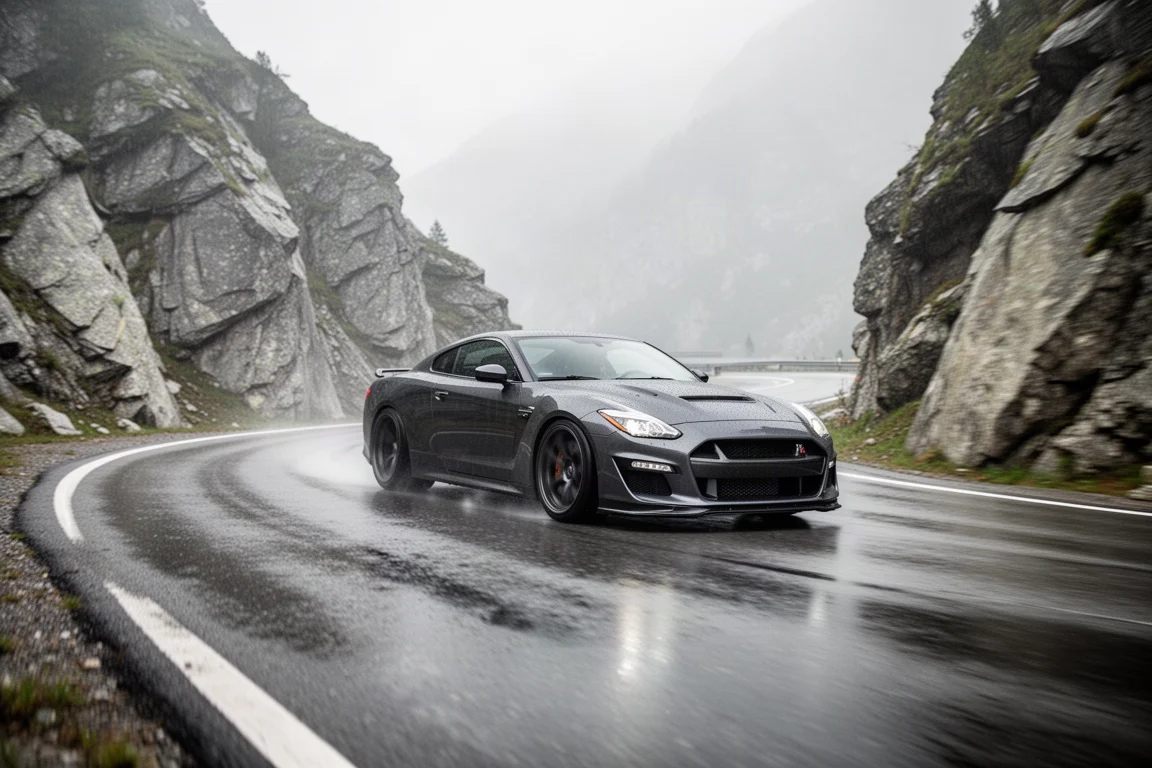
The numbers back that up. Top speed is over 310 kph, or 193 mph. Zero to 62 mph takes 3.3 seconds, and zero to 124 mph takes 10.6 seconds, nearly a full second quicker than the new Urus Performante. The price is a huge step up, but the chassis technology is very trick indeed.
Radical Chassis Technology
The chassis is where the Purosangue gets genuinely radical. Alongside four-wheel independent steering, there is a new system called Ferrari Active Suspension Technology, using Multimatic’s True Active spool valve system. At each corner there is a damper with an electric motor and actuator that can accelerate or slow the piston within the damper. It is powerful enough to negate the need for anti-roll bars entirely; this car does not have any. Ferrari claims the system cuts body roll and pitch by up to 30 percent.
That level of control allows Ferrari to play with roll stiffness at different corners of the car in different phases of a corner, for example freeing up the rear dampers on exit to increase traction. Body control matters enormously here because the Purosangue is heavy. Initial figures quoted a dry weight of 2,173 kg with lightweight options, though a later approved claim lists 2,033 kg, so it is worth waiting to see how that settles. Braking duties are handled by the ABS Evo system adopted from the 296 GTB.
Powertrain and Drivetrain
As important as the V12’s power is where it is placed. The engine sits far back in the chassis, right behind the front axle line, giving a 49 front / 51 rear weight distribution. At the back there is a transaxle eight-speed dual-clutch gearbox, the same unit as in the 296 or SF90, with ratios on average 26 percent shorter than in the GTC4Lusso, improving responsiveness and acceleration.
The four-wheel drive system is unlike anything else in the class. There is no mechanical connection between the front and rear axles. Instead, a separate drive shaft comes off the front of the engine into a two-speed gearbox to power the front wheels. It is a completely different solution to any other SUV, though it does mean the car loses four-wheel drive capability from fifth gear onwards.
The aluminium chassis is all new and boasts torsional rigidity up 30 percent over the GTC4Lusso, and it is lighter despite being much bigger. The body mixes aluminium and carbon fibre, including the roof, with high-strength steel for the intrusion bars and B-pillars.
Aerodynamics Done the Ferrari Way
The most obvious aero features are the aero bridge on the front wings, calling to mind the F12 Berlinetta, and the floating wheel arch trims. The bridge reduces drag, while the wheel arch vents help seal off the front wheels to prevent transverse turbulence. Less visible are aerodynamic devices on the lower wishbones, vents above and below the DRLs that channel air to the aero bridge and cool the brakes respectively, plus a host of measures cooling the engine, front gearbox and rear e-diff. There is no rear wiper; air is channelled from the lower surface of the rear spoiler to keep the screen clean instead.
Interior and Practicality
Inside, the Purosangue makes a strong case for itself. The doors give excellent access to the rear cabin, and there is plenty of headroom for taller occupants despite the low roofline. Rear seats are individually adjustable, and while the standard car gets a carbon fibre roof, an optional glass roof is available, though the carbon option is the more traditional Ferrari choice.
It is not a Range Rover, and it is probably pitched about right. Only the small load area lets things down for the annual skiing holiday or a really big shop: boot space is roughly half that of a Range Rover and only marginally bigger than a Porsche Macan.
Driving Position and Character
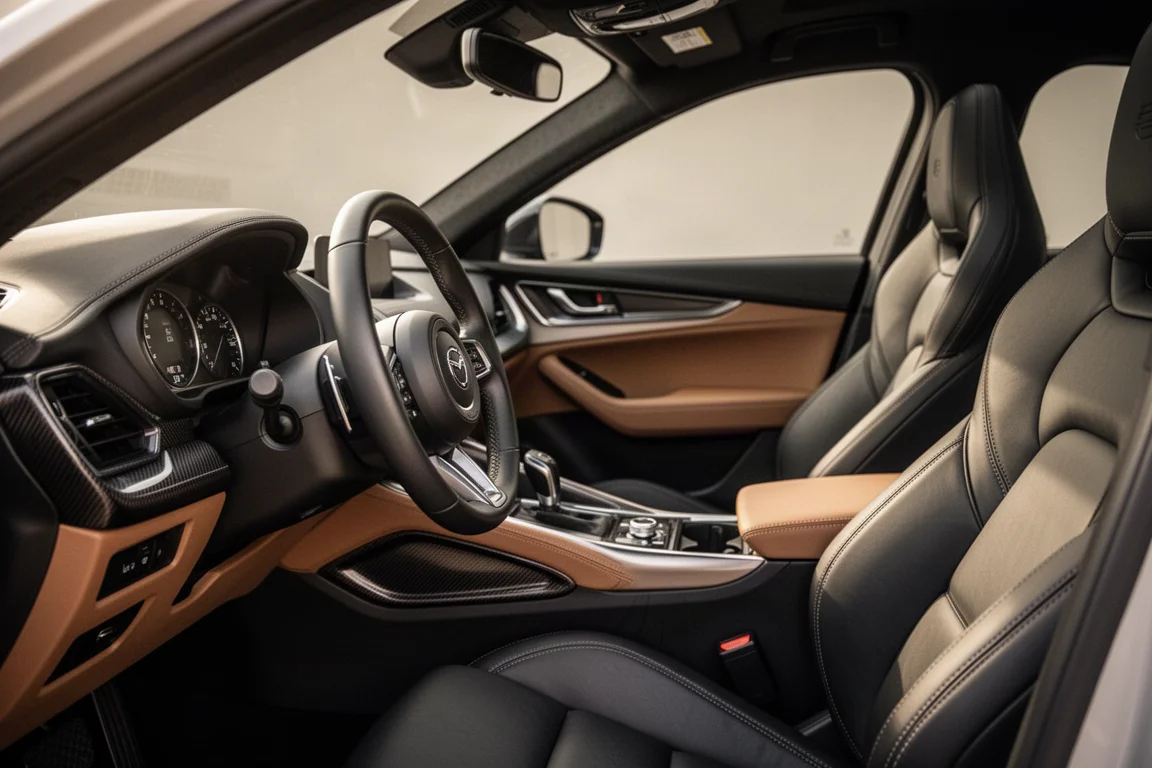
The driver’s seat is arguably the best seat in the house. The steering wheel has a lovely delicate thin rim, with the usual big paddles, and it simply feels special. The plunging windscreen means you do not feel low, but you never feel like you are sitting in an SUV either; the driving position is much more Ferrari GT-like. There is a real sense of restraint here, a car that has not gone over the top, with old-school grandeur that echoes the majesty of the big front-engine V12 GTs.
There are quirks. The haptic controls on the steering wheel are divisive, though they seem less bothersome than in the SF90. There is a slightly gimmicky open gated gearbox controller and a floating controller for heating that docks back into its recess. Drive modes are Ice, Wet, Comfort, Sport and ESC Off; there is no Race mode, but there is ESC Off, which is the one that really counts. Overall the cabin has a sense of calm and class that says a lot about the V12’s character. The Manettino sits on the wheel as expected, and there is a long-legged, confident feel to the way the car presents itself, a quiet assurance rather than the desperate aggression of some rivals.
Should You Buy One?
Ferrari has done what Ferrari always does: thrown technology and passion at the project. The V12 is a delight, the active damper system sounds incredible and potentially game-changing for agility, and the whole package is potent and pretty fascinating. Reservations remain. The car is heavy, and it is fair to ask whether a Ferrari can be a Ferrari when it weighs well over two tonnes. The unusual four-wheel drive system is also something not everyone will be fully convinced by.

Yet for buyers with roughly 350,000 pounds and a place in the queue for a deliberately limited car, the Purosangue occupies a genuinely new space. Any car with that magnificent V12 has a very good chance of being irresistible.
Conclusion
The Purosangue is a strange concept on paper that turns out to be coherent in the metal. A 715hp naturally aspirated V12, radical active suspension with no anti-roll bars, a unique torque-splitting drivetrain and a genuinely usable four-seat cabin make it far more than a badge exercise. It is heavy, it is expensive, and it is still unmistakably a Ferrari.
Product link
View more details for Ferrari Purosangue
This product is mentioned in the review. Check the specifications, options, and compatibility before buying.
View more details for Ferrari PurosangueFurther reading
Related Reviews

Automotive
Best Brake Parts Cleaner 2026: 14 Brands Tested for Speed, Cleaning Power, and Residue
We tested 14 brake parts cleaners for evaporation speed, grease removal, sludge breakdown, and residue to find the best value for your garage.
Automotive
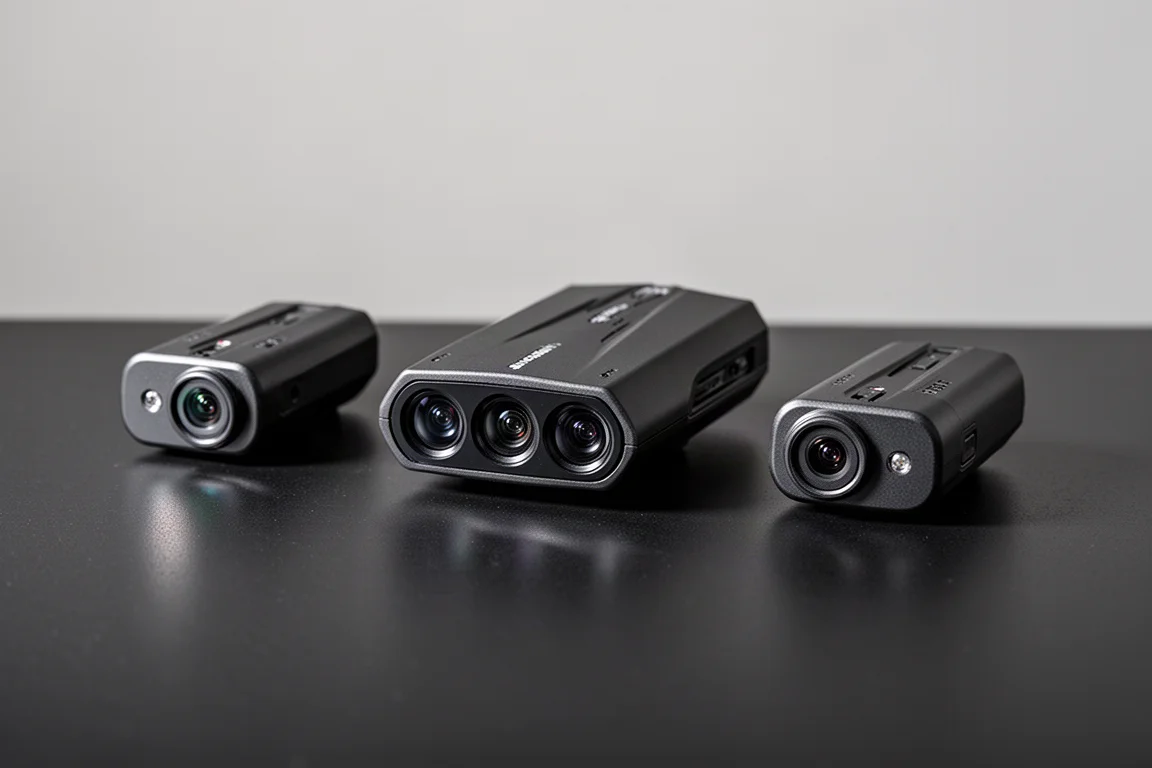
Escort ZR6 Laser Jammers: A Hands-On Look at Features and Performance
The Escort ZR6 laser jammers offer compact heads and flexible integration, but the interface leaves room for improvement.
Automotive
LiPower Solid-State Car Battery Review: A Lighter, Longer-Lasting Upgrade
A practical look at the LiPower solid-state car battery, covering its specs, real-world performance, and how it compares to a traditional AGM battery.