Hi-Fi Speakers
Fern & Roby Raven 3 Review: Single-Driver Coherence in a Solid Wood Cabinet
A close look at the Fern & Roby Raven 3, a solid wood full-range speaker built around a single 8-inch driver with no crossover and no separate tweeter.
Introduction
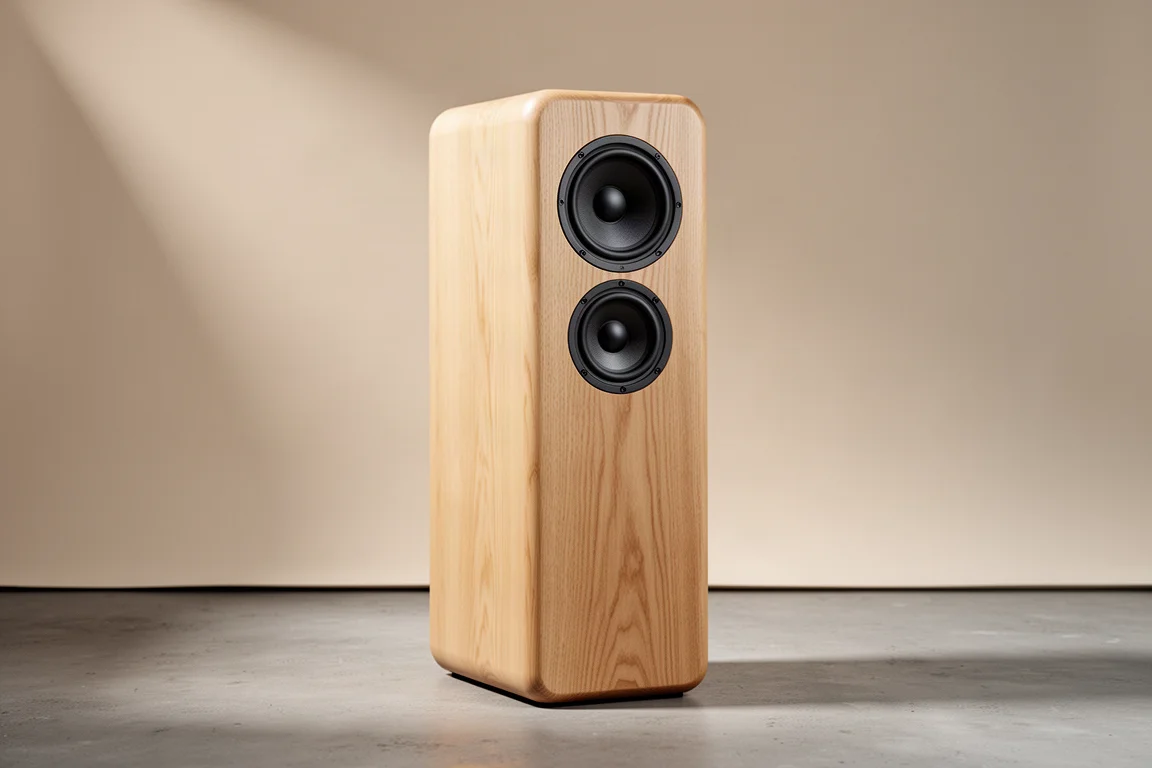
The Fern & Roby Raven 3 does something most modern loudspeakers do not: it reproduces the entire frequency range through a single 8-inch full-range driver. There is no separate tweeter, no dedicated midrange, and no woofer. There is also no crossover network, because there is nothing to divide. Every note a listener hears arrives from one source.
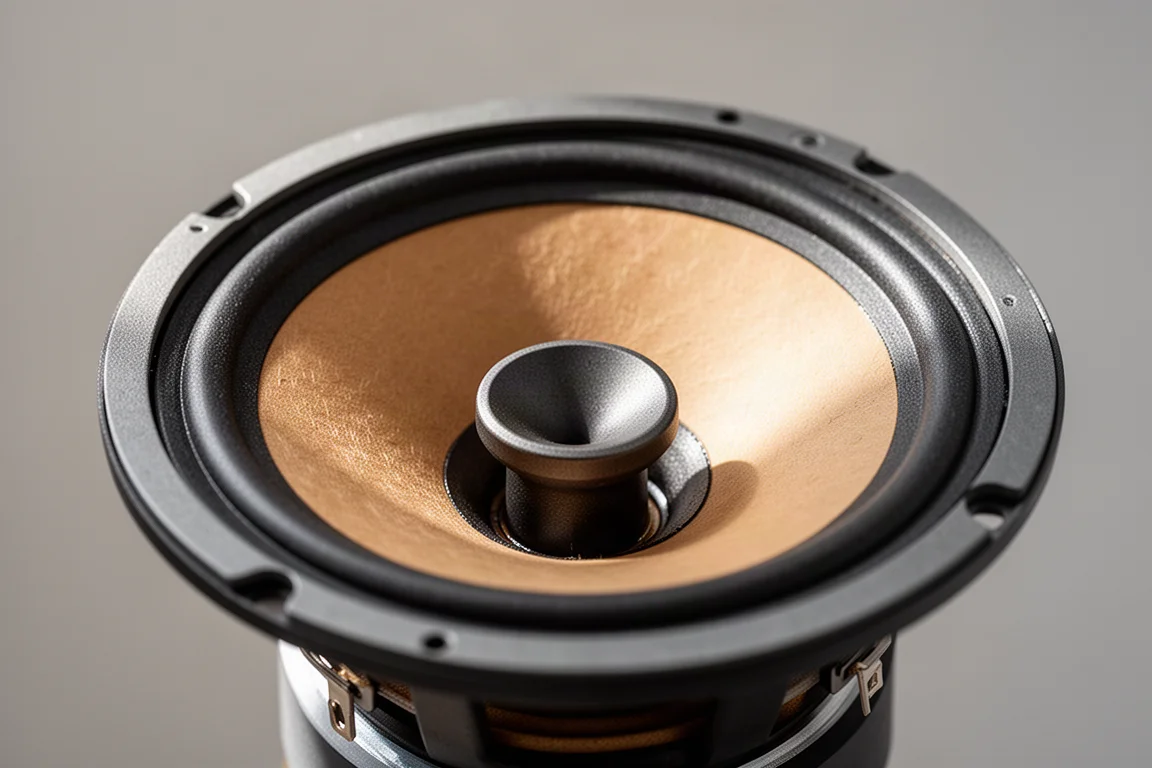
That architecture shapes everything about the speaker. The cabinet is solid wood, not a veneer wrapped around chipboard or MDF, and the woodworking is completed in house at Fern & Roby’s factory in Richmond, Virginia. Two finishes are offered: Ash, the light wood finish, and Walnut. The 8-inch driver is built specifically for Fern & Roby rather than pulled off a shelf, and the internal wiring comes from Black Cat Cable.
The Raven 3 is priced accordingly. Ash is $8,500 per pair and Walnut is $9,150 per pair. Fern & Roby sells direct in the United States and internationally, so no distributor or dealer margin is built into the price.
Who the Raven 3 Is For
The Raven 3 suits listeners who put tonality and coherence ahead of sheer output. It rewards owners who listen at late-night levels as much as at moderate levels, and it does both exceptionally well. Late-evening listening is where the design feels most at home, because detail and tone survive even when the volume is turned well down.
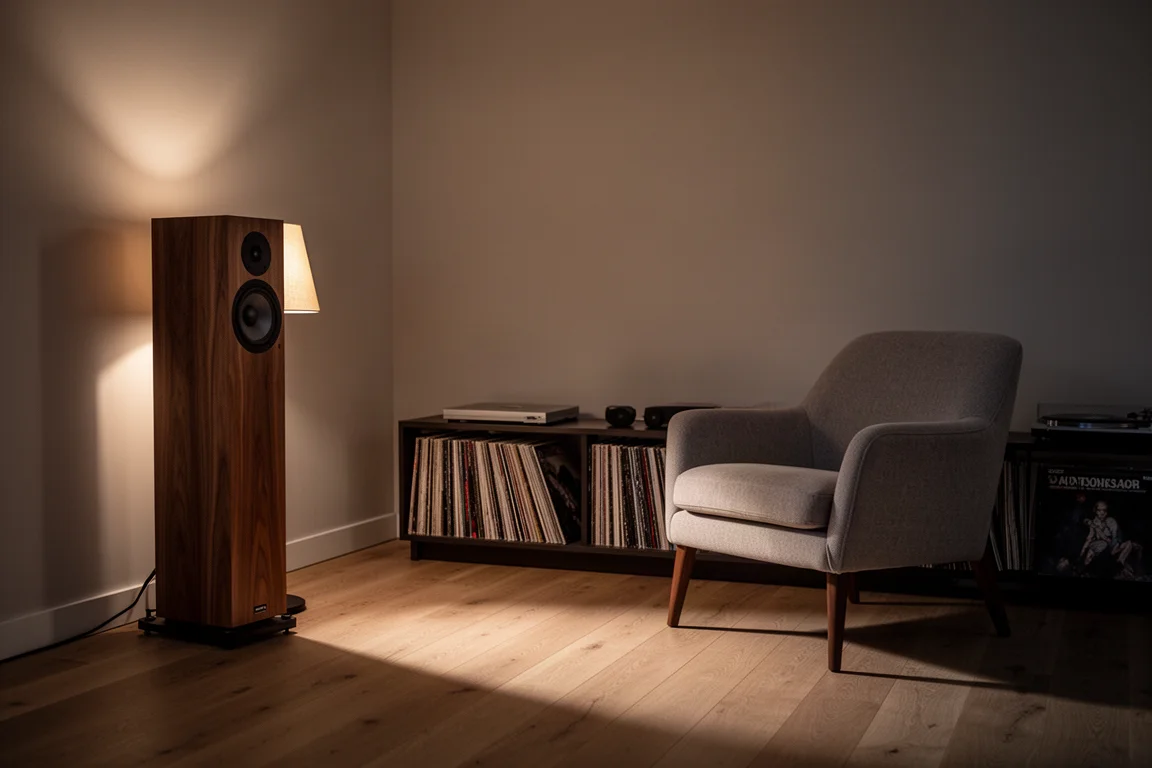
It also suits listeners working in a smaller room. The Raven 3 stands 34 inches tall, so it fits spaces where a large floorstander would dominate both the decor and the acoustics.
Above all, this is a speaker for someone who already owns, or plans to own, first-class electronics. It resolves the differences between amplifiers easily, so the quality of what feeds it matters a great deal. Anyone building a system around budget or hard-sounding components will not hear what the Raven 3 can do.
Main Strengths
Tone and Tonality
Tone is the Raven 3’s strongest argument. Its balance sits on the rich side of neutral, which makes acoustic and electric instruments sound more complete, more full-bodied, and more real. The effect is not warmth for its own sake. It is a sense of instruments sounding finished rather than thinned out.
Midrange detail is a large part of that impression. On a live recording, vocal phrasing and the singer’s proximity to the microphone come through clearly, which gives familiar tracks an event-like quality rather than a studio-flat one.
Brass is handled particularly well. The leading edge of a trumpet has the right attack and texture, which is not something a listener necessarily expects from a design with no tweeter to support the high frequencies.
Coherence and Dynamics
Because the signal is never split between drivers, the Raven 3 sounds seamless. Instruments do not sit in separate bands. The presentation hangs together as a whole, and the soundstage expands or contracts to match the scale of the recording rather than imposing a size of its own.
Rhythm, pace, and timing are communicated with real energy, and the speaker is dynamically alive, though not quite at horn-loaded levels. Imaging is about average rather than hyper-focused, so listeners who chase pinpoint placement may find it less spectacular than the rest of the performance. Coherence of the stage is the stronger quality here.
Things to Consider Before Buying
Placement and Room Sensitivity
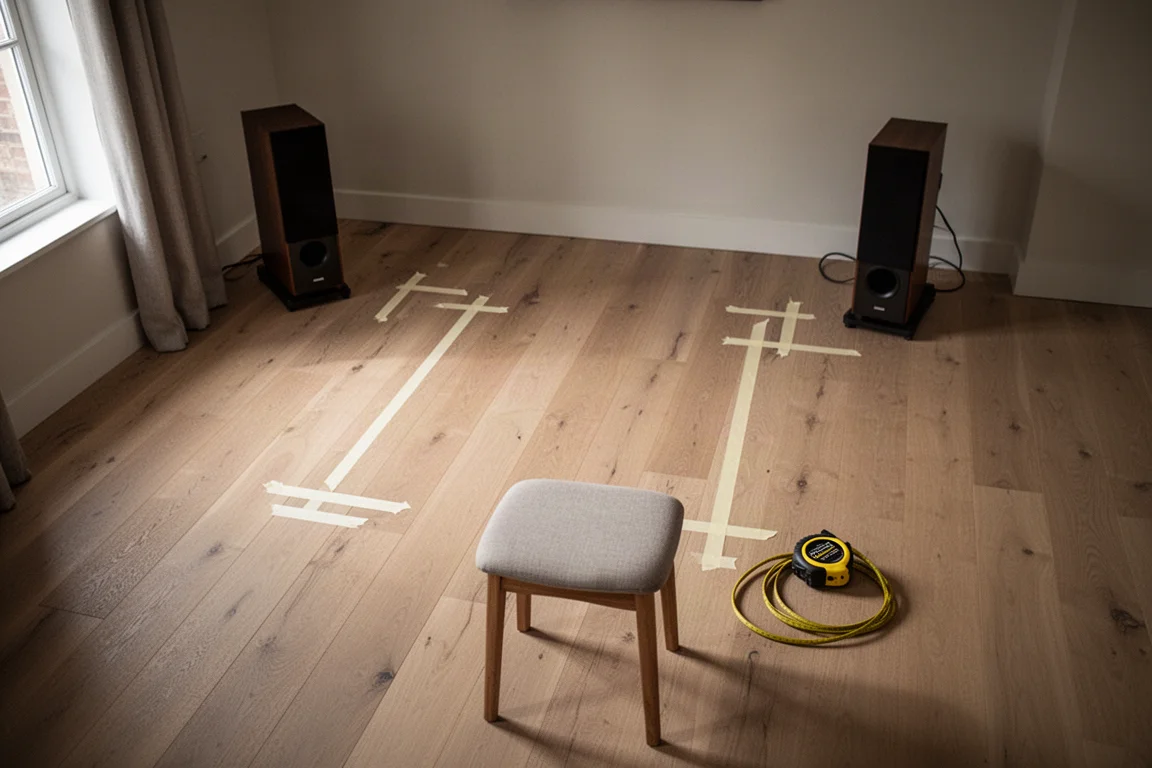
The Raven 3 is fussy about placement, and buyers should expect to spend time getting it right. In one setup, the speakers sat roughly 15 inches from the wall behind them and about 6 feet apart, toed in almost directly at a listening position around 6.5 to 7 feet away. In a larger part of the room, they were placed about 9 feet apart and 28 inches out from the wall. Both positions worked, but only after a fair amount of adjustment.
The payoff for that patience is a speaker that steps back and lets the music lead. Buyers who cannot move speakers freely, or who need a design that sounds its best wherever it lands, should factor that requirement in.
Power and Loudness Limits
The Raven 3 is rated at 8 ohms impedance with a sensitivity of 94 dB, so it does not demand enormous power. It partners well with low-powered amplifiers and with more powerful ones: it worked beautifully with a low-power design and with a 20-watt tube amplifier, and it also scaled up cleanly with a 150-watt-per-channel Class D amplifier.
What it will not do is play at party levels. With a single 8-inch driver in a 34-inch cabinet, output has limits. Listeners who want to crank music loudly should look at a larger horn-loaded floorstander with a 15-inch woofer, which will play louder and typically costs less. For everyone else, the Raven 3 plays as loud as most rooms need.
The same trade-off appears against other designs. A comparably sized two-way standmount with an outboard tweeter delivered more high-frequency air and delicacy and could play louder without strain, but the Raven 3 countered with better overall tone and more detail in the bottom end. A tri-amplified active monitor costing considerably more sounded more dynamic and more alive, with greater top-end detail, yet the Raven 3 was the more forgiving of the two, smoothing over compressed or distorted recordings instead of exposing every flaw. An open-baffle design with 15-inch woofers produced a bigger, more spacious sound and a fuller bottom end, but the Raven 3 is far more likely to come together properly in a smaller room.
Buying Advice
Buy the Raven 3 for what it does best: tone, coherence, and an uncommonly engaging musical flow. It is an expensive speaker, but the build quality is not superficial. The solid wood cabinet, the in-house woodworking, the solid copper binding posts, and the quality internal wiring all contribute to a sense of real craftsmanship that is obvious in person.
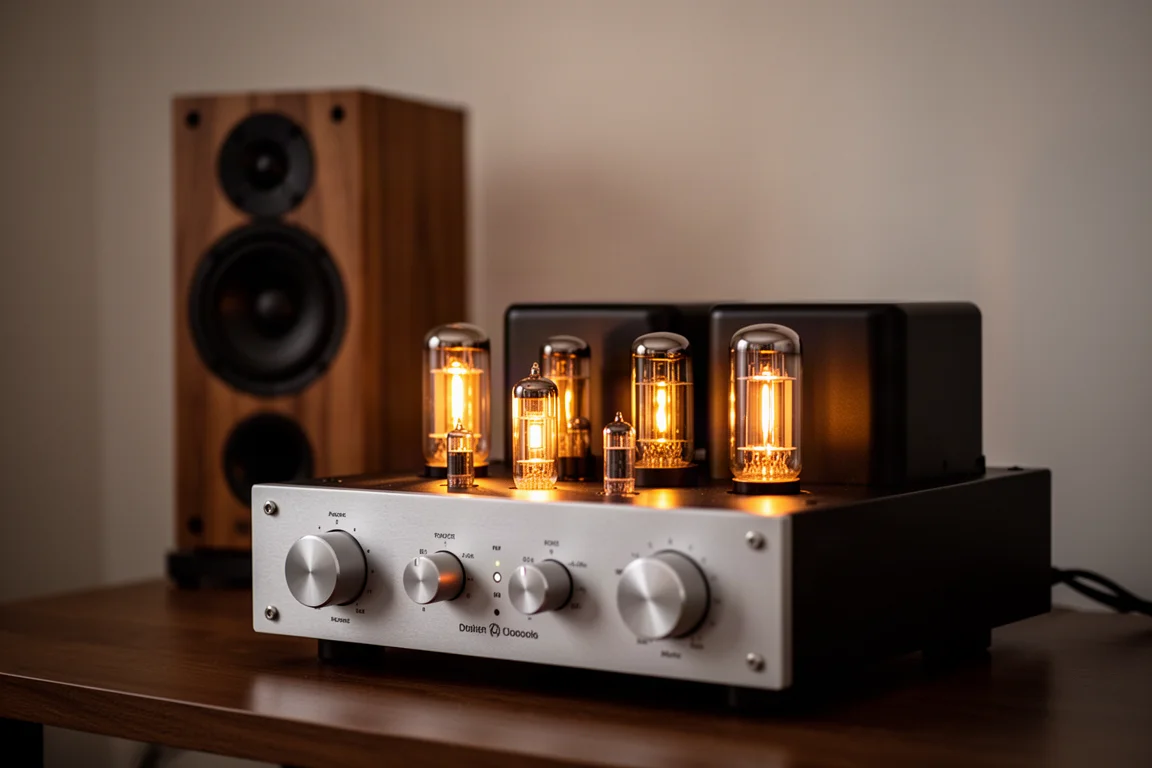
Finish choice is straightforward. Ash is the lighter, more understated option at $8,500 per pair. Walnut is the warmer, more traditional option at $9,150 per pair. Because Fern & Roby sells direct, both prices hold in the United States and internationally without added distribution margin.
Amplifier matching deserves attention. The Raven 3 revealed clear differences between three very different amplifiers, and it was at its most compelling with a 20-watt tube amplifier. Buyers should budget for electronics that match the speaker’s level, because it will not flatter components that fall short.
Conclusion
The Fern & Roby Raven 3 is a specialist speaker, and it is honest about that. It will not fill a large room at party volume, and it asks for careful placement. What it offers in return is a rare combination of natural tone, single-driver coherence, and rhythmic engagement, wrapped in a solid wood cabinet made in Richmond, Virginia. Listeners who prize those qualities over maximum output will find it an easy speaker to live with for a long time.
Product link
View more details for Fern & Roby Raven 3
This product is mentioned in the review. Check the specifications, options, and compatibility before buying.
View more details for Fern & Roby Raven 3Further reading
Related Reviews
Hi-Fi Speakers
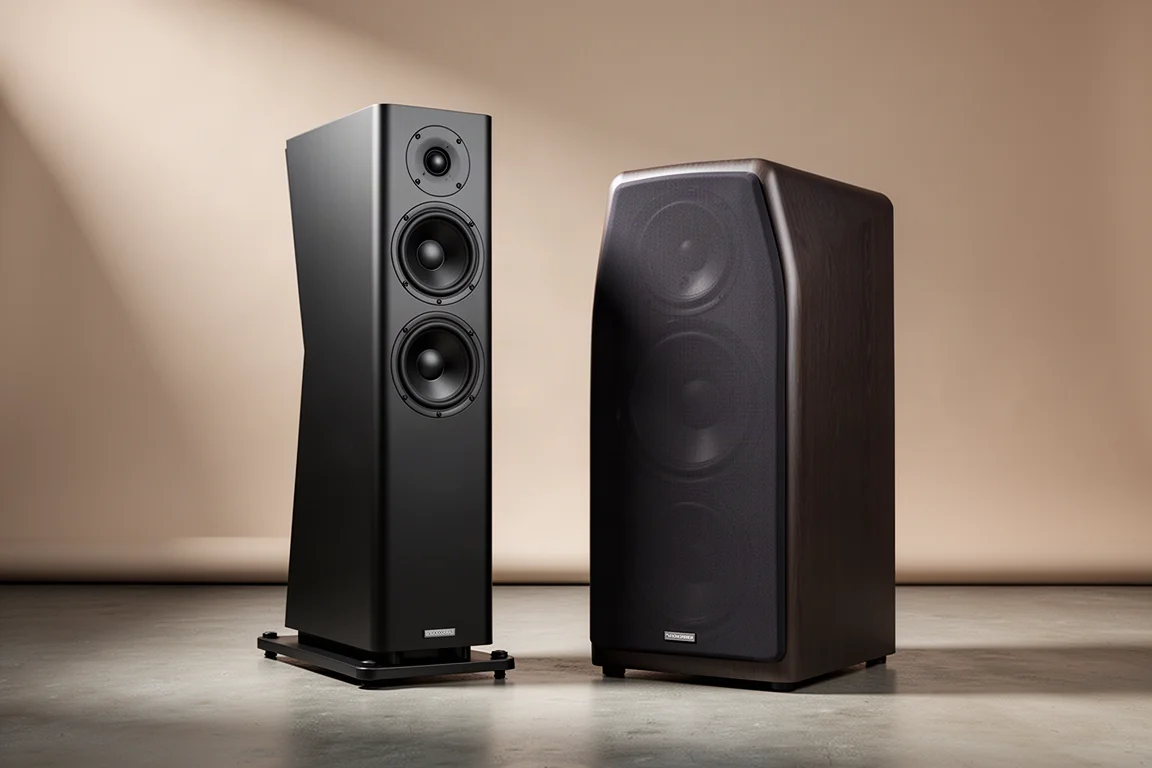
1723 THX Tower vs 1528 Bookshelf: Which Speaker Fits Your Room?
Two speakers at roughly the same price, built very differently. How the 1723 THX tower and the 1528 bookshelf compare on construction, bass, power needs, and sound.
Hi-Fi Speakers
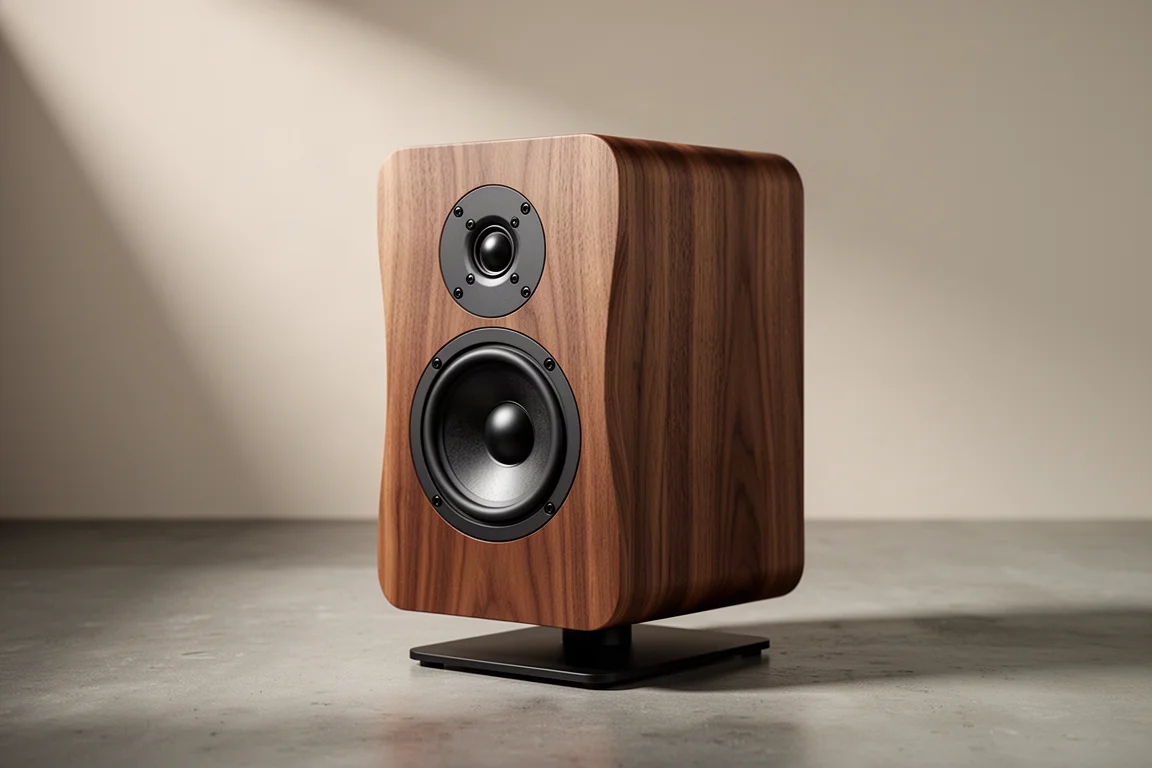
Acoustic Energy AE 300 Review: Deep Bass From a Compact Standmount
A two-way standmount with real wood veneer, surprising low-end weight, and a warm, easygoing character. Here is what to know before buying.
Hi-Fi Speakers
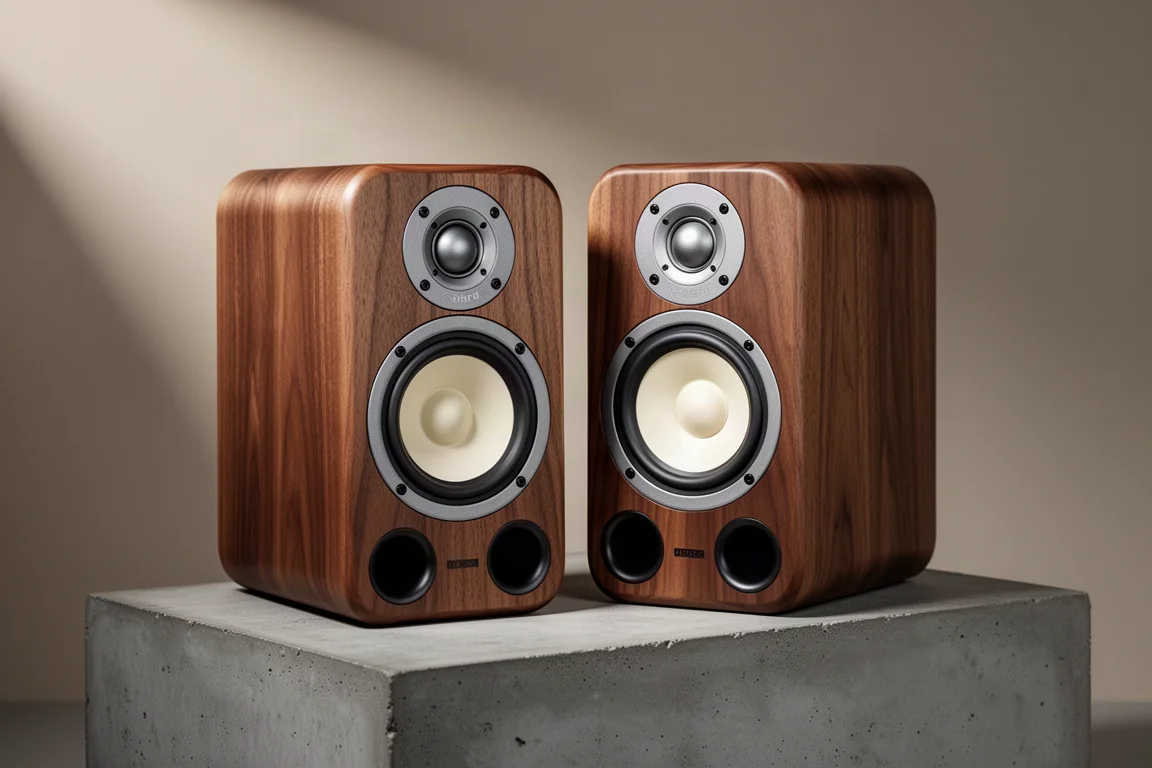
Acoustic Energy AE1 40th Anniversary Review: A Modern Take on a British Classic
A compact standmount that revives a 1980s favorite with all-new parts, a warm mid-centric balance, and a price of £1,499 per pair.